ARTICLE · 1175912
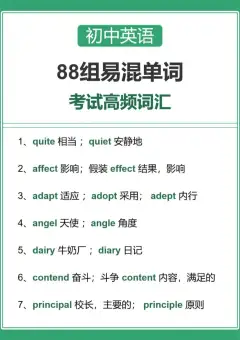
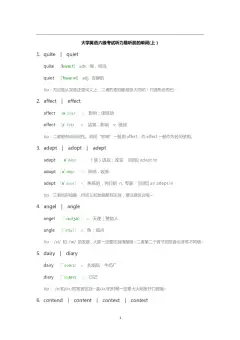
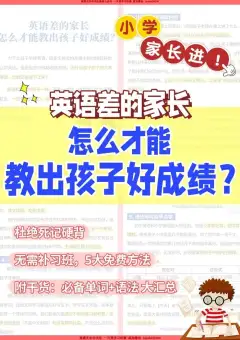
小学英语最容易混淆的100组单词,考试总出错的赶紧收藏!

小学英语中,有些单词看起来意思相近,用法却大不一样。比如 look、see、watch、read,say、speak、talk、tell,很多孩子总是分不清。
今天整理了 100组小学英语易混词,按类别归纳,配上简单例句,帮助孩子理解区别、减少考试丢分!
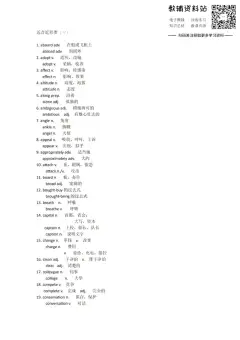
1. look / see / watch / read
look:看,强调动作;see:看见;watch:观看动态画面;read:阅读。
例:Look at the picture.(看这张图片。)
2. say / speak / talk / tell
say:说出内容;speak:说某种语言;talk:交谈;tell:告诉、讲述。
例:She speaks English.(她说英语。)
3. hear / listen
hear:听见,强调结果;listen:听,强调动作。
例:Listen to me carefully.(认真听我说。)
4. look / look at
look:看;look at:看着某人或某物。
例:Look at the blackboard.(看黑板。)
5. see / meet
see:看见、看望;meet:遇见、会面。
例:Nice to meet you.(很高兴见到你。)
6. come / go
come:来,朝说话者所在方向;go:去,离开当前位置。
例:Come here, please.(请到这里来。)
7. bring / take
bring:带来;take:带走、拿去。
例:Bring your book here.(把你的书带来。)
8. borrow / lend
borrow:借入;lend:借出。
例:May I borrow your pen?(我可以借你的钢笔吗?)
9. learn / teach
learn:学习;teach:教。
例:We learn English at school.(我们在学校学英语。)
10. say / tell
say:说某句话;tell:告诉某人。
例:Tell me your name.(告诉我你的名字。)
11. make / do
make:制作、创造;do:做事情、做活动。
例:My mother makes a cake.(我妈妈做了一个蛋糕。)
12. find / look for
find:找到,强调结果;look for:寻找,强调过程。
例:I am looking for my bag.(我正在找我的包。)
13. wear / put on
wear:穿着,强调状态;put on:穿上,强调动作。
例:Put on your coat.(穿上你的外套。)
14. get up / wake up
get up:起床;wake up:醒来。
例:I get up at seven.(我七点起床。)
15. arrive / reach
arrive:到达,常用 arrive in/at;reach:到达,后面直接接地点。
例:We reach school at eight.(我们八点到学校。)
16. start / begin
两者都表示“开始”,大多数情况下可以互换。
例:The class begins at nine.(课程九点开始。)
17. finish / end
finish:完成某项任务;end:结束。
例:I finish my homework.(我完成了作业。)
18. speak / talk
speak:强调说话或语言能力;talk:强调交谈。
例:Can I talk to you?(我能和你谈谈吗?)
19. answer / reply
answer:回答,可直接接问题;reply:回复,常用 reply to。
例:Please answer my question.(请回答我的问题。)
20. say hello / greet
say hello:问好;greet:向某人问候。
例:We greet our teacher.(我们向老师问好。)
21. hope / wish
hope:希望某事发生;wish:希望,也可用于祝愿。
例:I hope you can come.(我希望你能来。)
22. remember / forget
remember:记得;forget:忘记。
例:Remember to bring your book.(记得带上你的书。)
23. carry / hold
carry:携带、搬运;hold:拿着、握着。
例:He is carrying a bag.(他正提着一个包。)
24. win / beat
win:赢得比赛、奖品;beat:打败某人或某队。
例:Our team beat their team.(我们队打败了他们队。)
25. arrive / get to
两者都表示“到达”;arrive 后接地点时通常用 in/at,get to 后直接接地点。
例:We get to the park at ten.(我们十点到公园。)
26. big / large
都表示“大”;big 更口语化,large 常用于尺寸、数量等。
例:This is a big dog.(这是一只大狗。)
27. tall / high
tall:人或细长的物体高;high:位置高或高度大。
例:My brother is tall.(我哥哥个子高。)
28. little / small
little:小的,常带有亲切或感情色彩;small:尺寸小。
例:I have a little cat.(我有一只小猫。)
29. beautiful / pretty
都表示“漂亮的”;beautiful 语气更强,pretty 常表示秀丽、可爱。
例:What a beautiful flower!(多漂亮的花啊!)
30. clever / smart
都表示“聪明的”,日常用法中常可互换。
例:She is a clever girl.(她是个聪明的女孩。)
31. funny / fun
funny:有趣的、好笑的;fun:有趣的、令人愉快的。
例:The story is funny.(这个故事很好笑。)
32. interesting / interested
interesting:令人感兴趣的;interested:感兴趣的。
例:I am interested in music.(我对音乐感兴趣。)
33. exciting / excited
exciting:令人兴奋的;excited:感到兴奋的。
例:The game is exciting.(这场比赛令人兴奋。)
34. boring / bored
boring:令人厌烦的;bored:感到无聊的。
例:I am bored.(我觉得很无聊。)
35. tired / tiring
tired:感到累的;tiring:令人疲惫的。
例:I am tired after school.(放学后我很累。)
36. afraid / scared
都表示“害怕的”;afraid 常用于 be afraid of,scared 也很常用。
例:I am afraid of dogs.(我怕狗。)
37. alone / lonely
alone:独自一人,强调客观状态;lonely:孤独的,强调感受。
例:He lives alone.(他独自生活。)
38. ill / sick
都表示“生病的”;ill 常用于 be ill,sick 还可表示恶心。
例:She is ill today.(她今天生病了。)
39. well / good
well:身体好或做得好;good:好的,常修饰名词。
例:I feel well today.(我今天感觉很好。)
40. hard / difficult
hard:努力的、困难的;difficult:困难的。
例:English is not difficult.(英语并不难。)
41. easy / easily
easy:容易的,形容词;easily:容易地,副词。
例:I can do it easily.(我能轻松做到。)
42. fast / quick
fast:快的,常表示速度快;quick:迅速的,强调动作迅速。
例:The horse runs fast.(这匹马跑得快。)
43. clean / clear
clean:干净的;clear:清楚的、清澈的。
例:Keep your room clean.(保持房间干净。)
44. kind / friendly
kind:善良的;friendly:友好的。
例:Our teacher is kind.(我们的老师很善良。)
45. popular / famous
popular:受欢迎的;famous:著名的。
例:This singer is famous.(这位歌手很有名。)
46. job / work
job:工作岗位,可数名词;work:工作,通常作不可数名词。
例:My father has a new job.(我爸爸有了一份新工作。)
47. house / home
house:房屋,指建筑物;home:家,强调生活和归属。
例:I am at home.(我在家。)
48. family / home
family:家庭、家人;home:家、住所。
例:My family is big.(我家人口多。)
49. people / person
people:人们;person:人,单数。
例:There are many people here.(这里有很多人。)
50. man / men
man:男人,单数;men:男人,复数。
例:Two men are talking.(两个男人正在交谈。)
51. child / children
child:孩子,单数;children:孩子们,复数。
例:The children are playing.(孩子们正在玩。)
52. foot / feet
foot:脚,单数;feet:脚,复数。
例:My feet are cold.(我的脚很冷。)
53. tooth / teeth
tooth:牙齿,单数;teeth:牙齿,复数。
例:Brush your teeth every day.(每天刷牙。)
54. mouse / mice
mouse:老鼠,单数;mice:老鼠,复数。
例:The mice are small.(这些老鼠很小。)
55. fish / fishes
fish 通常表示鱼,单复数同形;fishes 可用于强调不同种类的鱼。
例:I can see five fish.(我能看见五条鱼。)
56. lesson / class
lesson:一节课或课程内容;class:班级,也可指课堂。
例:We have an English lesson.(我们有一节英语课。)
57. picture / photo
picture:图画、图片;photo:照片。
例:This is a photo of my family.(这是我的全家福。)
58. trip / travel
trip:一次旅行,通常可数;travel:旅行这一活动,通常作动词或不可数名词。
例:We have a school trip.(我们有一次学校旅行。)
59. price / cost
price:价格;cost:费用,也可作动词表示“花费”。
例:The price is ten yuan.(价格是十元。)
60. weather / climate
weather:某地某时的天气;climate:某地长期的气候。
例:The weather is sunny today.(今天天气晴朗。)
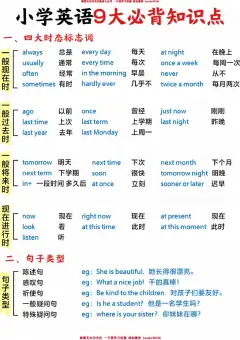
61. always / usually
always:总是;usually:通常。
例:I always brush my teeth.(我总是刷牙。)
62. sometimes / often
sometimes:有时;often:经常。
例:I often play football.(我经常踢足球。)
63. never / ever
never:从不;ever:曾经,常用于疑问句等语境。
例:Have you ever been there?(你曾经去过那里吗?)
64. already / yet
already:已经,常用于肯定句;yet:还、尚,常用于疑问句和否定句。
例:I haven't finished yet.(我还没完成。)
65. too / also
两者都可表示“也”;too 常放句末,also 常放在实义动词前、be动词后。
例:I like apples, too.(我也喜欢苹果。)
66. very / too
very:很、非常;too:太,常含“过于”的意思。
例:The bag is too heavy.(这个包太重了。)
67. much / many
much:修饰不可数名词;many:修饰可数名词复数。
例:How many books do you have?(你有多少本书?)
68. few / a few
few:几乎没有,强调少;a few:有一些。
例:I have a few friends.(我有几个朋友。)
69. little / a little
little:几乎没有;a little:有一点。两者都修饰不可数名词。
例:There is a little water.(还有一点水。)
70. ago / before
ago:多久以前,常与一般过去时连用;before:以前,可指某个时间点之前。
例:I saw him two days ago.(我两天前见过他。)
71. in / on / at(时间)
in:用于年、月、季节等;on:用于具体某一天;at:用于具体时刻。
例:I get up at seven.(我七点起床。)
72. in / on / at(地点)
in:在……里面或较大范围内;on:在……表面;at:在某个地点或位置。
例:The book is on the desk.(书在桌子上。)
73. between / among
between:通常指两者之间;among:指三者或更多人、物之中。
例:The ball is between the boxes.(球在两个盒子之间。)
74. across / through
across:从表面穿过;through:从内部穿过。
例:We walk across the road.(我们穿过马路。)
75. beside / besides
beside:在……旁边;besides:除……之外还有。
例:She sits beside me.(她坐在我旁边。)
76. under / below
under:在正下方或被覆盖的位置;below:在较低的位置。
例:The cat is under the table.(猫在桌子下面。)
77. over / above
over:在上方,常有覆盖或垂直关系;above:在较高处。
例:The plane flies above the clouds.(飞机在云层上方飞行。)
78. in front of / in the front of
in front of:在某物外部的前面;in the front of:在某物内部的前部。
例:The boy is in front of the car.(男孩在汽车前面。)
79. near / next to
near:在附近;next to:紧挨着。
例:My school is near my home.(我的学校在我家附近。)
80. for / since
for:表示一段时间;since:表示时间起点。常与现在完成时连用。
例:I have lived here for two years.(我在这里住了两年。)
81. this / that
this:这个,指较近的人或物;that:那个,指较远的人或物。
例:This is my book.(这是我的书。)
82. these / those
these:这些;those:那些。
例:Those are my shoes.(那些是我的鞋。)
83. it / one
it:指前面提到的那个具体事物;one:指同类中的一个。
例:I lost my pen. I need a new one.(我的钢笔丢了,我需要一支新的。)
84. some / any
some:常用于肯定句;any:常用于否定句和疑问句。表示请求或建议时,some 也可用于疑问句。
例:Do you have any milk?(你有牛奶吗?)
85. each / every
each:强调个体,可单独使用;every:强调整体中的每一个,后接单数名词。
例:Every student has a book.(每个学生都有一本书。)
86. all / both
all:三者或更多全部;both:两者都。
例:Both my parents are teachers.(我的父母都是老师。)
87. other / another
other:其他的;another:另一个,再一个,通常指在原有基础上增加一个。
例:Can I have another apple?(我能再要一个苹果吗?)
88. everyone / every one
everyone:每个人;every one:每一个,可指人或物,后面常接 of 短语。
例:Everyone is here.(每个人都到了。)
89. who / whose
who:谁;whose:谁的。
例:Whose bag is this?(这是谁的包?)
90. what / which
what:什么,通常没有明确限定范围;which:哪一个,通常在一定范围内选择。
例:Which color do you like?(你喜欢哪种颜色?)
91. there / their / they're
there:那里;their:他们的;they're:they are 的缩写。
例:They're in their classroom.(他们在自己的教室里。)
92. its / it's
its:它的;it's:it is 或 it has 的缩写。
例:It's a cat. Its tail is long.(它是一只猫。它的尾巴很长。)
93. your / you're
your:你的、你们的;you're:you are 的缩写。
例:You're my best friend.(你是我最好的朋友。)
94. to / too / two
to:向、到;too:也、太;two:数字二。
例:I have two apples, too.(我也有两个苹果。)
95. there is / there are
there is:后接单数名词或不可数名词;there are:后接可数名词复数。
例:There are three books on the desk.(桌上有三本书。)
96. have / has
主语是 I、you、we、they 或复数名词时用 have;主语是 he、she、it 或单数名词时用 has。
例:She has a new bike.(她有一辆新自行车。)
97. was / were
一般过去时中,I、he、she、it 通常用 was;you、we、they 通常用 were。
例:They were happy yesterday.(他们昨天很开心。)
98. can / may
can:表示能力,也可表示请求;may:表示许可或可能性。
例:May I come in?(我可以进来吗?)
99. must / have to
must:表示必须,常强调说话者的要求或判断;have to:表示客观上不得不。
例:I have to get up early.(我不得不早起。)
100. will / be going to
两者都可表示将来;will 常用于临时决定或预测,be going to 常用于计划或有迹象的预测。
例:I am going to visit my grandma.(我打算去看望奶奶。)
这100组易混词,不建议孩子一次性死记硬背。每天学习10组,重点记住中文区别、固定搭配和例句,再用选择题进行巩固。
单词看起来相似不可怕,真正掌握用法,做题时才能少丢分!建议收藏起来,复习时随时查看。
小学英语干货小学英语词汇、语法、句型、写作资料持续整理中。
建议收藏本文,复习时随手查阅。