ARTICLE · 1255417
AI短剧真的“降智”吗?
你看AI短剧吗?最近,短剧火到国外了,我们来看看外媒《卫报》(The Guardian)的相关报道。
🤔️小作业:
1. Which of the following best describes the author's attitude towards the rapid growth of microdramas in the UK?
A. Cautious optimism about their commercial potential.
B. Detached curiosity about their production techniques.
C. Disbelief mixed with unease at their widespread appeal.
D. Indifference because they are a temporary internet trend.
无注释原文:
Worried about what your phone is doing to your brain? This new fad will make it worse
From: The Guardian
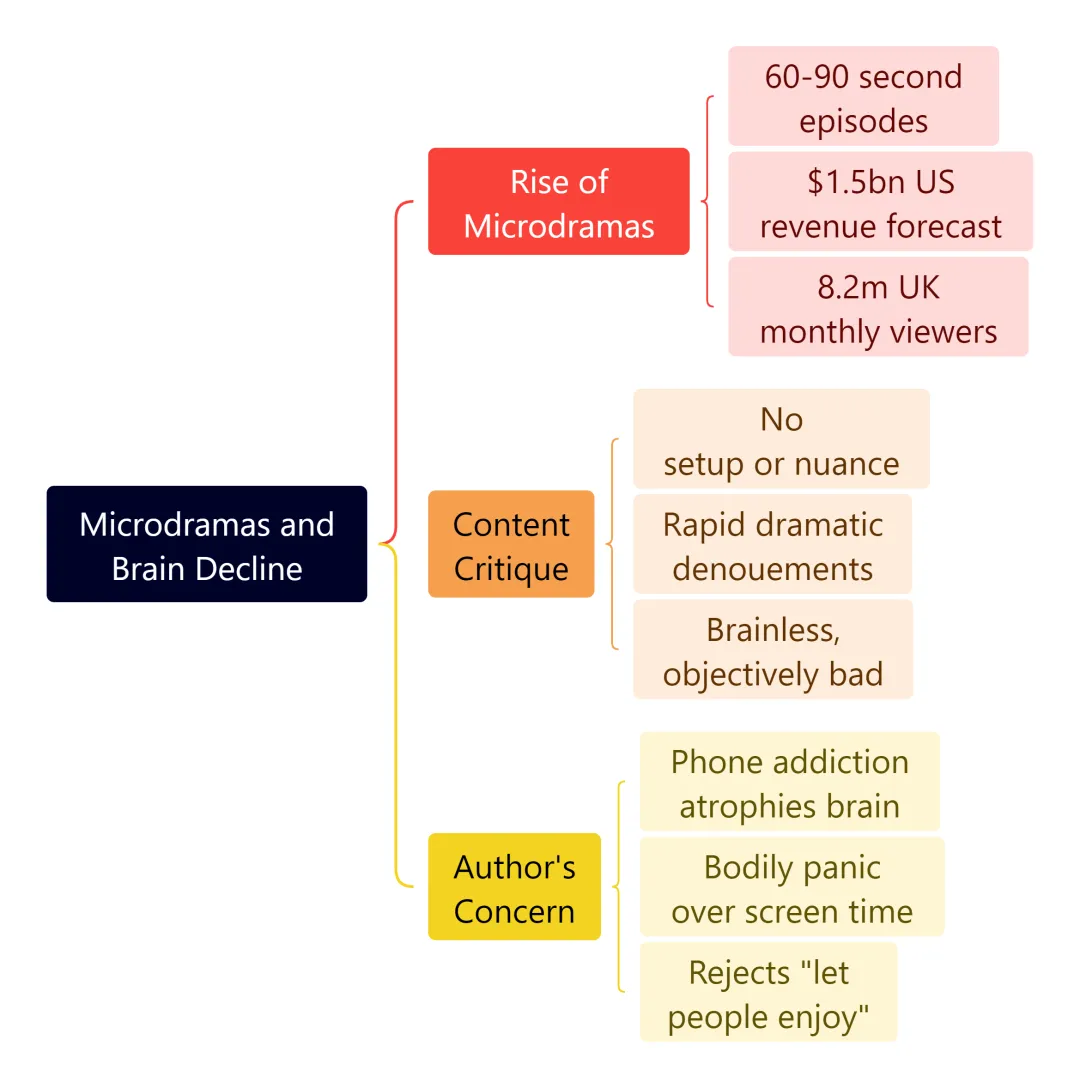
Seven or eight years ago, a new kind of televisual entertainment was born in China. Microdramas: over-the-top, soap opera-type series with splashy, schlocky premises such as infidelity, arranged marriage and secret billionairehood, in which each episode is a mere 60-90 seconds long, took off there among an audience of the phone-addicted.
And now, as with many cultural phenomena that start in China, microdramas have made it over here. The form is forecast to take in $1.5bn in revenue in the US by the end of this year. Channel 4 announced recently that it was launching its first microdrama, and the UK is already leading Europe in terms of microdrama-watching, with 8.2 million of us tuning in to these things every month.
Numbers such as this give me a queasy, vertiginous feeling about the vast difference in possible human experiences existing alongside each other at the same time. What do you mean, millions and millions of people are watching this stuff that seems, to me, catastrophically brainless and objectively bad? Who? What do they eat for breakfast? What do they dream of at night?
Before I read those numbers, I had only seen tiny snippets of microdramas embedded into news pieces about the phenomenon. I wanted to know what it was like to actually watch one.
There is no setup, no world-building, no padding whatsoever, just rapidly cut dramatic denouements over and over again: someone being cheated on, someone slapping someone else, a car window getting smashed, a new love interest being introduced, a sex scene. All of this happens in the first three minutes of the series. Helpless women swoon over geometrically jawed hunks on sets lit like a morgue and say exactly what they are thinking in voiceover, so that there is no room at all for nuance to creep in and engage your brain while you watch.
I'm not incapable of enjoying bad television. I do not come here having descended from a lofty perch of only watching heritage BBC adaptations of classic novels or whatever. My appetite for dreck is hearty enough. But, my God – and can there be such an entity in a universe producing microdramas? – this stuff is awful. Flagrantly so, though, to the degree that I start to feel there is something wrong with me for desiring quality in this format.
Or I sense that I've done something wrong by intentionally going to watch one. In a piece for the New York Times Magazine, writer Daniel Kolitz described these shows as happening to people “like a food-borne illness”, rather than something that people elect to get into. They appear on your phone screen, and there you are, watching them in a half-conscious malaise while you wait for the day to end.
I would love for this kind of thing to go the way of non-fungible tokens: something we all had to hear about for a short time and that are now patently doomed to the scrapheap of short-lived modern internet detritus.
Maybe this is partly because my own feelings about internet detritus have changed lately. Whereas in the past I had a known, but not felt, understanding that the allure of apps and games and scrolling on my phone was bad for me, nowadays I am regularly experiencing real, bodily panic that my brain is being atrophied. I am scared of my phone, and my sick want for it. So the emergence of an all-new, even more terrible way of being on your phone does provoke the reactionary in me. “Just let people enjoy things!” a better person might think. Not this time.
- ◆ -
注:完整题目见本文开头;中文文本为AI翻译,仅供参考
含注释全文:
Worried about what your phone is doing to your brain? This new fad will make it worse
From: The Guardian
Seven or eight years ago, a new kind of televisual entertainment was born in China. Microdramas: over-the-top, soap opera-type series with splashy, schlockypremises such as infidelity, arranged marriage and secret billionairehood, in which each episode is a mere 60-90 seconds long, took off there among an audience of the phone-addicted.
七八年前,中国诞生了一种全新的电视娱乐形式——微短剧。这类肥皂剧式的剧集极尽夸张之能事,情节浮夸而俗套,出轨、包办婚姻、隐秘的亿万富翁身份等桥段轮番上演,每集仅有60到90秒,却在手机成瘾的观众中迅速风靡。
microdramas
microdrama就是“(微)短剧”,micro-:微、极小,drama:剧、电视剧。
over-the-top
表示“太过头;太过分”,英文解释为“too extreme and not suitable, or demanding too much attention or effort, especially in an uncontrolled way”举个🌰: I thought the decorations were way (= very) over the top. 我觉得这些装饰太过头了。
soap opera
soap opera /ˈsəʊp ˌɒp.ər.ə/ 表示“肥皂剧(展示一群角色的生活与遭遇的系列电视或广播节目,持续很长时间,通常每周(多次)播出)”,英文解释为“a series of television or radio programmes about the lives and problems of a particular group of characters. The series continues over a long period and is broadcast (several times) every week.”
splashy
splashy /ˈsplæʃ.i/ 表示“奢华的;轰动的”,英文解释为“more expensive, exciting, etc. than necessary”举个🌰:Hollywood tends to make splashy films with lots of star actors. 好莱坞惯于拍一些耗资巨大、明星云集的大片。
schlocky
schlocky /ˈʃlɒk.i/ 表示“便宜的;劣质的”,英文解释为“cheap or low in quality”如:a schlocky TV drama 劣质电视剧。
premise
premise /ˈprem.ɪs/ 表示“(作为先决条件的)假定,前提”,英文解释为“an idea or theory on which a statement or action is based”举个🌰:They had started with the premise that all men are created equal. 他们是从人人生来平等这一前提出发的。
在影视、文学语境里,premise常指一个故事赖以展开的基本设定或核心情境。
infidelity
infidelity /ˌɪn.fɪˈdel.ə.ti/ 表示“(夫妇间的)不忠实,不贞行为”,英文解释为“(an act of) having sex with someone who is not your husband, wife, or regular sexual partner”如:marital/sexual infidelity 婚姻/性方面的不忠。
📍此前在《致命女人》大结局 续订第二季一文中就提到过infidelity这个词。《致命女人》讲述的是三位生活在不同年代的女性:60年代的家庭主妇,80年代的社交名媛和2018年的律师,处理着婚姻中的不忠行为。For those who have yet to indulge in Why Women Kill, the series follows the lives of three women from different decades—Ginnifer Goodwin plays a housewife in the '60s, Lucy Liu a socialite in the '80s, and Kirby Howell-Baptiste a lawyer in 2019—and examines how each one deals with infidelity in their marriage.
episode
在电视/电影节目中,episode /ˈep.ɪ.səʊd/ 表示“一集,一节,片断”(one of the single parts into which a story is divided, especially when it is broadcast on the television or radio),也可以指“事件;(相关的)一连串事件;一段经历”,英文解释为“a single event or group of related events”举个🌰:This latest episode in the fraud scandal has shocked a lot of people. 诈骗丑闻最新爆出的这一事件让很多人瞠目结舌。还可以指「疾病的发作,发病」,英文解释为:a finite period in which someone is affected by a specified illness.
补充:
📍第几集用的是Episode,第几季则为Season. 你下载美剧时可能就会看到S01E02,就是指的第1季第2集。最后一集 finale:the last part of a piece of music or of a show, event etc (演出的)终场,最后一幕;(音乐的)终曲;(事件等的)结尾。
🎬还有,看剧时新一集开头通常会有的一个说法:previously on ...,...的前情提要,前情回顾。

And now, as with many cultural phenomena that start in China, microdramas have made it over here. The form is forecast to take in $1.5bn in revenue in the US by the end of this year. Channel 4 announced recently that it was launching its first microdrama, and the UK is already leading Europe in terms of microdrama-watching, with 8.2 million of us tuning in to these things every month.
如今,一如许多发源于中国的文化现象,微短剧也漂洋过海来到了这里。据预测,到今年年底,微短剧在美国市场的收入将达15亿美元。第四频道(Channel 4)近日宣布将推出其首部微短剧,而英国在微短剧观看量上已领跑欧洲——每月有820万英国人观看。
tune in to
tune into 等同于tune in to表示“收看;收听”,英文解释为“to watch or listen to a particular television or radio programme or station”举个🌰:Be sure to tune in to next week's show. 一定要收看下周的节目。
📍tune作动词,本身有“(给收音机、电视等)调谐,调频道”的意思(to adjust the controls on a radio or television so that you can receive a particular programme or channel)
📍有个说法叫stay tuned,就是“敬请期待,拭目以待,别换台”的意思,举个🌰:Stay tuned for the news coming up next. 别转台,下面的新闻马上就来。
Numbers such as this give me a queasy, vertiginous feeling about the vast difference in possible human experiences existing alongside each other at the same time. What do you mean, millions and millions of people are watching this stuff that seems, to me, catastrophically brainless and objectively bad? Who? What do they eat for breakfast? What do they dream of at night?
这样的数字令我感到恶心与眩晕——同一时空下并存的人类体验,竟能有如此天壤之别。你说什么?数以百万计的人正在观看这些在我看来蠢得令人发指、烂得毋庸置疑的东西?他们是谁?他们早餐吃什么?他们夜里做什么梦?
queasy
queasy /ˈkwiː.zi/ 表示“要呕吐的,恶心的”,英文解释为“feeling that you want to vomit”举个🌰:I started to feel queasy as soon as the boat left the harbour. 船一离港我就开始觉得恶心。
vertiginous
vertiginous /vɜːˈtɪdʒ.ɪ.nəs/ 表示“引起眩晕的;感到眩晕的”,英文解释为“causing or experiencing the feeling that everything is spinning around”举个🌰:The two skyscrapers were connected by a vertiginous walkway. 那两座摩天大楼由一条看着眼晕的空中走廊连接。
catastrophically
catastrophically表示“灾难性地,极其糟糕地”,英文解释为“in a way that is very bad, or causes very great harm”
Before I read those numbers, I had only seen tiny snippets of microdramas embedded into news pieces about the phenomenon. I wanted to know what it was like to actually watch one.
在读到那些数字之前,我只在相关新闻报道中瞥见过微短剧的零星片段。我很好奇,真正完整地看一部微短剧,究竟是怎样一种体验。
snippet
snippet /ˈsnɪpɪt/ 表示“一条,一则(新闻、消息或谈话);片段”,英文解释为“A snippet of something is a small piece of it.”如:snippets of popular classical music 流行古典音乐的片段,举个🌰:I heard an interesting snippet on the radio this morning. 今天早上我从广播里听到了一则有趣的新闻。
📍词根“-et”表示“小”,前缀“snip-”(剪切的变体,表示一部分)。想象你剪下一小片,这就是“snippet”。
embed
embed /ɪmˈbed/ 表示“把…牢牢嵌入(或插入、埋入)”,英文解释为“to fix something firmly into a substance”
There is no setup, no world-building, no paddingwhatsoever, just rapidly cut dramatic denouements over and over again: someone being cheated on, someone slapping someone else, a car window getting smashed, a new love interest being introduced, a sex scene. All of this happens in the first three minutes of the series. Helpless women swoon over geometricallyjawedhunks on sets lit like a morgue and say exactly what they are thinking in voiceover, so that there is no room at all for nuance to creep in and engage your brain while you watch.
没有铺垫,没有世界观构建,没有任何注水拖沓,只有快速剪辑的戏剧性高潮反复轰炸:有人被出轨,有人扇人耳光,车窗被砸碎,新恋情登场,一场床戏。这一切都发生在剧集的前三分钟。无助的女人们在停尸房般惨白的灯光下,为下颌线棱角分明的猛男神魂颠倒,再用画外音把心中所想一字不落地念出来——于是观看时,再没有一丝余地留给细腻含蓄的表达去叩动你的大脑。
setup
表示“圈套;陷阱”,英文解释为“If you describe a situation as a setup, you mean that people have planned it in order to deceive you or to make it look as if you have done something wrong.”
padding
1)表示“(柔软的)填充物;衬垫”,英文解释为“Padding is soft material put on something or inside it in order to make it less hard, to protect it, or to give it a different shape.”
2)表示“(讲话、文章中的)铺张词藻,冗词赘句”,英文解释为“unnecessary words or information added to a speech or piece of writing”举个🌰:It could have been an interesting essay, but there was too much padding. 这本来可以是一篇有趣的文章,可里面的废话太多了。
whatsoever
用于名词词组之后,强调否定陈述,表示“完全,全然,任何”,举个🌰:My school did nothing whatsoever in the way of athletics. 我的学校就体育运动而言没有任何作为。I have no doubt whatsoever. 我一点都不怀疑。
denouement
denouement /deɪˈnuː.mɒ̃/ 表示“(故事的)结局,结果”,英文解释为“the end of a story, in which everything is explained, or the end result of a situation”
slap
表示“拍,打;掌掴”,英文解释为“to hit someone or something with the flat part of the hand or other flat object”举个🌰:She slapped his face. 她给了他一记耳光。
be slapped with可以表示“处罚,惩罚”,英文解释为“to punish (someone) with (a fine, lawsuit, etc.)”
smash
smash /smæʃ/ 作动词,1)表示“打碎;破碎”,英文解释为“If you smash something or if it smashes, it breaks into many pieces, for example, when it is hit or dropped.”举个🌰:Someone smashed a bottle. 有人打碎了一个瓶子。
2)表示“猛撞,猛冲,猛击(通常造成破坏或伤害)”,英文解释为“to cause something to move with great force against something hard, usually causing damage or injury”举个🌰:He tried to smash the door down to get to me. 他试图将门撞倒来抓我。
smashed /smæʃt/ 作形容词,可以表示“酩酊大醉的;(吸毒后)迷醉的”,英文解释为“extremely drunk, or powerfully affected by illegal drugs”
swoon
swoon /swuːn/ 1)表示“狂喜;神魂颠倒”,英文解释为“to feel a lot of pleasure, love, etc. because of something or someone”举个🌰:The audience swooned with delight. 观众欣喜若狂。
2)表示“昏厥,晕倒”,英文解释为“to faint”
geometrically
geometrically /ˌdʒiː.əˈmet.rɪ.kəl.i/ 表示“几何上”,英文解释为“in a way that is made up of shapes such as squares, triangles, or rectangles”举个🌰:geometrically patterned 几何图案。
geometrically在这里表示“像几何图形那样(棱角分明、线条规整)”,用来形容那些演员的下颌线棱角分明、像用尺子画出来一样。
jaw
jaw /dʒɔː/ 表示“颌;颚”,英文解释为“either of the two bones at the bottom of the face that contain the teeth and move when you talk or eat”,如:the top/upper jaw 上颌,the bottom/lower jaw 下颌;
直接表示“下颌,下巴”,英文解释为“the lower part of your face that moves when you open your mouth”,有个词叫jaw-dropping,字面意思就是下巴掉下来,令人震惊,令人惊愕。
📍何同学采访苹果CEO库克文中就提到:Regarding the new Apple Silicon Macs, Cook called the performance of the M1 chip "jaw-dropping," and that "it screams. It's so fast." 关于新的苹果硅Mac,库克称M1芯片的性能“令人惊叹”,“它的速度极快”。
hunk
hunk /hʌŋk/ 1)表示“(尤指食物的)大片,厚片”,英文解释为“a large, thick piece, especially of food”如:a hunk of bread / cheese / meat 一大块面包/奶酪/肉。
2)表示“健壮迷人的男子”,英文解释为“a tall, strong, attractive man”
morgue
morgue /mɔːɡ/ 表示“太平间,停尸房”,英文解释为“a building, or a room in a hospital, etc. where dead bodies are kept before they are sent to be buried or burned, sometimes so that they can be examined”
voiceover
voiceover,常写作voice-over,简称VO,意思是旁白、画外音,指画面中人物不直接开口、而是由画外声音说出的话或叙述。
nuance
nuance /njuːˈɑːns/ 表示“(声音、感觉、外貌或意义等方面的)细微差别”,英文解释为“A nuance is a small difference in sound, feeling, appearance, or meaning.”
creep in
creep in/creep into sth 1)表示“(错误)不知不觉地存在,无法避免地出现”,英文解释为“If mistakes creep in or creep into a piece of text, they are included despite efforts not to include them.”举个🌰:A few mistakes always creep in during the editing process. 在编辑过程中总会不小心出几个错。
2)表示“逐渐显现;逐渐引起注意”,英文解释为“to gradually start to be noticeable”举个🌰:Doubts began to creep into my mind about the likely success of the project. 我逐渐对这项计划成功的可能性产生了怀疑。
engage
engage /ɪnˈɡeɪdʒ/ 1)表示“雇用;聘用”,英文解释为“to employ someone”举个🌰:I have engaged a secretary to deal with all my paperwork. 我雇用了一名秘书来处理我全部的文书工作。
2)表示“吸引住,使感兴趣”,英文解释为“to interest someone in something and keep them thinking about it”举个🌰:The debate about food safety has engaged the whole nation. 关于食品安全的争论引起了全国关注。
📍engage in sth表示“参加;参与”,英文解释为“to take part in something”
I'm not incapable of enjoying bad television. I do not come here having descended from a loftyperch of only watching heritage BBC adaptations of classic novels or whatever. My appetite for dreck is hearty enough. But, my God – and can there be such an entity in a universe producing microdramas? – this stuff is awful. Flagrantly so, though, to the degree that I start to feel there is something wrong with me for desiring quality in this format.
我并非消受不了烂剧。我可不是那种只守着BBC经典名著改编剧之类的高雅观众。我对垃圾内容的胃口好得很。可是,我的天哪——在一个能产出微短剧的宇宙里,真能有上帝存在吗?——这东西实在太烂了。而且烂得肆无忌惮,烂到让我开始怀疑:是不是我自己出了问题,才会奢望这种形式能有点质量。
descend
descend /dɪˈsend/ 1)表示“(暮色)降临;(天幕)落下”,英文解释为“If darkness or night descends, it becomes dark and day changes to night.”
2)表示“下来;下去;下降”,英文解释为“to come or go down from a higher to a lower level”举个例子:The plane began to descend. 飞机开始降落。
3)表示“(不好的感觉)遍布,蔓延;(通常指不好的情形)笼罩”,英文解释为“If a negative or bad feeling descends, it is felt everywhere in a place or by everyone at the same time.”举个🌰:A feeling of despair descended (on us) as we realized that we were lost. 当我们发现自己迷了路的时候,一种绝望的情绪(在我们中间)弥漫开来。
lofty
1)表示“高傲的,自大的”,英文解释为“If you have a lofty way of behaving or talking, etc., you act as if you think you are better than other people.”如:a lofty attitude/air/tone 高傲的态度/神情/语气。
2)表示“崇高的,高尚的”,英文解释为“Lofty ideas, etc. are of a high moral standard.”如:lofty sentiments/ideals 崇高的情操/理想。
perch
perch /pɜːtʃ/ 作名词,表示“(常指能很好地俯视低处的)高座,高处”,英文解释为“a seat or other place high up, often giving a good view of something below”
perch in/on sth.表示“坐在…(的边缘)上;栖息于;停留于”,英文解释为“to sit on or near the edge of something”举个🌰:We perched on bar stools and had a beer. 我们坐在酒吧高凳上,喝了一杯啤酒。
heritage
heritage /ˈher.ɪ.tɪdʒ/ 表示“遗产(指流传下来的具有历史意义的传统、语言、建筑等)”,英文解释为“features belonging to the culture of a particular society, such as traditions, languages, or buildings, that were created in the past and still have historical importance”
adaptation
adaptation /ˌæd.əpˈteɪ.ʃən/ 1)表示“适应”,英文解释为“the process of changing to suit different conditions”
2)表示“(电影、书、剧本等的)改编”,英文解释为“a film, book, play, etc. that has been made from another film, book, play, etc.”
dreck
dreck /drek/ 表示“劣质的东西”,英文解释为“something of poor quality”举个🌰:Most of what's on TV is dreck. 电视上大部分都是粗制滥造的节目。
entity
entity /ˈen.tɪ.ti/ 表示“实体;独立存在体”,英文解释为“something that exists apart from other things, having its own independent existence”举个🌰:The museums work closely together, but are separate legal entities. 这些博物馆密切合作,但它们都是独立的法人实体。
flagrantly
形容词性 flagrant /ˈfleɪ.ɡrənt/ 表示“骇人听闻的;公然的;罪恶昭彰的”,英文解释为“(of a bad action, situation, person, etc.) shocking because of being so obvious”如:a flagrant misuse of funds 明目张胆的滥用资金。
Or I sense that I've done something wrong by intentionally going to watch one. In a piece for the New York Times Magazine, writer Daniel Kolitz described these shows as happening to people “like a food-borne illness”, rather than something that people elect to get into. They appear on your phone screen, and there you are, watching them in a half-conscious malaise while you wait for the day to end.
又或者,我感到自己刻意去看一部微短剧,本身就是一种过错。作家丹尼尔·科利茨(Daniel Kolitz)在《纽约时报杂志》撰文,将这些剧集形容为“像食源性疾病一样”缠上人们,而非人们主动选择去看的东西。它们悄然出现在你的手机屏幕上,你就那样在半梦半醒的倦怠中看着,一边熬着这一天结束。
food-borne
food-borne意思是“食源性的、由食物传播的”,常用来形容疾病或病菌通过食物传染。
elect
elect to do sth 表示“选择做…”,英文解释为“to choose to do a particular thing”举个🌰:She elected to take early retirement instead of moving to the new location. 她不想搬去新的工作地点,就选择了提前退休。
malaise
malaise /məlˈeɪz/ 表示“身体不适;萎靡;心神不宁;(尤指对社会的)不满,无奈”,英文解释为“a general feeling of being ill or having no energy, or an uncomfortable feeling that something is wrong, especially with society, and that you cannot change the situation”举个🌰:They claim it is a symptom of a deeper and more general malaise in society. 他们声称这表明对社会更深层次和更加广泛的不满。
I would love for this kind of thing to go the way of non-fungible tokens: something we all had to hear about for a short time and that are now patently doomed to the scrapheap of short-lived modern internet detritus.
我真希望这类东西能步非同质化代币(non-fungible tokens)的后尘:曾几何时,我们人人都被迫听人念叨过它,如今它则明明白白注定被扫进短命现代互联网垃圾的废料堆。
non-fungible token
NFT,non-fungible token /ˌnɒn.fʌn.dʒɪ.bəl ˈtəʊ.kən/ 表示“非同质化代币”,英文解释为“a unique unit of data (= the only one existing of its type) that links to a particular piece of digital art, music, video, etc. and that can be bought and sold”
doom
doom /duːm/ 作名词,表示“死亡;毁灭;厄运;劫数”,英文解释为“death or destruction; any terrible event that you cannot avoid”举个🌰:She had a sense of impending doom (= felt that sth very bad was going to happen). 她预感到厄运已经逼近。
作动词,表示“使注定;使必然发生”,英文解释为“to make someone or something certain to do or experience something unpleasant, or to make something bad certain to happen”举个🌰:Are we doomed to repeat the mistakes of the past? 我们注定要重复过去的错误吗?
doomed /duːmd/ 作形容词,表示“注定失败(或灭亡、毁灭)的”,英文解释为“certain to fail, die, or be destroyed”举个🌰:This is a doomed city. 这是一座注定要毁灭的城市。
scrapheap
scrapheap意思是“废料堆、垃圾堆”,字面指堆放废旧金属、废弃物品的地方,比喻义(更常见):被淘汰、被抛弃的境地。
detritus
detritus /dɪˈtraɪ.təs/ 表示“(尤指某项活动后留下的)废弃物,垃圾”,英文解释为“waste material or rubbish, especially left after a particular event”举个🌰:The stadium was littered with the detritus of yesterday's concert. 体育场里到处都是昨天举行音乐会后留下的垃圾。
Maybe this is partly because my own feelings about internet detritus have changed lately. Whereas in the past I had a known, but not felt, understanding that the allure of apps and games and scrolling on my phone was bad for me, nowadays I am regularly experiencing real, bodily panic that my brain is being atrophied. I am scared of my phone, and my sick want for it. So the emergence of an all-new, even more terrible way of being on your phone does provoke the reactionary in me. “Just let people enjoy things!” a better person might think. Not this time.
也许部分原因在于,我自己对互联网垃圾的感受近来变了。过去,我只是在理智上知道——却未曾真切体会——应用程序、游戏和刷手机对我的诱惑有害无益;而如今,我时常感到一种真切的、生理层面的恐慌,觉得自己的大脑正在萎缩。我害怕我的手机,也害怕自己对它那种病态的渴求。于是,当一种全新的、甚至更糟糕的玩手机方式横空出世时,确实激起了我骨子里的保守本能。“就让人家享受享受嘛!”一个更善良的人或许会这么想。这一次,恕难从命。
whereas
表示“尽管;但是;却”,英文解释为“compared with the fact that; but”
allure
allure /əˈljʊə/ 表示“诱惑;魅力;吸引力”,英文解释为“the quality of being attractive, interesting, or exciting”如:the allure of working in television 电视行业工作所具有的吸引力。
scroll
作名词,scroll /skrəʊl/ 表示“长卷纸,卷轴”,英文解释为“a long roll of paper or similar material with usually official writing on it”举个🌰:The ancient Egyptians stored information on scrolls. 古埃及人把信息记载在卷轴上。
作动词,表示“滚动;滚屏”,英文解释为“to move text or other information on a computer screen in order to see a different part of it”举个🌰:Scroll to the end of the document. 滚动至文件的最后。
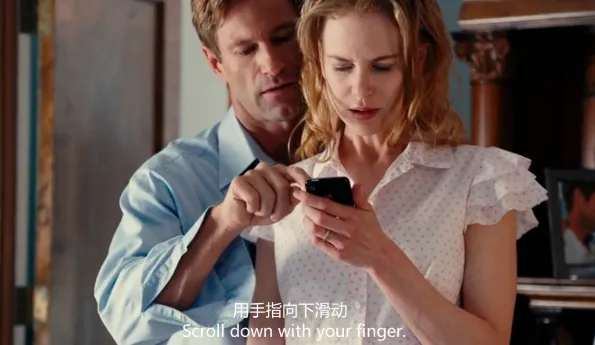
🎬电影《兔子洞》(Rabbit Hole)中的台词提到:Scroll down with your finger. 用手指向下滑动。
provoke
provoke /prəˈvəʊk/ 1)表示“激起,引起”,英文解释为“to cause a reaction or feeling, especially a sudden one”如:provoke debate/discussion 激起辩论/讨论。
2)表示“激怒,挑衅”,英文解释为“to make or try to make a person or an animal angry”举个🌰:It was a vicious-looking dog and I didn't want to provoke it. 那只狗看起来很凶,我可不想招惹它。
- 词汇盘点 -
- 词汇助记 By AI -
LearnAndRecord
2015年2月8日
2026年10月26日
第4279天
每天持续行动学外语