ARTICLE · 1309035
建一座AI数据中心从立项第一天就该定义哪些事?
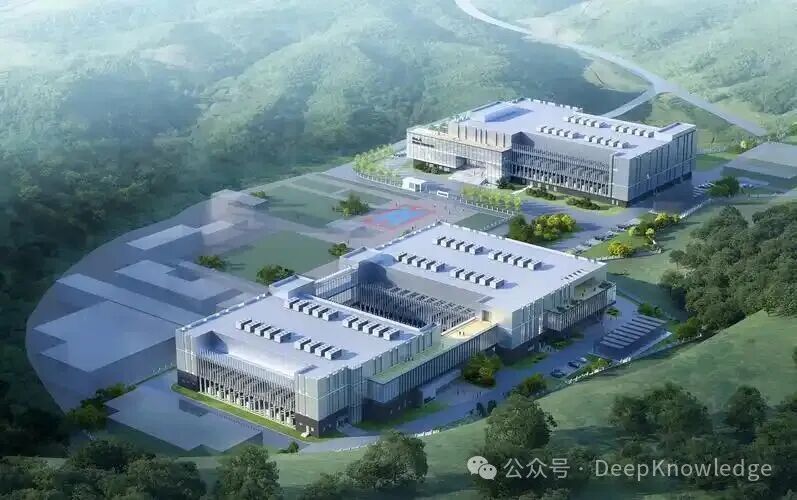
为什么快速建设AIDC,必须从运营思维出发
Why fast AI build-outs must start with an operational mindset
October 08, 2026 By Datacenter Dynamics
过去 BIM 的价值更多集中在设计、施工和交付阶段,到了运营期,BIM、BMS、DCIM、工单和设备资料往往彼此割裂。而到了 AIDC 时代,我认为这个问题会发生一次本质变化。因为AIDC数据中心非常特殊:它既是 AI 的基础设施,也是未来最有可能被 AI 深度参与运营的基础设施。我们需要进一步思考:数据中心建成后,AI 能不能真正理解并使用这些数据?未来的 AI Agent 不仅需要实时数据,还需要理解设备、空间、系统、Tag、告警、工单、SOP 之间的关系。因此,从建设第一天起,就应通过统一 Asset ID、数据标准和 Ontology建立运营语义基础,让数据逐步形成:
Data → Context → Knowledge → Action未来 AIDC 实际上是在建设两套基础设施:Power → Cooling → Network → GPU决定 AI 能否运行;BIM → Asset → Data → Ontology → AI Agent决定 AI 能否帮助我们运营数据中心。因此,AIDC 真正需要的是:Design for Operations.Design for Data.Design for AI.从建设第一天开始,就让这座数据中心为未来15至20年的运营做好准备,也为未来越来越多的 AI Agent 做好准备。
探讨从项目建设之初引入全生命周期智能,降低AIDC 后续运营风险
Exploring how lifecycle intelligence in the early stages of AI build-outs can help mitigate operational risk later down the line.
在今天的数据中心行业,没有什么比只考虑建设、不考虑未来运营更容易给项目埋下长期隐患。然而,在当前AI 算力基础设施快速扩张的背景下,快速交付、尽快形成算力供给能力(Speed to Market),已经成为行业压倒性的首要指标。
Nothing slows down a modern data center faster than building it without an operational plan. Yet, across digital infrastructure today, the relentless race for AI capacity has made speed to market the single most dominant metric.
“运营方必须把握当前资本项目投资的涌入契机,及早规划如何在未来 10 年、15 年乃至 20 年内,以最优方式对这些设施进行维护与运营。”--- Supratim Mukhopadhyay, Octave
It is critical that operators leverage the current influx of capital project investment to start planning how they will maintain and operate these facilities for the next 10, 15, or 20 years in an optimum way Supratim Mukhopadhyay, Octave
无论是新建数据中心(Greenfield),还是既有设施的扩建和改造(Brownfield),当前行业都在努力压缩建设周期、尽快让基础设施具备供电和投运条件。但是,如果为了追求建设速度,而忽视一个数据中心未来15至20年的运营需求,项目今天节省下来的时间,很可能在未来转化成更大的运营瓶颈。
While rushing to construct greenfield sites and retrofit brownfield facilities gets power online fast, ignoring how a site will run over its 15-to-20-year lifespan creates severe long-term bottlenecks.
在接受DCD(DatacenterDynamics)关于大规模管理 AI 基础设施的采访时,Octave 亚太区新兴市场副总裁Supratim Mukhopadhyay 警示:数据中心运营商正面临重蹈其他资本密集型行业覆辙的风险。Octave是一家从Hexagon AB拆分出来的软件公司,其历史可追溯到50多年前。
Speaking to DCD on managing AI infrastructure at scale, Supratim Mukhopadhyay, vice president of new markets for Asia Pacific at Octave – a software spin-off from Hexagon AB with roots tracing back over 50 years – warns that data center operators risk repeating the very same mistakes previously made by other capital-intensive industries.
“我们在石油和天然气等重工业领域见过类似的情况,当时各方竞相建设炼油厂。如果在设施建成之后才去考量其全生命周期,日后必将给运营方带来诸多问题“;Mukhopadhyay 警告道。
“We’ve seen something similar in heavy industries like oil and gas, where there was a race to build refineries. If you aren’t thinking about the full lifecycle of that asset once constructed, it will cause issues for operators down the line,” Mukhopadhyay warns.
“现在最至关重要的是,运营方应充分利用当前资本项目投资涌入的契机,着手规划如何在未来10年、15年乃至20年内,如何用最优方式对这些设施进行维护与运营。“
“It is critical that operators leverage the current influx of capital project investment to start planning how they will maintain and operate these facilities for the next 10, 15, or 20 years in an optimum way.”
目前亚太地区数据中心运营商面临的一项突出挑战,是设计、施工与后期运营之间的信息断层。在项目交付压力下,设计和施工往往被当成相对独立的阶段推进。结果到了移交阶段,运营团队接手的可能是不完整的工程文档、分散的Excel 表格,以及缺少统一结构的数据。于是,一个项目虽然在工程意义上“竣工”了,却未必真正具备高效运营的基础。
One of the greatest operational barriers currently facing APAC data center operators is the structural information gap between design, construction, and ongoing operations. Short-term delivery pressures often cause design and build phases to be treated as silos, leaving operations teams to inherit incomplete documentation or disparate spreadsheets upon handover.
要解决这一问题,运营方需要在资本项目早期引入一种“以终为始”的逆向规划思维:先明确未来怎么运营,再反推今天应该怎么设计、怎么建设,以及最终需要交付什么。例如,运营团队未来究竟需要哪些设备和资产数据?承包商移交哪些信息才能真正支持设施管理?BIM 模型和工程数据应该采用什么结构,才能在项目移交后继续使用?这些要求不应该等项目快结束时再提出,而应该成为前期工程要求的一部分。
To prevent these disconnects, operators need to adopt a reverse-engineering mindset during the early stages of capital projects. By starting with end-state operational requirements, engineering teams can specify exact contractor handover deliverables, defining how data and BIM (Building Information Modeling) models must be structured to support ongoing facilities management.
在管理覆盖澳大利亚、新西兰(ANZ)和东南亚(SEA)的区域性数据中心资产组合时,这一点尤其重要。新建项目实际上提供了一个非常好的机会,可以从Day 1 就把数字化运营纳入整体规划,在设计、建设、运营以及资产保护之间建立统一的数据和管理标准。
This structural alignment becomes especially critical when managing mixed regional portfolios across ANZ and SEA. Greenfield projects present an ideal opportunity to build with digital management in mind from day one, establishing organizational standards across design, construction, operations, and asset protection.
对于既有数据中心,情况则更加复杂,因为很多早期项目缺少完整的历史资料。一种现实的路径是:首先在新建项目中建立统一的数字化基线和标准,再以这一标准反向梳理既有设施,逐步补齐历史数据,并利用现代企业级工具,把旧数据中心逐步纳入同一套运营管理体系。
Conversely, brownfield sites often lack historical documentation. However, by establishing digital baseline standards on greenfield builds, operators can work backward to capture missing brownfield data after the fact, using modern enterprise tools to bring older sites up to operational parity.
Mukhopadhyay 总结:“从最终目标出发。首先明确设施未来真正需要怎样运营,再据此确定建设参数、工程要求和项目移交标准。”
Mukhopadhyay adds: “Start from the end and define your construction parameters, engineering requirements, and handover expectations based on what you will actually need to run the facility.
不仅是在各个阶段获得正确的信息,更重要的是让这些信息能够贯穿资产全生命周期,被持续继承和利用,而不是随着项目阶段切换而丢失。
“Lifecycle intelligence is fundamentally about securing the right information at each stage of the asset lifecycle and retaining it seamlessly for long-term operations.”
AIDC 规模化复制的前提,是标准化
Standardizing portfolio scaling
当数据中心运营商开始跨区域扩张,同时覆盖核心市场和快速发展的Tier 2 市场之后,运营复杂度会迅速增加。如果每座数据中心都采用一套独立的管理方式,那么随着资产规模扩大,很容易出现:流程各自为政;数据分散;信息采集方式不一致;不同站点之间难以复制最佳实践;多租户环境下不同客户SLA 的管理复杂度持续增加。
As operators scale their footprints across multiple regional markets – balancing primary hubs with fast-emerging Tier 2 markets – operational complexity grows exponentially. Managing data centers as isolated facilities creates fragmented workflows, clunky data collection, and immense difficulty when enforcing custom tenant SLAs across mixed-tenancy data halls.
如果仅仅为了培训新员工就耗费三个月时间,那么实现全面产能的速度以及创造价值的速度都会受到严重影响。
If you spend three months just training new personnel, your overall speed to capacity and speed to value are severely impacted.—— Supratim Mukhopadhyay,Octave
企业级资产管理平台的价值,就在于能够在统一治理框架下管理整个数据中心资产组合,同时又能够根据不同站点、设施或客户范围进行独立管理。这背后真正重要的并不只是“部署一套软件”,而是首先建立统一的数据标准。例如,在项目初期就明确总承包商需要交付哪些结构化数据;对于既有设施,则利用 AI 等工具辅助整理历史非结构化信息,并转化成能够进入统一资产管理体系的数据。这样一来,新建或新收购的数据中心就不再需要重新建立一整套运营体系,而是可以更快纳入已有的平台、流程和标准之中。
Implementing enterprise-level asset management software allows operators to maintain portfolio-wide governance while managing individual facilities or specific client footprint levels independently. By specifying structured data requirements from general contractors upfront and leveraging AI tools to convert unstructured legacy information into standardized formats, operators can ingest new facilities into existing management software seamlessly.
Mukhopadhyay 指出,如果缺少这些底层标准,每增加一个新的数据中心,运营团队都可能再次面临同样的问题:设备在哪里?资料在哪里?数据是否完整?谁来维护?应该按什么标准维护?规模越大,这种信息碎片化带来的成本就越高。
“Scalability becomes far less of a challenge because bringing a newly acquired or constructed data center online simply means placing it onto an existing platform with pre-built standards. Trying to operate individual assets without those underlying standards leaves teams constantly struggling to locate basic operational data,” notes Mukhopadhyay.
亚太地区数据中心面临的另一个现实问题,是工程技术人才短缺。如果工具复杂、流程各不相同,新员工就需要很长时间才能熟悉具体站点的工作方式。而一套标准化的企业平台,配合标准化流程和培训体系,则能够明显缩短人员进入角色的学习路径。通过结构化培训体系,实习生和初级技术人员可以在约三周内更快掌握相应工作方式,同时不牺牲现场运营的完整性。
A standardized platform also directly addresses another of APAC’s most acute operational hurdles: severe engineering workforce shortages. Complex software with long onboarding curves exacerbates talent bottlenecks. Standardized enterprise platforms allow operators to create structured training pipelines that can bring interns and junior technicians up to speed within three weeks, enabling rapid workforce progression without compromising site integrity.
Mukhopadhyay 表示:“如果培训一个新员工就需要三个月,那么无论是形成产能的速度(Speed to Capacity),还是实现业务价值的速度(Speed to Value),都会受到明显影响。而拥有一套能够提供标准化运营与人员支撑方式的统一平台,至关重要。”
Mukhopadhyay says: “If you spend three months just training new personnel, your overall speed to capacity and speed to value are severely impacted. Having a single platform that offers a standardized way of operating and supporting your workforce is critical.”
保持长期的运营韧性,需要在严格标准化与运营灵活性之间取得平衡。运营商不必把自己锁定在僵化的技术架构中;更现实的做法是建立一套分阶段的运营成熟度模型(Maturity Matrix)。也就是说,随着运营逐步稳定,从基础维护框架逐步升级到更先进的资产管理实践。
Maintaining long-term operational resilience requires balancing strict standardization with operational agility. Operators do not need to lock themselves into rigid technology setups; rather, they can adopt a phased maturity matrix. In doing so, they need to move progressively from basic maintenance frameworks to advanced asset management practices as their operations stabilize.
传统BMS和 DCIM更多承担实时运行状态和环境参数监控。但真正的长期运营韧性,需要进一步把这些实时数据与企业级资产管理平台关联起来。
While building management systems (BMS) and DCIM tools monitor immediate environmental conditions, true operational resilience relies on connecting real-time telemetry back into enterprise asset management platforms.
例如:冷却液温度是否出现持续性漂移;管路振动是否出现异常趋势;关键设备的运行状态是否正在偏离正常区间。当这些实时信号与具体资产、维护记录和工作流程关联起来后,系统就有机会在异常演变成重大故障之前提前触发相应的维护工单。
By integrating BMS sensors directly with asset software, operators can track asset health trends, such as subtle coolant temperature drifts or unusual pipe vibrations, automatically triggering work orders before minor anomalies turn into catastrophic outages.
Mukhopadhyay 强调,最终目标已经不只是简单地“防止设备坏掉”,而是建立一种系统化的运营机制,通过状态监测与预测性维护,系统性地根除故障。
“It is no longer just about preventing failures; it is about building an operational discipline where you systematically eradicate failures by moving to condition-based, predictive maintenance,” Mukhopadhyay emphasizes.
当然也要注意数字化程度越高,并不一定意味着运营效果越好。如果试图监测数据中心里的每一个设备、每一个零部件,不仅会增加CAPEX,也会增加后期的数据管理和维护负担,甚至造成过度维护。因此,更合理的方法不是“什么都监控”,而是首先识别业务关键基础设施(Business-critical Infrastructure)。三个重点领域:电力系统、水系统、冷却系统。然后围绕这些系统中的主要故障点和关键资产建立针对性的设备健康监测体系。
To execute this effectively without incurring excessive operational costs or over-servicing equipment, operators should avoid trying to monitor every component in the building. Instead, teams should partner with asset experts to identify business-critical infrastructure – specifically power, water, and cooling systems – and construct targeted health maps around those primary failure points.
归根结底,在亚太地区快速扩张的数据中心市场中,要实现长期的韧性,关键在于从现在起就制定中长期的运营路线图。数据中心行业领导者若能将“全生命周期智能”视为一项核心基础——而非在建设完成后才考虑的附加事项——便能够做出明智的资本决策,提升团队运营效率,并持续快速地实现产能交付。
Ultimately, long-term resilience across APAC’s fast-expanding data center markets relies on establishing mid-to-long-term operational roadmaps today. By treating lifecycle intelligence as an essential foundation rather than a post-construction afterthought, data center leaders can make informed capital decisions, streamline workforce efficiency, and deliver sustained speed to capacity.
DKC交流群邀请
深知社创立于2017年,是数字能源行业工程技术人员学习、交流、合作、创新的虚拟社区平台。深知社秉承互联网精神,践行工程师文化,提倡全球视野、终身学习、乐于分享的博学深知理念,感兴趣的同学可以扫描下方二维码申请进群交流学习。

翻译:
朱政宇
DKV(DeepKnowledge Volunteer)计划成员
校对:
李悦
DKV(DeepKnowledge Volunteer)精英成员
公众号声明:
本文并非官方认可的中文版本,仅供读者学习参考,不得用于任何商业用途,文章内容请以英文原版为准,本文不代表深知社观点。文中内容来自互联网,如有侵权,将在24小时内删除。中文版未经公众号DeepKnowledge文字授权,请勿转载。
推荐阅读: