 夜雨聆风
夜雨聆风


AI时代中国银行业超越欧美之路
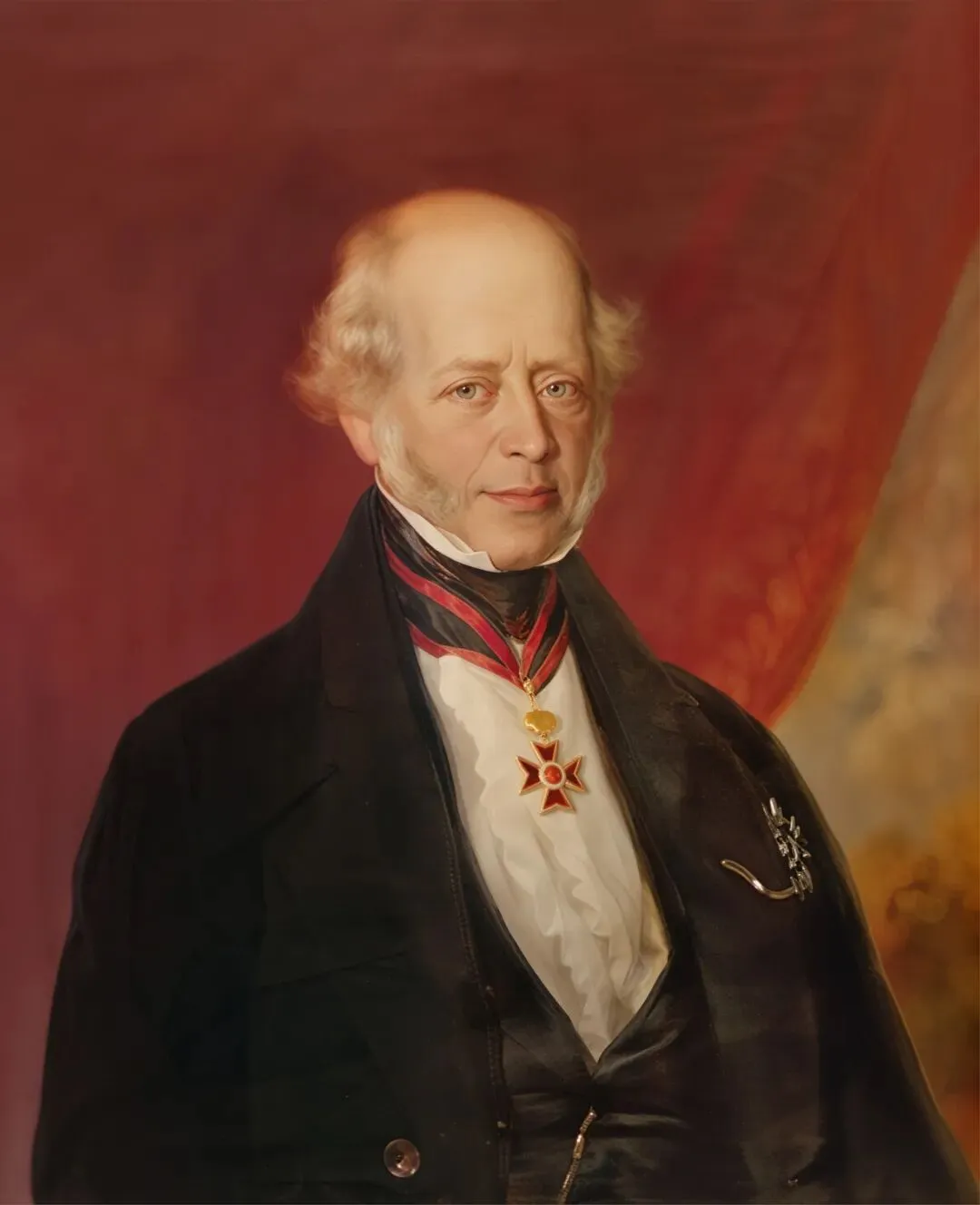
Across Three Centuries of Financial Light: Twelve Bankers Who Changed the World, and How We Can Surpass Them in the AI Era
跨越三个世纪的金融之光:十二位改变世界的银行家,以及AI时代我们如何超越他们
—
Preface
前言
If we compare the modern financial system to a vast building, then these twelve individuals are its foundation-layers, wall-builders, and roof-sealers.
如果把现代金融体系比作一座庞大的建筑,那这十二个人就是它的奠基者、筑墙者和封顶者。
This is not a simple list of the wealthy, but a chronicle of how humanity built the delicate machine of “trust” and “credit.”
这不是一份简单的富豪名单,而是一部人类如何构建“信任”与“信用”这部精密机器的编年史。
From the Rothschilds’ carrier pigeons carrying market-moving intelligence across war-torn Europe to Jim Simons’ algorithms parsing petabytes of data in a microsecond – each chapter answers the same question: how did a single person reshape the entire world by reconfiguring “the way money moves”?
从罗斯柴尔德家族的信鸽穿越战火传递情报,到吉姆·西蒙斯的算法在一微秒内解析PB级数据——每一个篇章都在回答同一个问题:一个人如何通过重构“金钱流动的方式”,来重塑整个世界的格局?
Regrettably, on this roster of world-shaping financial giants, no Chinese name has yet appeared.
遗憾的是,这张影响世界金融进程的名单上,目前还没有出现中国人的名字。
But true ambition lies not in仰望, but in超越.
但真正的雄心不在于仰望,而在于超越。
If we trace the growth trajectories of these twelve titans, a striking pattern emerges: nearly all of them, at moments of structural transformation, through breakthrough insights, achieved a disruptive reconstruction of the existing financial model.
如果我们回溯这十二位巨头的成长轨迹,会发现一个惊人的规律:他们几乎都是在结构性变革的时刻,通过突破性的认知,实现了对现有金融模式的颠覆性重构。
Today, we stand at another such moment.
今天,我们正站在又一个这样的时刻。
AI is reshaping the landscape of Wall Street at an unprecedented speed – according to foreign media reports, Morgan Stanley analysts predict that AI could eliminate up to 10% of jobs in European banking by 2030, approximately 200,000 positions at risk.
AI正在以前所未有的速度重塑华尔街的人力格局——据外媒报道,摩根士丹利分析师预计,AI可能在2030年前消除欧洲银行业多达10%的岗位,约20万个职位面临风险。
The essential signal behind this is: the core factors of production in banking are undergoing a fundamental transformation.
这背后释放的本质信号是:银行业的核心生产要素正在发生根本性变化.
McKinsey’s “Global Banking Annual Report 2025” points out that with the full application of AI in banking, certain cost categories could see reductions as high as 70%.
麦肯锡在《全球银行业年度报告2025》中指出,随着AI在银行业的全面应用,某些成本类别可能实现高达70%的大幅削减。
This is not minor修补, but a dismantling and rebuilding from the foundations.
这不是小修小补,而是一场从地基开始的拆解与重建。
Below, let us first walk into the lives and thoughts of these twelve financial giants and see how their paths were forged.
下面,让我们先走进这十二位金融巨擎的人生与思想,看看他们的路是如何走出来的。
Then, we will answer the truly important question: In the AI era, how can the Chinese people take up this torch and forge a new path – one centered on zero marginal cost, one that truly makes finance accessible to all of humanity?
然后,我们再回答那个真正重要的问题:在AI时代,中国人如何接过这把火炬,走出一条属于这个时代的、以零边际成本为核心的、真正让金融普惠于全人类的新路。
—
Twelve Financial Giants Who Changed the World
十二位改变世界的金融巨擎
—
1. The Rothschild Family: Pioneers of International Finance
1. 罗斯柴尔德家族:国际金融的开创者
In 1744, a baby boy named Mayer Rothschild was born in the Jewish ghetto of Frankfurt, Germany – a walled enclave where Jews were only permitted to exit during daylight hours.
1744年,一个名叫梅耶·罗斯柴尔德的男婴在德国法兰克福的犹太聚居区降生——一个被高墙围困、犹太人只有在白天才能出入的“隔都”。
No one would have imagined that this child of humble origins would, over three centuries, make his family’s name resonate in every corner of global financial markets.
谁也不会想到,这个出身卑微的孩子,将在未来三个世纪里,让家族的名字响彻全球金融市场的每一个角落。
Mayer lost both parents at the age of twelve, was forced to drop out of school, and became an apprentice at a bank.
梅耶12岁那年父母双亡,被迫辍学进入银行当学徒。
It was there that he observed the flow of money, studied currency exchange, and learned the game of credit.
正是在那里,他观察金钱的流动、钻研货币的交换、学习信用的游戏。
He knew well that the Frankfurt ghetto alone could not build an empire.
他深知,仅靠法兰克福的“隔都”无法造就帝国。
His method was to build a network – sending his five sons to five European financial centers: Frankfurt, London, Paris, Vienna, and Naples – creating the fastest intelligence and capital dispatch system through geographically dispersed brothers.
他的方式是建立一张网——将自己的五个儿子分别派驻到法兰克福、伦敦、巴黎、维也纳和那不勒斯五个欧洲金融中心,通过分散于五地的兄弟建立速度最快的情报和资金调度网络。
In 1818, his third son Nathan successfully provided a £5 million loan to the Prussian government, opening new paths for international lending.
1818年,他的第三子内森成功为普鲁士政府提供了500万英镑的贷款,为国际贷款业务开辟了新路径。
It was precisely this cross-border coordination capability that made the Rothschild family the first truly international banking group.
正是这种跨国的协调能力,让罗斯柴尔德家族成为了第一个真正意义上的国际银行集团。
Mayer’s wisdom also lay in the传承 of family wealth – “intermarriage among close family members to prevent family wealth from falling into outsiders’ hands.”
梅耶的智慧还体现在对家族财富的传承上——“要在关系紧密的家族成员间近亲结婚来防止家族财富落入他人之手”。
Regardless of how the world judges this strategy, it effectively allowed the Rothschild wealth to跨 centuries and remains an不可忽视的力量 on the global financial map today.
无论世人如何评价这一策略,它切实让罗斯柴尔德家族的财富跨越了数个世纪,至今仍是全球金融版图上不可忽视的力量。
—
2. Mayer Amschel Rothschild: The Chief Architect of a Financial Dynasty
2. 梅耶·阿姆谢尔·罗斯柴尔德:金融王朝的总设计师
Strictly speaking, the story of the Rothschild family begins with Mayer Amschel Rothschild alone.
严格来说,罗斯柴尔德家族的故事始于梅耶·阿姆谢尔·罗斯柴尔德一人。
Mayer’s path to wealth was not一帆风顺.
梅耶的发家之路并非一帆风顺。
His rise began with an antique deal – successfully selling a collection of珍贵徽章 to William, the ruler of Frankfurt, and then expanding his business to selling antiques by mail.
他的崛起始于一次古董交易——将一批珍贵徽章成功出售给法兰克福的统治者威廉王储,随后他的业务扩展到了以邮寄方式出售古董。
But unlike other merchants of his time, he saw a greater possibility within this: the essence of power is credit, and the source of credit lies in the debt relationships of royalty and the state.
但与同时代的商人不同,他从中洞察到了一个更大的可能:权力的本质是信用,而信用的源头在王室和国家的债务关系之中。
Thereafter, Mayer gradually transformed from a mere antique and currency dealer into a banker providing financial services to Europe’s elite.
此后,梅耶逐渐从一个单纯的古董和货币商,转变为一个向欧洲权贵阶层提供金融服务的银行家。
Together with his five sons, he established a banking network spanning Europe, with family assets传说 estimated at over 80 trillion.
他与五个儿子建立起了遍布欧洲的银行网络,家族资产传说统计约80多万亿。
Mayer’s greatest legacy to后世 is not a digit of wealth, but a family governance structure that穿越 cycles.
梅耶留给后世的最大遗产不是财富数字,而是一个穿越周期的家族治理结构。
He demanded that family members严守秘密, be absolutely united, have the eldest brother decide, and defend core interests through internal marriages.
他要求家族成员严守秘密、绝对团结、长兄决策,并通过内部联姻守卫核心利益。
This mechanism allowed the Rothschild family to maintain considerable cohesion and influence even through subsequent waves of anti-Semitism, world wars, and regime changes.
这套机制使得罗斯柴尔德家族即便在后来的反犹浪潮、世界大战和政权更迭中,依然保持了相当的凝聚力和影响力。
—
3. J.P. Morgan: “America’s Central Bank” Before the Federal Reserve Existed
3. J.P.摩根:美联储诞生前的“美国中央银行”
In 1837, John Pierpont Morgan was born into a wealthy merchant family in Hartford, Connecticut.
1837年,约翰·皮尔庞特·摩根出生在美国康涅狄格州哈特福德城的一个富商家庭。
Born into a financial family, he had a grandfather who controlled shipping and railroads and received an heir’s education, mastering English, German, and French, and earning a degree in art history in addition to economics.
出身金融世家的他有着掌控海运、铁路业的银行家祖父,自幼接受继承人教育,精通英、德、法三种语言,除修读经济学外还攻下了艺术史学位。
From a young age, Morgan showed exceptional business talent, particularly超常 judgment in speculation.
摩根从小就展现出了过人的经商才能,尤其在投机方面具备超常的判断力。
But beyond speculation, Morgan’s true卓越 talent lay in his ability to suppress crises.
但在投机之上,摩根真正卓越的才华是在危机时刻的镇压能力。
On the foundation of his father’s wealth, in 1871 he co-founded Drexel, Morgan & Company, engaging in investment banking and credit.
在他父亲资财的基础上,1871年与人合伙创办德雷克塞尔—摩根公司,从事投资与信贷等银行业务。
In 1907, a financial panic swept across the United States.
1907年,一场金融恐慌席卷美国。
With no central bank to provide liquidity support, Morgan, relying on his personal prestige, summoned all the leading bankers of New York to his private library and forced them to contribute funds to rescue濒临倒闭的 trust companies.
在没有中央银行提供流动性支持的情况下,摩根凭借个人威信,将纽约所有主要银行家召集到他的私人图书馆,逼迫他们拿出资金拯救濒临倒闭的信托公司。
Not only did he save the market, but he also demonstrated to the entire nation the necessity of a central bank – and a few years later, the Federal Reserve was born.
他不仅救下了市场,更用行动向整个国家证明了中央银行的必要性——几年后,美联储诞生。
Morgan cared little for the management slogans of today’s banking, such as “decentralization” and “transparency.”
摩根不在乎“分权”,“透明度”这些今日银行业的管理口号。
His power stemmed from the concentration of wealth and the control over key national industries that this concentration bought him.
他的力量来源于财富的集中,以及用财富集中所换取的对国家关键产业的控制权.
The U.S. Steel Corporation he created was the world’s first company with a market value exceeding one billion dollars.
他创造的美国钢铁公司是全世界第一家市值突破十亿美元的公司。
He lived in an era when a single man could decide the financial fate of a nation.
他所处的时代,是一个人就可以决定国家金融生死的时代。
After Morgan, no private banker has ever wielded such power.
摩根之后,再也没有私人银行家拥有这样的能量。
—
4. Alexander Hamilton: The Man Who Cast the “American Dream” with a Credit System
4. 亚历山大·汉密尔顿:用信用体系铸造“美国梦”的人
Among all those on this list, Alexander Hamilton stands apart – he was neither a banker nor a富豪.
在所有入选者中,亚历山大·汉密尔顿是一个异类——他不是银行家,也不是富豪。
But his influence may be more enduring than any other’s.
但他的影响力,可能比其他任何人都更持久。
Hamilton was born into poverty in the West Indies; his father abandoned the family and his mother died of illness when he was young.
汉密尔顿出生于西印度群岛的贫寒家庭,幼年时父亲弃家、母亲病逝。
At eleven, he was forced to work as a lumberjack in Pennsylvania.
11岁时,他被迫到宾夕法尼亚做伐木工。
But there, while working, he taught himself accounting and commercial knowledge, gradually grasping the operational logic of international trade.
但在那里,他一边工作一边自学会计和商贸知识,逐渐掌握了国际贸易的运转逻辑。
It was this extremely unusual experience that led Hamilton, when faced with the mountain of war debt after the founding of the United States, to refuse the agrarianists’ call for default and instead make a fundamentally “banker’s thinking” decision: the federal government would assume all states’ debts and issue new bonds backed by future national tax revenues.
正是这段极不寻常的经历,让汉密尔顿后来在面对美国建国后堆积如山的战争债务时,没有像当时的农业主义者那样选择赖账,而是做出了一个彻底的“银行家思维”的决策:由联邦政府全盘承担各州的债务,并以全国未来的税收为担保发行新的国债。
Today this seems like perfectly normal fiscal policy, but in the 18th century it was a groundbreaking innovation.
今天看来,这是再正常不过的财政操作,但在18世纪,这是一个划时代的创新。
Hamilton went on to create the Bank of the United States, establish the tariff system, and institute a national currency.
汉密尔顿之后创建了合众国银行、建立了关税体系、确立了国家货币制度。
He made a young nation “investable” within the credit system.
他让一个崭新的国家在信用系统中变得“可投资”。
In this sense, what he did was not fundamentally different from what the Rothschilds did – creating credit where there was no credit.
从这个意义上说,他与罗斯柴尔德家族做的事情并无本质区别——都是在无信用的世界里创造信用。
Only he used political power and his pen.
只是,他用的是政治权力和他的笔。
—
5. Paul Warburg: The True Soul Behind the Federal Reserve
5. 保罗·沃伯格:美联储真正的灵魂
A century after the Federal Reserve’s founding, the names remembered as its first chairmen are Volcker or Greenspan, but few know that the true chief architect of the Fed’s magnificent edifice was a German-Jewish immigrant named Paul Warburg.
当美联储成立百年之际,人们记住的第一任主席是沃尔克或格林斯潘,但鲜有人知道,美联储这座宏伟建筑真正的总设计师,是一个名叫保罗·沃伯格的德国犹太移民。
Warburg was born in 1868 into a prominent banking family in Hamburg, Germany.
1868年,沃伯格出生于德国汉堡的一个显赫银行世家。
He received banking apprenticeship training in major European financial centers and witnessed firsthand how the German central bank provided financial support to an emerging industrial power.
他在欧洲各大金融中心城市接受银行实务培训,亲眼目睹了德国中央银行的运作如何为一个新兴工业强国提供金融支持。
In 1902, Warburg immigrated from Frankfurt, Germany, to the United States, and was quickly shocked by America’s lack of a central bank and its recurring banking crises.
1902年,沃伯格从德国法兰克福移民到美国,很快就对美国缺乏中央银行、银行危机反复发作的体制缺陷感到震惊。
Beginning in 1906, Warburg began advocating modern central banking concepts through writing and参与公开论坛.
从1906年起,沃伯格就开始通过写作和参与公开论坛来推广现代中央银行理念。
In 1910, at the secret Jekyll Island conference, he proposed the core framework for establishing a central banking system in the United States, which was later directly written into the Federal Reserve Act of 1913.
1910年,他在杰基尔岛的秘密会议上提出了建立美国中央银行体系的核心框架,这套方案后来直接写入了1913年的《联邦储备法案》。
Even more dramatically, it is reported that in March 1929, on his deathbed, Warburg warned that a devastating crash was imminent.
更具戏剧性的是,据报道,在1929年3月的临终之际,沃伯格曾发出警告——一场毁灭性的崩盘即将到来。
Two months later, “Black Thursday” descended upon America.
两个月后,“黑色星期四”降临美国。
Warburg’s remarkable foresight received its cruel and thorough validation in his final moments.
沃伯格的远见卓识,在他生命的最后一刻得到了残酷而彻底的验证。
—
6. Marcus Goldman: From Wagon Driver to Founder of the “Goldman Sachs Empire”
6. 马库斯·戈德曼:从马车夫到“高盛帝国”的缔造者
In 1848, driven by anti-Semitic tides in Europe, Marcus Goldman emigrated from Bavaria, Germany, to New Jersey, USA.
1848年,迫于欧洲的反犹风潮,马库斯·戈德曼从德国巴伐利亚来到美国新泽西州。
The early days were not easy – he could only support himself by driving a horse-drawn wagon.
最初的日子并不容易——他只能靠拉马车维持生计。
A Jew from a German cowherding family, in the American financial jungle, his starting point was nearly zero.
一个来自德国牧牛人之家的犹太人,在美国的金融丛林中,起点几乎是零。
But Goldman was not an ordinary wagon driver.
但戈德曼不是一个普通的马车夫。
When a client asked him to transport principal banknotes, he敏锐地察觉到了 the business opportunity for financial intermediary services.
当客户请他帮忙运输本金汇票时,他从中敏锐地察觉到了金融中介服务的商机。
In 1869, at age 48, he hung a sign reading “Marcus Goldman & Co.” in a narrow room on Pine Street in lower Manhattan.
1869年,48岁的他在纽约曼哈顿南部松树街一间狭窄的小屋里挂出了“马库斯·戈德曼公司”的招牌。
Goldman’s true contribution is not the creation of today’s trillion-dollar investment banking behemoth, but his innovation in investment bank evaluation methods.
戈德曼真正的贡献不在于创造了今天那个万亿规模的投资银行巨无霸,而是在投资银行的评估方法上进行了创新。
He pioneered the evaluation of companies by examining their goodwill, sustainable profitability, and management team quality, rather than simply looking at collateral and book assets.
他率先通过考察企业的商誉、持续盈利能力和管理团队质量来评估企业价值,而不是简单地看抵押物和账面资产。
This approach surpassed the prevailing evaluation logic of the time and gradually became the industry standard.
这套方法超越了当时银行的惯常评估逻辑,后来逐渐成为整个行业的通行标准。
Goldman’s humble origins did not limit his vision.
戈德曼的低微出身并没有限制他的格局。
On the contrary, because his starting point was so low, he understood better how to judge a person’s character rather than their existing wealth.
相反,正是因为起点足够低,他更懂得看人的品性而非看他已拥有的财富。
This ability to see the essence of assets was the core capability that enabled Goldman Sachs to weather countless economic cycles and financial crises.
这种看透资产本质的眼光,是高盛日后能够穿越无数次经济周期和金融危机的核心能力。
—
7. Amadeo Giannini: Banking Open to the “Little Guy”
7. 阿马迪奥·贾尼尼:银行为“小人物”而开
If J.P. Morgan represented the “aristocratic finance” serving industrial trusts, then Amadeo Giannini was the one who pushed that door open to ordinary people.
如果说J.P.摩根代表的是为工业托拉斯服务的“贵族金融”,那阿马迪奥·贾尼尼就是那个把这扇大门向普通人推开的人。
Giannini was born in 1870 in San Jose, California, to Italian immigrant parents, and he only had a primary school education.
1870年,贾尼尼出生于美国加利福尼亚州圣何塞市,父母是意大利移民,本人仅拥有小学学历。
At fourteen, he dropped out of school due to his stepfather’s business.
14岁时,他因继父的生意而辍学开始工作。
It was his upbringing in small farms and vegetable wholesale markets that gave him a deep understanding: those ordinary laborers and small business owners who drove horse-drawn carts and tilled the fields – they too had credit; traditional banks just refused to see them.
正是这段在小农场和蔬菜批发市场中浸润的经历,让他深刻理解了一个道理:那些每天驾驶马车、耕种土地的普通劳动者和小生意人,他们同样具有信用,只是传统银行不愿意看见他们。
In 1904, Giannini and five partners founded the Bank of Italy.
1904年,贾尼尼和五名合伙人创立了意大利银行。
From the start, his approach was radically different from traditional banking – he actively made loans to small farmers and small business owners, even going out to solicit customers.
从一开始,他的做法就与传统银行业格格不入——他主动向小农和小企业主发放贷款,甚至主动出门招揽客户。
The Bank of America he later founded truly pushed banking services out to the masses.
后来他创办的美国银行,更是将银行服务真正推向了普通大众。
After the 1906 San Francisco earthquake, Giannini gave out reconstruction loans on a handshake from the ruins.
1906年旧金山地震后,贾尼尼在废墟中仅凭口头承诺就发放了重建贷款。
This act enabled countless ordinary families and businesses to rebuild.
这一举动,让无数普通家庭和企业得以重建。
Giannini’s creed was simple, yet it reshaped the entire industry – “The banker’s first concern is the everyday man, not the millionaire.”
贾尼尼的信条只有一个,却重塑了整个行业——“银行家的首要关怀是普通人,而不是百万富翁。”
—
8. David Rockefeller: Turning the Bank into a “Diplomatic Mission”
8. 大卫·洛克菲勒:把银行办成“外交使团”
David Rockefeller was born in 1915 into the largest private residence in New York City.
1915年,大卫·洛克菲勒出生于纽约最大的私人住宅中。
As the third generation of the Rockefeller family, he could have simply enjoyed the oil wealth accumulated by his ancestors.
作为洛克菲勒家族的第三代,他本可以坐享祖辈积攒的石油财富。
But he chose a more difficult and historically significant path – finance.
但他选择了一条更艰难、也更具历史意义的道路——金融。
In 1940, he earned a Ph.D. in economics from the University of Chicago.
1940年,他在芝加哥大学获得经济学博士学位。
During World War II, he served in the military, primarily in intelligence.
二战期间,他在军队主要负责情报工作。
This experience made him deeply realize that borders between nations were dissolving and an era of globalization was approaching.
这段经历让他深刻认识到,国家与国家之间的边界正在消融,一个全球化的时代即将到来。
In 1946, he joined Chase National Bank, which was controlled by his uncle, and in 1969 became Chairman and CEO of Chase Manhattan Bank.
1946年,他加入由舅舅控管的大通银行,1969年成为大通曼哈顿银行董事长兼CEO。
As a banker, David Rockefeller’s innovation lay in bridging finance and diplomacy.
作为银行家,大卫·洛克菲勒的创新在于打通了金融与外交之间的壁垒。
He was among the first American bankers to recognize China’s strategic value, actively establishing correspondent banking relationships with China’s national bank.
他是美国银行界最早认识到中国战略价值的人士之一,积极与中国的国家银行建立代理行合作关系。
In 1973, his bank opened the first American bank branch in Moscow, opening a financial window at the height of the Cold War.
1973年,他的银行开设了美国第一个在莫斯科的银行分行,在美苏冷战最激烈的阶段打开了金融窗口。
He expanded Chase to every corner of the globe, making himself a bridge walking between diplomacy and finance.
他将大通银行扩展到全球的每一个角落,让自己成为了一个行走在外交与金融之间的桥梁。
He had the power to control capital and the foresight to see that capital could only play its greatest role when flowing globally.
他有实力控制资本,更有远见认识到资本只有在全球流动才能发挥最大作用。
In an era before the internet, he relied solely on his own strategic vision to push Chase Manhattan onto the world’s center stage.
在互联网尚未诞生的年代,他凭借个人的战略远见,硬生生地将大通曼哈顿推向了世界舞台中央。
—
9. Joseph Safra: The Low-Key “World’s Richest Banker”
9. 约瑟夫·萨夫拉:低调的“世界最富银行家”
Joseph Safra was born in 1938 into a Jewish banking family in Beirut, Lebanon, with family roots tracing back to Aleppo, Syria.
1938年,约瑟夫·萨夫拉出生于黎巴嫩贝鲁特的一个犹太银行世家,其家族根源可追溯至叙利亚阿勒颇。
In 1952, the Safra family moved to Brazil.
1952年,萨夫拉家族移居巴西。
As a Jewish family on the geopolitical periphery, the secret to their wealth was: in the most uncertain environments in the world, adopt the most conservative business strategies.
作为一个处于地缘政治边缘的犹太家族,他们的财富秘密是:在全球最不确定的环境中,采取最保守的经营策略。
The Safra Group, run by the family, operated across multiple jurisdictions including Brazil, the United States, and Switzerland, holding over 200 premier real estate assets worldwide.
萨夫拉家族经营的萨夫拉集团,业务横跨巴西、美国、瑞士等多个司法管辖区,在全球持有超过200项顶级房地产资产。
In their view, private banking was never about how to quickly earn high profits, but how to protect clients’ existing wealth in the safest manner.
在他们看来,私人银行业务从来不是关于如何快速赚取高额利润,而是如何以最稳当的方式保护客户的既有财富。
Joseph Safra’s conservative philosophy created a distinct tension with Jim Simons – while some used mathematical formulas to try to “capture” wealth from market fluctuations, others believed that true wealth came precisely from the complete rejection of short-term, high-risk returns.
约瑟夫·萨夫拉的保守主义哲学与吉姆·西蒙斯形成了一种鲜明的张力——当一部分人用数学公式试图从市场波动中“捕捉”财富时,另一部分人认为真正的财富恰恰来源于对短期的、高风险的收益的彻底拒绝。
When Joseph Safra died in 2020, he ranked 39th on the Forbes World’s Billionaires list with a net worth of $19.9 billion.
2020年,约瑟夫·萨夫拉以199亿美元净资产位列《福布斯全球富豪榜》第39位。
At the time of his death, outside estimates put the Safra family’s banking empire at around $85 billion in total value.
他去世时,外界估计萨夫拉家族银行帝国总值约为850亿美元。
He was the world’s richest banker, but perhaps the least talked about.
他是世界上最富有的银行家,但可能也是被谈论得最少的那一个。
—
10. Jim Simons: How a Mathematician Conquered Wall Street
10. 吉姆·西蒙斯:数学家如何统治华尔街
Jim Simons is gone, but the shock he left on the financial world continues.
吉姆·西蒙斯走了,但他留给金融世界的震撼仍在继续。
When this “father of quantitative investing” passed away in May 2024, the world realized that it had lost not only a financier, but a “bridge-builder” who connected pure mathematics to the capital markets.
2024年5月,这位“量化投资之父”离世时,世界意识到不仅失去了一位金融家,更失去了一位把纯数学和资本市场连接起来的“造桥者”。
In 1958, Simons earned a B.S. in mathematics from MIT, and at age 23 received his Ph.D. in mathematics from UC Berkeley.
1958年,西蒙斯从麻省理工学院获得数学学士学位,23岁时就拿到了加州大学伯克利分校的数学博士学位。
He taught at MIT and Harvard, later becoming chair of the math department at Stony Brook University.
他曾任教于麻省理工学院和哈佛大学,后担任纽约州立大学石溪分校数学系主任。
During his academic years, he delved into the then-esoteric field of topological quantum field theory, publishing a series of theoretically profound and influential papers.
在学术界的那些年,他深耕拓扑量子场论这一当时的高冷领域,发表了一系列具有深远影响的理论研究成果。
But beyond his identity as a mathematician, he had a long-hidden secret – he was equally fascinated by trading and the behavior of numbers in the market.
但数学家的身份之外,他有一个埋藏已久的秘密——他对于交易和数字在市场的表现同样着迷。
While teaching at Stony Brook, Simons began trading commodities, and his side business grew increasingly successful.
石溪执教期间,西蒙斯开始参与大宗商品交易,副业日渐成功。
In 1978, at age 40, he decided to leave the halls of academia and become a registered trader – which, on Wall Street at the time, was utterly unimaginable.
到了1978年,40岁的他决定离开学术殿堂,从一名大学教授转为一个注册交易员——这在当时的华尔街简直是天方夜谭。
The firm he founded, Renaissance Technologies, had a core team composed of physicists, mathematicians, and computer scientists who had never worked in finance.
他创立的文艺复兴科技公司,核心团队由一批从未进入过金融业的物理学家、数学家和计算机科学家组成。
In 1988, the company launched its flagship product, the Medallion Fund, and for the next thirty-plus years, it delivered average annual returns exceeding 30%, far outperforming traditional investment giants like Buffett over the same period.
1988年公司推出旗舰产品——大奖章基金,之后的30多年里,其年均回报率长期在30%以上,远超巴菲特等传统投资巨匠的同期表现。
Simons’ legacy makes it clear: whoever masters the most fundamental models masters the capital markets.
西蒙斯的遗产清晰地表明:谁掌握了最底层的模型,谁就掌握了资本市场。
—
11. Ray Dalio: The Macro King of “Radical Transparency”
11. 雷·达利欧:“极度透明”的宏观之王
Ray Dalio was born in 1949 into a standard lower-middle-class family in Long Island, New York; his father was a jazz musician, and the family had no connection to investing.
1949年,雷·达利欧出生在纽约长岛一个标准的美国中低产家庭,父亲是一名爵士乐手,家庭与投资毫无关联。
This ordinary boy, at age 12, invested in his first stock with money saved from summer jobs and, luckily, tasted success.
这个出身平凡的男孩,12岁时就用暑假打工攒下的钱投资了第一支股票,幸运地尝到了甜头。
What is most admirable about Dalio is his courage to face failure and vulnerability.
达利欧最令人钦佩的品质是勇于面对失败和脆弱。
In 1975, at age 26, he founded Bridgewater Associates in a two-bedroom apartment in New York City – the world’s largest hedge fund today once fell from grace into the abyss.
1975年,26岁的他在纽约一所两居室公寓中创立了桥水基金——这个世界上最大的对冲基金,曾从天堂跌落谷底。
In the early 1980s, a wrong judgment led to the fund’s near bankruptcy, to the point where he could not even pay his employees’ salaries for a time.
上世纪80年代初,他因为一次错误判断导致基金几乎破产,他甚至一度连员工的工资都发不出来。
This bankruptcy experience, however, became the most valuable asset in Dalio’s later thinking.
这次破产经历,却成了达利欧后来思想中最宝贵的财富。
He turned this painful lesson into principles – writing, recording, and embedding them into internal management.
他将这一惨痛教训转化为书名、写作、录影、内部管理的原则。
In his view, rather than conceal mistakes, it is better to let everyone learn from them in an atmosphere of radical transparency.
在他看来,与其隐藏错误,不如在绝对透明中让所有人从错误中学习。
This is the “radical transparency” culture championed by Bridgewater – all meetings are recorded for the entire company to reference, and anyone can directly challenge anyone else’s views.
这也是桥水基金所倡导的“极度透明”文化——所有的会议都会被录下来供全公司参考,任何人都可以直接挑战任何人的观点。
Dalio’s Bridgewater manages over $150 billion in assets.
达利欧的桥水基金管理着超过1500亿美元的资产。
His book “Principles” has become a textbook on decision-making systems, risk management, and life philosophy for many entrepreneurs and investors.
他撰写的《原则》一书,在很多创业者和投资者心中已经成为一部关于决策体系、风险管理与人生哲学的教科书。
—
12. Jamie Dimon (New Addition): The Most Awe-Inspiring Figure on Contemporary Wall Street
12. 杰米·戴蒙(新增):当代华尔街最令人敬畏的人
On March 13, 1956, Jamie Dimon was born into a Greek Jewish family in New York City.
1956年3月13日,杰米·戴蒙出生于美国纽约的一个希腊犹太家庭。
Influenced by his grandfather, who had been a stockbroker, and his father, he developed a deep connection with capital and finance from a young age.
受曾是证券交易员的爷爷和父亲影响,他从小就与资本和金融产生了不解之缘。
Unlike the flamboyant style typical of Wall Street elites, Dimon’s career began with a kind of loyalty and long-term commitment.
与传统华尔街精英那种锋芒毕露的风格不同,戴蒙的职业生涯始于一种忠诚和长期追随。
After earning his MBA from Harvard Business School in 1982, he was not attracted by the glamorous compensation packages of Goldman Sachs or Morgan Stanley; instead, he chose to follow Sandy Weill, a family friend of his father, joining American Express as an assistant to Weill, then president of the company.
1982年,他从哈佛商学院获得MBA后,没有被高盛或摩根士丹利华丽的薪酬所吸引,而是选择跟随父亲的世交桑迪·威尔进入美国运通公司,给时任公司总裁的威尔当助手。
The relationship between Dimon and Weill was one of mentor and apprentice, comrade-in-arms, partner, and a close combination resembling that of father and son.
戴蒙和威尔之间的关系,是师徒、战友、合作者,也是如父子一般的紧密组合。
The two rose and fell together, working side by side at American Express, Commercial Credit, and other institutions, ultimately合力缔造了 Citigroup, a financial empire.
两人几经沉浮,先后在运通、商业信贷公司等机构并肩作战,最终合力缔造了花旗集团这一金融帝国。
But within Citigroup, the矛盾 between Dimon and Weill grew increasingly尖锐, and in 1998, Dimon was fired by Weill.
但在花旗集团内部,戴蒙与威尔的矛盾日益尖锐,1998年,戴蒙被威尔扫地出门。
Afterward, he admitted that his biggest failure was “not handling interpersonal relationships well.”
事后他承认,自己最大的失败就是“没有处理好人际关系”。
But this did not break Dimon.
但这并没有击垮戴蒙。
Being pushed out of Citigroup instead became his rebirth.
从花旗的出局,反而成为了他的重生。
In 2000, Dimon became CEO of Bank One, and through decisive cost-cutting and risk control, he transformed this troubled regional bank into one of the most stable banks in the nation within just a few years.
2000年,戴蒙出任美一银行CEO,通过雷厉风行的成本削减和风险控制,在短短几年内就把这家陷入困境的区域银行变成了全美最稳健的银行之一。
In 2004, Bank One merged with JPMorgan Chase, and Dimon stipulated in the merger agreement that he would subsequently become CEO of the new company.
2004年,美一银行与摩根大通合并,戴蒙在合并协议中就明确约定自己将在此后接任新公司的CEO。
In 2006, he got his wish.
2006年,他如愿以偿。
Dimon truly wrote his name into financial history during the 2008 global financial crisis.
戴蒙真正写下自己在金融史上的名字,是在2008年全球金融危机中。
While Lehman Brothers went bankrupt, Bear Stearns was devoured, and Merrill Lynch was on the verge of extinction, JPMorgan Chase maintained nearly $2 billion in profits per quarter.
当雷曼兄弟破产、贝尔斯登被吞噬、美林几近消亡时,摩根大通在每个季度仍保持近20亿美元的盈利。
Not only that, Dimon twice stepped in to provide guarantees to濒临破产的 financial institutions, and while other banks were shrinking their credit, JPMorgan Chase continued to lend to everyone from individuals to governments.
不仅如此,戴蒙还两度出手,为濒临破产的金融机构提供担保,在其他银行纷纷收缩信贷时,摩根大通继续为小至个人、大至政府提供贷款。
Having served as CEO of JPMorgan Chase since 2006, Dimon has led this financial giant through nearly two decades of风雨.
自2006年起担任摩根大通CEO至今,戴蒙已经带领这家金融巨头走过了近二十年的风雨。
—
Summary: The Common密码 of the Twelve Lighthouses
总结:十二座灯塔的共同密码
What these twelve figures have left to the world is not numbers in accounts, but intellectual assets that can be summarized and replicated.
这十二位人物留给世界的,不是账户里的数字,而是可被总结、可被复制的思想资产。
Let us distill a few principles:
我们不妨从中提炼几条:
First, build networks of trust that span geography.
第一,建立跨越地域的信任网络。
From Rothschild carrier pigeons to blockchain, the essence is reducing the cost of cross-border value transfer.
从罗斯柴尔德信鸽到区块链,本质都是降低跨地域价值转移的成本。
Second,颠覆 all assumptions of “impossibility.”
第二,颠覆一切“不可能”的假设。
Giannini couldn’t serve ordinary people? Morgan couldn’t single-handedly rescue all of America’s banks? Simons couldn’t, as a mathematician, understand finance better than Wall Street? All these assumptions were shattered.
贾尼尼不可能做普通人的生意?摩根不可能一人救下全美银行?西蒙斯不可能靠数学家比华尔街更懂金融?这些假设全被打破了。
Third, master the core algorithms and infrastructure.
第三,掌握核心算法与基础设施。
Warburg designed the Fed, Hamilton designed the national banking system, Simons designed quantitative models – they were never content to be participants within an existing system; they redesigned the system itself.
沃伯格设计美联储,汉密尔顿设计国家银行体系,西蒙斯设计量化模型——他们从不满足于在现有系统里做一个参与者,而是重新设计系统本身。
Fourth, forge resilience in mistakes and crises.
第四,在错误和危机中锻造韧性。
Dalio’s bankruptcy, Dimon’s firing, Goldman’s humble beginnings – these “scars” ultimately became their greatest strengths.
达利欧的破产、戴蒙的被免职、戈德曼的卑微出身——这些“伤痕”最终都成为了他们的最大优势。
Fifth, direct the power of finance toward larger social purposes.
第五,将金融的力量用于更大的社会目的。
Giannini’s “common man’s bank,” Rockefeller’s global diplomatic bridge, Hamilton’s nation-building through credit – the truly great bankers don’t just make more money; they turn money into a tool for changing the world.
贾尼尼的“小人物银行”、洛克菲勒的全球外交桥梁、汉密尔顿的信用建国——真正伟大的银行家,不只是赚更多的钱,而是把钱变成改变世界的工具。
—
Breaking Through: Banking Transformation in the AI Era – Finding China’s Opportunity Amid Crisis
破局:AI时代的银行业变革——从危机中找到中国机遇
Reading this far, an unavoidable question presents itself: among the twelve most influential bankers in history, not one is from China.
读到这里,一个无法回避的问题摆在面前:12位历史上最具影响力的银行家中,没有一位来自中国。
Why? Not because Chinese people are less intelligent or hardworking, but because China has only truly and fully integrated into the modern, market-oriented credit system construction process in recent decades.
为什么?答案不是因为中国人不聪明或不够努力,而是中国在直到最近几十年才真正全面融入现代的、市场化的信用体系构建进程中。
This “generational gap” in financial infrastructure cannot be bridged by individual effort alone.
金融基础设施的“代际落差”,并不是个人努力可以跨越的。
But – and here is the turning point – the popularization of artificial intelligence is, in an astonishing way, lowering the barriers to financial competition across the board.
但是——转折就在这里——人工智能的普及,正在以一种不可思议的方式,将这张金融竞争的门槛全面降低。
In the AI era, the barriers in banking are not money, not brick-and-mortar branches, not licenses – but the combination of computing power, data, algorithms, and the ability to connect globally.
在AI时代,银行业的壁垒不是钱,不是网点,不是牌照,而是算力、数据、算法和连接全球能力的结合。
And in these dimensions, China has already laid a solid foundation.
而在这几个维度上,中国已经打下了扎实的基础。
—
1. Standing at the Forefront of AI-Driven Banking Transformation
1. 站在AI银行业变革的最前沿
History is accelerating.
历史正在加速。
Morgan Stanley analysis points out that AI could eliminate up to 10% of jobs in European banking by 2030.
摩根士丹利的分析报告指出,AI可能在2030年前消除欧洲银行业多达10%的岗位。
Behind this is the fundamental replacement of traditional banking human resource models by large AI models.
这背后是人工智能大模型技术对传统银行业人力资源模型的根本性替代。
In back-office and mid-office functions, HSBC is considering reducing up to 20,000 positions through AI applications over the next few years.
在中后台领域,汇丰控股正考虑在未来几年通过AI应用缩减多达2万个职位。
Wells Fargo executives have also indicated that the company still has room for further streamlining and efficiency improvements.
富国银行高层亦表示公司仍有“进一步精简公司”和“提高效率”的空间.
But this is not the whole story of the crisis.
但这不是危机的全部。
Behind every wave of technological substitution lies an opportunity for class mobility.
每一轮技术替代的背后,都孕育着一轮新的阶层跃迁机遇。
McKinsey’s report likewise reveals that full application of AI could reduce certain cost categories in banking by as much as 70%, with the net reduction in the overall cost base expected to be between 15% and 20%.
麦肯锡的报告同样揭示,AI的全面应用可能使银行业某些成本类别削减高达70%,总体成本基数的净降幅预计在15%至20%之间。
This means that banks able to optimize operations through AI will gain unprecedented cost competitiveness.
这意味着,那些能通过AI优化运营的银行,将获得前所未有的成本竞争力。
Chinese banks have already realized this.
中国的银行业已经意识到这一点.
2025 is widely regarded within the industry as a critical inflection point for deep integration of AI and large models into finance.
2025年被业内普遍认为是金融业深度整合AI、借助大模型进行创新的关键拐点。
China Merchants Bank has proposed an “AI First” strategy; WeBank has already taken the lead in systematically advancing an “AI-native bank” strategy, achieving领先布局 across multiple levels including AI infrastructure, toolchains, and application scenarios.
招商银行提出“AI First”战略;微众银行已率先全面系统化地推进“AI原生银行”战略,在AI基础设施、工具链和应用场景等多个层面实现了领先布局。
At the same time, Shanghai Pudong Development Bank’s 3D digital human “Xiao Pu” covers 12 digital roles including wealth planning, credit审核, and intelligent outbound calling.
与此同时,浦发银行打造的3D数字人“小浦”已覆盖财富规划、信贷审核、智能外呼等12个数字岗位。
Banking is shifting from a “labor-intensive” industry to a “computing-intensive + data-intensive” paradigm.
银行正在从一个“人力密集型”的行业,向一个“算力密集+数据密集”的行业进行范式迁移。
—
2. Zero Marginal Cost: A Book, a Theory, a Future
2. 零边际成本:一本书、一个理论、一个未来
When discussing the topic of “using AI to reduce the cost of financial services,” a deepened concept is very important – this is the core argument articulated by economist, thinker, and bestselling author Jeremy Rifkin in his book “The Zero Marginal Cost Society.”
当聊到“用AI降低金融服务成本”这一话题时,一个深化后的概念十分重要——这就是经济学家、思想家、畅销书作家杰里米·里夫金在其著作《零边际成本社会》中所阐释的核心主张。
Rifkin previously described the rise of three major platforms – the communications internet, the energy internet, and the logistics internet – in “The Third Industrial Revolution.”
里夫金曾在《第三次工业革命》一书中阐述了通信互联网、能源互联网和物流互联网三大平台的崛起。
But “The Zero Marginal Cost Society” goes further: with the rapid development of the Internet of Things, big data, AI and other technologies, the marginal cost of many goods and services is approaching zero, which in essence would enable products or services to be provided almost free of charge.
但《零边际成本社会》在此基础上走得更远——他认为,随着物联网、大数据、AI等技术的极速发展,很多商品和服务的边际成本正在趋近于零,这在本质上将使产品或服务具有免费提供的潜能。
In this new paradigm, “access trumps ownership, sustainability replaces consumerism, cooperation outcompetes competition, and ‘exchange value’ is replaced by ‘shared value.'”
在这种新模式下,“使用权胜过了所有权,可持续性取代消费主义,合作压倒了竞争,‘交换价值’被‘共享价值’取代”。
This theory offers an extremely imaginative启示 for the future of banking: can the marginal cost of financial intermediary services (credit assessment, payment settlement, wealth management advisory, etc.) also approach zero?
这一理论对未来的银行业有一个极富想象力的启示:金融中介服务(信贷评估、支付结算、财富管理咨询等)的边际成本,是否也能趋近于零?
The answer is: a considerable portion of them can.
答案是:相当大一部分,可以。
Imagine: if an “AI loan officer” needs no rest, no salary, no commission, and the marginal cost of each additional service it provides approaches zero – then the cost-structure advantage of traditional banks, based on physical distribution and human labor, will completely失效.
试想一下:假如一个“AI信贷官”不需要休息、不需要薪酬、不需要提成,它的每一次新增服务成本趋近于零——那么,传统银行基于物理分布和人力配置的成本结构优势将彻底失效。
The institution that masters the “zero marginal cost financial service” key will sweep away all traditional banks around the world.
掌握了“零边际成本金融服务”这把钥匙的机构,将横扫全世界的所有传统银行。
This is a financial revolution of a magnitude far beyond the past.
这是一个量级远超过去的金融革命。
—
3. How China Can Surpass the Twelve “Grail Holders”
3. 中国如何超越十二位“圣杯持有者”
China is fully capable of becoming the leader of the “zero marginal cost bank” era,前提是 achieving breakthroughs in the following core areas.
中国完全有可能成为“零边际成本银行”时代的领跑者,前提是在以下几个核心领域实现突破。
First, technology-driven: fully embrace the AI-native bank.
第一,技术驱动:全面拥抱AI原生银行。
Banking must be built with an “AI-native” mindset, not just “digital transformation.”
必须以“AI原生”思维构建银行,而不仅仅是“数字化改造”。
WeBank’s leap from “digital-native” to “AI-native” is worth学习.
微众银行从“数字原生”到“AI原生”的跃迁值得借鉴。
But this requires even greater determination – from infrastructure, to end-to-end credit approval processes, to customer interactions – comprehensively re-architecting the bank with AI, making AI the underlying operating system rather than an auxiliary tool.
但这需要更大的决心——从基础设施、全流程信贷审批到客户交互,全面用AI进行重构,让AI成为银行的底层操作系统,而非辅助工具。
**Second, the inclusive finance revolution:突破 the “impossible trinity.”
第二,普惠金融革命:突破“不可能三角”。
Traditional inclusive finance has long faced an unsolvable trilemma – risk control, service capability, and unit cost cannot be simultaneously achieved.
传统普惠金融长期面临一个无解的三角悖论——风险控制、服务能力、单位成本不可能同时兼顾。
But the practice of WeBank has proven that by using purely online customer acquisition to lower marginal costs, through digital means and business model innovation, this “impossible trinity” can indeed be broken.
但微众银行的实践已经证明:以纯线上获客降低边际成本,通过数字化手段和业务模式创新,这一“不可能三角”是可以被打破的。
China should systematize this experience into a replicable global solution.
中国应当把这一经验系统化,形成可复制的全球解决方案。
MyBank’s proposed “New 310” goal – “360-degree perception of users, 1-on-1 expert service, zero-latency real-time interaction” – aims to equip every small and micro business with an “AI Chief Financial Officer.”
网商银行提出的“新310”目标——“360度感知用户,1对1专家服务,0延时的实时交互”——目标是为每个小微企业配备一位“AI首席财务官”。
This is moving a big step in the direction of zero marginal cost financial services.
这正朝着零边际成本金融服务的方向迈进了一大步。
Third, rebuild infrastructure: the “三位一体” of AI + blockchain + digital yuan.
第三,重构基础设施:人工智能+区块链+数字人民币的“三位一体”。
The heart of the next-generation global financial system should be an integrated system driven by AI, with the digital yuan (representing central bank digital currency) as the underlying asset, and blockchain as the trust foundation for settlement.
未来新一代全球金融体系的心脏,应该是一个由人工智能驱动、以数字人民币为代表的央行数字货币为底层资产、以区块链为结算信任基础的组合系统。
China has already taken early positions in cross-border infrastructure such as the m-CBDC Bridge.
中国在多边央行数字货币桥等跨境基础设施上已经提前布局。
This combination will lower the cost of cross-border settlement from the “one percent” magnitude to the “one in a million” magnitude, fundamentally crushing SWIFT’s efficiency and fee structure.
这套组合将让跨境结算的成本从“百分之一”的量级降到“百万分之一”的量级,根本性地碾压SWIFT系统的效率和收费结构。
Fourth, turn openness and service壁垒 into export: export the core capabilities of AI banking.
第四,开放与服务壁垒转化:输出AI银行的核心能力。
China’s banking industry should not be content with leading the domestic market, but should export its core AI banking capabilities in a “banking-as-a-service” model.
中国银行业不应满足于国内市场的领先地位,而应以“银行即服务”模式输出自身的AI银行核心能力。
The digital inclusive finance practices of institutions like WeBank and MyBank have already received repeated recognition from international awards such as The Asian Banker.
微众银行、网商银行等机构的数字普惠金融实践,已经在《亚洲银行家》等国际权威评选中屡获认可。
If these experiences can be systematically replicated and promoted in countries along the “Belt and Road,” it would provide a shortcut for the globalization of Chinese financial power.
若能将这些经验系统化地向“一带一路”沿线国家推广复制,将成为中国金融力量全球化的一条捷径。
**Fifth, regulatory innovation: make room for a Chinese version of the “zero marginal cost bank.”
第五,监管创新:为中国版“零边际成本银行”预留空间。
Traditional regulatory tools such as deposit reserve requirements and capital adequacy ratios may not be fully applicable to zero marginal cost banks driven by AI.
传统的存款准备金制度、资本充足率要求等监管工具,未必完全适用于AI驱动的零边际成本银行。
On the premise of ensuring financial security, China should take the lead in exploring a tiered regulatory system for new types of banking institutions that have no physical branches and are AI-dominated, ensuring that innovators have sufficient room to experiment.
中国应在确保金融安全的前提下,率先探索针对无物理网点、AI主导的新型银行机构的分级监管体系,确保创新者有足够的试错空间。
—
4. From “Latecomer” to “Catching Up from Behind”: How the Zero Marginal Cost Bank Lands
4. 从“后进”到“后发制人”:零边际成本银行如何落地
If traditional banking was a比拼 of “number of branches” and “scale of capital,” then the competitive dimensions of banking in the AI era have fundamentally shifted.
如果说传统银行业是一场“网点数量”和“资本金规模”的比拼,那么AI时代的银行业的竞争维度已经发生了根本性转移。
Dimension one: data depth and data breadth.
维度一:数据深度与数据广度。
Whoever has richer, more real-time, and more precise data will have more accurate AI models.
谁拥有更多元、更实时、更精准的数据,谁的AI模型就更精准。
China has the world’s richest data pool accumulated from scenarios such as mobile payments, e-commerce, and social media, meaning China has a natural resource advantage in training AI risk models.
中国在移动支付、电商、社交等场景中积累了全球最丰富的数据池,这意味着中国在训练AI风控模型时拥有天然的资源禀赋优势。
Dimension two: openness and flexibility of algorithm training.
维度二:算法训练的开放度与灵活度。
China’s AI large model industry is in an explosive phase, with training ranging from general large models to financial vertical-specific models running ahead of the global curve.
中国的AI大模型产业正处于爆发期,从通用大模型到金融垂直领域的大模型训练都跑在全球前列。
Deep integration of large models into finance in 2025 has become共识.
2025年金融业深度整合大模型已成为共识。
When AI can instantly respond to every customer need, “business space” will no longer be bound by physical branches.
当AI能够实时响应客户的每一个需求时,“营业空间”将不再受限于物理网点。
Dimension three: user stickiness and user habits.
维度三:用户粘性和用户习惯。
For a zero marginal cost bank to truly succeed, users must be willing to迁移 their financial activities into a completely digital environment.
零边际成本银行要真正成功,必须让用户愿意将他们的金融活动迁移到一个完全数字化的环境中。
Chinese users have long been accustomed to the convenience of mobile payment tools such as WeChat Pay and Alipay – this habit is the best “preheating” for a zero marginal cost bank.
中国用户早已习惯了微信支付、支付宝等移动支付工具的便捷性——这种习惯是零边际成本银行最好的“预热”。
Dimension four: rapid construction of a global trust network.
维度四:全球化信任网络的快速建构。
Chinese banks and financial institutions should strive to establish direct connections with users and regions around the world that are underserved by banking services, and directly roll out digital banking services based on the user relationships and data accumulated through ecosystems such as cross-border e-commerce, rather than, as in the past, having to rely on establishing physical branches locally.
中国银行和金融机构应致力于与全球未充分享受银行服务的地带和用户建立直接联系,通过数字商业、跨境电商等生态链积累的用户关系和数据,直接输出数字银行服务,而不是像过去那样必须依赖在当地建立物理分支机构。
—
A Final Word: Building a Zero Marginal Cost “Inclusive Finance World”
写在最后:造一个零边际成本的“普惠金融世界”
If today we could place this article and its ideas on the desks of Rothschild or Morgan, they would surely feel as if struck by lightning – not because they could not understand our logic, but because these logics operate at a cost scale they could not imagine.
如果今天我们有幸将这篇文章和它的思想带到罗斯柴尔德或摩根的办公桌上,他们一定会感到自己被闪电劈中——不是因为他们无法理解我们的逻辑,而是因为这些逻辑是在以一种他们无法想象的成本规模运作。
The Rothschilds spent decades establishing branch networks in every European capital, relying on carrier pigeons for intelligence, on intermarriage to defend family wealth, and on patriarchal structures to传承 power.
罗斯柴尔德家族耗费了数十年在每一个欧洲首都建立分支网络,依靠信鸽传递情报,依靠联姻捍卫家族财产,依靠父权架构传承权力。
In the AI era, a digital financial platform connects global users in milliseconds; an algorithm can complete in one day the loan審核 workload of a hundred-person credit team at JPMorgan Chase; an AI agent can simultaneously provide personalized financial advisory services to 10 million small and micro businesses, at a cost close to zero.
而在AI时代,一个数字金融平台连接全球用户的那一刻就在毫秒之间;一套算法可以在一天之内跑完摩根大通百人信贷团队几个月的审贷工作量;一个智能体可以同步为1000万个小微企业提供个性化的金融顾问服务,成本接近于零。
This is precisely the financial map that Rifkin predicted in “The Zero Marginal Cost Society” – and the trump card that China’s banking industry is most likely to play in this new game.
这正是“零边际成本社会”里夫金预言的金融版图——也是中国银行业在这场全新牌局中最有可能打出的一张“王炸”。
The twelve historical bankers built a world where credit can be established, risk can be managed, and money can move freely between nations.
十二位历史银行家建造了一个世界:信用可以被建立,风险可以被管理,金钱可以在国与国之间自由流动。
But what they never achieved was this: to make basic, dignified, high-quality financial services available to every living soul on Earth, regardless of where they are or whether they are rich or poor, at near-zero cost.
但他们未曾做到的一件事是——让每一个地球上的生命,无论身在何处、无论贫富贵贱,都能以接近零的成本享受到基本的、有尊严的、高质量的金融服务。
And this is a task that may well await the response of Chinese financial power.
而这件事,也许正待中国金融力量的回应。
When we write the words “financial equality” into the底层 code of the next generation of digital banks, when AI replaces human labor for repetitive tasks, when expert-level wealth management services open up free of charge to ordinary users, when every cross-border transaction is no longer trapped by high intermediary fees and long settlement cycles – we will redefine the meaning of “banker.”
当我们把“金融平权”这四个字写进下一代数字银行的底层代码,当AI取代了人力处理重复劳动,当专家级理财服务向普通用户免费开放,当每一次跨境交易不再被高昂的中介费和漫长的结算周期所困——我们将重新定义“银行家”的含义。
The true “banker of the future” will no longer be a profession, but a set of intelligent systems that benefit all people and a replicable Chinese solution for achieving financial fairness for humanity.
真正的“未来银行家”,将不再是一个职业,而是一套使万民普惠的智能系统和实现人类金融公平的可复制的中国方案。
—
References
参考文献
1. Jeremy Rifkin, “The Zero Marginal Cost Society: The Internet of Things, the Collaborative Commons, and the Eclipse of Capitalism” – The three aspects of economic paradigms (communication media, energy, and transport mechanisms), “marginal cost approaching zero,” and “collaborative sharing economy” proposed in the book provide theoretical support for the AI banking restructuring ideas in this article.
2. 杰里米·里夫金,《零边际成本社会:一个物联网、合作共赢的新经济时代》——书中提出的“三种伟大的经济范式要素(通信媒介、能源与运输机制)”、“边际成本趋零”和“协同共享经济模式”为本文的AI银行重构思路提供了理论支撑。
3. McKinsey, “Global Banking Annual Report 2025” – Analyzes the cost-reduction effects of AI applications in banking, projecting a net reduction in overall industry costs of 15%–20%.
4. 麦肯锡,《全球银行业年度报告2025》——分析了AI应用对银行的成本削减效应,预计行业总体成本净降幅为15%~20%。
5. Tencent and KPMG joint release, “2025 Financial Industry Large Model Application Report” – The report validates the判断 that “2025 is a critical inflection point for deep integration of large models into finance,” and data on AI adoption in Chinese banks cited in this article are drawn from it.
6. 腾讯与毕马威联合发布,《2025金融业大模型应用报告》——报告验证了“2025年为金融业深度整合大模型的关键拐点”这一判断,文中关于中国银行AI布局的数据引用于此。
7. Biographical materials on the twelve bankers, compiled from: Baidu Baike人物志, Financial Times historical人物专栏, Forbes World’s Billionaires historical data, Federal Reserve System historical archives (Warburg section), and publicly available materials from Renaissance Technologies and Bridgewater Associates, among others.
8. 12位银行家生平资料,综合参考自:百度百科人物志、《金融时报》历史人物专栏、《福布斯》全球富豪榜历年数据、美国联邦储备系统历史档案馆(Warburg部分)、文艺复兴科技和桥水基金官方公开资料等。