ARTICLE · 1066492
AI通过注意力分化或固化阶层|AI人
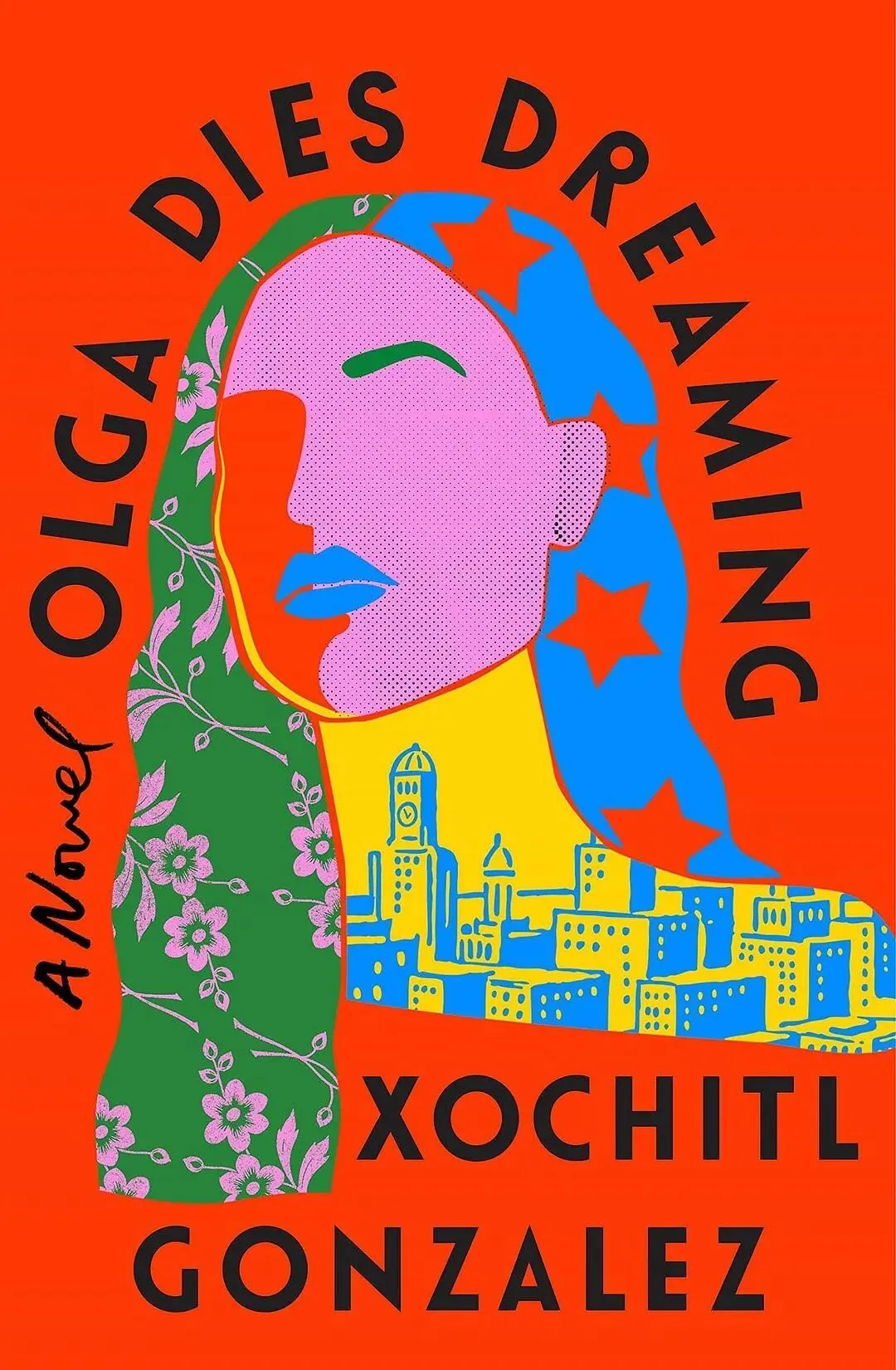
AI通过注意力分化或固化阶层|AI人The Attention‑Span Class Divide原文刊发于2026年7月17日The Atlantic(《大西洋月刊》,其创刊于1857年,是美国历史最悠久的连续出版杂志之一,历史上由爱默生、霍桑等文人参与创立,至今仍保持强烈的文学性。它是美国自由派知识分子的旗舰刊物——文化上进步、经济上温和、政治上反特朗普、风格上文学化,代表了美国东海岸教育精英的公共话语。1857年,这一年,铁路还没有贯穿美国,但人们知道它马上就会到来,达尔文的《物种起源》两年之后才会发表,而那个叫林肯的总统4年之后才上台,但有一点确凿无疑,越来越多的人移民至美国,寻求自由与尊严还有财富。)。作者是Xochitl Gonzalez,其是畅销书《Olga Dies Dreaming》的作者,也是 The Atlantic 的撰稿人。 
谁还坐得起两小时看电影? Who can afford to sit still at the movies? 几个月前,在一场远比它所宣传的那部电影更令人难忘的奥斯卡造势活动上,演员提莫西·查拉梅说过这么一句:"我可不想干芭蕾、歌剧这类行当,就是那种——嘿,把这东西续着命吧,尽管,那个,已经没人在乎了。"他意识到自己可能刚得罪了一些芭蕾或歌剧爱好者,便补了一句:"我刚刚损失了14美分的收视率。" Several months ago, during an Oscar campaign far more memorable than the movie it was promoting, the actor Timothée Chalamet offered up an observation: "I don't want to be working in ballet, or opera, or things where it's like, Hey, keep this thing alive, even though, like, no one cares about this any more." Recognizing that he might have just offended some ballet or opera lovers, he added, "I just lost 14 cents in viewership." 查拉梅接着提到那些票房十亿美元的巨片,比如《奥本海默》和《芭比》。歌剧和芭蕾或许有人爱,但观众是小众的。比方说,我从没见过成群结队的女孩打扮得像鸟儿一样去看《天鹅湖》,就像数以百万计的女性把自己裹在粉色里去看《芭比》那样。 Chalamet went on to reference billion-dollar-grossing blockbusters, such as Oppenheimer and Barbie. Beloved as opera and ballet may be, they have a niche audience. I have never, for instance, witnessed gaggles of girlfriends dress like birds to catch a Swan Lake performance the way millions of women swathed themselves in pink to see Barbie. 但那些被这番笨拙言论惹恼的人——以及查拉梅本人——可能都没注意到:他其实已经身处一个文化相关性不断收窄的行当。院线上映的影片数量自新冠疫情开始就一路下滑,从2019年的910部降到2025年的670部。票房在萎缩。人们仍然在家用流媒体看片,但制片厂在发慌。长片整体越来越长,编剧却承受着把每一幕压短的压力,用更快的剪辑来拴住观众的注意力。查拉梅此言是在回应演员马修·麦康纳——后者哀叹制片厂一直在删减第一幕以求"直奔主题",牺牲了故事的铺陈。查拉梅说,他理解这种为了继续把观众拉进影院而做出调整的冲动。 But what people who were annoyed by the ham-fisted comment may have missed—what Chalamet himself missed—is that he is already working in a field of narrowing cultural relevance. Theatrical movie releases have been on the decline since the beginning of the coronavirus pandemic, dropping from 910 releases in 2019 to 670 in 2025. Box-office sales are shrinking. People are still streaming movies at home, but studios are worried. Feature films are getting longer overall, but scriptwriters are under pressure to keep acts short, with faster cuts designed to keep viewers focused. Chalamet's comment came in response to the actor Matthew McConaughey, who was lamenting that studios have been trimming first acts to "get to the point," at the expense of story building. Chalamet said that he sympathized with the impulse to adapt in order to keep drawing audiences to the movies. 但可能已经太晚了。电影曾经是工薪阶层和中产阶级的消遣——20世纪初,在移民密集的城市里,廉价的五分钱影院(Nickelodeon)遍地冒出来。到爵士时代,"电影宫"也把富裕的观众请了进来。此后几十年间,看电影是一项全美共同的活动。可今天,最有可能说自己最近看过电影的是富裕人群,最不可能的则是低收入人群。在一项调查中,78%的受访者认为看电影是一种奢侈。与此同时,数以百万计的人开始在TikTok上看起了微短剧。 But it may be too late. The movies were once a working- and middle-class pleasure—cheap Nickelodeon theaters sprung up in the early 1900s in cities dense with immigrants. By the Jazz Age, "movie palaces" brought in wealthy patrons too, and for decades, the cinema was an all-American activity. But today, affluent people are the most likely to say they've gone to a movie recently, whereas low-income people are the least likely. In one survey, 78 percent of respondents said that they considered going to the movies a luxury. Meanwhile, millions of people have started watching microdramas on TikTok. 这与其说是口味变了,不如说是时间和钱的问题。我指的不只是——在美国人连汽油和鸡蛋都要精打细算的时候——买电影票和流媒体服务要花的钱(去年流媒体的价格上涨了近20%,远高于2.7%的通胀率)。也不只是制片厂为省钱而转向生成式AI,那必然导致影片质量下滑。我说的是:没钱这件事,会对你的时间、对你支配时间的能力做什么。 This may be less a matter of changing tastes than a matter of time and money. I don't just mean the money it costs to pay for movie tickets and streaming services, at a time when Americans are stretching for gas and eggs. (Last year, the cost of streaming increased almost 20 percent, well above the 2.7 percent inflation rate.) I don't just mean studios' money-saving turn to generative AI, which will inevitably lead to a decline in the quality of films. I'm talking about what not having money does to your time, and your ability to spend it. 谁能、谁不能坐下来看完一部电影,看起来像是个无关紧要的问题,其实不然。所有人都在挣扎着放下手机、集中注意力,但有些人挣扎得更厉害。专注的能力是一个阶级问题,而注意力时长正在经历一场阶级分化。 Who can and cannot sit down to watch a movie may seem like a low-stakes issue, but it's not. Everyone is struggling to get off their phones and pay attention, but some are struggling more than others. The ability to focus is a class issue, and the attention span is undergoing a class divide. 美国人平均每天看手机近200次。所有人——蓝领妈妈、大学生、CEO——都在承受分心的折磨,因为我们随身带着那个又响又闪、口袋大小的赌场。然而,在我们的注意力时长缩短的同时,我们的大脑并未发生根本改变。专注似乎是一项可回收的资产:屏蔽噪声、离开赌场,就能把它取回来。而这事对那些豪客来说要容易得多。 The average American reports checking their phone nearly 200 times a day. Everyone—blue-collar moms, college students, CEOs—suffers from the distractions of carrying around the pinging, blinking pocket-size casinos that our phones have become. While our attention spans have shrunk, however, our brains have not fundamentally changed. Focus, it appears, is a recoverable asset that can be retrieved by shutting out the noise and leaving the casino. And that is much easier for high rollers to do. 钱能让你买得起昂贵的玩意儿,比如第二台功能机、"砖头机",让智能手机暂时变傻。但钱也意味着获得一些压根不像资源的资源:稳定的工作、规律的作息、成块的闲暇、安排自己一天的自主权。有能力腾出一段整块时间专注处理邮件、列待办清单、做深度工作。能冥想、锻炼、出门走走。能拿出三个小时去影院看一部电影(或一场芭蕾、一出歌剧)。这些在经济稳定的个体看来是理所当然的,却与许多挣扎中的美国人无缘。 Money offers the ability to buy expensive gadgets such as second, basic phones and "bricks" that can make smartphones temporarily dumb. But it also means access to resources that don't look like resources at all: stable work, consistent schedules, chunks of leisure time, agency over how to structure your day. The ability to block out time to focus on emails, make to-do lists, or do in-depth work. To meditate, exercise, or go outside. To commit three hours to seeing a movie in a theater (or a ballet or an opera). These are things that economically stable individuals take for granted, but that evade many struggling Americans. 失业率在4.2%左右徘徊。但如果把"功能性失业"的人加进来——包括收入低于生活工资(每年26000美元)的人,以及想工作却拿不到每周35小时以上有保障工时的人——这个数字会升到约25%。近30%的美国劳动者从事零工,零工许诺灵活与自由,但更常见的定义是:工时不稳,以及必须随叫随到。 The unemployment rate is hovering around 4.2 percent. But if you add the "functionally unemployed"—which includes anyone making less than a living wage ($26,000 a year) and anyone who wants but can't get 35 hours or more of guaranteed work a week—then that figure rises to about 25 percent. Nearly 30 percent of American workers are employed in gig work, which promises flexibility and freedom but is more commonly defined by a lack of steady hours and the need to constantly be on call. 美国人每天都在奔波,又在等待可以奔波的机会,一天被切成不可预测的工作与枯等的小块。这很紧张,而压力会限制人保留信息和集中注意力的能力。就这样,生计的不稳定缩短了注意力时长。而手机随时随地都在那儿,在你心思被一堆事占满的时候,提供一种完美的无脑娱乐。 Americans are spending their days hustling and waiting for the opportunity to hustle, their days broken up into unpredictable units of work and languishing. That's stressful, and stress limits the ability to retain information and focus. In this way, precarity reduces attention spans. And the phone is always right there, whenever and wherever, offering a perfect form of mindless entertainment when your mind is on so many other things. 于是,微短剧登场了。 Enter: the micro-drama. 这些情节剧式的剧集由一分钟左右的单集组成,供人在手机上竖屏观看。节奏飞快,设计出来就是为了迅速钩住观众。它们高度依赖套路,与其说像斯科塞斯,不如说像拉美肥皂剧。最近,伊萨·雷的制作公司推出的一部名为《屏幕时间》(Screen Time)的剧,一周内获得了7500万次观看——在TikTok和TikTok的微短剧应用PineDrama上。这部共57集的剧讲两对情侣的一次四人约会:一个神秘人物黑进了他们的个人设备,迫使他们向彼此吐露秘密,随后一切陷入混乱。 These soapy shows are made up of minute-long episodes meant to be watched vertically on your phone. They're fast-moving and designed to hook viewers quickly. Relying heavily on tropes, they are more telenovela than Scorsese. Recently, one show titled Screen Time, from Issa Rae's production company, garnered 75 million views in a week—on TikTok and on TikTok's micro-drama app, PineDrama. The series, which has 57 parts, tells the story of two couples on a double date that descends into chaos after a mysterious figure hacks their personal devices and forces them to reveal their secrets to each other. 据估计有2800万人在PineDrama上看剧,而这只是众多微短剧平台之一。这些观众是谁?许多是女性,许多是Z世代,许多是有色人种。在传统电影中,女性与少数族裔的呈现比例正在下降,而一批微短剧平台则聚焦多元的创作者和演员阵容。其中两家,Fanbase和Minivela,专门用来展示黑人与拉美裔主导的内容。 An estimated 28 million people are watching shows on PineDrama, and it's one of many micro-drama platforms. Who are these viewers? Many are women, many are Gen Z, and many are people of color. While representation of women and minorities has declined in traditional films, a number of micro-drama platforms focus on diverse creators and casts. Two, Fanbase and Minivela, were specifically designed to showcase Black- and Latino-driven content. 在中国,微短剧迅速成为一大现象,制片方对目标观众毫不讳言:工薪阶层。总部位于新加坡的制作公司Tiny Island的首席执行官David Kwok对BBC说,许多微短剧的灰姑娘式和霍雷肖·阿尔杰式情节"满足了人们的需求和幻想,尤其是蓝领人群"。 In China, where micro-dramas quickly become a major phenomenon, producers have been explicit about whom they're targeting: the working class. David Kwok, the CEO of the Singapore-based production company Tiny Island, told the BBC that the Cinderella and Horatio Alger storylines of many micro-dramas "feed people's needs and fantasies, especially for the blue-collar crowd." 微短剧的兴起与AI的兴起同步;在中国,当年上线的微短剧里有超过95%是AI生成的。《屏幕时间》是人工主导的作品——真人演员,摄影师拍摄。但PineDrama也提供AI剧集,这类剧集在美国也可能成为常态。 The rise of micro-dramas coincides with the rise of AI, and in China, more than 95 percent of the micro-dramas released year were AI-generated. Screen Time is a human-led affair—human actors filmed by camerapeople. But PineDrama offers AI shows too, and they may become the norm here as well. 这一切让我担心,我们正在目睹一种文化分层的形成:电影这门艺术为白人和富裕者而造,其他人则被塞给微短剧这类媚俗——关于女性、黑人和拉美裔的故事,被贬入咖啡时长、由AI廉价批量生产的叙事里。 All of this makes me fear that we're watching the creation of a cultural divide, a situation in which the art of film is created for the white and affluent, and everyone else is served up micro-drama kitsch—stories of women and Black and Hispanic people, relegated to coffee-break-length narratives cheaply churned out by AI. 我确实在微短剧潮流中看到一个亮点。它表明,人类参与叙事故事的欲望仍在延续。社交媒体没满足这个欲望,但许多人觉得自己没时间坐下来看两小时的电影。微短剧能在不到半小时的弧线里,提供一个故事得到收束的满足感。但我怀疑这种满足感比不上一路读完一部长篇小说、或把一部电影看到结尾的那种愉悦——那种愉悦依赖于深度注意力的投入。 I do see one bright spot to the micro-drama trend. It signals the persistence of the human desire to engage with narrative storytelling. Social media isn't meeting this desire, but many people don't feel like they have time to sit through a two-hour movie. A micro-drama can provide the satisfaction of a resolved story in an arc that lasts less than half an hour. And yet I doubt that satisfaction can match the pleasure of sticking with an epic novel or a movie to the end, a pleasure that is dependent on the investment of deep attention. 我是在纽约Angelika影院看便宜的日场长大的,那是村子里的一间艺术影院。有时我们会去中城一家二轮影院看3美元一场的电影——那种全国人都已经看过的大片。有时我们会在黑暗凉爽的放映厅里待上一整天,连看几部,从工薪阶层城市少年的压力里逃开。在全国各地,别的少年也在做差不多的事——参与共享的共同文化时刻,正是我猜查拉梅想要成为其中一员的那种时刻。 I grew up catching cheap matinees at the Angelika theater in New York, an art-house cinema in the Village. Sometimes we'd go to $3 movies at a second-run theater in Midtown—big blockbuster films that everyone in the country had already seen. Sometimes we'd spend the whole day in the dark cool theater, watching multiple films and escaping from the stress of working-class teenage city life. Across the country, other teenagers were doing much the same—participating in shared moments of monoculture, the exact kind that I suspect Chalamet wants to be a part of. 对我而言,没什么比好莱坞电影更美国的了。芭蕾和歌剧从来都是取悦富人的艺术形式。但电影在历史上的大部分时间里是一门大众生意。如果注意力时长变成一种身份象征,这一点就会改变。曾经由许多人共享的艺术形式,将只留给那些能够——并且付得起——坐得住的人。 Few things are more American to me than the Hollywood movie. Ballet and opera were always art forms to entertain the wealthy. But for most of their history, the movies have been a mass-market enterprise. That will change if the attention span becomes a status symbol. The art form once enjoyed by many will be reserved for those who can—and can afford to—sit still.