ARTICLE · 1198750
小学英语常见动词100个整理:音标、中文释义和例句,背单词更高效
小学英语动词是积累词汇的重点。描述日常生活要用 eat、drink,表达动作要用 run、jump,谈论学习又离不开 read、write、learn。只记住单词的中文意思还不够,能把动词放进句子里,才更容易在阅读和写作中灵活运用。
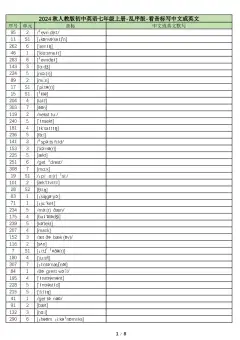
下面整理了100个小学英语常见动词,按日常生活、学习活动、动作行为、交流表达和思维感受分类,方便分组记忆。
eat /iːt/ 吃例句: I eat an apple every day. 我每天吃一个苹果。
drink /drɪŋk/ 喝例句: I drink milk in the morning. 我早上喝牛奶。
sleep /sliːp/ 睡觉例句: The baby is sleeping. 宝宝正在睡觉。
wake /weɪk/ 醒来例句: I wake up at seven. 我七点醒来。
wash /wɒʃ/ 洗例句: I wash my hands before lunch. 我午饭前洗手。
brush /brʌʃ/ 刷例句: I brush my teeth every morning. 我每天早上刷牙。
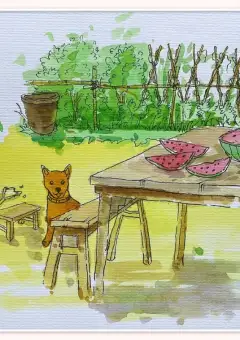
cook /kʊk/ 做饭例句: My dad can cook. 我爸爸会做饭。
clean /kliːn/ 打扫例句: We clean our classroom. 我们打扫教室。
buy /baɪ/ 买例句: Mum buys some fruit. 妈妈买了一些水果。
pay /peɪ/ 付款例句: I pay for the book. 我为这本书付款。
wear /weə(r)/ 穿着例句: She wears a red dress. 她穿着一条红裙子。
put /pʊt/ 放例句: Put your bag on the desk. 把书包放在桌子上。
open /ˈəʊpən/ 打开例句: Please open the window. 请打开窗户。
close /kləʊz/ 关闭例句: Close the door, please. 请关上门。
sit /sɪt/ 坐例句: Please sit down. 请坐下。
stand /stænd/ 站立例句: Stand up, please. 请站起来。
live /lɪv/ 居住例句: I live in a small town. 我住在一个小镇上。
stay /steɪ/ 停留;待例句: I stay at home on Sunday. 我星期日在家。
help /help/ 帮助例句: I help my mother at home. 我在家帮助妈妈。
use /juːz/ 使用例句: I use a pencil to write. 我用铅笔写字。
read /riːd/ 阅读例句: I read English every day. 我每天读英语。
write /raɪt/ 写例句: She writes a letter. 她写了一封信。
learn /lɜːn/ 学习例句: We learn English at school. 我们在学校学习英语。
study /ˈstʌdi/ 学习例句: He studies hard. 他学习很努力。
teach /tiːtʃ/ 教例句: Miss Li teaches us English. 李老师教我们英语。
spell /spel/ 拼写例句: Can you spell your name? 你会拼写自己的名字吗?
draw /drɔː/ 画例句: I draw a picture. 我画一幅画。
paint /peɪnt/ 绘画;涂色例句: She paints flowers. 她画花。
count /kaʊnt/ 数数例句: Count from one to ten. 从一数到十。
answer /ˈɑːnsə(r)/ 回答例句: Please answer the question. 请回答这个问题。
ask /ɑːsk/ 问例句: I want to ask a question. 我想问一个问题。
practice /ˈpræktɪs/ 练习例句: I practice English every day. 我每天练习英语。
remember /rɪˈmembə(r)/ 记住例句: Remember this new word. 记住这个新单词。
forget /fəˈɡet/ 忘记例句: Don't forget your homework. 别忘了你的家庭作业。
check /tʃek/ 检查例句: Check your answers. 检查你的答案。
finish /ˈfɪnɪʃ/ 完成例句: I finish my homework at five. 我五点完成作业。
pass /pɑːs/ 通过;传递例句: Please pass me the ruler. 请把尺子递给我。
show /ʃəʊ/ 展示;给……看例句: Show me your picture. 给我看看你的画。
copy /ˈkɒpi/ 抄写;复制例句: Copy the sentence into your notebook. 把这个句子抄到笔记本上。
spell /spel/ 拼写例句: Spell the word slowly. 慢慢拼出这个单词。
run /rʌn/ 跑例句: The boy runs fast. 这个男孩跑得很快。
walk /wɔːk/ 走路例句: We walk to school. 我们步行上学。
jump /dʒʌmp/ 跳例句: The rabbit can jump high. 兔子能跳得很高。
swim /swɪm/ 游泳例句: I can swim well. 我游泳游得很好。
climb /klaɪm/ 爬例句: Monkeys can climb trees. 猴子会爬树。
fly /flaɪ/ 飞例句: Birds fly in the sky. 鸟儿在天空中飞翔。
ride /raɪd/ 骑例句: I ride my bike to the park. 我骑自行车去公园。
drive /draɪv/ 驾驶例句: My mother can drive a car. 我妈妈会开车。
throw /θrəʊ/ 扔;投例句: He throws the ball. 他把球投出去。
catch /kætʃ/ 接住;抓住例句: Catch the ball! 接住球!
kick /kɪk/ 踢例句: He kicks the football. 他踢足球。
hit /hɪt/ 击打例句: Don't hit the table. 不要敲桌子。
dance /dɑːns/ 跳舞例句: They dance after school. 他们放学后跳舞。
sing /sɪŋ/ 唱歌例句: She sings very well. 她唱歌唱得很好。
play /pleɪ/ 玩;参加运动;演奏例句: We play basketball after school. 我们放学后打篮球。
ride /raɪd/ 骑乘例句: He rides a horse. 他骑马。
push /pʊʃ/ 推例句: Push the door gently. 轻轻推门。
pull /pʊl/ 拉例句: Pull the chair closer. 把椅子拉近一点。
carry /ˈkæri/ 搬;提;携带例句: I carry my schoolbag. 我背着书包。
move /muːv/ 移动例句: Move the box to the left. 把箱子移到左边。
say /seɪ/ 说例句: Please say it again. 请再说一遍。
tell /tel/ 告诉例句: Tell me your name. 告诉我你的名字。
speak /spiːk/ 说话例句: Can you speak English? 你会说英语吗?
talk /tɔːk/ 交谈例句: I talk with my friend. 我跟朋友交谈。
call /kɔːl/ 打电话;称呼例句: I call my grandma every Sunday. 我每个星期日给奶奶打电话。
meet /miːt/ 遇见;见面例句: Nice to meet you. 很高兴认识你。
visit /ˈvɪzɪt/ 拜访;参观例句: We visit our grandparents on Sunday. 我们星期日去看望祖父母。
thank /θæŋk/ 感谢例句: Thank you for your help. 谢谢你的帮助。
invite /ɪnˈvaɪt/ 邀请例句: I invite my friend to my party. 我邀请朋友参加我的聚会。
introduce /ˌɪntrəˈdjuːs/ 介绍例句: Let me introduce my family. 让我介绍一下我的家人。
listen /ˈlɪsən/ 听例句: Listen to the teacher carefully. 认真听老师讲课。
hear /hɪə(r)/ 听见例句: I can hear a bird singing. 我能听见鸟儿在唱歌。
look /lʊk/ 看例句: Look at the blackboard. 看黑板。
see /siː/ 看见例句: I can see a rainbow. 我能看见一道彩虹。
watch /wɒtʃ/ 观看例句: We watch TV together. 我们一起看电视。
smile /smaɪl/ 微笑例句: She smiles at me. 她对我微笑。
laugh /lɑːf/ 笑例句: The children laugh happily. 孩子们开心地笑。
cry /kraɪ/ 哭例句: The baby begins to cry. 宝宝开始哭了。
shout /ʃaʊt/ 大喊例句: Don't shout in the library. 不要在图书馆大喊。
whisper /ˈwɪspə(r)/ 低声说例句: Please whisper in the classroom. 请在教室里轻声说话。
think /θɪŋk/ 想;认为例句: I think it is a good idea. 我认为这是个好主意。
know /nəʊ/ 知道例句: I know the answer. 我知道答案。
understand /ˌʌndəˈstænd/ 理解例句: I understand the story. 我理解这个故事。
like /laɪk/ 喜欢例句: I like reading books. 我喜欢读书。
love /lʌv/ 爱;喜爱例句: I love my family. 我爱我的家人。
want /wɒnt/ 想要例句: I want some water. 我想要一些水。
need /niːd/ 需要例句: We need more time. 我们需要更多时间。
hope /həʊp/ 希望例句: I hope you are happy. 我希望你开心。
feel /fiːl/ 感觉例句: I feel tired today. 我今天觉得累。
enjoy /ɪnˈdʒɔɪ/ 享受;喜欢例句: I enjoy playing football. 我喜欢踢足球。
find /faɪnd/ 找到;发现例句: I can't find my pen. 我找不到我的钢笔。
look for /lʊk fɔː(r)/ 寻找例句: I am looking for my keys. 我正在找我的钥匙。
choose /tʃuːz/ 选择例句: You can choose a book. 你可以选一本书。
decide /dɪˈsaɪd/ 决定例句: We decide to go to the park. 我们决定去公园。
remember /rɪˈmembə(r)/ 记得例句: I remember his name. 我记得他的名字。
believe /bɪˈliːv/ 相信例句: I believe you. 我相信你。
win /wɪn/ 获胜例句: Our team wins the game. 我们队赢得了比赛。
lose /luːz/ 输;丢失例句: Don't lose your keys. 别把钥匙弄丢了。
grow /ɡrəʊ/ 生长;成长例句: Plants grow in the sun. 植物在阳光下生长。
change /tʃeɪndʒ/ 改变例句: The weather changes quickly. 天气变化很快。
不建议一天把100个单词全部背完,可以分成每天10—15个,先读音、记意思,再朗读例句。
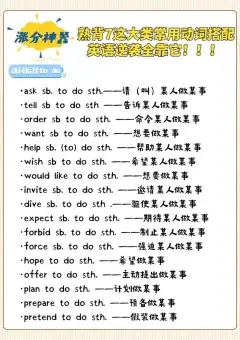
复习时尤其要注意容易混淆的词:say 和 tell、look 和 see、listen 和 hear,以及 study 和 learn。它们的中文意思有时接近,但使用场景并不完全一样。
记住动词的关键,不只是认识单词,而是能在句子里正确使用。 每天挑选几个动词造句,再隔一天回顾前面学过的词,比只抄写单词更有助于长期记忆。