ARTICLE · 1339648
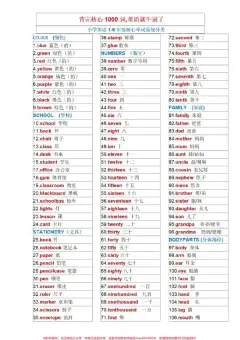
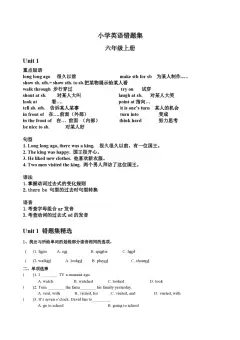
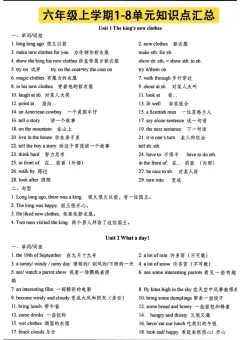
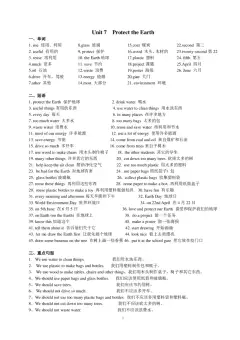
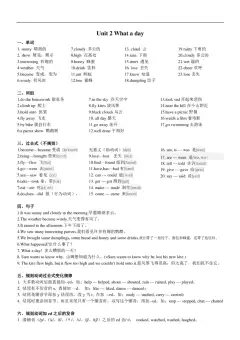
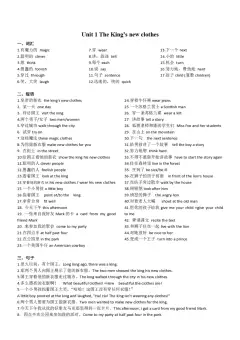
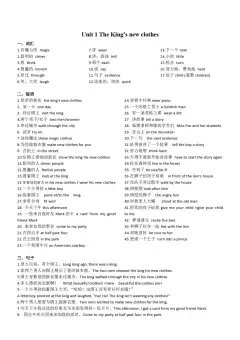
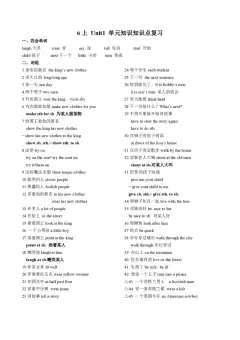
小学英语 1-6 年级基础知识全梳理,小学英语总复习就这118个点
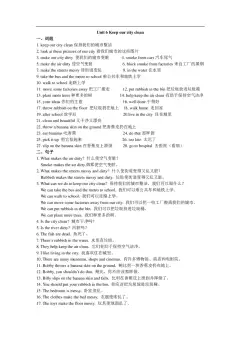
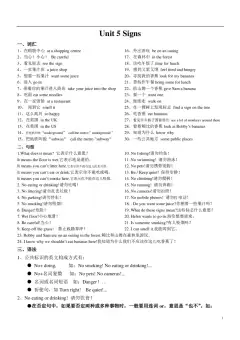
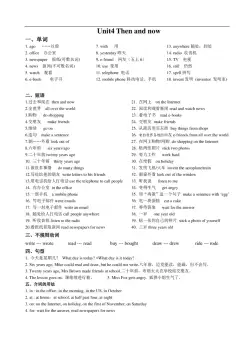
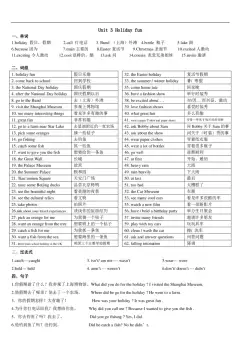
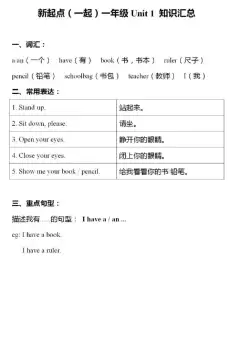
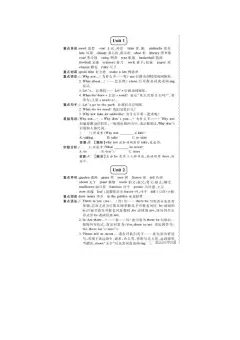
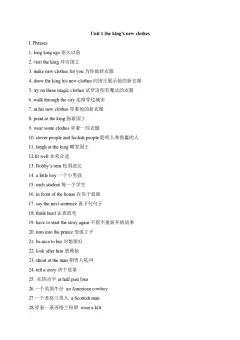
小学英语看着零散,其实骨架就这几块,这份全收齐了:
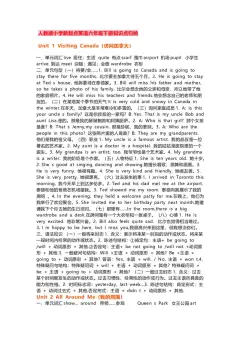
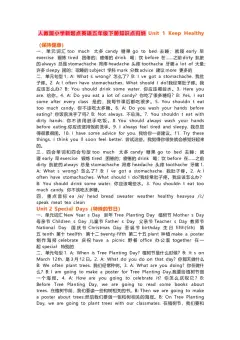
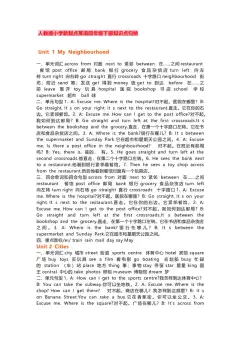
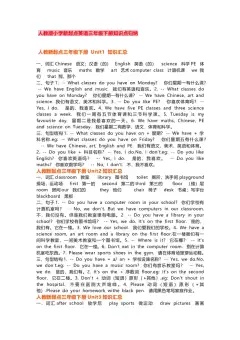
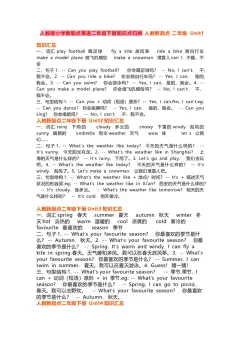
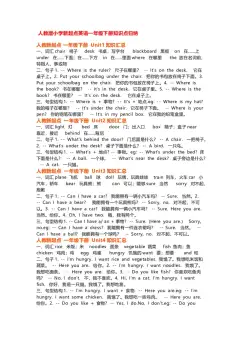
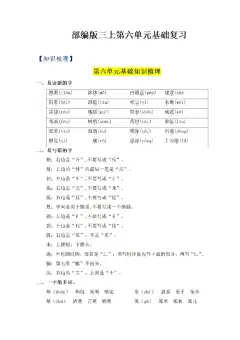
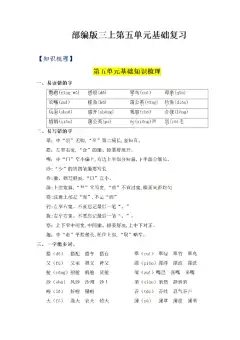
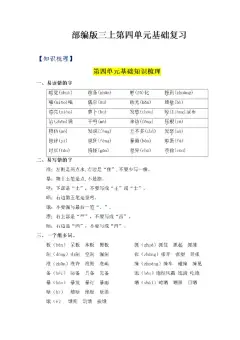
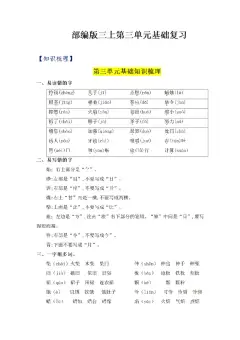
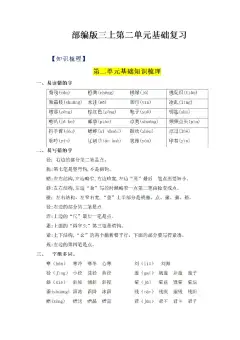
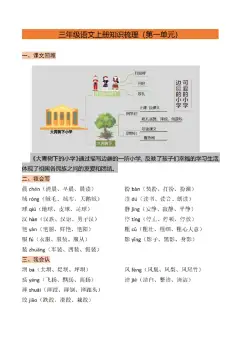
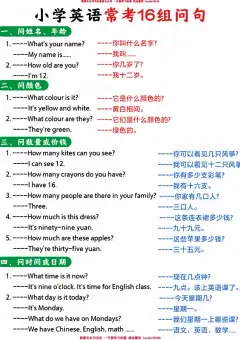
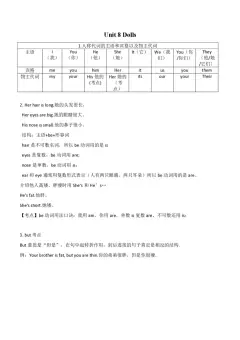
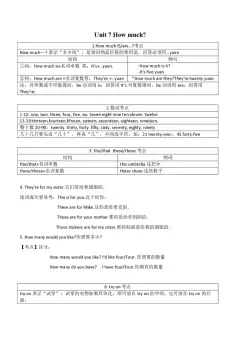
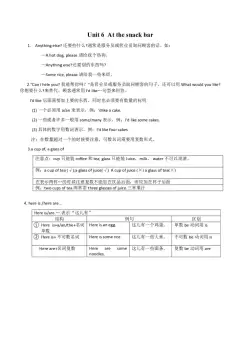
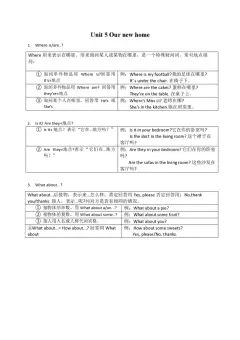
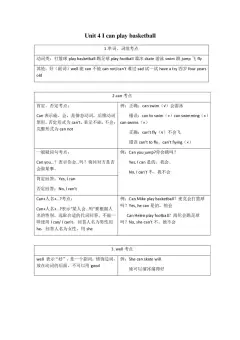
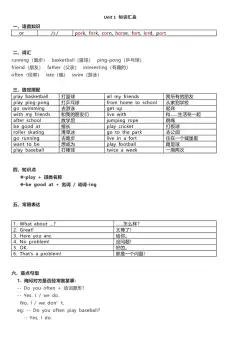
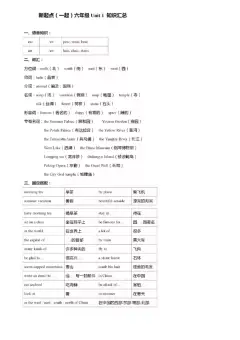
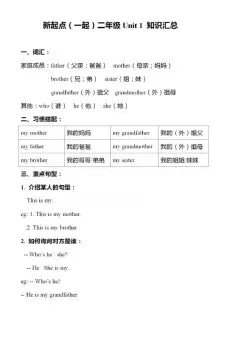
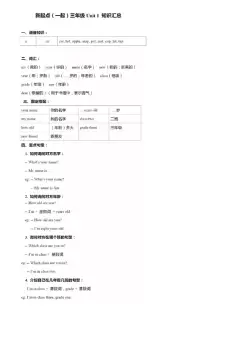
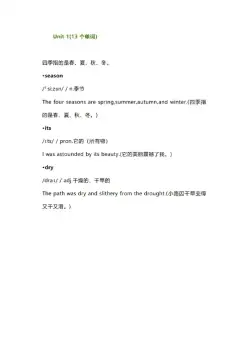
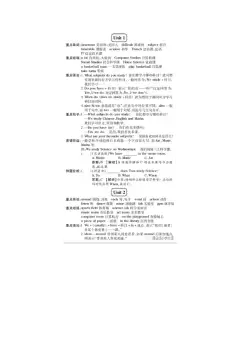
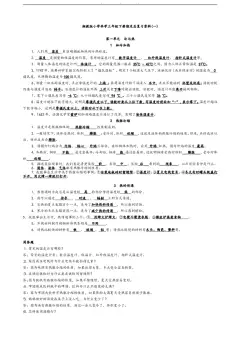
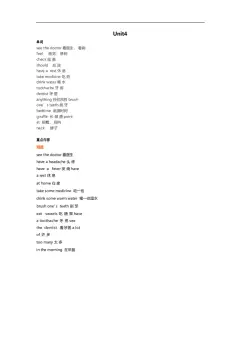
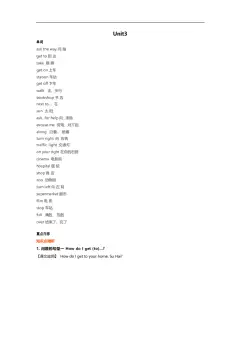
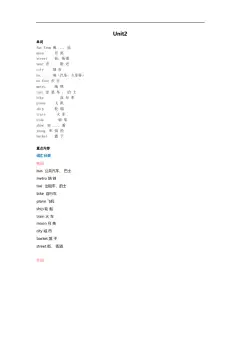
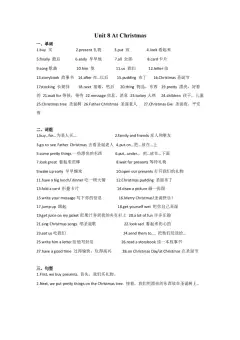
字母与语音(四线三格占格规则、五个元音字母、开闭音节——自然拼读的底子就在这几页)、名词(复数五条规则、f 变 ves、所有格 's)、代词(my 和 mine 分不清是全班通病)、数词(基变序口诀:一二三特殊记,词尾字母 t、d、d)、介词与方位、四大时态(一般现在、过去、将来、现在进行)、主题词汇(颜色动物、食物饮料、家庭身体、月份节日)、必背句型 118 组问答。
文末有完整版下载链接,点击即可下载完整版可打印PDF~~~
39
★5 必背核心
55
★4 高频重点
26
★3–2 理解即可
120
条目总数
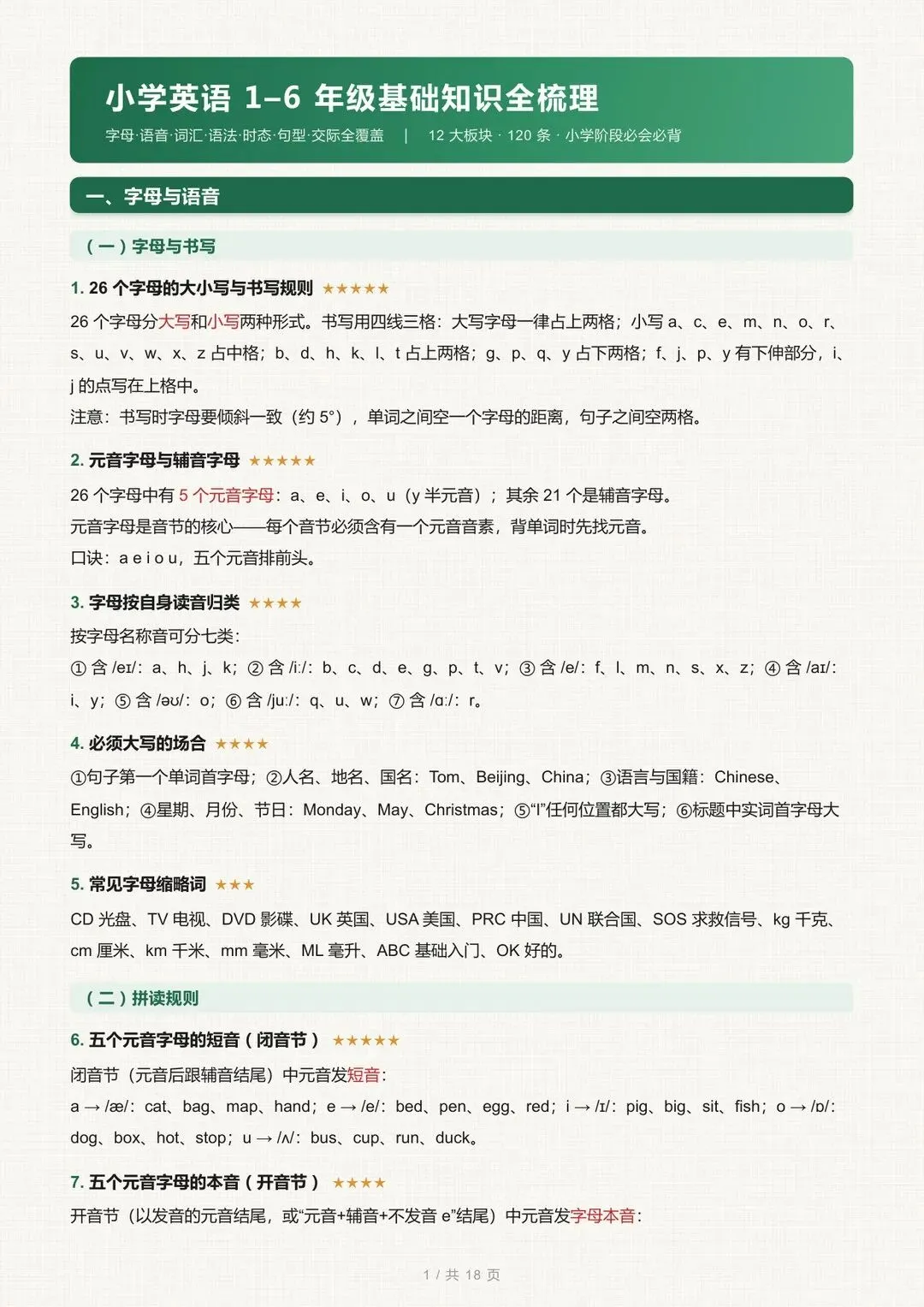
一、字母与语音
12 条 · 001–012
(一)字母与书写
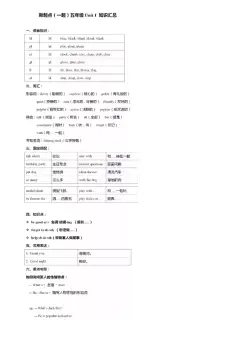
00126 个字母的大小写与书写规则
★★★★★5★
26 个字母分大写和小写两种形式。书写用四线三格:大写字母一律占上两格;小写 a、c、e、m、n、o、r、s、u、v、w、x、z 占中格;b、d、h、k、l、t 占上两格;g、p、q、y 占下两格;f、j、p、y 有下伸部分,i、j 的点写在上格中。注意:书写时字母要倾斜一致(约 5°),单词之间空一个字母的距离,句子之间空两格。
002元音字母与辅音字母
★★★★★5★
26 个字母中有 5 个元音字母:a、e、i、o、u(y 半元音);其余 21 个是辅音字母。元音字母是音节的核心——每个音节必须含有一个元音音素,背单词时先找元音。口诀:a e i o u,五个元音排前头。
003字母按自身读音归类
★★★★☆4★
按字母名称音可分七类:
① 含 /eɪ/:a、h、j、k;
② 含 /iː/:b、c、d、e、g、p、t、v;
③ 含 /e/:f、l、m、n、s、x、z;
④ 含 /aɪ/:i、y;⑤ 含 /əʊ/:o;
⑥ 含 /juː/:q、u、w;⑦ 含 /ɑː/:r。
004必须大写的场合
★★★★☆4★
①句子第一个单词首字母;
②人名、地名、国名:Tom、Beijing、China;
③语言与国籍:Chinese、English;
④星期、月份、节日:Monday、May、Christmas;
⑤“I”任何位置都大写;⑥标题中实词首字母大写。
005常见字母缩略词
★★★☆☆3★
CD 光盘、TV 电视、DVD 影碟、UK 英国、USA 美国、PRC 中国、UN 联合国、SOS 求救信号、kg 千克、cm 厘米、km 千米、mm 毫米、ML 毫升、ABC 基础入门、OK 好的。
(二)拼读规则
006五个元音字母的短音(闭音节)
★★★★★5★
闭音节(元音后跟辅音结尾)中元音发短音:
a → /æ/:cat、bag、map、hand;
e → /e/:bed、pen、egg、red;
i → /ɪ/:pig、big、sit、fish;
o → /ɒ/:dog、box、hot、stop;
u → /ʌ/:bus、cup、run、duck。
007五个元音字母的本音(开音节)
★★★★☆4★
开音节(以发音的元音结尾,或“元音+辅音+不发音 e”结尾)中元音发字母本音:
a → /eɪ/:cake、name、grade、table;
e → /iː/:he、we、these;
i → /aɪ/:like、time、five、bike;
o → /əʊ/:nose、home、note、close;
u → /juː/:use、cute。
008常见字母组合发音(一)
★★★★☆4★
ee → /iː/:see、three、green、sheep;
ea → /iː/:tea、read、meat、teacher(ea 也可读 /e/:bread、head);
oo → /uː/:food、moon、school,但在 k、d 前常读 /ʊ/:book、good、look、foot;
ou → /aʊ/:house、mouse、out、about;
ow → /aʊ/:cow、now、down,也可读 /əʊ/:know、snow、window。
009常见字母组合发音(二)
★★★★☆4★
ch → /tʃ/:chair、lunch、much;
sh → /ʃ/:she、fish、wash;
th → /θ/ 清音:three、mouth、thank,/ð/ 浊音:this、that、mother、father;
ng → /ŋ/:sing、long、morning;
ar → /ɑː/:car、farm、park;
or → /ɔː/:for、short、morning;
ir / ur / er → /ɜː/:bird、girl、nurse、hamburger、teacher。
010-(e)s 与 -ed 的发音规则
★★★☆☆3★
词尾 s 的读音:清辅音后读 /s/:cats、maps、books;浊辅音和元音后读 /z/:dogs、boys、trees;s、x、ch、sh 结尾加 es 读 /ɪz/:buses、boxes、watches。词尾 ed 的读音:清辅音后读 /t/:worked、helped、washed;浊辅音和元音后读 /d/:played、lived、cleaned;t、d 后读 /ɪd/:wanted、needed、visited。
011语调规则
★★★☆☆3★
①陈述句、特殊疑问句、祈使句用降调↘:I am a student. / What's your name? / Close the door.
②一般疑问句用升调↗:Are you ready?
③选择疑问句:or 之前升调,句末降调:Tea ↗ or coffee ↘?
④列举事物:前面各项升调,最后一项降调。
012小学常见同音词
★★★★☆4★
同音异形词汇总:two/too、four/for、right/write、no/know、hear/here、there/their、where/wear、by/buy/bye、meet/meat、see/sea、son/sun、week/weak、whose/who's、our/hour、I/eye、pear/pair、deer/dear。
二、词汇分类必背
12 条 · 013–024
(一)数与量
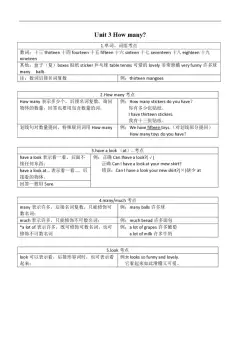
013基数词 1—100
★★★★★5★
1—12 单独记:one、two、three、four、five、six、seven、eight、nine、ten、eleven、twelve;
13—19 加 -teen:thirteen、fourteen、fifteen(不是 fiveteen)、sixteen、seventeen、eighteen、nineteen;
20—90 整十数加 -ty:twenty、thirty、forty(不是 fourty)、fifty、sixty、seventy、eighty、ninety;
21—29 用连字符:twenty-one。百:one hundred;几百几十几:three hundred and forty-five。
014序数词构成口诀
★★★★☆4★
基变序,有规律,词尾加上 th;一二三特殊记,词尾字母 t、d、d(first、second、third);八去 t(eighth)、九去 e(ninth)、ve 要用 f 替(fifth、twelfth);ty 结尾变 y 为 i 再加 eth(twentieth);几十几,只变个位就可以(twenty-first)。序数词前一般加 the:the first day。
(二)主题词汇
015颜色与动物
★★★☆☆3★
颜色:red 红、yellow 黄、blue 蓝、green 绿、black 黑、white 白、brown 棕、orange 橙、pink 粉、purple紫、grey 灰。动物:cat、dog、bird、fish、duck、hen、pig、cow、horse、sheep、rabbit、mouse→mice、tiger、lion、elephant、monkey、panda、bear、snake、zebra。
016食物与饮料
★★★☆☆3★
可数:apple、banana、orange、egg、hamburger、sandwich→sandwiches、cake、vegetable、potato→potatoes、tomato→tomatoes。不可数:rice、bread、milk、water、juice、tea、meat、chicken(鸡肉)、beef、fish(鱼肉)、soup、noodles(常用复数)。
017家庭成员与身体部位
★★★☆☆3★
家庭:father、mother(父母 parents)、grandfather、grandmother(祖父母 grandparents)、brother、sister、uncle、aunt、cousin、son、daughter。身体:head、hair、face、eye、ear、nose、mouth、tooth→teeth、hand、finger、arm、leg、foot→feet、knee、shoulder。注意 foot/feet、tooth/teeth 不规则复数。
018学习用品与场所
★★★☆☆3★
用品:pen、pencil、ruler、eraser、crayon、book、bag、desk、chair、blackboard、schoolbag、pencil-box。场所:school、classroom、library、playground、garden、office、music room、art room、computer room、TV room、washroom。
019天气与季节
★★★☆☆3★
sunny 晴、rainy 雨、cloudy 多云、windy 风、snowy 雪、hot 热、warm 温暖、cool 凉爽、cold 冷。季节:spring 春、summer 夏、autumn(fall)秋、winter 冬。核心句:How's the weather? = What's the weather like? — It's sunny.
020星期、月份与节日
★★★★☆4★
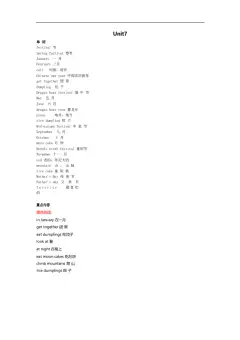
星期(首字母大写):Monday、Tuesday、Wednesday、Thursday、Friday、Saturday、Sunday。月份:January、February、March、April、May、June、July、August、September、October、November、December。节日:New Year's Day 元旦、Spring Festival 春节、Children's Day 儿童节、Teachers' Day 教师节、National Day 国庆节、Christmas 圣诞节、Mid-Autumn Festival 中秋节、Easter 复活节。
021时间表达法
★★★★★5★
①整点:It's seven (o'clock).
②顺读法:7:05 → seven o five;7:15 → seven fifteen;7:30 → seven thirty;7:45 → seven forty-five。
③半点与一刻:half past seven = 7:30;a quarter past seven = 7:15;a quarter to eight = 7:45。
④几点差几分:7:50 → ten to eight;7:40 → twenty to eight。搭配:in the morning / afternoon / evening;at noon / night。
022方位词
★★★☆☆3★
in 在里、on 在上(接触)、under 在下、behind 在后、in front of 在前、beside / next to 在旁边、between...and... 在两者之间、near 在附近、above 在上方、over 在正上方。
023职业与身份
★★★☆☆3★
teacher、student(pupil)、doctor、nurse、driver、farmer、worker、policeman→policemen、policewoman、cook 厨师、waiter 服务员、singer、dancer、writer、reporter、player、postman→postmen。
024常用动词短语
★★★★☆4★
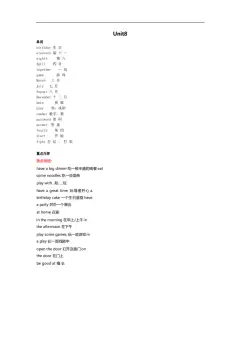
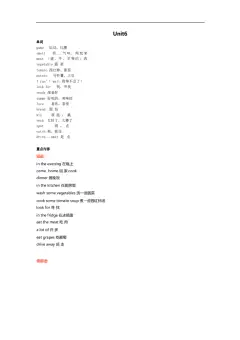
go to school 上学、go home 回家、get up 起床、go to bed 睡觉、have breakfast / lunch / dinner 吃饭、do homework 做作业、watch TV 看电视、play games 玩游戏、play football / basketball 踢(打)球、play the piano 弹琴(乐器加 the)、read books 读书、listen to music 听音乐、draw pictures 画画、water the flowers浇花、clean the room 打扫房间、take a walk 散步。
三、名词
7 条 · 025–031
(一)名词的分类
025可数名词与不可数名词
★★★★★5★
可数名词有单复数之分,可被 a/an、数词直接修饰;不可数名词没有复数,不能加 a/an 或数词。常见不可数名词:water、milk、tea、rice、bread、meat、juice、paper、money、hair、homework、housework、weather、music、time(时间)。不可数名词表“量”要用单位词:a glass of milk、two cups of tea、a piece of paper / bread / news。
026规则复数变化(5 条)
★★★★★5★
①一般直接加 s:book→books;
②以 s、x、ch、sh 结尾加 es:bus→buses、box→boxes、watch→watches、dish→dishes;
③辅音字母 + y 结尾,变 y 为 i 加 es:baby→babies、city→cities(元音 +y 直接加 s:boy→boys);
④以 f / fe 结尾,多数变 v 加 es:knife→knives、leaf→leaves、wife→wives(例外:roofs);
⑤以 o 结尾:有生命加 es——tomato→tomatoes、potato→potatoes、hero→heroes;无生命加 s——photos、pianos、radios、zoos。
027不规则复数与特殊复数
★★★★☆4★
不规则:man→men、woman→women、child→children、foot→feet、tooth→teeth、mouse→mice、goose→geese。
单复同形:sheep、deer、fish(表条数)。
只有复数:trousers、glasses、scissors、shorts、jeans。
people 本身就是复数(人们),不加 s;Chinese、Japanese 单复同形。
028复合名词与 man / woman 复数
★★★☆☆3★
①man / woman 修饰名词时,前后都变复数:man doctor→men doctors、woman teacher→women teachers;
②一般复合词只变主体名词:girl student→girl students;
③son-in-law→sons-in-law(高年级)。
029名词所有格 's
★★★★☆4★
表示“某人的”:单数名词加 's——Tom's book、my mother's bag;以 s 结尾的复数只加 '——the students'books、Teachers' Day;不规则复数加 's——Children's Day、Women's Day。两人共有:Tom and John's room(一间房);各自拥有:Tom's and John's rooms(两间房)。
030of 所有格
★★★☆☆3★
无生命名词用 of 所有格:the door of the classroom、the legs of the table、the name of the dog。高年级补充:“a / an + of + 名词性物主代词或 's 所有格”表其中之一:a friend of mine(我的一个朋友)、a friend of my father's(我爸爸的一个朋友)。
031名词修饰词搭配
★★★★☆4★
many + 可数复数;much + 不可数;a lot of / lots of + 两者皆可;some 多用于肯定句,any 多用于否定和疑问;a few + 可数、a little + 不可数(表肯定“有一点”);few / little 表否定“几乎没有”。
四、代词
9 条 · 032–040
(一)人称与物主
032人称代词主格与宾格
★★★★★5★
主格作主语:I、you、he、she、it、we、you、they;宾格作宾语(动词、介词之后):me、you、him、her、it、us、you、them。
口诀:主语用主格,动介后用宾格。she 指女、he 指男,动物和事物用 it;it 还可指天气、时间、距离。
033形容词性物主代词
★★★★★5★
my、your、his、her、its、our、your、their——后面必须跟名词:my book、her mother、their school、our classroom。汉语“我的书”说 my book,不能说 I book 或 me book。
034名词性物主代词
★★★★☆4★
mine、yours、his、hers、its、ours、theirs——后面不跟名词,相当于“形容词性 + 名词”:This book is mine(= my book)。口诀:形容词性作定语,名词性独立用。常见错误:This is mine book(×)。
035反身代词
★★★☆☆3★
myself、yourself、himself、herself、itself、ourselves、yourselves、themselves。单数以 -self 结尾,复数以 -selves 结尾。
用法:①作宾语,与主语一致:He hurt himself.
②作同位语表强调:I did it myself.短语:by oneself 独自、enjoy oneself 玩得开心、help yourself 随便吃、teach oneself 自学。
(二)指示、不定与疑问
036指示代词
★★★★☆4★
this(这个)→ 复数 these(这些);that(那个)→ 复数 those(那些)。回答时用 it / they 代替:Is this your pen? — Yes, it is. / Are those apples? — Yes, they are.打电话专用:This is...(我是……)Who's that?(你是谁?)
037some 与 any
★★★★★5★
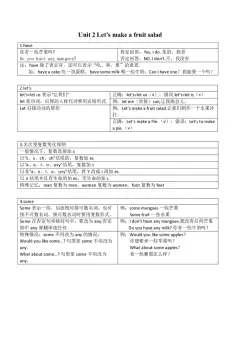
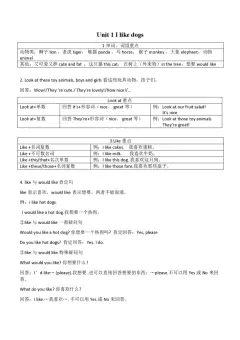
some 多用于肯定句;any 多用于否定句和疑问句。特殊用法:表示请求、邀请、希望得到肯定回答的疑问句用 some——Would you like some tea? / Can I have some water?
038many、much 与 a lot of
★★★★☆4★
many + 可数复数(How many...?);much + 不可数(How much...? 还可问价格);a lot of = lots of,肯定句中两者通用。否定句中常用 many / much:I don't have many books. There isn't much milk.
039复合不定代词
★★★☆☆3★
something(某物,肯定句)、anything(否定、疑问)、nothing(没有东西)、everything、somebody /anybody / nobody / everybody。修饰语后置:something new、nothing important。作主语时谓语用三单:Everything is ready.
040疑问代词
★★★★☆4★
who 谁(作主语)、whom 谁(作宾语,口语常用 who 代替)、whose 谁的、what 什么、which 哪一个。Whose bag is this? — It's mine. / Which is bigger, the sun or the moon? / Who is the girl over there?
五、冠词与数词
5 条 · 041–045
(一)冠词
041a 与 an 的选择
★★★★★5★
看读音,不看拼写:以元音音素开头的单词前用 an——an apple、an egg、an orange、an umbrella、an hour(h 不发音)、an old man;以辅音音素开头用 a——a book、a dog、a university(/juː/ 开头)、a useful book。
042不定冠词 a / an 的用法
★★★★☆4★
①首次提到的人或物:I have a cat.
②泛指“某一个”:A dog is an animal.
③表“每一”:twice a week 一周两次、60 km an hour;
④固定搭配:a lot of、a few、a little、have a rest、have a cold、in a hurry。
043定冠词 the 的用法
★★★★★5★
①特指双方都知道的:Close the door, please.
②第二次提到:I bought a book. The book is new.
③世界上独一无二:the sun、the moon、the earth、the sky;
④乐器前:play the piano / violin;
⑤方位:in the east、on the left / right;
⑥the + 形容词表一类人:the rich、the old;
⑦the + 姓氏复数表一家人:the Greens。
044不用冠词的情况(零冠词)
★★★★☆4★
①专有名词前:China、Beijing、Mary;
②球类运动前:play football / basketball(对比乐器加 the);
③三餐前:have breakfast / lunch / dinner;
④节日前:Spring Festival、Christmas Day(含 Day 的节日);
⑤by+ 交通工具:by bus、by bike;
⑥名词前已有 my、your、this、some、Tom's 等限定词。
(二)数词
045数词的常见运用
★★★★☆4★
①年龄:He is ten (years old).
②年级:Grade Five / Class Three;
③房间号、电话号码逐位读:Room 303→ room three o three;
④hundred / thousand 用法:前面有具体数字时不加 s、不加 of——three hundred;表概数加 s + of——hundreds of 数以百计;
⑤分数(高年级):分子基数词、分母序数词,分子大于 1 分母加 s:one third、two thirds。
六、形容词与副词
9 条 · 046–054
(一)基本用法
046形容词的用法
★★★★☆4★
①作定语修饰名词:a beautiful girl;
②作表语放在 be、look、feel、sound、smell、taste、get 之后:She is happy. / It sounds good. / I feel tired.多个形容词排序(高年级):限定词→观点→大小→形状→新旧→颜色→产地→材料。
047副词的构成与用法
★★★★☆4★
副词修饰动词、形容词、其他副词或整句:run quickly、very good、too fast。构成:多数形容词 + ly——quick→quickly、slow→slowly;辅音 + y 变 i 加 ly——happy→happily、easy→easily。与形容词同形的副词:fast、high、late、early、hard。
048形容词变副词易错点
★★★★☆4★
true→truly、terrible→terribly、possible→possibly(去 e、le 结尾变 ly)。good 的副词是 well;hard(努力地)≠ hardly(几乎不);late(晚)≠ lately(最近)。
(二)比较级与最高级
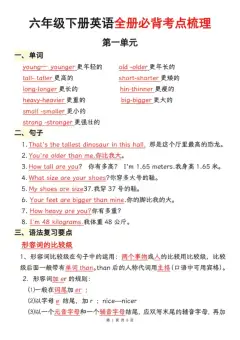
049规则变化(5 条)
★★★★★5★
①一般加 er / est:tall→taller→tallest;
②以 e 结尾加 r / st:nice→nicer→nicest;
③重读闭音节(辅元辅)双写末字母:big→bigger→biggest、hot→hotter→hottest、thin→thinner→thinnest、fat→fatter→fattest;
④辅音 + y 变 i 加 er / est:happy→happier→happiest、early→earlier→earliest;⑤多音节词用 more / most:beautiful→more beautiful→most beautiful、interesting、important、carefully。
050不规则变化(必背)
★★★★★5★
good / well→better→best;bad / badly→worse→worst;many / much→more→most;little→less→least;far→farther→farthest;old→older→oldest(elder / eldest 只作定语:elder brother 哥哥)。
051比较级句型
★★★★★5★
句型:A + be / 动词 + 比较级 + than + B——Tom is taller than John. / I get up earlier than my mother.
要点:①只有两者比较才用比较级;②比较对象要一致,用 that / those 代替前文同名事物:The weather in Beijing is colder than that in Guangzhou. ③than 后口语可用人称代词宾格。
052比较级特殊句型
★★★★☆4★
①“比较级 + and + 比较级”越来越……:It's getting warmer and warmer.
②“the + 比较级..., the + 比较级...”越……越……:The more, the better.
③much、even、a little、far + 比较级表程度:much better、a little taller——不能说 very taller。
053最高级句型
★★★★★5★
句型:the + 最高级 + 范围——She is the tallest in our class. / He is the best of the three.in 后接单位、集体;of 后接同类个体。最高级前一般要加 the;副词最高级的 the 可省:He runs (the)fastest.
054as...as 同级比较
★★★★☆4★
“as + 原级 + as”和……一样:Tom is as tall as Mike.否定式“not as / so + 原级 + as”不如:This box is not as heavy as that one.倍数(高年级):twice as big as 是……的两倍大。
七、动词与动词形式
12 条 · 055–066
(一)be 动词与三单
055be 动词的用法
★★★★★5★
选择口诀:我(I)用 am,你(you)用 are,is 连着他她它(he、she、it);单数名词用 is,复数名词全用 are。缩写:I am=I'm、is not=isn't、are not=aren't。否定:be + not;疑问:be 提前到句首。
056含 be 与含实义动词的句式变化
★★★★☆4★
含 be 动词:直接加 not 或提前——She isn't a nurse. / Are you happy?含实义动词:借 do / does / did——I don't like it. / Does he swim well?(does 之后动词用原形)
057第三人称单数变化
★★★★★5★
①一般加 s:runs、plays、likes;
②以 s、x、ch、sh、o 结尾加 es:passes、fixes、watches、washes、goes、does;
③辅音 + y 变 i 加 es:study→studies、fly→flies;
④特殊:have→has、be→is。
口诀:三单主语他她它,动词变化莫落下。
(二)动词形式变化
058现在分词 -ing 的变化
★★★★★5★
①一般加 ing:read→reading、play→playing;
②以不发音 e 结尾去 e 加 ing:make→making、write→writing、dance→dancing、come→coming;
③重读闭音节(辅元辅)双写加 ing:run→running、swim→swimming、sit→sitting、get→getting、begin→beginning、shop→shopping;
④以 ie 结尾变 y 加 ing(高年级):lie→lying、die→dying。
059动词过去式规则变化
★★★★★5★
①一般加 ed:worked、played、helped;
②以 e 结尾加 d:lived、liked、loved;
③辅音 + y 变 i 加 ed:study→studied、carry→carried;
④重读闭音节双写加 ed:stop→stopped、plan→planned、drop→dropped。
060不规则过去式(必背 30 个)
★★★★★5★
is / am→was、are→were、do→did、have→had、go→went、come→came、get→got、give→gave、take→took、see→saw、eat→ate、drink→drank、buy→bought、bring→brought、think→thought、teach→taught、run→ran、swim→swam、sing→sang、sit→sat、stand→stood、write→wrote、read→read(读 /red/)、make→made、find→found、tell→told、say→said、put→put、cut→cut、let→let。
(三)情态动词与 have / there be
061情态动词 can
★★★★★5★
can + 动词原形,没有人称和数的变化;否定 can't / cannot;疑问 can 提前。表能力:I can swim. 表请求许可:Can I help you? / Can you...? 回答:Yes, I can. / No, I can't.过去式 could(高年级)。
062情态动词 may、must、should
★★★★☆4★
may 表许可(更礼貌):May I come in? — Yes, please. / Certainly.must 必须(主观义务),否定 mustn't 表禁止;needn't 表不必。should 应该(建议):You should do more exercise.情态动词后一律用动词原形。
063have 与 has
★★★★★5★
have 用于 I、you、we、they 及复数主语;has 用于 he、she、it 及三单主语。表“拥有”:I have a new bike. / He has two sisters.have 的其他用法:have breakfast 吃早饭、have a good time 玩得开心、have to 不得不(has to)。疑问、否定借 do / does:Do you have...? / Does she have...?
064there be 句型
★★★★★5★
表示“某地有某物”:There is + 单数或不可数;There are + 复数。就近原则:There is a book and two pens on the desk.(谓语与最近的名词一致)否定:There isn't / aren't...;疑问:Is / Are there...? — Yes, there is. / No, there aren't.对数量提问:How many books are there on the desk?
065there be 与 have / has 的区别
★★★★☆4★
there be 表“存在”——某地有某物;have / has 表“拥有”——某人拥有某物。I have a computer.(我有一台电脑)/ There is a computer in my room.(我房间里有一台电脑)两句不能混搭成 I room have a computer 这类错误。
066动词固定搭配
★★★★☆4★
①like / enjoy / finish + doing:I like swimming. / He enjoys reading.
②want / need / would like + to do:I want to play football.
③let / make + sb + do(原形):Let me help you.
④help sb (to) do:help me (to) clean the room.
⑤do + some + doing:do some shopping / reading / cleaning。
八、介词
7 条 · 067–073
(一)时间与方位介词
067时间介词 at、on、in
★★★★★5★
at + 时刻、时间点:at six、at half past four、at noon、at night、at Christmas。on + 具体某天、某天的早晚:on Monday、on May 1st、on Sunday morning、on a cold day。in + 年、月、季节、泛指早晚:in 2026、in May、in spring、in the morning。口诀:at 时刻,on 具体天,in 长时间。
068方位介词
★★★★★5★
in 在里、on 在上(接触表面)、under 在下、above / over 在上方(over 正上方)、behind 在后、in front of在前、beside / next to / by 在旁边、near 在附近、between...and... 在两者之间、among 在(三者以上)中间(高年级)。
069方位介词进阶辨析
★★★★☆4★
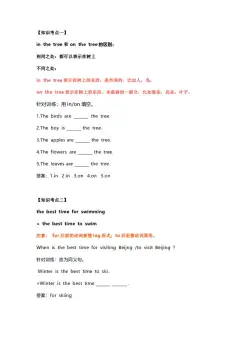
①in the tree(外物在树上:鸟)与 on the tree(树上长的:苹果);
②in front of(范围外的前面)与 in the front of(范围内的前部);
③on the wall(贴挂墙上:画)与 in the wall(嵌在墙里:窗、门)。
(二)固定搭配
070动词 + 介词固定搭配(一)
★★★★☆4★
look at 看、look for 寻找、look after 照顾、look like 看起来像、listen to 听、get to 到达、arrive at / in 到达、point to 指向、wait for 等待、talk to / with 与……交谈、think about 考虑、play with 和……玩。
071be + 介词固定搭配(二)
★★★★☆4★
be good at 擅长、be late for 迟到、be afraid of 害怕、be interested in 对……感兴趣、be full of 充满、be angry with 生(某人)的气、be famous for 因……著名、on time 准时、in time 及时、at first 起初、in the end 最后。
072交通方式表达
★★★★☆4★
by + 交通工具(不加冠词):by bus / bike / train / plane / ship;on foot 步行;take + 冠词 + 交通工具:take a bus / taxi;ride a bike 骑车;walk to... = go...on foot。
073介词常见易错
★★★☆☆3★
①arrive 后大地方用 in、小地方用 at;
②get home / there 前不加 to(home、here、there 是副词);
③“在周日早上”用 on Sunday morning(具体某天的早晚用 on);④sometimes 有时 ≠ some times 几次。
九、四大时态
12 条 · 074–085
(一)一般现在时
074一般现在时:用法与标志词
★★★★★5★
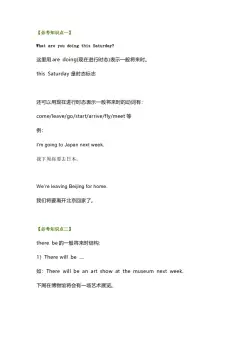
表示经常性、习惯性的动作或客观事实、永恒状态。标志词:always、usually、often、sometimes、never、every day / week / year、on Sundays。主语是第三人称单数时,动词要加 s / es。
075一般现在时:句式变化
★★★★★5★
肯定:I / You / We / They + 动词原形;He / She / It + 三单形式。否定:don't / doesn't + 原形——I don't like fish. / She doesn't watch TV.疑问:Do / Does + 主语 + 原形——Does he speak English? — Yes, he does.be 动词句:Are you...? / He isn't...
(二)现在进行时
076现在进行时:构成
★★★★★5★
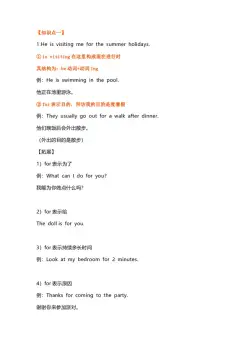
be(am / is / are)+ 现在分词 doing。肯定:I'm reading. / He's running. / They're playing.否定:be + not + doing;疑问:be 提前——Are you listening? Yes, I am.-ing 变化规则:一般加 ing;不发音 e 去 e 加 ing(make→making);重读闭音节双写加 ing(run→running、swim→swimming、sit→sitting)。
077现在进行时:用法与标志词
★★★★★5★
表示此刻正在进行或现阶段进行的动作。标志词:now、right now、at the moment、look!、listen!(提示语出现必用进行时)。Look! The children are playing football. / Listen! She is singing.
078不用进行时的动词
★★★☆☆3★
表状态、情感、拥有的动词一般不用进行时:like、love、want、know、have(拥有)、see、hear。不说 I'm liking it,要说 I like it.
(三)一般过去时
079一般过去时:用法与标志词
★★★★★5★
表示过去发生的动作或存在的状态,与现在无关。标志词:yesterday、last night / week / month / year、...ago(two days ago)、just now、in 2020、this morning(已过去)。
080一般过去时:句式变化
★★★★☆4★
肯定:主语 + 动词过去式——I went to the park yesterday.否定:didn't + 原形——He didn't do his homework.(was / were 直接加 not:wasn't、weren't)疑问:Did + 主语 + 原形——Did you see the film? — Yes, I did.(was / were 提前:Were you at home?)
(四)一般将来时
081一般将来时:will
★★★★★5★
will + 动词原形,所有人称通用;否定 won't;疑问 Will you...? — Yes, I will.标志词:tomorrow、next week / year、soon、in + 一段时间(in two days 两天后)。I will visit my grandma tomorrow.
082一般将来时:be going to
★★★★★5★
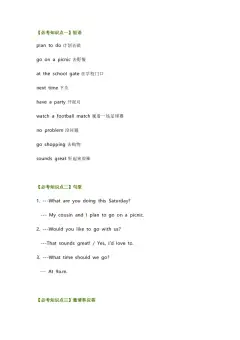
be going to + 原形,表示计划打算或有迹象要发生:I'm going to learn swimming. / It's going to rain.be 随人称变化:I am / He is / They are going to...标志词与 will 相同。
083will 与 be going to 的区别
★★★★☆4★
will:临时决定、单纯将来、意愿承诺——I will help you.be going to:事先计划好的、有迹象的——Look at the clouds! It's going to rain.
084四大时态对比总表
★★★★★5★
一般现在时:do / does;标志 always、every day——I get up at six every day.现在进行时:am / is / are doing;标志 now、look——I am reading now.一般过去时:did;标志 yesterday、ago——I read a book last night.一般将来时:will do / be going to do;标志 tomorrow、next week——I will go to Beijing next month.
085时间标志词速查表
★★★★☆4★
进行时:now、look!、listen!;现在时:every day、every morning、always、usually、often、sometimes;过去时:yesterday、last...、...ago、just now、in 1990;将来时:tomorrow、next...、soon、in two days、tonight。
十、句型大全
13 条 · 086–098
(一)陈述与疑问
086陈述句
★★★☆☆3★
说明事实,分肯定与否定,句末用句号,读降调。肯定改否定:be 句加 not;实义动词句借 don't / doesn't / didn't。
087一般疑问句
★★★★★5★
用 Yes / No 回答:be 动词、情态动词、助动词提到句首,句末读升调。回答口诀:用什么问,用什么答——Is he a doctor? — Yes, he is. / Can you swim? — No, I can't. / Do you like it? — Yes, I do.注意:Is this...? 回答用 it;Are these / those...? 回答用 they。
088特殊疑问句
★★★★★5★
构成:疑问词 + 一般疑问句(疑问词作主语时用陈述语序)。回答不能用 Yes / No,要具体回答。Who is the girl? — She is my sister.(who 作主语,陈述语序)What does your father do? — He is a teacher.(问职业)
089常用疑问词一览
★★★★★5★
what 什么(姓名、职业);who 谁;whose 谁的;which 哪一个;when 何时;where 何地;why 为什么(答 because);how 怎样;how many 多少(可数);how much 多少(不可数)、价格;how old 几岁;how long 多长(多久);how often 多久一次(频率);how far 多远。
090选择疑问句
★★★☆☆3★
or 连接两个选项,or 前读升调、句末读降调;回答不用 Yes / No,直接选其中一项:Would you like tea or coffee? — Tea, please. / Is your sister a nurse or a teacher?
091反意疑问句
★★★☆☆3★
前肯后否、前否后肯;疑问部分用代词。He is a student, isn't he? — Yes, he is.(是的,他是)She never cries, does she?(never 使前句视为否定)祈使句后加 will you?;Let's... 后加 shall we?
(二)祈使、感叹与倒装
092祈使句
★★★★☆4★
表示命令、请求、建议:省略主语 you,动词用原形开头,句末用句号或叹号。Stand up. / Close the door, please. / Be quiet!否定:Don't + 原形——Don't be late. / Don't run in the hall.句首或句末加 please 更礼貌。
093Let's 句型
★★★★☆4★
Let's + 动词原形,表示建议“让我们……”,反意疑问用 shall we:Let's go to the park, shall we? / Let's play a game.Let me... 让我……:Let me help you.Let him / her / it...:Let him in.
094感叹句 what 型
★★★★☆4★
What + (a / an) + 形容词 + 名词 + 主语谓语!What a beautiful day (it is)! / What clever boys (they are)!(复数名词不加 a / an)What fine weather!(不可数名词不加 a / an)
095感叹句 how 型
★★★★☆4★
How + 形容词 / 副词 + 主语谓语!How beautiful (the flower is)! / How fast he runs!区分口诀:有名词用 what,无名词用 how——中心词是名词选 what,中心词是形容词、副词选 how。
096祈使句 + and / or
★★★☆☆3★
Study hard, and you will pass the exam.(努力学,你就会……)Hurry up, or you'll miss the bus.(快点,否则你会……)
097Here / There 开头的倒装
★★★☆☆3★
Here comes the bus!(名词作主语用倒装)/ Here it comes.(代词作主语不倒装)/ There goes the bell. 铃响了。
098So / Neither 开头的倒装
★★★★☆4★
“So + be / 情态动词 / 助动词 + 主语”表示“……也一样”(肯定);“Neither / Nor + ...”表示“……也不”(否定)。I am a student. — So am I.He can swim. — So can I.I don't like it. — Neither do I.注意:动词与前一句保持一致。
十一、日常交际用语
12 条 · 099–110
(一)礼节用语
099问候与告别
★★★★☆4★
问候:Hello! / Hi! / Good morning / afternoon / evening. / How are you? — Fine, thank you. And you? / Nice to meet you. — Nice to meet you, too.告别:Goodbye! / Bye-bye! / See you (later / soon). / Good night.(睡前或晚上道别)
100介绍与自我介绍
★★★★☆4★
自我介绍:My name is... = I'm... / I'm from... / I'm ... years old.介绍他人:This is...(介绍人时不说 He is...)初次见面:Nice to meet you.
101感谢与道歉
★★★★☆4★
感谢:Thank you (very much). / Thanks a lot. / Many thanks.回应:You're welcome. / That's all right. / Not at all. / My pleasure.道歉:Sorry. / I'm sorry. — That's OK. / It doesn't matter. / Never mind.
102询问个人信息
★★★★☆4★
What's your name? / How old are you? — I'm ten. / Where are you from? — I'm from China. / What grade are you in? — I'm in Grade Five. / Which school are you in?
(二)场景用语
103购物用语
★★★★☆4★
店员:Can I help you? / What can I do for you? — I want / would like a pair of shoes.What color / size do you want? / How much is it? — It's fifty yuan.Here you are. 给你。/ I'll take it. 我买了。
104问路与指路
★★★★☆4★
问:Excuse me, where is the...? / How can I get to...? / Is there a ... near here?答:Go straight / along this street. / Turn left / right at the... / It's on your left / right, next to...没帮上忙时:Thank you all the same. 同样谢谢你。
105打电话用语
★★★★☆4★
This is... (speaking). 我是……(不说 I am...)/ Is that... 你是……吗?(不说 Are you...)Who's that (speaking)? 你是谁?/ Hold on, please. 别挂断。/ May I speak to...?Sorry, he isn't in. / Can I take a message? 要留言吗?
106就餐用语
★★★★☆4★
What would you like? — I'd like some noodles. / Would you like some...? — Yes, please. / No, thanks.Help yourself. 随便吃。/ It's delicious. / I'm full. 我饱了。
107询问天气
★★★☆☆3★
What's the weather like (today)? = How is the weather? — It's sunny / rainy / windy. / Is it cold today? — Yes,it is.
108询问时间与日期
★★★★☆4★
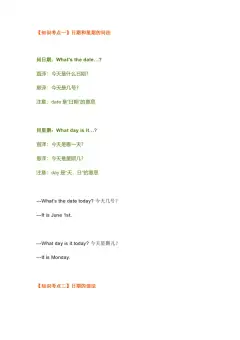
What time is it? = What's the time? — It's seven thirty.(问几点)What day is it today? — It's Monday.(问星期)What's the date today? — It's June 1st.(问日期)
109祝愿与祝贺
★★★★☆4★
Happy birthday (to you)! / Happy New Year! — The same to you. / Merry Christmas! / Good luck (to you)! /Congratulations! 祝贺!Have a good time! — Thank you. / Well done! 干得好!
110课堂常用语
★★★☆☆3★
May I come in? / Who's on duty today? / Is everyone here? / Here! 到!/ Excuse me, may I ask a question? /Pardon? 请再说一遍。/ I see. 我明白了。
十二、易错点与必背汇总
10 条 · 111–120
(一)易混词辨析
111易混动词辨析
★★★★☆4★
look(看的动作)与 see(看到的结果);listen(听的动作)与 hear(听到的结果);speak(说某种语言)、say(说的内容)、talk(交谈)、tell(告诉、讲故事);wear(穿着的状态)与 put on(穿上的动作);borrow(借入)与 lend(借出)。
112易混名词与其他
★★★★☆4★
family(家人、家庭)与 home(家,地点)与 house(房子);job 与 work;too(也,句末;太)、also(也,句中)、either(也,否定句末);both(两者都)与 all(三者及以上都);other 与 another。
(二)高频易错
113缩写形式对照表
★★★★☆4★
I am=I'm、you are=you're、he is=he's、she is=she's、it is=it's、we are=we're、they are=they're、is not=isn't、are not=aren't、do not=don't、does not=doesn't、did not=didn't、cannot=can't、will not=won't、was not=wasn't、were not=weren't、I will=I'll、I would=I'd。
114it's 与 its 等高频易错
★★★★☆4★
it's = it is(它是);its 它的(物主代词)。you're = you are;your 你的。there be(有)与 their(他们的)。by / buy / bye 同音不同义。
115小学易错语法点集合
★★★★☆4★
①How many 后接复数:How many books(不是 book);
②Does 后用原形:Does he like(不是 likes);
③didn't 后用原形;
④there be 与 have 不混用;
⑤an hour、a useful book(看读音);
⑥on Sunday(不是 in Sunday);
⑦watch TV / watch the football match(不是 look);
⑧like...very much(不是 very much like...);
⑨very 不修饰比较级,要用 much;
⑩every day(分开)作状语,everyday(合写)是形容词。
(三)必背句型
116必背句型(一)问与答
★★★★★5★
①What's your name? — My name is...
②How old are you? — I'm...
③Where are you from? — I'm from...
④What's this / that (in English)? — It's a / an...
⑤Is this your...? — Yes, it is.
⑥Who's that man / woman? —He's / She's...
⑦What time is it? — It's...
⑧What day is it today? — It's...
⑨What's the weather like? — It's...
⑩How many...are there? — There are...
117必背句型(二)能力与活动
★★★★★5★
①What do you like? — I like...
②Do you like...? — Yes, I do.
③What can you do? — I can...
④Can you...?— Yes, I can.
⑤What are you doing? — I'm...
⑥What did you do yesterday? — I...
⑦Where are you going?— I'm going to...
⑧What are you going to do? — I'm going to...
⑨Which season do you like best? — I like...best.
⑩Why do you like...? — Because...
118方位与比较问答
★★★☆☆3★
Where is the...? — It's in / on / under / behind / beside... / Is it in your bag? — Yes, it is.Who is taller, A or B? — A is. / Which is bigger, the sun or the moon? / I'm taller than you.
(四)书写与习惯
119书写规范总要求
★★★☆☆3★
①句子开头大写,句末加标点;
②单词之间空一个字母的距离;
③疑问句、感叹句标点不能丢;
④英语没有书名号,书名用斜体或下划线;
⑤逗号、句号后空一格再写下一词。
120复习方法建议
★★☆☆☆2★
①每天听读 15 分钟,磨耳朵;
②单词按类记(颜色一类、动物一类),不孤立背;
③学一个句型就换词造 3句;
④准备错题本:抄错句 + 正确句对比;
⑤固定搭配当“整块”背,不拆成单词。
免费领:小学1-6年级基础全梳理 18 页 PDF
🔗下载链接:小学英语1-6年级基础知识全梳理.pdf

· · · E N D · · ·

长按识别 · 来聊聊孩子

觉得今天的内容有用?点个「赞」和「喜欢」,让更多孩子看到