ARTICLE · 1348272
小学英语句型转换 三种句型互转 一篇讲透

主题合集
Hello 小朋友们和家长朋友们!英语系列来啦。 今天讲一个特别实用、也特别容易搞混的知识点:句型转换。
01 · 三种句型是什么
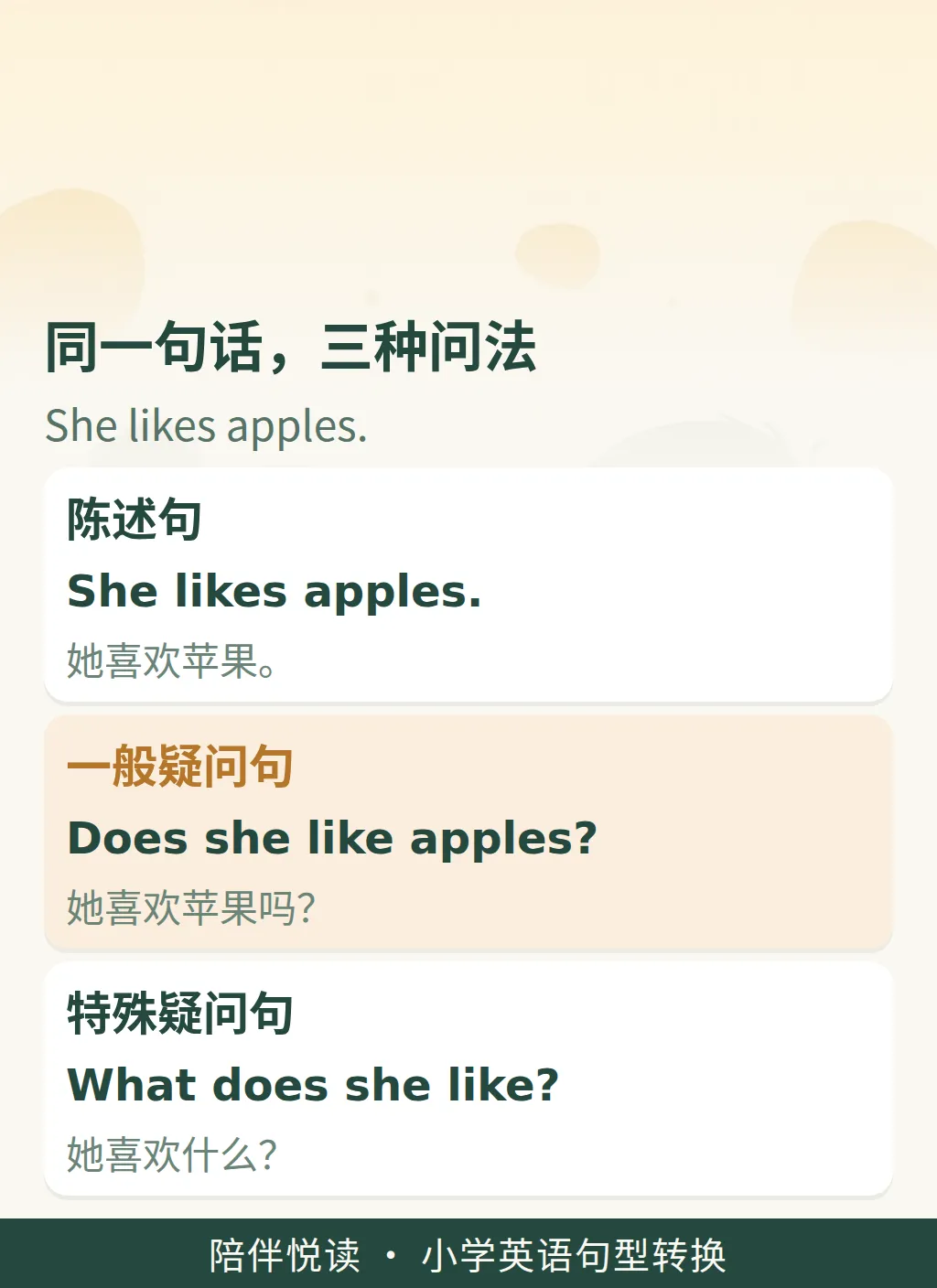
英语的句子按「问不问、问什么」分成三种。 第一种,陈述句:说明一个事实,不需要回答。
She likes apples. 她喜欢苹果。
第二种,一般疑问句:问「是不是」,可以用 Yes / No 回答。
Does she like apples? 她喜欢苹果吗?
— Yes, she does. — No, she doesn't.
第三种,特殊疑问句:问具体的东西,用「疑问词 + 一般疑问句」的结构。
What does she like? 她喜欢什么?
— Apples.
记住这三句的样子就够了。
同一句话,三种问法
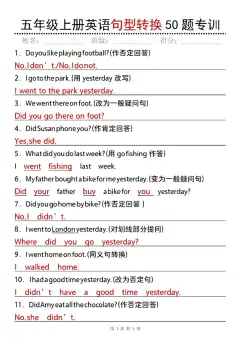
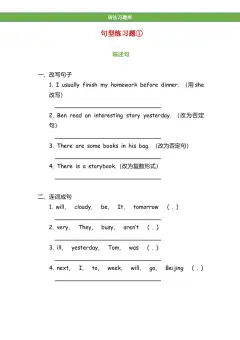
02 · 陈述句变一般疑问句:三步法
这是最基础也最重要的转换。记住三步: 第一步:找到 be 动词或助动词。
She is a student. → 找到 is
第二步:把它提到句首。 is + she a student 第三步:句末加问号。
Is she a student?
关键在第一步 —— 句子里如果没有 be 动词,就要借助助动词 do / does / did。
She likes apples. 这里没有 be 动词,所以用 does。
而且注意:加了 does 之后,原来的动词要变回原形。
likes → like(不能写成 Does she likes apples?)
完整示例:
Tom cleans his room. → Does Tom clean his room?
这三步在下面这张表里看得最清楚:
03 · 助动词怎么选
看到句子先判断属于哪一类,助动词就定了。 第一类:句子里有 be 动词,直接用它。
She is a student. → Is she a student?
They are happy. → Are they happy?
第二类:句子里有情态动词,直接用它。
She can swim. → Can she swim?
He must go. → Must he go?
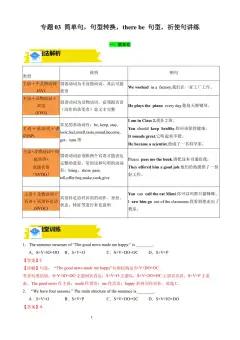
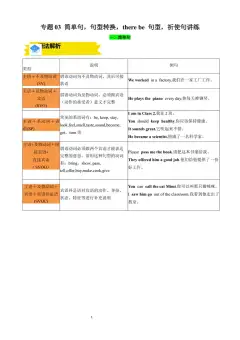
第三类:其他情况,按时态选。 这张表是核心,建议打印出来:
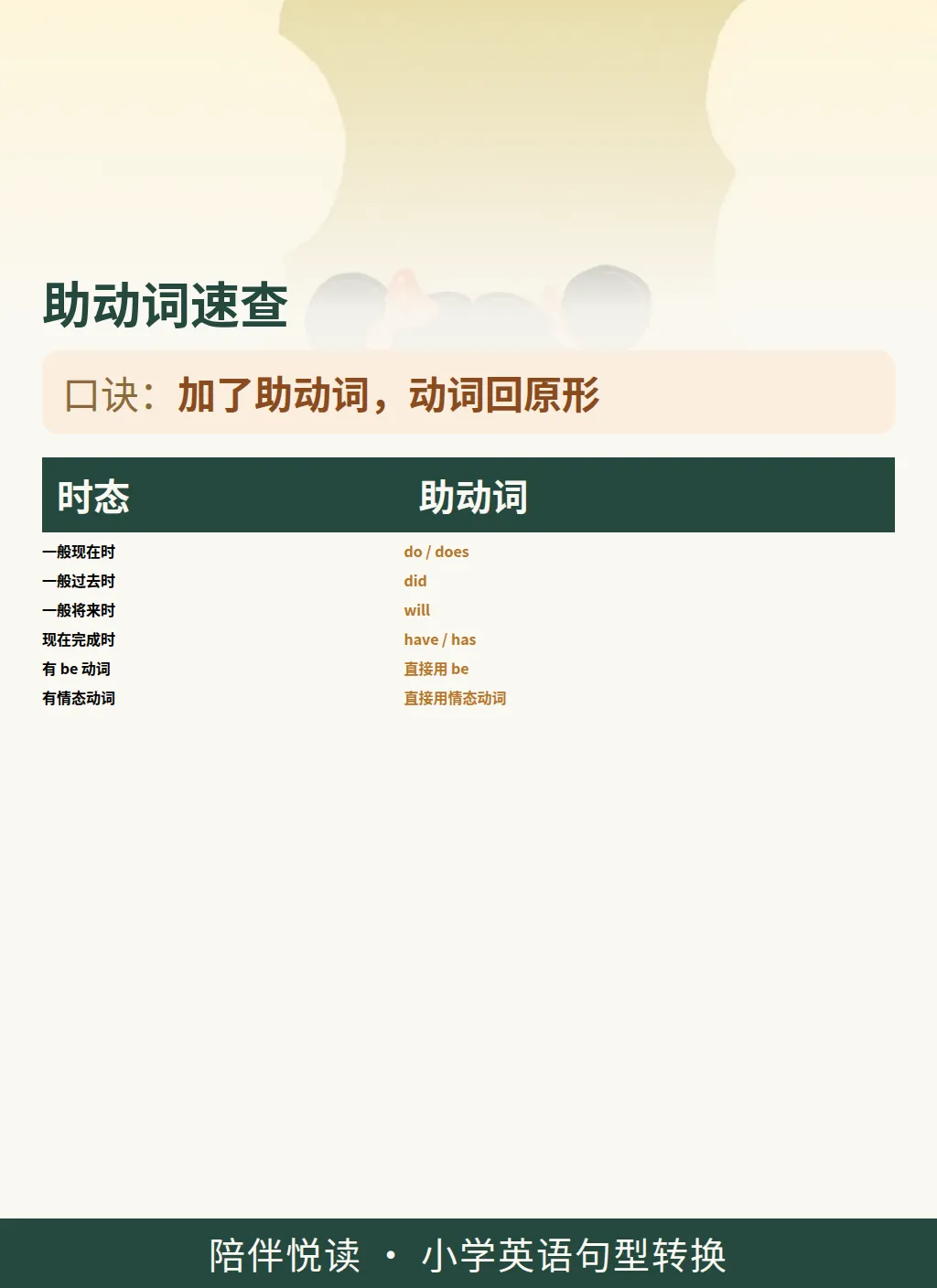
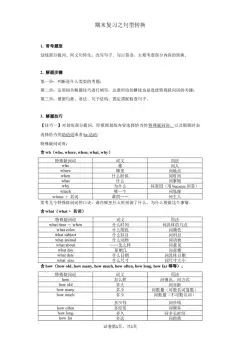
助动词速查:什么时候用哪个
04 · 特殊疑问句:三步法
特殊疑问句的诀窍只有一句:特殊疑问词 + 一般疑问句。 也就是说,先按第 02 节的方法做出一般疑问句,再在前面加疑问词。 第一步:确定特殊疑问词。
What / Who / Where / When / Why / How many / How much
第二步:把陈述句改成一般疑问句。
She likes apples. → Does she like apples?
第三步:疑问词提到最前面。
What + does she like apples? → What does she like?
这里有个细节:疑问词后面接的句子,本身就是一般疑问句。 所以 What 后面要跟 does,不能跟 likes。
What does she like? ✓
What does she likes? ✗
再练一个:
He goes to school by bus. → Does he go to school by bus? → How does he go to school?
看清楚了吗?How 放在最前面,后面还是 does。
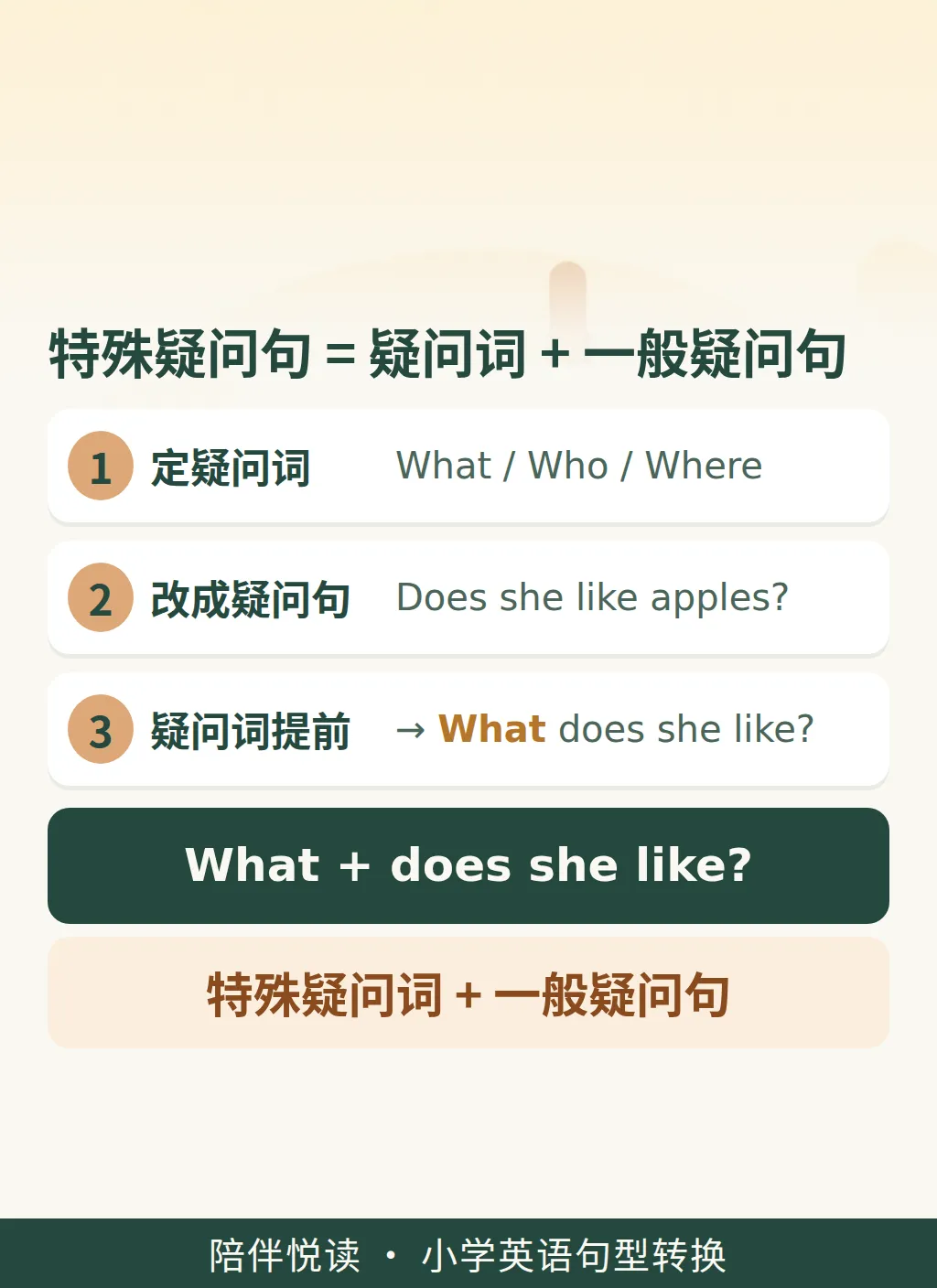
特殊疑问词 + 一般疑问句
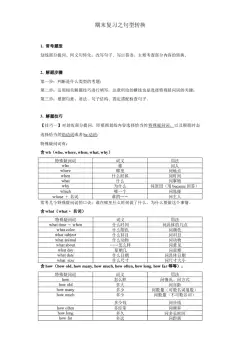
05 · 常用疑问词表【7W1H】
这七个疑问词要认全。后面跟的成分不一样,考试经常在这里挖坑。
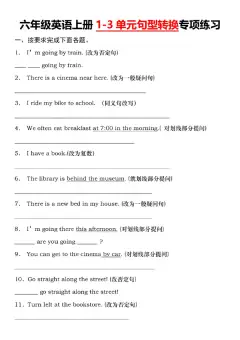
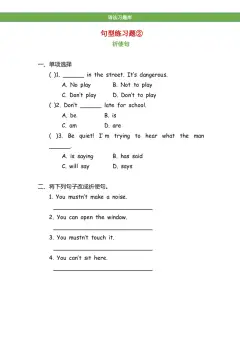
06 · 陈述句变否定句
否定句比疑问句简单:找到该加否定词的地方,加上就行。 第一类:有 be 动词,be 后面直接加 not。
She is a student. → She is not a student.
第二类:有情态动词,情态动词后面加 not。
She can swim. → She can not swim. → She can't swim.
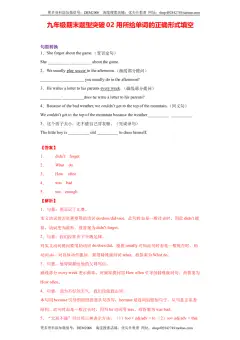
第三类:其他情况,加 don't / doesn't / didn't,后面的动词变回原形。
She likes apples. → She doesn't like apples.
He went home. → He didn't go home.
同一个「不」有三种写法,考试都算对:
She is not a student. 完整写法
She isn't a student. 缩写写法(最常用)
She is not a student.(正式场合也这么写)
各时态否定句的助动词对照:
07 · 特殊疑问句变否定句
这一种最容易出错,因为很多孩子以为疑问词要变。 问句的疑问词不变,只把助动词换成否定式。
What does she like? → What doesn't she like?
Where does he live? → Where doesn't he live?
How many books do you have? → How many books don't you have?
注意第三句:疑问词 How many 完全没动,只把中间的 do 换成 don't。
还有一个常见问法,意思和上面不一样,要分清:
What doesn't she like? 她不喜欢什么?
(问「不喜欢哪些」)
Why doesn't she like it? 她为什么不喜欢它?
(问原因)
08 · 完整对话
场景:Leo 和 Mia 在书店。
Mia: Do you like this story book?
你喜欢这本故事书吗?
Leo: Yes, I do. I read it last week.
喜欢。我上周读的。
Mia: What is it about?
讲的是什么?
Leo: It is about a boy and his dog. They go to the moon.
讲一个男孩和他的狗。他们去了月球。
Mia: Does he live on the moon?
他住在月球上吗?
Leo: No, he doesn't. He only visits it.
不,他不住。他只是去看看。
Mia: How many stories are in this book?
这本书里有几个故事?
Leo: I don't know. I have only read the first one.
不知道。我只读了第一个。
Mia: How does it cost?
多少钱?
Leo: It is thirty yuan. It's not expensive.
三十元。不贵。 这段对话里三种句型全出现了 —— 陈述句、一般疑问句、特殊疑问句。
09 · 易错点 Top 5
错误一:加了助动词,动词忘记变回原形。
✗ Does she likes apples?
✓ Does she like apples?
Does / do / did 后面一定跟动词原形。
错误二:be 动词句多加了 do。
✗ Does she is a student?
✓ Is she a student?
句子里已经有 is,就不要再加 does。 错误三:特殊疑问句后面跟陈述句。
✗ What does she likes?
✓ What does she like?
疑问词后面接的是一般疑问句。 错误四:否定句里动词没回原形。
✗ He didn't went home.
✓ He didn't go home.
didn't 后面跟动词原形。 错误五:疑问词该用 when 用了 where。
✗ Where is the class?
✓ When is the class?
问「什么时候」用 when,问「在哪里」用 where。
10 · 选一选
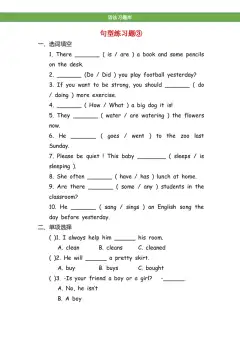
1. She ______ a student.
A. is B. does C. do
2. ______ he like apples?
A. Do B. Does C. Is
3. What ______ she like?
A. do B. does C. is
4. They ______ at home yesterday.
A. didn't go B. didn't went C. doesn't go
5. ______ is your father?
A. What B. Who C. Where
11 · 答案
1. A — 有 be 动词 is,直接用 is,不用再加助动词。
2. B — 主语 he 是第三人称单数,一般现在时用 Does。
3. B — 疑问词 What 后面接一般疑问句,主语 she 用 does。
4. A — 一般过去时否定句用 didn't + 动词原形 go。
5. B — 问「谁是你爸爸」用 Who。
如果第 1 题或第 2 题错了,把第 03 节「助动词怎么选」再看一遍;
一起聊聊
有更多想学习了解的内容,欢迎留言,大家一起学习交流
感谢您的点赞、在看,以及分享给朋友。