Classroom Discourse
ISSN: 1946-3014 (Print) 1946-3022 (Online) Journal homepage: www.tandfonline.com/journals/rcdi20
Oral corrective feedback and learner uptake:
an analysis of Chinese high-school teachers’
practices in a national teaching competition
Chi Zhang, Neil E.J.A. Bowen & Nathan Thomas
To cite this article: Chi Zhang, Neil E.J.A. Bowen & Nathan Thomas (2025) Oral
corrective feedback and learner uptake: an analysis of Chinese high-school teachers’
practices in a national teaching competition, Classroom Discourse, 16:4, 437-460, DOI:
10.1080/19463014.2025.2474233
To link to this article: https://doi.org/10.1080/19463014.2025.2474233
© 2025 The Author(s). Published by Informa
UK Limited, trading as Taylor & Francis
Group.
Published online: 19 Mar 2025.
Submit your article to this journal
Article views: 2616
View related articles
View Crossmark data
Full Terms & Conditions of access and use can be found at
https://www.tandfonline.com/action/journalInformation?journalCode=rcdi20
Oral corrective feedback and learner uptake: an analysis of
Chinese high-school teachers’ practices in a national teaching
competition
Chi Zhanga, Neil E.J.A. Bowen
b and Nathan Thomas
a
aIOE, UCL’s Faculty of Education and Society, UCL (University College London), London, UK; bFaculty of
Liberal Arts, Thammasat University Bangkok, Bangkok, Thailand
ABSTRACT
Given the important role of oral corrective feedback (OCF) in language-
learning classrooms, understanding its application in specific contexts
is crucial for improving pedagogical practices. The notion that there is
much to learn from expert practitioners is also intuitively appealing.
Accordingly, in this study, we explore the OCF given by 12 English as
a foreign language (EFL) teachers in response to errors made by their
Chinese high-school students in a national teaching competition. We
also used the responses from these students as a measure of learner
uptake. Employing a mixed-methods design and drawing on a well-
established framework for categorising OCF, we investigated teacher-
student interactions across 12 lessons totalling 483.5 minutes. Findings
show that recasts comprised 69.14% of OCF instances, yet it resulted in
low learner uptake and repair. Elicitation, metalinguistic feedback, and
explicit correction, though used less frequently, were more effective in
promoting learner repair. Although the results suggest that even
expert teachers predominantly use recasts, we argue that this may
just be an epiphenomenon of the communicative approach they are
tasked with using. We also make recommendations for teacher train
ing, curriculum design, and more studies that explore how error types
can influence the choice of OCF in settings like ours.
ARTICLE HISTORY
Received 15 July 2024
Accepted 25 February 2025
KEYWORDS
Error correction; EFL; TESOL;
English teaching; classroom
interaction
1. Introduction
Oral corrective feedback (OCF) is a critical component of language learning and
teaching, particularly in English as a foreign language (EFL) classrooms, where
timely and appropriate feedback can significantly impact language acquisition
(Ellis 2017). Decades-old research has shown that effective OCF can help students
develop language skills, enhance language input, capture attention, promote
engagement, and facilitate mastery of abstract language rules (see Caroll and
Swain 1993; Long and Robinson 1998; Sharwood 1991). Moreover, research shows
that if OCF is sufficiently salient (Ellis 2021), it can help learners to identify
disparities between their interlanguage and a target language (Ohta 2000), leading
CONTACT Nathan Thomas
nathan-thomas@ucl.ac.uk
IOE, UCL’s Faculty of Education and Society, UCL
(University College London), 20 Bedford Way, London WC1H 0AL, UK
CLASSROOM DISCOURSE
2025, VOL. 16, NO. 4, 437–460
https://doi.org/10.1080/19463014.2025.2474233
© 2025 The Author(s). Published by Informa UK Limited, trading as Taylor & Francis Group.
This is an Open Access article distributed under the terms of the Creative Commons Attribution-NonCommercial-NoDerivatives License
(http://creativecommons.org/licenses/by-nc-nd/4.0/), which permits non-commercial re-use, distribution, and reproduction in any med
ium, provided the original work is properly cited, and is not altered, transformed, or built upon in any way. The terms on which this article
has been published allow the posting of the Accepted Manuscript in a repository by the author(s) or with their consent.
to a cognitive comparison that may trigger their recognition and reorganisation of
the target language (Gass 2017). However, research has also shown that OCF’s
effectiveness is influenced by how it is applied within specific contexts (Oliver and
Adams 2021), highlighting the need for targeted studies to improve pedagogical
practices.
The existing body of literature on this topic offers a wide array of perspectives, from
studies focusing on child language learners (e.g. Oliver and Mackey 2003) to university-
aged students (e.g. S. Li 2014). With a view towards our target context, Q. Zhang and
Wang (2011) suggest that a well-balanced combination of language input, OCF, and
student output can motivate and inspire students to produce more target language,
resulting in substantial improvements in their language proficiency. However, despite the
substantial evidence supporting the benefits of OCF for language development, there is
limited investigation within the Chinese high-school learning context (cf. Jin and Mu 2019;
W. Wang and Li 2021). Moreover, it has been argued that many Chinese EFL teachers do
not give sufficient attention to OCF during classroom interactions, and that this lack of
emphasis directly affects students’ abilities to respond effectively (Jin and Mu 2019; Tu
and Luo 2016).
Knowing how to balance one’s pedagogical focus when providing OCF is often
decided in situ by a teacher’s phronesis (i.e. their practical wisdom/reason; see
Kristjánsson 2021). Although learner uptake inevitably depends on a host of factors,
teachers with highly developed phronesis are often referred to as ‘good’ language
teachers; thus, they likely possess the ability to provide effective OCF (Nassaji and
Kartchava 2020). While a universal definition of a good teacher is ‘hopelessly elusive’
(Medgyes 2020, xxi), discussions of what good teachers do are quite common (e.g.
Chang 2016; H. Wang and Yao 2021), especially in the Chinese context (Jin and
Cortazzi 2020). Importantly, definitional elusiveness does not lessen intuitive appeal
(Thomas and Rose 2019), which the current study leans into.
Recommended by their respective regions to demonstrate their pedagogical expertise in
a national competition, the 12 teachers whose lessons constitute our dataset presumably
possess a combination of high-level linguistic knowledge (as per Andrews and McNeill 2005)
and phronesis, each of which develops through years of experience (Consoli 2022). Thus, we
believe they represent very ‘good’ (i.e. outstanding or expert) EFL teachers (as per Griffiths
and Tajeddin 2020). Accordingly, their practices can be scrutinised constructively, as in other
classroom-based studies in Chinese contexts (e.g. Cai and Cook 2015; H. Li and Thomas
2023; L. Li and Walsh 2011; Shi, Irwin, and Du 2023; Wu and Lin 2019; Zuo and Walsh 2023).
Moreover, these teachers have adapted to a complex context that involves recent curricu
lum reforms that prioritise communicative competence, large class sizes, limited classroom
interaction opportunities, and cultural expectations surrounding teacher – student interac
tions. These factors may distinguish our findings from those of other studies.
Overall, by examining the utilisation of OCF and its impact on learner responses in
nationally recognised demonstration lessons, we seek to provide valuable insights on the
use of OCF and offer implications for teacher training programmes in contexts like ours.
Such insights can enhance pedagogical practices, improve language learning outcomes,
and inform curriculum design, ensuring a more effective and targeted approach to
language instruction in Chinese high-school settings.
438
C. ZHANG ET AL.
2. Error treatment in language classrooms
2.1. Corrective feedback
Within the field of language teaching, a long-held belief is that learners’ errors are always
informative, regardless of whether they are viewed positively or negatively. In most
classroom-based interactional studies, researchers use three error categories: phonologi
cal, lexical, and grammatical (e.g. Lyster 1998; Tu and Luo 2016; Zhao 2005). Phonological
errors involve pronunciation inaccuracies, such as the addition or omission of phonetic
elements and failures in elision or linking. Lexical errors pertain to imprecise vocabulary
usage, including the misuse of derived words with prefixes and suffixes. Grammatical
errors encompass inaccuracies such as verb tense issues, subject-verb agreement errors,
singular/plural discrepancies, and so on. OCF is frequently employed as a common
strategy to address these errors which, in this study, we define as any ‘comment on the
appropriateness or correctness of learners’ second language production and comprehen
sion’ (S. Li and Vuono 2019, 94). Moreover, while OCF can be delivered through both
verbal and non-verbal means, as well as through sounds or visuals (Nakatsukasa, Nassaji,
and Kartchava 2021), in the current study, we focus on oral OCF, which is conveyed
through teacher talk.
In many studies, OCF has been theoretically claimed and empirically shown to yield
favourable learning outcomes (see Ammar and Spada 2006; Lyster and Saito 2010; Mackey
et al. 2021; Nicholas, Lightbown, and Spada 2001), such as enhancing learners’ attention and
facilitating error rectification (L. Zhang 2008). Within classroom interactions, for example,
OCF can direct learners’ attention to disparities between their interlanguage and the target
language (Gass 2017). However, it is also argued that not all OCF is created equal. Ellis (1990),
for instance, claims that explicit error correction methods outperform implicit ones,
a perspective shared by Seedhouse (1996), who asserted that explicit error correction
helps reduce ambiguity, and Slimani (1992), who claimed that learners are more inclined
to notice linguistic forms when they are encouraged to engage in self-correction.
2.2. Learner uptake
In the present study, as well as in a series of studies related to OCF, learner uptake is
defined as the immediate response of learners following teacher feedback (e.g. Lyster
1998; Sheen 2004). In addition to pre- and post-test measures, learner uptake is a widely
used indicator of learning outcomes, as it can be used to discern varying levels of student
involvement in error treatment sequences and to delineate diverse patterns in classroom
interaction (Panova and Lyster 2002). Within classroom interactions, uptake encompasses
both successful and unsuccessful attempts at repair, and learner moves that produce
uptake following feedback are taken as evidence that they have noticed the feedback,
a process that is facilitative of acquisition (Q. Zhang and Wang 2011).
Research indicates that various types of OCF, such as recasts, explicit corrections,
and prompts, significantly influence learner uptake and subsequent language acquisi
tion (S. Li 2010; Lyster, Saito, and Masatoshi 2013). This suggests that the type of
feedback provided can directly impact learners’ ability to recognise and correct their
mistakes. Lyster and Ranta (1997) identified two types of learner uptake: uptake with
CLASSROOM DISCOURSE
439
repair and uptake with needs-repair. Uptake with repair can take the form of repetition
or self-correction, where the repair depends on the type of OCF provided: for instance,
recasts and explicit OCF often lead to repetition of correct forms by students, whereas
other OCF types can result in self-correction or peer-assisted correction (Lyster, Saito,
and Masatoshi 2013).
However, learner uptake does not inherently signify students’ acquisition of a language
feature (Panova and Lyster 2002). To provide evidence of acquisition, a learner must be
able to correctly use the language feature in subsequent instances without external
prompting (Ellis, Basturkmen, and Loewen 2001). Nevertheless, there exist theoretical
reasons to consider that uptake may contribute to acquisition. First, as highlighted by
Lyster and Ranta (1997), uptake enables learners to practice utilising language elements,
potentially aiding in the automatisation of language feature retrieval. Second, Swain’s
(1995) Output Hypothesis underscores the importance of language production in lan
guage learning, whereby ‘pushed output’ – learners’ attempts to use forms they have
previously used incorrectly or received explicit information about – contributes to acqui
sition by compelling learners to reassess their erroneous hypotheses about the target
language (Abbuhl 2021; Leow and Driver 2021).
2.3. Corrective feedback and learner uptake in classroom interactions
Since the 1990s, a multitude of studies have focused on OCF and learner uptake (García
Mayo and Milla 2021), with a focus on their frequency, distribution, and efficacy across
diverse educational settings. Researchers have observed that language teachers employ
a great variety of OCF strategies within classrooms (Nassaji and Kartchava 2021, Panova
and Lyster 2002), ranging from explicit strategies such as direct correction to implicit ones
like elicitation and clarification requests.
The choice of OCF strategy seems to largely depend on the nature of the learner’s error.
For instance, Lyster (1998) highlighted how lexical and grammatical errors often lead to
prompts rather than recasts or explicit corrections, whereas phonological error correction
frequently involves recasts (see also Tu and Luo 2016). Based on error analysis, most
scholars agree that different types of errors require different feedback strategies for
effective correction; for example, lexical errors and morphosyntactic errors are perhaps
better addressed through prompts (Tan, Reynolds, and Ha 2024; Yang and Lyster 2010),
while phonological errors are served by both recasts (for accuracy) and prompts (for
intelligibility) (Gooch, Saito, and Lyster 2016).
The emotional responses of learners to OCF are another critical factor influencing
uptake. Research indicates that while OCF can facilitate cognitive development, it may
also evoke negative emotional reactions, which can hinder learning if not managed
appropriately (Ergül 2021, 2023). Teachers must therefore be aware of the emotional
climate in their classrooms and strive to create a supportive environment that encourages
learners to engage with feedback positively (Alzubi, Nazim, and Al-Mwzaiji 2022). This
emotional aspect is crucial, as learners who feel comfortable and supported are more
likely to respond positively to corrective feedback and demonstrate greater uptake (T. Fu
and Nassaji 2016). Moreover, the interplay between teacher practices and learner prefer
ences is significant in shaping the effectiveness of OCF (Yuksel, Soruç, and McKinley 2023).
Research indicates that when teachers align their feedback strategies with learners’
440
C. ZHANG ET AL.
preferences, the overall effectiveness of OCF can be enhanced, leading to improved
language acquisition outcomes (S. Li 2017; S. Li and Vuono 2019).
Due to their prevalence in language teaching classrooms, recasts have attracted
intense interest from researchers (Brown 2016). Researchers such as Loewen and Philp
(2006) argue that recasts enhance the prominence and efficiency of feedback without
disrupting the flow of conversation, thereby facilitating meaningful interaction and
scaffolding learners to produce language they may not have been able to produce on
their own. Indeed, in most studies that focus on oral feedback, recasts consistently
emerge as the most frequently employed form of OCF (Miller and Pan 2012; Sheen
2004; W. Wang and Li 2021): in Tsang (2004), which explored secondary school students
learning English in Hong Kong, recasts made up 48% of OCF, followed by explicit
correction, repetition, metalinguistic feedback, clarification requests, and elicitation.
A similar pattern was observed by Lee (2013), who found that recasts accounted for
48.94% of teachers’ feedback in an advanced-level English as a second language (ESL)
classroom. In the context of a Japanese immersion class for 9–10-year-olds, Lyster and
Mori (2006) report figures of 65% for recasts, 26% for prompts, and 9% for explicit
corrections.
However, although recasts are the most frequently found form of OCF in many studies,
scholars have also observed that learners respond less often to recasts compared to other
types of OCF (Brown 2016; Lyster and Ranta 1997; W. Wang and Li 2021). In other words,
a high number of recasts does not necessarily lead to a higher level of learner uptake. For
instance, in an early study, Doughty (1994) found that learners responded with well-
formed repetitions after only 21% of recasts, even though recasts accounted for about
70% of all OCF in his six hours of recorded classroom interactions. A similar conclusion was
reached by Han and Jung (2007), who observed that clarification requests, elicitation, and
other explicit types of OCF led to a more noticeable trend in learner repair. Panova and
Lyster (2002) attribute such disparities between frequency and effectiveness of recasts to
their intrinsic ambiguities – students might mistake recasts as non-corrective repetitions
and thus perceive them as positive evidence that reinforces their language use (see also
Nicholas, Lightbown, and Spada 2001).
Scholarly debates have since centred on the efficacy of various types of OCF in eliciting
learner uptake and repair. However, a definitive consensus on this matter remains
unreached due to divergent findings (Ioannou and Tsagari 2022). Panova and Lyster
(2002), for instance, report that elicitation and repetition, despite being sparingly
employed by teachers in an adult ESL setting, yielded the highest percentage of learner
repair. In contrast to recasts, these types of OCF foster active learner involvement and
facilitate prompting of the correct linguistic form. However, in Lee’s (2013) study of
advanced ESL classes, recasts generated 92.09% learner repair, closely following elicita
tion and repetition, which achieved 100% learner repair.
As Nassaji and Kartchava (2021) put it, the use and effectiveness of feedback are
influenced by various learner and contextual factors, making it difficult to claim super
iority for a specific type of feedback. For instance, in their study, W. Wang and Li (2020)
note how explicit correction was significantly higher in a Chinese EFL context than an
American ESL context, yet the overall distribution of OCF was similar. Lyster and Mori
(2006) note how Japanese immersion students exhibited greater uptake and repair in
response to recasts, while their French counterparts responded more frequently to
CLASSROOM DISCOURSE
441
prompts. Sheen (2004), meanwhile, found that learner repair and uptake following recasts
were considerably higher in Korean EFL and New Zealand ESL classes than Canadian ESL
and immersions contexts. Even the focus of a lesson has been shown to influence the type
of OCF used (Ha 2023). Ultimately, the distribution and uptake of OCF varies depending
on the macro-level context (García Mayo and Milla 2021), and the unfolding nature of
classroom interactions (Seedhouse 2019). Thus, a contemporary study specific to Chinese
EFL teaching is warranted.
Although some Chinese researchers have previously explored OCF provision across differ
ent proficiency levels (Tu and Luo 2016; Zhao 2005) and within college English classrooms (Xu
and Huang 2014; Q. Zhang and Wang 2011), the deployment and effectiveness of OCF types
have demonstrated mixed results. Moreover, limited investigation has been conducted in
Chinese high-school EFL settings – an age group that is said to be less intentional in their
learning (Panova and Lyster 2002). Furthermore, considering recent changes in the national
curriculum standards of China (Ministry of Education of the People’s Republic of China 2020),
prior research findings may no longer be applicable, necessitating a contemporary investiga
tion. Accordingly, the present study addresses two research questions:
(1) What are the most frequent types of oral corrective feedback used by outstanding
Chinese high-school EFL teachers?
(2) How effective are the different types of oral corrective feedback in promoting
learner uptake and repair among intermediate-level EFL students?
3. Methodology
3.1. Research context
Given the significant role that context plays in influencing OCF and student uptake (Sheen
2004), it is essential to understand the unique context of this study. In China, the class
room is the main environment for English usage among students, who receive daily
English language instruction, with some receiving additional tutoring outside the class
room. At the macro-level, recent educational reforms in Chinese high schools have shifted
the focus of English instruction from formal language knowledge and skills training to
a communicative approach (Jiang 2023). Consequently, classroom activities now empha
sise authentic communication as well as facilitating students’ awareness of phonetic,
lexical, and grammatical knowledge (Y. Fu 2022). Alongside these changes, a new series
of English textbooks have been rolled out nationwide. The participants in this study mark
the inaugural use of these new textbooks, which is a distinct feature from prior studies in
Chinese EFL contexts.
The data for this study comes from the 2022 National High School English Teacher
Teaching Skills Competition, where participating teachers were recognised as outstand
ing educators. These teachers were selected based on their exceptional pedagogical skills
and were aware that their lessons would be observed by thousands of people. In other
words, we can assume that the sampled teachers were highly motivated to provide what
they deemed the best possible OCF, and that the sampled students were on their best
behaviour. Each classroom had 30–55 students, reflecting typical class sizes in Chinese
high schools. All teachers and students consented to being audio and video recorded (via
442
C. ZHANG ET AL.
a camera at the back of the classroom) for the teaching competition. All involved were
aware that the recordings would be made publicly available. The first author wrote to the
organising committee, informing them of the study and to request digital access to the
recordings so that they could be analysed for the purpose of this study, which was also
approved by the first author’s university’s ethics committee.
3.2. Sample
Our sample was purposively selected from 23 video-recorded lessons taken during the
2022 National High School English Teacher Teaching Skills Competition. This dataset was
compiled by the Organizing Committee for the National Teaching Skills Competition for
High School English Teachers. We selected 12 English lessons taught by 12 teachers (one
lesson per teacher). These lessons covered all four language skills: reading, writing,
listening, and speaking, and each lesson lasted 40 minutes (±3 mins), resulting in 483.5
minutes of data. We excluded lessons from the larger corpus that focused on pronuncia
tion, grammar, and revision, because they diverged from the criteria of integrating
language form into meaning-oriented and theme-based lesson structures (e.g.
Travelling, Body Language, Friendship, etc.).
The rationale behind choosing these lessons was twofold: First, the teachers participat
ing in the competition were recommended by their local education authorities based on
their expertise. These participants were from 12 different provinces, representing a wide
range of backgrounds and thereby offering a comprehensive view of high-school educa
tion in China. Second, the students were taught by these teachers in their respective
schools, ensuring pre-established rapport and authentic classroom interactions that
faithfully mirrored the realities of English teaching and learning in each province.
Teachers and students are L1 Mandarin Chinese speakers and L2 EFL users. The students
were 15–17 years old. They were all expected to have achieved English proficiency Level 3
on China’s Standards of English Language Ability (CSE) test, which is equivalent to B1
(intermediate) in the Common European Framework of Reference (CEFR).
3.3. Procedure
The procedure for transcribing the video clips involved multiple steps to ensure accuracy
and consistency. First, the 12 lesson recordings were watched repeatedly and transcribed
by the first researcher, who underwent extensive training in the coding scheme to ensure
consistency and accuracy. Coding was reviewed by an additional researcher to ensure
reliability. Each recording was transcribed in detail, capturing both teacher and student
utterances verbatim. The unit of analysis was defined as one interactional turn between
teacher and student, occurring in the sequence of learner error, teacher’s OCF, and learner
uptake. Transcriptions included the identification and coding of errors as phonological,
lexical, or grammatical, and subsequent feedback types were categorised according to
Lyster and Ranta (1997). The recordings are publicly accessible, ensuring transparency and
allowing for external verification of the transcription accuracy.
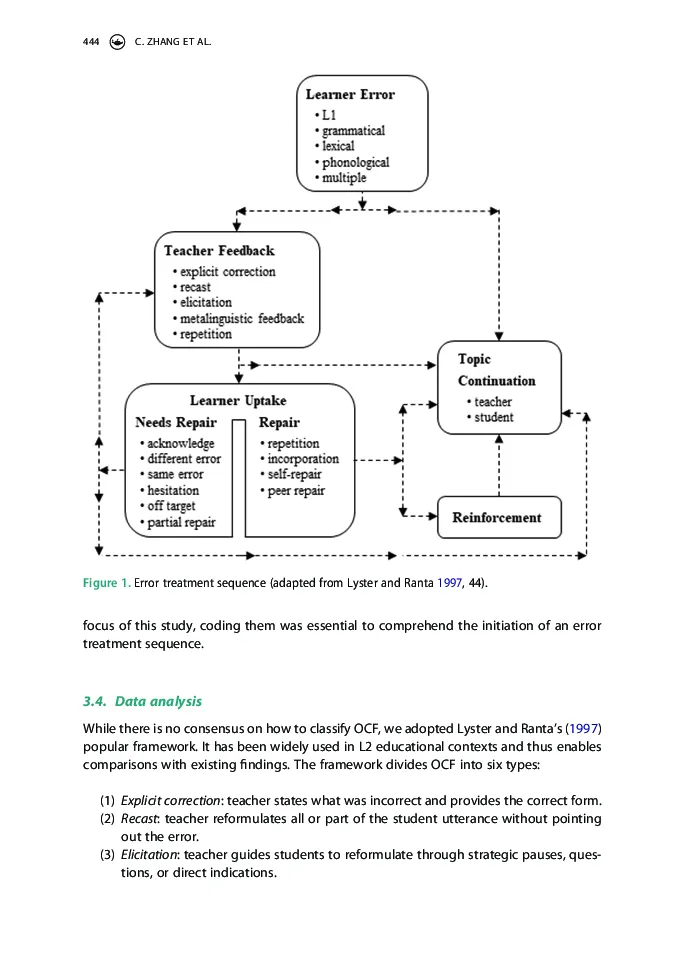
Figure 1 shows the full procedure for coding each interactional turn.
Student utterances containing erroneous target language features were identified and
coded as phonological, lexical, and grammatical. While error types were not the primary
CLASSROOM DISCOURSE
443
focus of this study, coding them was essential to comprehend the initiation of an error
treatment sequence.
3.4. Data analysis
While there is no consensus on how to classify OCF, we adopted Lyster and Ranta’s (1997)
popular framework. It has been widely used in L2 educational contexts and thus enables
comparisons with existing findings. The framework divides OCF into six types:
(1) Explicit correction: teacher states what was incorrect and provides the correct form.
(2) Recast: teacher reformulates all or part of the student utterance without pointing
out the error.
(3) Elicitation: teacher guides students to reformulate through strategic pauses, ques
tions, or direct indications.
Figure 1. Error treatment sequence (adapted from Lyster and Ranta 1997, 44).
444
C. ZHANG ET AL.
(4) Metalinguistic feedback: teacher indicates errors somewhere or provides questions
hinting at the nature of the error.
(5) Clarification requests: teacher asks students to repeat or restate using phrases such
as ‘Pardon?’ or ‘I don’t understand’.
(6) Repetition: teacher repeats the student’s utterance, usually highlighting the error
through intonation adjustments.
In some instances, students used Chinese when they were unsure of the correct English
form. These were categorised as non-target-like and treated as errors. In cases where
a student turn contained more than one error, it was coded as Multiple Errors, for
example:
In cases where multiple feedback types were used within a single turn, they were
categorised based on their salience. For instance, if a teacher first repeated the student’s
utterance (a recast) but followed it with a salient elicitation, as in Example 1, the feedback
type was coded as elicitation due to its greater impact on the subsequent response.
Example 1
If feedback went unacknowledged, it often led to topic continuation initiated by either
the teacher or student, preventing a response to the OCF. When feedback resulted in
student uptake, it was coded as repair or needs-repair. According to Lyster and Ranta’s
(1997) framework, students’ utterances with the following features were counted as repair:
●Repetition: student repeated the teacher’s OCF after receiving the correct answer.
●Incorporation: student constructed a more extended sentence after repeating the
provided correction.
●Self-repair: student corrected the error based on the teacher’s OCF before receiving
the correct answer.
●Peer-repair: another student offered the correct answer after hearing the teacher’s
OCF.
Needs-repair occurred when the student responded to the teacher’s OCF, but the error
persisted. This manifested as follows:
●Acknowledge: student verbally affirmed or nodded after the teacher provided OCF.
●Same error: student repeated the initial error.
●Different error: student neither corrected nor repeated the error but made a new one.
CLASSROOM DISCOURSE
445
●Off target: student’s response did not correspond to the OCF, yet they did not make
any additional errors.
●Hesitation: student remained uncertain about how to proceed after the teacher’s
OCF.
●Partial repair: student only partially corrected the error.
To assess the accuracy and reliability of the coding, we calculated Cohen’s Kappa for
a random sample of 20 instances of coded data, comparing the codes assigned by Rater 1
and Rater 2. Cohen’s Kappa for error types and feedback types was κ = 1.0, indicating
perfect agreement between the raters.
4. Findings and discussion
4.1. Corrective feedback
Our dataset comprised 1392 teacher turns and 1220 student turns. Figure 2 shows these
frequencies alongside the number of students’ turns containing errors (erroneous target
language features or unsolicited first language use) and the number of teachers’ turns
containing OCF following these error turns.
As shown in Figure 2, among the 1220 student turns, 174 (14.26%) contained one or
more learner errors, while only 81 (5.82%) of the 1392 teacher turns contained OCF. In
other words, more than half of the students’ 174 turns (53.45%) that contained errors
went unnoticed or were ignored by their teachers. Fundamentally, the teachers seemingly
decided to employ topic continuation moves rather than provide OCF on more than half
of the student error turns.
The frequency of OCF in this study (10.05 times per hour) falls within a medium
range when compared with other high-school FL teaching settings: Yang (2009)
observed 36 OCF moves over 6 hours of classroom interactions, while Lochtman
(2002) found a notably higher occurrence of 39 times per hour, on average.
However, in our study, only 5.82% of all teachers’ turns contained OCF, which is
significantly lower than the + 25% figure reported in other studies (Esmaeili and
Behnam 2014; Panova and Lyster 2002). This disparity may be attributed to the
nature of the meaning-oriented communicative classrooms in this study, where the
primary instructional focus was on conveying meaning. Indeed, although we found
Figure 2. Frequency of student turns, learner errors, teacher turns, and corrective feedback.
446
C. ZHANG ET AL.
several phonological, lexical, and grammatical errors in students’ turns, for the
most part they did not impede communication. This aligns with the findings of
Simard and Jean (2011), where teachers expressed a preference to correct only
those errors that hindered communication. For instance, in Example 2 from our
dataset, during a discussion on wildlife protection, a student made grammatical
errors (using ‘agree’ instead of ‘agree with’ and ‘in safe’ instead of ‘in safety’) and
a phonological error (/iː/instead of/ɪ/). However, the teacher refrained from cor
recting these errors, choosing instead to partially repeat and confirm the student’s
utterance, prioritising the smooth flow of the conversation.
Example 2
In general, teachers employed a wide range of OCF. Subsequent examination of their
distribution revealed that recast was the most prevalent type, constituting 69.14% of all OCF
moves (f = 56/81). The high frequency of recasts left little opportunity for the utilisation of
other feedback types: Elicitation ranked as the second most common, comprising 11.11% (f
= 9/81) of the total, while clarification request, explicit correction, repetition, and metalin
guistic feedback were utilised less frequently, accounting for 6.17% (5/81), 4.94% (4/81),
4.94% (4/81), and 3.70% (3/81), respectively. These findings are consistent with research
across various contexts involving both young learners and adult EFL/ESL students, where
recast consistently emerges as the most frequent OCF type (Ahangari and Amirzadeh 2011;
Choi and Li 2012; Ellis, Basturkmen, and Loewen 2001; Lee 2013; Lyster and Mori 2006;
Sheen 2004). However, Brown’s (2016) findings, which were derived from a comprehensive
meta-analysis encompassing descriptive OCF studies, present a contrasting picture. Brown
found that while recasts occur more frequently in adult and elementary classes, in high-
school language classes, error correction prompts are more frequent. Since our dataset was
taken from a national competition that highlighted a communicative approach to language
teaching, teachers may have favoured recasts as a safer option, because recasts tend to
maintain communication flow (S. Li and Vuono 2019) and can reduce anxiety among
students (Roothooft 2014).
Nevertheless, in our sampled classroom interactions, a substantial number of recasts
were employed to correct phonological, lexical, and grammatical inaccuracies. For instance,
in Example 3, the teacher uses a recast to draw attention to a word stress error.
Example 3
In instances where lexical errors occurred, teachers would use recasts to give a more
precise word choice for the given context, as exemplified in Example 4:
CLASSROOM DISCOURSE
447
Example 4
Likewise, grammatical errors were also corrected with recasts. In Example 5, prior to
reading a biography, the teacher inquired about the students’ prior knowledge of the
subject. When the student incorrectly used ‘devote’ (infinitive) instead of ‘devoted’ (past
simple) to describe the person’s actions and confused ‘hungry’ (adjective) with ‘hunger’
(noun), the teacher partially echoed the student’s response while delivering
a reformulated utterance to convey the accurate forms of the misused words.
Example 5
Such observations align with Jin and Mu’s (2019) findings, where novice and experi
enced teachers employed recasts as a strategy to address all types of errors in Chinese
high-school classrooms. Similarly, Han and Jung’s (2007) study, which focused on tea
chers’ provision of OCF to intermediate-level students, also underscored the prevalence of
recasts (67.3%). Such findings suggest that teachers of intermediate-level learners, like the
ones in the current study, believe their students are capable of noticing gaps between
their interlanguage and the correct target language forms. In other words, teachers view
recasts as a suitable strategy for providing exemplars of the target language for this level
of proficiency (Panova and Lyster 2002). However, a preference for recasts may also be
attributed to its efficiency in time management, as highlighted by Yoshida (2008),
especially when compared to OCF that involves some form of prompt.
Furthermore, it is also likely that many teachers are reluctant to consistently encourage
self-repair to avoid disrupting the flow of communication. As S. Li and Vuono (2019)
report, recasts hold an advantage over other feedback types in maintaining communica
tion flow and not subverting students’ confidence. Similarly, Roothooft (2014) argues that
teachers favour recasts because other feedback strategies are perhaps too intrusive or
may induce anxiety in students. However, as per Lyster and Ranta’s (1997) research, we
found that none of the feedback types impeded communication flow, and students’
uptake did not disrupt the overall communicative process.
Following recasts, elicitation was the second most frequently used feedback type in
our study, accounting for 11.11% of all OCF provision. Example 6 shows an instance of
elicitation, whereby the teacher asked students to raise questions regarding what they
had read. One student responded with a grammatical error, using a gerund instead of an
infinitive. To elicit the correct form, the teacher partially repeats the student’s utterance
and then pauses, prompting the student to self-correct by completing the turn.
448
C. ZHANG ET AL.
Example 6
By pausing and allowing students to fill in the correct words or phrases, this type of
elicitation not only provides an opportunity for students to notice the error, but also
draws them into the dialogue, inviting greater student participation in the correction of
the error (Panova & Lyster 2002).
4.2. Learner uptake
Overall, errors were found in 174 student turns, 81 of which were followed by OCF from
their teacher. In responding to these 81 OCF instances, 48 student turns showed evidence
of learner uptake, yet only 16 involved learner repairs. In other words, only 16 out of 174
error turns (9.20%) were subsequently repaired following OCF. These figures are compar
able to those of Panova and Lyster (2002), who examined adult ESL learners and reported
that repair followed 16% of feedback instances, with 8% of all student errors being
repaired. Moreover, our results support the conclusions drawn by several scholars that
OCF exerts a more substantial impact in foreign language than second language learning
contexts (S. Li 2010; Mackey and Goo 2007).
The relationship between the OCF type and learner uptake is presented in Table 1.
Metalinguistic feedback and clarification requests yielded the highest rates of learner
uptake, both reaching 100%. Elicitation was also a good precursor to learner uptake in our
study, with 88.89% of these moves leading to uptake. Repetition and explicit correction
were less likely to result in uptake, with both exhibiting uptake rates of 75%. Lastly,
despite being the most frequently used OCF type, recasts yielded the lowest rate of
learner uptake at 46.43%.
Figure 3 presents a comparison between OCF provision and the subsequent amount of
uptake and repair following the feedback.
The highest ratio of repair following OCF was 75%, which occurred after explicit
correction. Elicitation and metalinguistic feedback resulted in lower repair rates of
44.44% and 40.00%, respectively, followed by clarification request and repetition, at
a rate of 33.33% and 25% respectively. The most frequently used OCF type, recast,
generated the lowest rate of learner repair at just 8.93%. These findings are consistent
Table 1. Learner uptake and repair following different OCF types.
Feedback type
Uptake moves
% of feedback type
Repair moves
% of feedback type
Explicit correction (f = 4)
3
75.00%
3
75.00%
Recast (f = 56)
26
46.43%
5
8.93%
Elicitation (f = 9)
8
88.89%
4
44.44%
Metalinguistic (f = 5)
5
100%
2
40%
Clarification request (f = 3)
3
100%
1
33.33%
Repetition (f = 4)
3
75.00%
1
25%
Total
48
59.26%
16
19.75%
01
T
And the next one?
02
S
Next, what did Robert thinking when the other boys got out of
03
water? [Grammatical Error]
04
T
What did Robert…? [Elicitation]
05
S
Err… feel [Uptake: Needs Repair]
CLASSROOM DISCOURSE
449
with prior research in various ESL/EFL instructional contexts, which consistently report low
rates of uptake and repair associated with recasts, despite their widespread use (Lee 2007;
Lyster and Ranta 1997; Tsang 2004).
One possible explanation for this phenomenon is the implicit nature of recasts. It is
oftentimes questioned whether the modifications entailed in recasts are perceptible to
learners (Lyster and Ranta 1997). The crux of the argument is that teachers often repeat or
restate students’ words simply as a response to the information conveyed, making it
difficult for students to distinguish error corrections from reformulations such as echoing
and rephrasing. Consider Example 7, wherein the student seems to perceive the teacher’s
recast, which includes an error correction of ‘deal’ to ‘dealing’, as echoing rather than OCF.
Example 7
Fundamentally, as Carroll (2001) notes, if an indirect form of feedback, such as a recast, fails
to specifically identify an error, a learner may not recognise the corrective intent behind it.
Indeed, in our dataset, there was a prevalence for teachers to echo or repeat reasonably well-
formed student utterances to acknowledge them and then prompt the student to expand
upon the content of the utterance. Consequently, there is an argument to be made that
considerable ambiguity as to the correct use of formal language features may exist in
communicative classrooms, as students may often assume that the teacher’s focus is on
keeping the communicative event going.
Moreover, according to Marcus (1993), some reformulations cannot clearly tell students
whether the teacher’s feedback is an error treatment or a variant of the student’s
Figure 3. A comparison among feedback moves, uptake moves, and repair moves.
01
T
Yeah, how can friends help us in smoothing this rocky road? How?
02
S
Um… by help us to deal some problems. [Grammatical Error]
03
T
Yeah, by helping us to deal with some… [Recast] problems. [Topic
04
Continuation]
05
S
or difficulties we meet, we definitely meet in our path of life.
06
T
That’s true, very good, good point.
450
C. ZHANG ET AL.
expression. For example, if a teacher corrects a vocabulary mistake through rephrasing, as
in Example 8, a student may perceive the correction as a synonym rather OCF on the
incorrect word. This ambiguity arises because teachers frequently employ synonyms to
enhance students’ linguistic ability (Wei 2006).
Example 8
Now, contrast Example 8 with Example 9, which exemplifies a scenario in which the
teacher utilises explicit OCF to deal with a student’s incorrect use of vocabulary.
Example 9
Additionally, the relatively low uptake following recasts may be attributed, in part, to the
common practice of teachers immediately transitioning to topic-continuation moves after
delivering a recast, thereby preventing students from responding. For instance, in Example 10,
the student mispronounces/pets/as/pi:ts/and/ˈəʊnə(r)/as/ˈəʊn/; he also makes an error in the
third person singular form when formulating his response. The teacher, employing a recast,
corrects these errors but then immediately redirects the discussion to the rest of the class,
allowing the student little time to process the feedback or respond to it.
Example 10
Nevertheless, there were instances where recasts proved effective and led to
a subsequent repair, as in Example 11. If we compare this example with the previous
examples, we can infer that recasts are more likely to be noticed when they are concise
and entail fewer modifications (see also Egi 2010).
Example 11
In contrast to recasts, explicit forms of feedback not only clarify the corrective intent to the
learner but also offer clues regarding the error’s location. Consequently, they are more likely to
prompt learners to engage in cognitive comparisons between their errors and the target form
01
T
Any other things that you want to ask about this festival?
02
S
What is the subject of … [Lexical Error]
03
T
Subject, or the theme, right? [Recast]
04
S
Um… [Uptake: Needs Repair]
CLASSROOM DISCOURSE
451
(Ellis 2017). Indeed, the explicit OCF types found in this study, namely explicit correction and
metalinguistic feedback, eliminated ambiguity and yielded the highest repair rate, with
metalinguistic feedback resulting in 100% learner uptake and repair. Fundamentally, these
two feedback strategies seem to be easily noticed by learners, promoting increased explicit
uptake in classroom interactions (see also S. Li and Vuono 2019). For instance, consider
Example 12, where the teacher provides metalinguistic feedback on a word form error to
help the student differentiate between ‘various’ as an adjective and ‘vary’ (varies) as a verb.
Example 12
01
S
Various from. Body language various from culture to culture.
02
[Grammatical Error]
03
T
Body language, varies. Yes. Here, varies is a verb or an adjective?
04
[Metalinguistic Feedback]
05
S
Verb. [Uptake: Repair]
06
T
It means differ, right? [Reinforcement]
Furthermore, even when metalinguistic feedback does not lead to immediate repair, it
can still elicit student uptake in the form of error acknowledgement, as illustrated in
Example 13.
Example 13
01
S
What… is he thinking about. [Grammatical Error]
02
T
We should use the past tense, okay? The past tense. [Metalinguistic
03
Feedback]
04
S
Okay, okay. [Uptake: Needs-repair]
05
Moreover, while uptake after implicit types constitutes pushed output, uptake
after explicit correction, which presents the correct form in a straightforward
manner, may often resemble mere repetition of the feedback. Example 14 and
Example 15 illustrate this distinction with a comparison between elicitation and
explicit correction.
Example 14
01
T
So, do you know what is an inquiry letter?
02
S
To invite… [Lexical Error]
03
T
Invite? You want to ask for more…? [Elicitation]
04
S
Ask for more information. [Uptake: Repair]
05
T
Yes, a letter in which you can ask for more information about it.
06
[Reinforcement]
Example 15
01
T
And how about this place?
02
S
Wes… [Lexical Error]
03
T
This is the Westminster Abbey. Read after me. The Westminster
04
Abbey. [Explicit Correction]
05
S
The Westminster Abbey. [Uptake: Repair]
452
C. ZHANG ET AL.
Elicitation, as discussed earlier, was the second most frequent feedback type. Elicitation
can take different forms, one of which involves the teacher presenting options for
students to choose the correct answer, as illustrated in Example 16.
Example 16
01
S
When talking to others, please look down into his eyes and
02
listening silently, which means sincerity in China. [Lexical Error]
03
T
You should look down or look into? [Elicitation]
04
S
Oh, look into. [Uptake: Repair]
05
T
Yeah, look into his eyes. You should make eye contact [Reinforcement]
However, in instances where multiple errors coexist within a student’s utterance,
a simple elicitation might suffice in addressing all the issues, as in Example 17.
Example 17
01
T
Your question?
02
S
When Robert in the river, what’s his thinking about? [Grammatical
03
Errors]
04
T
What… what…? [Elicitation]
05
S
What… is he thinking about [Uptake: Needs Repair]
Although the teacher proved OCF via elicitation in Example 17, his use of the word
‘what’ draws the student’s attention to the second error in their original utterance,
ignoring the erroneous statement ‘When Robert in the river’. Consequently, this part of
the learner’s utterance remained uncorrected/unacknowledged during uptake.
In summary, the distribution of OCF and learner uptake aligns to some extent with the
findings of previous research: recasts took a dominant role in feedback types yet yielded the
lowest ratio of uptake. Metalinguistic feedback and clarification requests, on the other hand,
resulted in 100% learner uptake, making these two forms of explicit correction the most effective
OCF for immediately generating learner repairs. Nevertheless, the findings also differ slightly
from the distribution and effectiveness of the same OCF types explored in other contexts (Brown
2016). Given that China’s current General Senior High School Curriculum Standards for English
Subject emphasises communicative competence and thematic meaning exploration (Ministry of
Education of the People’s Republic of China 2020), it is perhaps not surprising that OCF types in
the current study were mostly directed to maintaining communication flow.
5. General discussion and conclusion
This study explored OCF and learner uptake among a representative sample of well-
trained EFL teachers and intermediate-level students from 12 Chinese high schools.
Accordingly, we have made several contributions regarding teacher – student interactions
in this previously under-explored context.
Empirically, the paper contributes context-specific insights into the application of OCF
in Chinese high-school EFL classrooms. It does this through data collected from out
standing teachers who demonstrated their pedagogical prowess during a national com
petition. This exceptional dataset offers a rare glimpse into the practices of some of the
best language educators in China, revealing that their feedback practices, while effective,
CLASSROOM DISCOURSE
453
still have room for improvement. Specifically, our results showed how the 12 teachers
employed various types of OCF, with recast being the most prevalent (69.14%), followed
by elicitation (11.11%), metalinguistic feedback (6.17%), explicit correction (4.94%), repe
tition (4.94%), and clarification request (3.70%). Notably, recasts generated the lowest
rates of learner uptake and repair, while metalinguistic feedback and clarification requests
resulted in 100% uptake and increased repair when compared to recasts. Explicit correc
tion, which identified errors and provided the correct form, yielded the highest proportion
of learner repair.
Theoretically, the study contributes to the understanding of OCF effectiveness by
providing evidence that supports the differential impacts of various OCF types on learner
uptake and repair. It confirms that explicit correction, elicitation, and metalinguistic
feedback are more effective in promoting learner repair compared to recasts (Han and
Jung 2007). Moreover, our results, and the discussions arising from them, emphasise the
role of contextual factors in OCF effectiveness, which further supports existing theories on
the importance of situational and contextual variables in language learning contexts
(Nassaji and Kartchava 2021). Furthermore, by utilising Lyster and Ranta’s (1997) frame
work of error treatment sequences for coding and analysing teacher-learner interactions,
we have demonstrated the applicability of this framework in the Chinese high-school
context.
Pedagogically, we argue that our findings, which differ slightly from previous studies,
point to several implications for educational practice. First, in classrooms where
a meaning-oriented approach is the focal point of instruction, it seems that recasts may
be less effective in promoting uptake and repair of linguistic forms when compared with
explicit OCF types like metalinguistic feedback and explicit correction. This notion was
suggested in the Counterbalance Hypothesis by Lyster and Mori (2006) and elaborated
upon in more recent work by Llinares and Lyster (2014) as well as García Mayo and Milla
(2021). The present study further confirms its prevalence in a different context.
Consequently, in language learning contexts where the focus is on communicative
goals, we recommend that teacher training focus on raising awareness of the full range
of OCF strategies and tailoring these to meet learners’ needs. Likewise, the strategic
application of different OCF types should be reflected in curriculum design, where
curriculum developers could incorporate guidelines on effective OCF strategies to sup
port teachers in implementing them in communicative language teaching contexts. This
can help ensure that learners receive the necessary feedback to improve their language
proficiency, and that teachers leverage a variety of feedback techniques to make informed
decisions tailored to their learners and educational contexts.
It is important to acknowledge potential limitations in this study. First, although 483.5
minutes of instruction were analysed, a significant portion of classroom time was devoted
to listening, reading, and writing tasks, limiting opportunities for oral error production,
feedback, and correction. Second, the infrequent occurrence of some OCF types (i.e.
clarification requests, explicit correction, and repetition) may not fully represent the
general features of teachers’ feedback provision and students’ responsiveness in
a broader sense (as per Han and Jung 2007). However, despite this limitation, the
participants in this study represent different regions within the Chinese EFL teaching
context, generating meaningful implications. Third, the identification of error treatment
sequences started from learner errors; thus, we did not examine the relationship between
454
C. ZHANG ET AL.
the type of learner errors and the choice of OCF, a factor suggested by previous research
(Brown 2014; Mackey and Goo 2007). Future investigations could look for possible
correlations between error types and subsequent feedback to shed light on the frequency
of specific feedback types. Fourth, as this study relied on secondary data from pre-
recorded demonstration lessons, we did not have direct access to participants for retro
spective interviews or detailed background information. Such data could provide
nuanced explanations for teachers’ OCF preferences, the reasons behind students’ uptake
choices, and even the development of process-oriented models surrounding both tea
chers’ and students’ decision-making processes (see Thomas et al. 2024). Finally, research
ers have consistently stressed that immediate error repair is a prerequisite, not
a guarantee, for language acquisition (Panova and Lyster 2002; Zhao 2005). Thus, long
itudinal and/or intervention-based studies are essential to investigate whether oral OCF
ultimately contributes to language learners’ long-term acquisition or not.
Overall, despite these limitations, we believe this study provides valuable insights into
the dynamics of OCF provided by exceptionally ‘good’ language teachers working in
Chinese high-school settings. By highlighting the differential impacts of various OCF types
and emphasising the importance of contextual factors, educators and curriculum
designers can enhance pedagogical practices and foster more effective language learning
environments, ensuring that students receive the most beneficial feedback to aid their
language development.
Disclosure statement
No potential conflict of interest was reported by the author(s).
ORCID
Neil E.J.A. Bowen
http://orcid.org/0000-0001-7108-318X
Nathan Thomas
http://orcid.org/0000-0002-3245-8572
References
Abbuhl, R. 2021. “Interactionist Approach to Corrective Feedback.” In Research Questions in
Language Education and Applied Linguistics: A Reference Guide, edited by H. Nassaji and
E. Kartchava, 103‒106. Cambridge: Cambridge University Press. https://doi.org/10.1017/
9781108589789.003 .
Ahangari, S., and S. Amirzadeh. 2011. “Exploring the Teachers’ Use of Spoken Corrective Feedback in
Teaching Iranian EFL Learners at Different Levels of Proficiency.” Procedia-Social and Behavioral
Sciences 29:1859‒1868. https://doi.org/10.1016/j.sbspro.2011.11.435 .
Alzubi, A. A. F., M. Nazim, and K. N. A. Al-Mwzaiji. 2022. “Learning Through Correction: Oral
Corrective Feedback in Online EFL Interactions.” World Journal of English Language 12 (8): 382‒
389. https://doi.org/10.5430/wjel.v12n8p382 .
Ammar, A., and N. Spada. 2006. “One Size Fits All? Recasts, Prompts, and L2 Learning.” Studies in
Second Language Acquisition 28 (4): 543‒574. https://doi.org/10.1017/S0272263106060268 .
Andrews, S., and A. McNeill. 2005. “Knowledge About Language and the ‘Good Language Teacher’.”
In Applied Linguistics and Language Teacher Education, edited by N. Bartels, 159‒178. New York:
Springer US. https://doi.org/10.1007/1-4020-2954-3_10 .
CLASSROOM DISCOURSE
455
Brown, D. 2016. “The Type and Linguistic Foci of Oral Corrective Feedback in the L2 Classroom: A
Meta-Analysis.” Language Teaching Research 20 (4): 436‒458. https://doi.org/10.1177/
1362168814563200 .
Cai, G., and G. Cook. 2015. “Extensive Own-Language Use: A Case Study of Tertiary English Language
Teaching in China.” Classroom Discourse 6 (3): 242‒266. https://doi.org/10.1080/19463014.2015.
1095104 .
Carroll, S. 2001. Input and Evidence: The Raw Material of Second Language Acquisition. Amsterdam:
John Benjamins. https://doi.org/10.1075/lald.25 .
Carroll, S., and M. Swain 1993. “Explicit and Implicit Negative Feedback: An Empirical Study of the
Learning of Linguistic Generalizations.” Studies in Second Language Acquisition 15 (3): 357–386.
https://doi.org/10.1017/S0272263100012158 .
Chang, L. Y. H. 2016. ““Good” Language Teachers: Divergent Perspectives.” TESL-EJ 20 (3): n3.
Choi, S., and S. Li. 2012. “Corrective Feedback and Learner Uptake in a Child ESOL Classroom.” RELC
Journal 43 (3): 331‒351. https://doi.org/10.1177/0033688212463274 .
Consoli, S. 2022. “Life Capital: An Epistemic and Methodological Lens for TESOL Research.” TESOL
Quarterly 56 (4): 1397‒1409. https://doi.org/10.1002/tesq.3154 .
Doughty, C. 1994. “Finetuning of Feedback by Competent Speakers to Language Learners.” In
Strategic Interaction and Language Acquisition: Theory, Practice, and Research, edited by J. Alatis,
96‒108. Georgetown: Georgetown University Press.
Egi, T. 2010. “Uptake, Modified Output, and Learner Perceptions of Recasts: Learner Responses as
Language Awareness.” Modern Language Journal 94 (1): 1‒21. https://doi.org/10.1111/j.1540-
4781.2009.00980.x .
Ellis, R. 1990. Instructed Second Language Acquisition: Learning in the Classroom. Oxford: Basil
Blackwell.
Ellis, R. 2017. “Oral Corrective Feedback in L2 Classrooms: What We Know so Far.” In Corrective
Feedback in Second Language Teaching and Learning, edited by H. Nassaji and E. Kartchava, 3‒18.
New York: Routledge. https://doi.org/10.4324/9781315621432-2 .
Ellis, R. 2021. “Explicit and Implicit Oral Corrective Feedback.” In The Cambridge Handbook of
Corrective Feedback in Second Language Learning and Teaching, edited by H. Nassaji and
E. Kartchava, 341‒364. Cambridge: Cambridge University Press. https://doi.org/10.1017/
9781108589789.017 .
Ellis, R., H. Basturkmen, and S. Loewen. 2001. “Learner Uptake in Communicative ESL Lessons.”
Language Learning 51 (2): 281‒318. https://doi.org/10.1111/1467-9922.00156 .
Ergül, H. 2021. “Mitigating Oral Corrective Feedback Through Linguistic Strategies and Smiling.”
Journal of Pragmatics 183:142–153. https://doi.org/10.1016/j.pragma.2021.07.018 .
Ergül, H. 2023. “The Case for Smiling? Nonverbal Behavior and Oral Corrective Feedback.” Journal of
Psycholinguist Research 52 (1): 17–32. https://doi.org/10.1007/s10936-021-09807-x .
Esmaeili, F., and B. Behnam. 2014. “A Study of Corrective Feedback and Learner’s Uptake in
Classroom Interactions.” International Journal of Applied Linguistics and English Literature 3 (4):
204‒212. https://doi.org/10.7575/aiac.ijalel.v.3n.4p.204 .
Fu, T., and H. Nassaji. 2016. “Corrective Feedback, Learner Uptake, and Feedback Perception in
a Chinese as a Foreign Language Classroom.” Studies in Second Language Learning & Teaching
6 (1): 159–181. https://doi.org/10.14746/ssllt.2016.6.1.8 .
Fu, Y. 2022. “A Discussion on the Design of English Teaching Tasks Concerning Language Forms in
Senior High School.” Foreign Language Teaching and Learning 2:43‒46.
García Mayo, M. P., and R. Milla. 2021. “Corrective Feedback in Second Vs Foreign Language
Contexts.” In The Cambridge Handbook of Corrective Feedback in Language Learning and
Teaching, edited by H. Nassaji, & E. Kartchava, 473‒493. Cambridge: Cambridge University Press.
Gass, S. M. 2017. Input, Interaction, and the Second Language Learner. New York: Routledge. https://
doi.org/10.4324/9781315173252 .
Gooch, R., K. Saito, and R. Lyster. 2016. “Effects of Recasts and Prompts on L2 Pronunciation
Development: Teaching English/ɹ/To Korean Adult EFL Learners.” System 60:117‒127. https://
doi.org/10.1016/j.system.2016.06.007 .
456
C. ZHANG ET AL.
Griffiths, C., and Z. Tajeddin, eds. 2020. Lessons from Good Language Teachers. Cambridge:
Cambridge University Press. https://doi.org/10.1017/9781108774390 .
Ha, X. V. 2023. “High School EFL Teachers’ Oral Corrective Feedback Beliefs and Practices, and the
Effects of Lesson Focus.” International Review of Applied Linguistics in Language Teaching 61 (4):
1799‒1826. https://doi.org/10.1515/iral-2021-0213 .
Han, J., and J. Jung. 2007. “Patterns and Preferences of Corrective Feedback and Learner Repair.”
Korean Journal of Applied Linguistics 23 (1): 243‒260.
Ioannou, S., and D. Tsagari. 2022. “Effects of Recasts, Metalinguistic Feedback, and Students’
Proficiency on the Acquisition of Greek Perfective Past Tense.” Languages (Basel) 7 (40): 1‒25.
https://doi.org/10.3390/languages7010040 .
Jiang, Z. 2023. “The Policy and Development Characteristics of English Education in Primary and
Secondary Schools in China in the New Era.” Advances in Education 13 (6): 3614‒3621. https://doi.
org/10.12677/AE.2023.136573 .
Jin, L., and M. Cortazzi. 2020. “Reaching for the Gold Standard: Metaphors and Good University
Teachers.” Chinese Journal of Applied Linguistics 43 (2): 131‒149. https://doi.org/10.1515/CJAL-
2020-0009 .
Jin, L., and J. Mu. 2019. “Observation and Analysis of the Usage of Corrective Feedback by
Experienced Teachers and Novice Teachers in Senior High School English Reading Class.”
Foreign Language Teaching & Research in Basic Education 8:6‒15.
Kartchava, E. 2021. “The Role of Training in Feedback Provision and Effectiveness.” In The Cambridge
Handbook of Corrective Feedback in Second Language Learning and Teaching, edited by H. Nassaji
and E. Kartchava, 598‒619. Cambridge: Cambridge University Press. https://doi.org/10.1017/
9781108589789.029 .
Kristjánsson, K. 2021. “Twenty-Two Testable Hypotheses About Phronesis: Outlining an Educational
Research Programme.” British Educational Research Journal 47 (5): 1303‒1322. https://doi.org/10.
1002/berj.3727 .
Lee, E. J. 2013. “Corrective Feedback Preferences and Learner Repair Among Advanced ESL
Students.” System 41 (2): 217‒230. https://doi.org/10.1016/j.system.2013.01.022 .
Lee, J. 2007. “Corrective Feedback and Learner Uptake in English Immersion Classrooms at the
Primary Level in Korea.” English Teaching 62 (4): 311–334.
Leow, R. P., and M. Driver. 2021. “Cognitive Theoretical Perspectives of Corrective Feedback.” In The
Cambridge Handbook of Corrective Feedback in Language Learning and Teaching, edited by
H. Nassaji and E. Kartchava, 65‒84. Cambridge: Cambridge University Press. https://doi.org/10.
1017/9781108589789.004 .
Li, H., and N. Thomas. 2023. “Chinese EFL Teachers’ Understandings and Implementation of Task-
Based Language Teaching: A Multiple Case Study.” TASK 3 (2): 305‒335. https://doi.org/10.1075/
task.22015.li .
Li, L., and S. Walsh. 2011. “‘Seeing is Believing’: Looking at EFL Teachers’ Beliefs Through Classroom
Interaction.” Classroom Discourse 2 (1): 39‒57. https://doi.org/10.1080/19463014.2011.562657 .
Li, S. 2010. “The Effectiveness of Corrective Feedback in SLA: A Meta-Analysis.” Language Learning
60 (2): 309‒365. https://doi.org/10.1111/j.1467-9922.2010.00561.x .
Li, S. 2014. “The Interface Between Feedback Type, L2 Proficiency, and the Nature of the Linguistic
Target.” Language Teaching Research 18 (3): 373‒396. https://doi.org/10.1177/1362168813510384 .
Li, S. 2017. “Teacher and Learner Beliefs About Corrective Feedback.” In Corrective Feedback in
Second Language Teaching and Learning, edited by H. Nassaji and E. Kartchava, 143‒157. New
York: Routledge. https://doi.org/10.4324/9781315621432-11 .
Li, S., and A. Vuono. 2019. “Twenty-Five Years of Research on Oral and Written Corrective Feedback
in System.” System 84:93‒109. https://doi.org/10.1016/j.system.2019.05.006 .
Llinares, A., and R. Lyster. 2014. “The Influence of Context on Patterns of Corrective Feedback and
Learner Uptake: A Comparison of CLIL and Immersion Classrooms.” Language Learning Journal
42 (2): 181‒194. https://doi.org/10.1080/09571736.2014.889509 .
Lochtman, K. 2002. “Oral Corrective Feedback in the Foreign Language Classroom: How it Affects
Interaction in Analytic Foreign Language Teaching.” International Journal of Educational Research
37 (3): 271‒283. https://doi.org/10.1016/S0883-0355(03)00005-3 .
CLASSROOM DISCOURSE
457
Loewen, S., and J. Philp. 2006. “Recasts in the Adult English L2 Classroom: Characteristics,
Explicitness, and Effectiveness.” Modern Language Journal 90 (4): 536‒556. https://doi.org/10.
1111/j.1540-4781.2006.00465.x .
Long, M., and P. Robinson. 1998. “Focus on Form: Theory, Research, and Practice.” In Focus on Form
in Classroom Second Language Acquisition, edited by C. Doughty and J. Williams, 15‒41.
Cambridge: Cambridge University Press.
Lyster, R. 1998. “Negotiation of Form, Recasts, and Explicit Correction in Relation to Error Types and
Learner Repair in Immersion Classrooms.” Language Learning 48 (2): 183–218. https://doi.org/10.
1111/1467-9922.00039 .
Lyster, R., and H. Mori. 2006. “Interactional Feedback and Instructional Counterbalance.” Studies in
Second Language Acquisition 28 (2): 269‒300. https://doi.org/10.1017/S0272263106060128 .
Lyster, R., and L. Ranta. 1997. “Corrective Feedback and Learner Uptake: Negotiation of Form in
Communicative Classrooms.” Studies in Second Language Acquisition 19 (1): 37‒66. https://doi.
org/10.1017/S0272263197001034 .
Lyster, R., and K. Saito. 2010. “Oral Feedback in Classroom SLA: A Meta-Analysis.” Studies in Second
Language Acquisition 32 (2): 265‒302. https://doi.org/10.1017/S0272263109990520 .
Lyster, R., K. Saito, and S. Masatoshi. 2013. “Oral Corrective Feedback in Second Language
Classrooms.” Language Teaching 46 (1): 1‒40. https://doi.org/10.1017/S0261444812000365 .
Mackey, A., L. Bryfonski, Ö. Parlak, A. Pipes, A. Sağdıç, and B.-R. Suh. 2021. “Tools to Measure the
Effectiveness of Feedback.” In The Cambridge Handbook of Corrective Feedback in Second
Language Learning and Teaching, edited by H. Nassaji and E. Kartchava, 111–129. Cambridge:
Cambridge University Press. https://doi.org/10.1017/9781108589789.006 .
Mackey, A., and J. Goo. 2007. “Interaction Research in SLA: A Meta-Analysis and Research Synthesis.”
In Conversational Interaction in Second Language Acquisition, edited by A. Mackey, pp. 407‒453.
Oxford: Oxford University Press.
Marcus, G. 1993. “Negative Evidence in Language Acquisition.” Cognition 46 (1): 53‒85. https://doi.
org/10.1016/0010-0277(93)90022-N .
Medgyes, P. 2020. “Foreword.” In Lessons from Good Language Teachers, edited by C. Griffiths and
Z. Tajeddin, xxi–xxiv. Cambridge: Cambridge University Press. https://doi.org/10.1017/
9781108774390.001 .
Miller, P. C., and W. Pan. 2012. “Recasts in the L2 Classroom: A Meta-Analytic Review.” International
Journal of Educational Research 56:48‒59. https://doi.org/10.1016/j.ijer.2012.07.002 .
Ministry of Education of the People’s Republic of China. 2020. General Senior High School Curriculum
Standards – English. Beijing: People’s Education Press.
Nakatsukasa, K., H. Nassaji, and E. Kartchava. 2021. “Gestures, Corrective Feedback, and Second
Language Development.” In The Cambridge Handbook of Corrective Feedback in Second Language
Learning and Teaching, edited by H. Nassaji and E. Kartchava, 251‒273. Cambridge: Cambridge
University Press. https://doi.org/10.1017/9781108589789.013 .
Nassaji, H., and E. Kartchava. 2020. “Corrective Feedback and Good Language Teachers.” In Lessons
from Good Language Teachers, edited by C. Griffiths and Z. Tajeddin, 151–163. Cambridge:
Cambridge University Press. https://doi.org/10.1017/9781108774390.015 .
Nassaji, H., and E. Kartchava, eds. 2021. The Cambridge Handbook of Corrective Feedback in Second
Language Learning and Teaching. Cambridge: Cambridge University Press. https://doi.org/10.
1017/9781108589789 .
Nicholas, H., P. M. Lightbown, and N. Spada. 2001. “Recasts as Feedback to Language Learners.”
Language Learning 51 (4): 719‒758. https://doi.org/10.1111/0023-8333.00172 .
Ohta, A. 2000. “Rethinking Recasts: A Learner-Centered Examination of Corrective Feedback in the
Japanese Classroom.” In Second and Foreign Language Learning Through Classroom Interaction,
edited by J. K. Hall and L. Verplaetse, 47‒71. New York: Lawrence Erlbaum.
Oliver, R., and R. Adams. 2021. “Oral Corrective Feedback.” In The Cambridge Handbook of Corrective
Feedback in Second Language Learning and Teaching, edited by H. Nassaji and E. Kartchava, 187‒
206. Cambridge University Press. https://doi.org/10.1017/9781108589789.010 .
Oliver, R., and A. Mackey. 2003. “Interactional Context and Feedback in Child ESL Classrooms.”
Modern Language Journal 87 (4): 519‒533. https://doi.org/10.1111/1540-4781.00205 .
458
C. ZHANG ET AL.
Panova, I., and R. Lyster. 2002. “Patterns of Corrective Feedback and Uptake in an Adult ESL
Classroom.” TESOL Quarterly 36 (4): 573‒595. https://doi.org/10.2307/3588241 .
Roothooft, H. 2014. “The Relationship Between Adult EFL Teachers’ Oral Feedback Practices and
Their Beliefs.” System 46:65‒79. https://doi.org/10.1016/j.system.2014.07.012 .
Seedhouse, P. 1996. “Classroom Interaction: Possibilities and Impossibilities.” ELT Journal 50 (1): 16‒
24. https://doi.org/10.1093/elt/50.1.16 .
Seedhouse, P. 2019. “L2 Classroom Contexts: Deviance, Confusion, Grappling and Flouting.”
Classroom Discourse 10 (1): 10‒28. https://doi.org/10.1080/19463014.2018.1555768 .
Sharwood, S. M. 1991. “Speaking to Many Minds: On the Relevance of Different Types of Language
Information for the L2 Learner.” Second Language Research 7 (2): 118‒132. https://doi.org/10.
1177/026765839100700204 .
Sheen, Y. 2004. “Corrective Feedback and Learner Uptake in Communicative Classrooms Across
Instructional Settings.” Language Teaching Research 8 (3): 263‒300. https://doi.org/10.1191/
1362168804lr146oa .
Shi, D., D. Irwin, and P. Du. 2023. “Languaging Dynamics in Interactive Lecturing: Exploring an
Embodied Approach to Deep Learning in L2 higher Education Contexts.” Classroom Discourse
14 (2): 147‒166. https://doi.org/10.1080/19463014.2021.1971543 .
Simard, D., and G. Jean. 2011. “An Exploration of L2 Teachers’ Use of Pedagogical Interventions
Devised to Draw L2 Learners’ Attention to Form.” Language Learning 61 (3): 759‒785. https://doi.
org/10.1111/j.1467-9922.2011.00656.x .
Slimani, A. 1992. “Evaluation of Classroom Interaction.” In Evaluating Second Language Education,
edited by J. C. Alderson and A. Beretta, 197‒221. Cambridge University Press. https://doi.org/10.
1017/CBO9781139524575.009 .
Swain, M. 1995. “Three Functions of Output in Second Language Learning.” In Principles and Practice
in Applied Linguistics, edited by G. Cook and B. Seidhofer, 125‒144. Oxford: Oxford University
Press.
Tan, X., B. Reynolds, and X. Ha. 2024. “Oral Corrective Feedback on Lexical Errors: A Systematic Review.”
Applied Linguistics Review 15 (3): 1177‒1221. https://doi.org/10.1515/applirev-2022-0053 .
Thomas, N., A. K. Hultgren, B. Zuaro, D. Yuksel, P. Wingrove, M. Nao, and D. Beach. 2024. “Process
Tracing for Applied Linguistics.” Research Methods in Applied Linguistics 3 (2): 100118. https://doi.
org/10.1016/j.rmal.2024.100118 .
Thomas, N., and H. Rose. 2019. “Do Language Learning Strategies Need to Be Self-Directed?
Disentangling Strategies from Self-Regulated Learning.” TESOL Quarterly 53 (1): 248‒257.
https://doi.org/10.1002/tesq.473 .
Tsang, W. K. 2004. “Feedback and Uptake in Teacher-Student Interaction: An Analysis of 18 English
Lessons in Hong Kong Secondary Classrooms.” RELC Journal 35 (2): 187‒209. https://doi.org/10.
1177/003368820403500207 .
Tu, T., and X. Luo. 2016. “A Comparative Study of the Corrective Feedback and Students’ Response
Between Junior High School and Senior High School English Classroom.” Foreign Language
Teaching & Research in Basic Education 8:16‒21. https://doi.org/10.1186/s40862-023-00191-8 .
Wang, H., and M. Yao. 2021. “Whose Culture (S) are We Teaching in Class? Good English Language
Teachers in a Globalized World.” In Language Teacher Education for Global Englishes, edited by
H. Wang and Y. Mingfa, 164‒169. Routledge. https://doi.org/10.4324/9781003082712-28 .
Wang, W., and S. Li. 2020. “Corrective Feedback and Learner Uptake in American ESL and Chinese
EFL Classrooms: A Comparative Study.” Language, Culture & Curriculum 34 (1): 35–50. https://doi.
org/10.1080/07908318.2020.1767124 .
Wang, W., and S. Li. 2021. “Corrective Feedback and Learner Uptake in American ESL and Chinese
EFL Classrooms: A Comparative Study.” Language, Culture & Curriculum 34 (1): 35‒50. https://doi.
org/10.1080/07908318.2020.1767124 .
Wei, J. 2006. “Teachers’ Corrective Feedback in Second Language Classroom Teaching.” Journal of
Zibo Normal College 4 (2): 45‒48.
Wu, Y., and A. M. Lin. 2019. “Translanguaging and Trans-Semiotising in a CLIL Biology Class in
Hong Kong: Whole-Body Sense-Making in the Flow of Knowledge Co-Making.” Classroom
Discourse 10 (3–4): 252‒273. https://doi.org/10.1080/19463014.2019.1629322 .
CLASSROOM DISCOURSE
459
Xu, L., and Y. Huang. 2014. “Corpus-Based Study on Corrective Feedback.” Journal of Chongqing
University of Technology (Social Science) 28 (2): 93‒97.
Yang, Y. 2009. “Feedback and Uptake in Chinese EFL Classrooms: In Search of Instructional
Variables.” Journal of ASIA TEFL 6 (4): 1‒22.
Yang, Y., and R. Lyster. 2010. “Effects of Form-Focused Practice and Feedback on Chinese EFL
Learners’ Acquisition of Regular and Irregular Past Tense Forms.” Studies in Second Language
Acquisition 32 (2): 235–263. https://doi.org/10.1017/S0272263109990519 .
Yoshida, R. 2008. “Teachers’ Choice and Learners’ Preference of Corrective Feedback Types.”
Language Awareness 17 (1): 78‒93. https://doi.org/10.2167/la429.0 .
Yuksel, D., A. Soruç, and J. McKinley. 2023. “The Relationship Between University EFL Teachers’ Oral
Feedback Beliefs and Practices and the Impact of Individual Differences.” International Review of
Applied Linguistics in Language Teaching 61 (2): 387‒414. https://doi.org/10.1515/iral-2021-0051 .
Zhang, L. 2008. “An Analysis of Teachers’ Corrective Feedback in Classroom Language Teaching.”
Journal of Education Institute of Jilin Province 3:24‒25.
Zhang, Q., and J. Wang. 2011. “A Study on Teachers’ Corrective Feedback in College English
Interactive Classroom.” Journal of Xian International Studies University 1:106‒110.
Zhao, C. 2005. “Teachers’ Corrective Feedback in English Teaching at Different Levels.” Journal of PLA
University of Foreign Languages 28 (3): 35‒44.
Zuo, M., and S. Walsh. 2023. “Translation in EFL Teacher Talk in Chinese Universities:
A Translanguaging Perspective.” Classroom Discourse 14 (2): 128‒146. https://doi.org/10.1080/
19463014.2021.1960873.
460
C. ZHANG ET AL.