 夜雨聆风
夜雨聆风


AI and the Transformation of Artistry
AI and the Transformation of Artistry
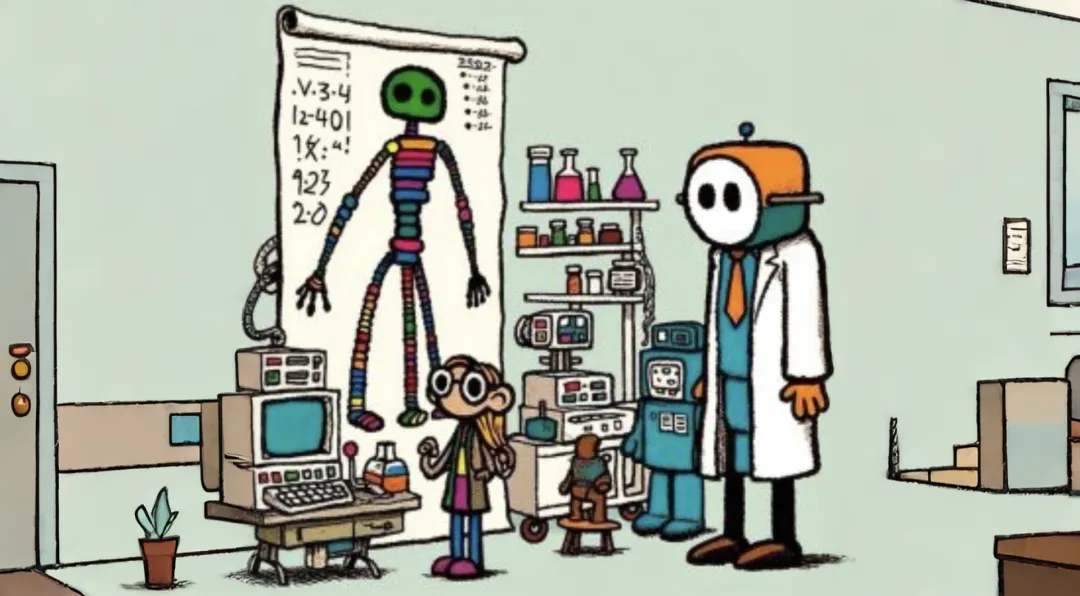
Exploring the chasm between traditional art-making and AI-generated creativity.
With the click of a button, you’re a Picasso—at least you think you are. Today, the emergence of AI-generated art has sparked an interesting and complex discussion about creativity, authenticity, and the very essence of art. The advent of tools like DALL-E, which empower individuals to create images from textual prompts, has democratized art creation, enabling those without traditional artistic training to explore their creative—carefully chosen word here—impulses. However, this ease of access and creation has raised concerns about the devaluation of artistic skills and the potential erosion of the rich, nuanced process that has historically defined art-making.
AI-generated art, at its core, is a testament to human ingenuity and the relentless pursuit of innovation. By simplifying the creative process, it has opened doors for individuals who, though lacking in formal artistic training, possess a deep appreciation for aesthetics and creativity. This democratization has led to a burgeoning of diverse, imaginative expressions, transcending traditional barriers to artistic creation.
However, the ease with which AI can generate complex artwork has shined a light on the authenticity of such creations. Critics like me argue that AI-generated art lacks the intrinsic value of traditional art, which is deeply intertwined with the artist’s personal journey, skills, and emotional investment. This perceived dilution of artistic integrity and the relegation of the artist to a mere “prompter” has led to concerns about the “lost art of art.” Perhaps we’ve even moved from “click bait” to “click creation” where vapid, contrived images are generated with little sense of design or artistry—only the frigid recommendations of today’s digital curators.
The true essence of art lies not in the medium but in the human experience and perspective that shape it. AI, despite its advanced algorithms, lacks the capacity for emotional depth, context, and the nuanced understanding that human artists bring to their work. Therefore, the role of the human artist and audience remains central, even in an AI-dominated landscape.
As AI-generated art continues to evolve, becoming increasingly sophisticated and nuanced, it is poised to act as a catalyst for human creativity. The rapidly improving quality of AI-generated art is not just a technological marvel but a creative stimulus that pushes human artists to explore new realms of imagination. This symbiosis between human and AI creativity is unlocking possibilities that were once confined to the realm of imagination. Artists are now challenged to delve deeper into their creative reserves, integrating AI’s capabilities to elevate their work to unprecedented levels.
This dynamic interplay is creating a fertile ground for innovation, where the limitations of human creativity are constantly being redefined. The future of art, therefore, is not a binary choice between human and AI, but a collaborative journey where each pushes the other towards new heights of creativity that might not have been achieved in isolation. This exciting trajectory suggests a future where art transcends its traditional boundaries, fueled by the limitless potential of human imagination augmented by AI’s evolving capabilities.
Looking forward, the integration of AI in art should be seen as an opportunity for collaboration rather than a threat. Artists can harness AI to push the boundaries of their creativity, exploring new forms and expressions that were previously unimaginable. This partnership between human ingenuity and AI’s capabilities could lead to a renaissance of creativity, marked by unprecedented diversity and innovation.
The path forward lies in embracing AI as a tool that complements, rather than replaces, human creativity. By doing so, we can enrich the artistic landscape, ensuring that art remains a vibrant, dynamic expression of the human experience in the age of AI.
你真的能通过点点鼠标成为艺术天才吗?|今日心理学
人工智能与艺术创作的变革
探寻传统艺术创作与人工智能生成创意之间的鸿沟
轻轻点击一下,你就是毕加索了——至少你是这么认为的。如今,人工智能生成艺术的出现激发了一场有趣而复杂的关于创造力、真实性和艺术本质的讨论。借助像DALL-E这样的工具,赋予个人能够根据文字提示创作图像的能力,这让艺术创作走向了大众化,那些没有受过传统艺术教育的人也能释放他们的“创造性”——这里的创造性是一个有争议的词。但是,这种创作的便捷性也引发了一些担忧,比如艺术技巧的贬值,以及对历史上定义艺术制作的丰富而细致的过程的潜在侵蚀。
本质上,生成式人工智能艺术彰显了人类的聪明才智和对创新的不懈追求。通过简化创作过程,它为那些没有受过正规艺术培训,但对美感和创造力有着深刻理解的人们敞开了大门。这种大众化让各种不同的、充满想象力的艺术表达方式如雨后春笋般涌现,突破了传统的艺术创作障碍。
不过,人工智能可以轻而易举生成复杂艺术品的能力,也揭示了这些作品的真实性问题。像我这样的批评者认为,生成式人工智能艺术缺少传统艺术的内在价值,它与艺术家的个人经历、技艺和情感投入密不可分。这种对艺术完整性的淡化,以及将艺术家降格为一个“提示者”的做法,让人们担忧“艺术性的消失”。也许我们甚至从“点击诱惑”走向了“点击创造”,用很少的设计或艺术感,生成出空洞、不自然的图像,只有当下的数字策展人冷漠推荐。
艺术的真正本质不在于媒介,而在于塑造它的人类的经验和视角。虽然人工智能拥有先进的算法,但缺少情感的深度、相关背景,以及人类艺术家对作品的细腻理解。因此,即便在一个人工智能主宰的领域中,人类艺术家和观赏者的作用仍然是至关重要的。
随着生成式人工智能艺术的不断发展,变得越来越精致和微妙,它有望成为人类创造力的催化剂。人工智能创造出的艺术质量的迅速提高不仅是一个技术奇迹,也是一种创造性的刺激,促使人类艺术家探索新的想象领域。人类和人工智能创造力之间的这种协同,正在解锁一些曾经只存在于想象中的可能性。艺术家们现在面临着更深入地挖掘自己创造性潜力的挑战,将人工智能的能力与自己的作品相结合,将其提升到前所未有的水平。
这种动态的互动正在创造一个创新的沃土,人类创造力的局限性不断被重新定义。因此,艺术的未来不是人类和人工智能之间的二元选择,而是一个合作的旅程,每一方都推动另一方达到可能在孤立中无法实现的创造力的新高度。这种令人兴奋的发展轨迹表明,在人类想象力的无限潜力和人工智能的不断发展的能力的共同驱动下,艺术将超越其传统界限。
展望未来,人工智能在艺术中的融合应该被看作是一种合作的机会,而不是一种威胁。艺术家可以利用人工智能来突破自己创造力的边界,探索以前难以想象的新形式和表达方式。人类的智慧和人工智能的能力之间的伙伴关系,可能会引领一场以前所未有的多样性和创新为特征的创造力复兴。
在前进的道路上,要把人工智能作为一种补充,而不是取代人类创造力的工具。通过这样做,我们可以丰富艺术的景观,确保艺术在人工智能时代仍然是一种生动、动态的人类经验的表达。
▲▼滑动查看单词
artistry 艺术性
chasm 裂缝;显著差别
advent 到来
textual prompt 文本提示
democratized 使民主化
impulse 冲动
devaluation 贬值
testament 证明;证据
innovation 创新
burgeoning 迅速发展;激增
transcending 超出;超越
intrinsic 固有的;内在的;本身的
investment 投资
perceived 认为;将……视为
dilution 稀释物;冲淡物
integrity 完整;诚实正直
relegation 降级;保级;移交
prompter 提词人
lost art of 失传的艺术
bait 诱饵
vapid 乏味的;枯燥的;愚蠢的
contrived 人为的;做作的
curator 馆长
poised 摆好姿势准备行动的
catalyst 催化剂
symbiosis 共生;合作关系;互惠互利关系
delve 翻找
delve into 钻研
integrating 合并;集成
elevate 提升
interplay 相互作用
binary 二进制的
renaissance 文艺复兴;复兴
complement 补充;补足
vibrant 充满活力的;生气勃勃的