ARTICLE · 1053894
小学必背 3000 个英语核心动词|覆盖1-6年级,理清动词搭配,做题读句少出错
小学高频动作动词 1000 个
分 10 大生活主题,附音标、释义与简单好记例句,场景化记动词
在英语学习中,动词承担着搭建句子的核心作用,也是中小学生阅读、写作、口语的薄弱点。单纯孤立背单词效率很低,场景化动词学习才是高效路径。这份分主题动词词表,覆盖校园课堂、家庭家务、户外自然、人际交往等真实生活场景,每个单词附带音标、释义和简单例句,帮助孩子系统掌握高频动作动词,夯实英语底层能力。
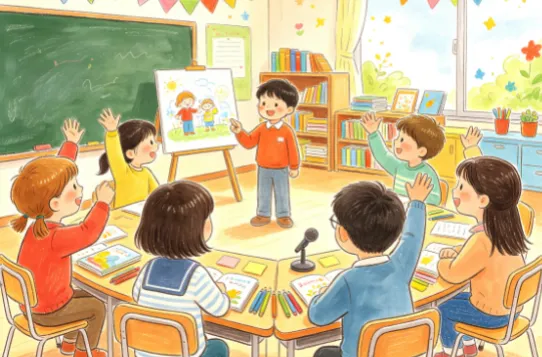
主题1|校园学习与课堂活动(100个)
01校园学习与课堂活动
answer /ˈɑːnsə/ 回答
例句:Please answer the question. 请回答这个问题。
ask /ɑːsk/ 询问
例句:Ask your teacher for help. 向老师寻求帮助。
read /riːd/ 阅读
例句:I read a story every night. 我每天晚上读一个故事。
write /raɪt/ 写
例句:Write your name here. 在这里写下你的名字。
spell /spel/ 拼写
例句:Can you spell this word? 你会拼写这个单词吗?
count /kaʊnt/ 数数
例句:Count the books on the desk. 数一数桌上的书。
add /æd/ 加
例句:Add two and three together. 把二和三相加。
subtract /səbˈtrækt/ 减
例句:Subtract five from ten. 十减五。
multiply /ˈmʌltɪplaɪ/ 乘
例句:Multiply six by two. 六乘二。
divide /dɪˈvaɪd/ 除
例句:Divide twelve by three. 十二除以三。
measure /ˈmeʒə/ 测量
例句:Measure the length of the desk. 测量一下桌子的长度。
calculate /ˈkælkjuleɪt/ 计算
例句:Calculate the answer carefully. 仔细计算答案。
copy /ˈkɒpi/ 抄写
例句:Copy the sentence into your notebook. 把句子抄到你的笔记本上。
underline /ˌʌndəˈlaɪn/ 在……下面画线
例句:Underline the important words. 给重要的单词画线。
circle /ˈsɜːkəl/ 圈出
例句:Circle the correct answer. 圈出正确答案。
mark /mɑːk/ 标记
例句:Mark the answer with a star. 用星号标记答案。
correct /kəˈrekt/ 改正
例句:Correct your spelling mistakes. 改正你的拼写错误。
repeat /rɪˈpiːt/ 重复
例句:Repeat the sentence after me. 跟着我重复这个句子。
pronounce /prəˈnaʊns/ 发音
例句:Try to pronounce the word clearly. 试着把这个单词发音清楚。
spell /spel/ 拼写
例句:Spell the word aloud. 大声拼出这个单词。
translate /trænzˈleɪt/ 翻译
例句:Translate this sentence into Chinese. 把这个句子翻译成中文。
describe /dɪˈskraɪb/ 描述
例句:Describe the picture in English. 用英语描述这幅图片。
explain /ɪkˈspleɪn/ 解释
例句:Please explain your answer. 请解释一下你的答案。
discuss /dɪˈskʌs/ 讨论
例句:We discuss the question in groups. 我们分组讨论这个问题。
compare /kəmˈpeə/ 比较
例句:Compare the two pictures. 比较这两幅图片。
match /mætʃ/ 匹配
例句:Match the words with the pictures. 把单词和图片匹配起来。
connect /kəˈnekt/ 连接
例句:Connect the dots. 把这些点连起来。
complete /kəmˈpliːt/ 完成
例句:Complete the exercise before lunch. 午饭前完成练习。
finish /ˈfɪnɪʃ/ 完成
例句:Finish your homework first. 先完成你的作业。
practice /ˈpræktɪs/ 练习
例句:Practice speaking English every day. 每天练习说英语。
review /rɪˈvjuː/ 复习
例句:Review the new words tonight. 今晚复习新单词。
memorize /ˈmeməraɪz/ 记住
例句:Memorize these five sentences. 记住这五个句子。
recall /rɪˈkɔːl/ 回忆起
例句:I can recall the story. 我能回忆起这个故事。
learn /lɜːn/ 学习
例句:We learn something new every day. 我们每天学习新东西。
study /ˈstʌdi/ 学习
例句:She studies English after dinner. 她晚饭后学习英语。
teach /tiːtʃ/ 教
例句:My teacher teaches us English. 我的老师教我们英语。
train /treɪn/ 训练
例句:The coach trains us every Friday. 教练每周五训练我们。
test /test/ 测试
例句:The teacher will test us tomorrow. 老师明天要测试我们。
grade /ɡreɪd/ 给……评分
例句:The teacher grades our papers. 老师给我们的试卷评分。
check /tʃek/ 检查
例句:Check your answers again. 再检查一下你的答案。
solve /sɒlv/ 解决
例句:Can you solve this problem? 你能解决这个问题吗?
guess /ɡes/ 猜
例句:Guess the meaning of the word. 猜猜这个单词的意思。
predict /prɪˈdɪkt/ 预测
例句:Predict what will happen next. 预测接下来会发生什么。
imagine /ɪˈmædʒɪn/ 想象
例句:Imagine you are on the moon. 想象一下你在月球上。
discover /dɪˈskʌvə/ 发现
例句:We discover something interesting. 我们发现了有趣的东西。
explore /ɪkˈsplɔː/ 探索
例句:Students explore the science room. 学生们探索科学教室。
observe /əbˈzɜːv/ 观察
例句:Observe the plants carefully. 仔细观察这些植物。
notice /ˈnəʊtɪs/ 注意到
例句:I notice a small change. 我注意到一个小变化。
recognize /ˈrekəɡnaɪz/ 认出
例句:I recognize that word. 我认得那个单词。
identify /aɪˈdentɪfaɪ/ 识别
例句:Identify the animals in the picture. 辨认图片里的动物。
choose /tʃuːz/ 选择
例句:Choose one answer. 选择一个答案。
select /sɪˈlekt/ 挑选
例句:Select the correct picture. 选出正确的图片。
organize /ˈɔːɡənaɪz/ 整理
例句:Organize your notes after class. 课后整理你的笔记。
sort /sɔːt/ 分类
例句:Sort the cards by color. 按颜色给卡片分类。
collect /kəˈlekt/ 收集
例句:We collect leaves for science class. 我们为科学课收集树叶。
record /rɪˈkɔːd/ 记录
例句:Record your ideas in your notebook. 把你的想法记录在笔记本里。
note /nəʊt/ 记下
例句:Note the important information. 记下重要信息。
list /lɪst/ 列出
例句:List five animals. 列出五种动物。
label /ˈleɪbəl/ 标注
例句:Label each part of the picture. 标出图片的各个部分。
draw /drɔː/ 画
例句:Draw a picture of your school. 画一幅你的学校。
color /ˈkʌlə/ 给……着色
例句:Color the flower red. 把花涂成红色。
paint /peɪnt/ 绘画
例句:We paint pictures in art class. 我们在美术课上画画。
design /dɪˈzaɪn/ 设计
例句:Design a poster for the school. 为学校设计一张海报。
create /kriˈeɪt/ 创作
例句:Create your own story. 创作你自己的故事。
build /bɪld/ 建造
例句:Build a model with blocks. 用积木搭一个模型。
cut /kʌt/ 剪
例句:Cut the paper into two pieces. 把纸剪成两部分。
fold /fəʊld/ 折叠
例句:Fold the paper in half. 把纸对折。
paste /peɪst/ 粘贴
例句:Paste the picture on the page. 把图片粘在页面上。
stick /stɪk/ 粘住
例句:Stick the label on the box. 把标签贴在盒子上。
print /prɪnt/ 打印
例句:Print the worksheet for me. 帮我打印这张练习纸。
type /taɪp/ 打字
例句:Type your answer on the computer. 在电脑上输入你的答案。
click /klɪk/ 点击
例句:Click the picture to open it. 点击图片打开它。
search /sɜːtʃ/ 搜索
例句:Search for information online. 在网上搜索信息。
download /ˌdaʊnˈləʊd/ 下载
例句:Download the worksheet. 下载这张练习纸。
upload /ˌʌpˈləʊd/ 上传
例句:Upload your homework before Friday. 周五前上传你的作业。
save /seɪv/ 保存
例句:Save your work before closing the file. 关闭文件前保存你的作业。
share /ʃeə/ 分享
例句:Share your ideas with the class. 和全班分享你的想法。
present /prɪˈzent/ 展示
例句:Present your project to the class. 向全班展示你的项目。
report /rɪˈpɔːt/ 报告
例句:Report your findings to the teacher. 向老师报告你的发现。
perform /pəˈfɔːm/ 表演
例句:The students perform a short play. 学生们表演一个短剧。
act /ækt/ 表演
例句:Act out the conversation. 把这段对话演出来。
sing /sɪŋ/ 唱歌
例句:Sing the song with your classmates. 和同学一起唱这首歌。
dance /dɑːns/ 跳舞
例句:We dance during the school show. 我们在学校演出中跳舞。
chant /tʃɑːnt/ 反复吟唱
例句:Chant the new words together. 一起朗读新单词。
whisper /ˈwɪspə/ 小声说
例句:Whisper the answer to your partner. 小声告诉你的同伴答案。
discuss /dɪˈskʌs/ 讨论
例句:Discuss the topic with your group. 和小组讨论这个话题。
debate /dɪˈbeɪt/ 辩论
例句:The students debate the question. 学生们就这个问题进行辩论。
agree /əˈɡriː/ 同意
例句:I agree with your idea. 我同意你的想法。
disagree /ˌdɪsəˈɡriː/ 不同意
例句:I disagree with that answer. 我不同意那个答案。
suggest /səˈdʒest/ 建议
例句:She suggests a new idea. 她提出了一个新想法。
improve /ɪmˈpruːv/ 提高
例句:Practice can improve your English. 练习可以提高你的英语。
progress /prəˈɡres/ 进步
例句:You progress quickly in reading. 你的阅读进步很快。
fail /feɪl/ 未通过
例句:He failed the first test. 他第一次测试没有通过。
pass /pɑːs/ 通过
例句:She passed the English test. 她通过了英语测试。
prepare /prɪˈpeə/ 准备
例句:Prepare for tomorrow's lesson. 为明天的课程做好准备。
attend /əˈtend/ 参加
例句:I attend English class every Tuesday. 我每周二参加英语课。
join /dʒɔɪn/ 加入
例句:Join our reading group. 加入我们的阅读小组。
participate /pɑːˈtɪsɪpeɪt/ 参加
例句:Everyone participates in the activity. 每个人都参加这个活动。
concentrate /ˈkɒnsəntreɪt/ 集中注意力
例句:Concentrate on your reading. 集中注意力阅读。
focus /ˈfəʊkəs/ 专注
例句:Focus on the main idea. 专注于主要观点。
主题2|家庭生活与家务活动(100个)
02家庭生活与家务活动
wake /weɪk/ 醒来
例句:I wake early on school days. 我上学日很早醒来。
rise /raɪz/ 起床
例句:He rises at seven every morning. 他每天早上七点起床。
dress /dres/ 穿衣
例句:She dresses quickly in the morning. 她早上很快穿好衣服。
undress /ʌnˈdres/ 脱衣
例句:The child undresses before taking a bath. 孩子洗澡前脱掉衣服。
bathe /beɪð/ 洗澡
例句:The baby bathes before bedtime. 宝宝睡前洗澡。
shower /ˈʃaʊə/ 淋浴
例句:I shower after playing sports. 我运动后洗澡。
brush /brʌʃ/ 刷
例句:Brush your teeth twice a day. 每天刷两次牙。
comb /kəʊm/ 梳理
例句:Comb your hair before school. 上学前梳好头发。
wash /wɒʃ/ 洗
例句:Wash your hands before eating. 吃饭前洗手。
dry /draɪ/ 弄干
例句:Dry your hands with a towel. 用毛巾擦干手。
wipe /waɪp/ 擦
例句:Wipe the table after dinner. 晚饭后擦桌子。
clean /kliːn/ 清洁
例句:Clean your room every Saturday. 每周六打扫房间。
sweep /swiːp/ 扫
例句:Sweep the floor after breakfast. 早餐后扫地。
mop /mɒp/ 拖地
例句:Dad mops the kitchen floor. 爸爸拖厨房的地。
dust /dʌst/ 掸去灰尘
例句:I dust the shelves every week. 我每周给架子除尘。
vacuum /ˈvækjuːm/ 用吸尘器清扫
例句:Mom vacuums the living room. 妈妈用吸尘器打扫客厅。
tidy /ˈtaɪdi/ 整理
例句:Tidy your desk before bed. 睡觉前整理书桌。
arrange /əˈreɪndʒ/ 安排;整理
例句:Arrange the books by size. 按大小整理书籍。
fold /fəʊld/ 折叠
例句:Fold the clean clothes. 叠好干净的衣服。
hang /hæŋ/ 悬挂
例句:Hang your coat by the door. 把外套挂在门边。
iron /ˈaɪən/ 熨烫
例句:Dad irons his shirt. 爸爸熨他的衬衫。
sew /səʊ/ 缝
例句:Grandma sews a button onto my shirt. 奶奶把一颗纽扣缝到我的衬衫上。
mend /mend/ 修补
例句:She mends the torn bag. 她修补破掉的包。
repair /rɪˈpeə/ 修理
例句:Dad repairs the broken chair. 爸爸修理坏掉的椅子。
fix /fɪks/ 修理
例句:Can you fix the lamp? 你能修一下台灯吗?
replace /rɪˈpleɪs/ 更换
例句:We replace the old batteries. 我们更换旧电池。
lock /lɒk/ 锁
例句:Lock the door before leaving. 离开前锁好门。
unlock /ʌnˈlɒk/ 开锁
例句:Mom unlocks the front door. 妈妈打开前门的锁。
open /ˈəʊpən/ 打开
例句:Open the window, please. 请打开窗户。
close /kləʊz/ 关闭
例句:Close the door quietly. 轻轻关上门。
turn /tɜːn/ 转动;打开或关闭
例句:Turn off the light. 关掉灯。
switch /swɪtʃ/ 开关
例句:Switch the fan on. 打开风扇。
plug /plʌɡ/ 插入插头
例句:Plug the charger into the wall. 把充电器插到墙上的插座里。
unplug /ʌnˈplʌɡ/ 拔掉插头
例句:Unplug the machine after using it. 用完机器后拔掉插头。
charge /tʃɑːdʒ/ 充电
例句:Charge the tablet before class. 上课前给平板充电。
cook /kʊk/ 烹饪
例句:Dad cooks dinner tonight. 爸爸今晚做饭。
boil /bɔɪl/ 煮沸
例句:Boil the water for five minutes. 把水煮五分钟。
bake /beɪk/ 烘烤
例句:We bake bread on Sunday. 我们星期天烤面包。
fry /fraɪ/ 煎;炒
例句:Mom fries some eggs. 妈妈煎了一些鸡蛋。
steam /stiːm/ 蒸
例句:Steam the vegetables for ten minutes. 把蔬菜蒸十分钟。
roast /rəʊst/ 烘烤
例句:We roast the potatoes for dinner. 我们烤土豆当晚餐。
grill /ɡrɪl/ 烧烤
例句:Dad grills some chicken. 爸爸烤了一些鸡肉。
mix /mɪks/ 混合
例句:Mix the flour and water. 把面粉和水混合起来。
stir /stɜː/ 搅拌
例句:Stir the soup slowly. 慢慢搅拌汤。
pour /pɔː/ 倒
例句:Pour some milk into the cup. 往杯子里倒一些牛奶。
peel /piːl/ 剥皮
例句:Peel the banana carefully. 小心地剥香蕉皮。
slice /slaɪs/ 切片
例句:Slice the apple into small pieces. 把苹果切成小片。
chop /tʃɒp/ 切碎
例句:Chop the vegetables for dinner. 把蔬菜切碎做晚餐。
spread /spred/ 涂抹
例句:Spread some butter on the bread. 在面包上涂一些黄油。
taste /teɪst/ 品尝
例句:Taste the soup before serving it. 上桌前尝尝汤的味道。
serve /sɜːv/ 端上;提供
例句:Serve the food while it is warm. 趁食物热的时候端上来。
pack /pæk/ 打包
例句:Pack your lunch in the morning. 早上把午餐装好。
unpack /ʌnˈpæk/ 拆包
例句:Unpack your schoolbag at home. 回家后把书包里的东西拿出来。
fill /fɪl/ 装满
例句:Fill the bottle with water. 把瓶子装满水。
empty /ˈempti/ 倒空
例句:Empty the bin before dinner. 晚饭前把垃圾桶倒空。
store /stɔː/ 储存
例句:Store the food in the fridge. 把食物存放在冰箱里。
freeze /friːz/ 冷冻
例句:Freeze the fruit for later. 把水果冷冻起来以后吃。
melt /melt/ 融化
例句:The ice melts in the sun. 冰在阳光下融化。
cool /kuːl/ 使变凉
例句:Let the soup cool first. 先让汤凉一凉。
heat /hiːt/ 加热
例句:Heat the food in the microwave. 用微波炉加热食物。
reheat /ˌriːˈhiːt/ 重新加热
例句:Reheat the rice before eating. 吃饭前把米饭重新加热。
feed /fiːd/ 喂
例句:She feeds the cat every morning. 她每天早上喂猫。
water /ˈwɔːtə/ 给……浇水
例句:Water the plants twice a week. 每周给植物浇两次水。
plant /plɑːnt/ 种植
例句:We plant flowers in the garden. 我们在花园里种花。
grow /ɡrəʊ/ 生长
例句:The vegetables grow quickly. 蔬菜长得很快。
dig /dɪɡ/ 挖
例句:The children dig a hole in the garden. 孩子们在花园里挖了一个洞。
cover /ˈkʌvə/ 覆盖
例句:Cover the plants when it gets cold. 天气变冷时盖住植物。
uncover /ʌnˈkʌvə/ 揭开
例句:Uncover the food before serving it. 上菜前揭开食物。
carry /ˈkæri/ 搬;携带
例句:Carry the laundry upstairs. 把衣物搬到楼上。
lift /lɪft/ 举起
例句:Lift the box carefully. 小心地搬起箱子。
move /muːv/ 移动
例句:Move the chair near the window. 把椅子移到窗边。
push /pʊʃ/ 推
例句:Push the table against the wall. 把桌子推到墙边。
pull /pʊl/ 拉
例句:Pull the drawer open. 把抽屉拉开。
drag /dræɡ/ 拖
例句:Drag the box across the floor. 把箱子拖过地板。
carry /ˈkæri/ 携带
例句:Carry your own bag. 自己拿好你的包。
borrow /ˈbɒrəʊ/ 借用
例句:I borrow Dad's umbrella. 我借用爸爸的雨伞。
lend /lend/ 借给
例句:Can you lend me a pen? 你能借我一支笔吗?
return /rɪˈtɜːn/ 归还
例句:Return the book to the shelf. 把书放回书架。
keep /kiːp/ 保留;保存
例句:Keep your toys in this box. 把你的玩具放在这个盒子里。
protect /prəˈtekt/ 保护
例句:Protect your books from water. 保护你的书不要被水弄湿。
care /keə/ 关心;照料
例句:We care for our pets. 我们照顾我们的宠物。
help /help/ 帮助
例句:Help your parents at home. 在家帮助你的父母。
support /səˈpɔːt/ 支持
例句:We support each other at home. 我们在家互相支持。
trust /trʌst/ 信任
例句:I trust my parents. 我信任我的父母。
respect /rɪˈspekt/ 尊重
例句:Respect everyone in your family. 尊重家里的每一个人。
obey /əˈbeɪ/ 服从
例句:Obey the safety rules at home. 遵守家里的安全规则。
remind /rɪˈmaɪnd/ 提醒
例句:Remind me to water the plants. 提醒我给植物浇水。
promise /ˈprɒmɪs/ 承诺
例句:I promise to clean my room. 我保证打扫房间。
invite /ɪnˈvaɪt/ 邀请
例句:We invite Grandma to dinner. 我们邀请奶奶来吃晚饭。
welcome /ˈwelkəm/ 欢迎
例句:We welcome our guests at the door. 我们在门口欢迎客人。
visit /ˈvɪzɪt/ 拜访
例句:We visit Grandma on weekends. 我们周末去看望奶奶。
celebrate /ˈselɪbreɪt/ 庆祝
例句:We celebrate birthdays together. 我们一起庆祝生日。
decorate /ˈdekəreɪt/ 装饰
例句:We decorate the house for the festival. 我们为节日装饰房子。
prepare /prɪˈpeə/ 准备
例句:Mom prepares breakfast early. 妈妈很早准备早餐。
plan /plæn/ 计划
例句:We plan a family trip. 我们计划一次家庭旅行。
relax /rɪˈlæks/ 放松
例句:I relax in my room after school. 放学后我在房间里放松。
rest /rest/ 休息
例句:Rest for a few minutes. 休息几分钟。
sleep /sliːp/ 睡觉
例句:The baby sleeps upstairs. 宝宝在楼上睡觉。
dream /driːm/ 做梦
例句:I dream about flying sometimes. 我有时梦见自己飞翔。
snore /snɔː/ 打鼾
例句:Grandpa snores loudly. 爷爷打鼾声音很大。
主题3|户外活动、运动与自然探索(100个)
03户外活动、运动与自然探索
walk /wɔːk/ 步行
例句:We walk around the park. 我们在公园里散步。
run /rʌn/ 跑
例句:The children run across the field. 孩子们跑过草地。
jog /dʒɒɡ/ 慢跑
例句:Dad jogs every morning. 爸爸每天早上慢跑。
jump /dʒʌmp/ 跳
例句:The rabbit jumps over the stone. 兔子跳过石头。
hop /hɒp/ 单脚跳
例句:Hop on one foot. 用一只脚跳。
skip /skɪp/ 蹦跳着走
例句:The girl skips along the path. 女孩蹦跳着走在小路上。
crawl /krɔːl/ 爬行
例句:The baby crawls on the grass. 宝宝在草地上爬。
climb /klaɪm/ 攀爬
例句:They climb the small hill. 他们爬上小山。
hike /haɪk/ 徒步
例句:We hike in the mountains. 我们在山里徒步。
trek /trek/ 长途跋涉
例句:They trek through the forest. 他们徒步穿过森林。
swim /swɪm/ 游泳
例句:She swims very well. 她游泳游得很好。
dive /daɪv/ 潜水;跳水
例句:He dives into the pool. 他跳进泳池。
float /fləʊt/ 漂浮
例句:The child floats on the water. 孩子漂浮在水面上。
splash /splæʃ/ 溅水
例句:The kids splash in the pool. 孩子们在泳池里玩水。
sail /seɪl/ 航行
例句:We sail across the lake. 我们乘船驶过湖面。
row /rəʊ/ 划船
例句:They row the boat together. 他们一起划船。
paddle /ˈpædəl/ 划桨
例句:He paddles the canoe slowly. 他慢慢划着独木舟。
skate /skeɪt/ 滑冰
例句:We skate at the ice rink. 我们在溜冰场滑冰。
ski /skiː/ 滑雪
例句:They ski down the mountain. 他们从山上滑雪下来。
surf /sɜːf/ 冲浪
例句:He surfs near the beach. 他在海边冲浪。
cycle /ˈsaɪkəl/ 骑自行车
例句:I cycle to the park. 我骑自行车去公园。
pedal /ˈpedəl/ 踩踏板
例句:Pedal faster up the hill. 上坡时踩快一点。
kick /kɪk/ 踢
例句:Kick the ball toward me. 把球踢向我。
throw /θrəʊ/ 投掷
例句:Throw the ball to your partner. 把球扔给你的同伴。
catch /kætʃ/ 接住
例句:Catch the ball with both hands. 用双手接住球。
hit /hɪt/ 击打
例句:Hit the ball gently. 轻轻击球。
strike /straɪk/ 击打
例句:The player strikes the ball. 运动员击球。
shoot /ʃuːt/ 射门;投篮
例句:Shoot the ball into the basket. 把球投进篮筐。
pass /pɑːs/ 传递
例句:Pass the ball to me. 把球传给我。
dribble /ˈdrɪbəl/ 运球
例句:He dribbles the basketball quickly. 他快速运篮球。
bounce /baʊns/ 弹跳
例句:Bounce the ball three times. 让球弹三次。
roll /rəʊl/ 滚动
例句:Roll the ball across the grass. 让球滚过草地。
throw /θrəʊ/ 扔
例句:Throw the beanbag into the box. 把沙包扔进盒子里。
toss /tɒs/ 轻抛
例句:Toss the ball into the air. 把球轻轻抛向空中。
swing /swɪŋ/ 摆动;荡
例句:The children swing in the park. 孩子们在公园里荡秋千。
slide /slaɪd/ 滑行
例句:The children slide down the hill. 孩子们从山坡上滑下来。
skateboard /ˈskeɪtbɔːd/ 玩滑板
例句:He skateboards after school. 他放学后玩滑板。
race /reɪs/ 比赛
例句:We race to the finish line. 我们比赛跑向终点。
compete /kəmˈpiːt/ 竞争;比赛
例句:Our team competes on Saturday. 我们的队伍星期六参加比赛。
win /wɪn/ 获胜
例句:Our team wins the game. 我们的队伍赢得比赛。
lose /luːz/ 输掉
例句:We lose the match by one point. 我们以一分之差输掉比赛。
score /skɔː/ 得分
例句:She scores two points. 她得了两分。
practice /ˈpræktɪs/ 练习
例句:We practice basketball after school. 我们放学后练习篮球。
stretch /stretʃ/ 拉伸
例句:Stretch your legs before running. 跑步前伸展双腿。
bend /bend/ 弯曲
例句:Bend your knees slowly. 慢慢弯曲膝盖。
kneel /niːl/ 跪
例句:Kneel beside the child. 跪在孩子旁边。
stand /stænd/ 站立
例句:Stand behind the line. 站在线后面。
sit /sɪt/ 坐
例句:Sit under the tree. 坐在树下。
lie /laɪ/ 躺
例句:Lie on the grass and look up. 躺在草地上抬头看。
lean /liːn/ 倚靠
例句:Lean against the wall. 靠在墙上。
march /mɑːtʃ/ 齐步走
例句:The students march around the field. 学生们绕着操场齐步走。
follow /ˈfɒləʊ/ 跟随
例句:Follow the path to the lake. 沿着小路走到湖边。
lead /liːd/ 带领
例句:Tom leads the group. 汤姆带领这个小组。
guide /ɡaɪd/ 引导
例句:The teacher guides us through the forest. 老师带领我们穿过森林。
cross /krɒs/ 穿过
例句:Cross the bridge carefully. 小心地过桥。
enter /ˈentə/ 进入
例句:We enter the park through the gate. 我们从大门进入公园。
exit /ˈeɡzɪt/ 离开
例句:We exit the building together. 我们一起离开大楼。
approach /əˈprəʊtʃ/ 接近
例句:The children approach the pond. 孩子们靠近池塘。
reach /riːtʃ/ 到达;够到
例句:We reach the top before noon. 我们中午前到达山顶。
return /rɪˈtɜːn/ 返回
例句:We return before dark. 我们天黑前回来。
travel /ˈtrævəl/ 旅行
例句:We travel by train in summer. 我们夏天乘火车旅行。
camp /kæmp/ 露营
例句:We camp near the river. 我们在河边露营。
pitch /pɪtʃ/ 搭建
例句:We pitch a tent before sunset. 我们在日落前搭好帐篷。
pack /pæk/ 打包
例句:Pack a jacket for the trip. 旅行时带上一件夹克。
unpack /ʌnˈpæk/ 拆包
例句:We unpack our bags at the campsite. 我们在营地打开行李。
explore /ɪkˈsplɔː/ 探索
例句:We explore the forest with a guide. 我们在向导带领下探索森林。
wander /ˈwɒndə/ 漫步
例句:We wander around the village. 我们在村子里漫步。
roam /rəʊm/ 漫游
例句:The horses roam across the field. 马匹在草地上自由走动。
discover /dɪˈskʌvə/ 发现
例句:We discover a small waterfall. 我们发现了一处小瀑布。
observe /əbˈzɜːv/ 观察
例句:Observe the birds from a distance. 从远处观察鸟儿。
watch /wɒtʃ/ 观看
例句:We watch the sunset together. 我们一起看日落。
look /lʊk/ 看
例句:Look at the clouds. 看看云。
stare /steə/ 凝视
例句:The children stare at the stars. 孩子们凝视星星。
glance /ɡlɑːns/ 瞥一眼
例句:Glance at the map before walking. 走路前看一眼地图。
listen /ˈlɪsən/ 听
例句:Listen to the birds. 听听鸟儿的声音。
hear /hɪə/ 听见
例句:We hear thunder in the distance. 我们听到远处的雷声。
smell /smel/ 闻
例句:Smell the flowers in the garden. 闻闻花园里的花。
touch /tʌtʃ/ 触摸
例句:Do not touch the wild animals. 不要触摸野生动物。
feel /fiːl/ 感觉
例句:Feel the wind on your face. 感受风吹在脸上的感觉。
pick /pɪk/ 采摘;捡起
例句:Pick some fallen leaves. 捡一些落叶。
gather /ˈɡæðə/ 收集
例句:Gather some small stones. 收集一些小石头。
collect /kəˈlekt/ 收集
例句:We collect shells on the beach. 我们在海滩上收集贝壳。
plant /plɑːnt/ 种植
例句:Plant a tree in the garden. 在花园里种一棵树。
dig /dɪɡ/ 挖
例句:Dig carefully near the tree. 在树旁小心地挖。
water /ˈwɔːtə/ 浇水
例句:Water the young trees. 给小树浇水。
grow /ɡrəʊ/ 生长
例句:Flowers grow well here. 花在这里长得很好。
bloom /bluːm/ 开花
例句:The flowers bloom in spring. 花朵在春天开放。
wilt /wɪlt/ 枯萎
例句:The leaves wilt in the heat. 叶子在高温下枯萎。
fall /fɔːl/ 落下
例句:The leaves fall in autumn. 树叶在秋天落下。
blow /bləʊ/ 吹
例句:The wind blows strongly today. 今天风刮得很大。
shine /ʃaɪn/ 照耀
例句:The sun shines brightly. 阳光明亮地照耀着。
rain /reɪn/ 下雨
例句:It may rain this afternoon. 今天下午可能下雨。
snow /snəʊ/ 下雪
例句:It often snows here in winter. 这里冬天经常下雪。
freeze /friːz/ 结冰
例句:The pond freezes in winter. 池塘冬天会结冰。
thaw /θɔː/ 解冻
例句:The ice begins to thaw. 冰开始融化。
flow /fləʊ/ 流动
例句:The river flows toward the sea. 河流向大海流去。
rise /raɪz/ 上升
例句:The river rises after heavy rain. 大雨后河水上涨。
sink /sɪŋk/ 下沉
例句:The stone sinks into the water. 石头沉入水中。
float /fləʊt/ 漂浮
例句:The leaf floats on the pond. 叶子漂浮在池塘上。
survive /səˈvaɪv/ 生存
例句:Some animals survive in very cold places. 一些动物能在非常寒冷的地方生存。
主题4|交通出行与旅行(100个)
04交通出行与旅行
drive /draɪv/ 驾驶
例句:Dad drives to work every morning. 爸爸每天早上开车上班。
ride /raɪd/ 骑;乘坐
例句:I ride my bike to school. 我骑自行车去学校。
board /bɔːd/ 登上
例句:We board the train at eight. 我们八点登上火车。
land /lænd/ 着陆
例句:The plane lands safely. 飞机安全着陆。
fly /flaɪ/ 飞行
例句:We fly to another city. 我们乘飞机去另一个城市。
depart /dɪˈpɑːt/ 出发
例句:The train departs at nine. 火车九点出发。
arrive /əˈraɪv/ 到达
例句:We arrive at the station early. 我们很早到达车站。
stop /stɒp/ 停止;停靠
例句:The bus stops near my school. 公交车在我学校附近停靠。
park /pɑːk/ 停车
例句:Dad parks the car outside. 爸爸把车停在外面。
accelerate /əkˈseləreɪt/ 加速
例句:The car accelerates on the road. 汽车在路上加速。
brake /breɪk/ 刹车
例句:The driver brakes suddenly. 司机突然刹车。
steer /stɪə/ 操纵方向
例句:He steers the boat carefully. 他小心地驾驶船只。
overtake /ˌəʊvəˈteɪk/ 超过
例句:The bus overtakes the truck. 公交车超过了卡车。
slow /sləʊ/ 减速
例句:Please slow down near the school. 经过学校附近时请减速。
speed /spiːd/ 快速行驶
例句:The train speeds through the countryside. 火车快速驶过乡村。
turn /tɜːn/ 转弯
例句:Turn left at the corner. 在拐角处向左转。
reverse /rɪˈvɜːs/ 倒车
例句:The driver reverses into the space. 司机倒车进入车位。
navigate /ˈnævɪɡeɪt/ 导航;确定路线
例句:We use a map to navigate the city. 我们用地图在城市中导航。
cross /krɒs/ 穿越
例句:The train crosses the bridge. 火车穿过桥梁。
commute /kəˈmjuːt/ 通勤
例句:Many people commute by subway. 许多人乘地铁通勤。
transfer /trænsˈfɜː/ 换乘
例句:We transfer to another train. 我们换乘另一趟火车。
connect /kəˈnekt/ 相连
例句:This train connects two cities. 这趟火车连接两座城市。
miss /mɪs/ 错过
例句:We miss the last bus. 我们错过了末班公交车。
catch /kætʃ/ 赶上
例句:I catch the seven o'clock train. 我赶上了七点的火车。
wait /weɪt/ 等候
例句:We wait for the bus. 我们等公交车。
queue /kjuː/ 排队
例句:Passengers queue at the ticket office. 乘客在售票处排队。
book /bʊk/ 预订
例句:We book a hotel room online. 我们在线预订酒店房间。
reserve /rɪˈzɜːv/ 预订
例句:Dad reserves two seats. 爸爸预订了两个座位。
cancel /ˈkænsəl/ 取消
例句:They cancel the trip because of rain. 他们因为下雨取消了旅行。
delay /dɪˈleɪ/ 延误
例句:The flight delays for two hours. 航班延误了两个小时。
postpone /pəʊˈspəʊn/ 推迟
例句:We postpone the trip until Friday. 我们把旅行推迟到星期五。
check /tʃek/ 检查
例句:Check the departure time. 查看出发时间。
weigh /weɪ/ 称重
例句:The worker weighs our luggage. 工作人员给我们的行李称重。
pack /pæk/ 打包
例句:Pack your suitcase carefully. 仔细收拾你的行李箱。
carry /ˈkæri/ 携带
例句:She carries a small backpack. 她背着一个小背包。
unload /ʌnˈləʊd/ 卸下
例句:Workers unload the boxes. 工人们卸下箱子。
load /ləʊd/ 装载
例句:They load the bags onto the bus. 他们把行李装上公交车。
deliver /dɪˈlɪvə/ 运送
例句:The company delivers the package. 公司运送包裹。
send /send/ 寄送
例句:I send a postcard to Grandma. 我给奶奶寄了一张明信片。
receive /rɪˈsiːv/ 收到
例句:She receives a letter from her friend. 她收到朋友的一封信。
stamp /stæmp/ 盖章;贴邮票
例句:Stamp the postcard before sending it. 寄明信片前贴上邮票。
mail /meɪl/ 邮寄
例句:We mail the package today. 我们今天寄出包裹。
locate /ləʊˈkeɪt/ 找到位置
例句:Can you locate the hotel on the map? 你能在地图上找到酒店的位置吗?
follow /ˈfɒləʊ/ 沿着
例句:Follow the signs to the airport. 沿着指示牌去机场。
approach /əˈprəʊtʃ/ 接近
例句:The train approaches the station. 火车驶近车站。
leave /liːv/ 离开
例句:We leave the hotel at noon. 我们中午离开酒店。
stay /steɪ/ 停留
例句:We stay in the city for three days. 我们在这座城市停留三天。
tour /tʊə/ 游览
例句:We tour the old town. 我们游览老城区。
sightsee /ˈsaɪtˌsiː/ 观光
例句:They sightsee around the city. 他们在城市里观光。
visit /ˈvɪzɪt/ 参观
例句:We visit a famous museum. 我们参观一家著名博物馆。
photograph /ˈfəʊtəɡrɑːf/ 拍照
例句:Tourists photograph the old building. 游客给这座老建筑拍照。
film /fɪlm/ 拍摄
例句:We film the beautiful scenery. 我们拍摄美丽的风景。
map /mæp/ 在地图上标出
例句:Map the route before leaving. 出发前在地图上标出路线。
explore /ɪkˈsplɔː/ 探索
例句:We explore a new part of the city. 我们探索城市的新区域。
discover /dɪˈskʌvə/ 发现
例句:We discover a quiet village. 我们发现了一个安静的村庄。
camp /kæmp/ 露营
例句:We camp beside the lake. 我们在湖边露营。
stay /steɪ/ 住宿
例句:We stay at a small hotel. 我们住在一家小酒店。
check-in /ˈtʃek ɪn/ 办理入住
例句:We check in before dinner. 我们晚饭前办理入住。
check-out /ˈtʃek aʊt/ 办理退房
例句:We check out at ten. 我们十点退房。
sleep /sliːp/ 睡觉
例句:We sleep in a tent tonight. 今晚我们睡在帐篷里。
rest /rest/ 休息
例句:We rest at the hotel after the trip. 旅行后我们在酒店休息。
enjoy /ɪnˈdʒɔɪ/ 享受
例句:We enjoy the beautiful view. 我们欣赏美丽的景色。
experience /ɪkˈspɪəriəns/ 经历
例句:I experience snow for the first time. 我第一次体验下雪。
remember /rɪˈmembə/ 记得
例句:Remember your passport. 记得带护照。
forget /fəˈɡet/ 忘记
例句:Don't forget your ticket. 不要忘记你的票。
protect /prəˈtekt/ 保护
例句:Protect your bag while traveling. 旅行时保护好你的包。
watch /wɒtʃ/ 留意
例句:Watch the road when you cross it. 过马路时留意道路。
signal /ˈsɪɡnəl/ 发信号
例句:The driver signals before turning. 司机转弯前打信号。
flash /flæʃ/ 闪烁
例句:The traffic light flashes. 交通灯闪烁。
ring /rɪŋ/ 响铃
例句:The station bell rings loudly. 车站铃声大响。
announce /əˈnaʊns/ 宣布
例句:The speaker announces the next train. 广播宣布下一趟火车。
warn /wɔːn/ 警告
例句:The sign warns drivers about the curve. 标志提醒司机注意弯道。
obey /əˈbeɪ/ 遵守
例句:Obey the traffic rules. 遵守交通规则。
permit /pəˈmɪt/ 允许
例句:This ticket permits one person to enter. 这张票允许一人进入。
prevent /prɪˈvent/ 防止
例句:Seat belts prevent serious injuries. 安全带可以防止严重受伤。
avoid /əˈvɔɪd/ 避免
例句:Avoid busy roads during rush hour. 高峰期避开繁忙道路。
escape /ɪˈskeɪp/ 逃离
例句:The passengers escape from the bus safely. 乘客安全离开公交车。
rescue /ˈreskjuː/ 救援
例句:The team rescues the lost hikers. 救援队救出了迷路的徒步者。
guide /ɡaɪd/ 带领
例句:The guide shows us the museum. 导游带我们参观博物馆。
translate /trænzˈleɪt/ 翻译
例句:The guide translates the signs for us. 导游为我们翻译标牌。
pronounce /prəˈnaʊns/ 发音
例句:Try to pronounce the place name correctly. 试着正确读出这个地名。
ask /ɑːsk/ 询问
例句:Ask someone for directions. 向别人询问路线。
answer /ˈɑːnsə/ 回答
例句:The officer answers our question. 工作人员回答了我们的问题。
point /pɔɪnt/ 指向
例句:He points to the map. 他指向地图。
wave /weɪv/ 挥手
例句:We wave goodbye from the train. 我们从火车上挥手告别。
greet /ɡriːt/ 打招呼
例句:The guide greets the visitors. 导游向游客打招呼。
meet /miːt/ 遇见;会面
例句:We meet our guide at the station. 我们在车站和导游会面。
gather /ˈɡæðə/ 集合
例句:The passengers gather near the gate. 乘客们在登机口附近集合。
separate /ˈsepəreɪt/ 分开
例句:Separate the bags by color. 按颜色分开这些包。
store /stɔː/ 寄存
例句:We store our luggage at the station. 我们把行李寄存在车站。
exchange /ɪksˈtʃeɪndʒ/ 兑换
例句:We exchange money at the airport. 我们在机场兑换货币。
spend /spend/ 花费
例句:We spend three days in Paris. 我们在巴黎待了三天。
cost /kɒst/ 花费
例句:The ticket costs ten dollars. 这张票花费十美元。
afford /əˈfɔːd/ 负担得起
例句:We cannot afford a very expensive hotel. 我们负担不起非常昂贵的酒店。
tip /tɪp/ 给小费
例句:We tip the waiter after dinner. 晚餐后我们给服务员小费。
rent /rent/ 租用
例句:We rent a car for the weekend. 我们租了一辆车过周末。
hire /ˈhaɪə/ 租用;雇用
例句:They hire a local guide. 他们雇了一名当地导游。
fuel /ˈfjuːəl/ 给……加燃料
例句:Dad fuels the car before the trip. 爸爸出发前给汽车加油。
refuel /ˌriːˈfjuːəl/ 重新加油
例句:The driver refuels at the station. 司机在加油站重新加油。
return /rɪˈtɜːn/ 返回
例句:We return home on Sunday. 我们星期天回家。
主题5|交流沟通、信息与兴趣(100个)
05交流沟通、信息与兴趣
talk /tɔːk/ 谈话
例句:We talk about our weekend. 我们谈论周末的事情。
speak /spiːk/ 说
例句:She speaks English clearly. 她英语说得很清楚。
tell /tel/ 告诉
例句:Tell me what happened. 告诉我发生了什么。
say /seɪ/ 说
例句:He says something interesting. 他说了一些有趣的事情。
mention /ˈmenʃən/ 提到
例句:She mentions her new book. 她提到了她的新书。
mean /miːn/ 意味着
例句:What does this word mean? 这个单词是什么意思?
explain /ɪkˈspleɪn/ 解释
例句:Can you explain this idea? 你能解释一下这个想法吗?
describe /dɪˈskraɪb/ 描述
例句:Describe what you saw. 描述一下你看到的东西。
introduce /ˌɪntrəˈdjuːs/ 介绍
例句:Let me introduce my friend. 让我介绍一下我的朋友。
reply /rɪˈplaɪ/ 回复
例句:Please reply to my message. 请回复我的消息。
respond /rɪˈspɒnd/ 回应
例句:She responds to the question quickly. 她很快回应了这个问题。
communicate /kəˈmjuːnɪkeɪt/ 沟通
例句:People communicate in different ways. 人们用不同的方式交流。
contact /ˈkɒntækt/ 联系
例句:I contact my cousin online. 我在线联系我的表哥。
call /kɔːl/ 打电话
例句:I call Grandma every Sunday. 我每周日给奶奶打电话。
phone /fəʊn/ 打电话给
例句:I phone my friend after school. 我放学后给朋友打电话。
text /tekst/ 发短信
例句:She texts her mother after class. 她下课后给妈妈发短信。
message /ˈmesɪdʒ/ 给……留言
例句:I message my teammate about the game. 我给队友留言说比赛的事情。
email /ˈiːmeɪl/ 发电子邮件
例句:Dad emails the teacher. 爸爸给老师发电子邮件。
chat /tʃæt/ 聊天
例句:We chat online after dinner. 我们晚饭后在线聊天。
listen /ˈlɪsən/ 倾听
例句:Listen carefully to your friend. 认真听朋友说话。
hear /hɪə/ 听见
例句:I hear someone calling me. 我听见有人叫我。
read /riːd/ 阅读
例句:I read the news with Dad. 我和爸爸一起读新闻。
write /raɪt/ 写
例句:She writes a letter to her cousin. 她给表哥写了一封信。
type /taɪp/ 打字
例句:Type your name into the box. 在框里输入你的名字。
print /prɪnt/ 打印
例句:Print the photo for Grandma. 把照片打印给奶奶。
scan /skæn/ 扫描
例句:Scan the code with your phone. 用手机扫描二维码。
click /klɪk/ 点击
例句:Click the button to continue. 点击按钮继续。
tap /tæp/ 轻触
例句:Tap the screen twice. 轻点屏幕两次。
swipe /swaɪp/ 滑动
例句:Swipe the screen to the left. 向左滑动屏幕。
scroll /skrəʊl/ 滚动
例句:Scroll down to read more. 向下滚动查看更多内容。
search /sɜːtʃ/ 搜索
例句:Search for the answer online. 在网上搜索答案。
browse /braʊz/ 浏览
例句:I browse the website after dinner. 我晚饭后浏览网站。
download /ˌdaʊnˈləʊd/ 下载
例句:Download the picture to your tablet. 把图片下载到平板电脑上。
upload /ˌʌpˈləʊd/ 上传
例句:Upload the video later. 稍后上传视频。
record /rɪˈkɔːd/ 录制
例句:Record your voice on the phone. 用手机录下你的声音。
film /fɪlm/ 拍摄
例句:We film the school performance. 我们拍摄学校演出。
edit /ˈedɪt/ 编辑
例句:Edit the video before sharing it. 分享前编辑一下视频。
delete /dɪˈliːt/ 删除
例句:Delete the old photo. 删除旧照片。
copy /ˈkɒpi/ 复制
例句:Copy the information into the document. 把信息复制到文档中。
paste /peɪst/ 粘贴
例句:Paste the picture into the message. 把图片粘贴到消息里。
save /seɪv/ 保存
例句:Save the file before leaving. 离开前保存文件。
share /ʃeə/ 分享
例句:Share the photo with your family. 和家人分享这张照片。
post /pəʊst/ 发布
例句:She posts a picture online. 她在网上发布了一张图片。
publish /ˈpʌblɪʃ/ 发布
例句:The school publishes a new magazine. 学校出版了一本新杂志。
subscribe /səbˈskraɪb/ 订阅
例句:We subscribe to a children's magazine. 我们订阅一本儿童杂志。
follow /ˈfɒləʊ/ 关注
例句:I follow a science channel. 我关注一个科学频道。
unfollow /ˌʌnˈfɒləʊ/ 取消关注
例句:He unfollows the old channel. 他取消关注那个旧频道。
like /laɪk/ 喜欢
例句:I like this science program. 我喜欢这个科学节目。
dislike /dɪsˈlaɪk/ 不喜欢
例句:She dislikes scary movies. 她不喜欢恐怖电影。
love /lʌv/ 喜爱
例句:We love reading stories. 我们喜欢读故事。
hate /heɪt/ 讨厌
例句:He hates waiting for long. 他讨厌长时间等待。
prefer /prɪˈfɜː/ 更喜欢
例句:I prefer books with pictures. 我更喜欢有图片的书。
enjoy /ɪnˈdʒɔɪ/ 喜爱;享受
例句:They enjoy listening to music. 他们喜欢听音乐。
like /laɪk/ 喜欢
例句:I like watching documentaries. 我喜欢看纪录片。
watch /wɒtʃ/ 观看
例句:We watch a nature program. 我们看一档自然节目。
view /vjuː/ 查看
例句:View the picture in full size. 查看完整尺寸的图片。
read /riːd/ 阅读
例句:He reads a comic after school. 他放学后读漫画。
draw /drɔː/ 绘画
例句:She draws cartoons in her notebook. 她在笔记本里画漫画。
paint /peɪnt/ 绘画
例句:I paint landscapes on weekends. 我周末画风景画。
sketch /sketʃ/ 素描
例句:He sketches a tree. 他画了一棵树的素描。
color /ˈkʌlə/ 着色
例句:Color the picture carefully. 仔细给图片上色。
sing /sɪŋ/ 唱歌
例句:We sing together at music club. 我们在音乐社一起唱歌。
hum /hʌm/ 哼唱
例句:She hums a song while drawing. 她画画时哼着一首歌。
play /pleɪ/ 演奏;玩
例句:He plays the piano every day. 他每天弹钢琴。
practice /ˈpræktɪs/ 练习
例句:She practices the violin after school. 她放学后练习小提琴。
perform /pəˈfɔːm/ 表演
例句:The band performs on Friday. 乐队星期五表演。
act /ækt/ 表演
例句:They act in a school play. 他们在学校戏剧中表演。
dance /dɑːns/ 跳舞
例句:She dances on the stage. 她在舞台上跳舞。
compose /kəmˈpəʊz/ 创作
例句:He composes a short song. 他创作了一首短歌。
create /kriˈeɪt/ 创作
例句:We create a comic together. 我们一起创作漫画。
design /dɪˈzaɪn/ 设计
例句:She designs a book cover. 她设计了一张书的封面。
invent /ɪnˈvent/ 发明
例句:The children invent a new game. 孩子们发明了一种新游戏。
build /bɪld/ 建造
例句:They build a model robot. 他们制作了一个机器人模型。
make /meɪk/ 制作
例句:I make a paper plane. 我制作一架纸飞机。
fold /fəʊld/ 折叠
例句:Fold the paper into a boat. 把纸折成一条船。
cut /kʌt/ 剪
例句:Cut the picture from the magazine. 从杂志上剪下这张图片。
glue /ɡluː/ 粘贴
例句:Glue the pieces together. 把这些部分粘在一起。
decorate /ˈdekəreɪt/ 装饰
例句:Decorate the card with stars. 用星星装饰卡片。
collect /kəˈlekt/ 收集
例句:He collects stamps from different countries. 他收集不同国家的邮票。
trade /treɪd/ 交换;交易
例句:The children trade cards. 孩子们交换卡片。
swap /swɒp/ 交换
例句:Can we swap books? 我们可以交换书吗?
borrow /ˈbɒrəʊ/ 借用
例句:Can I borrow your comic? 我能借你的漫画书吗?
lend /lend/ 借给
例句:I lend my friend a pencil. 我借给朋友一支铅笔。
recommend /ˌrekəˈmend/ 推荐
例句:Can you recommend a good book? 你能推荐一本好书吗?
review /rɪˈvjuː/ 评论;评价
例句:She reviews the new movie. 她评价了这部新电影。
rate /reɪt/ 评价;打分
例句:Users rate the game five stars. 用户给这个游戏打了五星。
vote /vəʊt/ 投票
例句:We vote for our favorite story. 我们为最喜欢的故事投票。
agree /əˈɡriː/ 同意
例句:I agree with your opinion. 我同意你的看法。
disagree /ˌdɪsəˈɡriː/ 不同意
例句:We disagree about the ending. 我们对结局有不同意见。
suggest /səˈdʒest/ 建议
例句:Tom suggests a new game. 汤姆建议玩一个新游戏。
question /ˈkwestʃən/ 询问
例句:The reporter questions the player. 记者询问这名运动员。
answer /ˈɑːnsə/ 回答
例句:The scientist answers the children's questions. 科学家回答孩子们的问题。
argue /ˈɑːɡjuː/ 争论
例句:The two children argue about the game. 两个孩子为游戏争论起来。
joke /dʒəʊk/ 开玩笑
例句:Dad jokes with us at dinner. 爸爸吃饭时和我们开玩笑。
laugh /lɑːf/ 笑
例句:Everyone laughs at the funny story. 大家都被这个有趣的故事逗笑了。
smile /smaɪl/ 微笑
例句:She smiles at the camera. 她对着镜头微笑。
cry /kraɪ/ 哭
例句:The little boy cries loudly. 小男孩大声哭泣。
shout /ʃaʊt/ 喊叫
例句:Don't shout in the library. 不要在图书馆大喊。
whisper /ˈwɪspə/ 小声说
例句:They whisper during the movie. 他们看电影时小声说话。
cheer /tʃɪə/ 欢呼
例句:The children cheer for their team. 孩子们为自己的队伍欢呼。
主题6|动物、植物与自然世界(100个)
06动物、植物与自然世界
breathe /briːð/ 呼吸
例句:Fish breathe through their gills. 鱼通过鳃呼吸。
eat /iːt/ 吃
例句:Pandas eat bamboo. 熊猫吃竹子。
drink /drɪŋk/ 喝
例句:The horse drinks fresh water. 马喝新鲜的水。
hunt /hʌnt/ 捕猎
例句:The fox hunts at night. 狐狸在夜间捕猎。
chase /tʃeɪs/ 追赶
例句:The cat chases the mouse. 猫追赶老鼠。
hide /haɪd/ 躲藏
例句:The rabbit hides under the bush. 兔子躲在灌木丛下。
attack /əˈtæk/ 攻击
例句:The animal attacks when it feels threatened. 这种动物感到受到威胁时会攻击。
defend /dɪˈfend/ 防御
例句:The mother bird defends her nest. 鸟妈妈保护自己的鸟巢。
bite /baɪt/ 咬
例句:Some snakes bite their prey. 一些蛇会咬猎物。
chew /tʃuː/ 咀嚼
例句:Cows chew grass slowly. 牛慢慢咀嚼青草。
swallow /ˈswɒləʊ/ 吞咽
例句:The bird swallows the food quickly. 鸟很快吞下食物。
lick /lɪk/ 舔
例句:The dog licks its paws. 狗舔自己的爪子。
scratch /skrætʃ/ 抓;挠
例句:The cat scratches the tree. 猫抓挠树干。
claw /klɔː/ 用爪抓
例句:The eagle claws the branch. 鹰用爪抓住树枝。
sniff /snɪf/ 嗅
例句:The dog sniffs the ground. 狗嗅着地面。
bark /bɑːk/ 狗叫
例句:The dog barks at the stranger. 狗朝陌生人叫。
meow /miˈaʊ/ 猫叫
例句:The kitten meows for food. 小猫喵喵叫着要食物。
roar /rɔː/ 吼叫
例句:The lion roars loudly. 狮子大声吼叫。
growl /ɡraʊl/ 咆哮
例句:The dog growls at the bear. 狗对着熊咆哮。
chirp /tʃɜːp/ 啾啾叫
例句:The birds chirp in the morning. 鸟儿早晨啾啾鸣叫。
tweet /twiːt/ 啁啾
例句:Small birds tweet in the trees. 小鸟在树上啁啾。
buzz /bʌz/ 嗡嗡叫
例句:Bees buzz around the flowers. 蜜蜂在花朵周围嗡嗡飞。
hiss /hɪs/ 发嘶嘶声
例句:The snake hisses loudly. 蛇发出嘶嘶声。
quack /kwæk/ 鸭叫
例句:The ducks quack near the pond. 鸭子在池塘边嘎嘎叫。
moo /muː/ 哞叫
例句:The cows moo in the field. 奶牛在田野里哞哞叫。
neigh /neɪ/ 嘶鸣
例句:The horse neighs loudly. 马大声嘶鸣。
bleat /bliːt/ 咩叫
例句:The sheep bleat near the farm. 绵羊在农场附近咩咩叫。
howl /haʊl/ 嗥叫
例句:Wolves howl at night. 狼在夜里嚎叫。
fly /flaɪ/ 飞
例句:Butterflies fly over the flowers. 蝴蝶飞过花朵。
hover /ˈhɒvə/ 悬停
例句:The hummingbird hovers near the flower. 蜂鸟悬停在花朵附近。
flutter /ˈflʌtə/ 振翅
例句:The butterfly flutters around the garden. 蝴蝶在花园里翩翩飞舞。
soar /sɔː/ 高飞
例句:The eagle soars above the mountain. 鹰在山上空翱翔。
glide /ɡlaɪd/ 滑翔
例句:The bird glides across the sky. 鸟儿滑翔过天空。
migrate /maɪˈɡreɪt/ 迁徙
例句:Many birds migrate in autumn. 许多鸟在秋天迁徙。
nest /nest/ 筑巢
例句:The birds nest in the tree. 鸟儿在树上筑巢。
hatch /hætʃ/ 孵化
例句:The eggs hatch in spring. 这些蛋在春天孵化。
lay /leɪ/ 下蛋
例句:The hen lays an egg. 母鸡下了一个蛋。
feed /fiːd/ 喂食
例句:The mother bird feeds her babies. 鸟妈妈喂养自己的幼鸟。
raise /reɪz/ 养育
例句:The parents raise their young. 父母养育自己的幼崽。
protect /prəˈtekt/ 保护
例句:Animals protect their babies. 动物保护自己的幼崽。
reproduce /ˌriːprəˈdjuːs/ 繁殖
例句:Animals reproduce to continue their species. 动物繁殖以延续物种。
mate /meɪt/ 交配
例句:Many animals mate in spring. 许多动物在春天繁殖。
adapt /əˈdæpt/ 适应
例句:Animals adapt to their environment. 动物适应它们的环境。
survive /səˈvaɪv/ 生存
例句:Some animals survive without much water. 一些动物在缺水的情况下也能生存。
hibernate /ˈhaɪbəneɪt/ 冬眠
例句:Bears hibernate during winter. 熊在冬天冬眠。
awaken /əˈweɪkən/ 醒来
例句:The animals awaken in spring. 动物们在春天醒来。
molt /məʊlt/ 脱毛;蜕皮
例句:Some snakes molt several times a year. 一些蛇一年蜕皮好几次。
shed /ʃed/ 脱落
例句:Dogs shed hair in summer. 狗在夏天掉毛。
grow /ɡrəʊ/ 生长
例句:The young bird grows quickly. 幼鸟长得很快。
age /eɪdʒ/ 变老
例句:Animals age just like people. 动物和人一样会变老。
die /daɪ/ 死亡
例句:Plants may die without water. 植物没有水可能会死亡。
bloom /bluːm/ 开花
例句:The roses bloom in May. 玫瑰在五月开花。
sprout /spraʊt/ 发芽
例句:The seeds sprout after the rain. 种子下雨后发芽。
germinate /ˈdʒɜːmɪneɪt/ 发芽
例句:The seeds germinate in warm soil. 种子在温暖的土壤中发芽。
root /ruːt/ 生根
例句:The plant roots in the wet soil. 植物在湿润的土壤中生根。
branch /brɑːntʃ/ 分枝
例句:The tree branches near the top. 树在顶部附近分枝。
leaf /liːf/ 长叶
例句:The tree leaves out in spring. 这棵树在春天长出叶子。
fruit /fruːt/ 结果实
例句:The apple tree fruits in autumn. 苹果树在秋天结果。
ripen /ˈraɪpən/ 成熟
例句:The bananas ripen quickly. 香蕉成熟得很快。
wither /ˈwɪðə/ 枯萎
例句:The flowers wither without water. 没有水花朵会枯萎。
decay /dɪˈkeɪ/ 腐烂
例句:Fallen leaves decay on the ground. 落叶在地面上腐烂。
rot /rɒt/ 腐烂
例句:The old fruit begins to rot. 旧水果开始腐烂。
spread /spred/ 蔓延;传播
例句:The roots spread through the soil. 根系在土壤中蔓延。
absorb /əbˈzɔːb/ 吸收
例句:Plants absorb water through their roots. 植物通过根部吸收水分。
release /rɪˈliːs/ 释放
例句:Trees release oxygen into the air. 树木向空气中释放氧气。
produce /prəˈdjuːs/ 产生
例句:Plants produce oxygen. 植物产生氧气。
need /niːd/ 需要
例句:Plants need sunlight. 植物需要阳光。
require /rɪˈkwaɪə/ 需要
例句:Some plants require more water. 一些植物需要更多水分。
grow /ɡrəʊ/ 生长
例句:The grass grows after the rain. 下雨后草长得很快。
spread /spred/ 扩散
例句:The grass spreads across the field. 草在田野里蔓延。
cover /ˈkʌvə/ 覆盖
例句:Moss covers the rocks. 苔藓覆盖着岩石。
surround /səˈraʊnd/ 围绕
例句:Trees surround the lake. 树木环绕着湖泊。
contain /kənˈteɪn/ 包含
例句:This fruit contains many seeds. 这种水果含有许多种子。
contain /kənˈteɪn/ 含有
例句:The flower contains tiny seeds. 这朵花里含有小小的种子。
attract /əˈtrækt/ 吸引
例句:Bright flowers attract bees. 鲜艳的花朵吸引蜜蜂。
pollinate /ˈpɒləneɪt/ 给……授粉
例句:Bees pollinate many flowers. 蜜蜂给许多花朵授粉。
fertilize /ˈfɜːtəlaɪz/ 给……施肥
例句:Farmers fertilize the soil. 农民给土壤施肥。
harvest /ˈhɑːvɪst/ 收获
例句:Farmers harvest the apples in autumn. 农民秋天收获苹果。
pick /pɪk/ 采摘
例句:We pick strawberries in June. 我们六月采摘草莓。
gather /ˈɡæðə/ 收集
例句:Farmers gather the crops. 农民收集庄稼。
dig /dɪɡ/ 挖掘
例句:Worms dig through the soil. 蚯蚓在土壤中挖掘。
bury /ˈberi/ 埋藏
例句:Some animals bury their food. 一些动物会把食物埋起来。
uncover /ʌnˈkʌvə/ 揭开;发现
例句:The children uncover an old stone. 孩子们发现了一块旧石头。
float /fləʊt/ 漂浮
例句:Seeds float on the water. 种子漂浮在水面上。
sink /sɪŋk/ 下沉
例句:Heavy seeds sink into the mud. 较重的种子沉入泥里。
flow /fləʊ/ 流动
例句:Water flows down the mountain. 水从山上流下来。
erode /ɪˈrəʊd/ 侵蚀
例句:Rain erodes the soil. 雨水侵蚀土壤。
wash /wɒʃ/ 冲刷
例句:The river washes the rocks. 河水冲刷着岩石。
erupt /ɪˈrʌpt/ 喷发
例句:The volcano erupts suddenly. 火山突然喷发。
quake /kweɪk/ 震动
例句:The ground quakes during an earthquake. 地震时地面发生震动。
thunder /ˈθʌndə/ 打雷
例句:It thunders before the storm. 暴风雨前会打雷。
lightning /ˈlaɪtnɪŋ/ 闪电
例句:The sky lightnings during the storm. 暴风雨中天空闪电不断。
rain /reɪn/ 下雨
例句:It rains heavily in summer. 夏天经常下大雨。
snow /snəʊ/ 下雪
例句:It snows in the mountains. 山里会下雪。
hail /heɪl/ 下冰雹
例句:It hails during the storm. 暴风雨时会下冰雹。
freeze /friːz/ 结冰
例句:The lake freezes in January. 湖水在一月结冰。
melt /melt/ 融化
例句:Snow melts when spring arrives. 春天到来时积雪融化。
evaporate /ɪˈvæpəreɪt/ 蒸发
例句:Water evaporates in the heat. 水在高温下蒸发。
condense /kənˈdens/ 凝结
例句:Water vapor condenses into drops. 水蒸气凝结成水滴。
recycle /ˌriːˈsaɪkəl/ 回收利用
例句:We recycle paper and plastic. 我们回收纸张和塑料。
主题7|购物、物品使用与生活服务(100个)
07购物、物品使用与生活服务
afford /əˈfɔːd/ 买得起
例句:I can afford this schoolbag. 我买得起这个书包。
owe /əʊ/ 欠
例句:I owe Dad five dollars. 我欠爸爸五美元。
earn /ɜːn/ 赚得
例句:She earns some money by helping at home. 她通过帮忙做家务赚了一些钱。
waste /weɪst/ 浪费
例句:Don't waste your money. 不要浪费你的钱。
spend /spend/ 花费
例句:I spend ten dollars on this book. 我花十美元买这本书。
save /seɪv/ 节省
例句:We save money for a new bike. 我们为买新自行车存钱。
charge /tʃɑːdʒ/ 收费
例句:The shop charges five dollars for delivery. 这家商店收五美元配送费。
refund /ˈriːfʌnd/ 退款
例句:The store refunds my money. 商店给我退款。
exchange /ɪksˈtʃeɪndʒ/ 交换
例句:I exchange the shirt for a larger one. 我把这件衬衫换成大一码的。
return /rɪˈtɜːn/ 退回
例句:I return the shoes because they are too small. 我退回鞋子,因为它们太小了。
order /ˈɔːdə/ 订购
例句:We order some food online. 我们在网上订了一些食物。
deliver /dɪˈlɪvə/ 递送
例句:They deliver the food to our home. 他们把食物送到我们家。
purchase /ˈpɜːtʃəs/ 购买
例句:Dad purchases a new computer. 爸爸买了一台新电脑。
select /sɪˈlekt/ 挑选
例句:Select your favorite color. 挑选你最喜欢的颜色。
compare /kəmˈpeə/ 比较
例句:Compare the prices before buying. 购买前比较一下价格。
weigh /weɪ/ 称重
例句:The seller weighs the apples. 卖家给苹果称重。
count /kaʊnt/ 清点
例句:Count the coins carefully. 仔细数一数硬币。
cost /kɒst/ 价钱为
例句:The notebook costs three dollars. 这个笔记本三美元。
discount /dɪsˈkaʊnt/ 打折
例句:The shop discounts old clothes. 商店给旧衣服打折。
bargain /ˈbɑːɡɪn/ 讨价还价
例句:Mom bargains with the seller. 妈妈和卖家讨价还价。
tip /tɪp/ 给小费
例句:We tip the waiter after lunch. 午餐后我们给服务员小费。
rent /rent/ 租用
例句:We rent some bicycles. 我们租了几辆自行车。
hire /haɪə/ 租用
例句:They hire a cleaner once a week. 他们每周请一次清洁工。
borrow /ˈbɒrəʊ/ 借用
例句:Can I borrow your umbrella? 我能借你的雨伞吗?
lend /lend/ 借给
例句:I lend my brother my headphones. 我把耳机借给弟弟。
use /juːz/ 使用
例句:Use this towel after swimming. 游泳后使用这条毛巾。
reuse /ˌriːˈjuːz/ 再利用
例句:We reuse old boxes. 我们重复利用旧盒子。
recycle /ˌriːˈsaɪkəl/ 回收
例句:Recycle empty bottles. 回收空瓶子。
dispose /dɪˈspəʊz/ 处理
例句:Dispose of the rubbish properly. 正确处理垃圾。
unwrap /ʌnˈræp/ 拆开包装
例句:Unwrap the present carefully. 小心拆开礼物。
wrap /ræp/ 包裹
例句:Wrap the gift in paper. 用纸把礼物包起来。
tie /taɪ/ 系
例句:Tie the bag tightly. 把袋子系紧。
untie /ʌnˈtaɪ/ 解开
例句:Untie the ribbon. 解开丝带。
seal /siːl/ 封住
例句:Seal the box with tape. 用胶带封好盒子。
pack /pæk/ 包装
例句:Pack the toy in a box. 把玩具装进盒子。
label /ˈleɪbəl/ 贴标签
例句:Label each package. 给每个包裹贴标签。
deliver /dɪˈlɪvə/ 送达
例句:The letter arrives after they deliver it. 信件被送达后到了。
collect /kəˈlekt/ 领取
例句:Please collect your package. 请领取你的包裹。
store /stɔː/ 储存
例句:Store the batteries safely. 安全存放电池。
display /dɪˈspleɪ/ 展示
例句:The shop displays new toys. 商店展示新玩具。
advertise /ˈædvətaɪz/ 做广告
例句:The company advertises its new product. 公司为新产品做广告。
promote /prəˈməʊt/ 推广
例句:The store promotes its summer sale. 商店推广夏季促销活动。
sell /sel/ 出售
例句:They sell fresh fruit. 他们出售新鲜水果。
buy /baɪ/ 购买
例句:I buy a notebook for school. 我买了一个上学用的笔记本。
shop /ʃɒp/ 购物
例句:We shop for clothes on Saturday. 我们星期六买衣服。
browse /braʊz/ 浏览
例句:We browse the toy section. 我们浏览玩具区。
try /traɪ/ 试用;试穿
例句:Try this jacket on. 试穿一下这件夹克。
fit /fɪt/ 合适
例句:These shoes fit me well. 这双鞋很合我的脚。
suit /suːt/ 适合
例句:This color suits you. 这个颜色适合你。
match /mætʃ/ 相配
例句:These socks match my shoes. 这双袜子和我的鞋很搭。
button /ˈbʌtən/ 扣上纽扣
例句:Button your coat before going outside. 出门前扣好外套。
zip /zɪp/ 拉上拉链
例句:Zip your schoolbag. 拉好书包拉链。
unzip /ʌnˈzɪp/ 拉开拉链
例句:Unzip the bag slowly. 慢慢拉开包的拉链。
fasten /ˈfɑːsən/ 系牢
例句:Fasten your seat belt. 系好安全带。
loosen /ˈluːsən/ 放松;松开
例句:Loosen the knot a little. 把结稍微松开一点。
attach /əˈtætʃ/ 附上;连接
例句:Attach the tag to the bag. 把标签挂在包上。
remove /rɪˈmuːv/ 移除
例句:Remove the sticker from the box. 把贴纸从盒子上撕下来。
replace /rɪˈpleɪs/ 更换
例句:Replace the empty bottle. 换掉空瓶子。
fill /fɪl/ 装满
例句:Fill the cup with juice. 把杯子装满果汁。
empty /ˈempti/ 倒空
例句:Empty the shopping bag. 把购物袋清空。
open /ˈəʊpən/ 打开
例句:Open the package. 打开包裹。
close /kləʊz/ 关闭
例句:Close the box after using it. 用完后关好盒子。
handle /ˈhændəl/ 处理;拿
例句:Handle the glass carefully. 小心拿这个玻璃杯。
hold /həʊld/ 拿着
例句:Hold the bag with both hands. 用双手拿住袋子。
carry /ˈkæri/ 携带
例句:Carry the groceries inside. 把买来的东西拿进去。
lift /lɪft/ 抬起
例句:Lift the basket carefully. 小心提起篮子。
push /pʊʃ/ 推
例句:Push the shopping cart. 推购物车。
pull /pʊl/ 拉
例句:Pull the drawer toward you. 把抽屉向你这边拉。
press /pres/ 按压
例句:Press the button. 按一下按钮。
turn /tɜːn/ 转动
例句:Turn the handle slowly. 慢慢转动把手。
switch /swɪtʃ/ 切换
例句:Switch the machine off. 关掉机器。
plug /plʌɡ/ 插入
例句:Plug in the charger. 插上充电器。
unplug /ʌnˈplʌɡ/ 拔掉
例句:Unplug the lamp before cleaning. 清洁前拔掉台灯插头。
charge /tʃɑːdʒ/ 充电
例句:Charge your watch overnight. 晚上给手表充电。
operate /ˈɒpəreɪt/ 操作
例句:Can you operate this machine? 你会操作这台机器吗?
control /kənˈtrəʊl/ 控制
例句:This button controls the volume. 这个按钮控制音量。
adjust /əˈdʒʌst/ 调节
例句:Adjust the seat height. 调节座椅高度。
increase /ɪnˈkriːs/ 增加
例句:Increase the volume a little. 把音量调大一点。
decrease /dɪˈkriːs/ 减少
例句:Decrease the brightness. 调低亮度。
turn /tɜːn/ 转向
例句:Turn the knob to the right. 把旋钮向右转。
choose /tʃuːz/ 选择
例句:Choose a birthday gift. 选择一件生日礼物。
decide /dɪˈsaɪd/ 决定
例句:I decide to buy the blue one. 我决定买蓝色的那个。
prefer /prɪˈfɜː/ 更喜欢
例句:I prefer the smaller bag. 我更喜欢小一点的包。
want /wɒnt/ 想要
例句:I want a new pencil case. 我想要一个新的笔袋。
need /niːd/ 需要
例句:We need some batteries. 我们需要一些电池。
wish /wɪʃ/ 希望
例句:I wish for a new bicycle. 我希望得到一辆新自行车。
order /ˈɔːdə/ 点购
例句:We order two sandwiches. 我们点了两个三明治。
serve /sɜːv/ 提供
例句:The restaurant serves breakfast. 这家餐厅提供早餐。
taste /teɪst/ 品尝
例句:Taste the cake before buying it. 买之前尝尝蛋糕。
smell /smel/ 闻起来
例句:The bread smells wonderful. 面包闻起来很香。
touch /tʌtʃ/ 触摸
例句:Please don't touch the glass. 请不要碰玻璃。
break /breɪk/ 弄坏
例句:Be careful not to break the toy. 小心别弄坏玩具。
damage /ˈdæmɪdʒ/ 损坏
例句:Water can damage the phone. 水可能损坏手机。
repair /rɪˈpeə/ 修理
例句:The shop repairs watches. 这家店修手表。
fix /fɪks/ 修理
例句:Can you fix my bicycle? 你能修我的自行车吗?
clean /kliːn/ 清洁
例句:Clean the shoes after wearing them. 穿完鞋后清洁一下。
polish /ˈpɒlɪʃ/ 擦亮
例句:He polishes his shoes. 他擦亮自己的鞋子。
brush /brʌʃ/ 刷洗
例句:Brush the dirt off the shoes. 把鞋上的灰尘刷掉。
dry /draɪ/ 弄干
例句:Dry the wet umbrella. 把湿雨伞弄干。
protect /prəˈtekt/ 保护
例句:Protect the screen with a cover. 用保护套保护屏幕。
主题8|身体动作、健康与安全(100个)
08身体动作、健康与安全
breathe /briːð/ 呼吸
例句:Breathe slowly and deeply. 慢慢地深呼吸。
cough /kɒf/ 咳嗽
例句:He coughs during the night. 他晚上咳嗽。
sneeze /sniːz/ 打喷嚏
例句:I sneeze when the room is dusty. 房间有灰尘时我会打喷嚏。
yawn /jɔːn/ 打哈欠
例句:She yawns because she is tired. 她因为累了而打哈欠。
blink /blɪŋk/ 眨眼
例句:Blink your eyes slowly. 慢慢眨眼。
wink /wɪŋk/ 眨一只眼
例句:He winks at his brother. 他向弟弟眨了一下眼。
nod /nɒd/ 点头
例句:She nods to show agreement. 她点头表示同意。
shake /ʃeɪk/ 摇动
例句:Shake your head gently. 轻轻摇摇头。
stretch /stretʃ/ 伸展
例句:Stretch your arms above your head. 把双臂伸到头顶上方。
bend /bend/ 弯曲
例句:Bend your arms carefully. 小心弯曲手臂。
twist /twɪst/ 扭转
例句:Twist your body gently. 轻轻转动身体。
turn /tɜːn/ 转身
例句:Turn your head to the left. 把头转向左边。
lift /lɪft/ 抬起
例句:Lift your right arm. 抬起你的右臂。
lower /ˈləʊə/ 放低
例句:Lower your hand slowly. 慢慢放下手。
raise /reɪz/ 举起
例句:Raise your hand if you know the answer. 知道答案就举手。
reach /riːtʃ/ 伸手够
例句:Reach for the bottle. 伸手去拿瓶子。
grab /ɡræb/ 抓住
例句:Grab the handle quickly. 快速抓住把手。
grip /ɡrɪp/ 紧握
例句:Grip the bar firmly. 牢牢抓住横杆。
hold /həʊld/ 握住
例句:Hold the rail when using the stairs. 上下楼梯时抓住扶手。
release /rɪˈliːs/ 松开
例句:Release the handle slowly. 慢慢松开把手。
point /pɔɪnt/ 指
例句:Point to your nose. 指向你的鼻子。
wave /weɪv/ 挥动
例句:Wave your hand to the teacher. 向老师挥挥手。
clap /klæp/ 拍手
例句:Clap your hands together. 拍手。
snap /snæp/ 打响指
例句:He snaps his fingers. 他打响指。
pat /pæt/ 轻拍
例句:Pat the dog gently. 轻轻拍拍狗。
rub /rʌb/ 揉;擦
例句:Rub your hands together. 搓搓你的手。
scratch /skrætʃ/ 挠
例句:Don't scratch the wound. 不要挠伤口。
pinch /pɪntʃ/ 捏
例句:Don't pinch your brother. 不要捏弟弟。
hug /hʌɡ/ 拥抱
例句:She hugs her mother. 她拥抱妈妈。
kiss /kɪs/ 亲吻
例句:The child kisses Grandma goodbye. 孩子亲吻奶奶道别。
smell /smel/ 闻
例句:Smell the flower. 闻闻这朵花。
taste /teɪst/ 尝
例句:Taste the soup carefully. 仔细尝尝汤。
chew /tʃuː/ 咀嚼
例句:Chew your food slowly. 慢慢咀嚼食物。
swallow /ˈswɒləʊ/ 吞咽
例句:Swallow the medicine with water. 用水把药吞下去。
digest /daɪˈdʒest/ 消化
例句:Our bodies digest food. 我们的身体消化食物。
heal /hiːl/ 愈合
例句:The small cut heals quickly. 小伤口很快愈合。
hurt /hɜːt/ 受伤;疼
例句:My knee hurts after running. 跑步后我的膝盖疼。
bleed /bliːd/ 流血
例句:The cut begins to bleed. 伤口开始流血。
bruise /bruːz/ 使淤青
例句:I bruise my knee when I fall. 我摔倒时膝盖碰青了。
burn /bɜːn/ 烫伤;烧伤
例句:Be careful not to burn your hand. 小心别烫伤手。
fall /fɔːl/ 跌倒
例句:He falls while running. 他跑步时摔倒了。
slip /slɪp/ 滑倒
例句:Don't slip on the wet floor. 不要在湿地板上滑倒。
trip /trɪp/ 绊倒
例句:She trips over the bag. 她被包绊倒了。
injure /ˈɪndʒə/ 使受伤
例句:He injures his ankle during the game. 他比赛时弄伤了脚踝。
recover /rɪˈkʌvə/ 恢复
例句:She recovers after a few days. 几天后她恢复了。
exercise /ˈeksəsaɪz/ 锻炼
例句:We exercise every morning. 我们每天早上锻炼。
train /treɪn/ 训练
例句:He trains three times a week. 他每周训练三次。
jog /dʒɒɡ/ 慢跑
例句:Mom jogs around the park. 妈妈绕着公园慢跑。
relax /rɪˈlæks/ 放松
例句:Relax your shoulders. 放松你的肩膀。
rest /rest/ 休息
例句:Rest when you feel tired. 感到累时休息。
sweat /swet/ 出汗
例句:I sweat after running. 跑步后我会出汗。
shiver /ˈʃɪvə/ 发抖
例句:I shiver in the cold wind. 我在冷风中发抖。
shake /ʃeɪk/ 发抖
例句:His hands shake when he is nervous. 他紧张时手会发抖。
blush /blʌʃ/ 脸红
例句:She blushes when everyone looks at her. 大家看她时她脸红了。
faint /feɪnt/ 晕倒
例句:The man faints in the heat. 那个人在高温下晕倒了。
wake /weɪk/ 醒来
例句:I wake up early on weekdays. 我工作日早早醒来。
sleep /sliːp/ 睡觉
例句:Children need to sleep enough. 孩子需要充足睡眠。
snore /snɔː/ 打鼾
例句:Dad snores loudly. 爸爸打鼾声音很大。
dream /driːm/ 做梦
例句:I dream about flying. 我梦见自己飞翔。
rest /rest/ 休养
例句:He rests at home today. 他今天在家休息。
visit /ˈvɪzɪt/ 看望;就医
例句:We visit the doctor every year. 我们每年去看医生。
examine /ɪɡˈzæmɪn/ 检查
例句:The doctor examines my throat. 医生检查我的喉咙。
treat /triːt/ 治疗
例句:The doctor treats the injury. 医生治疗伤口。
cure /kjʊə/ 治愈
例句:The medicine helps cure the infection. 这种药有助于治愈感染。
prevent /prɪˈvent/ 预防
例句:Exercise helps prevent illness. 运动有助于预防疾病。
avoid /əˈvɔɪd/ 避免
例句:Avoid touching your eyes. 避免触摸眼睛。
protect /prəˈtekt/ 保护
例句:Wear a hat to protect your head. 戴帽子保护头部。
cover /ˈkʌvə/ 覆盖
例句:Cover your mouth when you cough. 咳嗽时捂住嘴。
wash /wɒʃ/ 清洗
例句:Wash your hands before meals. 饭前洗手。
rinse /rɪns/ 冲洗
例句:Rinse your mouth after eating. 饭后漱口。
gargle /ˈɡɑːɡəl/ 漱口
例句:Gargle with warm water. 用温水漱口。
brush /brʌʃ/ 刷
例句:Brush your teeth carefully. 仔细刷牙。
shave /ʃeɪv/ 刮
例句:Dad shaves in the morning. 爸爸早上刮胡子。
comb /kəʊm/ 梳
例句:Comb your hair gently. 轻轻梳头发。
bathe /beɪð/ 洗澡
例句:The child bathes before bed. 孩子睡前洗澡。
shower /ˈʃaʊə/ 淋浴
例句:I shower after exercise. 运动后我洗澡。
dress /dres/ 穿衣
例句:Dress warmly in winter. 冬天穿暖和些。
undress /ʌnˈdres/ 脱衣
例句:Undress before taking a shower. 洗澡前脱掉衣服。
change /tʃeɪndʒ/ 更换
例句:Change your wet clothes. 换掉湿衣服。
wear /weə/ 穿戴
例句:Wear comfortable shoes. 穿舒适的鞋子。
remove /rɪˈmuːv/ 脱掉;移除
例句:Remove your wet socks. 脱掉湿袜子。
fasten /ˈfɑːsən/ 系紧
例句:Fasten your helmet. 系好头盔。
loosen /ˈluːsən/ 松开
例句:Loosen the scarf if it feels tight. 围巾太紧时把它松一松。
check /tʃek/ 检查
例句:Check your temperature. 测量一下你的体温。
measure /ˈmeʒə/ 测量
例句:The nurse measures my height. 护士测量我的身高。
weigh /weɪ/ 称重
例句:The doctor weighs the child. 医生给孩子称体重。
breathe /briːð/ 呼吸
例句:Breathe through your nose. 用鼻子呼吸。
inhale /ɪnˈheɪl/ 吸气
例句:Inhale slowly. 慢慢吸气。
exhale /eksˈheɪl/ 呼气
例句:Exhale slowly through your mouth. 慢慢从嘴里呼气。
cough /kɒf/ 咳嗽
例句:Cover your mouth when you cough. 咳嗽时捂住嘴。
sneeze /sniːz/ 打喷嚏
例句:She sneezes several times. 她打了好几个喷嚏。
swallow /ˈswɒləʊ/ 吞下
例句:Swallow the water slowly. 慢慢咽下水。
blink /blɪŋk/ 眨眼
例句:Blink often when looking at a screen. 看屏幕时经常眨眼。
focus /ˈfəʊkəs/ 聚焦
例句:Focus your eyes on the picture. 把眼睛集中在图片上。
hear /hɪə/ 听见
例句:Can you hear the alarm? 你能听到警报吗?
see /siː/ 看见
例句:I can see clearly now. 我现在能看清楚了。
smell /smel/ 闻到
例句:I can smell the medicine. 我能闻到药味。
feel /fiːl/ 感觉
例句:I feel better today. 我今天感觉好多了。
touch /tʌtʃ/ 触碰
例句:Don't touch the hot pan. 不要碰热锅。
signal /ˈsɪɡnəl/ 发信号
例句:Signal for help if you need it. 需要帮助时发出信号。
主题9|情绪、性格、人际关系与社会行为(100个)
09情绪、性格、人际关系与社会行为
admire /ədˈmaɪə/ 欣赏
例句:I admire my art teacher. 我很欣赏我的美术老师。
appreciate /əˈpriːʃieɪt/ 感激;欣赏
例句:I appreciate your help. 我很感激你的帮助。
trust /trʌst/ 信任
例句:We trust our best friends. 我们信任最好的朋友。
respect /rɪˈspekt/ 尊重
例句:Respect other people's ideas. 尊重别人的想法。
care /keə/ 关心
例句:She cares about her classmates. 她关心她的同学。
miss /mɪs/ 想念
例句:I miss my old friend. 我想念我的老朋友。
need /niːd/ 需要
例句:Everyone needs a good friend. 每个人都需要一个好朋友。
depend /dɪˈpend/ 依靠
例句:Young children depend on adults. 小孩子依靠成年人。
belong /bɪˈlɒŋ/ 属于
例句:This book belongs to me. 这本书属于我。
share /ʃeə/ 分享
例句:Good friends share their ideas. 好朋友分享彼此的想法。
help /help/ 帮助
例句:We help each other. 我们互相帮助。
support /səˈpɔːt/ 支持
例句:Friends support each other. 朋友互相支持。
encourage /ɪnˈkʌrɪdʒ/ 鼓励
例句:My parents encourage me to read. 父母鼓励我阅读。
comfort /ˈkʌmfət/ 安慰
例句:She comforts her crying friend. 她安慰哭泣的朋友。
cheer /tʃɪə/ 使振作
例句:The song cheers me up. 这首歌让我振作起来。
forgive /fəˈɡɪv/ 原谅
例句:I forgive my friend. 我原谅我的朋友。
apologize /əˈpɒlədʒaɪz/ 道歉
例句:He apologizes for being late. 他为迟到道歉。
thank /θæŋk/ 感谢
例句:I thank her for the gift. 我感谢她送的礼物。
welcome /ˈwelkəm/ 欢迎
例句:We welcome new students. 我们欢迎新同学。
invite /ɪnˈvaɪt/ 邀请
例句:I invite my cousin to the party. 我邀请表哥参加聚会。
greet /ɡriːt/ 问候
例句:We greet our neighbors. 我们向邻居问好。
introduce /ˌɪntrəˈdjuːs/ 介绍
例句:She introduces her new friend. 她介绍她的新朋友。
meet /miːt/ 认识;会面
例句:I meet many new classmates. 我认识了许多新同学。
visit /ˈvɪzɪt/ 拜访
例句:We visit our neighbors. 我们拜访邻居。
join /dʒɔɪn/ 加入
例句:He joins our football team. 他加入了我们的足球队。
welcome /ˈwelkəm/ 接待
例句:The children welcome the visitors. 孩子们欢迎来访者。
agree /əˈɡriː/ 同意
例句:We agree on the plan. 我们在计划上达成一致。
disagree /ˌdɪsəˈɡriː/ 不同意
例句:They disagree about the game. 他们对游戏有不同意见。
argue /ˈɑːɡjuː/ 争吵
例句:The brothers argue sometimes. 兄弟俩有时会争吵。
discuss /dɪˈskʌs/ 讨论
例句:We discuss our ideas together. 我们一起讨论想法。
negotiate /nɪˈɡəʊʃieɪt/ 协商
例句:The children negotiate the rules. 孩子们协商游戏规则。
decide /dɪˈsaɪd/ 决定
例句:We decide together. 我们一起决定。
suggest /səˈdʒest/ 建议
例句:Tom suggests a different plan. 汤姆建议一个不同的计划。
accept /əkˈsept/ 接受
例句:She accepts my invitation. 她接受了我的邀请。
refuse /rɪˈfjuːz/ 拒绝
例句:He refuses to join the game. 他拒绝参加游戏。
offer /ˈɒfə/ 提供
例句:I offer my friend some water. 我给朋友一些水。
promise /ˈprɒmɪs/ 承诺
例句:I promise to help you. 我答应帮助你。
agree /əˈɡriː/ 答应
例句:She agrees to come with us. 她答应和我们一起去。
refuse /rɪˈfjuːz/ 拒绝
例句:The child refuses the offer. 孩子拒绝了这个提议。
allow /əˈlaʊ/ 允许
例句:Mom allows me to play outside. 妈妈允许我出去玩。
forbid /fəˈbɪd/ 禁止
例句:The sign forbids people to enter. 标志禁止人们进入。
obey /əˈbeɪ/ 服从
例句:Children should obey safety rules. 孩子应该遵守安全规则。
complain /kəmˈpleɪn/ 抱怨
例句:He complains about the noise. 他抱怨噪音。
blame /bleɪm/ 责怪
例句:Don't blame your brother. 不要责怪你的弟弟。
praise /preɪz/ 表扬
例句:The teacher praises her work. 老师表扬了她的作品。
reward /rɪˈwɔːd/ 奖励
例句:Dad rewards me for helping. 爸爸因为我帮忙而奖励我。
punish /ˈpʌnɪʃ/ 惩罚
例句:The teacher does not punish the whole class. 老师没有惩罚全班。
tease /tiːz/ 取笑
例句:Don't tease your little brother. 不要取笑弟弟。
joke /dʒəʊk/ 开玩笑
例句:We joke with each other. 我们互相开玩笑。
surprise /səˈpraɪz/ 使惊讶
例句:The gift surprises her. 这个礼物让她很惊喜。
amaze /əˈmeɪz/ 使惊叹
例句:The magic trick amazes the children. 魔术让孩子们惊叹不已。
excite /ɪkˈsaɪt/ 使兴奋
例句:The game excites everyone. 这个游戏让大家很兴奋。
interest /ˈɪntrəst/ 使感兴趣
例句:Science interests me. 科学让我感兴趣。
bore /bɔː/ 使厌烦
例句:Long meetings bore the children. 长时间的会议让孩子们感到无聊。
worry /ˈwʌri/ 担心
例句:Don't worry about me. 不用担心我。
fear /fɪə/ 害怕
例句:Some children fear the dark. 一些孩子害怕黑暗。
frighten /ˈfraɪtən/ 使害怕
例句:The loud noise frightens the baby. 巨大的声音吓到了宝宝。
scare /skeə/ 吓唬
例句:The movie scares me. 这部电影吓到我了。
surprise /səˈpraɪz/ 使吃惊
例句:Her answer surprises us. 她的回答让我们很惊讶。
please /pliːz/ 使高兴
例句:The present pleases her. 这份礼物让她很开心。
satisfy /ˈsætɪsfaɪ/ 使满意
例句:The meal satisfies everyone. 这顿饭让大家都很满意。
disappoint /ˌdɪsəˈpɔɪnt/ 使失望
例句:The result disappoints him. 这个结果让他失望。
annoy /əˈnɔɪ/ 使恼怒
例句:The loud music annoys me. 吵闹的音乐让我烦恼。
bother /ˈbɒðə/ 打扰
例句:Don't bother your sister. 不要打扰姐姐。
calm /kɑːm/ 使平静
例句:The music calms the baby. 音乐让宝宝平静下来。
relax /rɪˈlæks/ 放松
例句:Reading relaxes me. 阅读让我放松。
enjoy /ɪnˈdʒɔɪ/ 享受
例句:We enjoy spending time together. 我们享受共度时光。
love /lʌv/ 喜爱
例句:I love my family. 我爱我的家人。
like /laɪk/ 喜欢
例句:She likes helping others. 她喜欢帮助别人。
dislike /dɪsˈlaɪk/ 不喜欢
例句:He dislikes rude behavior. 他不喜欢粗鲁的行为。
hate /heɪt/ 讨厌
例句:I hate hurting animals. 我讨厌伤害动物。
prefer /prɪˈfɜː/ 更喜欢
例句:She prefers quiet places. 她更喜欢安静的地方。
hope /həʊp/ 希望
例句:I hope you feel better soon. 我希望你很快好起来。
wish /wɪʃ/ 希望
例句:I wish you good luck. 我祝你好运。
expect /ɪkˈspekt/ 期待
例句:We expect good news. 我们期待好消息。
believe /bɪˈliːv/ 相信
例句:I believe my friend. 我相信我的朋友。
doubt /daʊt/ 怀疑
例句:I doubt that story. 我怀疑那个故事。
imagine /ɪˈmædʒɪn/ 想象
例句:Imagine living on the moon. 想象一下住在月球上。
remember /rɪˈmembə/ 记得
例句:Remember your friend's birthday. 记住朋友的生日。
forget /fəˈɡet/ 忘记
例句:Don't forget to say thank you. 别忘了说谢谢。
notice /ˈnəʊtɪs/ 注意到
例句:I notice that she looks tired. 我注意到她看起来很累。
understand /ˌʌndəˈstænd/ 理解
例句:I understand your feelings. 我理解你的感受。
realize /ˈrɪəlaɪz/ 意识到
例句:She realizes her mistake. 她意识到了自己的错误。
learn /lɜːn/ 学会
例句:We learn from our mistakes. 我们从错误中学习。
change /tʃeɪndʒ/ 改变
例句:People can change their habits. 人们可以改变自己的习惯。
improve /ɪmˈpruːv/ 改善
例句:Practice improves our skills. 练习能提高我们的技能。
control /kənˈtrəʊl/ 控制
例句:Learn to control your anger. 学会控制自己的愤怒。
manage /ˈmænɪdʒ/ 应对;设法做到
例句:She manages to stay calm. 她设法保持冷静。
behave /bɪˈheɪv/ 表现;行为
例句:Please behave well at school. 请在学校表现好。
cooperate /kəʊˈɒpəreɪt/ 合作
例句:We cooperate on the project. 我们合作完成这个项目。
compete /kəmˈpiːt/ 竞争
例句:The children compete fairly. 孩子们公平竞争。
share /ʃeə/ 分享
例句:Share the toys with everyone. 和大家分享玩具。
take /teɪk/ 拿;带
例句:Take turns with your partner. 和你的同伴轮流。
give /ɡɪv/ 给
例句:Give your friend a chance. 给你的朋友一个机会。
receive /rɪˈsiːv/ 接受;收到
例句:She receives a kind message. 她收到了一条友善的信息。
return /rɪˈtɜːn/ 归还
例句:Return what you borrowed. 把你借的东西归还。
protect /prəˈtekt/ 保护
例句:Protect people who need help. 保护需要帮助的人。
defend /dɪˈfend/ 维护;保护
例句:He defends his younger sister. 他保护自己的妹妹。
rescue /ˈreskjuː/ 救助
例句:The boy rescues a small bird. 男孩救了一只小鸟。
serve /sɜːv/ 服务;帮助
例句:We serve our community by helping others. 我们通过帮助他人为社区服务。
主题10|思考、计划、解决问题与个人能力(100个)
10思考、计划、解决问题与个人能力
think /θɪŋk/ 思考
例句:Think carefully before you answer. 回答前仔细思考。
know /nəʊ/ 知道
例句:I know the answer. 我知道答案。
understand /ˌʌndəˈstænd/ 理解
例句:Do you understand the rule? 你理解这个规则吗?
remember /rɪˈmembə/ 记住
例句:Remember what you learned today. 记住今天学到的内容。
forget /fəˈɡet/ 忘记
例句:Don't forget your homework. 别忘了作业。
realize /ˈrɪəlaɪz/ 意识到
例句:I realize my mistake now. 我现在意识到了我的错误。
recognize /ˈrekəɡnaɪz/ 认出
例句:I recognize his voice. 我认出了他的声音。
notice /ˈnəʊtɪs/ 察觉
例句:Did you notice the change? 你注意到这个变化了吗?
consider /kənˈsɪdə/ 考虑
例句:Consider both choices carefully. 仔细考虑两个选择。
wonder /ˈwʌndə/ 想知道
例句:I wonder what happened. 我想知道发生了什么。
believe /bɪˈliːv/ 相信
例句:Do you believe the story? 你相信这个故事吗?
doubt /daʊt/ 怀疑
例句:I doubt that it is true. 我怀疑那是真的。
guess /ɡes/ 猜测
例句:Can you guess the answer? 你能猜出答案吗?
suppose /səˈpəʊz/ 假设
例句:Suppose we take another road. 假设我们走另一条路。
predict /prɪˈdɪkt/ 预测
例句:Predict what happens next. 预测接下来会发生什么。
imagine /ɪˈmædʒɪn/ 想象
例句:Imagine you can fly. 想象一下你会飞。
dream /driːm/ 梦想
例句:She dreams of becoming a writer. 她梦想成为一名作家。
plan /plæn/ 计划
例句:We plan our weekend together. 我们一起计划周末。
decide /dɪˈsaɪd/ 决定
例句:He decides to try again. 他决定再试一次。
choose /tʃuːz/ 选择
例句:Choose the best way to solve it. 选择解决它的最好方法。
prefer /prɪˈfɜː/ 更喜欢
例句:I prefer working in the morning. 我更喜欢早上做事。
expect /ɪkˈspekt/ 期待
例句:We expect the answer soon. 我们期待很快得到答案。
hope /həʊp/ 希望
例句:I hope everything goes well. 我希望一切顺利。
wish /wɪʃ/ 希望
例句:I wish I could help. 我希望我能帮忙。
prepare /prɪˈpeə/ 准备
例句:Prepare everything before the activity. 活动前准备好一切。
organize /ˈɔːɡənaɪz/ 组织
例句:Organize your ideas first. 先整理你的想法。
arrange /əˈreɪndʒ/ 安排
例句:Arrange the tasks in order. 按顺序安排任务。
schedule /ˈʃedjuːl/ 安排时间
例句:Schedule your study time wisely. 合理安排学习时间。
manage /ˈmænɪdʒ/ 管理;设法完成
例句:I manage my time carefully. 我认真管理自己的时间。
control /kənˈtrəʊl/ 控制
例句:Control the amount of water. 控制水的量。
solve /sɒlv/ 解决
例句:Let's solve this problem together. 让我们一起解决这个问题。
fix /fɪks/ 解决;修复
例句:We need to fix this mistake. 我们需要改正这个错误。
repair /rɪˈpeə/ 修理
例句:Can you repair the broken toy? 你能修好这个坏掉的玩具吗?
handle /ˈhændəl/ 处理
例句:She handles the problem calmly. 她冷静地处理这个问题。
deal /diːl/ 处理
例句:We deal with one problem at a time. 我们一次处理一个问题。
avoid /əˈvɔɪd/ 避免
例句:Avoid making the same mistake. 避免犯同样的错误。
prevent /prɪˈvent/ 防止
例句:Good planning prevents problems. 好的计划可以防止问题发生。
check /tʃek/ 核查
例句:Check your work carefully. 仔细检查你的作业。
test /test/ 测试
例句:Test the idea before using it. 使用这个想法前先测试一下。
compare /kəmˈpeə/ 比较
例句:Compare the two answers. 比较两个答案。
connect /kəˈnekt/ 联系;连接
例句:Connect the ideas together. 把这些想法联系起来。
separate /ˈsepəreɪt/ 分开
例句:Separate the good ideas from the bad ones. 把好的想法和不好的分开。
sort /sɔːt/ 分类
例句:Sort the information into groups. 把信息分类。
classify /ˈklæsɪfaɪ/ 分类
例句:Classify the animals by size. 按大小给动物分类。
measure /ˈmeʒə/ 测量
例句:Measure the distance carefully. 仔细测量距离。
calculate /ˈkælkjuleɪt/ 计算
例句:Calculate the total number. 计算总数。
estimate /ˈestɪmeɪt/ 估计
例句:Estimate the answer first. 先估算答案。
count /kaʊnt/ 计数
例句:Count the objects carefully. 仔细数一数这些物品。
add /æd/ 加
例句:Add the two numbers. 把两个数字相加。
subtract /səbˈtrækt/ 减
例句:Subtract three from eight. 八减三。
multiply /ˈmʌltɪplaɪ/ 乘
例句:Multiply four by five. 四乘五。
divide /dɪˈvaɪd/ 除
例句:Divide ten by two. 十除以二。
research /rɪˈsɜːtʃ/ 研究;查找资料
例句:We research the topic together. 我们一起研究这个主题。
investigate /ɪnˈvestɪɡeɪt/ 调查
例句:The students investigate the mystery. 学生们调查这个谜题。
explore /ɪkˈsplɔː/ 探索
例句:We explore different solutions. 我们探索不同的解决方法。
discover /dɪˈskʌvə/ 发现
例句:We discover a new way to learn. 我们发现了一种新的学习方法。
observe /əbˈzɜːv/ 观察
例句:Observe the experiment carefully. 仔细观察实验。
examine /ɪɡˈzæmɪn/ 检查;研究
例句:Examine the picture closely. 仔细观察这张图片。
analyze /ˈænəlaɪz/ 分析
例句:Analyze the information carefully. 仔细分析这些信息。
identify /aɪˈdentɪfaɪ/ 识别
例句:Identify the main problem. 找出主要问题。
describe /dɪˈskraɪb/ 描述
例句:Describe your idea clearly. 清楚地描述你的想法。
explain /ɪkˈspleɪn/ 解释
例句:Explain how you solved it. 解释你是怎样解决它的。
report /rɪˈpɔːt/ 报告
例句:Report your results to the class. 向全班报告你的结果。
summarize /ˈsʌməraɪz/ 总结
例句:Summarize the story in three sentences. 用三个句子总结故事。
predict /prɪˈdɪkt/ 预测
例句:Predict the ending of the story. 预测故事的结局。
prove /pruːv/ 证明
例句:Can you prove your answer? 你能证明你的答案吗?
demonstrate /ˈdemənstreɪt/ 演示
例句:The teacher demonstrates the experiment. 老师演示这个实验。
practice /ˈpræktɪs/ 练习
例句:Practice the skill every day. 每天练习这项技能。
improve /ɪmˈpruːv/ 改进
例句:Practice helps improve your skills. 练习有助于提高技能。
develop /dɪˈveləp/ 培养;发展
例句:Reading develops good thinking skills. 阅读能培养良好的思维能力。
build /bɪld/ 建立;培养
例句:Build good study habits. 培养良好的学习习惯。
create /kriˈeɪt/ 创造
例句:Create your own learning plan. 制定自己的学习计划。
invent /ɪnˈvent/ 发明
例句:The students invent a useful tool. 学生们发明了一个有用的工具。
design /dɪˈzaɪn/ 设计
例句:Design a solution to the problem. 设计一个解决问题的方法。
change /tʃeɪndʒ/ 改变
例句:Change your plan if necessary. 必要时改变你的计划。
continue /kənˈtɪnjuː/ 继续
例句:Continue working until you finish. 继续努力直到完成。
begin /bɪˈɡɪn/ 开始
例句:Begin with the easiest question. 从最简单的问题开始。
start /stɑːt/ 开始
例句:Start your project today. 今天开始你的项目。
finish /ˈfɪnɪʃ/ 完成
例句:Finish the task before lunch. 午饭前完成任务。
complete /kəmˈpliːt/ 完成
例句:Complete all the steps. 完成所有步骤。
repeat /rɪˈpiːt/ 重复
例句:Repeat the experiment carefully. 仔细重复这个实验。
revise /rɪˈvaɪz/ 修改;复习
例句:Revise your writing before handing it in. 交作业前修改你的文章。
correct /kəˈrekt/ 改正
例句:Correct the mistakes in your work. 改正作业中的错误。
edit /ˈedɪt/ 编辑
例句:Edit the paragraph carefully. 仔细修改这一段。
review /rɪˈvjuː/ 复习
例句:Review the important points tonight. 今晚复习重点内容。
memorize /ˈmeməraɪz/ 记忆
例句:Memorize the key words. 记住这些关键词。
recall /rɪˈkɔːl/ 回忆
例句:Try to recall what you learned. 试着回忆你学过的内容。
apply /əˈplaɪ/ 应用
例句:Apply what you learned to the exercise. 把你学到的知识应用到练习中。
use /juːz/ 使用
例句:Use the new words in sentences. 在句子中使用新单词。
adapt /əˈdæpt/ 适应;调整
例句:Adapt your plan when things change. 情况变化时调整你的计划。
imagine /ɪˈmædʒɪn/ 想象
例句:Imagine another possible answer. 想象另一个可能的答案。
focus /ˈfəʊkəs/ 专注
例句:Focus on one task at a time. 一次专注于一个任务。
concentrate /ˈkɒnsəntreɪt/ 集中注意力
例句:Concentrate on the important information. 集中注意力于重要信息。
persist /pəˈsɪst/ 坚持
例句:Persist even when the task is difficult. 即使任务困难也要坚持。
attempt /əˈtempt/ 尝试
例句:Attempt the question by yourself. 自己尝试做这道题。
try /traɪ/ 尝试
例句:Try a different method. 尝试一种不同的方法。
succeed /səkˈsiːd/ 成功
例句:You can succeed with enough practice. 通过充分练习你可以成功。
fail /feɪl/ 失败;未通过
例句:Don't be afraid to fail. 不要害怕失败。
learn /lɜːn/ 学习
例句:We learn something from every mistake. 我们从每个错误中学习。
master /ˈmɑːstə/ 掌握
例句:Practice helps you master new skills. 练习能帮助你掌握新技能。
全文完,感谢阅读~
关注我,持续更新英语学习资料