ARTICLE · 1373738
小学英语地点介词大全!in、on、under、behind、near 一次掌握
前面四篇我们把 in、on、at 的时间用法讲透了。从这篇起换个战场:同样是这几个词,用来说"在哪里"时,判断标准完全变了。时间看"范围大小",地点却要看"两个东西的空间关系"——是装在里面、贴在表面,还是只挨着一个点。中文一个"在"字全包,英语却分得很细,这正是孩子看图填空、写作文最容易出错的地方。本篇把小学阶段该掌握的地点介词一次讲清,建议收藏,配合第 41 篇的总览一起复习。
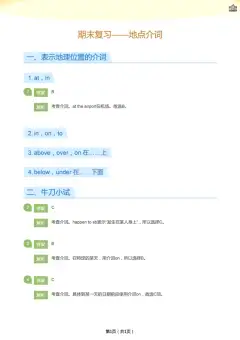
一、先立三根柱子:in 里、on 上、at 点
绝大多数地点题都从这三个词里选,先把它们的"手感"分清:
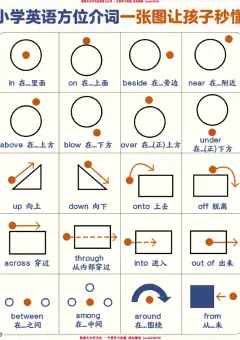
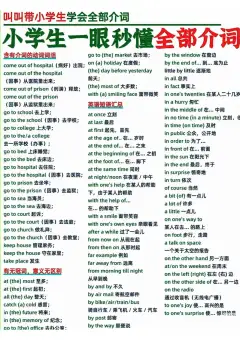
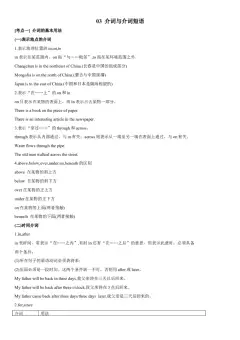
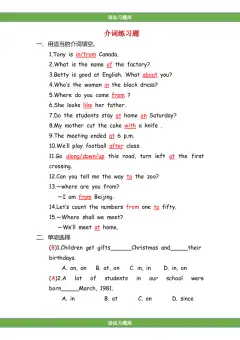
in 在……里面、在封闭或大范围里:in the box(在盒子里)、in the room、in Beijing(城市国家用 in)。
on 在……表面上、且与表面接触:on the desk(在桌上)、on the wall(墙上挂着)、on the floor。
at 在某一个具体点、把地点当成一个位置:at the door(在门口)、at the bus stop、at home。
二、上下四兄弟:over、above、under、below
说"上、下"时英语有四个词,区别只看两件事:有没有接触、是不是正上正下。
三、前后里外:一个 the 差出两个意思
"在……前面"有两种说法,只差一个 the,却是全班错得最狠的一组:
in front of 在物体外部的前面:There is a tree in front of the classroom.(教室外面前面有棵树。)
in the front of 在物体内部的前部:The teacher stands in the front of the classroom.(老师站在教室里的前排。)
解析:多了 the,就把"外面"圈进了"里面"。判断时问一句——这个东西在房子里,还是在房子外?
behind 管空间的后面:behind the door(门后面)、behind the house。after 管时间或顺序的之后:after school(放学后)、after you。写"躲在门后"只能用 behind,不能写 after the door。
四、旁边与远近:beside、next to、near
这三个都说"离得不远",但紧挨的程度不一样:
| 介词 | 意思 | 例子 |
|---|---|---|
| next to / beside | The chair is next to the sofa. | |
| near | The park is near my home. | |
| between | between the bank and the shop | |
| among | The house is among the trees. |
五、几个一看就错的经典坑
下面几条是考试和作文里的"老面孔",单拎出来记最划算:
① 树上的东西。树自己长出来的(苹果、叶子、花)用 on the tree;外来的、停在树上的(鸟、猫、风筝)用 in the tree。口诀:长在树上用 on,飞到树上用 in。
② 家和大地方。"在家"是固定搭配 at home,不是 in home;但城市国家用 in:in London、in China,不写 at London。
③ 交通工具。能站起来的大车用 on(on the bus / on the train),小轿车用 in(in the car / in a taxi)。
④ go home 不加 to。home 在这里是副词,直接 go home,写 go to home 反而是错的。
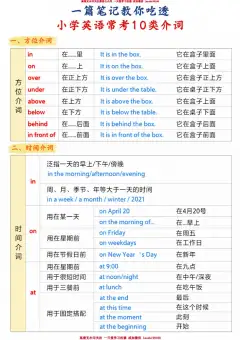
六、地点介词一张总表
| 介词 | 空间关系 | 典型例子 |
|---|---|---|
| in | in the box, in Beijing | |
| on | on the desk, on the wall | |
| at | at the door, at home | |
| under / over | under the table, over the river | |
| above / below | above the door, below zero | |
| in front of | in front of the house | |
| behind | behind the door | |
| beside / near | next to me, near the school | |
| between / among | between A and B, among the trees |
七、做题三步判断法
看图填空或写作文时,别凭语感蒙,按这三步走一遍,答案基本就出来了:
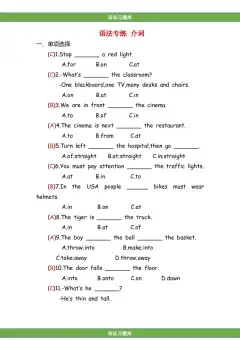
第一步:先定"里、上、点"。东西装在里面、落在封闭空间或大地方,用 in;贴着某个表面,用 on;只是站到一个位置、门口车站这类点,用 at。这一层定错,后面全错。
第二步:再定方向。是正上方还是正下方(over / under),是笼统高低(above / below),是前面还是后面(in front of / behind)。这里顺手确认一句:说"内部前部"要加 the,说"外部前面"不加。
第三步:最后看数量和距离。夹在两样东西之间用 between,混在一群里用 among;紧挨着用 next to,只是离得近用 near。