ARTICLE · 1386407
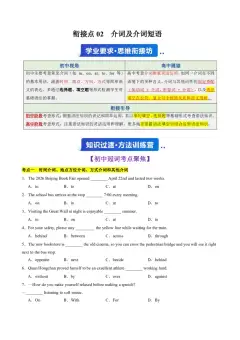
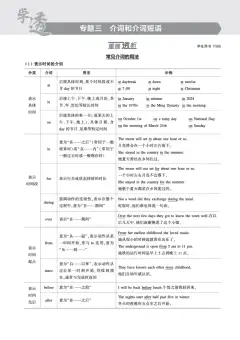
小学英语地点介词:under、behind、beside、between 怎么区分?
方位介词说的从来不是"某物在哪儿",而是"某物相对于另一个东西在哪儿"。句子骨架是:被描述的东西 + is/are + 介词 + 参照物。比如 The cat is under the table,猫是被描述的,桌子才是参照物。
第一步:先圈出"谁的位置要说"(那只猫)。第二步:再找"以谁为准"(那张桌子),通常跟在介词后面。第三步:只看这两者的相对方向,选词。
关键提醒:参照物一换,介词就可能跟着换。同一只猫,以桌子为准是 under the table,以盒子为准可能变成 in the box。孩子错得多半是没看清题目拿谁当参照。
二、under:正下方,常常被盖住
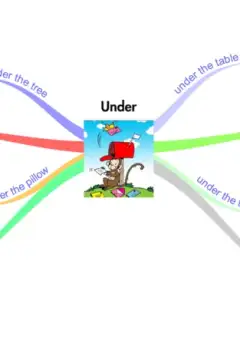
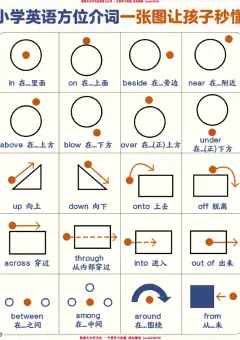
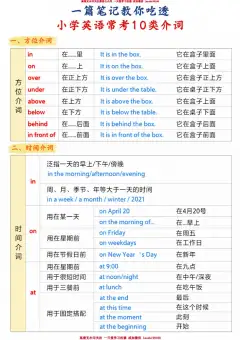
under 表示在参照物的垂直下方,而且往往有"被它遮着、压着"的意味:The shoes are under the bed(鞋在床下)、The cat is under the table。
另一对别混:over 是正上方(常有跨过、覆盖的意思,a bridge over the river),above 是泛指"比它高、不接触"(a clock above the door)。第 45 篇讲过这组,这里和 under/below 配成上下两对一起记。
三、behind:后面,找准"前后"这对反义
behind 表示在参照物的背面:behind the door(门后)、The bike is behind the house。它和 in front of 正好是一对反义词,一起背最省力。
① in front of / in the front of:前者是物体外部前面(a tree in front of the classroom),后者是内部前部(stand in the front of the classroom)。多一个 the,就进屋了。
② behind 管空间,after 管时间:躲在门后是 behind the door,不是 after the door;after 只用在 after school(放学后)这类时间或顺序上。
③ opposite 是"对面":The bank is opposite the post office(银行在邮局对面),强调隔空相望,和"前面"不是一回事。
四、beside:紧挨着,别被 besides 骗了
beside 表示"就在旁边、紧邻":Come and sit beside me(坐我旁边)。小学阶段 beside ≈ next to ≈ by 基本可以互换:beside the window = next to the window = by the window。
五、between:只管"两个",多了要换词
between 表示夹在两个明确对象之间,固定搭配是 between A and B:Lily sits between Mary and Ann(莉莉坐在玛丽和安中间)、The shop is between the bank and the school。
between:两者之间,参照物是两个能分别点名的对象,中间用 and 连接。among:三者及以上、混在一群里,后面接复数名词:She is among her friends(她在朋友们中间)、The house is among the trees。
速记:两个用 between,一群用 among。别写成 among A and B,也别把三者以上硬塞进 between。
六、顺带补一组:across 与 through
这两个也常被一起考,都是"穿过",但穿的地方不同:across 从表面横穿(swim across the river 游过河面、go across the road 过马路),through 从内部贯穿(walk through the forest 穿过森林、The river runs through the city)。判断只问"贴着面过去,还是从里头钻过去"。
七、一张相对位置速查表
| 相对方向 | 介词 | 参照物例子 | 别混 |
|---|---|---|---|
| 正下方 | under | under the bed | |
| 后面 | behind | behind the door | |
| 紧挨旁边 | beside / next to / by | beside me | |
| 两者之间 | between | between A and B | |
| 外部前面 | in front of | in front of the house |
八、整段场景练:把四个词放进同一幅画
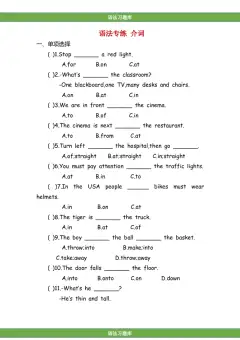
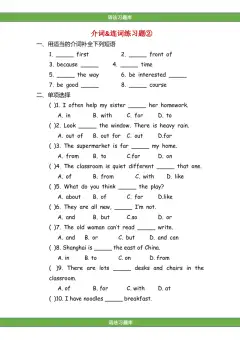
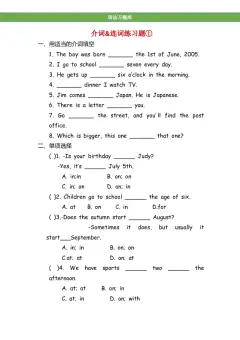
孤立填空会做,一进短文就乱,是因为参照物变多了。下面这段教室描述,先自己填,再对答案: