ARTICLE · 1059412
UNESCO Regional Office for East Asia and IWHR Successfully Hosted the 6th International Seminar on Water Culture in Turpan City



UNESCO Regional Office for East Asia and IWHR Successfully Hosted the 6th International Seminar on Water Culture in Turpan City
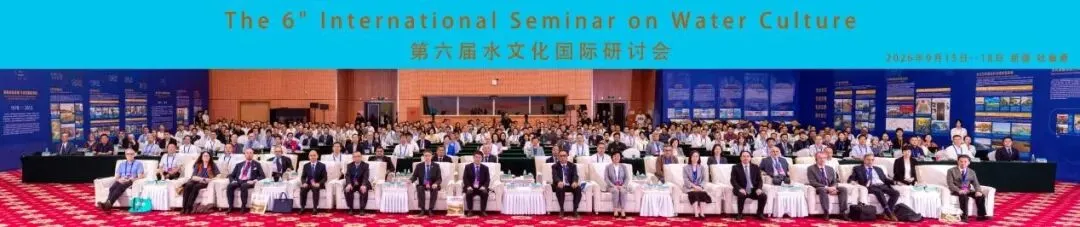
Group photo © UNESCO
From 15 to 18 September 2026, the 6th International Seminar on Water Culture was successfully held in Turpan City, Xinjiang Uygur Autonomous Region.
The Seminar was jointly hosted by the China Institute of Water Resources and Hydropower Research (IWHR), the UNESCO Regional Office for East Asia, and the Xinjiang Uygur Autonomous Region Karez Research Association, and under the guidance of the Department of Water Resources of Xinjiang Uygur Autonomous Region and the Turpan Municipal People’s Government.
It was co-organized by the State Key Laboratory of Water Cycle and Water Security, the Chinese National Committee on Irrigation and Drainage, the International Research and Training Center on Erosion and Sedimentation, the Turpan Municipal Water Resources Bureau, and the Turpan Institute of Water Resources Science.
Under the theme “Silk Road Waterways, Benefiting Past and Present — Inheritance and Innovation of Water-Saving Wisdom in Arid Regions,” the Seminar featured exchanges and discussions on issues of broad international concern, including water culture in arid regions and the safeguarding, transmission and application of water wisdom.


PART 01

Opening Ceremony

Prof Shahbaz Khan, Director and Representative of the UNESCO Regional Office for East Asia; Prof WANG Jianhua, President of the China Institute of Water Resources and Hydropower Research; Prof LI Xiaolin, First-Class Inspector of the General Office of the Ministry of Water Resources of China; Mr XU Ming, Assistant FAO Representative in China; Mr ZHANG Qiang, Secretary of the Party Leadership Group of the Department of Water Resources of Xinjiang Uygur Autonomous Region; and Mr WEN Tianping, Secretary of the CPC Turpan Municipal Committee, delivered opening remarks.
Prof Ni Wenjin, Director-General of the Department of Rural Water Resources and Hydropower; Prof Xu Jing, Deputy Director-General of the Department of International Cooperation, Science and Technology; and Prof Meng Hui, Deputy Director of the Publicity and Education Center of the Ministry of Water Resources, attended the opening ceremony, which was chaired by Prof Jiang Yunzhong, Vice President of the China Institute of Water Resources and Hydropower Research.
Scholars and representatives from government departments, research institutions, universities and international organizations from nearly 30 countries across Europe, the Americas, Africa and Asia and the Pacific participated in the Seminar.

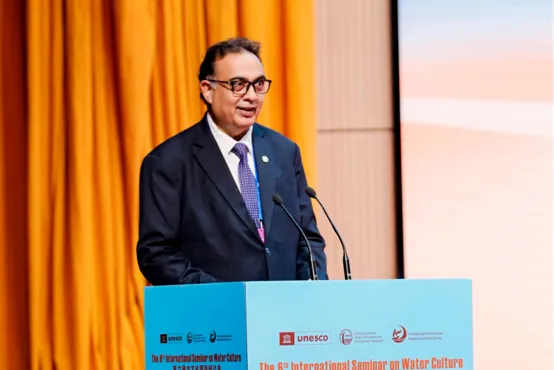

Prof Shahbaz Khan delivering his opening © UNESCO
Prof Shahbaz Khan stated that Turpan’s distinctive oasis civilization and its millennia-old water-management practices vividly embody the historical wisdom arising from the integration of water engineering, cultural heritage and community life.
Looking ahead, the UNESCO Regional Office for East Asia will further deepen exchanges and cooperation with Chinese research institutions in the water sector and relevant international organizations, promote the coordinated development of water science, water culture and heritage conservation, strengthen international exchange and cooperation on water-culture issues across the Asia-Pacific region, and jointly explore a more sustainable and resilient water future.

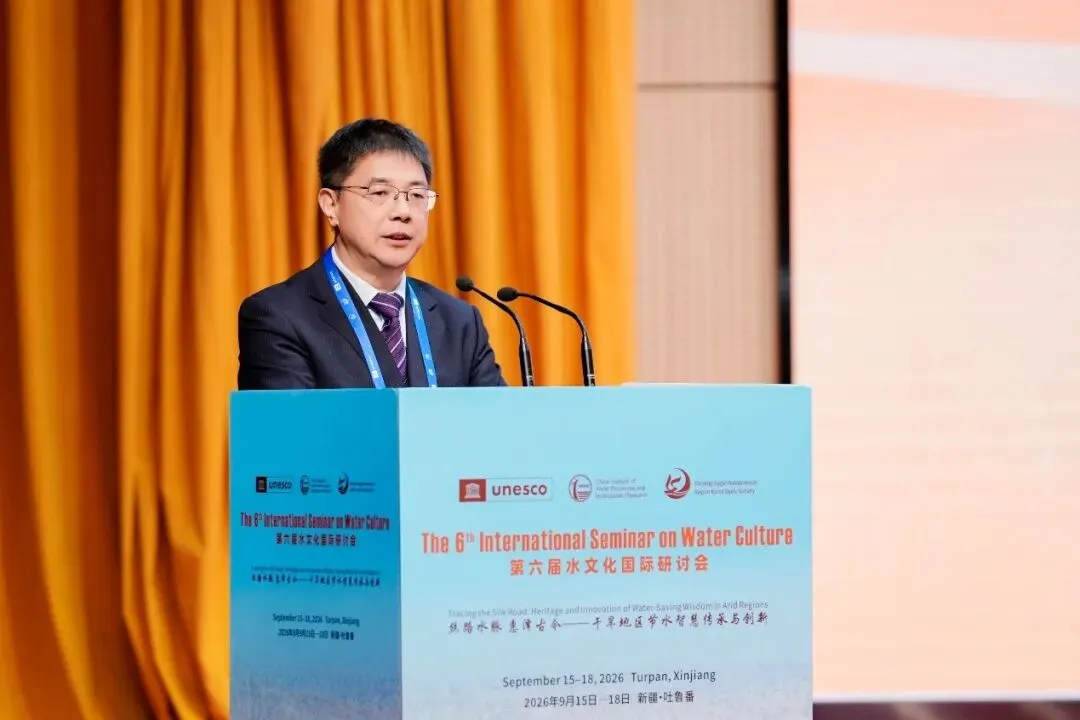

Prof WANG Jianhua delivering his opening speech © UNESCO
Prof WANG Jianhua stated that water culture, as an important component of China’s fine traditional culture, provides spiritual impetus for the high-quality development of water resources.
As global climate change intensifies water-security risks, the international community needs, more than ever, to work together to explore pathways for the sustainable development of water resources in arid regions and to identify water-culture achievements with distinctive regional characteristics that can be shared and learned from globally.
As the initiator of the International Seminar on Water Culture, the China Institute of Water Resources and Hydropower Research has been deeply engaged in research on water history and water culture for decades and stands ready to work with the international community to promote the flourishing of water culture and exchanges and mutual learning among water civilizations.

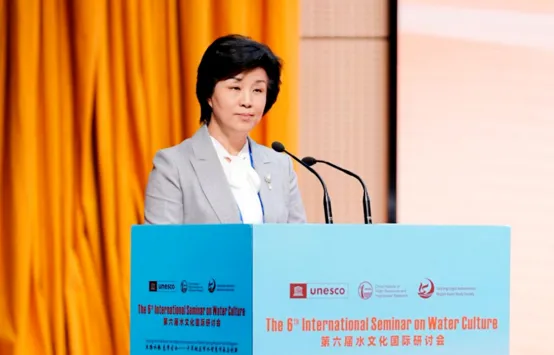

Prof LI Xiaolin delivering her opening speech © UNESCO
Prof LI Xiaolin stated that the Ministry of Water Resources has consistently pursued integrated planning and coordinated advancement of water culture development together with water security, water resources, aquatic ecology and the water environment, and is accelerating the establishment of three systems for the protection, inheritance and promotion of water culture.
She called for not only safeguarding internationally renowned water heritage treasures such as the Grand Canal, Lingqu Canal and Dujiangyan Irrigation System, but also attaching great importance to distinctive water heritage in arid regions, such as karez systems, by comprehensively protecting their engineering systems, traditional techniques, folk culture and oasis ecosystems, thereby preserving the invaluable historical memory of water governance.

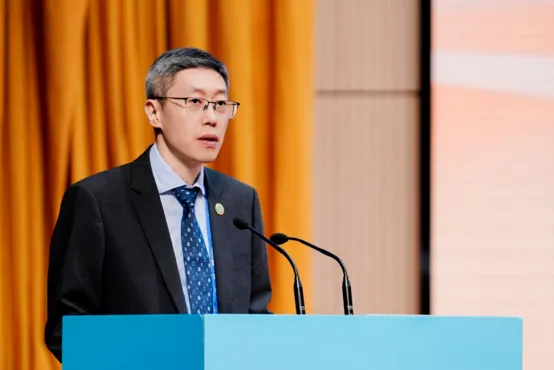

Mr XU Ming delivering his opening speech © UNESCO
Mr XU Ming stated that in recent years, the Food and Agriculture Organization of the United Nations has actively cooperated with China’s water resources and agricultural authorities and research institutions, achieving positive progress in areas including the sustainable use of water resources, ecological conservation and climate-smart agriculture.
He expressed the hope that the Seminar would provide an opportunity to further strengthen exchanges and cooperation among all parties in water-culture inheritance, water-resources governance and innovative practices, promote the integration of traditional water wisdom with modern science and technology, and jointly advance the development of more efficient, inclusive, resilient and sustainable agrifood systems.

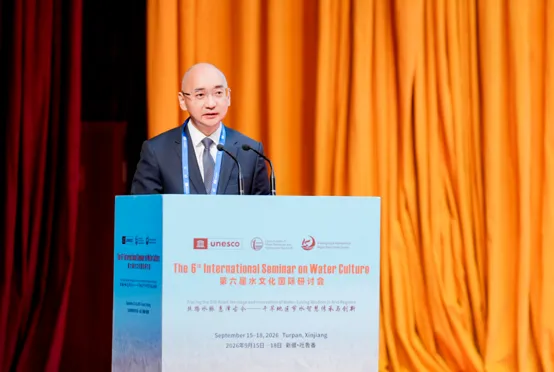

Mr ZHANG Qiang delivering his opening speech © UNESCO
Mr ZHANG Qiang stated that water governance in Xinjiang in the new era follows General Secretary Xi Jinping’s 16-character approach to water governance as its fundamental guidance, transforming the wisdom of the ancients into modern governance practices featuring centralized and unified water-resources management, rigid constraints and precise allocation, and achieving continuity and progress from millennia-old waterways to modern water networks.
Xinjiang will uphold the roots and spirit of its water culture, innovatively apply karez wisdom in the new era, and strive to build a nationally and internationally leading hub for agricultural water conservation and efficiency improvement.
He looked forward to exchanges and cooperation with arid regions around the world, providing replicable Xinjiang approaches and contributing Chinese wisdom to sustainable development in global arid regions.

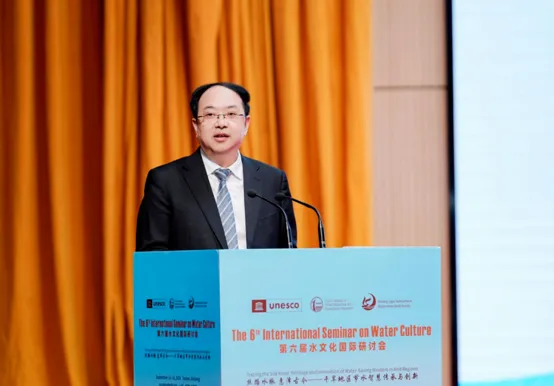

Mr WEN Tianping delivering his opening speech© UNESCO
Mr WEN Tianping stated that Turpan, known for China’s extremes of heat and aridity as well as the country’s lowest inland elevation, has developed distinctive wisdom and a rich cultural heritage of water governance in arid environments, shaped by its exceptional geography and climate and reflecting both ancient and modern achievements.
The karez system is a remarkable engineering achievement created through the westward transmission of well-and-canal technologies from China’s Central Plains, the eastward spread of water-management experience from Central and Western Asia, and their integration and adaptation in Turpan.
He expressed the hope that international colleagues would become advocates for Turpan’s water culture, advisers on water governance and partners in water development, and jointly write a new chapter in the inheritance and development of global water culture.

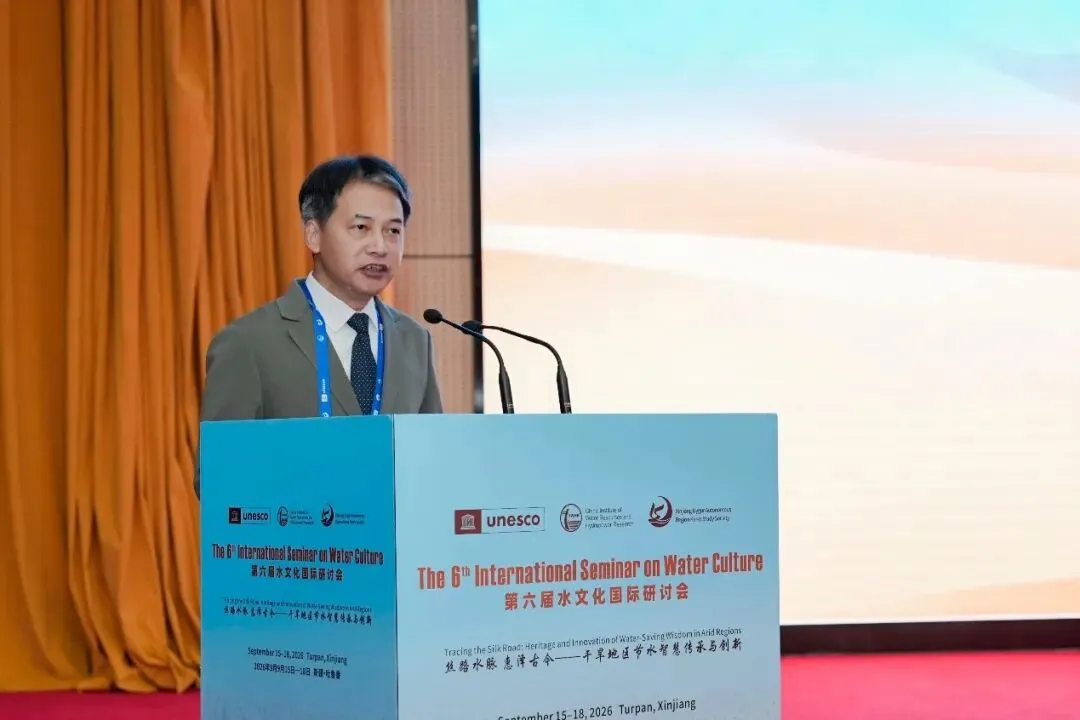

Prof JIANG Yunzhong moderated the opening ceremony© UNESCO


PART 01

Keynote Session

The keynote session was chaired by Ms Nie Yan, Vice Mayor of the Turpan Municipal People’s Government. Prof Li Jiang, Deputy Director-General of the Department of Water Resources of Xinjiang Uygur Autonomous Region; Prof Gretchen Kalonji, former UNESCO Assistant Director-General for Natural Sciences and Special Adviser to the International Research Center of Big Data for Sustainable Development Goals; Dr Marco Arcieri, President of the International Commission on Irrigation and Drainage; Prof Mohsin Hafeez, Strategic Program Director for Water-Food-Ecosystems at the International Water Management Institute; and Prof Zhang Cheng, Director of the General Office of the Research Center on Flood and Drought Disaster Reduction of IWHR, delivered insightful presentations on topics including efficient water-resources utilization in arid regions, international cooperation on water culture, irrigation water management, and reviews and prospects of research on the history of water resources.
Ranging from local practices to international experience and from historical wisdom to contemporary challenges, the presentations offered participants a rich interdisciplinary and cross-sectoral exchange of ideas on water culture.

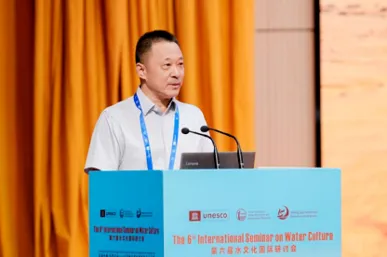

Prof LI Jiang delivering his keynote presentation© UNESCO

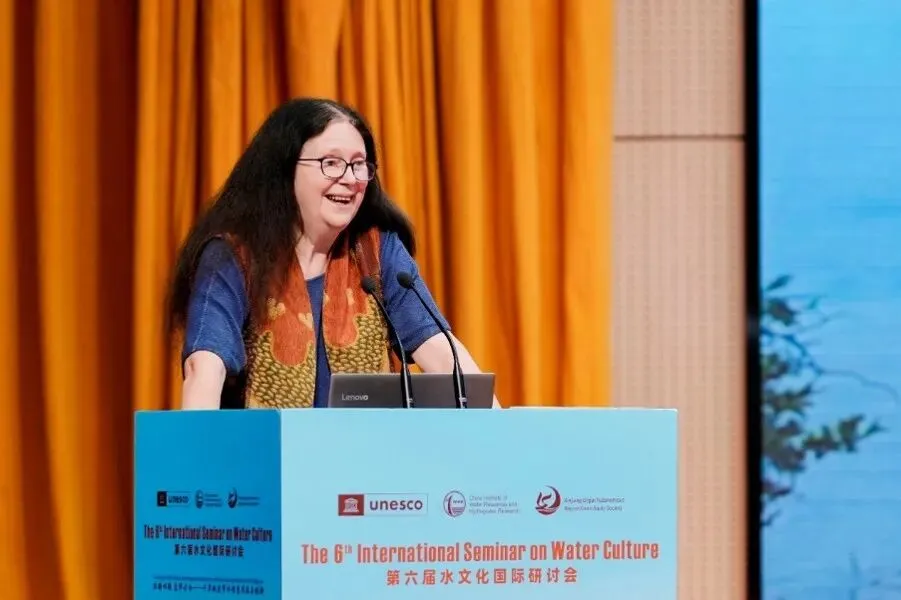

Prof Gretchen Kalonji delivering her keynote presentation© UNESCO

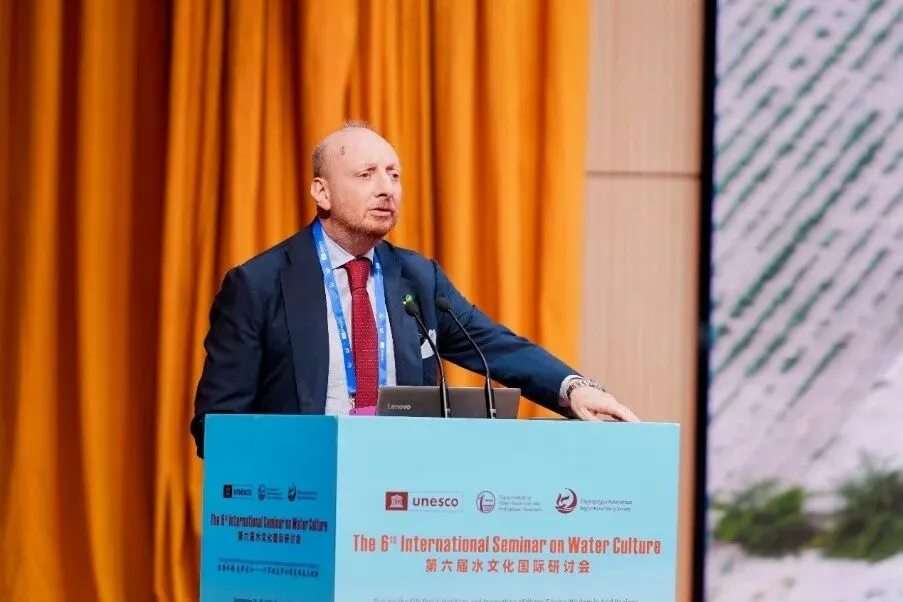

Dr Marco Arcieri delivering his keynote presentation© UNESCO

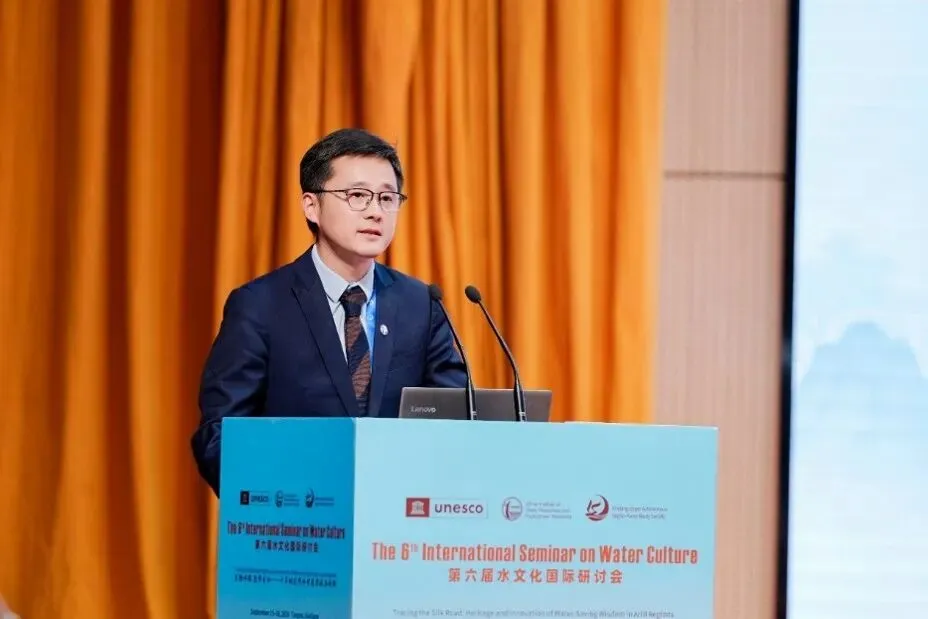

Prof ZHANG Cheng delivering his keynote presentation© UNESCO

The Seminar featured five academic themes, two special invited sessions and five thematic parallel sessions including the IHP-RSCAP (Intergovernmental Hydrological Programme- Regional Steering Committee Asia-Pacific) 33rd meeting gathering more than 20 IHP national committees, UNESCO Category 2 centres and UNESCO chairs, with a total of 66 high-level academic presentations.
Chinese and international participants also undertook field visits to the Karez Museum, World Heritage site historical water-management remains of Jiaohe City dating from the Han and Tang dynasties, and a demonstration site for smart agricultural water conservation.
Through multidimensional exchanges, discussions and field investigations, the Seminar further promoted the sharing of research outcomes on water culture in arid regions, deepened common understanding among countries of the important value of water culture in water-resources governance and water-security assurance, and brought together greater knowledge and collective strength to address climate change and water-resources challenges and advance sustainable development in arid regions worldwide.

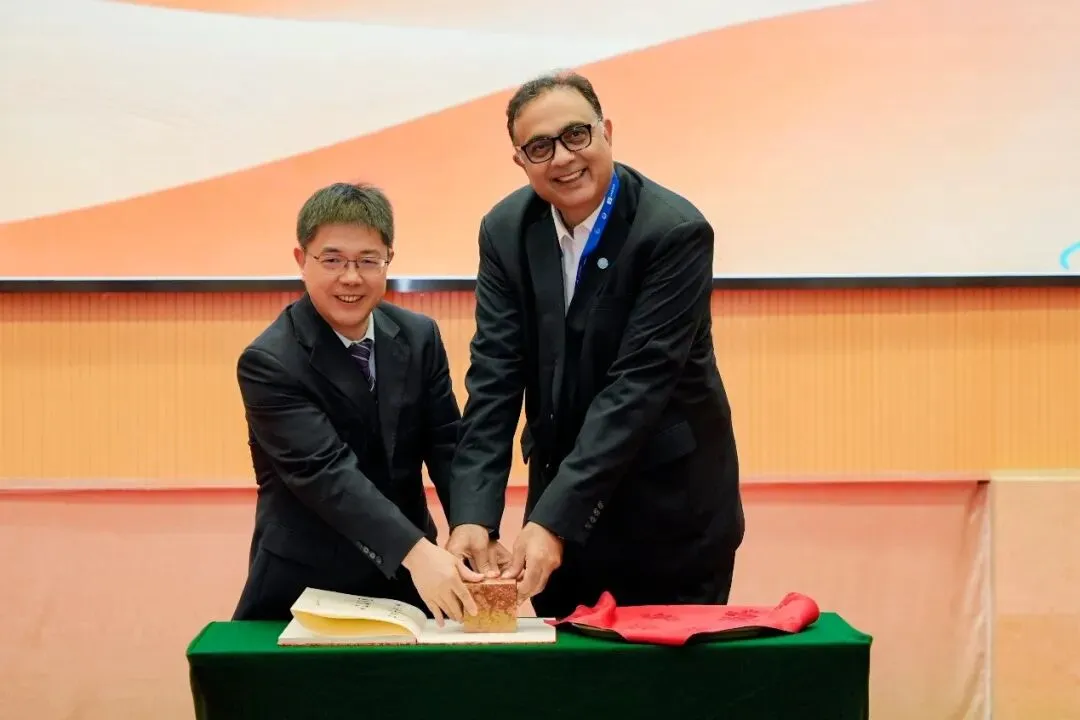

Affix the official seal of the “International Seminar on Water Culture” © UNESCO

The “International Seminar on Water Culture”

The “International Seminar on Water Culture” is an academic exchange event in the field of water culture initiated by the China Institute of Water Resources and Hydropower Research and jointly hosted with the UNESCO Regional Office for East Asia. It has been held annually for six consecutive editions since 2021 and has become a globally influential flagship academic exchange event on water culture.
The successful convening of the Seminar is a concrete practice in implementing Xi Jinping Thought on Culture and his important discourses on water governance, as well as a practical measure to actively promote the building of a community with a shared future for humanity.
The Seminar will further advance global exchange and cooperation on water culture, demonstrate the strategic commitment of China’s water sector in the new era to shaping its spirit through culture and grounding its development in civilization, and inject new impetus into the joint development and sharing of global water culture and the promotion of harmonious coexistence between people and water.