ARTICLE · 1172671
大学数学系引入AI题库:练习测验与期中考试同源

Slide for English version
大学数学系引入AI题库 练习测验与期中考试同源
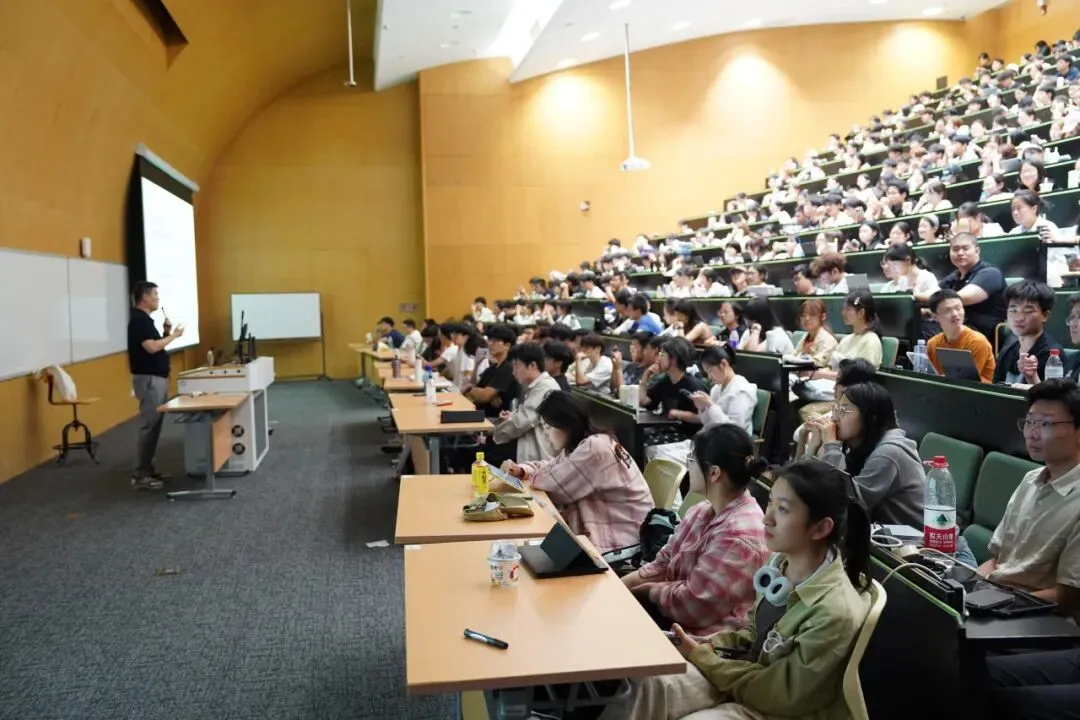
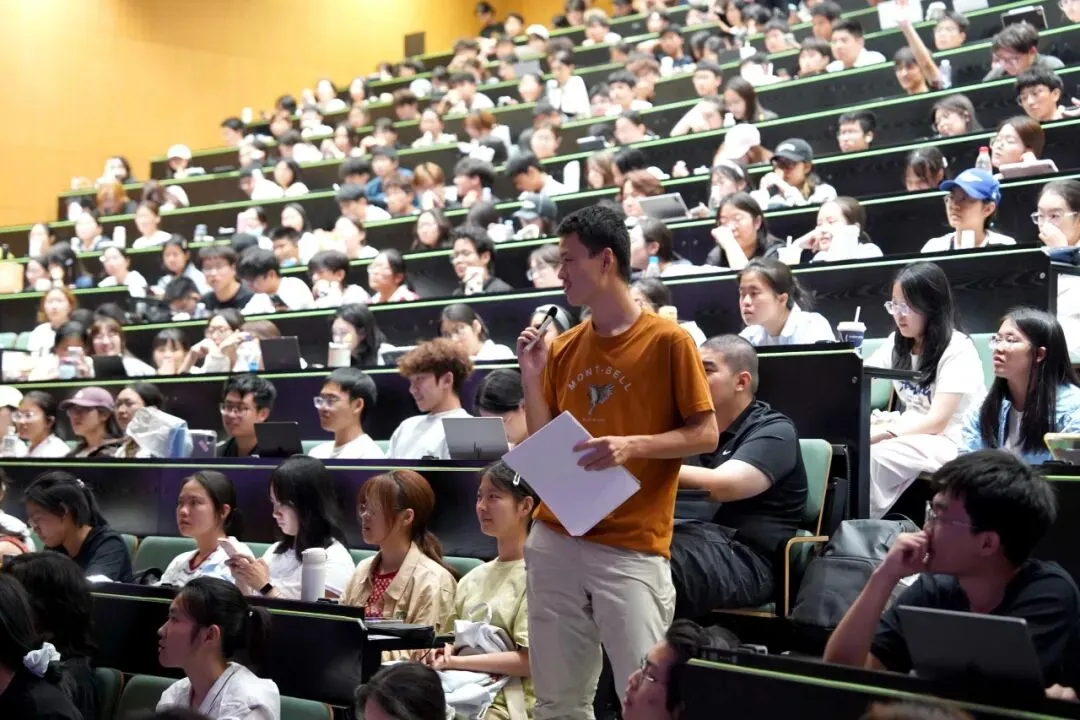
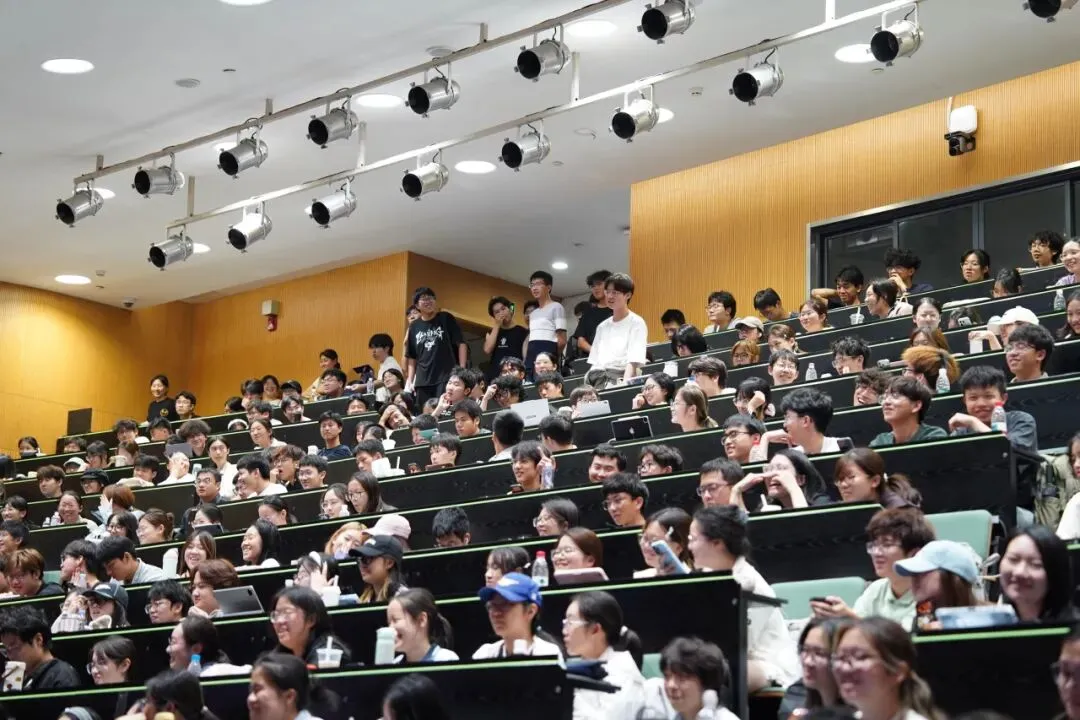
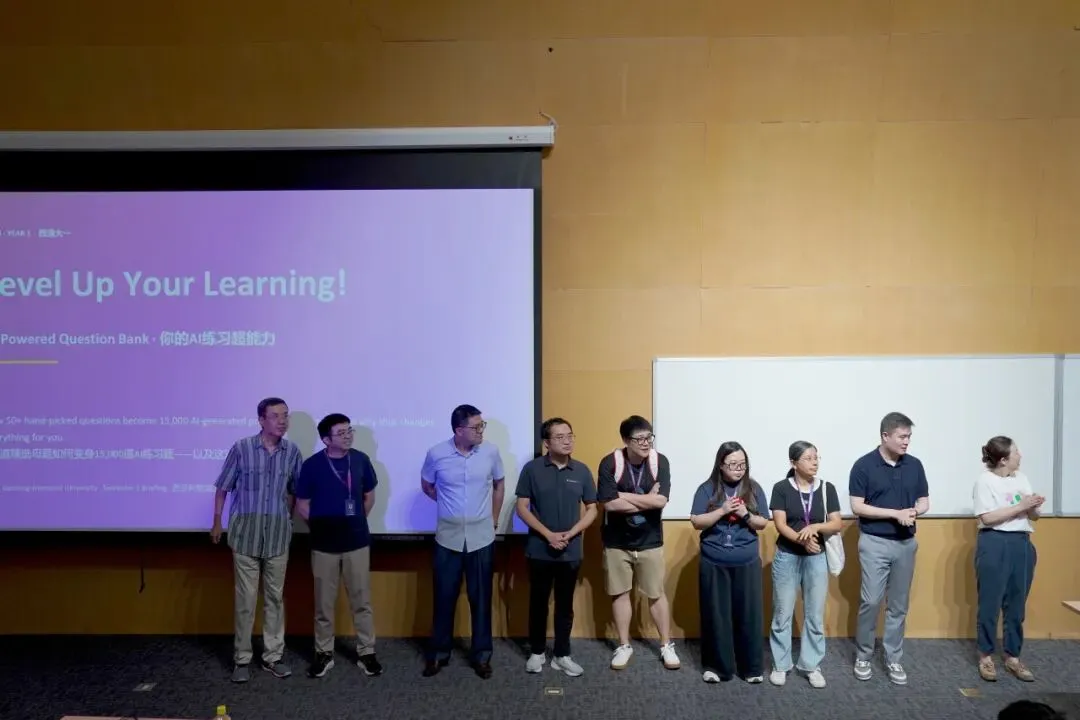
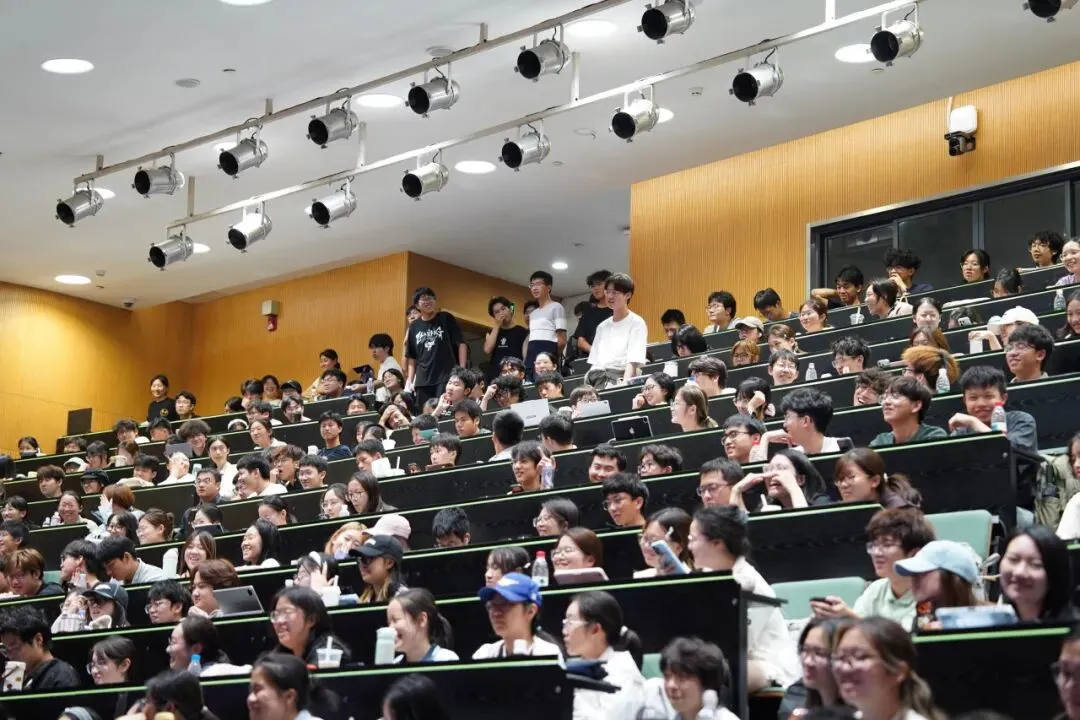
9月22日晚,西交利物浦大学数学物理学院大学数学系举办“数学大冒险·AI题库助你 Level Up”活动,向学生介绍MTH026和MTH028两门大一数学课程中AI题库的设计,以及题库如何应用于练习测验和期中考试。约400名学生参加活动。
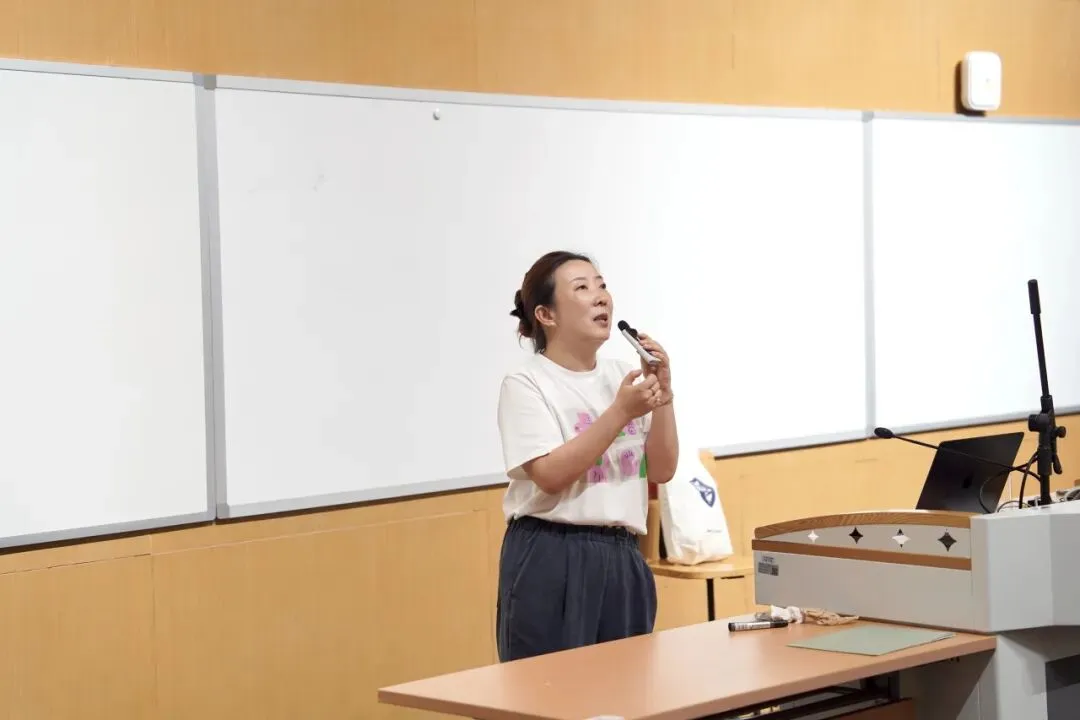
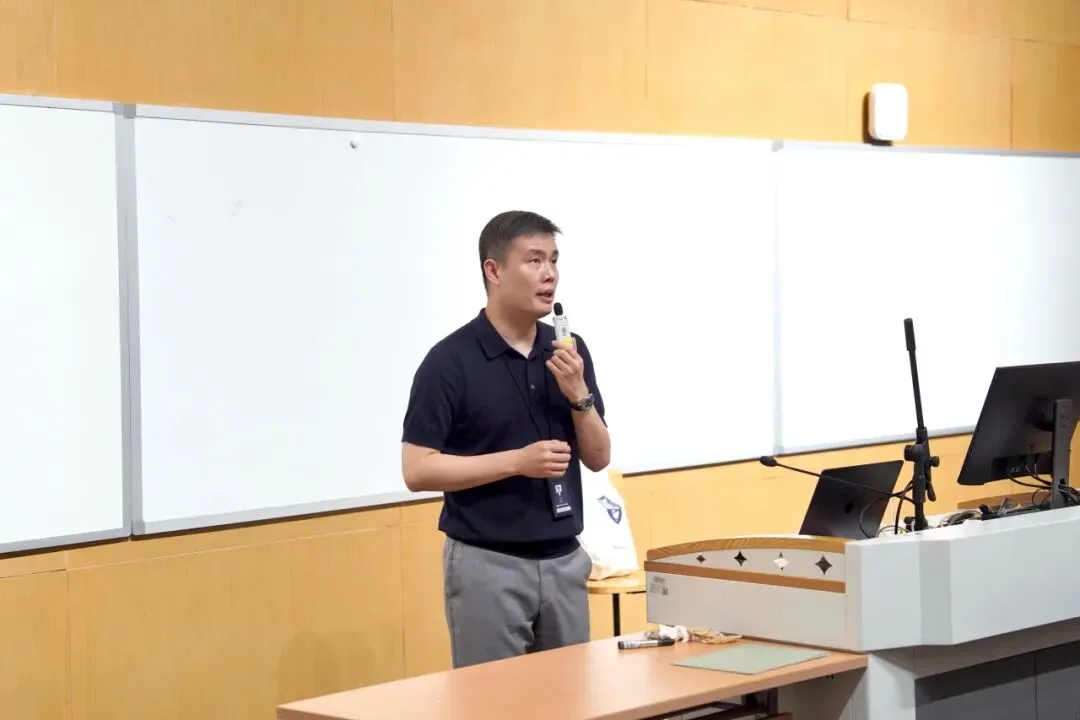
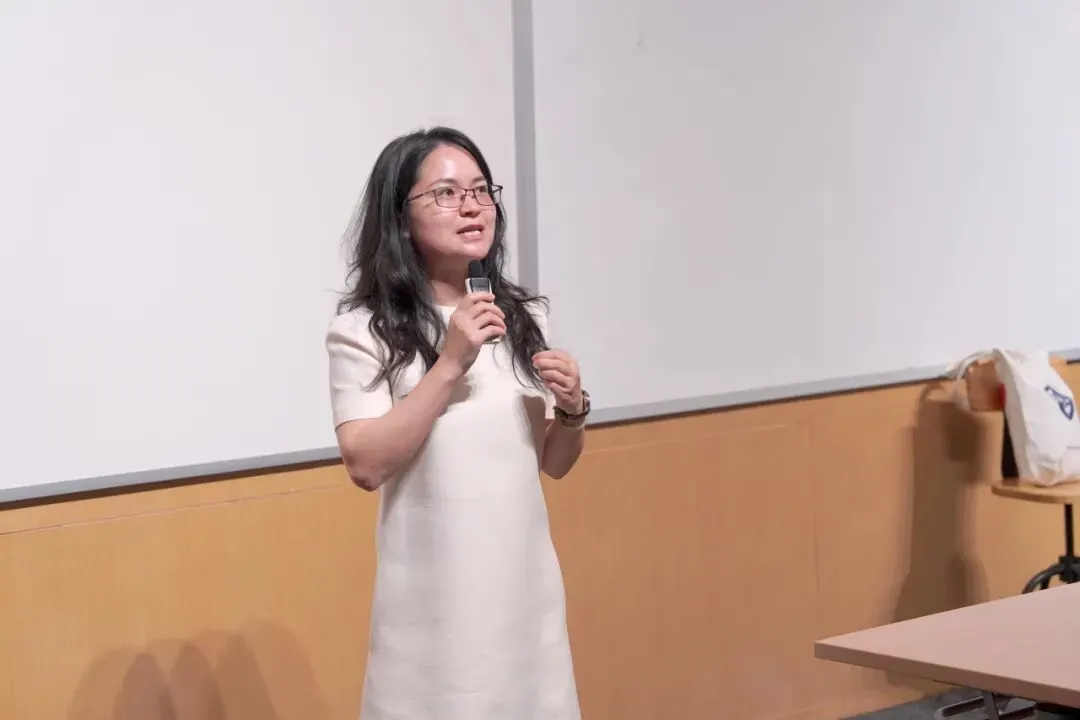
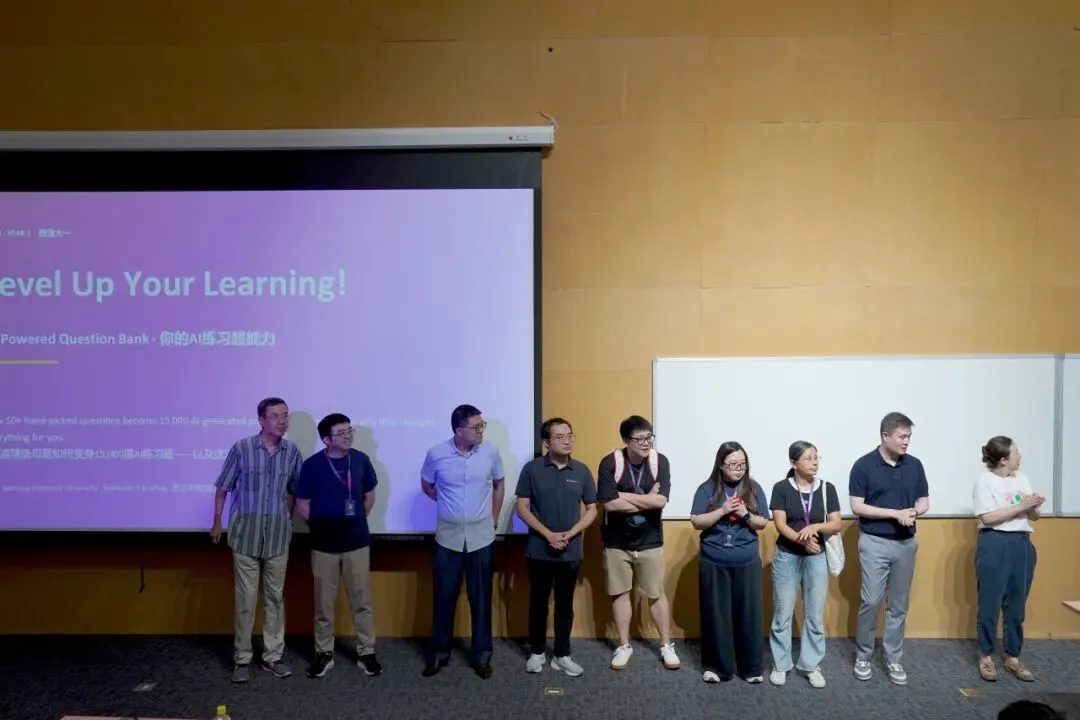
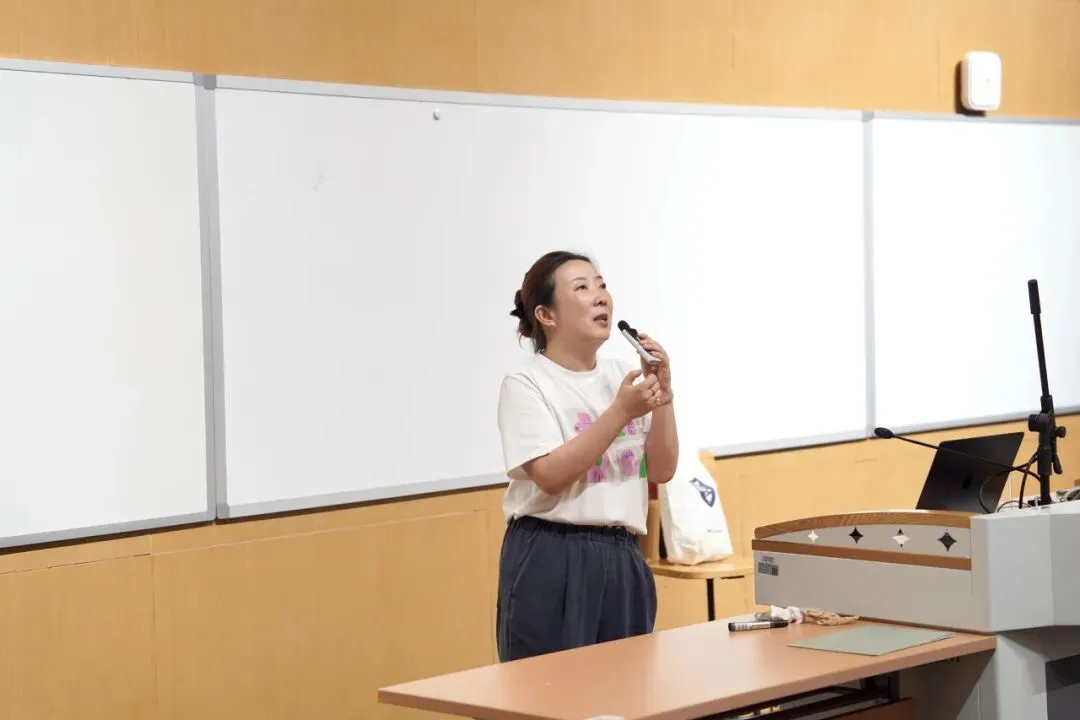
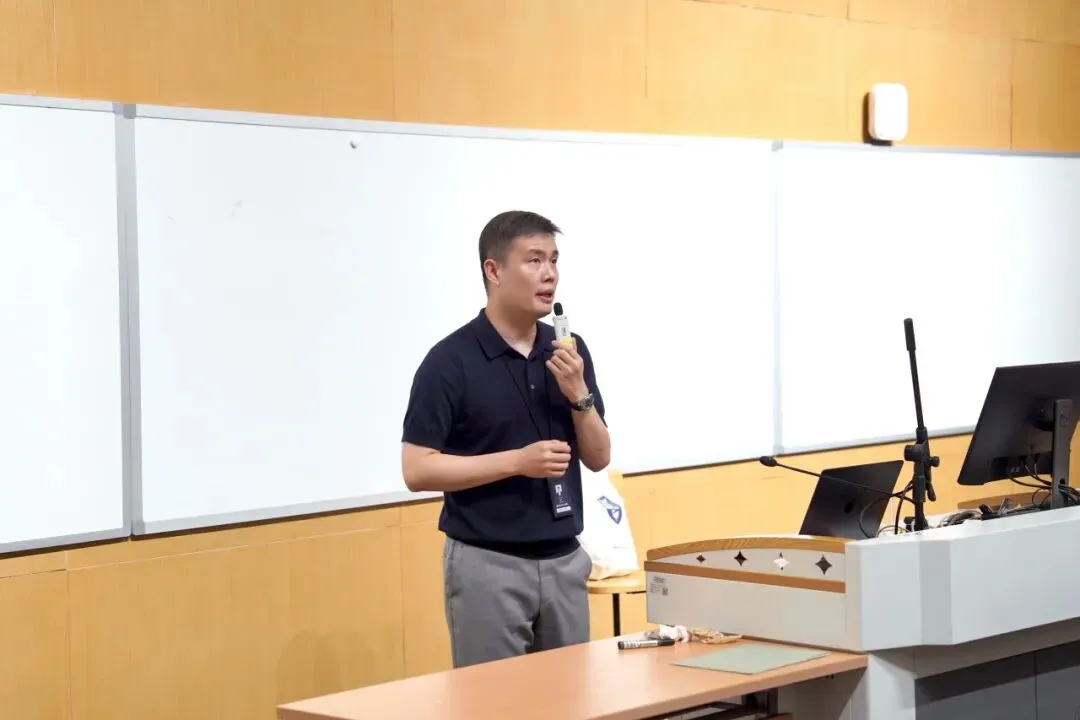
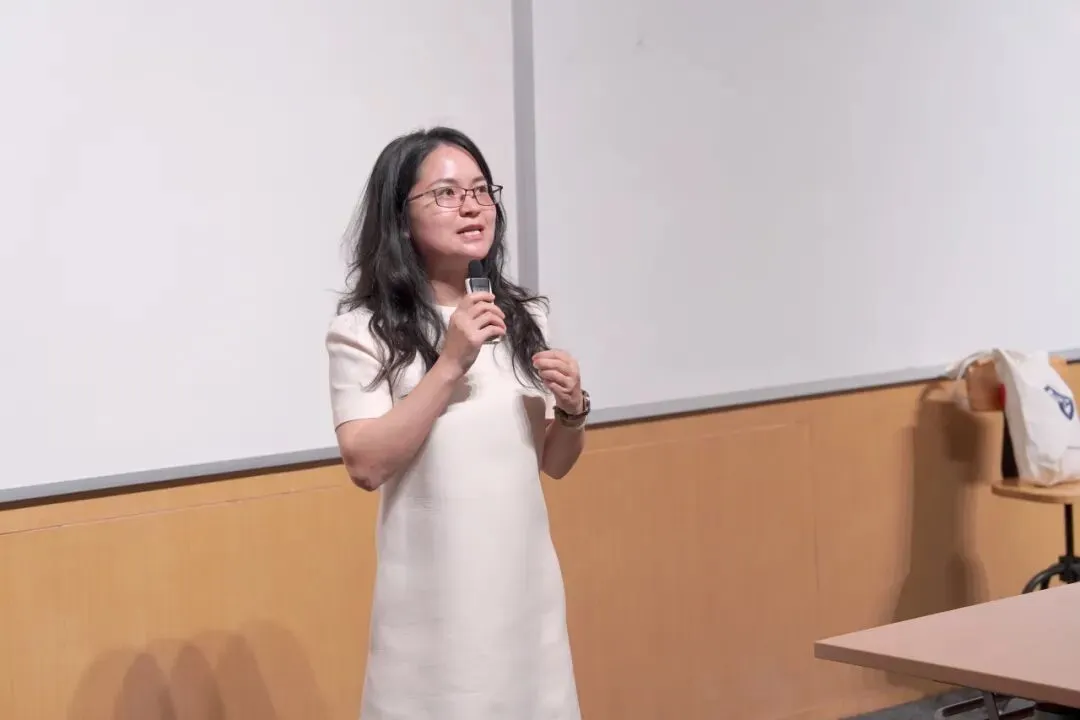
学院教学副院长、大学数学系主任张若男博士组织活动并致开场辞,张坤博士作主题分享,两门课程的任课教师共同参与现场问答。
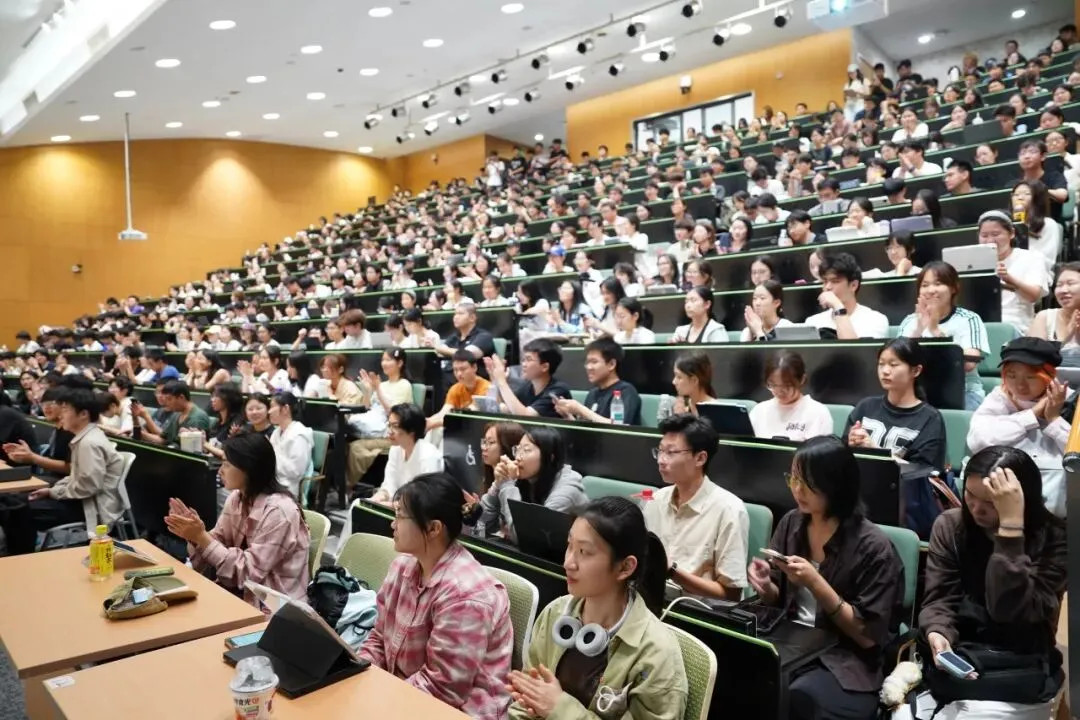
MTH026和MTH028均为面向大一学生的大规模数学课程,每门课程均有5,000多名学生选课。大部分学生正处于进入大学后的第一个学期。
张若男博士表示,期中考试是新生进入大学后面对的重要考核之一。今年,大学数学系首次将AI辅助建设的大规模题库系统应用于练习测验和期中考试,希望通过此次活动帮助学生了解考试如何设计、题目从何而来,以及如何通过练习为后续考核做好准备。
More
50余个母题,派生15,000余道题
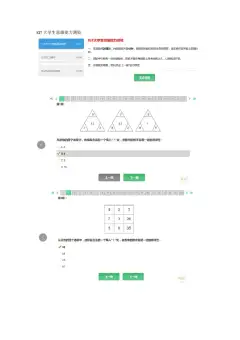
张坤博士介绍,题库围绕课程核心知识点和考核目标搭建。在期中考试范围内,课程团队设计了50余个母题,并在此基础上生成大量平行变式。不同变式考查相同的核心概念和方法,但在数字、题目表述等方面有所变化,目前题库总量已超过15,000道。
练习测验与期中考试使用同一题库。学生可以通过练习接触课程涉及的不同题型和变式,但由于题库规模较大,学习的目标并不是记住或完成每一道题,而是理解题目背后的概念,掌握解决一类问题的方法。
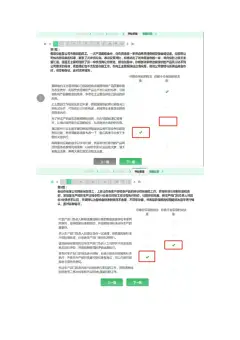
本学期,两门课程在不同教学周安排多次练习测验。学生在指定时段进入机房完成练习,并可进行多次尝试。完成每次尝试后,学生还可以查看相应反馈,及时了解自己的错误,并据此进行后续复习。
为鼓励学生尽早熟悉机考环境并主动参与练习,课程还设置了练习参与奖励。学生按安排到指定机房参加练习测验并完成相应要求后,即可获得3分课程作业(Coursework)奖励分。课程希望学生能够把练习重点放在熟悉考试环境、发现自身问题和理解知识点上。
期中考试将在指定机房进行,安排现场监考并配备摄像头,同时使用Safe Exam Browser(SEB)限制访问考试界面之外的资源。相关安排与开学初开展的学术诚信教育相衔接,旨在确保所有学生在统一的考试规则和环境下完成考核。
期末考试则继续采用传统纸笔形式,要求学生完整呈现书面解答过程。虽然考核形式不同,但题库所覆盖的核心概念和方法同样是期末考试的重要学习内容。
AI题库如何帮助学习
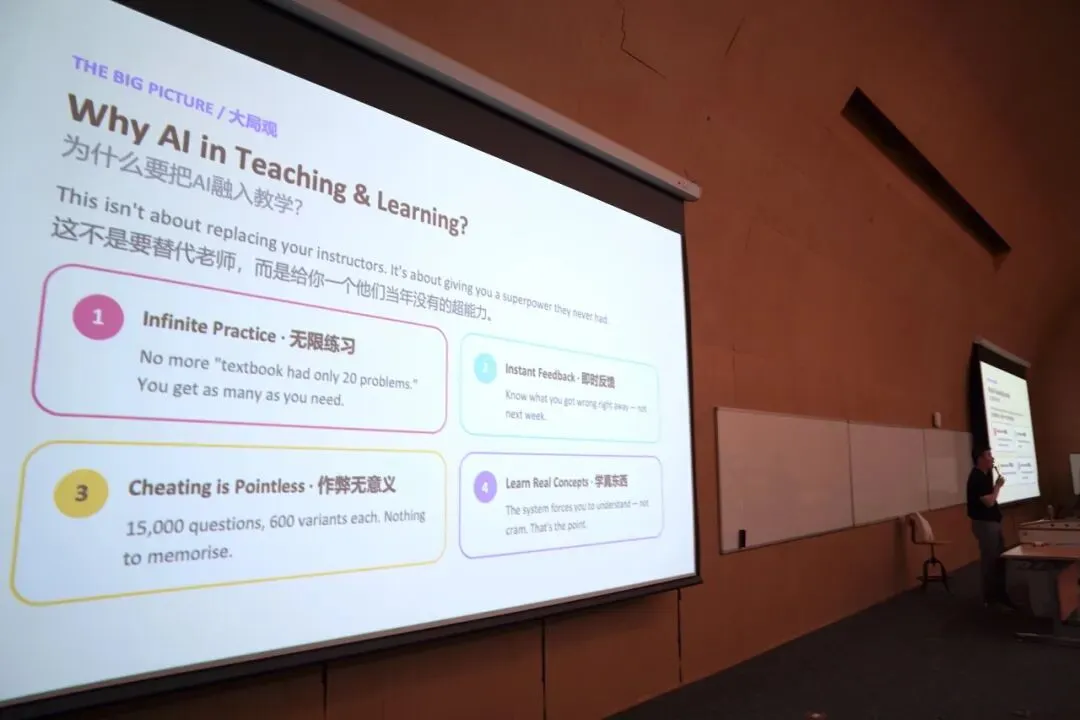
张坤博士还结合教学实际,介绍了引入AI题库的考虑。与有限数量的固定练习题相比,大规模题库可以为学生提供更加丰富的练习机会,也能够通过不同变式帮助学生检验自己是否真正理解了相关概念。
由于同一母题可以产生多种变式,单纯记忆某一道题的答案或固定步骤并不能有效应对后续问题。学生需要理解题目中的数学表达,思考可以使用哪些相关结论,检查这些结论的适用条件,再尝试不同的解题思路,并对自己的推理作出解释。
张坤博士提醒学生,不要只关注一道题最终是否答对,更应关注自己的解题思路是否清晰、相关知识框架是否真正建立起来。不同变式虽然在表面上有所变化,但往往考查相同的核心概念。真正理解一道题背后的数学,也意味着能够逐步应对一批同类问题。
从使用题库到共同完善题库
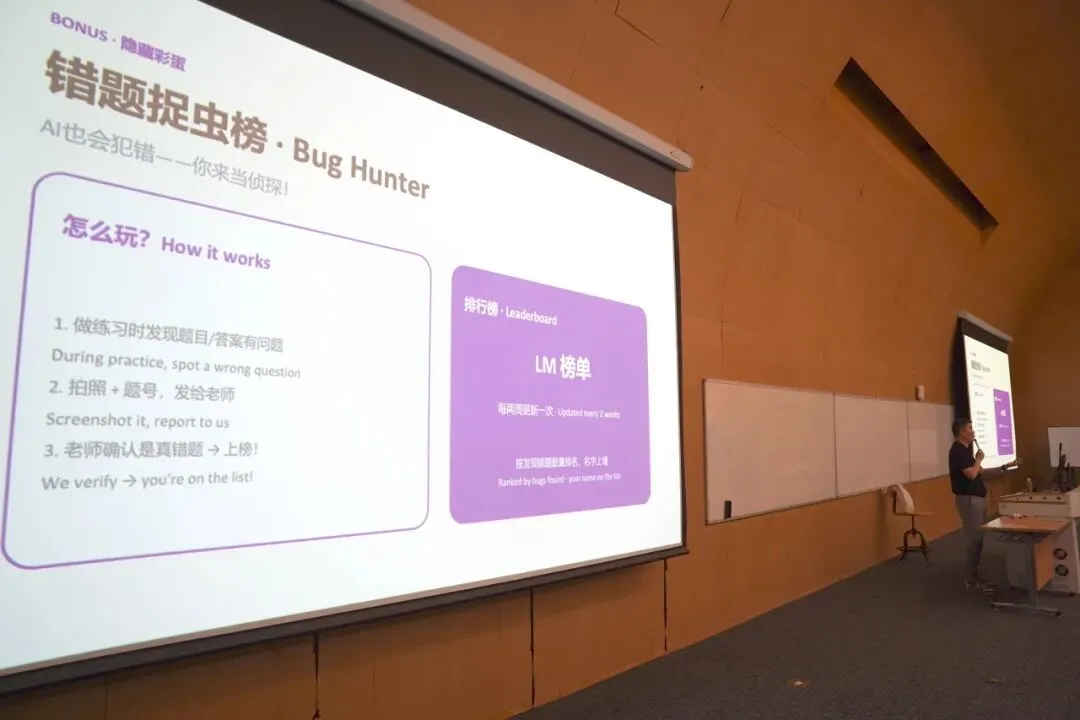
除了通过练习获得反馈,课程还设置了“Bug Hunter”机制,鼓励学生在使用题库的过程中主动发现并报告可能存在的问题, 首位有效报告者会被记录在Bug Hunter排行榜中。
通过这一机制,学生不仅是题库的使用者,也参与到题库持续检查和完善的过程中。课程团队也可以结合学生在实际练习过程中的反馈,对题库进行进一步验证和改进。
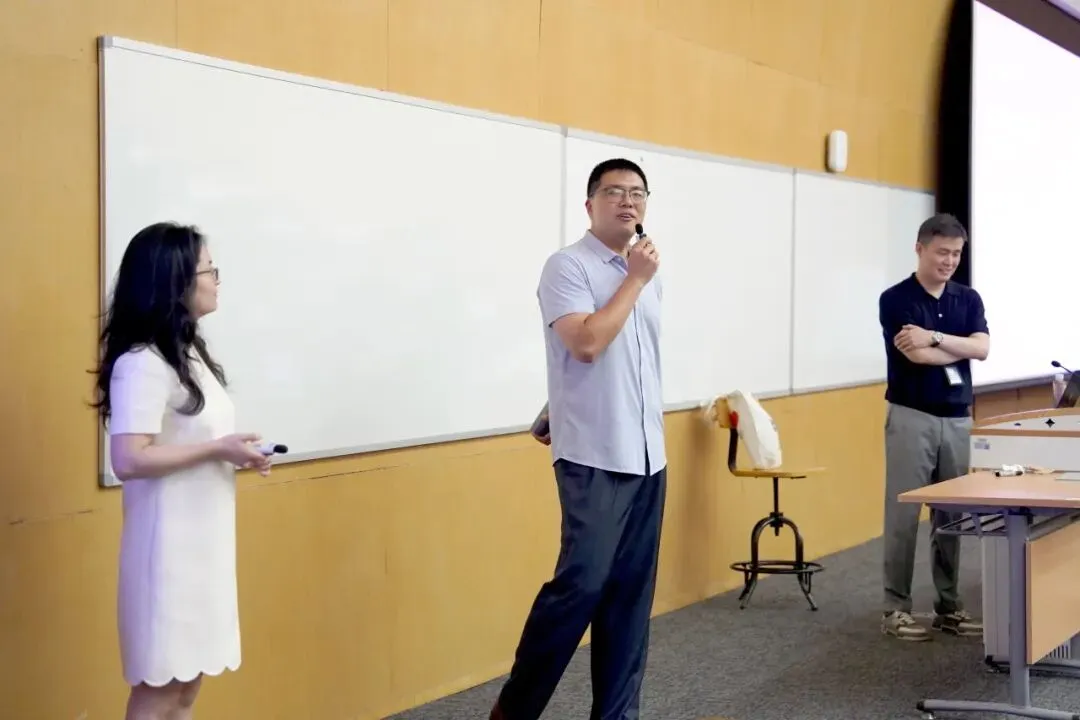
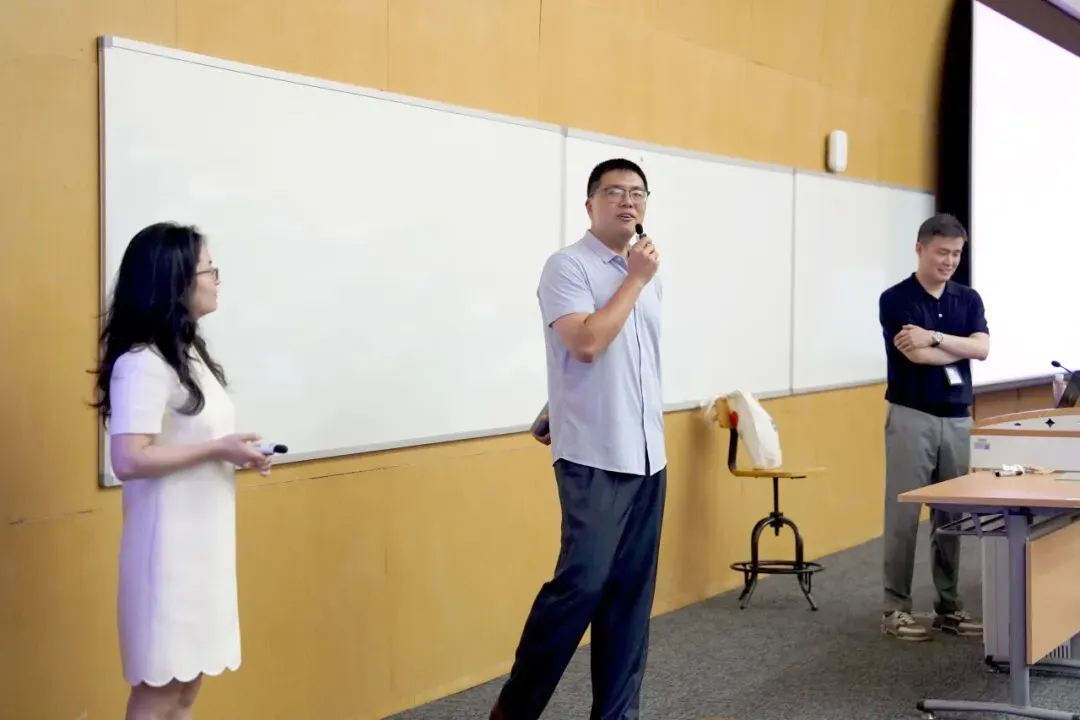
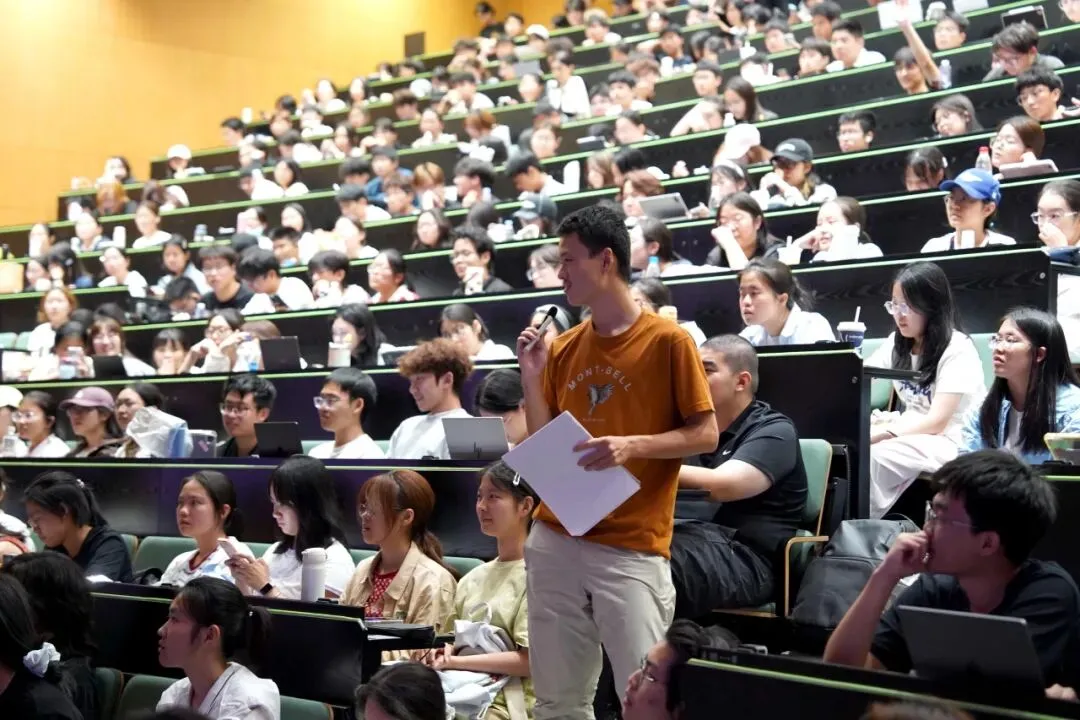
活动最后安排了问答环节,MTH026及028的课程负责人张坤和王一博士就学生关心的练习安排、考试形式和题库使用等问题进行了交流。现场还介绍了考试系统及练习测验的基本安排,相关操作指南和具体安排将通过课程平台陆续发布。
记者、新媒体:刘沁茹
Department of Foundational Mathematics Introduces AI Question Bank: Practice Quizzes and In-Semester Examination Draw from the Same Question Bank
On 22 September, the Department of Foundational Mathematics at the School of Mathematics and Physics, Xi’an Jiaotong-Liverpool University, held the event “Math Adventure · Level Up with the AI Question Bank”. The event introduced students to the design of the AI question banks used in the two Year One math modules, MTH026 and MTH028, and explained how they are used in practice quizzes and the In-Semester examination. Around 400 students attended.
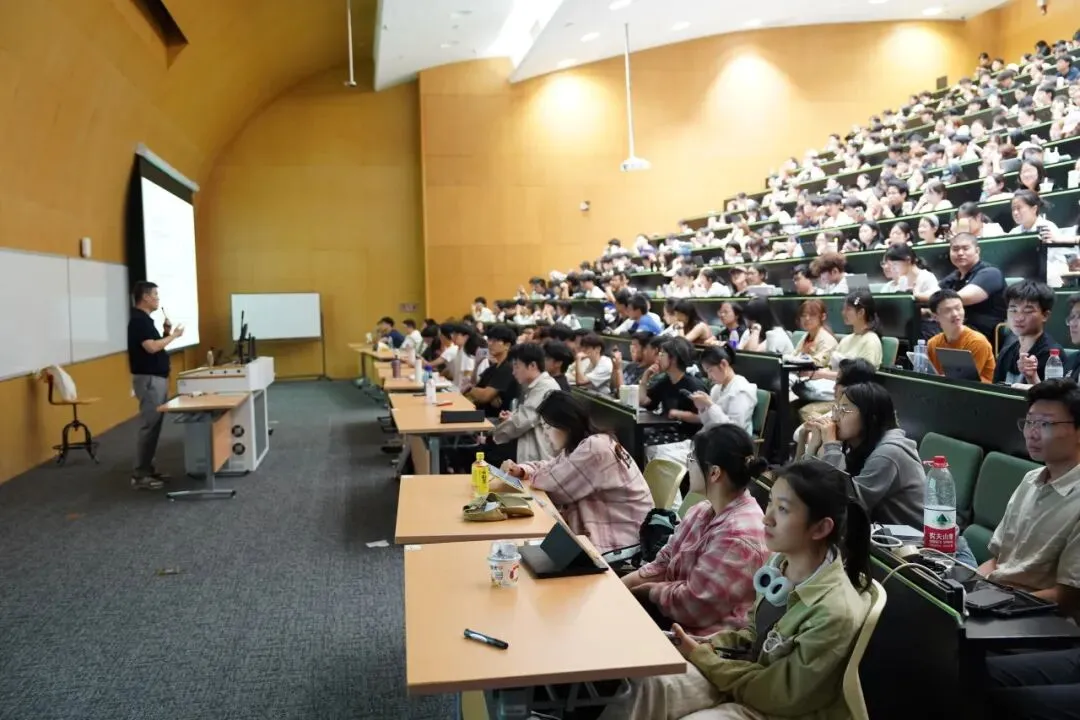
Dr. Ruonan Zhang, Associate Dean for Learning and Teaching and Head of the Department of Foundational Mathematics, organised the event and delivered the opening remarks. Dr. Kun Zhang gave the main presentation, followed by a Q&A session with lecturers from both modules.
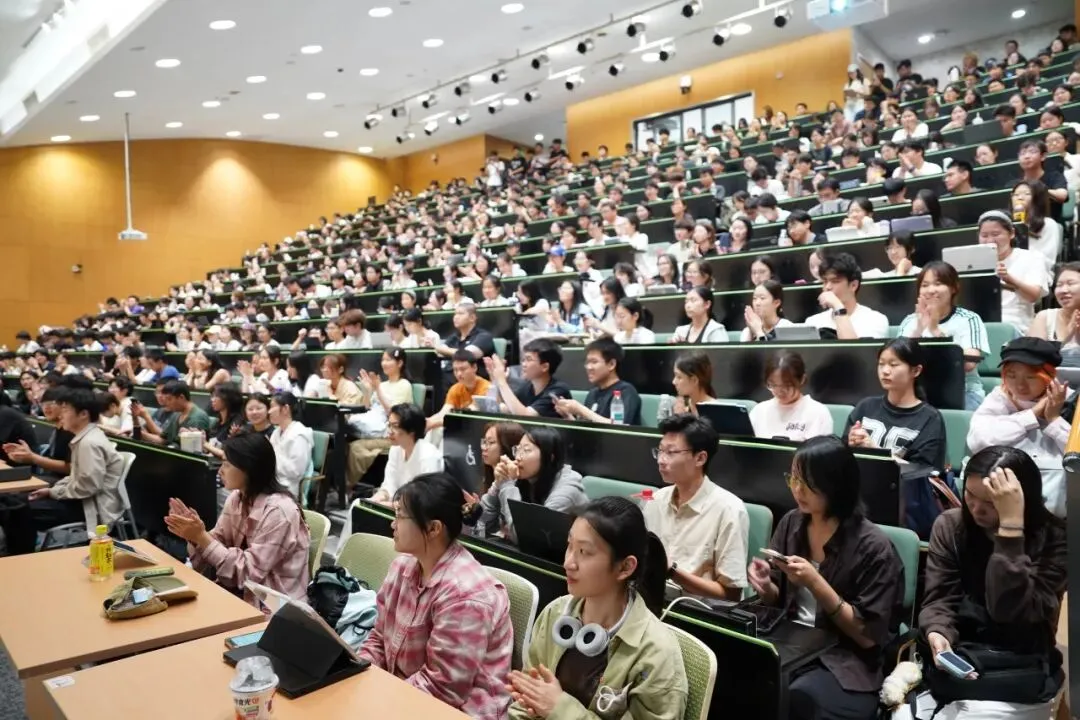
MTH026 and MTH028 are both large-scale Year One math modules, with more than 5,000 students enrolled in each module. Most of these students are in their first semester of university study. Dr. Ruonan Zhang noted that the In-Semester examination is one of the first essential assessments that new students encounter at university. This year, the Department of Foundational Mathematics has, for the first time, systematically incorporated large-scale AI-assisted question banks into practice and the In-Semester examination. The event aimed to help students understand how their assessments are designed, where the questions come from, and how practice can help them prepare for subsequent assessments.
More
More than 15,000 questions generated from over 50 base question templates
Dr. Kun Zhang explained that the question banks are built around the core concepts and assessment objectives of the modules. Within the scope of the In-Semester examination, the teaching teams designed more than 50 base question templates and generated a large number of parallel variants from them. These variants assess the same underlying concepts and methods while varying numerical values, wording and other details. The question banks now contain more than 15,000 questions.
The practice quizzes and the In-Semester examination draw from the same question banks. Through practice, students can encounter different question types and variants covered by the modules. Given the size of the question banks, however, the aim is not to memorise or complete every question, but to understand the underlying concepts and develop methods for solving a broader class of problems.
Throughout the semester, both modules offer multiple practice quizzes in different teaching weeks. Students complete the quizzes in designated computer labs during scheduled sessions and can make multiple attempts. After each attempt, they can review feedback, identify their mistakes and use this information to guide their subsequent revision.
To encourage students to become familiar with the computer-based assessment environment and engage actively with the practice, the modules also provide a participation incentive. Students who attend their designated lab session and complete the relevant practice requirements can receive a three-point coursework bonus. The aim is to encourage students to use the practice to become familiar with the assessment environment, identify gaps in their understanding and strengthen their understanding of the relevant concepts.
The In-Semester examination will take place in designated computer labs under invigilation and with camera monitoring. Safe Exam Browser (SEB) will also be used to restrict access to resources outside the examination environment. These arrangements complement the academic integrity education provided at the beginning of the academic year and are intended to ensure that all students complete the assessment under consistent rules and conditions.
The final examination will remain a traditional paper-based assessment, requiring students to present complete written solutions. Although the assessment format is different, the core concepts and methods covered by the question banks are also an important part of preparation for the final examination.
How the AI question banks support learning
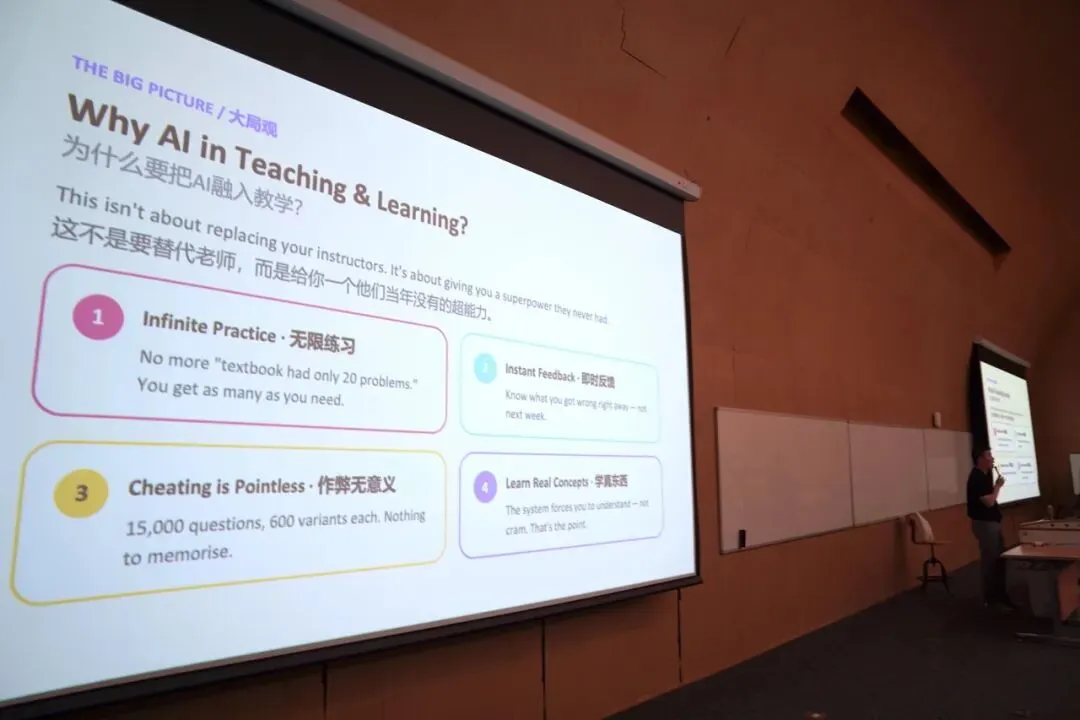
Dr. Kun Zhang also discussed the considerations behind introducing the AI question banks. Compared with a limited number of fixed exercises, large-scale question banks can provide students with a wider range of practice opportunities and allow them to test whether they genuinely understand the relevant concepts through different variants.
Because a single base question template can generate many variants, simply memorising the answer or a fixed procedure for one particular question is not sufficient for tackling subsequent problems effectively. Students need to understand the mathematical expressions, consider which relevant results may apply, check the conditions under which those results can be used, explore different approaches, and justify their reasoning.
Dr. Kun Zhang encouraged students not to focus only on whether their final answer is correct, but also on whether their reasoning is clear and whether they have developed a coherent framework of understanding. Although different variants may look different on the surface, they often assess the same underlying concepts. Truly understanding the mathematics behind one problem can therefore help students develop the ability to tackle a wider range of related problems.
From using the question banks to helping improve them
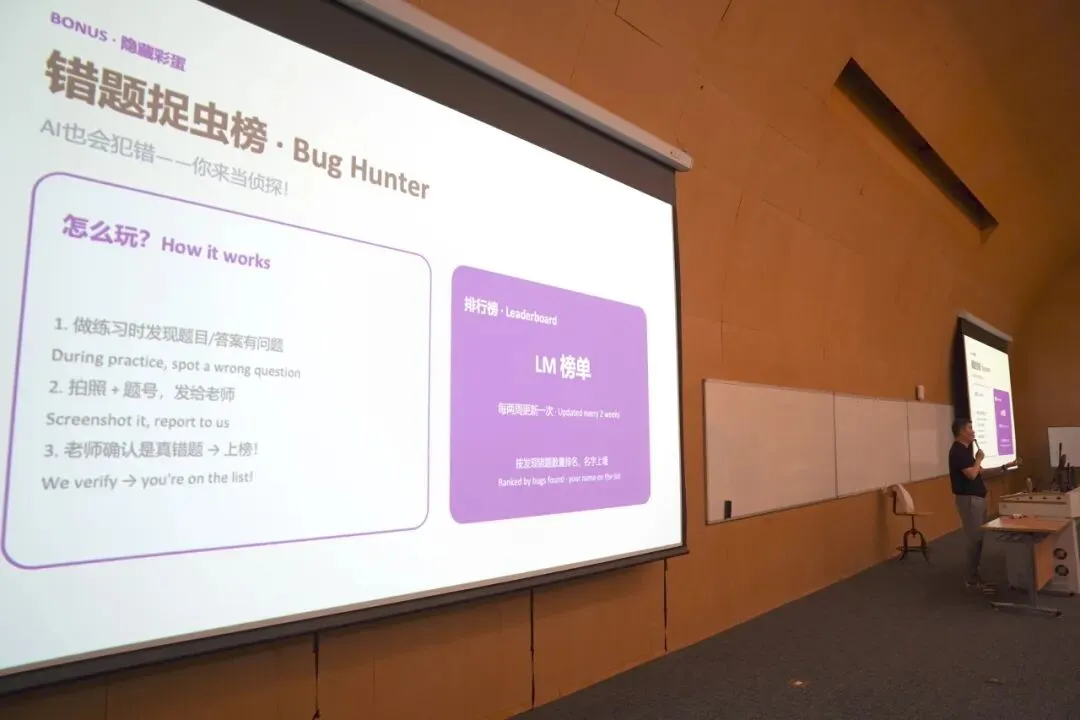
In addition to receiving feedback through practice, the modules have introduced a “Bug Hunter” mechanism, encouraging students to identify and report possible problems in the question banks. For each bug verified by the teaching team, the first student to submit a valid report will be recognised on the Bug Hunter leader board..
Through this mechanism, students are not only users of the question banks but also contribute to their ongoing quality assurance. The teaching teams can also use feedback collected during the practice process to further verify and refine the question banks.
The event concluded with a Q&A session by Dr. Kun Zhang and Dr. Yi Wang, module leaders of MTH026 and 028. They responded to students’ questions about the practice arrangements, assessment format and use of the question banks. The session also introduced the basic arrangements for the examination system and practice quizzes, with detailed instructions and further information to be released through the module platforms.
By Qinru Liu