ARTICLE · 1206171
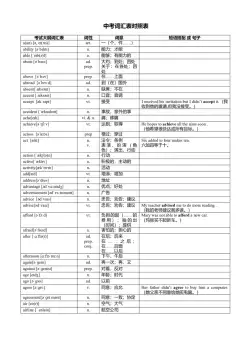
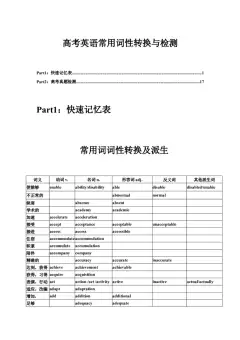
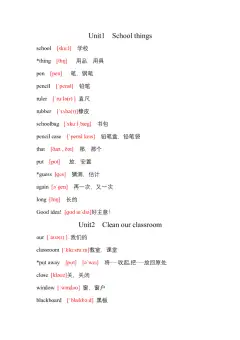
高考英语考纲词汇 M-O(带序号|单词|音标|词性|释义|变形&派生词|高考例句(中英))
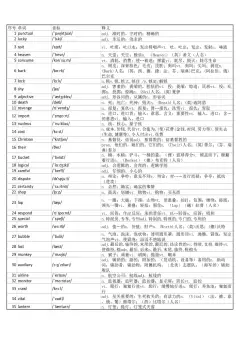
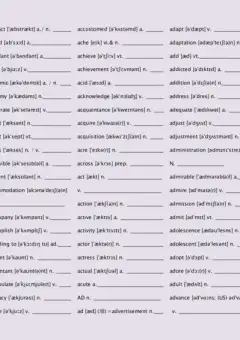
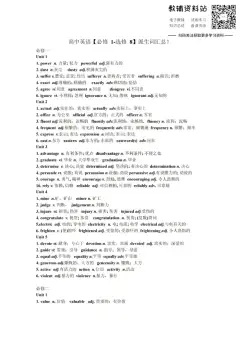
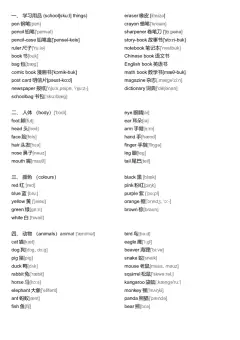
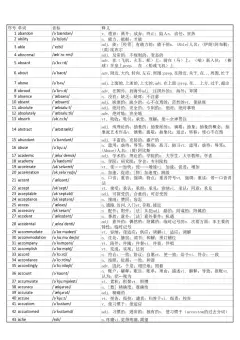
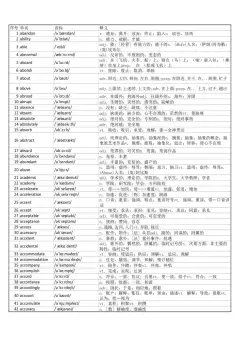
高考英语考纲词汇 M-O(带序号|单词|音标|词性|释义|变形&派生词|高考例句(中英))main|/meɪn/|adj.|主要的;最重要的|mainly adv.主要地;major adj.重大的|The main reason for his success is hard work. 他成功的主要原因是勤奋。 major|/ˈmeɪdʒə(r)/|adj./n.|主要的;重大的;专业|majority n.大多数|She chose English as her major at college. 她在大学选择英语作为专业。 make|/meɪk/|vt.|制造;使得;成为|made(过去式/过去分词);maker n.制造者|We should make full use of our spare time. 我们应当充分利用业余时间。 manage|/ˈmænɪdʒ/|v.|管理;设法做成|management n.管理;manager n.经理|He managed to pass the difficult exam. 他成功通过了这次很难的考试。 manner|/ˈmænə(r)/|n.|方式;态度;礼貌|manners n.礼仪|You should speak in a polite manner. 你应当用礼貌的方式说话。 mark|/mɑːk/|n./v.|标记;分数;做标记|marked adj.显著的|She got high marks in the final examination. 她期末考试取得了高分。 master|/ˈmɑːstə(r)/|n./vt.|主人;大师;精通|mastery n.掌握|It takes years to master a foreign language. 精通一门外语需要数年时间。 match|/mætʃ/|n./v.|比赛;匹配;相称|matching adj.相配的|The colour of your coat does not match your trousers. 你外套的颜色和裤子不相配。 mean|/miːn/|v./adj.|意思是;意味着;吝啬的|meant(过去式/过去分词);meaning n.含义|Missing the train means waiting for another hour. 错过这趟火车意味着再等一小时。 measure|/ˈmeʒə(r)/|n./v.|措施;测量|measurement n.测量尺寸|We must take effective measures to protect the environment. 我们必须采取有效措施保护环境。 meet|/miːt/|v.|遇见;满足;会面|met(过去式/过去分词);meeting n.会议|The school must meet the needs of its students. 学校必须满足学生的需求。 mention|/ˈmenʃn/|vt./n.|提到;说起|unmentionable adj.不宜提及的|Don’t mention this problem to anyone else. 不要向其他人提起这个问题。 method|/ˈmeθəd/|n.|方法;办法|methodical adj.有条理的|This teaching method is popular among teachers. 这种教学方法很受老师们欢迎。 mind|/maɪnd/|n./v.|头脑;介意|mindful adj.留意的;mindless adj.不用心的|Would you mind opening the window? 你介意打开窗户吗? miss|/mɪs/|v.|错过;想念;丢失|missing adj.失踪的;丢失的|I missed the early bus this morning. 今早我错过了早班车。 mix|/mɪks/|v.|混合;调配|mixture n.混合物;mixed adj.混合的|Oil does not mix with water. 油不能和水混合。 model|/ˈmɒdl/|n.|模型;榜样;模特|modelling n.建模|He is a model student in our class. 他是我们班的模范学生。 modern|/ˈmɒdn/|adj.|现代的;近代的|modernize v.使现代化|Modern technology changes our life greatly. 现代科技极大改变了我们的生活。 moment|/ˈməʊmənt/|n.|时刻;瞬间|momentary adj.短暂的|Please wait for me for a moment. 请稍等我一会儿。 monitor|/ˈmɒnɪtə(r)/|n./v.|班长;监控器;监测|monitoring n.监测|The doctors will monitor his health condition carefully. 医生将会密切监测他的健康状况。 moral|/ˈmɒrəl/|adj./n.|道德的;寓意|morality n.道德;morally adv.道德上|We should stick to moral principles. 我们应当坚守道德准则。 move|/muːv/|v./n.|移动;搬家;感动|movement n.运动;moved adj.感动的|The story moved every reader deeply. 这个故事深深打动了每一位读者。 much|/mʌtʃ/|adj./adv.|许多;非常|more(比较级);most(最高级)|He feels much better today. 他今天感觉好多了。 multiply|/ˈmʌltɪplaɪ/|v.|乘;大量增加|multiplication n.乘法|The problems have multiplied in recent years. 近年来问题大量增多。 must|/mʌst/|modal v.|必须;一定|mustn’t 禁止|You must finish your homework before dinner. 你必须晚饭前完成作业。 name|/neɪm/|n./vt.|名字;命名|namely adv.也就是|They named their new baby Tom. 他们给新生婴儿取名汤姆。 narrow|/ˈnærəʊ/|adj./v.|狭窄的;(使)缩小|narrowly adv.勉强地;狭窄地|The road is too narrow for two cars to pass. 这条路太窄,两辆车无法同时通过。 nation|/ˈneɪʃn/|n.|国家;民族|national adj.国家的;nationality n.国籍|The whole nation celebrated the great event. 全国人民庆祝这一重大事件。 native|/ˈneɪtɪv/|adj./n.|本土的;本地人|native speaker 母语使用者|He is a native of this small town. 他是这个小镇本地人。 natural|/ˈnætʃrəl/|adj.|自然的;天生的|nature n.自然;naturally adv.自然地|It is natural for young people to want to explore the world. 年轻人想要探索世界是很自然的事。 near|/nɪə(r)/|prep./adj.|在附近;接近|nearby adj./adv.附近(的);nearly adv.几乎|The Spring Festival is drawing near. 春节即将来临。 necessary|/ˈnesəsəri/|adj.|必要的;必需的|necessity n.必需品;necessarily adv.必定|It is necessary for us to learn a second language. 掌握第二语言对我们来说很有必要。 need|/niːd/|v./n.|需要;需求|necessary adj.必需的|The plants need plenty of sunshine and water. 植物需要充足的阳光和水分。 neglect|/nɪˈɡlekt/|vt./n.|忽略;忽视|neglectful adj.疏忽的|Don’t neglect your physical exercise. 不要忽视体育锻炼。 nerve|/nɜːv/|n.|神经;勇气|nervous adj.紧张的|She felt nervous before the final competition. 在决赛之前她感到紧张。 normal|/ˈnɔːml/|adj./n.|正常的;常态|normally adv.正常地;abnormal adj.反常的|Everything is back to normal after the storm. 暴风雨过后一切恢复正常。 note|/nəʊt/|n./vt.|笔记;注释;注意|notebook n.笔记本|Please take notes carefully in class. 上课请认真记笔记。 notice|/ˈnəʊtɪs/|n./v.|通知;注意到|noticeable adj.明显的|I noticed him enter the office just now. 刚才我注意到他走进了办公室。 novel|/ˈnɒvl/|n./adj.|长篇小说;新颖的|novelist n.小说家|This is a novel idea for the project. 对于这个项目来说这是一个新颖的想法。 now|/naʊ/|adv.|现在|nowadays adv.如今|Nowadays more people choose to work online. 如今更多人选择线上工作。 obey|/əʊˈbeɪ/|v.|服从;遵守|disobey v.不服从|Everyone must obey the traffic rules. 所有人都必须遵守交通规则。 object|n. /ˈɒbdʒɪkt/;v. /əbˈdʒekt/|n./v.|物体;目标;反对|objection n.反对|Many people object to this new plan. 很多人反对这项新方案。 observe|/əbˈzɜːv/|v.|观察;遵守;庆祝|observation n.观察;observer n.观察者|Scientists observe the behaviour of animals. 科学家观察动物的行为。 obtain|/əbˈteɪn/|vt.|获得;得到|obtainable adj.可得到的|You can obtain more information from the website. 你可以从网站获取更多信息。 obvious|/ˈɒbviəs/|adj.|明显的;显而易见的|obviously adv.明显地|It is obvious that he has made a big mistake. 很明显他犯了一个严重的错误。 occupy|/ˈɒkjupaɪ/|vt.|占据;占用;使忙于|occupation n.职业;占有|Reading occupies most of my free time. 阅读占据了我大部分空闲时间。 occur|/əˈkɜː(r)/|vi.|发生;出现|occurred(过去式);occurrence n.事件|A traffic accident occurred on the highway yesterday. 昨天高速上发生了一场交通事故。 offer|/ˈɒfə(r)/|v./n.|提供;主动提出|offering n.提供物|He offered to help me with my heavy box. 他主动提出帮我搬重箱子。 operate|/ˈɒpəreɪt/|v.|操作;运转;做手术|operation n.手术;operator n.操作员|The machine operates well in cold weather. 这台机器在寒冷天气运转良好。 opinion|/əˈpɪnjən/|n.|观点;看法|opinionated adj.固执己见的|In my opinion, we should carry out the plan at once. 在我看来,我们应当立刻执行这个计划。 oppose|/əˈpəʊz/|vt.|反对|opposite adj.相反的;opposition n.反对|Most citizens oppose building a factory here. 大部分市民反对在这里建厂。 option|/ˈɒpʃn/|n.|选择;选项|optional adj.可选择的;选修的|We have no option but to wait. 我们别无选择只能等待。 order|/ˈɔːdə(r)/|n./v.|顺序;订单;命令|orderly adj.有序的|Please keep the library in good order. 请保持图书馆井然有序。 origin|/ˈɒrɪdʒɪn/|n.|起源;源头|original adj.原来的;originate v.起源于|The origin of this custom remains unknown. 这个习俗的起源仍然无人知晓。 otherwise|/ˈʌðəwaɪz/|adv./conj.|否则;除此之外|none|Hurry up, otherwise you will miss the train. 快点,否则你会错过火车。 overcome|/ˌəʊvəˈkʌm/|vt.|克服;战胜|overcame(过去式)|We should overcome all kinds of difficulties. 我们应当克服各种各样的困难。 owe|/əʊ/|vt.|欠;归功于|owing adj.未付的|I owe my success to my teachers and parents. 我的成功归功于我的老师和父母。 own|/əʊn/|adj./v.|自己的;拥有|owner n.主人;ownership n.所有权|He owns a large house in the countryside. 他在乡下拥有一栋大房子。