ARTICLE · 1213906
[初中英语][365磨耳朵系列] 1020 Little Hanna & the Piano
为什么选择“每日磨耳朵”?
初高中英语 · 阅读提升系列
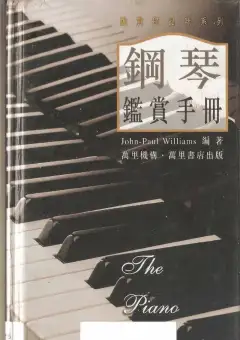
Little Hannah and the Piano
Small hands, big dreams · 小汉娜与钢琴
原文精读 · 首字母填空(10题)· 答案解析 · 知识扩展
PART 1📖 原文欣赏 · Original Text
Little Hannah and the Piano
Small hands, big dreams · 小手也有大梦想
The piano teacher frowned at Hannah. She had such little hands that it seemed that she would not be able to play the piano.
He always asked the students who came to his school why they wanted to play. Most said, "My parents want me to take lessons," or, "I don't know."
But when he asked little Hannah, she looked at him and smiled. "Bach's minuet in D Minor," she said.
At that moment, the piano teacher knew that she was a special little girl. He agreed to take her on as his special student.
His name was Mr. Fillipov, and he spoke with a thick Russian accent. In spite of the accent, they were able to understand each other. And best of all, they both loved Bach.
Every Tuesday night, Hannah went with her father to Mr. Fillipov's house. She practised for hours.
She could play very quickly, but she had trouble playing the notes that were far apart on the keyboard.
Finally, the day came for her to play her piece in front of an audience. She played it perfectly, until the spot where she had to reach with her short little fingers. She couldn't do it, and she made many mistakes. To her, it sounded terrible.
She was so sad that she gave up on the piano. A year passed and she didn't play a single note. Then one day, her cat jumped on the keyboard and Hannah moved him off. She stroked the keys with her fingers, and then tried to play the piece that had been so impossible. Suddenly, she realized that she could reach the notes. Little Hannah's hands had grown! Not much, but enough.
She immediately called Mr. Fillipov. "I can reach!" she yelled. "I can reach!" From that moment on, there was no stopping Hannah. She played and practised every day, and now she's an excellent piano player.
She's not the best in the world. She's not a star. But she can play Bach's minuet in D Minor. And to Hannah, that's fantastic.
PART 2✏️ 首字母填空 · Fill in the Blanks
【题目说明】 阅读下面的短文,根据语境和所给首字母,在每个空白处填入一个完整单词(每空一词)。共 10 题,请独立完成后再核对答案。
Little Hannah and the Piano — Small hands, big dreams
The piano teacher f(1)__________ at Hannah. She had such little hands that it seemed that she would not be able to play the piano.
He always asked the students who came to his school why they wanted to play. Most said, "My parents want me to take l(2)__________," or, "I don't know."
But when he asked little Hannah, she looked at him and smiled. "Bach's m(3)__________ in D Minor," she said.
At that moment, the piano teacher knew that she was a special little girl. He agreed to take her on as his special student.
His name was Mr. Fillipov, and he spoke with a thick Russian a(4)__________. In spite of the accent, they were able to understand each other. And best of all, they both loved Bach.
Every Tuesday night, Hannah went with her father to Mr. Fillipov's house. She p(5)__________ for hours.
She could play very quickly, but she had trouble playing the notes that were far apart on the keyboard.
Finally, the day came for her to play her piece in front of an a(6)__________. She played it p(7)__________, until the spot where she had to reach with her short little fingers. She couldn't do it, and she made many mistakes. To her, it sounded terrible.
She was so sad that she gave up on the piano. A year passed and she didn't play a single note. Then one day, her cat jumped on the keyboard and Hannah moved him off. She s(8)__________ the keys with her fingers, and then tried to play the piece that had been so i(9)__________. Suddenly, she realized that she could reach the notes. Little Hannah's hands had grown! Not much, but enough.
She immediately called Mr. Fillipov. "I can reach!" she yelled. "I can reach!" From that moment on, there was no stopping Hannah. She played and practised every day, and now she's an e(10)__________ piano player.
She's not the best in the world. She's not a star. But she can play Bach's minuet in D Minor. And to Hannah, that's fantastic.
PART 3✅ 答案解析 · Answer Keys
1frownedv. 皱眉(过去式)
The piano teacher frowned at Hannah.
frown (v.) 皱眉 → frowned 为过去式。frown at sb. 意为「对某人皱眉」。开篇一个皱眉的表情,写出色老师对这双小手的怀疑。
2lessonsn. 课程;课(复数)
"My parents want me to take lessons," or, "I don't know."
take lessons 意为「上课;学琴」。多数学生学琴的理由是「父母让我学」——为后文汉娜的回答做铺垫和对比。
3minuetn. 小步舞曲
"Bach's minuet in D Minor," she said.
minuet (n.) 小步舞曲,源于法国宫廷的三拍子舞曲。别的孩子说不出原因,汉娜却直接报出想弹的曲子——热爱一目了然。
4accentn. 口音;腔调
His name was Mr. Fillipov, and he spoke with a thick Russian accent.
accent (n.) 口音。thick accent 意为「浓重的口音」。in spite of the accent 尽管有口音障碍,师生仍能心意相通。
5practisedv. 练习(过去式,英式拼写)
Every Tuesday night, Hannah went with her father to Mr. Fillipov's house. She practised for hours.
practise (v.) 练习(英式拼写,美式为 practice;名词两种拼法都用 practice)。practise for hours 一练几个小时,坚持的画面感全靠这个动词。
6audiencen. 观众;听众
Finally, the day came for her to play her piece in front of an audience.
audience (n.) 观众。in front of an audience 意为「在观众面前」。登台演奏是学琴者的第一次大考。
7perfectlyadv. 完美地;完全地
She played it perfectly, until the spot where she had to reach with her short little fingers.
perfect (adj.) 完美的 → perfectly (adv.)。perfectly 与后面的 many mistakes 形成反转:完美直到需要够到远处琴键的那一刻。
8strokedv. 轻抚;抚摸(过去式)
She stroked the keys with her fingers, and then tried to play the piece...
stroke (v.) 轻抚 → stroked 为过去式。一只猫无意间把她带回琴凳,轻抚琴键的动作写出了她重新靠近钢琴的温柔与忐忑。
9impossibleadj. 不可能的
...tried to play the piece that had been so impossible.
im-(否定前缀)+ possible → impossible。impossible 作后置定语修饰 piece。曾经「不可能的曲子」,如今的手已经够得着。
10excellentadj. 优秀的;出色的
She played and practised every day, and now she's an excellent piano player.
excellent (adj.) 优秀的。结尾的诚实:她不是明星,却已是出色的琴手——因为衡量标准是她自己定下的那首巴赫。
PART 4📚 知识扩展 · Knowledge Extension
📌 重点单词 · Key Vocabulary
🔗 重点词组 · Key Phrases
💡 语法小贴士 · Grammar Tips
🎹 文化拓展 · Why Do You Want to Play?
文中的曲子出自巴赫(《安娜·玛格达莱娜·巴赫的笔记本》),是全世界琴童几乎人手一首的「入门必弹」。巴赫(1685-1750)是巴洛克时期德国作曲家、管风琴家,被誉为「西方音乐之父」。有趣的是,这首小品在他生前默默无闻,却成了两百多年来无数孩子按下人生第一批琴键的地方。
小步舞曲(minuet)起源于 17 世纪法国乡村,后被路易十四带入宫廷,成为优雅的三拍子舞曲。它节奏从容、句法工整,特别适合训练手指的独立性与乐句感——也许这正是汉娜一眼认定它的原因。
这个故事真正动人的地方,是它对「为什么学琴」的回答。老师问的不是「你想不想学」,而是「你为什么想弹」——多数孩子答不上来,汉娜却报出了一首具体的曲子。热爱从来不是一句口号,而是能叫出名字的目标。至于那只跳上琴键的猫,生活里许多「重返」,往往就始于这样一次不经意的巧合。
— END —
不是每个孩子都要成为明星,但每个孩子都值得弹完自己的巴赫 🎹
获取音频下载链接
第一步:复制下面的关键词
磨耳朵1020
第二步:点击下方卡片,进入本公众号
第三步:发送关键词,即可免费领取