ARTICLE · 1225550
小学英语常见的“时间、年、月、日”表达,给孩子存下
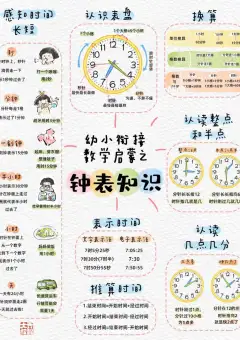
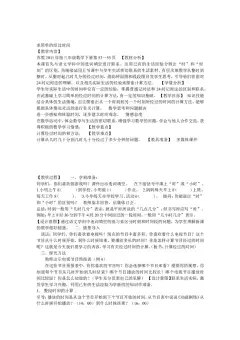
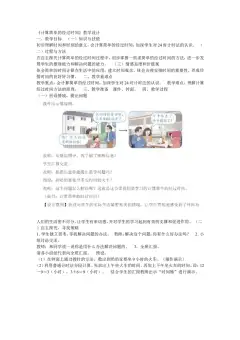
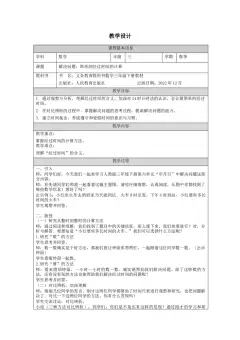
小学英语时间表达第一种,表示整点,用o'clock. 4:00 four o'clock 9:00 nine o'clock 第二种,表示半点,用 half past. 1:30 half past one 3:30 half past three 第三种,几点过了几分钟,一般是30分钟以内的,用:分 past 时 7:10 ten past seven 7:15 fifteen past seven,也可以用a quarter past seven 第四种,差几分钟到几点,一般是30分钟以上的,用:分 to 下一个小时 6:40,差20分钟到7点,twenty to seven 6:45,意思是:差15分钟到7点,fifteen to seven,也可以用a quarter to seven
(最特别的序数词 红色字体结尾 :one-- first ; two -- second ;three -- third 其他由th结尾,如: four--forth ;five-- fifth ; six--sixth 等等)
|
1. 所有的时间都可以用【小时 + 分钟】直接读 6:10 six ten 8:30 eight thirty 2:40 two forty 2. 如果所表述的时间在半小时之内,可以用【分钟 + past + 小时】 6:10 ten past six 4:20 twenty past four 10:25 twenty-five past ten 3. 如果所表述的时间在半小时之外,可以用【(相差的)分钟 + to + (下一)小时】 10:35 twenty-five to eleven 5:50 ten to six 9:49 eleven to ten 4. 如果所表述的时间恰好为半小时,可以用【half + past + 小时】 11:30 half past eleven 2:30 half past two 5. 如果所表述的分钟和15有关,就有三种表达法 (15分钟又叫一刻钟:a quarter) 9:15 nine fifteen ; fifteen past nine ; a quarter past nine 3:45 three forty-five ; fifteen to four ; a quarter to four 6. 整点的表达 It s two./It s two o clock. 现在是两点整。 (另外英语中的 noon 和 midnight 可分别直接表示白天和夜晚的12点) 现在是中午十二点。 It s (twelve) noon. 现在是半夜零点。 It s (twelve) midnight. 7. 大约时间 It s almost two. 马上到两点了。 It s not quite two. 还不到两点。 It s just after two. 刚过两点。 8. 若想表明是上午,可在时间后加上a.m.;同理,下午加p.m. thirteen past six a.m. 上午六点十三分。 four o clock p.m. 下午四点。 练一练 现在九点四十五分! It s nine forty-five. =It s a quarter to ten. 现在两点十七分! It s two seventeen. =It s seventeen past two. 现在三点钟! It s three. =It s three o clock. 现在九点半! It s nine thirty. =It s half past nine. 现在六点十五分! It s six fifteen. =It s a quarter past six. 现在三点五十分! It s three fifty. =It s ten to four. |
1. 世纪 ① 用“定冠词+序数词+century”表示 例:在十七世纪 写作:in the 17th century 读作:in the seventeenth century ② 用“定冠词+百位进数+s”表示 例:在十七世纪 写作:in the 1600s 读作:in the sixteen hundreds (注意:这种情况下,实际表达的世纪数是阿拉伯数字本身加一) 2. 年代 ① 用“定冠词+(世纪百位进数+十位年代数)+s”表示 例:在二十世纪三十年代 写作:in the 1930s 读作:in the thirties of the twentieth century in the nineteen thirties ② 表示某年代的早期、中期和晚期,可以在定冠词后添加early, mid-和late 在二十世纪二十年代早期 in the early 1920s 在二十世纪五十年代中期 in the mid-1950s 3. 年月日 (1)年份 ① 读年份时一般分为两个单位来读,前两个数为一个,后两个数为一个: 1949 读作:nineteen forty-nine nineteen hundred and forty-nine ② 如果是三位数,先读第一位,再把后两个数合起来读: 253 读作:two fifty-three two hundred and fifty-three ③ 另外: 2000 读作:two thousand 1902 读作:nineteen hundred and two nineteen o two ④ 如果要使用year,year放在数词之前: in the year two fifty-three B.C. 在公元前253年 (2)月份 月份是专有名词,除了少数几个月份外都有缩写形式: January Jan. 一月 February Feb. 二月 March Mar. 三月 April Apr. 四月 August Aug. 八月 September Sept. 九月 October Oct. 十月 November Nov. 十一月 December Dec. 十二月 (注意:缩写形式后面的点不能省略,因为它是表示缩写形式的符号) (3)日期: 用序数词表示 例:十月一日 写作:October 1, October 1st, 1 October, 1st October, (the) 1st of October等,其中的October都可以写成缩写形式Oct. 读作:October the first the first of October (4)年月日 ① 月日年 例:2002年1月17日 写作:January 17(th), 2002 January seventeenth, 2002 读作:January the seventeenth,two thousand and two ② 日月年 例:2002年1月17日 写作:17(th) January, 2002 the seventeenth of January, 2002 读作:the seventeenth of January, two thousand and two 4. 介词的使用 若指在哪一年或哪一月,用介词in; 若具体到某一天,需用介词on。 She was born in 1989. She was born in August. She was born in August 1989. She was born on 2nd August, 1989. |
——END——
——END——
——END——
往期学习: