ARTICLE · 1397945
冀教版高中英语必修第二册Unit 5 Save the Planet课文听力音频
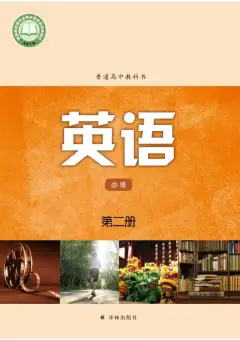
冀教版·高中英语 必修第二册

课文原文:Unit 5·SAVE THE PLANET
We Have Only One Planet
[01] Our Demands Go beyond What Our Planet Can Provide We need 1.5 Earths to meet the demands we currently make of our planet. Caring for the Earth is not just a romantic idea. People from all walks of life are now gathering to protest developments that poison the Earth, and declare their support for ideas that put the well-being of our planet first. Many fear that without change, we will one day turn our planet into a desert where not even an insect can survive.
[02] Environmental Changes Affect All of Us The way we meet our needs today PRODUCTION AVAILABILITY is the very opposite of long-term development. Humans’ well-being – indeed, our very existence – depends on healthy ecosystems and the resources they supply: clean water, a livable climate, food, fuel, and rich earth. The challenge of providing everyone with the food, water, CROPS and energy is already a worrying
[03] future, and the human population is projected to increase to over 9 billion by 2050. Therefore, protecting nature and using its resources responsibly are necessities for human development and well-being, and for building healthy communities.
[04]Our Demands on Nature Keep Increasing We cut down trees faster than they can grow, we catch more fish than the ocean can supply, and we release more into the air than the forests and oceans can take in. carbon In 2014, we used more natural resources in 8 months than the planet can produce in 12 months. For the rest of the year, we borrowed resources from future generations.
[05] Due to the links between food, water, and energy safety, overusing one resource will cause a chain reaction. This interdependence means that efforts to protect one resource can weaken others. Attempts to improve agricultural productivity, for example, may lead to an increased demand for water and energy, affecting the ecosystem.
[06] It’s a cycle: The way we meet our needs affects the health of ecosystems, and the health of ecosystems affects our ability to meet these needs in turn. This applies equally to the poorest rural communities, which often rely directly on nature for their livelihoods, and the world’s great cities, which are easily threatened by problems like flood and pollution resulting from environmental damage. This rings the alarm for human beings.
[07] Better Choices Can Be Made and Practical Solutions Do Exist With so many people living in poor conditions at present, it may appear as though protecting nature is a luxury. But it is quite the opposite. For many of the world’s poorest people, nature is a lifeline. More importantly though, we are all in this together. The problem is not external to anyone. We all need nutritious food, fresh water, and clean air – no matter where in the world we live.
[08] Fortunately, technology is rapidly nowadays. Progress has been made in recent years in FROM A ONE-PLANET measuring the financial value of the natural capital that strengthens our economies and societies. Meanwhile, WWF’s “One-Planet Perspective” gives better choices for managing, using, and sharing natural resources within the planet’s limits.
[09] The task is difficult, certainly, but not impossible – because it is in ourselves, who have caused the problem, that we can find the solution and start a new chapter in our long-term development.
地球不需要我们拯救,我们需要学会与自然相处
冀教版必修二 Unit 5 课文解读
主题:拯救地球:每个人的责任
一、写在前面:一个只有一次的家园
The earth does not belong to us; we belong to the earth.
气候变化、环境污染、物种灭绝、资源枯竭——这些听起来宏大的词汇,其实与每个人的生活息息相关。我们呼吸的空气、饮用的水、脚下的土地,都在悄悄发生改变。
本单元以 Save the Planet 为主题,把环保意识带入英语课堂,引导学生思考人与自然的关系,并付诸实际行动。
二、主题深读:从意识到行动的跨越
教材介绍环境问题的成因与后果,学习相关词汇,如 pollution(污染)、climate(气候)、recycle(回收)、sustainable(可持续的)、carbon footprint(碳足迹)等。阅读与听力材料涵盖节能减排、垃圾分类、绿色出行等具体做法。
单元最可贵之处,在于它不满足于唤起“担忧”,而是引导到“我能做什么”。个人的微小行动——随手关灯、少用塑料袋、绿色出行——汇聚起来就是改变世界的力量。这种“从意识到行动”的设计,培养了学生的责任感与效能感。
从价值层面看,本单元呼应“绿水青山就是金山银山”的理念,引导学生树立人与自然和谐共生的价值观,理解可持续发展的深刻内涵。这也是英语学科育人功能的生动体现。
三、核心词汇与地道表达
environment n. 环境;
pollution n. 污染;
climate n. 气候;
recycle v. 回收利用;
protect v. 保护;
sustainable adj. 可持续的;
waste n.&v. 浪费;
global warming 全球变暖;
carbon footprint 碳足迹;
cut down on 减少;
throw away 扔掉;
do one's part 尽自己的一份力;
live a green life 过绿色生活;
试着写一份“我的低碳生活清单”,把这些表达用起来。
四、原创主题微阅读|A Small Habit
I used to think saving the planet was someone else's job—governments, scientists, big companies. What could one teenager possibly do? Then I learned about the idea of a 'carbon footprint.' I started small: I carried a reusable water bottle, turned off lights when I left a room, and walked to school instead of taking a car. None of it felt heroic. But a year later, I calculated that I had avoided hundreds of plastic bottles and quite a bit of fuel. That was when it clicked: the planet is not saved by a few heroes doing everything, but by millions of ordinary people doing a little. Small habits, multiplied by millions, become a force that changes the world.
五、微阅读中文译文
我曾经以为,拯救地球是别人的事——政府、科学家、大公司。一个青少年能做什么呢?后来我了解到了“碳足迹”这个概念。我从小事做起:随身带可重复使用的水杯,离开房间时随手关灯,走路而不是坐车上学的路上学。这些事都算不上英雄壮举。但一年后,我算了一下,我少用了几百个塑料瓶,也省下了不少燃料。那一刻我恍然大悟:地球不是靠少数英雄做尽一切来拯救的,而是靠数以百万计的普通人各做一点。微小的习惯,乘以百万,就成为改变世界的力量。
六、读后思考
1. 你身边有哪些浪费资源的现象?可以如何改进?
2. “每个人都能为环保出一分力”,你认同吗?举一个你自己的例子。
3. 用英语写出三条你打算坚持的绿色生活习惯。