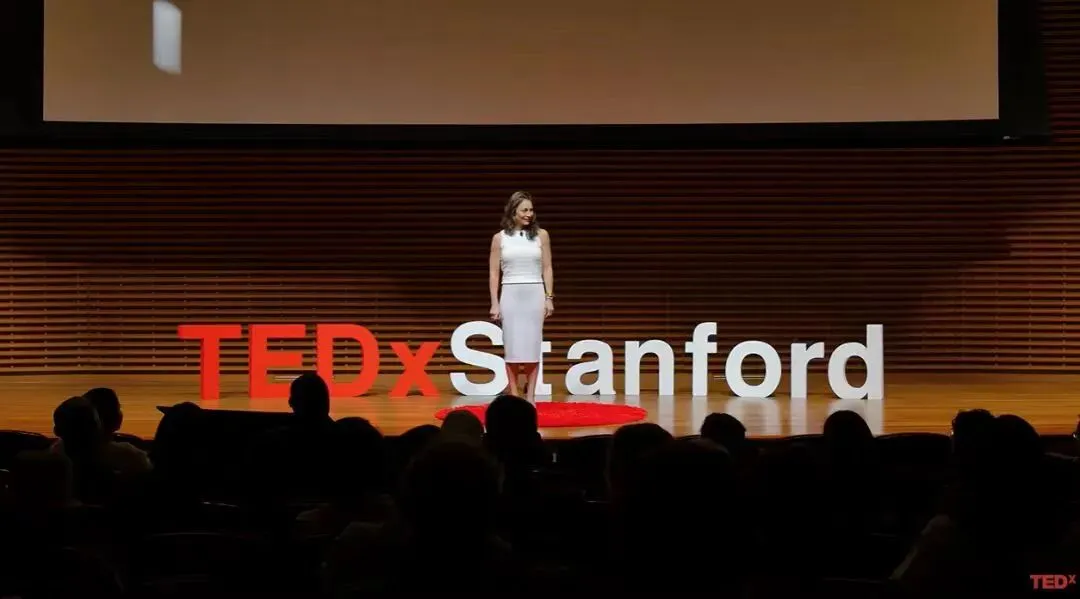
Sol Rashidi is the world's first Chief AI Officer (CAIO). She holds a Bachelor of Science in Industrial and Systems Engineering from the University of Southern California and an MBA from Northwestern University's Kellogg School of Management. With nearly two decades of experience in data, advanced analytics, and artificial intelligence, she is a seasoned executive who has served as Chief Data and Analytics Officer at The Estée Lauder Companies, Chief Data Officer at IBM (where she was on the ground for the launch of Watson), and has led analytics strategies at companies such as Sony Music and Merck. She holds multiple patents and is the author of Your AI Survival Guide. Bringing together deep technical expertise and strategic business vision through a career that spans from hands-on practitioner to the C-suite, she is dedicated to driving enterprise-level innovation and transformation through AI.索尔·拉希迪(Sol Rashidi)是全球首位首席人工智能官(CAIO)。她毕业于南加州大学,获工业与系统工程学士学位,并拥有西北大学凯洛格商学院工商管理硕士(MBA)学位。作为在数据、高级分析和人工智能领域拥有近二十年经验的资深高管,她曾担任雅诗兰黛公司首席数据与分析官、IBM首席数据官(期间亲历Watson上市),并在索尼音乐、默克等企业主导分析策略。她拥有多项专利,著有《Your AI Survival Guide》一书,以其从一线实践到C级高管的完整经历,融合技术深度与商业战略视野,专注于利用AI推动企业级创新与转型。Imagine waking up one day and not being able to tell the difference between your work and that of a machine. Not your boss, not your customers, not even you can tell the difference. Because the way we're going with artificial intelligence and based on its current capabilities, it can solve some really complex business problems through data analysis and reasoning. It can generate creative content that some say rivals human ingenuity. It can even adapt in real time, which frankly most of us struggle with. Now, many think that artificial intelligence is remarkable, and I'm one of them. It's pretty crazy what these advancements are right now, but I'm not here to celebrate AI's achievements. I'm actually here to warn you—to talk about something that's happening to us as individuals, as a society, and as a community, that we're not talking about yet. But we'll get to that later.想象一下,某天醒来,你竟无法分辨自己的工作与机器的产出有何不同。你的老板分不清,你的客户分不清,就连你自己也分不清。因为,以人工智能目前的发展势头和现有能力,它已经可以通过数据分析与推理,解决一些极其复杂的商业问题;它可以生成据说能与人类创造力相媲美的创意内容;它甚至可以实时适应——坦率地讲,这一点我们大多数人都难以做到。如今,许多人都认为人工智能了不起,我也是其中之一。当下的这些进步确实令人惊叹,但我来这里不是为了歌颂AI的成就。我其实是来警告各位的——来谈谈那件正在我们个人、社会和群体身上发生,而我们还没有正视的事。不过,这一点我们稍后再谈。What I do want to do is set some context for you all. Did you know that one in five Americans use some form of artificial intelligence? By the end of 2025, one billion people will be leveraging some form of artificial intelligence. That's an eighth of the world's population. AI can now match the intelligence of a college graduate or a third-year law associate, and get near-perfect scores on the MCAT, the LSAT, and the SAT. These are markers we use to determine human intelligence. So, have you thought lately about artificial intelligence leveling the playing field? Because everyone is technically one prompt away from a subject-matter expert who can help them do the work faster and cheaper, what is going to help you stand out? How will you be distinguishable? How are you going to differentiate yourself? Think about it.我此刻真正想做的是为各位铺垫一些背景。你们知道吗?每五个美国人当中,就有一人在使用某种形式的人工智能。到2025年底,全球将有十亿人使用某种形式的人工智能,这相当于世界人口的八分之一。如今,AI的智力已能与大学毕业生或从业三年的律师相当,并在医学院入学考试、法学院入学考试和学术能力评估测试中取得近乎满分的成绩。这些可都是我们用来衡量人类智识的标尺。那么,你们最近可曾想过,人工智能正在拉平竞争环境?既然从技术上讲,人人都只需一句提示,就能瞬间获得一位领域专家的协助,更快、更省钱地完成工作,那么,你又将凭借什么脱颖而出?你凭什么被识别出来?你又如何让自己与众不同?好好想想吧。There's no doubt that we live in a world of overreliance on technology. And now comes the adoption of AI. What's happening is that what we think is simplifying our lives is actually complicating our future. These short-term exchanges we're making for convenience are actually creating long-term disasters. Statistics say that by the end of this year, most of what we read, see, and experience will be either AI-powered or AI-generated. Think about that.毫无疑问,我们生活在一个过度依赖技术的世界里。如今,又迎来了AI的广泛采用。事实是,那些我们以为在简化生活的东西,实际上正在让我们的未来变得更加复杂。我们为求便利而做出的这些短期取舍,实则正在酿成长远的灾难。统计数据显示,到今年年底,我们所读到、看到和体验的大部分内容,都将由AI驱动或生成。请认真想一想。So if you use artificial intelligence to write for you, how do you keep your own voice from fading away? If you use artificial intelligence to think for you, are you giving yourself choices and options? If you use artificial intelligence to make decisions for you, how do you avoid losing your power and ability to discern? This—this is the real threat of artificial intelligence, and what I call intellectual atrophy. It is the slow, sneaky, silent erosion of our ability to think deeply, critically, and independently. These are the very things we need to stay cognitively strong and mentally agile—the things that power our ability to create, invent, and solve problems. If we don't correct our course, we will experience intellectual weakening while machines experience intellectual strengthening.那么,如果你让人工智能替你写作,你要如何防止自己的声音渐渐消失?如果你让人工智能替你思考,你还在给自己留有选择的余地吗?如果你让人工智能替你做决定,你如何避免丧失自己的判断力与辨别力?这——正是人工智能的真正威胁所在,我称之为“思维萎缩”。它是一种缓慢的、偷偷摸摸的、悄无声息的侵蚀,逐渐磨灭我们深度思考、批判性思考和独立思考的能力。而这些能力,恰恰是我们保持认知强健与心智敏捷所必需的——正是它们,驱动着我们去创造、去发明、去解决问题。如果我们不纠正航向,我们将经历思维的弱化,而机器则会经历思维的强化。My name is Sol Rashidi, and I was the world's first chief AI officer, appointed nearly a decade ago. I've been both a practitioner and a C-suite executive, and I've worked with some wonderful brands and Fortune 100 companies. My scope was always to build products and capabilities by leveraging advances in data, advanced analytics, robotics, and artificial intelligence. And boy, did we have fun. We built some really, really cool things. I'm very fortunate and grateful that, yes, I have patents and I've written a book, but the best part was that I was there when IBM launched Watson, and we took it to market. It was the first such product the world had ever seen in the workforce.我是索尔·拉希迪,近十年前被任命为全球首位首席人工智能官。我既是一名实践者,也是最高管理层的一员,曾与一些卓越的品牌和财富百强企业共事。我的职责,始终是利用数据、高级分析、机器人技术和人工智能的进步,来构建产品和能力。天哪,那真是太有意思了。我们打造了一些非常、非常酷的东西。我深感幸运,也满怀感激。没错,我拥有专利,还写了一本书,但最精彩的经历,是我亲历了IBM推出Watson,并把它推向市场。那是职场中人们前所未见的第一款此类产品。And now I'm here today, and this is what I'm seeing. For those of us in this space, we are experiencing whiplash because the pace of change and innovation is so fast that we can barely—barely—keep up with it. Then there are those who are dabbling in it. They are excited and in awe, and rightfully so. It's kind of cool. And then, of course, there are those who are simply avoiding it. They're overwhelmed, they don't know what it is, or they think it's not relevant to them. But what I'm here to tell you is this: whether you're leaning in, dabbling, or avoiding it, AI is here. AI has happened. The genie is out of the bottle. So we now have an opportunity to decide how we will leverage artificial intelligence for good—to amplify us, accelerate our genius, and enable our superpowers. We have a conscious choice today to make sure that artificial intelligence happens with us, and not to us.而今天,我站在这里,这就是我所看到的景象。对于我们这些身处这一领域的人来说,我们正经历着急速的冲击,因为变革和创新的步伐如此之快,我们几乎——几乎是跟不上。还有一些人正在浅尝此道,他们兴奋、惊叹,也理应如此,这确实挺酷的。当然,也有一些人干脆在回避。他们感到不堪重负,不知道这是什么,或者认为这与自己无关。但我此刻要告诉各位的是:无论你是全心投入、浅尝辄止,还是避而远之,AI已经来了。AI已经发生。精灵已经逃出了神灯。因此,我们现在拥有一个机会,去决定我们将如何把人工智能用于善途——用它来增强我们,加速我们的天赋,开启我们的超能力。今天,我们面临着一个清醒的选择:确保人工智能与我们同行,而不是凌驾于我们之上。And if you're still not convinced, let me share a recent example. I was working with a brand and partnering with its chief marketing officer. They were going to launch a very big product. So we were going to help them with their marketing strategy. We were going to use my four C's framework. Which customers are we going to market to? What's the cadence? What's the communication? And which channels? I assigned this task to two people on my team: a junior analyst and a senior analyst. The junior analyst had been out of school for about five or six years, so perhaps not junior—perhaps mid-level. The senior analyst had been out of school for about sixteen years. I gave them both the assignment. The junior analyst submitted his work within a week. Whoa. The senior analyst took three weeks. In the end, my leadership team and I reviewed both deliverables, and they were awesome. They were amazing—very well presented, with lots of great quotes, statistics, and facts—to the point where we almost thought we had a prodigy on our hands. Until we got into a room and started asking questions. Tell us about consumer behavior and consumer preferences. What's the market share like? What are the barriers to entry? The junior analyst did not have the answers to those questions. My senior analyst did, because she had learned. She had done the forensics and the research. So while both work products were beautiful and polished, one was superficial and the other had depth. As a leader who believes in these capabilities, I had to make the whole team aware and institute a new policy. Of course, leverage artificial intelligence and use it to execute your work, but you are not allowed to use it to do your work or think for you. One expedites; the other one does. There's a difference.如果你仍心存疑虑,容我分享一个近期的例子。我曾与一个品牌合作,和它的首席营销官携手。他们当时正要推出一款重磅产品。于是,我们准备帮助他们制定营销策略。我们将采用我的“四C”框架:我们要面向哪些客户进行营销?节奏是怎样的?传递什么信息?通过哪些渠道?我把这项任务分派给了团队中的两个人:一位初级分析师和一位高级分析师。那位初级分析师毕业大约五六年了,所以或许不算初级——也许该算中级了。那位高级分析师则已毕业大约十六年。我把同样的任务交给了他们俩。初级分析师不到一周就提交了成果。哇哦。高级分析师则用了三周时间。最后,我的领导团队和我一起审阅了这两份交付成果,都非常出色。精彩绝伦——展示得非常好,引用了许多精辟的引文、数据和事实——以至于我们差点以为自己手上多了一位天才。直到我们坐进会议室,开始提问。谈谈消费者行为和消费者偏好。市场份额如何?进入壁垒有哪些?那位初级分析师回答不上来。我的高级分析师却答得上来,因为她已经吃透了。她做过详尽的调查和深入的研究。所以,尽管两份工作成果都很漂亮、很精致,但一份流于表面,另一份则蕴藏深度。作为一名相信这些能力的领导者,我必须让整个团队都意识到这一点,并设立了一条新规。当然,要善用人工智能,借助它来执行你的工作,但决不允许用它来替你完成工作,或替你思考。一个是加速执行,一个是取而代之,这两者截然不同。So when you have the choice, whether you're leaning in or dabbling, do me a favor. Always prioritize prudence over pace, and comprehension over convenience. Do not outsource your critical thinking; outsource the tasks. Right now we are experiencing some form of intellectual atrophy, and the real threat of AI is the slow degradation of our ability to think creatively, of our craftsmanship, our comprehension, and our mastery. So what do we do about it?所以,当你拥有选择权的时候,无论你是全心投入还是浅尝辄止,请帮我个忙。永远把审慎放在速度之前,把理解放在便利之前。不要把你的批判性思维外包出去,外包那些具体任务就好。眼下,我们正在经历某种形式的思维萎缩,而人工智能的真正威胁,在于它对我们创造性思考能力、匠心技艺、理解力与精通程度的缓慢消磨。那么,我们该怎么办?First, master your craft. Take no shortcuts and settle for no superficial knowledge, because your future in the workforce over the next three to five years depends on your ability to leverage AI while truly knowing your field. That's where the magic happens. Think about Warren Buffett, one of the world's most famous billionaires. He spends 85 percent of his day reading. He doesn't outsource it to his team. He takes the time to learn, then applies what he has learned to his daily life and mental models. That keeps you cognitively resilient and strong.第一,精通你的技艺。不走捷径,不安于肤浅的认知,因为在未来三到五年,你在职场上的前景,取决于你能否在借助AI的同时,真正精通自己的领域。奇迹正是在那里发生的。想想沃伦·巴菲特,全球最著名的亿万富翁之一。他每天要花85%的时间来阅读。他并不把这件事交给团队代劳。他花时间去学习,然后把学到的东西应用到自己的日常生活和心智模型当中。这能让你的认知保持韧性与强健。Second, develop your cross-disciplinary strengths. Connect the dots where AI can't. Have you ever had an “aha” moment? Perhaps it came while you were running, lifting weights, or taking a shower. That is your subconscious and conscious mind connecting facts and information you have absorbed because you took the time to reflect and understand. And that “aha” moment is beautiful. AI can't do that. Steve Jobs did not invent the computer, but he revolutionized the way we interact with technology by combining multiple disciplines: technology, psychology, and product design.第二,发展你的跨学科优势。在AI做不到的地方,把那些点串联起来。你可曾有过那种“顿悟”的时刻?也许它是在你跑步、举重或淋浴的时候出现的。那是你的潜意识和显意识,在连接你吸收过的事实和信息,因为你曾花时间去反思、去理解。那样的“顿悟”时刻,妙不可言。AI做不到这一点。史蒂夫·乔布斯并没有发明电脑,但他融合了技术、心理学和产品设计等多个学科,彻底变革了我们与科技互动的方式。Third, be an AI collaborator, not an AI consumer. That means don't copy, paste, and immediately move on to the next task. Instead, use it as your first draft. I always tell my teams that it's easier to be an editor than an author. So if you're going to use artificial intelligence—and you should—I'm a big fan of it. Use it to create your first draft, then let your mind wander forward from there. That's what will strengthen your ability to stand apart.第三,做AI的协作者,而非消费者。这意味着不要复制、粘贴,然后马上赶赴下一项任务。相反,要把它当成你的初稿。我总对我的团队说,做编辑比当作者容易。所以,如果你要使用人工智能——而且你应该用,我是它的忠实拥趸——就让它来生成你的初稿,然后让你的思维从那里开始自由驰骋。那才是能增强你卓然独立之能力的方法。Fourth, keep humans in the decision-making loop. Never let AI be the sole decision-maker where it matters. AI is flawed just like us, but unlike us, its education came from the World Wide Web. As we all know, the web contains biased data, incorrect data, and conflicting data. Too much is at risk. And guess what? You can't question the results if you don't know your field. Have you ever had that feeling that something is off? It matters.第四,把人类保留在决策回路之中。在关键事务上,绝不让AI成为唯一的决策者。AI和我们一样存在缺陷,但与我们不同的是,它的学识来自万维网。众所周知,网络上充斥着偏见数据、错误数据和相互矛盾的数据。这其中的风险实在太大了。而且,你猜怎么着?如果你不了解自己的领域,就无法质疑它给出的结果。你可曾有过那种“有些不对劲”的感觉?那感觉至关重要。And fifth, choose to be remarkable. Not reliant or routine. What on earth does this mean? In the future, some individuals will use AI as a convenience tool, not as a comprehension tool. They will short-circuit and bypass the process of learning, understanding, comprehending, failing, and succeeding. With today's pace of change, will they really have a place in the future two or three years from now? Then there will be those who fall into the routine category. They know their field, but they never have enough time. They will use AI to speed up much of their work, but their routine will be copy, paste, and move on to the next thing. When hundreds, then thousands, then millions of people use AI to copy, paste, and move on to the next task, that work becomes routine. It's repeatable. It's redundant. It's not going to stand on its own. So instead, choose to be remarkable. And that means: do not be defined by AI. Use it to amplify your superpowers and your genius, not to replace or displace them. Use it to accelerate your thinking, but not to outsource your thinking.第五,选择成为一个卓越的人,而不是一个依赖工具的人,或一个循规蹈矩的人。这到底是什么意思?在未来,有些人会把AI当成一种便利工具,而不是理解工具。他们会走捷径,绕过学习、理解、领悟、失败和成功的过程。以当今变化的速度,两三年后,他们真的还会有立足之地吗?还会有另一类人,落入循规蹈矩的境地。他们熟悉自己的领域,但总也没有足够的时间。他们会用AI来加速大量工作,但他们的日常模式将是复制、粘贴,然后忙下一件事。当成百上千,继而千千万万的人都用AI来复制、粘贴,然后赶赴下一项任务时,那样的工作就变成了套路。它是可重复的,是多余的,其本身无法独树一帜。所以,不如选择做一个卓越的人。这意味着:不要被AI定义。用它来放大你的超能力和天赋,而不是替代或取代它们。用它来加速你的思考,而不是外包你的思考。All this is to say that AI is a powerful ally and can be a wonderful co-pilot. But the future I see—the one I so desperately desire—is a future where AI serves us rather than numbs us, a future where it amplifies us rather than displaces us. So, when you have a moment, take a second to reflect: what is your relationship right now with advanced technologies, your phone, and artificial intelligence? Are you using it as a crutch, or as a ladder to reach new heights? Because our future—the future of civilization, humanity, our society, and our communities—will depend not on the pace of a machine, but on the power of our minds.总而言之,AI是一个强大的盟友,也可以是一个出色的副驾驶。但我所看见的未来——那个我深切渴望的未来——是一个AI服务于我们而非麻木我们的未来,一个它成就我们而非取代我们的未来。所以,当你有空的时候,请花片刻反思一下:你眼下与先进技术、你的手机以及人工智能之间,是怎样的关系?你是在把它当拐杖,还是在把它当作通往新高度的阶梯?因为我们的未来——文明、人类、我们的社会以及社群的未来——依靠的不是机器的步速,而是我们心智的力量。Thank you.谢谢。英文来源:跟着TED学演讲
 夜雨聆风
夜雨聆风