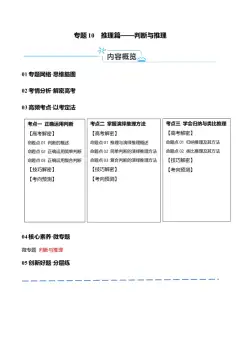
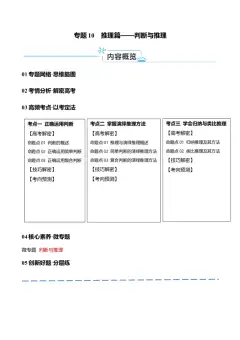
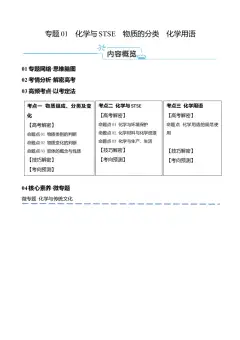
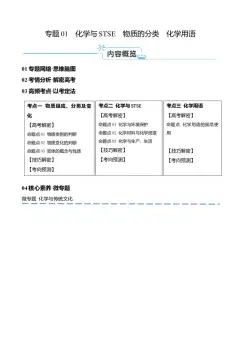
专题 08 推理判断题
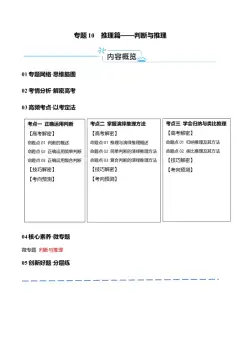
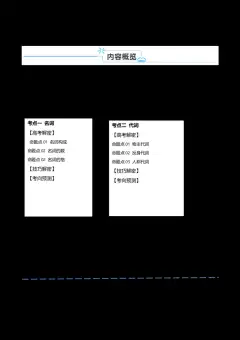
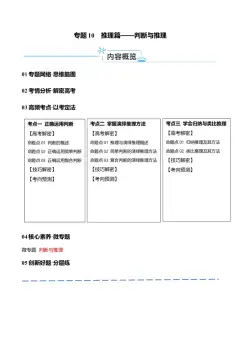
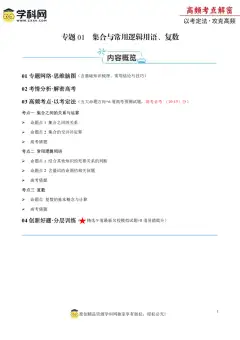
01专题网络·思维脑图
02考情分析·解密高考
03高频考点·以考定法
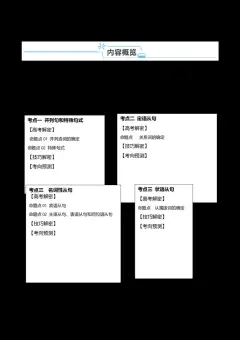
考点一 推理判断题
【高考解密】
命题点01 逻辑推断题
命题点02 观点态度题
命题点03写作意图题
命题点04文章出处题和读者对象题
【技巧解密】
【考向预测】
04核心素养·微专题
微专题 推理判断三大易错陷阱
05创新好题·分层练考点 考查内容 高考考题设问
核心价值: 【2023·新高考全国Ⅰ卷】B24.What can we learn about John from the
first two paragraphs?逻辑推断
高考英语试卷取材广泛、
体裁多样,引导学生德智 【2023·新高考全国Ⅱ卷】D 34.What can we learn from the example
体美劳全面发展,加强对
given in Paragraph 5?逻辑推断
中华优秀传统文化和社会
主义先进文化的考查,充 【2023年1月·浙江卷】B26.What can we infer about the author?逻辑
分发挥文化铸魂的育人功 推断
能。
【2023·全国甲卷】D 35.What can be inferred from the last paragraph?
第一,强化体美劳教育引
逻辑推断
推 导,夯实全面发展基础。
在体育融入试题方面, 【2023·全国乙卷】B26.What can we infer from the autho’s trip with
理
2022 年新高考全国Ⅱ卷阅 friends to Devil’s Lake?逻辑推断
判 读题选取运动促进心脏健
【2022·新高考I卷】 阅读A 23.3. What will happen if you submit
康的语篇,写作题选取一
断 名残疾学生积极参加跑步 an essay one week after the due date?逻辑推断
比赛的语篇。这些语篇和
C篇31. What can we learn about the project from the last two
题
材料旨在引导学生提高运
paragraphs?逻辑推断
动意识,保持身心健康。
在美育融入试题方面, 【2022·全国高考乙卷】D篇35. What can be inferred about the
2022 年全国甲卷听力题选 adoption of the sugar tax policy?逻辑推断
取一位艺术鉴赏家谈论自
【2021·英语全国甲卷】B篇27.What can be inferred about Porn
己经历的材料,阅读题选
Lympne Reserve?逻辑推断
取介绍英国加的夫市艺术
剧院的语篇,这些语篇旨
D篇33.What can we infer about girls from the study in Science?逻辑
在引导学生加深对艺术的
推断
认识,培养健康向上的审
美情趣。在劳动教育融入 【2021·全国高考乙卷】B篇27.What can be inferred about the
试题方面,各套试卷的语 landline from the last paragraph?
篇包含了山区支教、烹
D篇35.What can we infer about the author from the text?
饪、做家务等信息,涉及【2021·全国新高考I卷 C篇】30.What is a direct result of the Act
多种工作场景,旨在引导
passed in 1934?逻辑推断
学 生形成劳动观念,在学
习和生活中培养劳动精 【2021·全国新高考II卷】D篇34.Why does Pete Bonds still hire
神。 cowboys to watch cattle?逻辑推断
第三,关注时代发展与生 【2023·新高考全国Ⅰ卷】D35.What is the author’s attitude toward
活实践,引导学生培养核
Navajas’ studies?观点态度
心素养。2022 年全国卷通
过选取禁止开车使用手 【2023年1月·浙江卷】B25.What was the attitude of the author’s
机、悉尼新旧文化冲突、 father toward buying groceries with jars?观点态度
新媒体对家庭教育和生活
【2021·新高考I卷】D34. What is the author’s attitude to the
的影响、英国征收糖税的
popularization of emotional intelligence?观点态度
起因及效果等具有探讨性
和思辨性的材料,引导学 【2021·北京】65. What mainly helped the author change his/her attitude
生形成独立思考的习惯,
toward the project?观点态度
培养主动发现问题和解决
问题的能力;通过选取高 【2020年新课标Ⅰ卷】 C篇31. Which word best describes the
科技无人机在铁路交通中 author’s attitude to race walking?观点态度
的应用、鹦鹉识别物体形
【2020年,天津卷,第一次高考】23.What is the author's attitude
状的实验、人类语言发展
towards the prospect of electric flying? 观点态度
的研究及与捉迷藏相关的
儿童心理发展实验等语 【2023年1月·浙江卷】C 28.Why does the author mention Noa
篇,激发学生对科学实验
Ovadia in the first paragraph? 写作目的
与研究的兴趣通;通过选
取关爱养老院老人的研究 【2023年1月·浙江卷】D 34. What is the purpose of the laws
项目、勇救坠楼儿童、修 mentioned in paragraph 4? 写作目的
复父子亲情关系等语篇,倡
【2023·新高考全国Ⅰ卷】B26.What is the author’s purpose in
导友好互助、彼此关爱的
mentioning Fuzhou? 写作目的
和谐人际关系。
【2023·新高考全国Ⅰ卷】C 28.What is the book aimed at? 写作目的
学科素养:
1. 从话题选择来看,近三 【2023·新高考全国Ⅱ卷】C 31.What does the author want to say by
年围绕人与自然、人与社 mentioning the e-reader? 写作目的
会、人与自我三大主题全
【2023·全国甲卷】C 28.Why does the author list great philosophers in
面考查英语综合运用能
Paragraph 4? 写作目的
力,试题取材广泛、体裁
多样,进一步体现考试对 【2023·全国乙卷】D33.What does the author indicate by mentioning
五育(德、智、体、美、 Captain Cook in Paragraph 2? 写作目的
劳)全面发展的引导作
用,加强对中华优秀传统 【2022·新高考I卷】B24.What does the author want to show by telling
文化、和社会主义先进文 the arugula story? 写作目的
化的考查,充分发挥文化
【2021·英语全国甲卷】C篇30.10.Why did the author like to spend
铸魂育人功能。落实立德
time in South bank when he returned to London? 写作目的
树人,彰显德育本色 。
【2021·全国高考乙卷】 C篇29.Why does the author discuss plastic
2. 从命题方向及趋势来
straws in paragraph 3? 写作目的
看,全国卷试题高考英语
试题整体难度稳定且适 【2021·全国新高考I】 D篇33.Why does the author mention
中,从教材出发,强调主
“doctor” and “cheater” in paragraph 2? 写作目的
干知识的运用以及基本能
力的考查。同时全国卷试 【2021·全国新高考II卷】D篇34.Why does Pete Bonds still hire
题高考英语试题注重考查 cowboys to watch cattle? 写作目的
学生的思维品质、创新能
【2023·全国乙卷】D 35.Which of the following books is the text
力以及解决实际问题的能
most likely selected from?文章出处
力。
【2023·新高考全国Ⅱ卷】C28.Where is the text most probably taken
from?文章出处【2022·新高考I卷】A21. Where is this text probably taken from?文章
出处
【2022·全国高考乙卷】B27. What is the text?文章出处
【2021·英语全国甲卷】A篇23.Where can the text be found?文章出处
【2022年1月(浙江卷)】26.What is the text?文章出处
【2023·全国乙卷】31.What might the author continue talking about?写
作方法
【2021·北京卷】 32.The author raises three questions in Paragraph 2
mainly to________.写作方法
【2020·全国新课标III】32. What does the author want to tell us by
the examples in paragraph 1?写作方法
命题点01 逻辑推断题
典例01
1. 【2023年新高考I卷B篇】 “Ecological design” is the name John gives to what he does. “Life on Earth is
kind of a box of spare parts for the inventor,” he says. “You put organisms in new relationships and observe what’s
happening. Then you let these new systems develop their own ways to self-repair.”
27. What is the basis for John’s work?
A. Nature can repair itself. B. Organisms need water to survive.
C. Life on Earth is diverse. D. Most tiny creatures live in groups.
典例02
【2023·新高考全国Ⅱ卷 D】Para4:Across the 320 submissions, a pattern of categories the researchers call
a“nature language” began to emerge. After the coding of all submissions, half a dozen categories were noted most
often as important to visitors. These include encountering wildlife, walking along the edge of water, and following
an established trail.
Para5: Naming each nature experience creates a usable language, which helps people recognize and take partin the activities that are most satisfying and meaningful to them. For example, the experience of walking along the
edge of water might be satisfying for a young professional on a weekend hike in the park. Back downtown during a
workday, they can enjoy a more domestic form of this interaction by walking along a fountain on their lunch break.
Para6:“We’re trying to generate a language that helps bring the human-nature interactions back into our daily
lives. And for that to happen, we also need to protect nature so that we can interact with it,” said Peter Kahn, a
senior author of the study.
34.What can we learn from the example given in Paragraph 5?
A.Walking is the best way to gain access to nature.
B.Young people are too busy to interact with nature.
C.The same nature experience takes different forms.
D.The nature language enhances work performance.
典例03
【 2023· 全 国 甲 卷 D 篇 】 .....Obviously, if precautions( 预 防 ) arent taken, grizzlies can become
troublesome,sometimes killing farm animals or walking through yards in search of food. If people remove food and
attractants from their yards and campsites, grizzlies will typically pass by without trouble. Putting electric fencing
around chicken houses and other farm animal quarters is also highly effective at getting grizzlies away. “Our hope
is to have a clean, attractant-free place where bears can pass through without learning bad habits,” says James
Jonkel, longtime biologist who manages bears in and around Missoula.
35.What can be inferred from the last paragraph?
A.Food should be provided for grizzlies.
B.People can live in harmony with grizzlies.
C.A special path should be built for grizzlies.
D.Technology can be introduced to protect grizzlies.
命题点02 观点态度题
典例01
,
【2023年新高考 II 卷D篇】In a follow-up study with 100 university students the researchers tried to get a
better sense of what the group members actually did in their discussion. Did they tend to go with those most
confident about their estimates? Did they follow those least willing to change their minds? This happened some ofthe time, but it wasn’t the dominant response. Most frequently, the groups reported that they “shared arguments and
reasoned together.” Somehow, these arguments and reasoning resulted in a global reduction in error. Although the
studies led by Navajas have limitations and many questions remain the potential implications for group discussion
and decision-making are enormous.
15. What is the author’s attitude toward Navajas’ studies?
A. Unclear. B. Dismissive. C. Doubtful. D. Approving.
典例02
【2023年1月·浙江卷B篇】
Para3: Zero waste was a radical lifestyle movement a few years back. I remember showing my parents a
video of Bea Johnson, sharing how cool I thought it would be to buy groceries with jars, and have so little trash! A
few days later, I came back with my first jars of zero waste groceries, and my dad commented on how silly it was
for me to carry jars everywhere. It came off as a bit discouraging.
Yet as the months of reducing waste continued, I did what I could that was within my own reach. I had my
own bedroom, so I worked on removing things I didn’t need. Since I had my own toiletries (洗漱用品), I was able
to start personalising my routine to be more sustainable. I also offered to cook every so often, so I portioned out a
bit of the cupboard for my own zero waste groceries. Perhaps your household won’t entirely make the switch, but
you may have some control over your own personal spaces to make the changes you desire.
As you make your lifestyle changes, you may find yourself wanting to speak up for yourself if others comment
on what you’re doing, which can turn itself into a whole household debate. If you have individuals who are not on
board, your words probably won’t do much and can often leave you feeling more discouraged.
So here is my advice: Lead by action.
25.What was the attitude of the author’s father toward buying groceries with jars?
A.He disapproved of it. B.He was favorable to it.
C.He was tolerant of it. D.He didn’t care about it.
典例03
【2021年新高考I卷之D篇】
Para3:Although popular beliefs regarding emotional intelligence run far ahead of what research can
reasonably support, the overall effects of the publicity have been more beneficial than harmful. The most positive
aspect of this popularization is a new and much needed emphasis (重视) on emotion by employers, educators andothers interested in promoting social well-being. The popularization of emotional intelligence has helped both the
public and researchers re-evaluate the functionality of emotions and how they serve people adaptively in everyday
life.
Although the continuing popular appeal of emotional intelligence is desirable, we hope that such attention will
excite a greater interest in the scientific and scholarly study of emotion. It is our hope that in coming decades,
advances in science will offer new perspectives (视角) from which to study how people manage their lives.
Emotional intelligence, with its focus on both head and heart, may serve to point us in the right direction.
34. What is the author’s attitude to the popularization of emotional intelligence?
A. Favorable. B. Intolerant.
C. Doubtful. D. Unclear.
命题点03写作意图题
典例01
【2023年新高考II卷B篇】 Over the years, John has taken on many big jobs. He developed a greenhouse-like
facility that treated sewage (污水) from 1,600 homes in South Burlington. He also designed an eco-machine to
clean canal water in Fuzhou, a city in southeast China.
26. What is the author’s purpose in mentioning Fuzhou?
A. To review John’s research plans. B. To show an application of John’s idea.
C. To compare John’s different jobs. D. To erase doubts about John’s invention.
典例02
【2023年1月·浙江卷C】
Para1 : A machine can now not only beat you at chess, it can also outperform you in debate. Last week, in a
public debate in San Francisco, a software program called Project Debater beat its human opponents, including Noa
Ovadia, Israel’s former national debating champion.
Brilliant though it is, Project Debater has some weaknesses. It takes sentences from its library of documents
and prebuilt arguments and strings them together. This can lead to the kinds of errors no human would make. Such
wrinkles will no doubt be ironed out, yet they also point to a fundamental problem. As Kristian Hammond,
professor of electrical engineering and computer science at Northwestern University, put it: “There’s never a stageat which the system knows what it’s talking about.”
28.Why does the author mention Noa Ovadia in the first paragraph?
A.To explain the use of a software program.
B.To show the cleverness of Project Debater.
C.To introduce the designer of Project Debater.
D.To emphasize the fairness of the competition.
典例03
【2023·新高考全国Ⅱ卷C】
Reading Art: Art for Book Lovers is a celebration of an everyday object—the book, represented here in
almost three hundred artworks from museums around the world. The image of the reader appears throughout
history, in art made long before books as we now know them came into being. In artists’ representations of books
and reading, we see moments of shared humanity that go beyond culture and time.
In this “book of books”, artworks are selected and arranged in a way that emphasizes these connections
between different eras and cultures. We see scenes of children learning to read at home or at school, with the book
as a focus for relations between the generations. Adults are portrayed (描绘) alone in many settings and poses—
absorbed in a volume, deep in thought or lost in a moment of leisure. These scenes may have been painted hundreds
of years ago, but they record moments we can all relate to.
Books themselves may be used symbolically in paintings to demonstrate the intellect (才智), wealth or faith of
the subject. Before the wide use of the printing press, books were treasured objects and could be works of art in
their own right. More recently, as books have become inexpensive or even throwaway, artists have used them as the
raw material for artworks—transforming covers, pages or even complete volumes into paintings and sculptures.
Continued developments in communication technologies were once believed to make the printed page
outdated. From a 21st-century point of view, the printed book is certainly ancient, but it remains as interactive as
any battery-powered e-reader. To serve its function, a book must be activated by a user: the cover opened, the pages
parted, the contents reviewed, perhaps notes written down or words underlined. And in contrast to our increasingly
networked lives where the information we consume is monitored and tracked, a printed book still offers the chance
of a wholly private, “off-line” activity.
31.What does the author want to say by mentioning the e-reader?
A.The printed book is not totally out of date.B.Technology has changed the way we read.
C.Our lives in the 21st century are networked.
D.People now rarely have the patience to read.
命题点04文章出处题和读者对象题
典例01
(2023年新高考II卷C篇片段)Reading Art: Art for Book Lovers is a celebration of an everyday object — the
book, represented here in almost three hundred artworks from museums around the world. The image of the reader
appears throughout history, in art made long before books as we now know them came into being. In artists’
representations of books and reading, we see moments of shared humanity that go beyond culture and time.
In this “book of books,” artworks are selected and arranged in a way that emphasizes these connections between
different eras and cultures. We see scenes of children learning to read at home or at school, with the book as a focus
for relations between the generations.
8. Where is the text most probably taken from?
A. An introduction to a book. B. An essay on the art of writing.
C. A guidebook to a museum. D. A review of modern paintings.
典例02
(2023年新高考I卷A篇片段)
Grading Policies for Introduction to Literature
Grading Scale
90-100, A; 80-89, B; 70-79, C; 60-69, D; Below 60, E.
Essays (60%)
Your four major essays will combine to form the main part of the grade for this course: Essay 1 = 10%; Essay
2 = 15%; Essay 3 = 15%; Essay 4 = 20%.
21.Where is this text probably taken from?
A.A textbook. B.An exam paper. C.A course plan. D.An academic article.
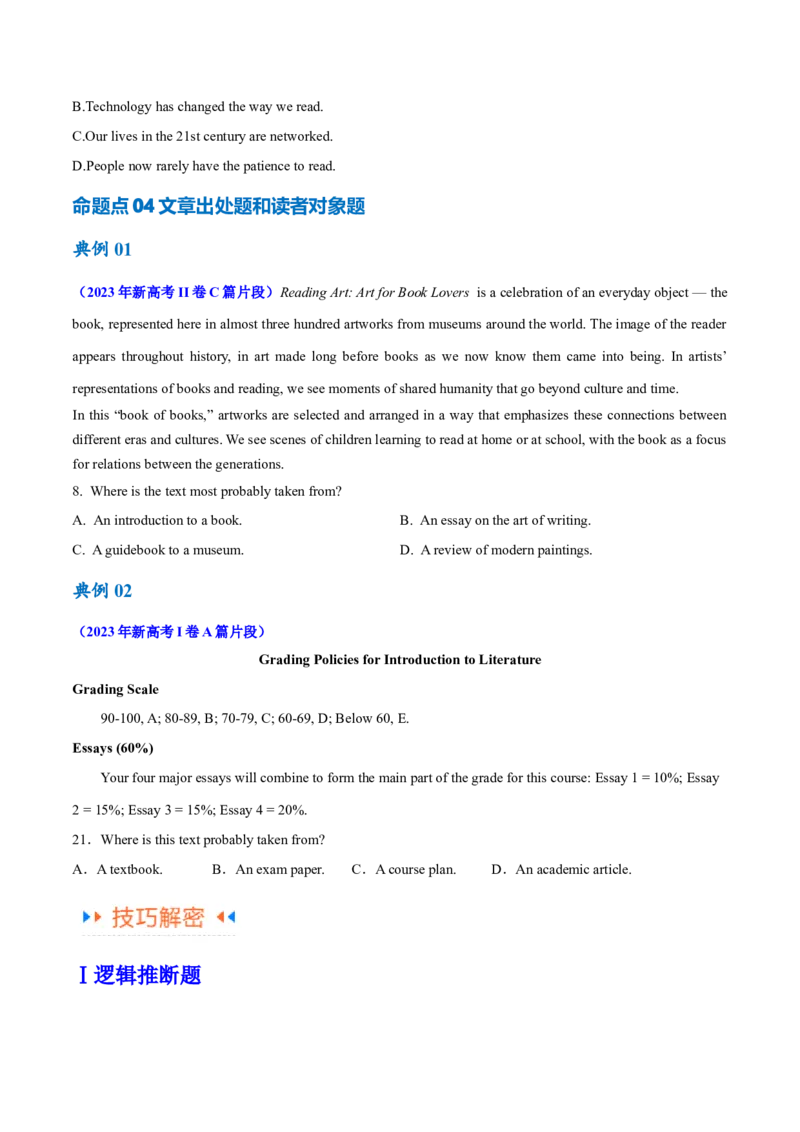
Ⅰ逻辑推断题常见的设问方式:
1. What can be inferred about the ......?
2.What can be inferred about ......from the last paragraph?
3.What can we learn from ......?
4.What can we infer about ...... from the text?
解题指导:
(1) 浏览选项,首先排除对原文信息简单重复的错误选项
(2) 抓住特定信息进行逆向或正向推理:在原文中确定推理依据的位置或范围后,要善于抓住关键信
息去分析判断;
(3) 整合全文/段信息进行推断:有时需要在弄懂全文或全段的基础上,整合与题目相关的有效信息去
进行综合推断,才能确定最佳选项。无论哪种推断形式必须立足原文,避免主观臆断。
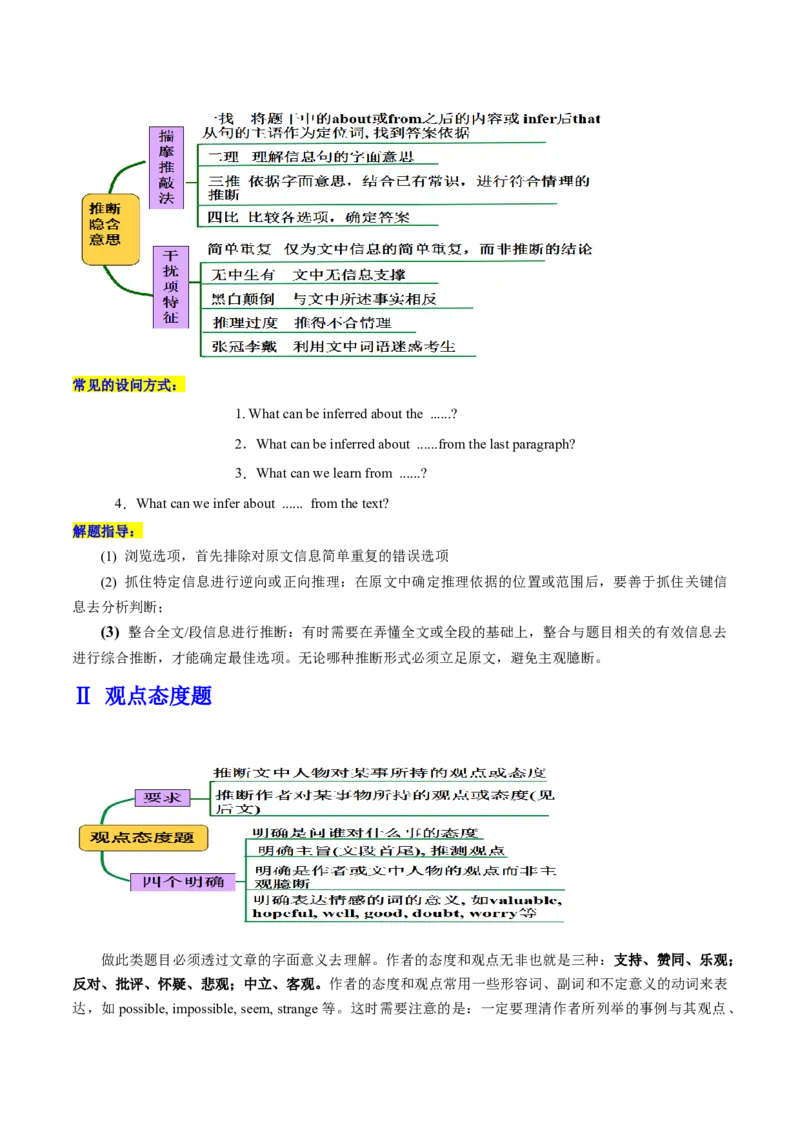
Ⅱ 观点态度题
做此类题目必须透过文章的字面意义去理解。作者的态度和观点无非也就是三种:支持、赞同、乐观;
反对、批评、怀疑、悲观;中立、客观。作者的态度和观点常用一些形容词、副词和不定意义的动词来表
达,如possible, impossible, seem, strange等。这时需要注意的是:一定要理清作者所列举的事例与其观点、态度是一致的还是相反的。有些文章作者的观点态度隐含在文章的字里行间,需要通读全文,才能做出正
确的判断。注意熟悉一些常见的有关作者情感、态度的词语。
解题指导:
(1) 认真审题,明确“谁对谁”的态度,明确答题方向
(2) 关注段落首尾句,推断文章和段落主题,确定观点
(3) 注意作者或文中人物的措辞
(4) 分析修饰语和字里行间所隐含的意思,切忌用自己观点代替作者或文中人物的观点;
(5) 牢记观点态度的常见词语
观点态度 例词
positive (积极的)、supportive (支持的)、optimistic (乐观的)
支持肯定
humorous(幽默的)、enthusiastic(热情的)、pleasant (愉快的);
neutral (中立的)、objective(客观的)、not mentioned(未提及的)、
中立
uninterested(不感兴趣的)、indifferent(漠不关心的);
negative(否定的)、suspicious/skeptical(怀疑的)、disgusted(憎恶的)
否定反对
critical(批评的)、disappointed(失望的)、disapproving(不赞成的)。
Ⅲ 写作意图题
常见的设问方式:
What is the main purpose of the author writing the text?The purpose of the text is to get more people to _______.
The writer of the story wants to tell us that________.
The fact…is mentioned by the author to show________.
The author writers the last paragraph in order to ________.
写作意图推断题要求考生根据文章的论述,揣测作者的写作意图及作者运用某种写作手法的目的。作者一
般不直接表明自己的意图,而是通过文章所提供的事实,客观地使读者信服某种想法或观点。这种题型要
求考生不但能理解文章的大意,同时还要具备对作者阐述问题的方法进行分析和归纳总结的能力。
一般来说,我们可以通过分析文章的文体特点,理解作者的词句选择和识别文章的语气来推断出作者的写
作意图。
记叙文:通常会在首段或尾段出现高度概括性语言,且往往有一定的哲理性,所有叙述都围绕该哲
理展开(to tell a story, to entertain readers, to share an experience...);
应用文:文章常对某事物或服务进行详细介绍,使用具有明显倾向性的语言(to sell, to attract, to
persuade, to promote...)
说明文:其写作意图依赖于对文章主题句的把握,应找准主题句(to introduce, to explain, to
inform, to make comparisons...);
议论文:一般开头提出某论点,中间进行论证,最后得出结论,写作意图常隐含于最后一部分中。
Ⅳ文章出处题和读者对象题
解题指导:
(1) 根据文章的话题和细节确定文章出处或写作对象
(2) 根据文章的体裁和内容判断文章的中心话题广告:语言简洁鲜明,有亮点;
报刊:时事性强,分不同板块,高考中常以政治、生活的话题为主;
杂志:覆盖生活各个层面,更贴近幕后,更贴近生活;
产品说明书:对某产品的功能特色及操作方式等做出介绍;
药品说明:说明药品的服用时间、次数、药量、禁忌等;
网络:文体不限,找到click here,download,upload,link,mouse, surf等网络标志
考向01-逻辑推断题
【2023届福建省厦门一中高三二模试题C篇片段】
Too much time spent on gaming, smartphones and watching television is linked to heightened levels and
diagnoses (诊断) of anxiety or depression in children as young as age 2, according to a new study.
What do we know about Twenge and Campbell’s study according to paragraph 2?
A.It requires further research.
B.It brings children less comfort.
C.It needs greater ability to finish.
D.It generates more public concern.
考向02-观点态度题
【2023上·河北·高三泊头市第一中学校联考期中片段】
Ali Amiri at Aalto University in Finland says the report’s conclusions about emissions from rising demand are
probably correct, but the story is different for wood we already harvest. “Boosting the efficiency of current harvests
and using more wood for longer lived purposes than paper would cut emissions,” he says. “We cannot just say we
should stop using wood.”
9.What is Ali Amiri’s attitude toward the new result?
A.Favorable. B.Doubtful. C.Critical. D.Objective.
考向03-写作意图题
【2023届湖南省九校联盟第二次联考英语试题片段】“How beautiful the jasmine (茉莉花) is! A sweet smell
covers the budding twigs. So fragrant, so white, admired by all lips.” The famed Chinese folk song Jasmine Flower
has reached a global audience with its beautiful melody and lyrics. Equally popular is the traditionally madeJasmine tea, whose elegant fragrance and mellow taste fascinate countless tea drinkers.
What is the author’s purpose of quoting the song Jasmine Flower?
A.To tell us not to neglect the song.
B.To show the popularity of the song.
C.To introduce the topic—Jasmine tea.
D.To clarify the origin of Jasmine tea.
考向04-文章出处题和读者对象题
【2023上·山东青岛·高三统考期中片段】The film Lunana: A Yak (牦牛) in the Classroom, nominated for an
Oscar in the Best International Feature category, traces the year-long transformative journey of a young Bhutanese
teacher, Ugyen. Bhutanese writer and director Pawo Choyning’s first film is set in the real village of Lunana, a
remote community of nomadic yak herders situated at a dizzying altitude of more than 11,000 feet.
4.Where is the text most probably taken from?
A.A blog on travelling. B.An introduction to a film.
C.A guidebook to Himalayas. D.A biography of a director.
推理判断三大易错陷阱
【易错陷阱一】 观点态度要理清
【2024届河北省百师联盟高三联考片段】
But, it doesn't have to be all bad news. “One major motivation in studying the link between
climate change and human-wildlife conflicts is finding solutions,” said Abrahms. “As we learn about
specific incidents, we can identify patterns and tends-and come up with interventions(干预) to try to
address these conflicts.”
Some interventions maybe as simple as public-awareness campaigns. Governments can also plan
forties when extreme climate events will bring people and wild if e into closer contact. “Once you know
the root causes of a conflict, you can design interventions to help both people and wildlife,” said
Abrahms. “We can change.”What does Abrahms think of interventions?
A. They are too simple. B. They are out-of-date.
C. They are changeable. D. They are beneficial.
【易错陷阱二】 写作目的要分明
【2024届河北省百师联盟高三联考片段】
Navigating growing up alongside academic demands is a difficult phase of life for anyone. “The
hardest part of having dyscalculia in my K-12 experience was dealing with a disability on top of the
normal aspects of growing up,” Cladek said. “Growing up with dyscalculia greatly affected myself-worth
and not feeling like I am enough,” said Cladek, who is now a college student. “If l could only be able
to fit in with the rest of the kids and not have this anxiety and frustration every time I look at a math
problem on my worksheet, then I’ll be enough, which was a common thought I had.”
What does the author want to say by men toning Cladek's experience?
A. Cladek has fantastic memories of schooling.
B. It's better to have dyscalculia diagnosed earlier.
C. Growing up with dyscalculia is a big challenge.
D. Academic demands outweigh struggling with dyscalculia.
【易错陷阱三】 文章出处和读者对象勿混淆
【湖南师范大学附属中学2023-2024学年高三摸底考试片段】
When you think about it, food is an important part of our lives. Family gatherings center around food and the
celebration of major life events and milestones involves food in one way or another. The same holds true for us
here on the Space Station. Food is important and ends up usually being a topic of discussion for almost every crew.
......
Our food also comes packaged in many ways. But no matter what the form of the food though, you still have
the same problem eating it- - you do not want it flying away from you and making a mess when you open it up. In
this case a little bit of extra water is extremely helpful. It keeps the food kind of sticking together and to the
package and to your spoon. Small things do escape from time to time, but we really try hard to minimize the
random flying food problem. That is enough for now! Next time I will write about how to cook in space.
Where is the text most probably taken from?
A.A food magazine. B.An astronaut’s journal.
C.A sci-fi handbook. D.A space history website.(2023上·江苏南通·高三如皋市搬经中学校联考期中)
It’s good to be smart. After all, intelligent people earn more money, accumulate more wealth, and even live
longer. But there’s another side to the story. The brightest people and strongest leaders sometimes make errors
others don’t, especially in situations that require common sense.
Travis Bradberry, president at TalentSmart, explained in his post Why Smart People Act So Stupid that
“Rational thinking (理性思维) and intelligence don’t tend to go hand in hand. Intelligent people are more likely to
make silly mistakes because of blind spots in how they use logic. These blind spots exist because smart people tend
to be overconfident in their reasoning abilities.” They are so used to being right and having quick answers that they
don’t even realize when they’re making a mess by answering without thinking things through.
A lifetime of praise leads smart people to develop too much faith in their intelligence and abilities. They often
fail to recognize when they need help, and when they do recognize it, they tend to believe that no one else is
capable of providing it.
“It’s hard for anyone to graciously accept the fact that they’re wrong. It’s even harder for smart people because
they grow so used to being right all the time that it becomes a part of their identity,” Bradberry wrote. “For smart
people, being wrong can feel like a personal attack, and being right, a necessity.”
Smart people also have a hard time accepting feedback. They tend to undervalue the opinions of others, which
means they have trouble believing that anyone is qualified to give them useful feedback. Not only does this
tendency slow their growth and performance, it can lead to harmful relationships, both personally and
professionally.
Smart people develop overachieving personalities because things come so easily to them. They simply don’t
understand how hard some people have to work to accomplish the same things, and because of that, they push
people too hard. They set the bar too high, and when people take too long or don’t get things quite right, they
assume it’s due to a lack of effort. So they push even harder.
1.What do we learn from the passage about the brightest people?
A.They can differ in their personalities.
B.They are admired by people around them.
C.They usually face their own weaknesses calmly.D.They can make silly mistakes in straightforward situations.
2.What accounts for the existence of intelligent people’s logical blind spots?
A.Their irrational way of thinking. B.Too much concern about their work.
C.Too much faith in their ability to think. D.Their ignorance of behavioral science.
3.What may happen to smart people who find it difficult to accept suggestions?
A.They may experience a lot of emotional stress.
B.They may commit more errors than ever before.
C.They may lose faith in their administrative abilities.
D.They may suffer in their professional and private life.
4.What is said about those working with or under overachieving people?
A.They are under increasing pressure. B.They set higher goals for themselves.
C.They put a lot of effort into their work. D.They take less time to get things done.
(2023上·江苏·高三马坝高中校考期中)
Pickled (腌制的) vegetables, fish and meat preserved in salt, and bread baked in a circle with a hole in the
middle (e.g. bagels), were once the foods for the poor of all backgrounds in central and eastern Europe. But it was
Jewish immigrants (犹太移民) who brought these recipes to the West, particularly to America, in the late 19th and
early 20th centuries.
Bagels and pickled foods became mainstays of Jewish deli (熟食店) cuisine,which are the subject of an
exhibition at the New-York Historical Society called “I’ll Have What She’s Having”. The exhibition implicitly (含
蓄地) asks whether a cuisine that has been enjoyed by millions and helped define the taste of New York City
continues to be lively today.
There is a distinctly sad tone to it. Though some foods exist over several decades, the number of Jewish delis
in America has dropped sharply. Black-and-white pictures of long-gone people eating at long-gone places line the
exhibition’s walls. After all, the Jewish deli is a product of a bygone era,shaped by immigration, discrimination and
inner-city life. As immigrants’ children fit in with the locals and moved away, the deli became one of many dining
choices — less a center of communal Jewish life and more a pleasant place to occasionally cat and talk about the
past.
Meanwhile, deli food itself has crossed its limits. For a while, McDonald’s in Germany offered a “Grilled
Texas Bagel”. That is a senseless phrase to a deli expert: a decent bagel belongs nowhere near a grill and has
nothing to do with Texas. But it suggests that bagels — like pizza, hot dogs and other foods once only consumed byparticular ethnicities — now come across less as specifically Jewish than as broadly American.
The most hopeful part of the exhibit is at the end: a case of menus from modern delis across the country. They
were founded by young Jewish chefs determined to keep their culinary (烹饪的) traditions alive — not because
discrimination left them no other way out, but because the food is delicious, inspiring, and an irreplaceable part of
America’s culinary landscape.
5.What is the theme of this exhibition?
A.The history of New York.
B.The foods of Jewish delis.
C.The recipes for Jewish foods.
D.The Jewish communities in New York.
6.What does paragraph 3 tell us about the Jewish delis in America?
A.They cannot provide delivery service.
B.They have lost their original special flavor.
C.They don’t suit the tastes of young Jewish people.
D.They can bring back memories of Jewish immigrants.
7.What does the name of “Grilled Texas Bagel” imply?
A.Deli experts aren’t big fans of meaningless names.
B.People think bagels are more of an American food.
C.Texans aren’t very good at baking satisfactory bagels.
D.McDonald’s in Germany prefers American foods to Jewish ones.
8.How do young Jewish chefs feel about their traditional food?
A.Proud. B.Worried. C.Carefree. D.Disappointed.
(2023上·江苏·高三马坝高中校考期中)
Sam Shepler was not surprised the first time he was asked to make a video resume (简历) in 2021. The 32-
year-old had noticed the trend growing in the previous year, and was applying for a video-editing role. The role did
not require any public speaking, and Shepler had no experience talking about himself on camera. Even though he
got the job, the process felt more burdensome than usual. “I honestly prefer the old-fashioned resume and interview,
” he says.
A recent survey showed that 79% of hiring managers thought that video resumes had become “more
important” than before for vetting (审查) candidates, and 61% of job seekers thought “ a recorded video could be
the next version of the traditional cover letter”. As remote work has made video an increasingly common part of lifeat work, are video resumes the future—whether candidates want them to be or not?
Chloe Chioy, 22, believes a video resume was crucial in helping her secure her first job after university. “It
was a decision on my part to submit a video resume,” says the Taipei-based digital marketing coordinator, who
works remotely for a UK-based company. The job advertisement only stated that a resume was required. “Being a
fresh graduate, I knew experience was my major disadvantage. I think showing my personality and attitude in the
video helped my application.” She also made sure to emphasise skills relevant to the role, including screenshots of
articles she had written, clips (片段) of her public speaking, and showing off her video-editing abilities.
Chioy’s approach made use of some of the distinct benefits of video resumes, says recruitment ( 招聘)
specialist Jan Tegze. This can be particularly helpful for applicants with little experience applying in competitive
fields who need an extra edge to secure a role. He also mentions that he cannot see the video resume replacing its
written counterpart (相对物) any time soon. “Recruitment really hasn’t changed for decades. We are using different
tools that are a little bit faster, but it’s still about human interaction,” he says.
9.What does paragraph 1 tell us about Sam Shepler?
A.He felt awkward in front of a camera.
B.He was inexperienced in editing videos.
C.He liked the traditional hiring process better.
D.He applied for a job that valued public speaking.
10.What does the data in paragraph 2 imply?
A.Most candidates no longer use cover letters.
B.There is a growing demand for video resumes.
C.Most hiring managers screen candidates via video.
D.Video becomes a common part of remote working.
11.Which of the following words can best describe Chloe Chioy?
A.Brave and optimistic.
B.Selfless and polite.
C.Honest and independent.
D.Creative and smart.
12.What might Jan Tegze agree with?
A.Written resumes won’t be replaced in the short term.
B.Using different tools can speed up the selection of talents.
C.Virtual hiring is particularly popular in competitive fields.D.Sending a video resume isn’t very helpful for fresh graduates.
(2023上·江苏徐州·高三统考期中)
Is future you…you? It might seem like a strange philosophical question. But the answer to how you think
about your future self could make the difference between decisions you ultimately find satisfying and ones you
might eventually regret.
The brain patterns that emerge on an MRI (核磁共振) when people think about their future selves most
resemble the brain patterns that arise when they think about strangers. This finding suggests that, in the mind’s eye,
our future selves look like other people. If you see future you as a different person, why should you save money, eat
healthier or exercise more regularly to benefit that stranger?
However, if you see the interests of your distant self as more like those of your present self, you are
considerably more likely to do things today that benefit you tomorrow. A paper in the journal PLOS One revealed
that college students who experienced a greater sense of connection and similarity to their future selves were more
likely to achieve academic success. Relationships with our future selves also matter for general psychological well-
being. In a project led by Joseph Reiff, which includes 5,000 adults age 20 to 75, he found that those who perceived
a great overlap (重叠) in traits between their current and future selves ended up being more satisfied with their lives
10 years after filling out the initial survey.
So how can we better befriend our future selves and feel more connected to their fates? The psychological
mindset with what we call “vividness interventions” works. We have found, for instance, that showing people
images of their older, grayer selves increases intentions to save for the long term. Besides, you might try writing a
letter to—and then from—your future self. As demonstrated by Yuta Chishima and Anne Wilson in their 2020 study
in the journal Self and Identity, when high-school students engaged in this type of “send-and-reply” exercise, they
experienced elevated levels of feelings of similarity with their future selves.
Letter-writing and visualization exercises are just a couple of ways we can connect with our future selves and
beyond, but the larger lesson here is clear: If we can treat our distant selves as if they are people we love, care about
and want to support, we can start making choices for them that improve our lives—both today and tomorrow.
13.What’s the function of paragraph 2?
A.Generating further discussion. B.Introducing a research result.
C.Showing the effect of the finding. D.Concluding various viewpoints.
14.How does the author prove his statements?
A.By offering relevant statistics. B.By using quotations.C.By referring to previous findings. D.By making comparisons.
15.What is paragraph 4 mainly about?
A.Benefits of befriending our future selves. B.Ways of connecting with our future selves.
C.Methods of changing psychological mindsets.D.Possibilities of us becoming our future selves.
16.What does the article want to tell us?
A.Making future plans makes a difference.B.Our future selves look like other people.
C.Getting to know your future self benefits. D.Your choice determines future happiness.
(2023上·辽宁·高三校联考期中)
Do you have frightening dreams while sleeping? According to an email interview by clinical psychologist and
sleep expert Dr. Michael Breus, roughly 5 percent of the general population has at least one bad dream per week.
Nightmares typically happen during REM sleep, during the middle and later parts of the night.
There is no exact explanation for nightmares, but Breus says it’s possible that they help the brain practise,
prepare for and even predict difficult or dangerous experiences in waking life. Of course, it’s possible that
nightmares, like dreams in general, don’t have a primary function — that they’re a by-product of other activities in
the body. But most sleep scientists think that dreams and nightmares exist for some purposes.
One study found the most common nightmare was falling, followed by dreams of being chased, feeling lost,
and feeling trapped. Then why do nightmares happen?
“Certain circumstances and characteristics make some people more likely to have nightmares than others,”
says sleep medicine specialist Dr. Barry Krakow. He thinks people who’ve been traumatized (使受精神创伤) are
certainly at a higher risk of nightmares Examples are offered of those who have suffered criminal attacks, or who
have been in life-threatening accidents. People with some degree of sensitivity in their biological make-up are also
more likely to have bad dreams, so they’re more common in people who suffer from anxiety or depression, or who
use excess drugs or alcohol. The traditional belief often has it that nightmares are the result of eating too much rich
food before bedtime, but it is still uncertain whether this is true. One study from 2015 did find a link between eating
dairy or hot foods before bedtime and having disturbing dreams, but the study authors noted that this couldn’t be
proven definitely because the data was self-reported and there were a lot of other factors to consider.
However, research in recent decades has shown that people who suffer from sleep disorders are also more
likely to have nightmares.
17.What may Dr. Breus agree with about nightmares?
A.They happen for certain purposes. B.They are similar to daydreams.C.They possibly help predict future events. D.They come true once in a while.
18.Who does Dr. Krakow think tends to suffer nightmares?
A.John who often stays up late. B.Peter who has had terrible experiences.
C.Jack who is sensitive to alcohol. D.Paul who sleeps soundly at night.
19.How does the traditional belief explain nightmares?
A.They are often caused by irregular bedtimes.
B.They are based on disturbing life experiences.
C.They are the consequence of negative feelings.
D.They are related to what is taken before bedtime.
20.From which section of a website is the text probably taken?
A.Mental health. B.Life experiences. C.Eating habits. D.Popular culture.
(2023上·北京·高三北京市第十三中学校考期中)
Adam Zibluk is a 15-year-old Life Scout (童子军) in Troop 70 in Newtown, CT. He was also recently the
Troop’s Senior Patrol Leader, the highest ranking boy in the troop!
Last summer, he, along with 15 other boys from the Troop completed scouting’s greatest adventure,
backpacking over 50 miles in 7 days in the wilderness at the Philmont Scout Ranch in New Mexico!
While Adam’s Scouting achievements are impressive on their own, his time in Scouts has not always been so
easy. Adam has hemophilia, a medical condition that can cause severe bleeding from even a slight injury. And as a
Boy Scout, spending much time out in the wilderness, it is quite common to get minor injuries. Because of his
condition, Adam has had to miss some Scouting activities over the years.
The first few days of Adam’s backpacking in Philmont went smooth. But on the 3rd day, while unloading his
gear at a remote campsite, he felt a sharp pain in his back.Adam told the adult leaders about his back and that he
was starting to not feel well.They made the decision to call Philmont base camp to seek medical attention.
It was getting dark and rain threatened. Two doctors set out into the night on backcountry roads and then hiked
in the last 1/2 mile to find Adam. They did some tests and decided to take him back with them to base camp. It was
a tough moment for Adam and for the rest of the scout crew. While Adam returned to base camp, the rest of the
boys backpacked on. To encourage Adam, they took one of his shirts with them and took photos of it along the way,which they sent to him.
A few days passed and Adam was feeling better. The doctors cleared him to return to the backcountry! Finally,
Adam finished the trek with his crew. He is now one of the only Boy Scouts with hemophilia to have ever
participated in and completed a Philmont Trek.
What encouraged Adam to take on this challenge despite the risk? “I thought it would be fun and a good thing
to do as long as I was prepared. And my parents have always encouraged me not to let hemophilia be the only
factor in ANY decision.”
21.What has stopped Adam from participating in some Scouting activities over the years?
A.Inadequate trek experience. B.His fear of the wilderness.
C.Lack of camping skills. D.His health condition.
22.Why did Adam participate in this challenging activity?
A.He had a love for it. B.He was eager to be a leader.
C.He wanted to set a record. D.His parents decided for him.
23.Which of the following words can best describe Adam?
A.Athletic and ambitious. B.Considerate and fearless.
C.Courageous and determined. D.Confident and knowledgeable.
(2023上·辽宁铁岭·高三校联考期中)
The stands were always filled with family members to support their favorite players. I attended each of my
son’s games. His father worked nights for years, and missed out on most of his games. My son Jorden knew if his
dad could, he would be there sitting right beside me.
When Jorden was younger, some family members would occasionally come to watch. But gradually they
stopped showing up. Never once did Jorden lead me to believe that this bothered him, but apparently it did. It
wasn’t until when he was asked to give a speech at his baseball event that he made it very clear not only to me but a
room filled with over 150 people just how important it is to have extra fans in the stands.
His speech was anything but like I thought it would be. It wasn’t short and bittersweet. It wasn’t his quick
thank you to his coaches and teammates. He poured his heart out, saying he seldom had grandparents, aunts or
uncles coming to support him. He was grateful that his teammates’ family members showed up to support not just
their own loved ones but the entire team of boys. Clearly Jorden desired more than just me. Never did I ever think
my son would be hurting inside as he looked out to the bleachers to see only me at each and every game.
As he struggled to get each word out through tears, I promised I would attend as many events of the childrenaround as I possibly could. There was no way I could allow another child to feel what my son was feeling. This
small simple gesture would mean so much to any child. Neither Jorden nor I was upset with those who never
attended his games. Jorden just wanted someone else besides me to witness his craft in action. I understand all of
our lives become complicated and that everyone is busy with their own children and jobs that may not allow them
as much free time as they’d like.
24.What do we know about Jorden’s father?
A.He had long been misunderstood by Jorden.
B.He had few chances to attend Jorden’s games.
C.He managed to be with Jorden in every game.
D.He had made excuses to miss Jorden’s games.
25.What was Jorden’s speech about?
A.His ambition to win the championship.
B.His gratitude to his mother and coaches.
C.His complaint about his family members.
D.His desire for support from more people.
26.What does the author think of Jorden’s speech?
A.Depressing. B.Complicated. C.Astonishing. D.Absurd.
27.How did the author respond to Jorden’s speech?
A.She tried to be actively involved in children’s games.
B.She promised not to miss out on games of every child.
C.She offered to invite many relatives to Jorden’s games.
D.She decided to lead Jorden to trust his family members.
(2023上·宁夏银川·高三银川二中校考阶段练习)
You can get a clear picture about Deep Work by Cal Newport in 5 minutes. Deep Work tells us professional
activities performed in a state of distraction-free concentration that push your cognitive (认知的) capabilıties to
their limit. These efforts create new value and improve your skill. The ability to perform deep work is becoming
increasingly rare at exactly the same time it is becoming increasingly valuable in our economy. As a consequence,
the few who develop the skill, and then make it the core of their working life, will thrive (蓬勃发展)
The book tells us the core abilities for thriving in the new economy, which are the ability to quickly master
hard things, the ability to produce a high level, in terms of both quality and speed. If you can’t learn, you can’t
thrive. If you don’t produce, you won’t thrive- no matter how skilled or talented you are. If you haven’t mastereddeep work, you’ll struggle to learn hard things. To learn hard things quickly, you must focus intensely without
distraction.
The key to developing a deep work habit is to move beyond good intentions and add routines and habits to
your working life designed to minimize a state of unbroken concentration. To master the art of deep work,
therefore, you must take back control of your time and attention from the many entertainments on the Internet that
attempt to steal them. Adopt a tool only if its positive impacts on these factors substantially outweigh its negative
impacts. It’s crucial that you figure out in advance what you’re going to do with your evenings and weekends
before they begin.
In the end of Deep Work, we can know that the ability to-concentrate is a skill that gets valuable things done.
If you’re struggling to use your mind to its fullest capacity to create things that matter, then you’ll discover, as
others have before you, that depth generates a life rich with productivity and meaning.
28.What is presented in the first paragraph?
A.Accurate analyses. B.Practical examples.
C.Daring expectation. D.Theoretical introduction.
29.Who will have a particular advantage in this new economy?
A.Those who’re the best at what they do. B.Those willing to give others a hand.
C.Those who’re very skilled or talented. D.Those easy to get along well with.
30.Which of the following can help develop a deep work habit?
A.Forming a simple habit. B.Making a flexible schedule.
C.Quitting social media. D.Using on-demand distraction.
31.What is the text?
A.A news report. B.An exam paper.
C.An economic article. D.A book review.
(2023上·辽宁沈阳·高三校联考期中)
As students return to school this fall, many of them— perhaps especially those from historically disadvantaged
student groups will be starting the academic year with achievement levels lower than where they were at the
beginning of summer break. This phenomenon is sometimes referred to as summer learning loss. We review what is
known about summer loss and offer suggestions for schools looking to solve the problem.
The recent studies on summer loss have been rather comprehensive. One study found that students, on
average, lost between 25-30 percent of their school-year learning over the summer; additionally, black and Latinostudents tended to gain less over the school year and lose more over the summer compared to white students.
However, an analysis of the national study found little evidence of overall loss over the summers after grades
K and 1, and the summer loss gaps widened in some subjects and grades but not others. Von Hippel and Hamrock
re-analyzed two earlier data sets and concluded that gaps “do not necessarily. . . grow fastest over the summer”.
Thus, it seems summer loss occurs, though not universally across geography, grade level or subject.
Schools want to address the issue of summer learning loss not only because it may widen achievement gaps,
but also because it “wastes” so much of the knowledge students have gained during the school year. Summer loss
also undoubtedly increases the amount of time teachers have to spend “re-teaching” last year’s content.
Traditionally, educators and policy makers have relied on conventional summer school programs to solve
summer learning loss. Not surprisingly, research suggests that programs are more effective when students attend
consistently and spend more time on task academically. Regardless of the design, these policies should offer
engaging options for students over the summer so that summer learning programs do not feel like punishment for
students who would rather be enjoying summer vacation. Doing so would set more students up for success as the
school year gets underway.
32.What’s the author’s aim by writing Paragraph 1?
A.To raise a question. B.To make a comparison.
C.To analyze the figures. D.To illustrate an example.
33.According to the studies, what can we know about summer learning loss?
A.Immigrant students experienced the most summer loss.
B.White students did not lose learning over the summer.
C.Summer learning loss after grades K and 1 was alarming.
D.Summer learning loss seemed to vary in grades and subjects.
34.Why do schools want to solve the problem according to the fourth paragraph?
A.It may narrow achievement gaps.
B.It may cause repetitive work for teachers.
C.It may stop students gaining more knowledge.
D.It may increase teachers’ new teaching content.
35.What does the author think of summer school programs?
A.The conventional programs are ineffective.
B.Students should do all academic tasks.
C.More choices should be provided for students.D.The programs are punishment for many student.
(2023·四川成都·校联考三模)
I was traveling with my husband and three teenage sons in the United States. We ordered our food at a fast-
food place, and with my meal I also wanted a blueberry pie. My husband is the chatty one in the family and likes to
socialize, so he started a conversation about the place where blueberries grow with the waitress. She answered, with
some anxiety, “They grow on trees.”
The whole family’s jaws dropped! How could this girl not know where blueberries grow? We tried not to
embarrass her, and just took the opportunity to teach her a little about how blueberries grow, on small shrubs (灌木)
on the ground. She seemed to appreciate learning something new. We can’t know all the same things, as you'll see
from the next thing I'm going to tell you.
In 2002 our family made a short trip to a coffee plantation. The road to the plantation was narrow, filled with
sharp bends. I worried about hitting another car. We didn’t, lucky us! When we finally got to our destination, we
learned a lot about the plantation and coffee production, but we didn’t see any coffee plants. Where were they? We
decided to ask one of the people working there. “So where are the coffee plants? We can’t see them anywhere.”
She reached out her arm and caught a twig (细枝) right next to us and explained, “This is the coffee plant and
these little things will be coffee beans.” I looked around in embarrassment, as we were surrounded by coffee plants!
She explained that coffee plants aren’t big and that they have to grow in the shade of other bigger plants. I
appreciated her lesson.
We love our coffee, but I’m sure most of my countrymen would not be able to recognize a coffee plant among
other tropical plants if asked. Our jaws can drop at different things, depending on geographical locations, at what
we know and don’t know. Never take anything for granted!
40.By saying “The whole family’s jaws dropped!”, the author means that ________.
A.the waitress was extremely ignorant B.the waitress gave the strangest answer
C.the whole family was greatly surprised D.the whole family had problems with their mouths41.Which of the following best describes the waitress?
A.Curious. B.Chatty. C.Self-centered. D.Stubborn.
42.What can we learn about the blueberry plant and the coffee plant?
A.They produce the same beans. B.They grow in the tropical areas.
C.They look very similar to each other. D.They are shrubs growing on the ground.
43.What message does the author want to convey in the passage?
A.The pot calls the kettle black. B.Two heads are better than one.
C.Don't judge a book by its cover. D.There are spots even on the sun.