ARTICLE · 1187549
高考英语 3500 词・语境速记【212】|AI 不是问题,我们如何使用 AI 才是问题 ——24 个高考高频词
🎧 建议跟读2遍,语速0.8倍
In the past five years, artificialintelligence has moved from science fiction into daily life. It writes essays, diagnoses diseases, drives cars, and creates art. Every week, a new breakthrough makes the front page. People argue about whether AI will save the world or destroy it. But this question misses the point. AI is a tool. A hammer can build a house or break a window. The hammer does not choose. The person holding it does. AI has no morality. It has no conscience. It does not know right from wrong. It only knows patterns in data. The real question is not what AI can do. The real question is what we choose to do with it.
The first ethical challenge is bias. An algorithm learns from the data it is given. If that data reflects the prejudices of the past, the algorithm will repeat them. A hiring system may reject women because most past employees were men. A loan system may reject people from certain neighborhoods because historical records are unfair. The machine seems objective, but it is only as fair as the people who built it. This is why ethical design matters. We cannot build a just society with unjust tools. Every line of code carries a value judgment. Every dataset reflects a worldview. The people who write the algorithms must understand this.
The second challenge is privacy. AI systems need data to learn. The more data they have, the better they perform. But every piece of data comes from a person. Your search history, your shopping habits, your location, your messages — all of this can be collected, stored, and analyzed. When does convenience become surveillance? When does personalization become manipulation? These are not technical questions. They are moral questions. A society that trades privacy for efficiency may find that it has traded something it cannot get back. Transparent rules and strong regulation are not enemies of innovation. They are the guardrails that keep innovation from going off the road.
The third challenge is responsibility. When an AI system makes a mistake, who is accountable? The programmer? The company? The user? The machine itself? These questions have no easy answers, but they must be asked. AI will not replace human judgment. It will test it. The more powerful the tool, the more wisdom we need to use it. We do not need to fear AI. We need to fear the day we stop asking whether we should do something just because we can. The future of AI is not written in code. It is written in the choices we make today, as individuals, as companies, and as a society. The machine has no morals. That is why we must.
在过去五年里,人工智能从科幻小说走进了日常生活。它写文章、诊断疾病、开车、创作艺术。每周都有新的突破登上头版。人们争论AI会拯救世界还是毁灭世界。但这个问题没有抓住重点。AI是一个工具。锤子可以建房子也可以砸窗户。锤子不做选择。拿着它的人做选择。AI没有道德。它没有良心。它不知道对错。它只知道数据中的模式。真正的问题不是AI能做什么。真正的问题是我们选择用它做什么。第一个伦理挑战是偏见。算法从给定的数据中学习。如果数据反映了过去的偏见,算法就会重复它们。招聘系统可能因为过去大多数员工是男性而拒绝女性。贷款系统可能因为历史记录不公平而拒绝某些社区的人。机器看起来客观,但它只和建造它的人一样公平。这就是为什么伦理设计很重要。我们不能用不公正的工具建立公正的社会。每一行代码都承载着价值判断。每个数据集都反映着一种世界观。编写算法的人必须理解这一点。第二个挑战是隐私。AI系统需要数据来学习。数据越多,表现越好。但每一条数据都来自一个人。你的搜索历史、购物习惯、位置、消息——所有这些都可以被收集、存储和分析。便利什么时候变成了监控?个性化什么时候变成了操纵?这些不是技术问题。它们是道德问题。一个用隐私换取效率的社会可能发现它交换了无法找回的东西。透明的规则和强有力的监管不是创新的敌人。它们是防止创新冲出道路的护栏。第三个挑战是责任。当AI系统犯错时,谁该负责?程序员?公司?用户?机器本身?这些问题没有简单答案,但必须被问出来。AI不会取代人类判断。它会考验人类判断。工具越强大,我们使用它需要的智慧就越多。我们不需要害怕AI。我们需要害怕有一天我们不再问"我们是否应该做",只因为"我们能做"。AI的未来不是写在代码里的。它写在我们今天做出的选择里——作为个人、作为公司、作为社会。机器没有道德。这就是为什么我们必须有。
第一段讲"AI是工具,人做选择"。过去五年artificial(/ˌɑːtɪˈfɪʃl/,人工的)intelligence(/ɪnˈtelɪdʒəns/,智能)从科幻走进日常。写文章诊断疾病开车创作艺术。每周新breakthrough(/ˈbreɪkθruː/,突破)上头版。争论AI拯救还是毁灭世界。但没抓住重点。AI是工具。锤子建房子或砸窗户,锤子不选择,人选择。AI没有morality(/məˈræləti/,道德)没有良心不知道对错。只知道data(/ˈdeɪtə/,数据)中的模式。真正问题不是AI能做什么,是我们选择用它做什么。 第二段讲"偏见"。第一个伦理挑战是bias(/ˈbaɪəs/,偏见)。algorithm(/ˈælɡərɪðəm/,算法)从给定数据学习。数据反映过去偏见算法就重复。招聘系统因过去员工多男性拒绝女性。贷款系统因历史记录不公平拒绝某些社区。机器看起来客观但只和建造者一样公平。这就是ethical(/ˈeθɪkl/,伦理的)设计重要的原因。不能用不公正工具建公正社会。每行代码承载价值判断,每个数据集反映世界观。 第三段讲"隐私"。第二个挑战是privacy(/ˈprɪvəsi/,隐私)。AI系统需要数据学习,数据越多表现越好。但每条数据来自一个人。搜索历史购物习惯位置消息都可被收集存储分析。便利什么时候变监控?个性化什么时候变操纵?这些不是技术问题是moral(/ˈmɒrəl/,道德的)问题。用隐私换效率的社会可能交换了无法找回的东西。transparent(/trænsˈpærənt/,透明的)规则和强regulation(/ˌreɡjuˈleɪʃn/,监管)不是innovation(/ˌɪnəˈveɪʃn/,创新)的敌人,是防止创新冲出道路的护栏。 第四段讲"责任"。第三个挑战是responsibility(/rɪˌspɒnsəˈbɪləti/,责任)。AI系统犯错谁accountable(/əˈkaʊntəbl/,可问责的)?程序员公司用户机器本身?没有简单答案但必须问。AI不会取代人类judgment(/ˈdʒʌdʒmənt/,判断),会考验它。工具越强大使用需要的智慧越多。不需要害怕AI,需要害怕有一天不再问"是否应该做"只因为"能做"。AI的未来不是写在代码里,是写在今天做出的选择里。机器没有道德,这就是为什么我们必须有。 |
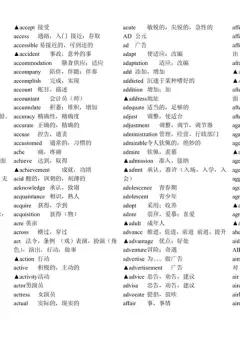
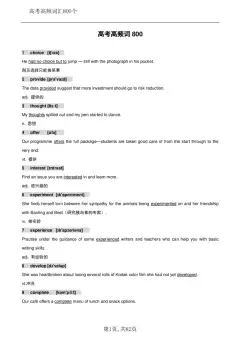
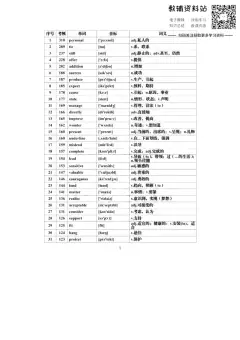
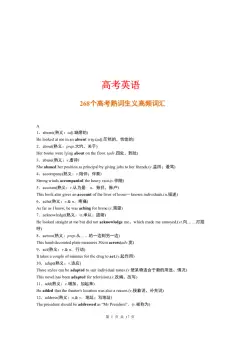
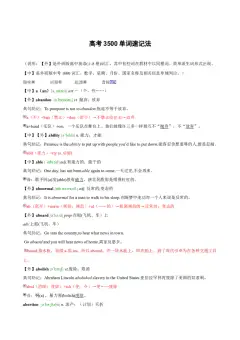
【补充参考·本篇单词汇总】 1. artificial /ˌɑːtɪˈfɪʃl/ adj. 人工的 2. intelligence /ɪnˈtelɪdʒəns/ n. 智能 3. breakthrough /ˈbreɪkθruː/ n. 突破 4. morality /məˈræləti/ n. 道德 5. data /ˈdeɪtə/ n. 数据 6. bias /ˈbaɪəs/ n. 偏见 7. algorithm /ˈælɡərɪðəm/ n. 算法 8. ethical /ˈeθɪkl/ adj. 伦理的 9. privacy /ˈprɪvəsi/ n. 隐私 10. moral /ˈmɒrəl/ adj. 道德的 11. transparent /trænsˈpærənt/ adj. 透明的 12. regulation /ˌreɡjuˈleɪʃn/ n. 监管 13. innovation /ˌɪnəˈveɪʃn/ n. 创新 14. responsibility /rɪˌspɒnsəˈbɪləti/ n. 责任 15. accountable /əˈkaʊntəbl/ adj. 可问责的 |
💡 互动一下:你觉得AI最大的风险是什么?这些词你认识几个?评论区聊聊! |