ARTICLE · 1275079
小学英语语法体系 · 时态归纳 09——五大时态篇

五 大 时 态
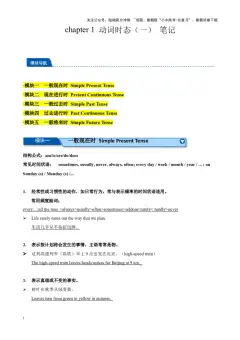
Five Tenses | 一般现在 · 现在进行 · 一般将来 · 一般过去 · 过去进行
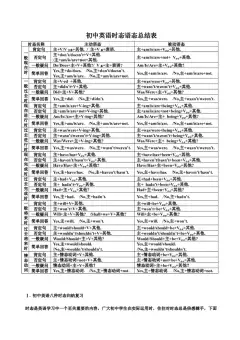
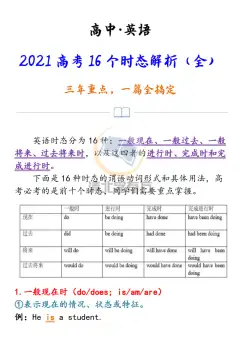
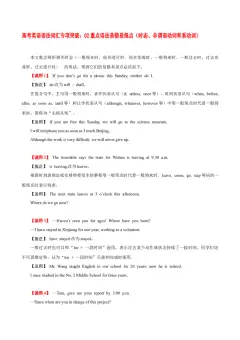
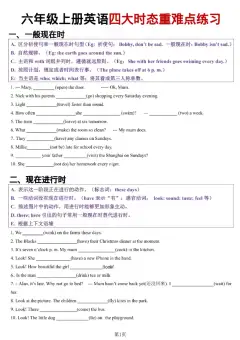
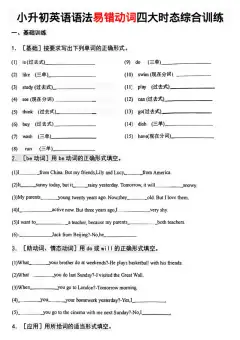
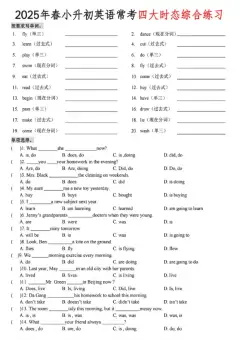
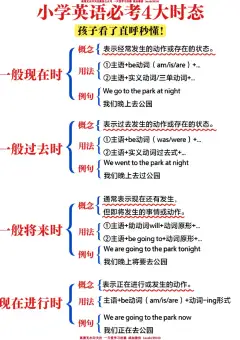
什么叫"五大时态"?小学阶段最核心的五种时态:一般现在时、现在进行时、一般将来时、一般过去时,再加上与一般过去时"成对出现"的过去进行时。每一钟时态都按定义 → 结构 → 动词变化 → 标志性时间状语 → 特殊用法五步走,"依时定态",一路通关。
学英语,时态是绕不开的第一道坎。
不少家长都问过类似的问题:孩子单词没少背,可一落笔写句子,时态就乱成一锅粥。
其实小学阶段真正要啃下的时态只有五个,而且每一个都藏着固定的"拆解套路"。今天我们用一套五步拆解法——先弄清定义,再看句子结构,接着搞懂动词怎么变,然后认准时间标志词,最后掌握特殊用法——把五大时态一次性讲透。
跟着节奏走,孩子自己就能"按时态对号入座"。
📌 本文导航:① 一般现在时 ② 现在进行时 ③ 一般将来时 ④ 一般过去时 ⑤ 过去进行时。每节都按"五步拆解法"展开,建议收藏后对照练习。
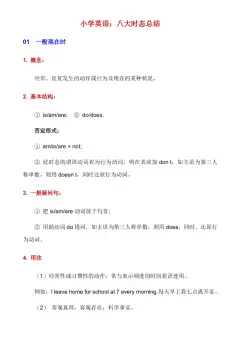
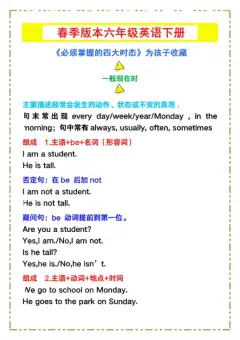
第一节 | 一般现在时
一、定义
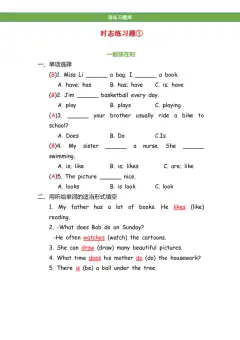
用来描述当前的状态,或者反复发生的习惯性动作。
例:Tom is a tall boy. He drinks a glass of milk every morning.(汤姆是个高个子男孩,他每天早晨喝一杯牛奶。)
二、句子结构
1、"主 + 系动词 + 表语"结构
肯定:主语 + be(am/is/are) + 表语
否定:主语 + be + not + 表语
疑问:Be + 主语 + 表语?
例:She is a doctor.(肯)/ She isn't a doctor.(否)/ Is she a doctor? — Yes, she is. / No, she isn't.
2、"主 + 谓语 + 宾语"结构(涉及三单)
肯定:主语 + 动词(三单加 s)+ 宾语
否定:主语 + don't / doesn't + 动词原形 + 宾语
疑问:Do / Does + 主语 + 动词原形 + 宾语?
例:She likes music.(肯)/ She doesn't like music.(否)/ Does she like music? — Yes, she does. / No, she doesn't.
3、特殊疑问句
结构:疑问词 + 助动词 + 主语 + 动词原形 + 其他?
例:He reads books every evening.(对谓语提问)→ What does he do every evening?
三、动词变化(第三人称单数)
先判断"三单":① 主语是 he / she / it;② 单数事物,如 a dog;③ 单数人名,如 Lucy。
口诀|一般加 s,尾音加 es,辅音 y 先变 i
· 一般情况词尾 + s:plays, looks, wants
· 以 ch / sh / s / x / o 结尾 + es:teaches, washes, passes, fixes, goes
· 辅音字母 + y 结尾,y 变 i 再加 es:flies, cries, tries
四、时间标志词
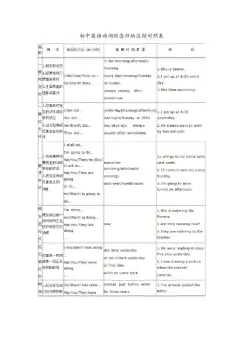
判断时态的核心思路就八个字:看时间,定时态。只要抓住时间标志词,句子属于哪种时态基本就清楚了。
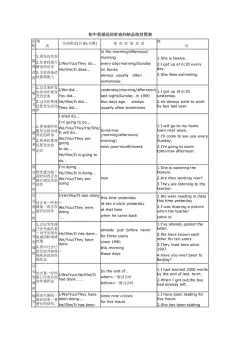
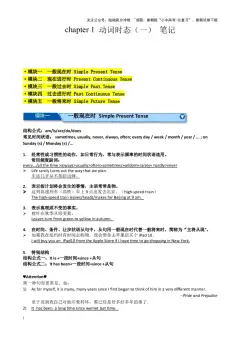
1、every 家族:every day / every week / every year
2、频率副词:always, usually, often, sometimes(语气由强到弱)
位置口诀|be 后行前站,情助夹中间;sometimes 可开头或收尾
· He is always happy.(be 之后) · We often play basketball.(行为动词之前)
· He can never swim.(情态与行为之间) · Sometimes he goes by bus.(句首或句尾)
3、on + 星期:on Mondays, on Fridays
4、次数表达:once a week, twice a month, three times a day
五、常见用法
1、习惯性、经常性的动作或状态。
2、名言、谚语。A friend in need is a friend indeed.(患难见真情。)
3、客观真理不动摇:无论主句是什么时态,客观真理永远用一般现在时。
例:The teacher said the earth moves around the sun. / The sun rises in the east.(太阳从东方升起。)
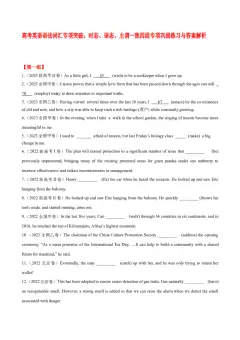
4、if / when / as soon as 等引导的条件句、时间状语从句中,用一般现在时表将来(即"主将从现")。
例:If it rains, we will stay at home. / When he comes back, I will tell you.
第二节 | 现在进行时
一、定义
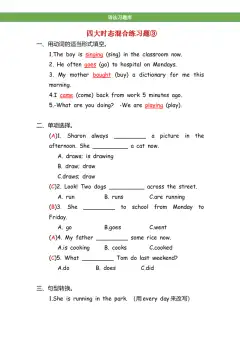
1、表示此刻正在发生的动作。
例:Listen! A bird is singing outside.(听!一只鸟正在外面唱歌。)
2、表示现阶段持续的动作。
例:My sister is learning piano these days.(这些天我妹妹一直在学钢琴。)
二、句子结构
肯定:主语 + be(am/is/are) + 现在分词
否定:主语 + be + not + 现在分词
疑问:Be + 主语 + 现在分词?
例:They are watching TV.(肯)/ They aren't watching TV.(否)/ Are they watching TV?(疑)
特殊疑问(对划线部分提问):The girls are drawing pictures in the room now.
· 对主语:Who is drawing pictures in the room?
· 对谓宾:What are the girls doing in the room?
· 对宾语:What are the girls drawing in the room?
· 对地点:Where are the girls drawing pictures?
三、动词变化(现在分词)
口诀|直加 ing,去 e 加 ing,双写加 ing,ie 变 y 加 ing
· 直:doing, going, playing, walking
· 去 e:making, riding, writing(注意 seeing、being 不去 e)
· 双写尾字母:running, sitting, getting, swimming, putting
· ie 变 y:die→dying, lie→lying, tie→tying
四、时间标志词
1、now, at the moment, right now(现在、此刻)
2、Look! Listen! 这类提示词一出现,动作多半正在进行。
例:Look! The children are dancing.(瞧!孩子们正在跳舞。)
3、Be quiet! Hurry up! 等祈使句后,也常接现在进行时或将来时,需根据题意判断。
五、特殊用法
1、be at work(在工作)/ be at table(在吃饭)/ be at school(在上学)等短语,常用于"主 + 系 + 表"结构表示进行状态。
2、表示思想、情感、所属等的动词一般不用于进行时:like, love, know, belong, have(有)等。
3、go, come, leave, arrive 等趋向性动词常用现在进行时表将来。例:I am leaving tonight.(我今晚就走。)
第三节 | 一般将来时
一、定义
表示将来某个时间将要发生的动作或状态,常译为"将要、打算"。
例:We shall visit grandma next week.(我们下周去看奶奶。)/ She is going to read a book.(她打算读一本书。)
二、句子结构
1、will / shall + 动词原形
肯定:主语 + will / shall + 原形
否定:主语 + will / shall + not + 原形(won't / shan't)
疑问:Will / Shall + 主语 + 原形?
注意:will 可用于所有人称;shall 多用于第一人称;will not 常缩写为 won't。
例:He will come.(肯)/ He won't come.(否)/ Will he come? — Yes, he will. / No, he won't.
特殊疑问:I will call you tomorrow.(对时间提问)→ When will you call me?
2、be going to + 动词原形
肯定:主语 + be + going to + 原形
否定:主语 + be + not + going to + 原形
疑问:Be + 主语 + going to + 原形?
例:I am going to swim.(肯)/ I'm not going to swim.(否)/ Are you going to swim?(疑)
There be 句型将来式:There is going to be... / There will be...(如:There will be a meeting this evening.)
三、时间标志词
1、today 家族:this afternoon, tonight(注意 this morning 多用于过去)
2、tomorrow 家族:tomorrow, the day after tomorrow(后天)
3、next 家族:next week, next month, next year
4、in + 一段时间:in three days 译作"三天后",不是"在三天之内"
5、soon(不久)/ in the future(将来)
⚠️ 易混点:in + 时间段(表示"之后多久")vs after + 时间点(表示"某个时刻之后")。
四、特殊用法
1、will 与 be going to 的区别
· 用 be going to:事先已决定、有安排,或明显迹象预示将要发生。例:Look at the dark sky, it's going to rain.(看这乌云,要下雨了。)
· 用 will:表达主观意愿或客观必然。例:I will help you. / Tomorrow will be Sunday.
2、主将从现:if / when / as soon as / until 等引导的从句用一般现在表将来。
3、现在进行时表将来:go, come, leave, arrive 等趋向动词。例:We're leaving tomorrow.
4、be to do(按计划)/ be about to do(最接近此刻的将来)。
第四节 | 一般过去时
一、定义
表示过去某一时间发生的动作或存在的状态。
例:She was happy yesterday.(她昨天很开心。)/ He called me last night.(他昨晚给我打过电话。)
二、句子结构
1、"主 + 系 + 表"结构
肯定:主语 + be(was/were) + 表语
否定:主语 + be + not + 表语(wasn't / weren't)
疑问:Was / Were + 主语 + 表语?例:Was she happy? — Yes, she was. / No, she wasn't.
2、"主 + 谓 + 宾"结构
肯定:主语 + 动词过去式 + 宾语
否定:主语 + didn't + 动词原形 + 宾语
疑问:Did + 主语 + 动词原形 + 宾语?
口诀|did 一出场,后面动词回原形
例:They played soccer.(肯)/ They didn't play soccer.(否)/ Did they play soccer? — Yes, they did. / No, they didn't.
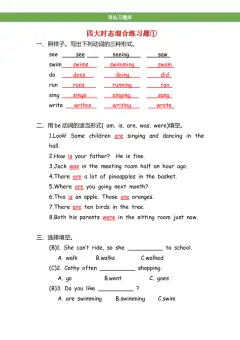
三、动词变化(过去式)
规则动词口诀|直加 ed,去 e 加 ed,双写加 ed,y 变 i 加 ed
· 直:looked, played, visited
· 去 e:used, changed, lived
· 双写尾字母:stopped, planned, dropped
· 辅音 + y 变 i:studied, carried, tried
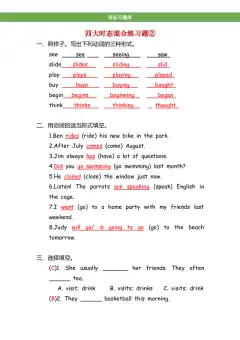
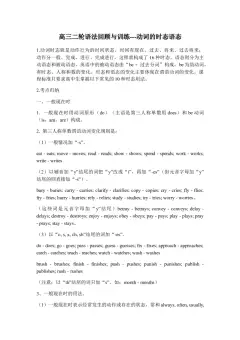
不规则动词需要单独记忆,下面按变化规律分成八类,建议分三次背完。
表1|A-B-B 型:过去式与过去分词相同
表2|过去分词在原形后加 n / en
表3|A-A-A 型:原形、过去式、过去分词相同
表4|原形 i → 过去式 a → 过去分词 u
表5|过去分词在过去式后加 n / en
表6|原形与过去分词相同
表7|A-B-C 型:三者都不同
表8|情态动词(无过去分词)
四、时间标志词
1、yesterday 家族:yesterday morning, the day before yesterday
2、last 家族:last week, last night, last month
3、...ago 家族:two years ago, three hours ago
4、in + 过去时间:in 2002, in the past(在过去)
5、just now(刚才)
第五节 | 过去进行时
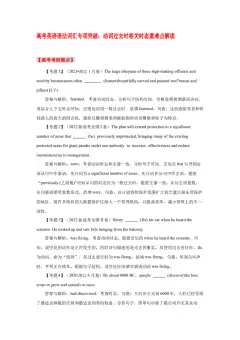
一、定义
表示过去某一时刻,或过去某段时间里正在进行的状态或动作。
例:What were you doing at 8 last night? I was reading.(昨晚八点你在做什么?我在读书。)
二、句子结构
肯定:主语 + was / were + 现在分词
否定:主语 + wasn't / weren't + 现在分词
疑问:Was / Were + 主语 + 现在分词?was、were 由主语决定。
三、时间标志词
过去某时刻:at this time yesterday, at that moment, at 9 last night
过去一段时间:those days, from...to last night
四、常见用法
1、过去某时刻(常用于 at + 过去时间点)。
2、表示过去某段时间内一直持续的动作,常和 those days 连用。
3、与一般过去时出现在同一复合句中:延续时间较长的用过去进行时,较短的用一般过去时。从句是一般过去时,连词用 when 而非 while。
例:The kids were eating when the teacher came in.
4、主句与从句两个过去动作同时进行时,常用 while 连接。例:I was cooking while he was cleaning.
一句话总结|一般过去时强调"发生了什么",过去进行时强调"当时正在做什么"
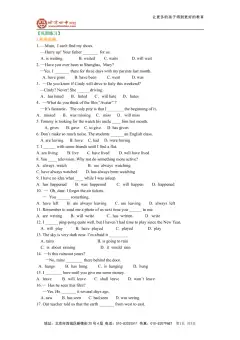
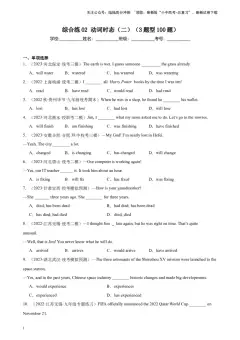
🔑 通关自查:① 三单变化怎么记?(s / es / y变i / have变has) ② 频率副词位置规律?(be后、行前、情助之间) ③ 主将从现适用哪些连词?(if、when、as soon as 等) ④ did 后动词用什么形式?(原形) ⑤ Look! / Listen! 开头常用什么时态?(现在进行时)
觉得有用,就点个「在看」,转给需要的家长和同学吧。
下一篇预告
《(10)七大句型 》
持续关注,小学语法一关一关带娃通关。
小技巧
关注成为粉丝,获取更多资料
往期推荐|《(1)名词》·《(2)冠词》·《(3)代词》·《(4)形容词和副词》·《(5)介词》·《(6)数词》·《(7)动词》《(8)连词》