ARTICLE · 1363792
译林版高中英语再版时请专业一些


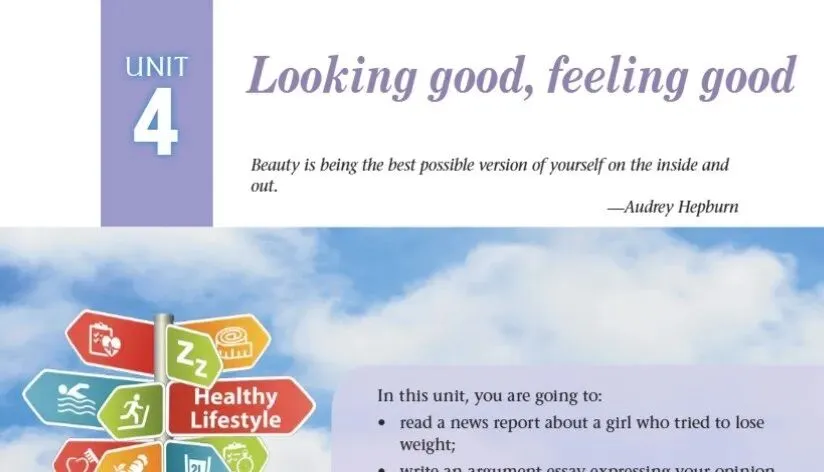
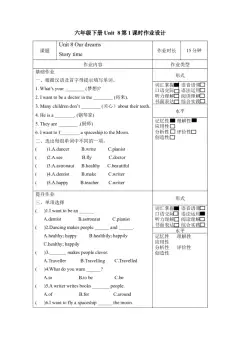
The passage—from the New Yilin Edition Senior High English textbook—presents several journalistic, ethical, and medical issues when evaluated against real-world reporting standards. While effective as an ESL reading exercise, it reads more like a moralizing cautionary tale than an authentic news article. (要点:可以作为ESL阅读练习,但急于道德教化而丧失真实。“求真务实”的风气呢?找不到原汁原味的语言材料吗?)
Issues with the Original Passage
- Journalistic Ethics & Privacy. Real news outlets do not publish the full name and medical details of a minor (15-year-old Jennifer Jones) who suffered a non-fatal health emergency at school without strict legal and ethical justification. (新闻职业道德和隐私问题)
- Lack of Attribution in the Lead. The opening sentence states as absolute fact that she fainted "after skipping meals," before doctors had even examined her. In journalism, unverified causes must be attributed to a source (e.g., "officials said" or "according to friends"). (观点绝对,没有归属)
- Editorializing Tone. News reports must remain objective. The second half of the passage shifts into an opinion column, using preachy language like "Jennifer's case is a reminder of the dangers..." rather than quoting an expert. (主观性太强)
- Oversimplified Medical Framing. The text treats fainting purely as a simple matter of "low blood sugar levels" from skipping breakfast. In reality, syncope (fainting) in teens is often multifactorial, involving dehydration, low blood pressure, or underlying eating disorders that require sensitive reporting. (归因简单化)
- Unrealistic Premise. A single teenager fainting at a local high school is a routine medical incident, not a major breaking news story warranting an emergency hospital dash and a city-wide newspaper feature. (名实不符)
To make the piece read like a genuine, ethical local news report, the rewrite removes the minor's name, attributes claims properly, and shifts the focus from a single student's incident to a broader, expert-backed health trend.
STONECHESTER — A Stonechester High School student was treated at a local hospital yesterday after collapsing during a morning physical education class, prompting school officials to warn families about the risks of extreme dieting.
Emergency responders were called to the campus around 10:30 a.m. after the 15-year-old girl lost consciousness, according to a school district spokesperson. Paramedics transported her to Stonechester General Hospital, where she was treated for dehydration and low blood sugar before being released later that afternoon.
Classmates told school counselors that the student had been skipping meals for several days in an effort to lose weight quickly.
Local pediatricians say the incident reflects a troubling trend among adolescents. "Restrictive dieting and skipping meals can rapidly deplete a teenager's energy reserves, leading to dizziness, fainting, and long-term nutritional deficiencies," said Dr. Sarah Jenkins, a pediatric specialist at Stonechester General. "Growing bodies need consistent fuel, especially during physical activity."
In response to the incident, Stonechester High School announced it will host a wellness seminar next week for students and parents focusing on balanced nutrition and healthy body image.
Key Improvements Made (如下好处)
- Protected the Minor's Identity. Removed the student's full name to align with standard youth privacy guidelines.
- Added Proper Attribution. Credited claims to a "school district spokesperson" and "classmates" rather than stating assumptions as fact.
- Replaced Preaching with Expert Quotes. Moved the moral takeaway into a direct quote from a fictional local pediatrician to keep the narrator's voice neutral.
- Expanded the News Angle. Justified the article's existence by tying the incident to a school-wide wellness initiative.
还可以找到真实的语料,不用编造:
Real news coverage on adolescent extreme dieting and fainting rarely focuses on an isolated school incident; instead, journalists frame these stories around medical case studies, broader public health data, or social media trends.
Below are three authentic examples of how real outlets cover this exact topic, demonstrating genuine journalistic structure, privacy ethics, and clinical attribution.
1. The Medical Mystery & Case Study Angle
Real newspapers often anonymize teenage patients and turn a single hospitalization into an educational clinical breakdown. In a Philadelphia Inquirer medical case report, physicians walked readers through how doctors evaluate a teen who collapses after losing weight:
The report details a 17-year-old patient who collapsed from low blood pressure after unintended weight loss, highlighting clinical precision like exact blood pressure metrics to differentiate medical conditions from voluntary dieting.
2. The Social Media & Peer Pressure Angle
When individual hospitalizations are covered, outlets protect minors and tie the cases to broader data. An English-language report from The Chosun Ilbo demonstrates this by pairing a Seoul family's account of peer-driven weight anxiety with national statistics from the Health Insurance Review & Assessment Service showing a 32.2% rise in teen female eating disorder diagnoses over four years.
3. The Pediatric Policy & Trend Angle
Major outlets often bypass individual anecdotes to analyze systemic guidelines and digital trends. Coverage from CBC Radio on Canadian Paediatric Society guidelines and CBS News on extreme diet trends on TikTok relies on survey statistics, specific physiological risks like bone density loss, and official nutritional guidelines rather than dramatic narratives.


往期文字
2026田家炳杯教学技能大赛(英语决赛):走向更务实更具指导性
“田家炳杯”2026长春国赛·英语学科|速看快用!务实·灵感·启发·拓展·创新
对译林版中学英语教材体系的调整建议——兼对反智教材的指手画脚
专利探讨 | 一种用于快速检测常见植物油中矿物油的手持式设备及其方法
增长点||世界知识产权组织(WIPO)关于PCT国际申请语言翻译的有关规定:PCT规则第12条
我的译著