ARTICLE · 1398366
冀教版高中英语必修第二册Unit 4 Waves of Technology课文听力音频
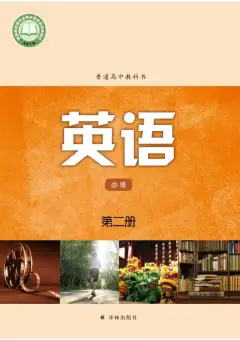
冀教版·高中英语 必修第二册

课文原文:Unit 4·WAVES OF TECHNOLOGY
Technologies in Everyday Life
[01] We are surrounded by technologies, some of which have become so popular that they appear normal and part of everyday life. People do not even realize that they are using them. You might have one of these little metal devices on your lap right now. Most technologies have made life easier and more convenient as well.
[02] Smart Mobile Devices Tablets and smart phones allow you to surf the Internet from any place offering Wi-Fi. They have successfully replaced a lot of instruments used in the past and have led to the introduction of many other devices. Phone applications allow you to check your emails, download movies, update blogs, play games, and create text documents. They are devices that can act as GPS devices, digital cameras, music players, e-readers and video viewers. They have built-in calendars and to-do lists making it easy for people to stay organized. Surely you will agree that if your smart phone were taken away from you or were running out of battery power, you could feel incomplete.
[03] Mobile Payment Mobile payment generally refers to payment services performed by a mobile device. Instead of paying in cash
[04] or by cards, a consumer can use a mobile device to credit pay for a wide range of services and goods. By scanning a QR code, short for “Quick Response” code, with a mobile phone, people can pay immediately in restaurants, supermarkets and convenient stores. The technology supporting such systems has become widely available. It makes operations efficient and convenient, resulting in an increase in business.
[05] Wearable Devices Lifestyle and fitness devices have become very popular in recent years. There are many wearable devices on the market for you to choose from. Wearable devices track your steps, workout time, calories burned and distance you cover. In addition, they are in a to measure the position rate of your heart beat and monitor how you sleep. Some are worn on the ankle or wrist, while others are clipped onto clothes or put around the chest.
[06] Some wearable devices have LED status lights and small screens while others don’t have these at all. Scientists are doing more experiments in this field and future wearable tech devices are expected to be even more advanced.
[07] Smart Street Lights Despite its wide range of features, the main task of the smart street light is to light the street at night. The smart street light does not rely on traditional lamps, but on LEDs. First, LEDs use less electricity. Second, they last up to six times longer than traditional lamps, making less waste. This allows cities or towns to cut three-quarters of their costs for street lighting directly.
[08] The smart street light takes it even one step further and adapts the lighting to its surrounding conditions within a radius of up to 150 metres, saving more energy. The radar chip built into the light detects how fast an object, such as a car, is approaching the light. The evaluation of the data is controlled by the microcontroller. All the procedures are carried out automatically.
站在科技的浪尖:做时代的主人而非乘客
冀教版必修二 Unit 4 课文解读
主题:科技浪潮:与时代同频共振
一、写在前面:我们正身处一场技术革命
Technology is a wave—you can either ride it or be swept away by it.
智能手机、人工智能、大数据、虚拟现实……技术以前所未有的速度改变着我们的生活。对数字原住民一代而言,科技既是熟悉的日常,也带来新的挑战:如何辨别信息真伪?如何避免沉迷?如何让技术为我所用?
本单元以 Waves of Technology 为主题,引导学生理性、辩证地看待科技进步。
二、主题深读:拥抱变化,也保持清醒
教材呈现科技在教育、医疗、交通、通信等领域的广泛应用,学生学习相关词汇与表达,如 innovation(创新)、device(设备)、artificial intelligence(人工智能)、digital(数字的)等。阅读素材既展现科技带来的便利,也不回避其负面效应——隐私泄露、信息过载、人际疏离。
这种辩证视角尤为重要。单元引导学生思考:技术是中性的工具,其价值取决于人如何使用。培养媒介素养与科学精神,学会批判性地评估技术,是数字时代公民的核心能力。
同时,教材也隐含着一个更深入的命题:在拥抱科技浪潮时,如何守护人类的情感、创造力与主体性。这让语言学习上升为对时代命题的思考。
三、核心词汇与地道表达
technology n. 技术;
innovation n. 创新;
device n. 设备;
digital adj. 数字的;
artificial adj. 人工的;
data n. 数据;
invention n. 发明;
update v. 更新;
keep up with 跟上;
be addicted to 沉迷于;
make full use of 充分利用;
cut-edge technology 前沿技术;
on the one hand ... on the other hand 一方面……另一方面;
建议围绕“科技改变了我的一天”这个话题,用这些表达写一段短文。
四、原创主题微阅读|The Tool and the Hand
My grandfather grew up without a phone. He walked to the library to look things up and wrote letters that took days to arrive. I grew up with a smartphone in my pocket, able to reach almost any knowledge in seconds. Yet I have noticed something strange: with all this access, I sometimes feel less curious, not more. It is easy to ask a search engine and forget how to wonder. Grandfather says technology is like a hammer—it can build a house or break a window. The tool matters, but the hand that holds it matters more. I am learning to use my phone as a tool, not as a master.
五、微阅读中文译文
我的祖父在没有电话的年代长大。他走到图书馆去查资料,写信要几天才能寄到。我在口袋里装着智能手机长大,几秒钟就能获取几乎任何知识。然而我发现了一件奇怪的事:拥有这一切便利,我有时反而没那么好奇了。我们太容易去问搜索引擎,以至于忘记了如何去“好奇”。祖父说,技术就像一把锤子——它既能盖房子,也能砸窗户。工具固然重要,但握住工具的手更重要。我正在学习把手机当作工具,而不是主人。
六、读后思考
1. 科技给你的学习带来了哪些便利?又带来了哪些困扰?
2. 你认同“技术是中性的,关键在人”吗?举例说明。
3. 如果没有智能手机,你的一天会有什么不同?