ARTICLE · 1055770
【英语文化】初中英语传统文化阅读53:The Twenty Four Solar Terms二十四节气

The Twenty Four Solar Terms(二十四节气)
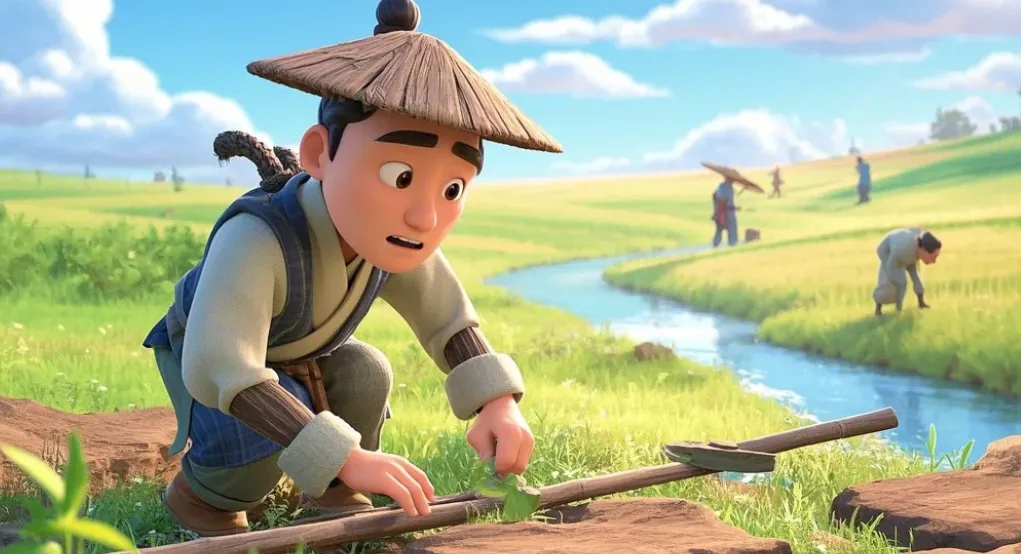
Long ago, without clocks or calendars, our ancestors faced a major problem. How could they know when to plant their crops or tell the change of seasons? They found the answer by watching the sun carefully.
They noticed that a bamboo pole's shadow changed every day. It was shortest at noon. But throughout the year, the noon shadow's length also varied. The day with the shortest noon shadow was named "Summer Solstice", when it was very hot. The day with the longest noon shadow was "Winter Solstice", when it was cold.
Our ancestors also found days in spring and autumn when day and night were the same length. They named them "Spring Equinox" and "Autumn Equinox". Then they added "Beginning of Spring", "Beginning of Summer", "Beginning of Autumn" and "Beginning of Winter" to mark the start of each season.
To help with farming, they added more solar terms. For example, "Minor Heat" and "Major Heat" show hot weather, while "Rain Water" and "Grain Rain" are related to water for crops.
The 24 solar terms are a really smart invention. Even though the dates may change a bit, they still help us understand nature better. It is an important part of Chinese traditional culture. In 2016, the Twenty-Four Solar Terms was added to the UNESCO Representative List of the Intangible Cultural Heritage of Humanity. Farmers still follow this ancient wisdom to arrange farm work today.
很久以前,没有时钟和历法,我们的祖先面临一个重大难题。他们如何知晓播种的时机,分辨季节更替?通过仔细观测太阳,他们找到了答案。
他们发现竹竿的影子每天都在变化。正午时分影子最短。而在一整年里,正午影子的长度也会发生变化。正午影子最短的那天被命名为 “夏至”,此时天气酷热;正午影子最长的那天是 “冬至”,天寒地冻。
祖先们还发现,在春秋两季各有昼夜等长的日子,将它们命名为 “春分” 和 “秋分”。之后又增设立春、立夏、立秋、立冬,用来标志各个季节的开端。
为助力农耕,人们增加了更多节气。例如,小暑和大暑代表炎热天气,雨水、谷雨则和农作物用水息息相关。
二十四节气是一项十分精妙的发明。尽管对应的日期会稍有浮动,它依旧帮助我们更好地认识自然。它是中华传统文化重要组成部分。2016 年,二十四节气被列入联合国教科文组织人类非物质文化遗产代表作名录。时至今日,农民们依然依靠这份古老智慧安排农事。
重点词汇和短语
ancestor /ˈænsestə(r)/n. 祖先 calendar /ˈkælɪndə(r)/n. 日历;历法 crop /krɒp/n. 庄稼,农作物 shadow /ˈʃædəʊ/n. 影子 vary /ˈveəri/v. 变化,改变 length /leŋθ/n. 长度 Summer Solstice 夏至 Winter Solstice 冬至 Spring Equinox 春分 Autumn Equinox 秋分 mark /mɑːk/v. 标志;标记 be related to 与…… 有关 solar terms 节气 intangible cultural heritage 非物质文化遗产 arrange farm work 安排农事
阅读理解简答题
What big problem did our ancestors meet long ago? How did the ancestors find out the rules of seasons? Which day has the shortest shadow at noon? What are Rain Water and Grain Rain related to? What honour did the Twenty-Four Solar Terms get in 2016?
参考答案
They didn’t know when to plant crops and how to tell the change of seasons without clocks or calendars. By watching the sun carefully and studying the change of the shadow of a bamboo pole. Summer Solstice. They are related to water for crops. It was added to the UNESCO Representative List of the Intangible Cultural Heritage of Humanity.
免责声明:本文素材来自英语学习宝藏,旨在免费公益分享优质内容,仅供学习交流。

你若喜欢, 请点亮赞 和 在看 哦