ARTICLE · 1354347
小学英语语法(三) | 代词:人称、物主、指示、疑问、不定代词汇总【附精讲 + 配套练习】(文末电子版可下载打印)

点击蓝字 关注我们


点击蓝字 关注我们

如何高效掌握小学英语的语法,一直是广大小学生与家长十分关心的问题。语法与词汇重在实践,学以致用才是学好的核心。只有结合练习不断巩固运用,才能真正把知识吃透,取得理想的学习效果。本公众号专为小学生打造,是一套完整的语法、学习与训练方案。
三
考点精讲
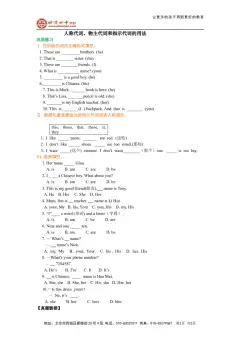
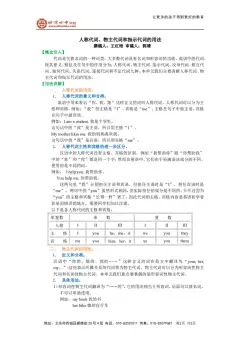
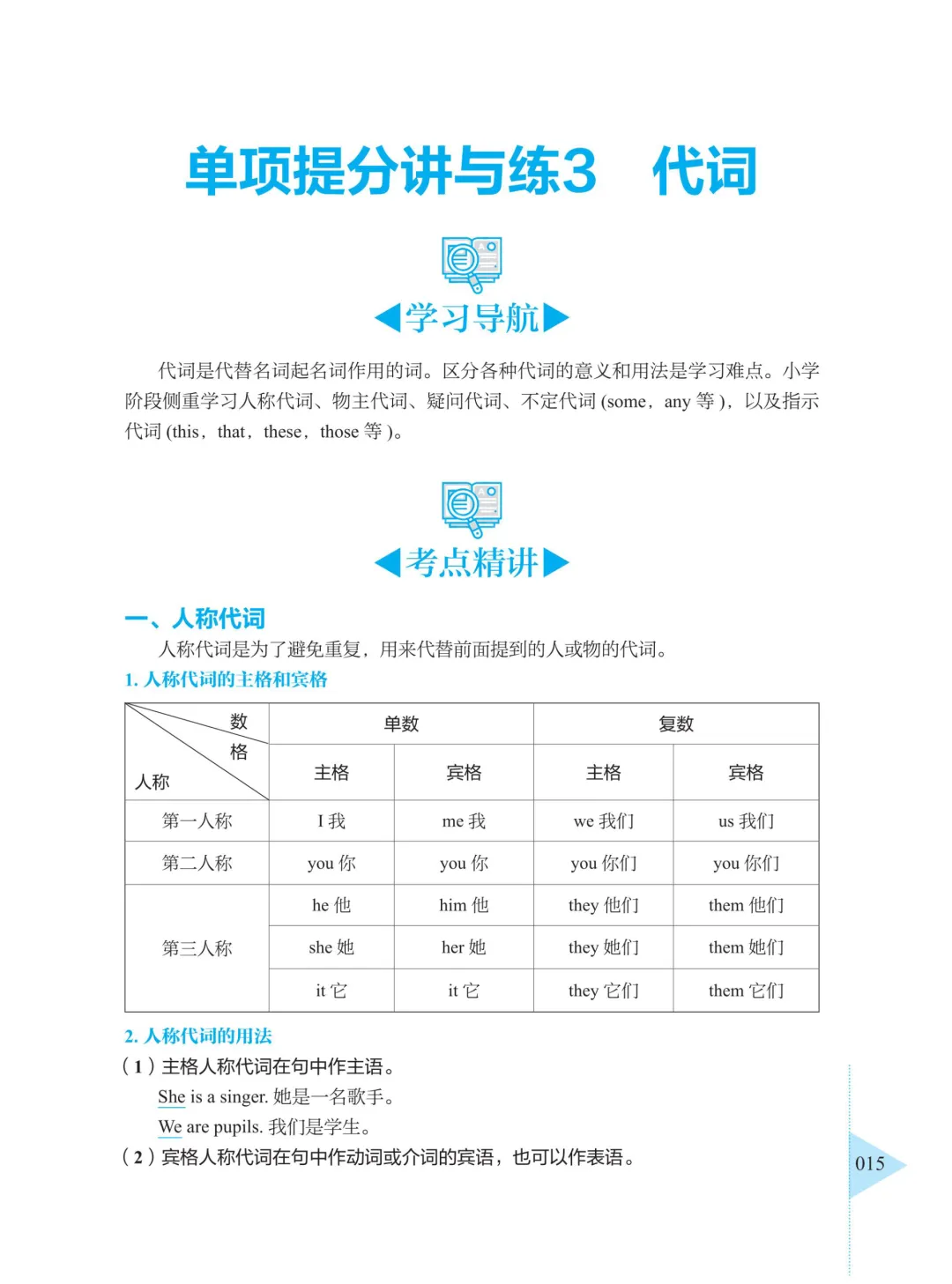
一、人称代词
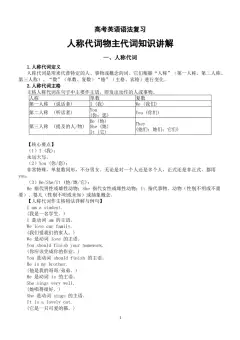
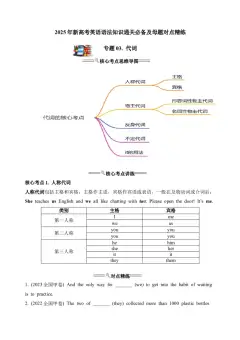
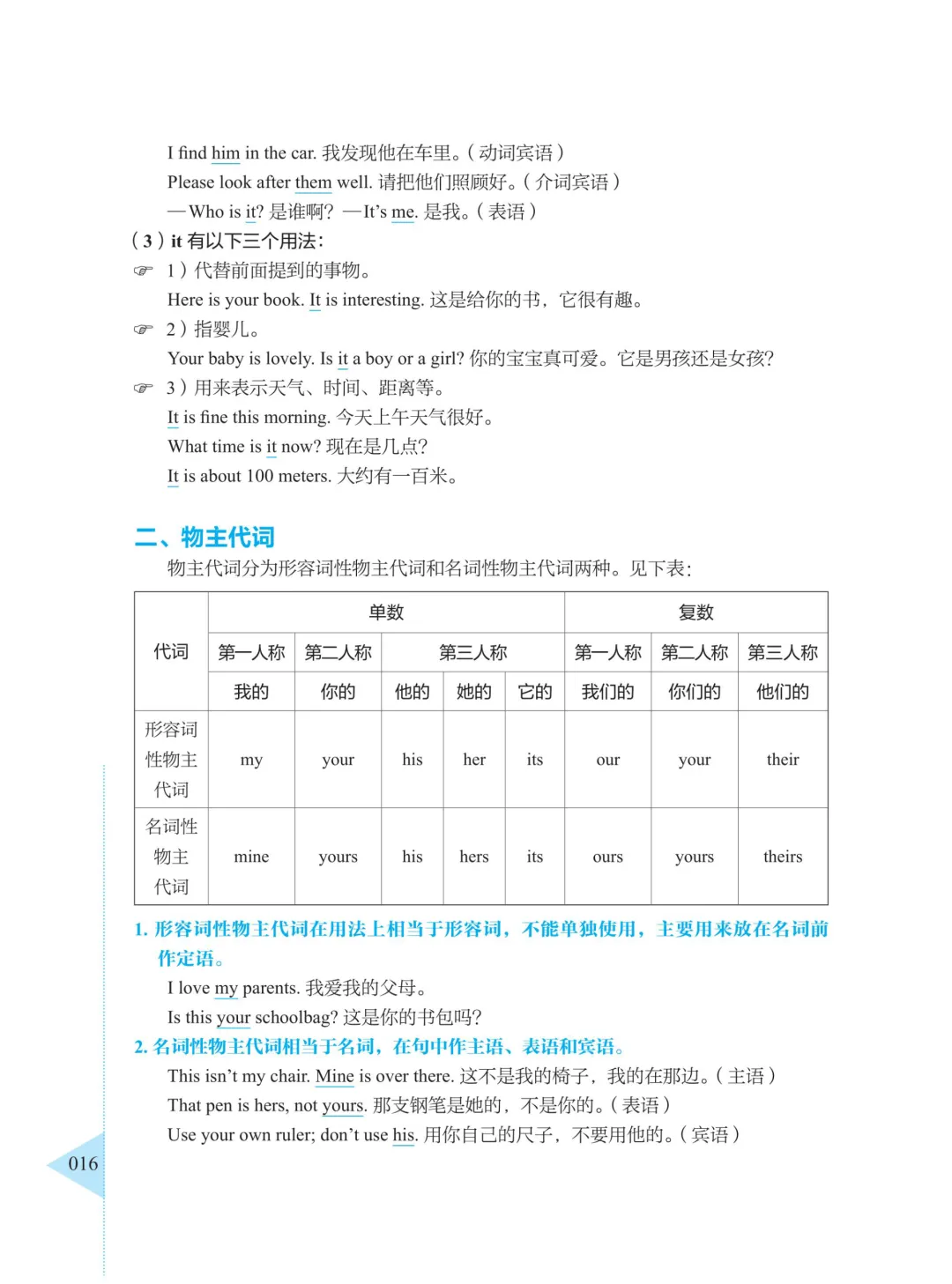
人称代词是为了避免重复,用来代替前面提到的人或物的代词。
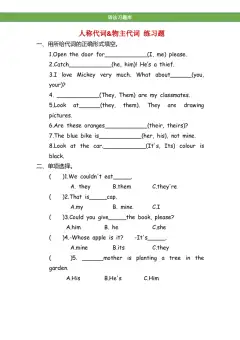
1. 人称代词的主格和宾格
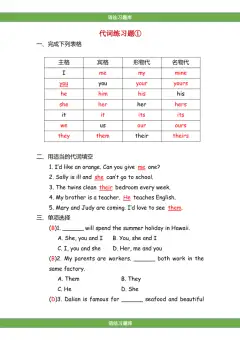
表格
2. 人称代词的用法
(1)主格人称代词在句中作主语。
She is a singer. 她是一名歌手。 We are pupils. 我们是学生。
(2)宾格人称代词在句中作动词或介词的宾语,也可以作表语。
I find him in the car. 我发现他在车里。(动词宾语) Please look after them well. 请把他们照顾好。(介词宾语) —Who is it? 是谁啊?—It’s me. 是我。(表语)
(3)it 有以下三个用法: ① 代替前面提到的事物。
Here is your book. It is interesting. 这是给你的书,它很有趣。 ② 指婴儿。 Your baby is lovely. Is it a boy or a girl? 你的宝宝真可爱。它是男孩还是女孩? ③ 用来表示天气、时间、距离等。 It is fine this morning. 今天上午天气很好。 What time is it now? 现在是几点? It is about 100 meters. 大约有一百米。
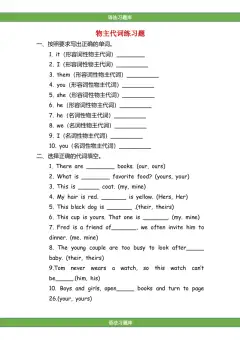
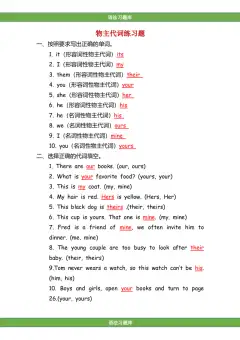
二、物主代词
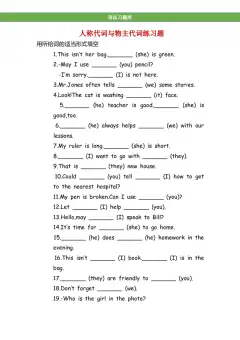
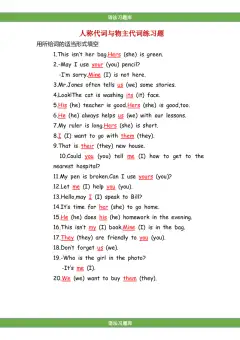
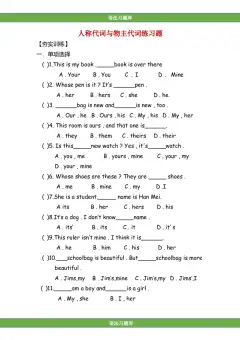
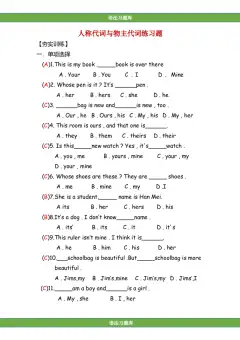
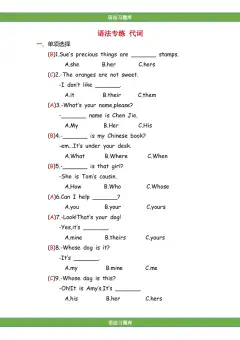
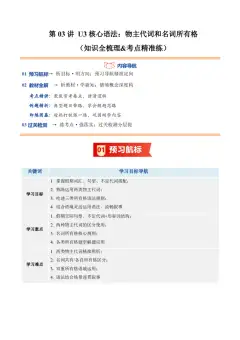
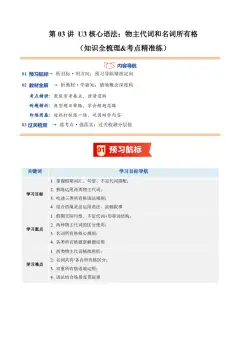
物主代词分为形容词性物主代词和名词性物主代词两种。
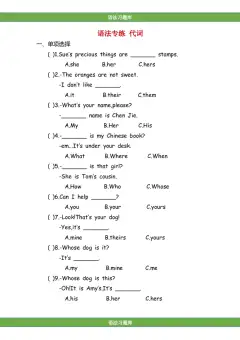
| 代词 | 单数 | | | | | 复数 | | | | ---- | ---- | ---- | ---- | ---- | ---- | ---- | ---- | | | 第一人称(我的)| 第二人称(你的)| 第三人称(他的)| 第三人称(她的)| 第三人称(它的)| 第一人称(我们的)| 第二人称(你们的)| 第三人称(他们的)| | 形容词性物主代词 | my|your|his|her|its|our|your|their| | 名词性物主代词 | mine|yours|his|hers|its|ours|yours|theirs|
- 形容词性物主代词
:用法相当于形容词,不能单独使用,放在名词前作定语。
I love my parents. 我爱我的父母。 Is this your schoolbag? 这是你的书包吗?
- 名词性物主代词
:相当于名词,在句中作主语、表语和宾语。
This isn’t my chair. Mine is over there. 这不是我的椅子,我的在那边。(主语) That pen is hers, not yours. 那支钢笔是她的,不是你的。(表语) Use your own ruler; don’t use his. 用你自己的尺子,不要用他的。(宾语)
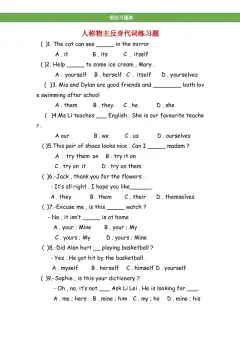
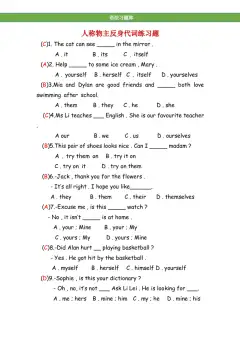
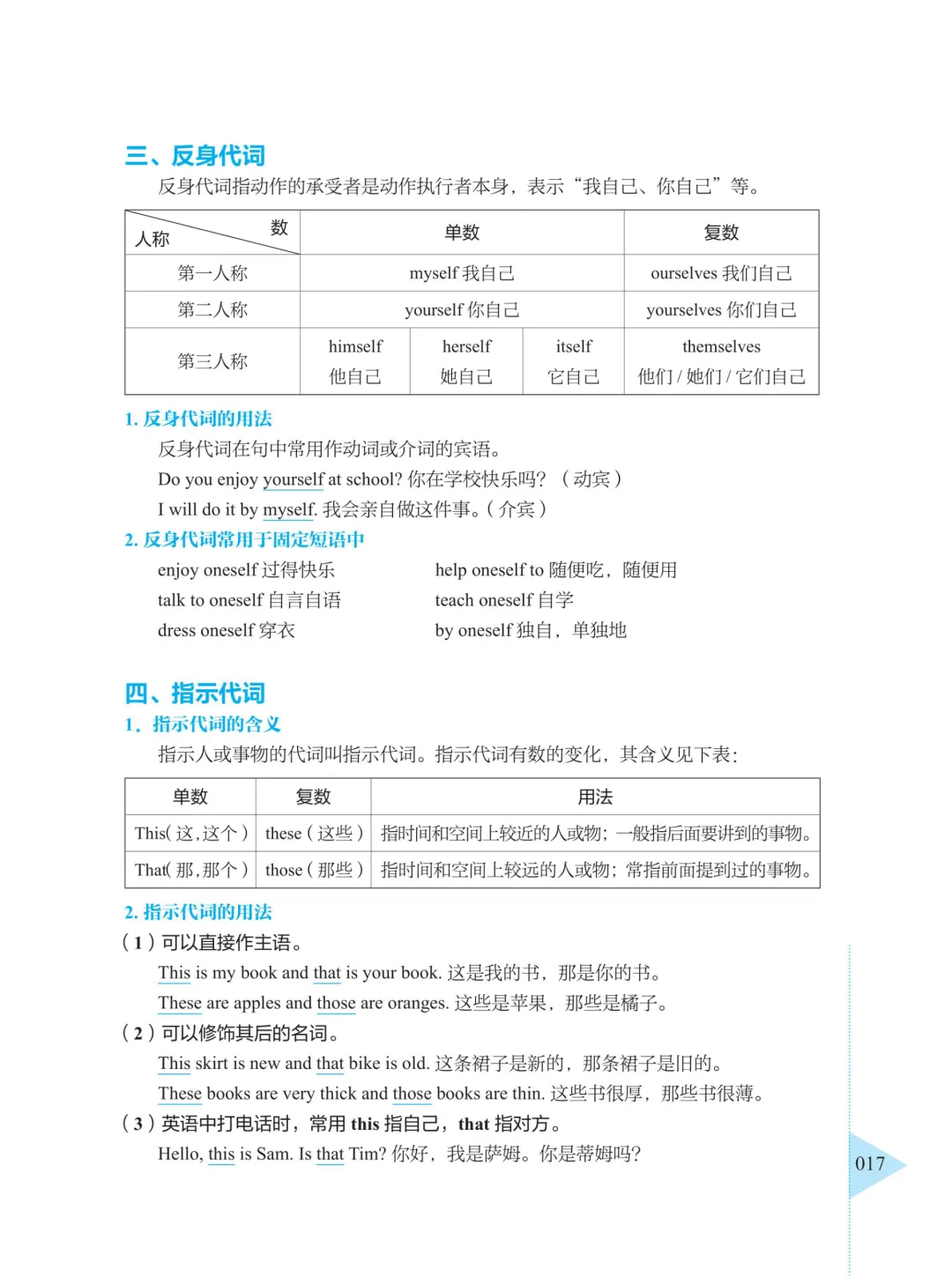
三、反身代词
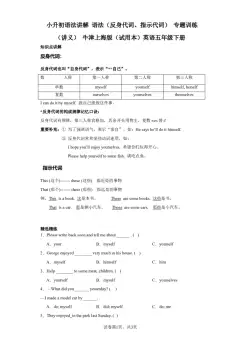
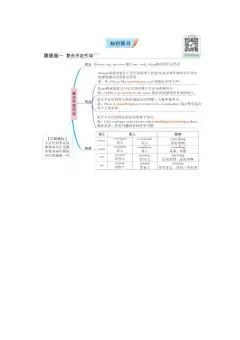
反身代词指动作的承受者是动作执行者本身,表示 “我自己、你自己” 等。
表格
- 反身代词的用法
:在句中常用作动词或介词的宾语。
Do you enjoy yourself at school? 你在学校快乐吗?(动宾) I will do it by myself. 我会亲自做这件事。(介宾)
- 常见固定短语
enjoy oneself 过得快乐 help oneself to 随便吃,随便用 talk to oneself 自言自语 teach oneself 自学 dress oneself 穿衣 by oneself 独自,单独地
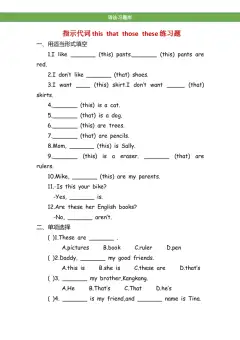
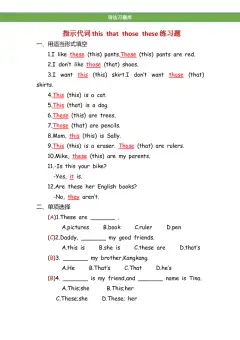
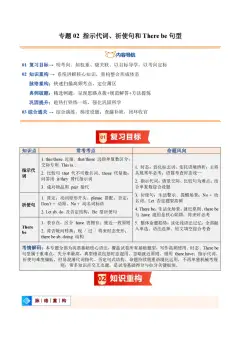
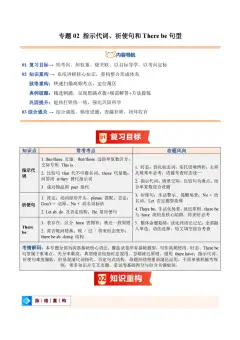
四、指示代词
指示代词含义
表格
单数 复数 用法 This(这,这个) these(这些) 指时间、空间上较近的人或物;一般指后面要讲到的事物。 That(那,那个) those(那些) 指时间、空间上较远的人或物;常指前面提到过的事物。 - 指示代词的用法
(1)直接作主语
This is my book and that is your book. 这是我的书,那是你的书。 These are apples and those are oranges. 这些是苹果,那些是橘子。
(2)修饰后面的名词
This skirt is new and that bike is old. 这条裙子是新的,那条自行车是旧的。 These books are very thick and those books are thin. 这些书很厚,那些书很薄。
(3)打电话:this 指自己,that 指对方
Hello, this is Sam. Is that Tim? 你好,我是萨姆。你是蒂姆吗?
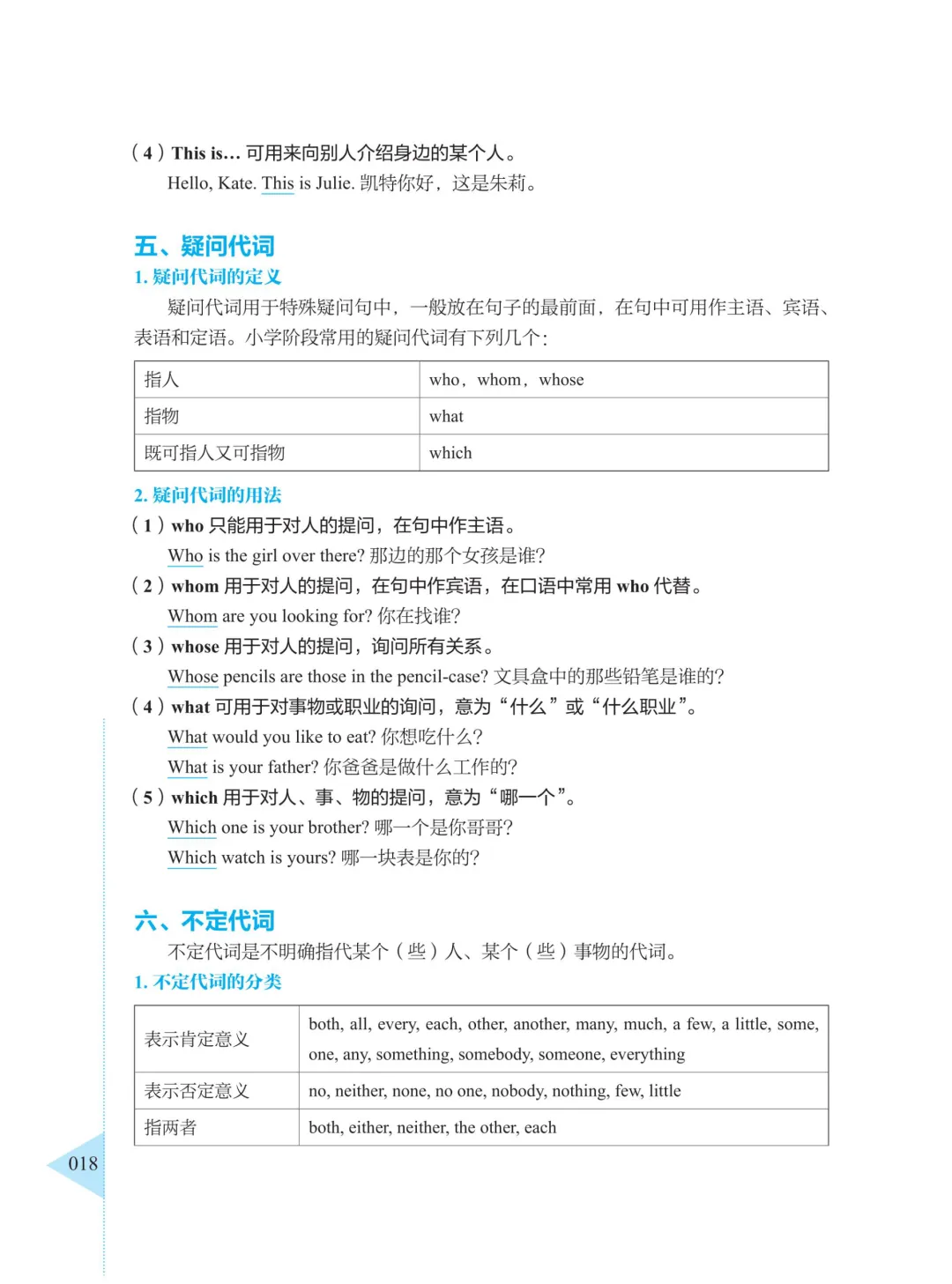
(4)This is… 用来介绍身边的人
Hello, Kate. This is Julie. 凯特你好,这是朱莉。
五、疑问代词
定义:用于特殊疑问句,放句首,可作主语、宾语、表语、定语。
表格
指人 who,whom,whose 指物 what 既可指人又可指物 which - 用法
(1)who:对人提问,作主语
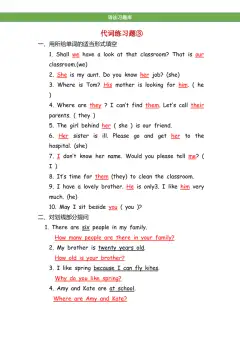
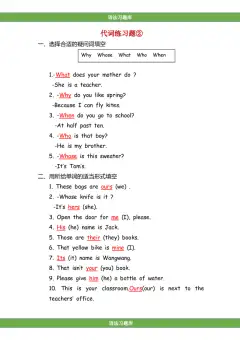
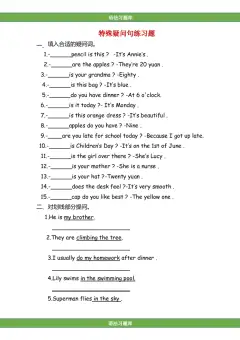
Who is the girl over there? 那边的那个女孩是谁? (2)whom:对人提问,作宾语,口语常用 who 替代 Whom are you looking for? 你在找谁? (3)whose:提问所属关系 Whose pencils are those in the pencil-case? 文具盒中的那些铅笔是谁的? (4)what:询问事物、职业 What would you like to eat? 你想吃什么? What is your father? 你爸爸是做什么工作的? (5)which:意为 “哪一个”,提问人 / 事 / 物 Which one is your brother? 哪一个是你哥哥? Which watch is yours? 哪一块表是你的?
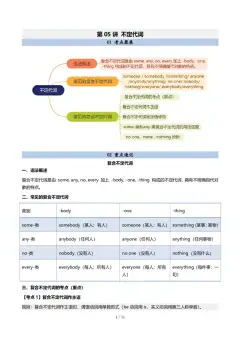
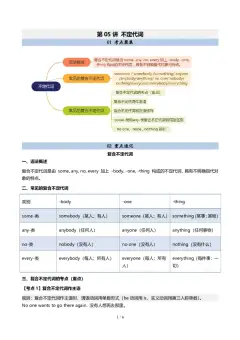
六、不定代词
不定代词是不明确指代某个(些)人、某个(些)事物的代词。
1. 不定代词分类
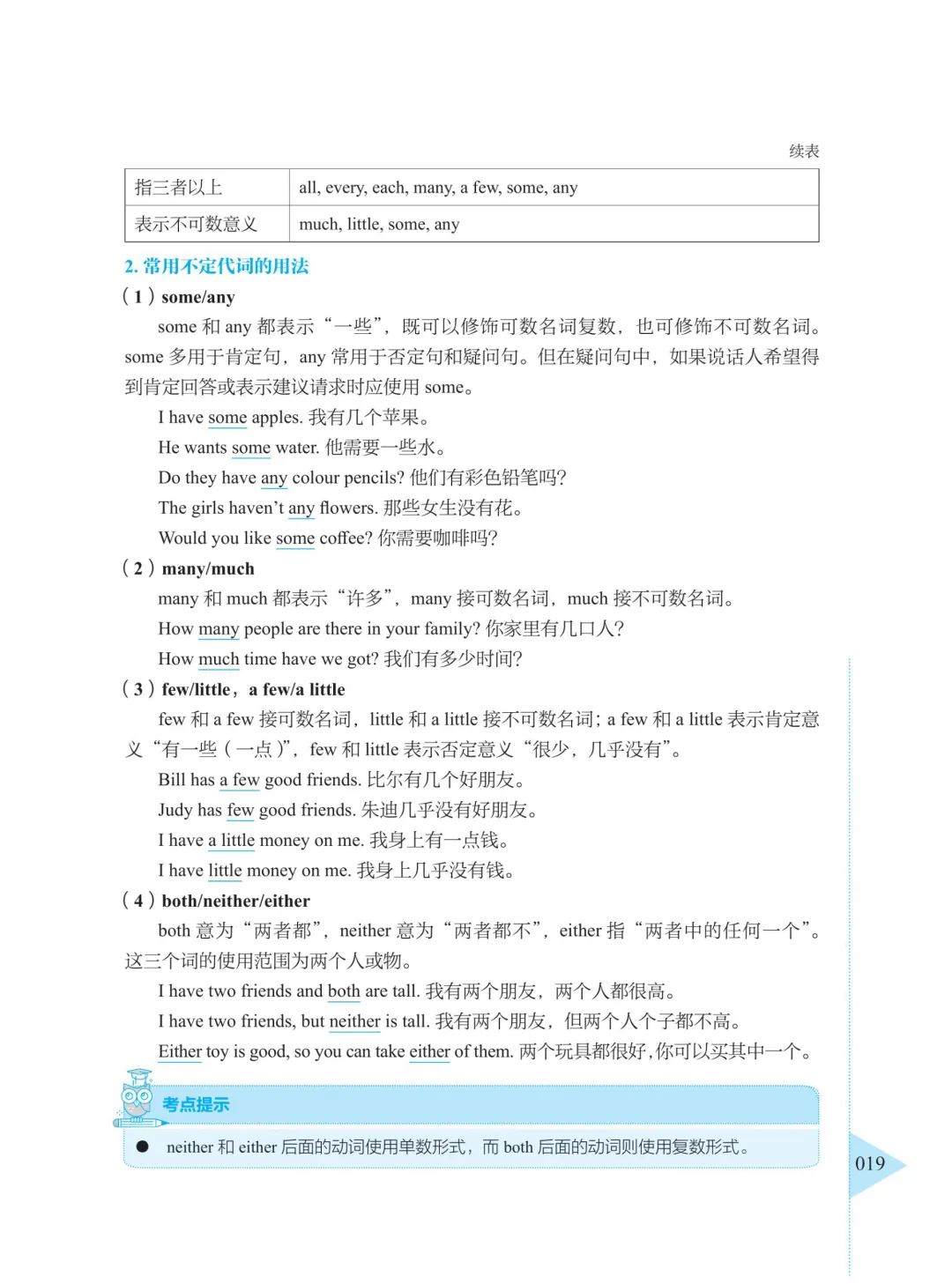
表格
2. 常用不定代词用法
(1)some / any都表示 “一些”,可修饰可数名词复数、不可数名词; some 多用于肯定句;any 多用于否定句、疑问句;疑问句中希望得到肯定回答、表请求建议时用 some。
I have some apples. 我有几个苹果。 He wants some water. 他需要一些水。 Do they have any colour pencils? 他们有彩色铅笔吗? The girls haven’t any flowers. 那些女生没有花。 Would you like some coffee? 你需要咖啡吗?
(2)many / muchmany + 可数名词;much + 不可数名词,都表示 “许多”。
How many people are there in your family? 你家里有几口人? How much time have we got? 我们有多少时间?
(3)few / little;a few / a little
a few、a little:肯定含义,有一点; few、little:否定含义,几乎没有; a few /few + 可数名词;a little /little + 不可数名词。
Bill has a few good friends. 比尔有几个好朋友。 Judy has few good friends. 朱迪几乎没有好朋友。 I have a little money on me. 我身上有一点钱。 I have little money on me. 我身上几乎没有钱。
(4)both / neither / eitherboth(两者都);neither(两者都不);either(两者任一);范围仅限两个人 / 物。
I have two friends and both are tall. 我有两个朋友,两个人都很高。 I have two friends, but neither is tall. 我有两个朋友,但两个人个子都不高。 Either toy is good, so you can take either of them. 两个玩具都很好,你可以拿其中一个。 ✅ 考点提示:neither、either 后动词用单数;both 后动词用复数。
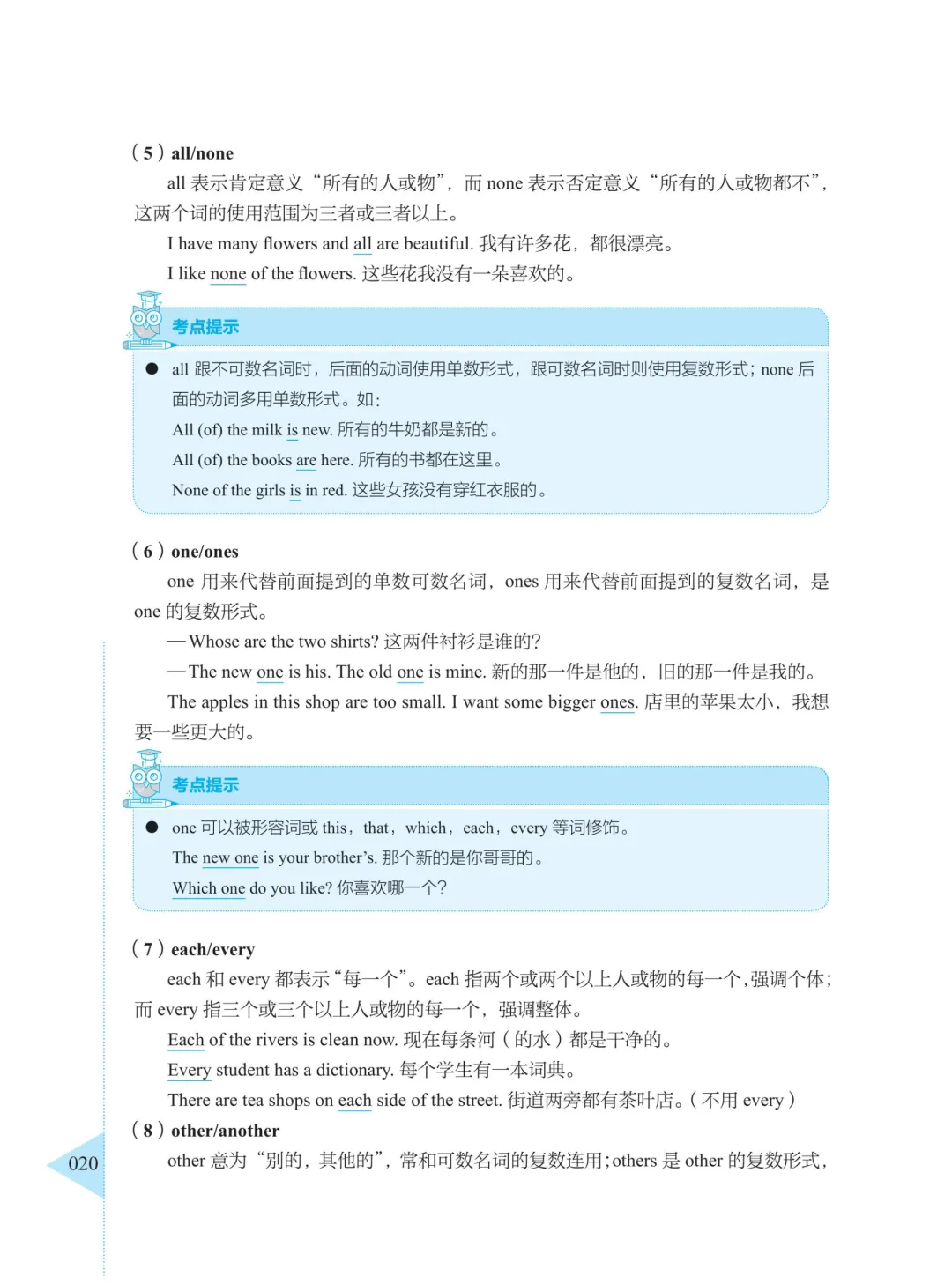
(5)all / noneall:全部(三者及以上,肯定);none:全都不(三者及以上,否定)
I have many flowers and all are beautiful. 我有许多花,都很漂亮。 I like none of the flowers. 这些花我没有一朵喜欢的。 ✅ 考点提示:all + 不可数名词,动词单数;all + 可数名词,动词复数;none 后面动词多用单数。 All (of) the milk is new. 所有的牛奶都是新的。 All (of) the books are here. 所有的书都在这里。 None of the girls is in red. 这些女孩没有穿红衣服的。
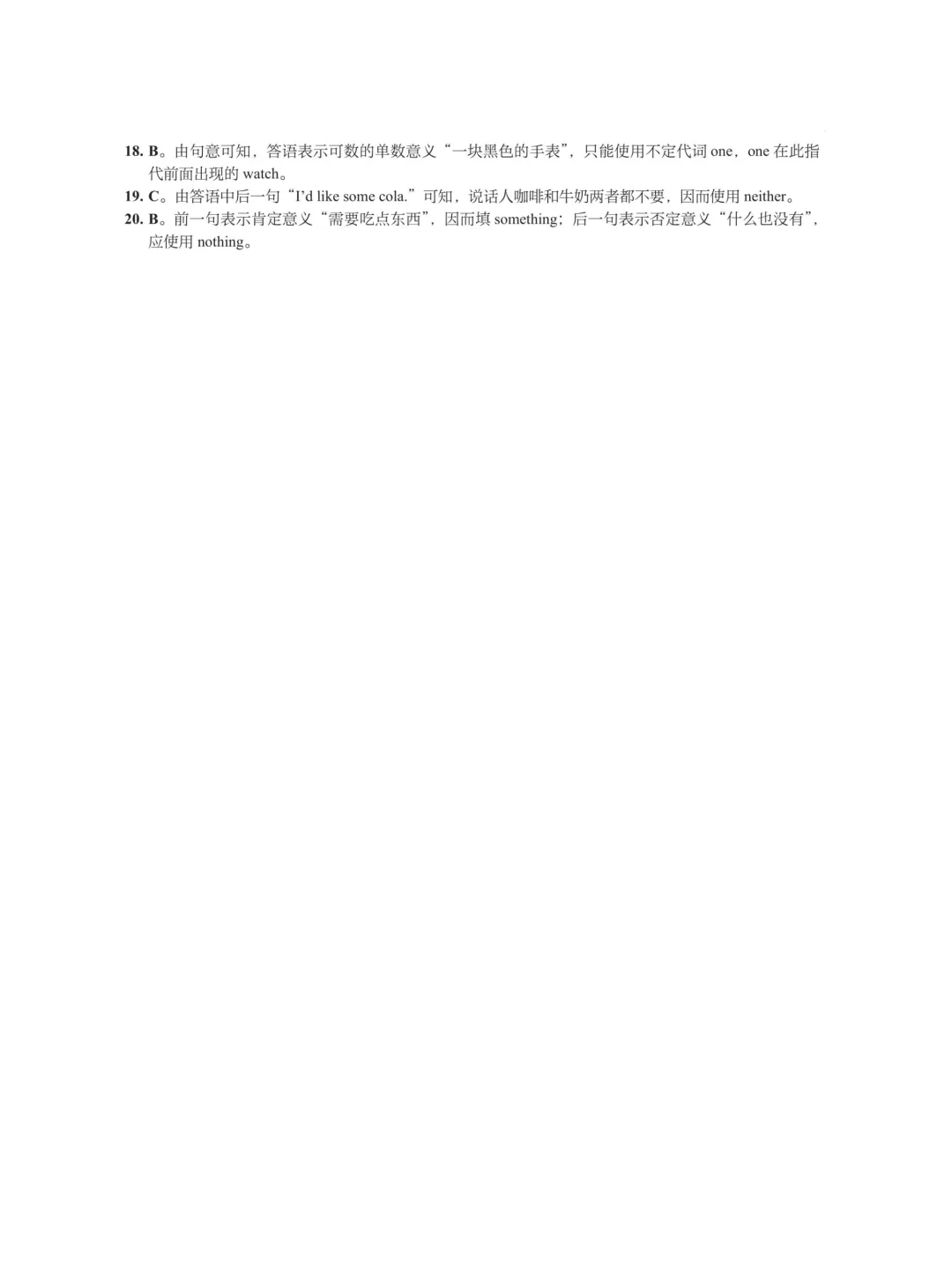
(6)one / onesone:替代单数可数名词;ones:替代复数可数名词。
—Whose are the two shirts? 这两件衬衫是谁的? —The new one is his. The old one is mine. 新的那一件是他的,旧的那一件是我的。 The apples in this shop are too small. I want some bigger ones. 店里的苹果太小,我想要一些更大的。 ✅ 考点提示:one 可被形容词、this、that、which、each、every 修饰。
(7)each / everyeach:两个及以上中的每一个,强调个体; every:三个及以上中的每一个,强调整体。
Each of the rivers is clean now. 现在每条河(的水)都是干净的。 Every student has a dictionary. 每个学生有一本词典。 There are tea shops on each side of the street. 街道两旁都有茶叶店。(不用 every)
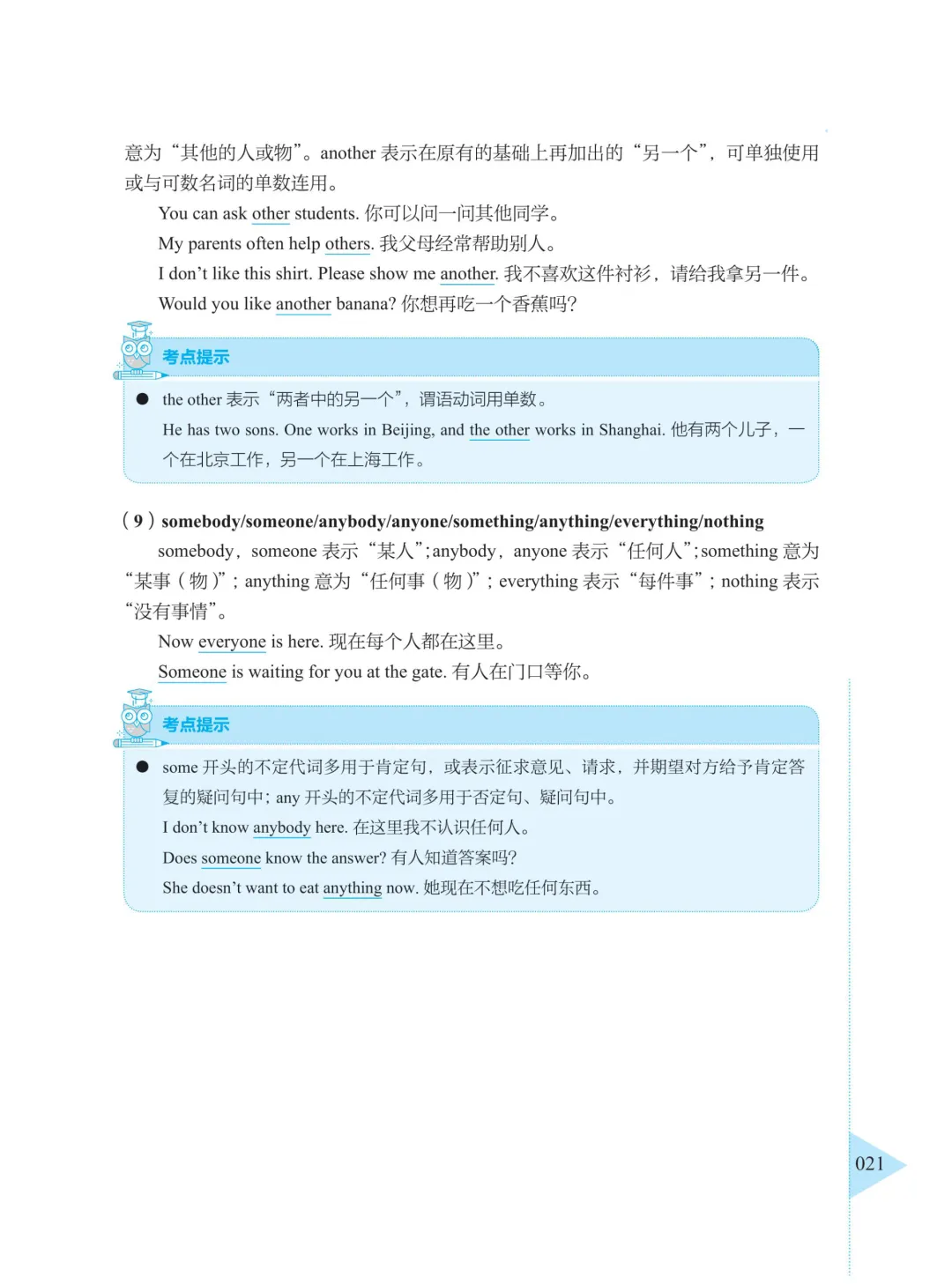
(8)other / anotherother + 可数名词复数:别的;others = “其他的人 / 物”; another:(在原有基础上)另一个,可单独用或加单数可数名词; the other:两者之中的另一个,谓语用单数。
You can ask other students. 你可以问一问其他同学。 My parents often help others. 我父母经常帮助别人。 I don’t like this shirt. Please show me another. 我不喜欢这件衬衫,请给我拿另一件。 Would you like another banana? 你想再吃一个香蕉吗? He has two sons. One works in Beijing, and the other works in Shanghai. 他有两个儿子,一个在北京工作,另一个在上海工作。
(9)somebody / someone / anybody / anyone / something / anything / everything / nothing
somebody /someone:某人 anybody /anyone:任何人 something:某事 / 某物 anything:任何事 / 任何物 everything:每件事 nothing:没有事情
Now everyone is here. 现在每个人都在这里。 Someone is waiting for you at the gate. 有人在门口等你。 ✅ 考点提示:some 开头多用于肯定句、期待肯定答复的疑问句;any 开头多用于否定句、疑问句。 I don’t know anybody here. 在这里我不认识任何人。 Does someone know the answer? 有人知道答案吗? She doesn’t want to eat anything now. 她现在不想吃任何东西。
#小学英语语法#小学英语代词#人称代词 #物主代词 #不定代词 #英语提分 #英语专项练习 #英语单选 #英语讲义 #小学英语知识点
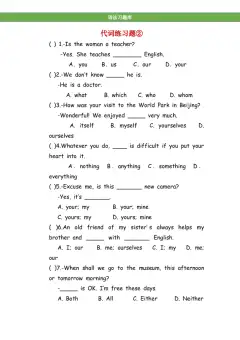
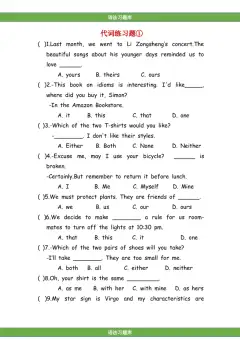
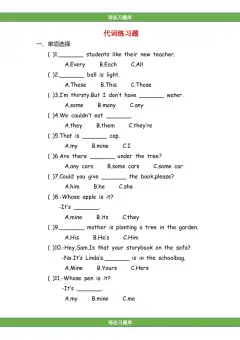
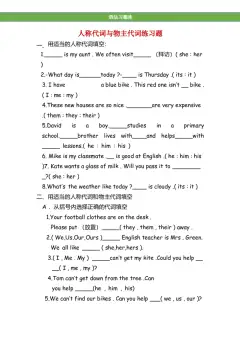
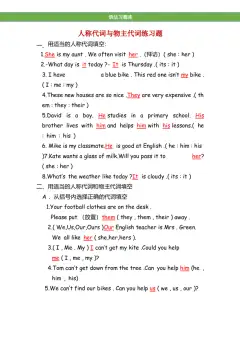
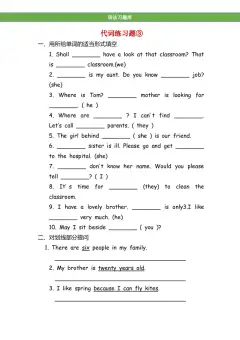
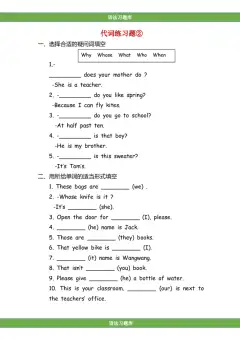
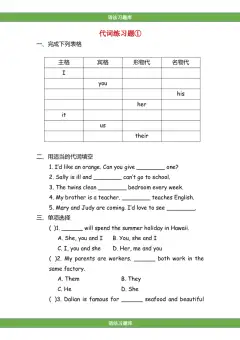
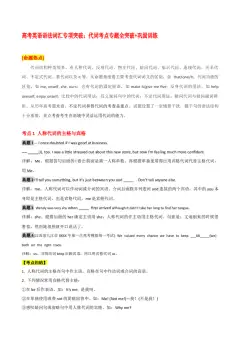
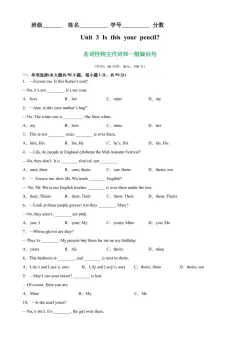
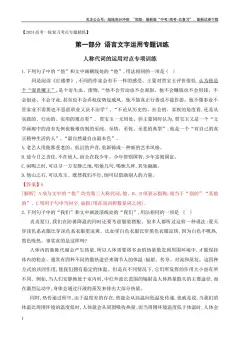
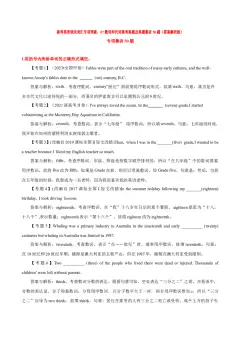
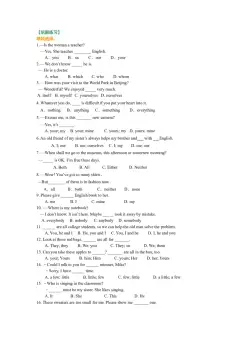
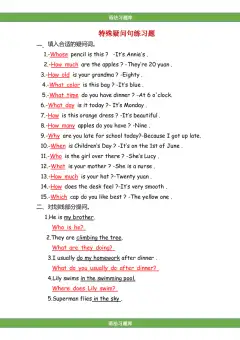
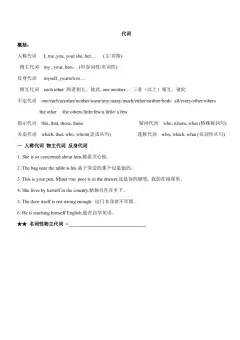
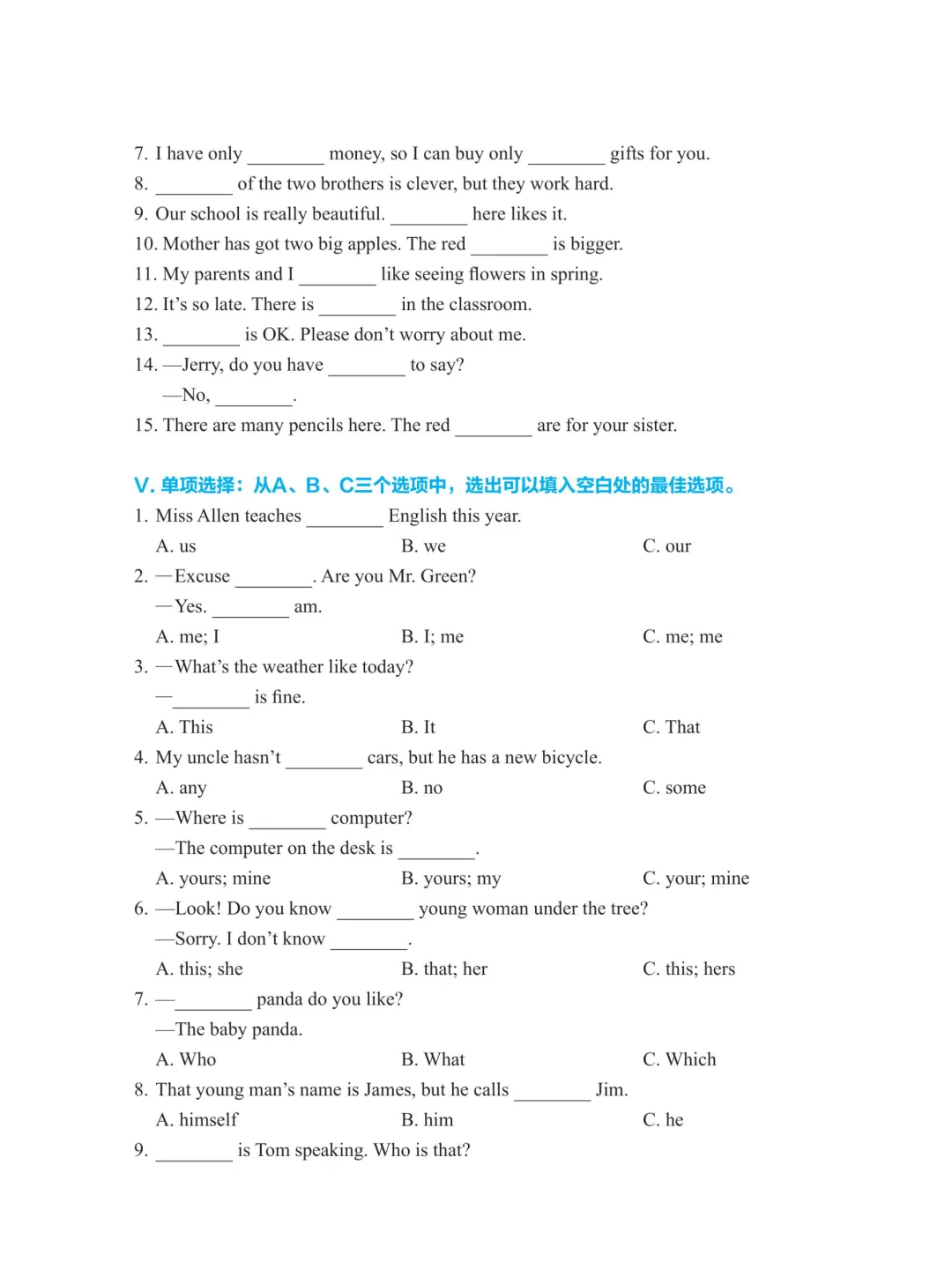
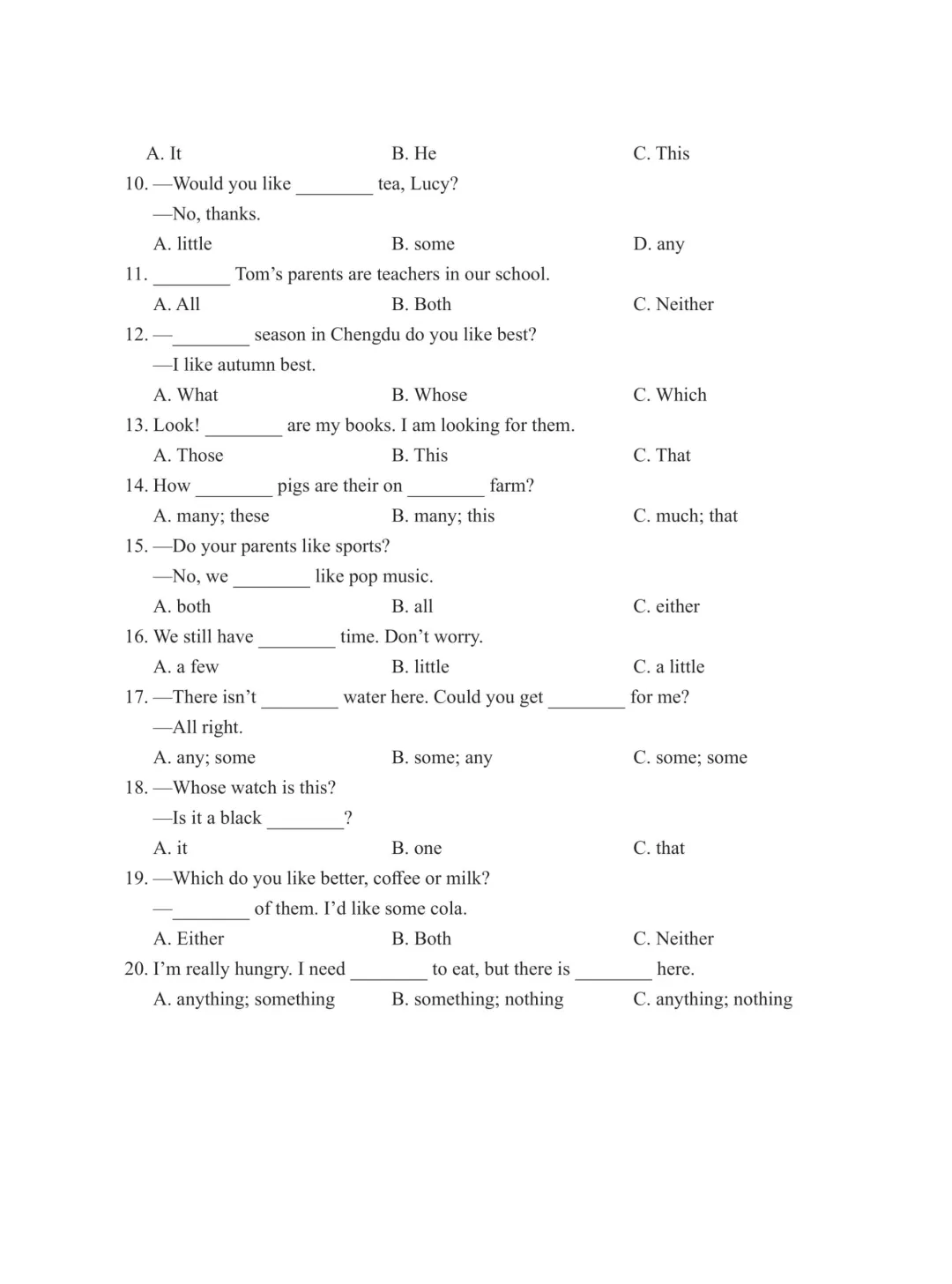
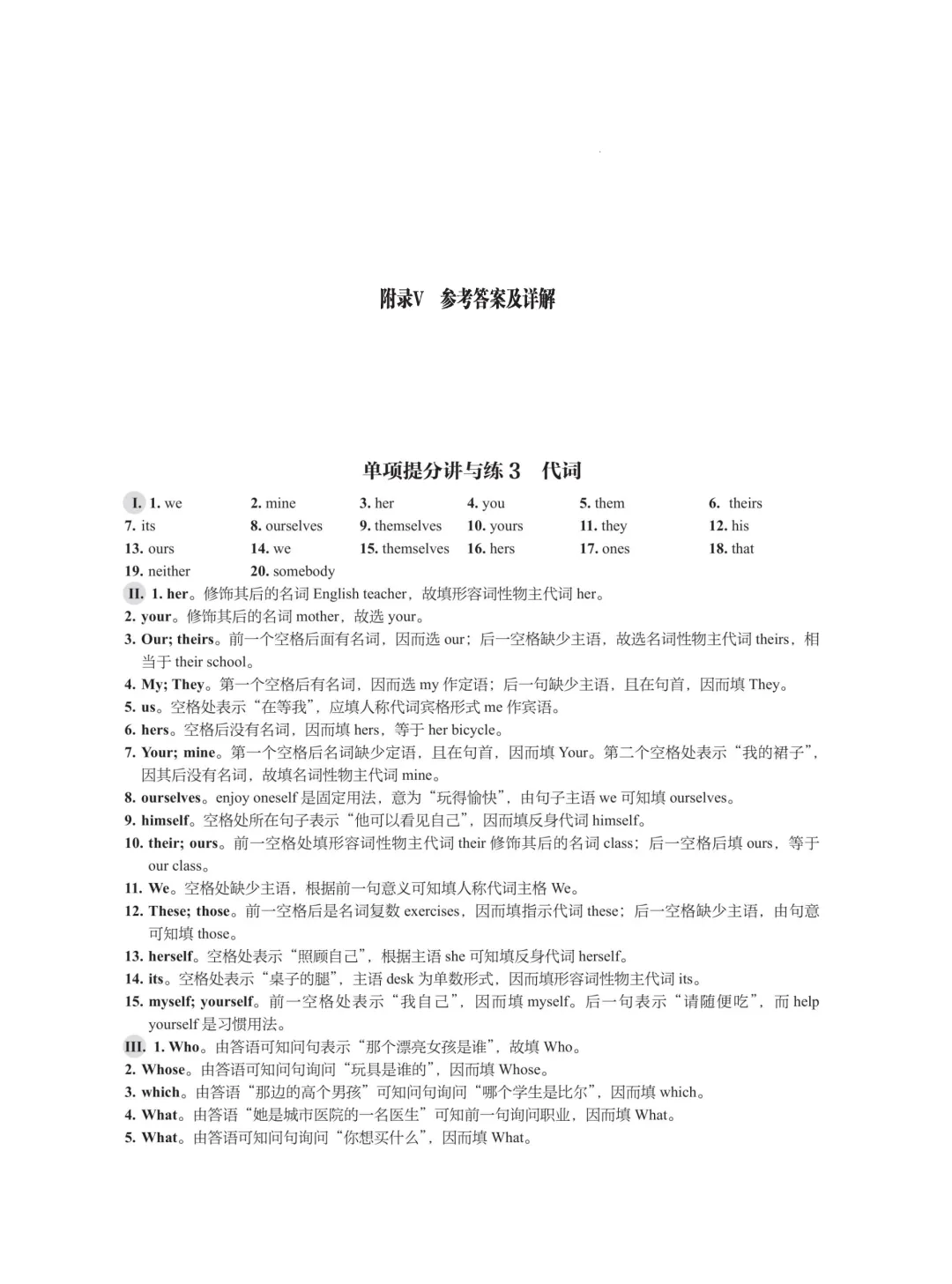
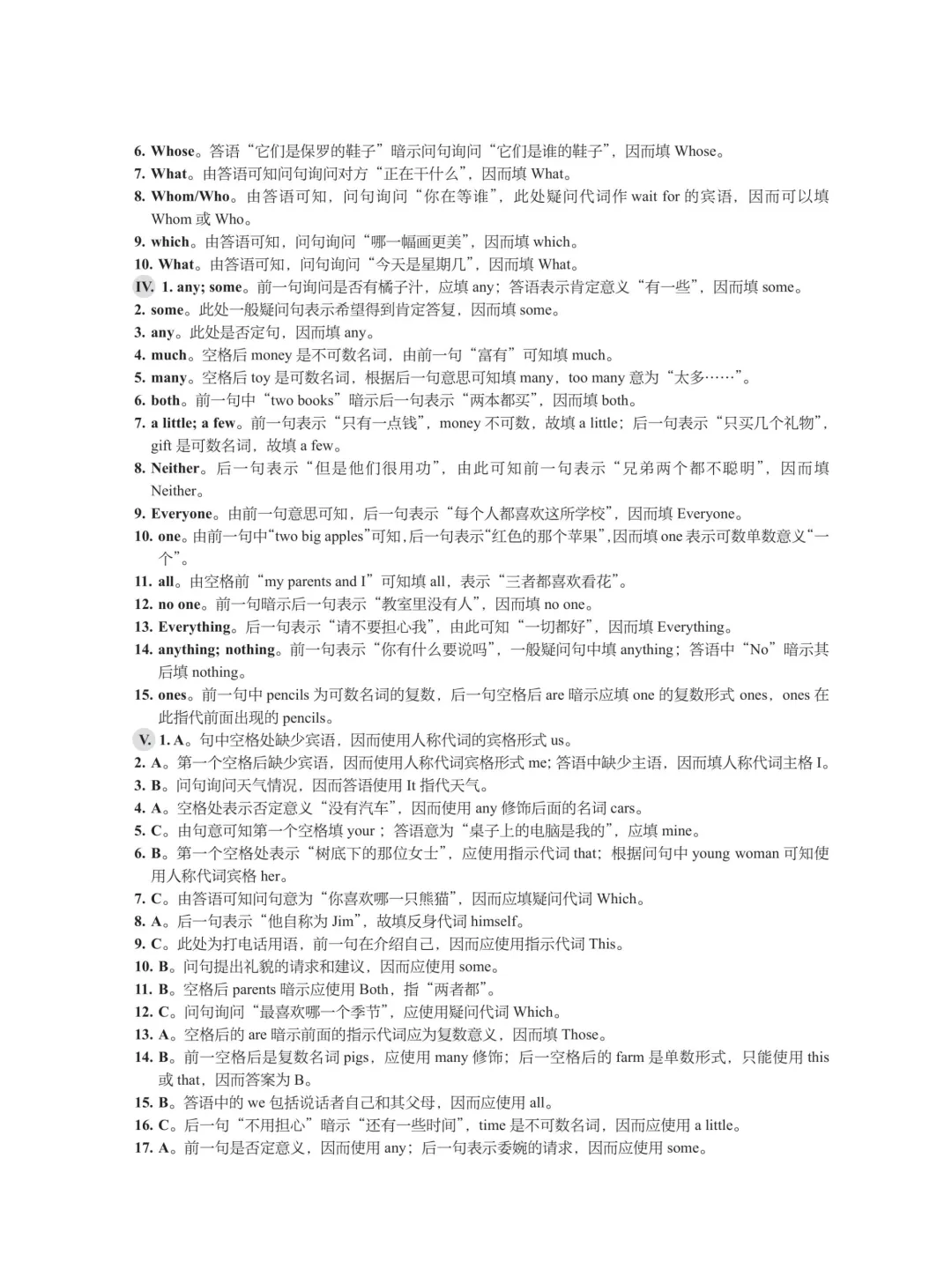
附电子版(保存图片即可打印)
公众号丨英语学霸成长记