ARTICLE · 1368337
【英语文化】初中英语传统文化阅读92 The Man Heading North to Chu 南辕北辙


The Man Heading North to Chu
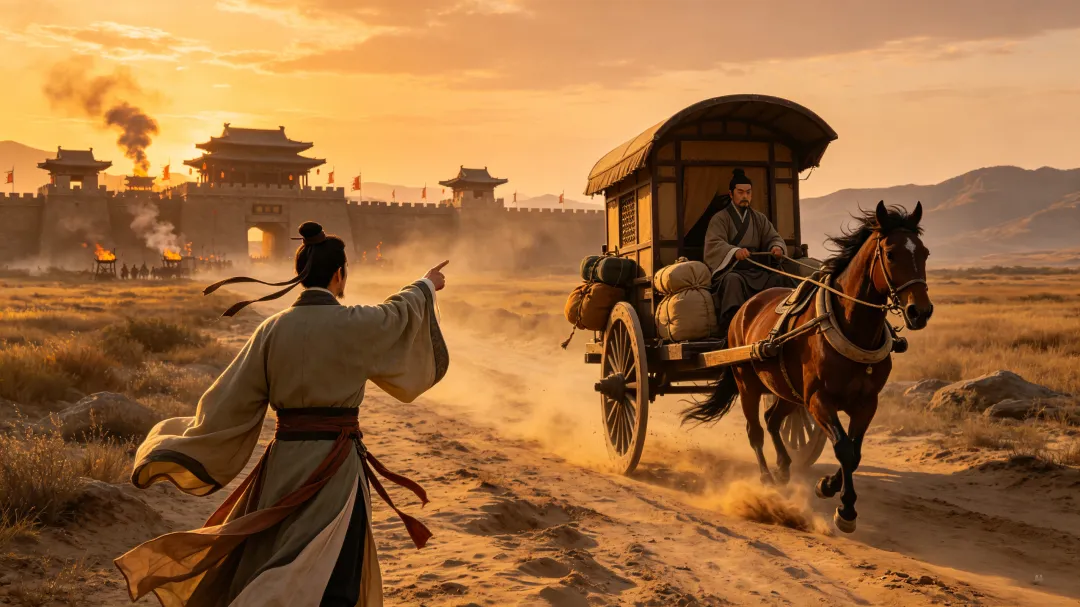
Once upon a time, there lived a man from the State of Wei. One day, he made up his mind to visit the State of Chu. Chu lay in the south of Wei, so he should travel south to get there. However, to everyone’s surprise, he got on his horse and set off towards the north.
A traveler who was passing by caught sight of him and felt confused. He walked up to the man and asked politely, “I hear you are going to Chu. Chu is in the south. Why are you heading north?” The man on the horse answered calmly, “It is not a big problem. My horse is strong and it can run really fast.” The traveler shook his head and said, “No matter how fast your horse runs, you are going in the wrong direction. The faster it runs, the farther you will be away from Chu.” The man was not worried at all. He patted his bag and said, “Don’t worry about that. I have plenty of money with me. I can buy food and pay for the road on my journey.” “Lots of money cannot help you reach Chu either,” the traveler explained. “Your direction is still wrong.” Then the man smiled and told the traveler another advantage. “My driver is very experienced. He is good at controlling horses and knows how to keep a long trip smoothly.” The traveler had no more words to say. The man’s three conditions were all good: a fast horse, enough money and a skilled driver. But none of these advantages could change the terrible truth. If the direction was wrong, all his good conditions would only push him further away from his final destination.
This old Chinese story has been passed down for thousands of years. It reminds us that direction is the most important thing before we take action. Great efforts, rich resources and excellent skills mean nothing if we choose a wrong direction. All our hard work will end up in vain. We need to check our goal and direction first before we put our heart into anything.
南辕北辙
从前,有一位魏国人。有一天,他决定前往楚国。楚国位于魏国的南边,所以他本应该向南出发才能抵达那里。可令人吃惊的是,他骑上马,朝着北方出发了。
一位路过的行人看见了他,心里十分疑惑。行人走上前去,礼貌地问道:“听说你要去楚国,楚国在南方,你为什么往北走呢?” 马上的人镇定地回答:“这不算什么问题。我的马很强壮,跑得非常快。” 行人摇了摇头说:“无论你的马跑得多快,你走的方向都是错的。马跑得越快,你离楚国就会越远。” 这个人一点也不担心。他拍了拍自己的行囊说:“不用担心这个,我带了充足的盘缠。旅途中我可以买食物,支付路上的开销。” “再多的钱也没法帮你到达楚国,” 行人解释道,“你的方向依旧是错的。” 接着这个人笑着告诉行人另一个优势:“我的车夫经验丰富,很擅长驾驭马匹,懂得如何顺利完成长途跋涉。”
行人无话可说了。这个人有三样有利条件:一匹快马、充足的钱财、技艺娴熟的车夫。但是这些优势,没有一样能够改变糟糕的事实。如果方向错了,所有有利条件只会让他离最终目的地越来越远。
这个古老的中国故事流传了上千年。它提醒我们:行动之前,方向是最重要的。如果方向选错,再多的努力、充足的资源和高超的本领都毫无意义,所有付出都会付诸东流。我们在专心投入一件事之前,先要确认目标和方向是否正确。
重点短语(音标+释义)
once upon a time /wʌns əˈpɒn ə taɪm/ 从前 make up one’s mind /meɪk ʌp wʌnz maɪnd/ 下定决心 set off /set ɒf/ 出发,启程 catch sight of /kætʃ saɪt ɒv/ 看见,发现 walk up to /wɔːk ʌp tuː/ 走向…… plenty of /ˈplenti əv/ 大量的,充足的 be good at doing sth /bi ɡʊd æt ˈduːɪŋ/ 擅长做某事 pass down /pɑːs daʊn/ 流传,传承 take action /teɪk ˈækʃn/ 采取行动 end up in vain /end ʌp ɪn veɪn/ 徒劳无功,白费力气 put one’s heart into sth /pʊt wʌnz hɑːt ˈɪntuː/ 全身心投入某事 be away from /bi əˈweɪ frəm/ 远离
回答问题
Where did the man from Wei plan to go? Which direction did the man head for at first? What three advantages did the man mention? Why couldn’t those advantages help him reach Chu? What lesson can we learn from the story?
参考答案
He planned to go to the State of Chu. He headed for the north. He had a fast and strong horse, plenty of money for the trip, and an experienced driver who was good at controlling horses. Because he went in the wrong direction. The good conditions would only make him farther away from his destination. We should check our direction first before we work hard. If the direction is wrong, all our efforts will be in vain.
免责声明:本文素材来自英语学习宝藏,旨在免费公益分享优质内容,仅供学习交流。

你若喜欢, 请点亮赞 和 在看 哦