专题 01 高考英语传统文化考点素材
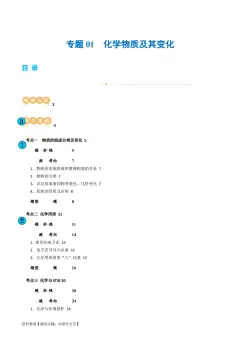
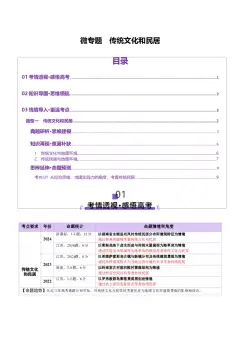
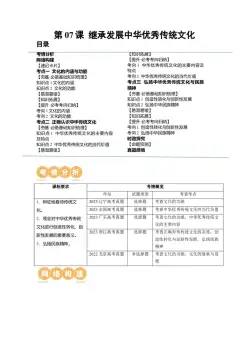
目录
第一部分 中国文化元素...............................................................................................................................2
一. 长城(The Great Wall)..................................................................................................................2
二. 饺子(Dumplings).........................................................................................................................3
三. 筷子(Chinese Chopsticks)...........................................................................................................4
四. 中国功夫(Chinese kung fu).........................................................................................................7
五. 汉字(Chinese characters).............................................................................................................9
六. 秧歌舞(Yangko)........................................................................................................................10
七. 针灸(Acupuncture)....................................................................................................................11
八. 中国龙(Chinese Dragon)..........................................................................................................12
九. 中国印章(Chinese Seal)...........................................................................................................13
十. 京剧(Chinese Beijing Opera).....................................................................................................13
十一. 中国成语(Chinese Idioms)....................................................................................................16
十二. 丝绸(Silk)..............................................................................................................................16
十三.中国园林 Chinese Classical Garden...........................................................................................17
十四.文房四宝(The Four Treasures of the Study)..........................................................................17
十六. 天干地支(Chinese Era).........................................................................................................20
十七.中国画(The Chinese paintings)...........................................................................................21
十八.中西医(Chinese Medicine)...........................................................................................................22
十九.书法艺术(The Art of Calligraphy )....................................................................................23
二十.放风筝(Kite-flying)................................................................................................................24
第二部分、中华社交习俗...........................................................................................................................25
一、 餐桌礼仪Table Manners(1)..................................................................................................25
二、 餐桌礼仪Table Manners(2)..................................................................................................26
三、 打招呼Greetings.........................................................................................................................27
四、 Arrival and departure time...........................................................................................................28
五、 Gifts giving and receiving...........................................................................................................28六、 Make small talk............................................................................................................................28
七、 polite words.................................................................................................................................29
八、 Tips for suggestions giving..........................................................................................................30
九、 verbs for suggestions giving........................................................................................................30
十、 中国人崇尚的颜色China’s Favorite Colors..............................................................................31
十一、 喝茶The Tea-Drinking(1)..................................................................................................32
十二、 喝茶The Tea-Drinking(2)..................................................................................................33
十三、 数字的秘密The Secret of Numbers.......................................................................................33
十四、 美食的色相The Color of Food..............................................................................................34
十五、 【拓展1】文化差异..............................................................................................................35
十六、 【拓展2】Dining Customs in China中国饮食习俗............................................................37
第一部分 中国文化元素
一. 长城(The Great Wall)
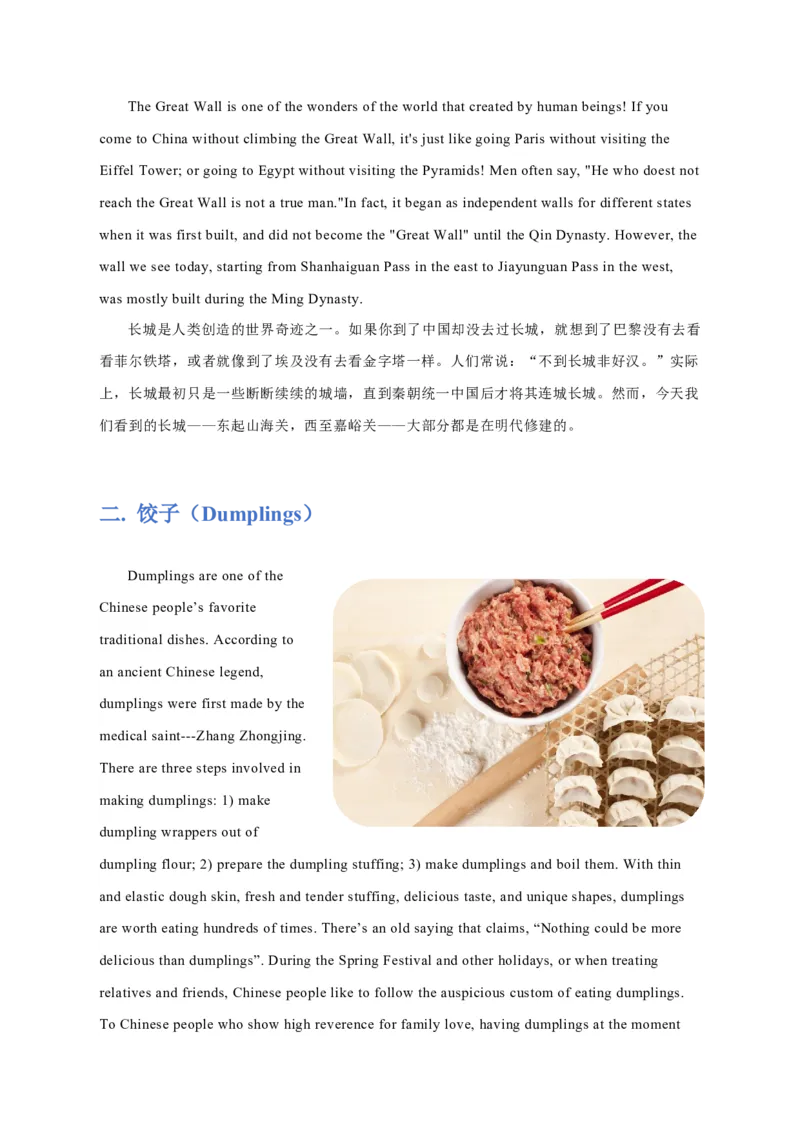
There is a long, stretching wall in China called the Great Wall, chang cheng. With a length of more
than 5000 kilometres, chang cheng was built continuously over more thant 2000 years by Chinese people.
The watchtowers would be lit up by torches if a
watchman spotted an enemy invasion. Messages
could be passed to the military centre from one
Watchtower to another. Chang cheng was expected
to protect national peace. Constructing chang cheng
would guard our own territory and we
won’t infringe ( 侵 犯 ) on other people’s
territory. It is not only brick wall, but also one of the
world’s greatest historical architectural works.The Great Wall is one of the wonders of the world that created by human beings! If you
come to China without climbing the Great Wall, it's just like going Paris without visiting the
Eiffel Tower; or going to Egypt without visiting the Pyramids! Men often say, "He who doest not
reach the Great Wall is not a true man."In fact, it began as independent walls for different states
when it was first built, and did not become the "Great Wall" until the Qin Dynasty. However, the
wall we see today, starting from Shanhaiguan Pass in the east to Jiayunguan Pass in the west,
was mostly built during the Ming Dynasty.
长城是人类创造的世界奇迹之一。如果你到了中国却没去过长城,就想到了巴黎没有去看
看菲尔铁塔,或者就像到了埃及没有去看金字塔一样。人们常说:“不到长城非好汉。”实际
上,长城最初只是一些断断续续的城墙,直到秦朝统一中国后才将其连城长城。然而,今天我
们看到的长城——东起山海关,西至嘉峪关——大部分都是在明代修建的。
二. 饺子(Dumplings)
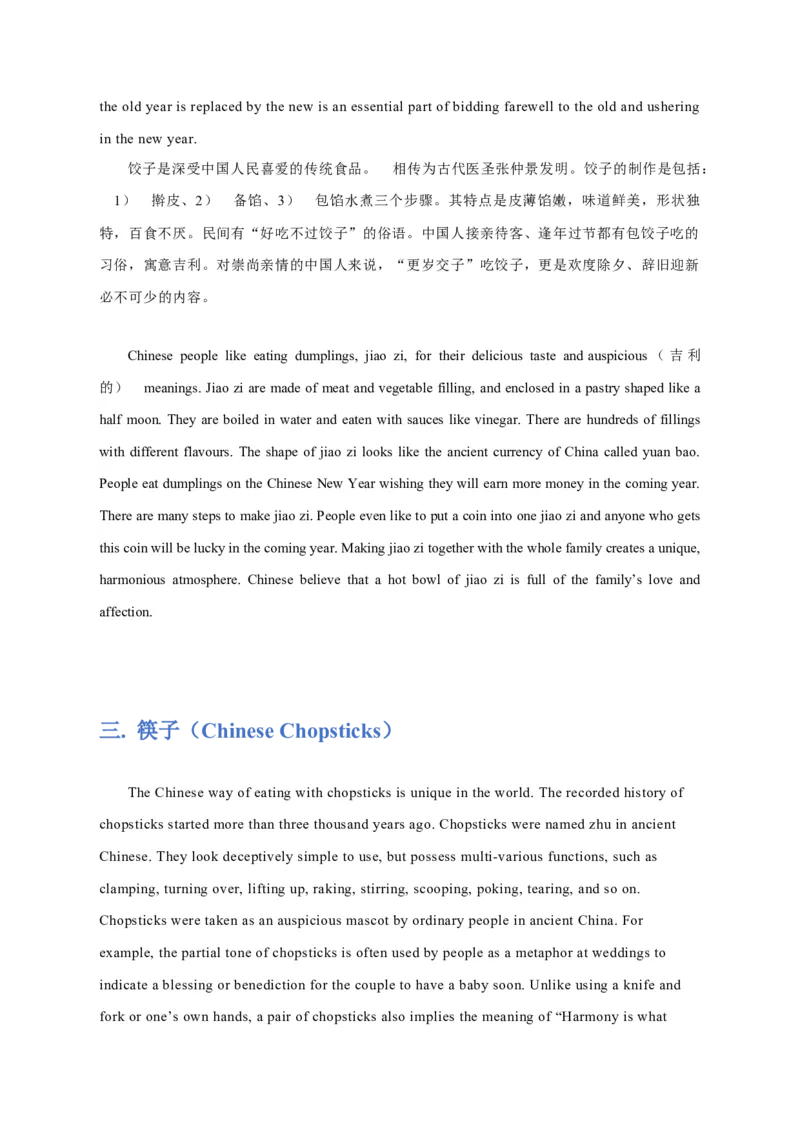
Dumplings are one of the
Chinese people’s favorite
traditional dishes. According to
an ancient Chinese legend,
dumplings were first made by the
medical saint---Zhang Zhongjing.
There are three steps involved in
making dumplings: 1) make
dumpling wrappers out of
dumpling flour; 2) prepare the dumpling stuffing; 3) make dumplings and boil them. With thin
and elastic dough skin, fresh and tender stuffing, delicious taste, and unique shapes, dumplings
are worth eating hundreds of times. There’s an old saying that claims, “Nothing could be more
delicious than dumplings”. During the Spring Festival and other holidays, or when treating
relatives and friends, Chinese people like to follow the auspicious custom of eating dumplings.
To Chinese people who show high reverence for family love, having dumplings at the momentthe old year is replaced by the new is an essential part of bidding farewell to the old and ushering
in the new year.
饺子是深受中国人民喜爱的传统食品。 相传为古代医圣张仲景发明。饺子的制作是包括:
1) 擀皮、2) 备馅、3) 包馅水煮三个步骤。其特点是皮薄馅嫩,味道鲜美,形状独
特,百食不厌。民间有“好吃不过饺子”的俗语。中国人接亲待客、逢年过节都有包饺子吃的
习俗,寓意吉利。对崇尚亲情的中国人来说,“更岁交子”吃饺子,更是欢度除夕、辞旧迎新
必不可少的内容。
Chinese people like eating dumplings, jiao zi, for their delicious taste and auspicious(吉利
的) meanings. Jiao zi are made of meat and vegetable filling, and enclosed in a pastry shaped like a
half moon. They are boiled in water and eaten with sauces like vinegar. There are hundreds of fillings
with different flavours. The shape of jiao zi looks like the ancient currency of China called yuan bao.
People eat dumplings on the Chinese New Year wishing they will earn more money in the coming year.
There are many steps to make jiao zi. People even like to put a coin into one jiao zi and anyone who gets
this coin will be lucky in the coming year. Making jiao zi together with the whole family creates a unique,
harmonious atmosphere. Chinese believe that a hot bowl of jiao zi is full of the family’s love and
affection.
三. 筷子(Chinese Chopsticks)
The Chinese way of eating with chopsticks is unique in the world. The recorded history of
chopsticks started more than three thousand years ago. Chopsticks were named zhu in ancient
Chinese. They look deceptively simple to use, but possess multi-various functions, such as
clamping, turning over, lifting up, raking, stirring, scooping, poking, tearing, and so on.
Chopsticks were taken as an auspicious mascot by ordinary people in ancient China. For
example, the partial tone of chopsticks is often used by people as a metaphor at weddings to
indicate a blessing or benediction for the couple to have a baby soon. Unlike using a knife and
fork or one’s own hands, a pair of chopsticks also implies the meaning of “Harmony is whatmatters”. Chopsticks are highly praised by Westerners as a hallmark of ancient oriental
civilization.
中国人使用筷子就餐的方式在世界上独树一帜。有史记载用筷的历史已有三千多年。筷子
古时称为箸,它看似简单,但却同时具有夹、拨、挑、扒、拌、撮、戳、撕等多种功能。中国
民间视筷子为吉祥之物,如婚俗中将筷子隐喻为快生贵子的祝福等。与使用刀叉以及手抓的
方式不同,成双结对的筷子含有“和为贵“的意蕴。西方人赞誉筷子是古老的东方文明。
【拓展 1】The Story of Chopsticks(1) 筷子的故事
⑴Chopsticks are used every day in China.⑵Now I'd like to take this opportunity to share their interesting history with you.
⑶I think you'll agree that even an ordinary item used in daily life can have a fascinating story.
⑷Although chopsticks originated in China, they are widely used in many Asian countries.
⑸The first chopsticks were made from bone and jade.
⑹In the Spring and Autumn period, copper and iron chopsticks came into being.
⑺In ancient times, the rich used jade or gold chopsticks to display their wealth.
⑻Many kings and emperor s used silver chopsticks to see if their food had been poisoned.
⑼Chopsticks are traditionally placed in brides' dowries,because "chopsticks" in Chinese is pronounced
"kuaizi", which sounds like "get a son soon."
⑽Many foreign friends try to use chopsticks when they visit China.
⑾Even the former president of the United States Richard Nixon, used chopsticks at the welcoming
banquet held in his honor.
⑿As soon as he left his table, a foreign diplomat grabbed his chopsticks as a historical souvenir.
⑴中国人每天都在使用筷子。
⑵现在我想借这个机会和大家一起聊一些有关于筷子历史的有趣故事。
⑶我想你会赞同即使是日常生活中一件小物品也会有其引人入胜的故事。
⑷虽然筷子起源于中国,但现在很多的亚洲国家都在使用。
⑸最早的筷子是用骨头和玉制成的。
⑹在春秋时代又出现了铜制和铁制的筷子。
⑺在古代,富人家用玉筷子或金筷子以显示其家庭的富有。
⑻许多帝王用银制的筷子以检查他们的食物中是否被人投了毒。
⑼筷子在传统上是被当作 新娘的嫁妆的,因为“筷子”在汉语中读作“kuaizi”,听起来很像“快
得儿子”。
⑽许多外国朋友在访问中国的时候都使用筷子。⑾甚至是美国前总统尼克松在为其到来而举办的欢迎宴会上也使用了筷子。
⑿他刚一离开桌子,一名国外的外交人员就抓起了他的筷子,把它作为了具有历史意义的纪念
品。
【拓展 2】The Story of Chopsticks(2) 筷子的故事
⑴In ancient China, chopsticks signified far lore than tools that take food to the mouth; they also signified
status and rules, “can”and ”can’t”.
⑵During the Northern Song Dynasty, an official named Tang Su once had dinner with the emperor. He
was not well informed in noble table etiquette and so laid down his chopsticks horizontally on the
table before the emperor did. As a result, he was expatriated to a frontier area for penal servitude.
⑶In ancient eating etiquette, there were over a dozen taboos concening chopsticks. For example , they
could not be placed vertically into a dish, as this was the way of making sacrifices to the dead.
⑴在古代中国,筷子不仅仅是把食物送到口中的餐具,它被赋予了重要的内涵和“能”和“不
能”的规矩。
⑵北宋朝时,一个叫唐肃的官员陪皇帝进膳。他不了解用餐时使用筷子的礼仪,在皇帝还没有吃
完时,他把筷子横放在桌子上,表示他不想再吃了。结果这位官员被发配边疆。
⑶在古代的饮食礼仪中,筷子的使用方法的禁忌有十多种。比如,忌将筷子竖直插入菜盘或饭碗
中,因为这代表为死人上坟。
四. 中国功夫(Chinese kung fu)
Chinese kung fu, or Chinese martial arts, carries traditional Chinese culture in abundance. It
is a traditional Chinese sport which applies the art of attack and defence in combat and the
motions engaged with a series of skill and tricks. The core idea of Chinese king fu is derived
from the Confucian theory of both “the mean and harmony” and “cultivating qi” (otherwise
known as nourishing one’s spirit). Meanwhile, it also includes thoughts of Taoism and
Buddhism. Chinese kung fu has a long history, with multi-various sects and many differentboxing styles, and emphasizes coupling hardness with softness and internal and external training.
It contains the ancient great thinkers’ pondering of life and the universe. The skills in wielding
the 18 kinds of weapons named by the later generations mainly involve the skills of bare-handed
boxing, such as shadow boxing (Taijiquan), form and will boxing (Xingyiquan), eight trigram
palm (Baguazhang), and the skills of kung fu weaponry, such as the skill of using swords, spears,
two-edged swords and halberds, axes, tomahawks, kooks, prongs and so on.
中国功夫即中国武术,是将技击寓于搏斗和套路运动之中的中国传统体育项目,承载着丰
富的中国民族传统文化。其核心思想是儒家的中和养气之说,同时兼容了道家、释家的思想。
中国武术源远流长、流派林立、拳种繁多,讲究刚柔并济、内外兼修,蕴含着先哲们对生命和
宇宙的参悟。后世所称十八般武艺,主要指:徒手拳艺,如太极拳、形意拳、八卦掌等;器械
功夫,如刀枪剑戟、斧钺钩叉等。
【拓展】
⑴Chinese Kung Fu is magnificent and profound but it’s unfortunate that a lot of it has not been passed
down.
⑵Taijiquan can make you feel at peace. In addition to emphasizing matching the movements with your
breathing, it is good for your health too.
⑶The primary reason for practicing kung fu is for health reasons. Defense is of secondary importance and
hurting others is abolutely unacceptable.
⑴中国功夫博大精深,可惜有很多已经失传了。
⑵太极拳可以使人心境平和,加上它注重呼吸配合动作,对身体也有好处。
⑶练武的主要目的在于锻炼身体,其次是防身,至于用来伤人是万万不可以的。
There is much more to Kung Fu than Jackie Chan or Bruce Lee. Kung Fu is an art form, and also,
very good for you.
功夫并不只是指成龙或李小龙,它是一种艺术形式,而且对你很有好处。
Many styles of Kung Fu are based on the ideas of nature. Ancient boxing masters often developed
their fighting techniques by observing the world around them. Animals, birds, and insects provided the
basis for many systems of Kung Fu developed in the past.很多功夫招式来源于对自然界的想象。古代拳术大师常常通过观察他们周围的世界改进拳术
技法。动物、鸟类和昆虫为过去很多功夫的系统发展提供了基础。
Many of the hard forms of Kung Fu came from a Buddhist Monastery called “Shaolin”. An Indian
priest named Tamo came to live there nearly 1500 years agou. According to legend, Tamo arrived at the
monastery where he found the monks in poor physical condition. Because they couldn’t stay awake during
meditation, Tamo introduced a series of 18 exercise designed to feed both body and mind. These
movements are said to have merged with self-defense tactics studied in the Shaolin Temple.
很多硬功夫都出自叫“少林”的佛教寺庙。大约1500年前,有个叫达摩的印度僧人来到这里。
传说他来到寺庙,发现那里的和尚身体状况很不好。因为他们在坐禅时候不能保持清醒,达摩就
传授给他们一套十八手拳法,目的是锻炼他们的身心。据说这些动作融合了他在少林寺研究的防
身术。
I suggest a soft form of Kung Fu, called Tai Qi. It comes from Taoism and it’s very good for your
health. Through its training, you can get inner peace and a sense of physical and emotional well being. It’s
often called Chinese Yoga: the art and science of meditation through movement.
我建议你学习一种温和的功夫,叫太极拳。它源于道教,对你的健康非常有好处。通过这种
训练,你能达到内心的平和,以及身体和情绪上的安宁舒适。它经常被人们称作中国瑜伽:通过
运动达到沉思冥想的一种艺术和科学。
五. 汉字(Chinese characters)
Chinese characters were initially meant to be simple pictures used to help people remember
things. After a long period of development, it finally became a unique character system that
embodies phonetic sound, image, idea, and rhyme at the same time. The writing system, which
was extremely advanced in ancient times, began with inscriptions on bones and tortoise shells,
and these are regarded as the original forms of Chinese characters. Afterwards, Chinese
characters went through numerous calligraphic styles: bronze inscriptions, official script, regular
script, cursive script, running script, etc. Chinese characters are usually round outside and squareinside, which is rooted in ancient Chinese beliefs of an orbicular sky and a rectangular Earth.
The five basic strokes of Chinese characters are “---“ (the horizontal stroke) “│” (the vertical
stroke), “/”( the left-falling stroke), “\” (the right-falling stroke), and “乙” (the turning
stroke).
汉字是从原始人用以记事的简单图画,经过不断演变发展最终成为一种兼具音、形、意韵
的独特文字。现存中国古代最早成熟的文字是甲骨文,被认为是现代汉字的初形。此后,汉字
又经历了金文、隶书、楷书、草书、行书等不同的阶段。汉字结构“外圆内方“, 源于古
人”天圆地方“的观念。汉字有五种基本笔画,即:横、竖、撇、捺、折。
汉语言
汉字 Chinese character
单音节 single syllable
汉语四声调 the four tones of Chinese characters
阳平 level tone
阴平 rising tone
上声 falling-rising tone
去声 falling tone
五言绝句 five-character quatrain
七言律诗 seven-character octave
八股文 eight-part essay; stereotyped writing
六. 秧歌舞(Yangko)
Yangko is one of tradition folk dance of Han in China.It is usually performed in northern
provinces. The dancers usually wear colorful and light costumes, and the performance is
powerful and rapid. During some festivals such as Spring Festival, Lantein Festival, if people
hear the sound of drum and gong, no matter how cold the weather is , they will come to street
and appreciate the Yangko. Recent years, the old people in city of east-northern of Chinaorganized the team of Yangko by themselves, the teamers keep their health by dancing Yangko
the whole year.
秧歌舞是中国汉族的一种民间传统舞蹈,通常在北方省份表演。秧歌舞者通常穿上明亮多
彩的表演服装,他们的表演动作有力迅速。在农历春节、元宵节等节日期间,人们一旦听到锣
鼓声,不管外面天气有多冷,他们都会蜂拥到街上看秧歌舞表演。近年来,中国东北某些城市
的老年人自发组织了了秧歌队,队员常年通过跳秧歌舞来保持健康,同事他们也乐在其中。
七. 针灸(Acupuncture)
Acupuncture is an important part of traditional Chinese medicine (TCM). In accordance with
the “main and collateral channels” theory in TCM, the purpose of acupuncture is to dredge the
channel and regulate qi and blood, so as to keep the body’s yin and yang balanced and achieve
reconciliation between the internal organs. It features in traditional Chinese medicine that
“internal diseases are to be treated with external therapy”. The main therapy of acupuncture
involves using needles to pierce certain acupoints of the patient’s body, or adopting moxibustion
to stimulate the patient’s acupoints so as to stimulate the channels and relieve pain. With its
unique advantages, acupuncture has been handed down generation after generation and has now
spread all over the world. Nowadays, acupuncture, along with Chinese food, kung fu (otherwise
known as Chinese martial arts), and traditional Chinese medicine, has been internationally hailed
as one of the “four new national treasures.”
针灸是中医学的重要组成部分。按照中医的经络理论,针灸疗法主要是通过疏通经络、
调和气血,来达到阴阳归于平衡,使脏腑趋于调和之目的。其特点是“内病外治”。主要疗法
是用针刺入病人身体的一定穴位,或用艾火的温热刺激烧灼病人的穴位,以达到刺激经络。治
疗病痛的目的。针灸以其独特的优势,流传至今并传播到了世界,与中餐、功夫、中药一起被
海外誉为中国的“新四大国粹”。
1. Acupuncture, which is called zhen jiu in Chinese, is a medical treatment that originated in
China.2. Zhen means ‘needles that pierce one’s body’. Jiu means ‘moxibustion’(艾灸), a special treatment
in traditional Chinese medicine.
3. Plant leaves were once used to smoke certain parts of the human body.
4. Traditional Chinese medicine describes the energy flow within the human body as a network. It
is called ‘jing luo’.
5.The major nodes( 节点 ) on the network are called xue wei or an acupuncture point.
6. Traditional Chinese doctors believe that stimulating the xue wei can promote energy circulation
and expel( 驱逐 ) illness.
7. For example, having zhen jiu on zu san li can promote digestion and having zhen jiu on nei guan
is good for one’s heart.
8. Chinese people have been using this medical treatment for thousands of years.
9. The tiny needles reveal the mysteries of human body.
八. 中国龙(Chinese Dragon)
Dragon totem worship in China has been around for the last 8,000 years. The ancients in
China considered the dragon (or loong) a fetish that combines animals including the fish, snake,
horse and ox with cloud, thunder, lightning and other natural celestial phenomena. The Chinese
dragon was formed in accordance with the multicultural fusion process of the Chinese nation. To
the Chinese, the dragon signifies innovation and cohesion.
对龙图腾他的崇拜在中国大约已绵延了八千多年。中国龙是古人将鱼、蛇、马、牛等动物
与云雾、雷电等自然天象集合而成的一种神物。 中国龙的形成与中华民族的多元融合过程同
步。在中国人的心目中,龙具有振奋腾飞、开拓变化的寓意和团结凝聚的精神。九. 中国印章(Chinese Seal)
A seal can also be defined as a stamp. Both the Chinese official and private seal of various
dynasties have different titles, such as stamp, zhu note, contract, fu, lease and others. The seals
used by the emperors of ancient China were called xi, yin, bao, etc. According to historical
records, seals were widely used during the Warring States Period (475BC-221BC). The making
of a seal is to engrave fonts, such as seal characters and official script and so on; or images in the
form of intaglio and embossment into the seal, basically shaped as round or square. Covered with
a vermilion overlay, the Chinese seal is not only used in daily life, but it is also used to represent
signatures on paintings and calligraphies. It is gradually becoming one of China’s unique
artworks.
印章就是图章。中国历代官、私所用的印章有印信、朱记、合同、符、契等等不同的称谓,
而帝王所用的印章古时称玺、印、宝、章等。据史料记载,印章在战国时代已普遍使用。印章
的制作是将篆隶等字体、图像用阴、阳的形式雕刻而成,形状以圆、方为主。印章用朱色
钤盖,除日常应用外,又多用于书画题识,逐渐成为中国特有的艺术形式之一。
十. 京剧(Chinese Beijing Opera)
Praised as “Oriental Opera”, Beijing Opera is a genuine national quintessence of China. It
originated from many kinds of ancient local operas, especially huiban in southern China. At the
end of the 19th Century, Beijing Opera evolved and took shape, becoming the greatest kind of
opera in China. Beijing Opera is a blend of performing arts---song, speech, performance,
acrobatix fighting and dance. Beijing Opera portrays and narrates the plot and characters through
stylized acting. The main types of roles in Beijing Opera are sheng(male), dan (young female),
jing (painted face, male), and chou( clown, male or female).
京剧被誉为“东方歌剧”, 是地道的中国国粹。它起源于中国多种古老的地方戏剧,特
别是南方的“徽班”。到了19世纪末,京剧形成并成为中国最大的戏曲剧种。京剧是综合性
表演艺术,集唱(歌唱)、念(念白)、做(表演)、打(武)、舞(舞蹈)为一体,通过程式化的表演手段,叙述故事,刻画人物。角色主要分生(男性)、旦(女性)、净(男性)、
丑(男性女性皆有)四大行当。
1. Jingju, or Peaking opera is an ancient performance art with a history of 200 years.
2. Jingju has four kinds of roles according to different identities and personalities.
3. The lyrics of jingju are performed by singing or rhythmic speaking, accompanied by dozens of
musical instruments.
4. Now, jingju still enchants(使着迷) many Chinese people and foreigners with its unique charm.
【拓展】Beijing Opera 京剧
⑴Beijing Opera of China is a national treasure with a history of 200 years.
⑵Facial masks are an important way to portray a character.
⑶Each role,according to their sex,age and disposition,is characterized by different designs of facial make-
up(facial mask).
⑷In Peking Opera, femal roles are “Dan”. Male roles are “Sheng”. And clowns are”Chou”.
⑸Present-day designers are also borrowing from the Beijing Opera for their work.
⑴京剧是中国的国粹,迄今已经有200多年的历史。
⑵脸谱是塑造人物形象的重要手段。
⑶每个角色都会按照他们的性格、年龄、个性,在脸上画不同的脸谱。
⑷在京剧中,女性的角色被称作“旦”,男性的角色被称作“生”,小丑被称作“丑”。
⑸当代服装设计师也从京剧服装中吸取灵感。
国粹术语
生(男性正面角色) male( the positive male role)
旦(女性正面角色) female(the positive female role)
净(性格鲜明的男性配角) a supporting male role with striking character
丑(幽默滑稽或反面角色) a clown or a negative role
花脸 painted role
歌舞喜剧 musical滑稽场面,搞笑小噱头 shtick
京剧人物脸谱 Peking Opera Mask
戏剧文化
皮影戏 shadow play; leather-silhouette show
说书 story-telling
叠罗汉 make a human pyramid
折子戏 opera highlights
踩高跷 stilt walk
哑剧 pantomime; mime
哑剧演员 pantomimist
戏剧小品 skit
马戏 circus show
单口相声 monologue comic talk; stand up comedy
特技表演 stunt
相声 witty dialogue comedy; comic cross talk
杂技 acrobatics
京韵大鼓 the traditional story-telling in Beijing dialect with drum accompaniment
秦腔 Shaanxi opera
十一. 中国成语(Chinese Idioms)
Chinese idioms refer to comprehensive and integrated fixed phrases and expressions. Idioms
are established and accepted by constant usage and common practice. An idiom is a language
unit that is larger than a word, but has the same grammatical function as a word. Most Chinese
idioms consist of four characters. For example, ziqiangbuxi ( make unremitting efforts to
improve oneself), qingchuyulan(bluer than indigo), and houjibofa (success comes with time and
effort). Idioms are extrated from folk proverbs, ancient works of literature, poems, fables,allusions, and well-known sayings. Idioms are a part of the Chinese language that are concise
and have great vitality.
中国成语是汉语中意义完整的表示一般概念的固定词组或短语。“成语”中的“成”既是
约定俗成。成语是比词大而语法功能又相当于词的语言单位。绝大多数的中国成语由四个汉字
组成,例如:自强不息、青出于蓝、厚积薄发。成语主要从民间谚语、古代文学作品、诗歌、
寓言、典故、名言警句等方面提炼而成,是汉语语言中精炼而又富有生命力的一部分。
十二. 丝绸(Silk)
China is the home of silk. Mulberry planting, sericulture, silk reeling and thickening are all
great inventions of the ancient Chinese. As early as the Shang and Zhou Dynasties
(1600BC-256BC), the Chinese people’s silk-weaving techniques had reached an extremely high
level. During the Western Han Dynasty (206BC-25AD), Zhang Qian, an outstanding diplomat,
travelled around central Asia and connected China with the Persian Gulf and the Mediterranean,
opening up a new era of Sino-foreign trade, exchange and communication. From then on, China’s
silk became well known for its extraordinary quality, exquisite design and color, and abundant
culture connotations. Hitherto, Chinese silk has been accepted as a symbol of Chinese culture
and the emissary of oriental civilization.
中国是丝绸的故乡。栽桑、养蚕、缫丝、织绸是中国古代人民的伟大发明。商周时期丝绸
的生产技术就已发展到相当高的水平。西汉时张骞通西域,把中原与波斯湾、地中海紧密联系
起来,开辟了中外交流贸易的新纪元。从此中国的丝绸以其卓越的品质、精美的花色和丰富的
文化内涵闻名于世,成为中国文化的象征。东方文明的使者。
十三.中国园林 Chinese Classical Garden
The Chinese classical garden is a precious treasure of our ancient Chinese architecture. It is
a kind of environment art, which systematically combines artificial mountains and rivers, plants
and buildings with the natural landscape. The construction standard of a Chinese classical gardenis “artificial as it is, the garden must look ingenious and natural.” When you go sightseeing in a
Chinese classical garden, you should be able to appreciate its artistic concept which “makes use
of the natural landscape to create the real fun of mountains and rivers for viewers.” Of the
world’s three major garden systems, the Chinese classical garden is hailed as one of the origins
of the world’s garden due to its long history and abundant connotations.
中国园林是把人造的山水、植物、建筑等与自然地貌有机结合的环境艺术,是我国古代建
筑艺术的珍宝。其建造原则是“妙极自然,宛自天开”。游赏中国古典园林,能充分领略“假
自然之景,创山水真趣”的园林意境。在世界三大园林体系中,中国园林历史悠久、内涵丰富,
被誉为世界造园史上的渊源之一。
十四.文房四宝(The Four Treasures of the Study)
The writing brush, ink stick, ink stone, and paper were requisite treasures in the study of the
scholars of ancient China, and they are often referred to as the “Four Treasures of the Study.”
The writing brush and ink stick have been used by the Chinese to write and paint since 5,000
years ago. In the Qin Dynasty (221BC---206BC), people already used feathers of different
hardness and bamboo trunks to make brushes. During the Han Dynasty (206BC-220AD), man-
made ink was used instead of natural ink. After paper was invented by the Chinese, bamboo
slips, wooden tablets, brocade and silk, which originally functioned as writing surfaces,
gradually faded out. The ink stone was first developed with the use of writing brushes and ink.
After the Song Dynasty (960AD---1279AD), the “Four Treasure of the Study” particularly
referred to hubi, the writing brush produced in Huzhou, Zhejiang province; huimo, the ink stick
produced in Huizhou, Anhui province; xuan paper, a kind of paper produced in Xuanzhou,
Anhui province; and duanyan, the ink stone made in Zhaoqing, Guangdong province (Zhaoqing
was earlier called Duanzhou). Indeed, the Four Treasures of the Study” have writtin the whole
Chinese civilization, as it is.
笔墨纸砚是中国古代文人书房当中必备的宝贝,被称为“文房四宝”。用笔墨书写绘画在
中国可追溯到五千年前。秦时已用不同硬度的毛和竹管制笔;汉代以人工制墨替代了天然墨;有了纸张以后,简牍锦帛逐失其用;砚台则随笔墨的使用而发展。 “文房四宝”到宋朝以后
特指湖笔、徽墨、宣纸、端砚。可以说文房四宝书写了整个中华文明。
四大名著
《三国演义》 Three Kingdoms
《西游记》 Journey to the West; Pilgrimage to the West
《水浒传》 Heroes of the Marshes; Tales of the Water Margin
《红楼梦》 Dream of the Red Mansions
经典作品
《史记》 Historical Records
《资治通鉴》 History as a Mirror; Comprehensive History Retold as a Mirror for Rulers
《山海经》 The Classic of Mountains and Rivers
《孝经》 Book of Filial Piety
《孙子兵法》 The Art of War
《三字经》 The Three-Character Scripture; The Three-Word Chant
《西厢记》The Romance of West Chamber
《聊斋志异》Strange Tales of a Lonely Studio; Strange Tales from Make-Do Studio
近现代佳作
《围城》 Fortress Besieged
《阿Q正传》 The True Story of Ah Q
《吾国吾民》 My Country and My People
《京华烟云》 Moment in Peking
《骆驼祥子》 Rickshaw
《茶馆》 Teahouse
《边城》 The Border Town
《倾城之恋》 Love in a Fallen City
《十八春》 Eighteen Springs四书五经The Four Books and The Five Classics
1、四书 the Four Books
《大学》The Great Learning
《中庸》The Doctrine of the Mean
《论语》The Analects of Confucius
《孟子》The Mencius/The Works of Mencius
2、五经 The Five Classics
《春秋》the Spring and Autumn Annals
《诗经》The Book of Songs; The Book of Odes
《易经》( 《周易》) I Ching; The Book of Changes
《礼记》The Book of Rites
《尚书》(《书经》)The Book of History
十六. 天干地支(Chinese Era)
The Chinese era is the symbol that the Chinese calendar uses for recording and naming
years. The ten Heavenly Stems are: jia, yi, bing, ding, wu, ji, geng, xin, ren, gui. The twelve
Earthly Branches are: zi.chou, yin, mou, chen, si, wu, wei, shen, you, xu, hai. After observing
the lunar month, the ancients found that the moon always wazes and wanes roughly 12 times a
year, and two lunar months account for about 60 days, so the order of the ten Heavenly Stems
and the order of the twelve Earthly Branches are properly matched in turn. In terms of recording
date, 60 years is considered to be a full time cycle. The Chinese era chronology was first
invented in ancient times and is still in use now.
天干地支是中国历法中用以记录和命名年岁的方法。十天干为:甲、乙、丙、丁、戊、已、
庚、辛、壬、癸;十二地支为:子、丑、寅、卯、辰、巳、午、未、申、酉、戊、亥。古人观
测朔望月,发现月亮圆缺12次大体上是一年的天数,而两个朔望月约是 60天。古人以十天干
与十二地支的顺序依次相配,记录不同年份,60年为一个轮回。干支纪年法从古沿用至今。天干地支
阳历 solar calendar
公历 Gregorian calendar
阴历 lunar calendar
天干 heavenly stem
地支 earthly branch
闰年 leap year
二十四节气 the twenty-four solar terms
民间传说 folklores
寓言 fable
传说 legend
神话 mythology
古为今用,洋为中用 make the pastserve the present and the foreign serve china
赋诗 inscribe a poem
对对联 matching an antithetical couplet
十七.中国画(The Chinese paintings)
1. Red, green, black, white, heavy, light, dry and wet changes of water and ink on paper show the
mysteries of traditional Chinese painting, guo hua.
2. Tools and materials involve writing brushes, ink, colored ink, rice paper and silk.
3. The hardness or softness of brushes, paper absorbency( 吸水性 ) and color determine the features
of guo hua.
4. Water, ink and lines are the most essential factors for guo hua.
5. Unlike Western paintings, guo hua doesn’t use three dimensions or realism. Instead, paintings
involve a unique Chinese view of scenery.
6. It’s very common that a Chinese painting is attached with a poem.
7. If you understand guo hua you will have a better understanding of Chinese people.⑴It’s interesting that Chinese paintings can be created on the spot.
⑵The Chinese do paintings with brushes, dipping their brushes in ink or paint and then skillfully wielding
them.
⑶Painters produce on the paper pictures with lines and dots——some heavy, and some light, and some
deep, and some pale.
⑴真有意思:中国画是可以现场表演的。
⑵中国人绘画采用毛笔蘸墨汁或颜色,灵巧的挥洒在纸上。
⑶画家用深、浅、浓、淡的点和线构成一幅图画。
十八.中西医(Chinese Medicine)
⑴Usually a Chinese medicine practitioner approaches the illness from a broader perspective, emphasizing
its entirety and dialectical implications.
⑵A Western doctor deals directly with symptoms. For instance, if someone has a sore throat, a Western
doctor will treat it as a throat problem, while a Chinese doctor may link it to the disorder of the
patient’s stomach.
⑶A Chinese doctor examines his patient by using method like observing, smelling, asking and feeling.
His Western counterpart relies on symtoms or evidence like body temperature and lab tests.
⑷For people with terminal diseases, Chinese medicine may be their last resort. Chinese medicine can not
only alleviate pain, but also offers the option of a different treatment.
⑴中医通常从宏观角度认识问题,强调整体性和辩证施治。
⑵西医则从微观入手。比如一个人咽喉痛,西医诊断为咽炎,中医则有可能判断为脾胃失衡的症
状。
⑶中医通过望闻问切来诊病;西医注重症状,重证据。
⑷对于那些身患绝症的人来说,中医也许是他们最后的希望,它可以缓解病痛,为患者提供另一
种治疗方案。
1. Traditional Chinese medicine, zhong yi, is a therapy and a theory on how to stay healthy.
2. Diagnosis in zhong yi comes from various forms of observation, including visual, auditory,
olfactory(嗅觉的), tactile(触觉的) and questioning.3. The doctor observes a patient’s tongue, voice, inquires about the patient’s habits and medical
history and feels the patient’s pulse to make a diagnosis( 诊断 ) .
4. Therapies in zhong yi, emphasize tactile stimulation.
5. Tools for Gua Sha and cupping are easily found in daily life.
6. Herbal medicines are selected from nature plants and processed to cure different diseases.
7. Zhong yi prescribes to the belief that the human body has its own functioning system.
8. People are healthy as long as their body system remains balanced.
十九.书法艺术(The Art of Calligraphy )
⑴Over 2000 years ago, Emperor Qin Shihuang , the first Emperor in Chinese history, established the
official Chinese writing characters.
⑵Calligraphy also had its practical values because it was a good way to make friends and was more
presentable as a gift rather than jewelry or money.
⑶Many people practice calligraphy as a way to raise their culture accomplishment. Older people use
calligraphy writing as a method to keep fit.
⑷I had thought computers would lead to the disappearance of Chinese calligraphy. Now I understand
that’s not likely to happen. How can you give your boss computer-printed calligraphy as a gift.
⑸The brush is the traditional Chinese writing tool. Its tip is made of soft hair from a sheep, weasel or
rabbit.
⑴两千多年前,中国的第一个皇帝秦始皇统一了中国的文字。
⑵书法还有着实际的效用,比如结交朋友。比起珠宝或金钱,送人一幅书法作品就来得高雅、体
面。
⑶很多人研习书法的目的是提升文化素养,老年人学习书法是为了保健强身。
⑷我一直认为电脑的出现会导致中国书法的衰落。现在看来,这不太可能。你怎么能拿着一幅从
电脑中打印出来的书法作品送给上司呢?
⑸毛笔是中国的传统书写工具。笔尖由羊毛、黄鼬毛或兔毛制成。毛笔的毫毛既软又有弹性。
1. Chinese calligraphy (shu fa) refers to writing art and techniques with writing brushes.2. 1,600 years ago, a boy named Wang Xizhi worked hard at calligraphy. He washed his writing
brushes in a pool and the pool turned black. Eventually he became a prominent( 杰 出
的 ) calligrapher in China.
3. Writing brushes, Chinese inks, rice paper and ink slabs are the basic tools of calligraphy.
4. Proper technique for handing the writing brushes and maintaining the proper between the tips of
brushes and the paper are required. The structure of each individual character and over all
arrangement are both important.
5. Calligraphers have created plenty of masterpieces which have been passed from generation to
generation.
6. One of the masterpieces is the Orchid Pavilion Preface( 兰亭集 ) by Wang Xizhi.
7. Shu fa represents the aesthetic taste and philosophy of Chinese scholars.
艺术词汇
文人 men of letters
雅士 refined scholars
表演艺术 performing art
现代流行艺术 popular art; pop art
纯艺术 high art
高雅艺术 refined art
电影艺术 cinematographic art
戏剧艺术 theatrical art
才子佳人 gifted scholars and beautiful ladies
二十.放风筝(Kite-flying)
Legends say that the inspiration for kites was a wooden bird flying all day. Most likely,
people were inspired by a hat blown off by the wind and invented feng zheng. Legends also said
that a general bound bamboo whistles on a huge feng zheng made of ox hide. The kite made
horrible sounds to ward off enemies. Other versions say he wrote important messages on fengzheng and sent them to his troops. The military use of kites was just folklore( 民间传说 ) . After all,
feng zheng are toys. Classic kites use bamboo, rattan( 藤条 ) or some other strong, but flexible,
wood for the spars; paper or light fabrics such as silk for the snails; and are flown on string or
twine. People often make exquisite decorations on feng zheng. Feng zheng have become real works
of art. They seem like beautiful paintings flying in the blue sky.
⑴Kite-flying has been an old Chinese pastime.
⑵Records about the activity were mentioned as back 2,500 years ago.
⑶Over the centuries, people have developed kites known for their beauty.
⑷People are able to make them look like swallows, geese, frogs, butterflies, peacocks, crabs and many
other animals.
⑸Now people will fly kites in early spring and autumn.
⑹It’s really a very beautiful scene with kites flying in the sky.
⑴放风筝是中国一项古老的娱乐活动。
⑵2500年前,就有放风筝的记载。
⑶几个世纪以来,风筝因为它的样式美观而众所周知。
⑷人们把它做成诸多动物的形状,比如燕子、鹅、青蛙、蝴蝶、孔雀、螃蟹等。
⑸现在人们在初春和初秋放风筝。
⑹天空中飞着风筝,真实非常漂亮的景观啊!
第二部分、中华社交习俗
一、餐桌礼仪 Table Manners(1)
⑴Table manners in China are quite different from those of westerners.
⑵In China,it’s okay to talk while eating.However,you may regard it as rude.
⑶You will considered a well-connected,sociable man, if you keep involved in the conversation
all the time.⑷Don’t eat fast! People usually keep their dining pace accorded with others. And all the dishes
should not be eaten up completely.
⑸It is a custom and good manners to serve tea to a guest who comes to pay a visit. There is no
need to ask if he needs it or not.
⑹It wouldn’t be considered rude behavior if he doesn’t even take a single drop. But he’d better
receive the teacup with both hands and bow his thanks when the cup is brought before his
face. When the host pours hot water into his cup, he may also choose to tap his index finger
on the table,meaning”thanks”. No matter if he likes it or not,it is impolite if he doesn’t even
lay a finger on the cup.
⑴中国的餐桌礼仪和西方的差别还是很大的。
⑵中国人认为吃饭时可以说话,相反你们会觉得这很没礼貌。
⑶如果在饭桌上你积极参与谈话,别人会觉得你一定是个善于交际、人缘很好的人。
⑷不要吃得太快,人们往往要跟其他人吃饭的进度保持一致。各个盘子都应该留下一点别吃完。
⑸给上门拜访的客人上茶确实是风俗礼节,不需要问他要不要喝茶,或者要不要别的东西。
⑹茶端到他面前的时候,他最好双手接住茶杯,欠身致谢。主人给他倒茶时,他也可以在桌面
上轻叩几下食指,表示“叩首谢谢”。不管他喜不喜欢,要是连碰都不碰一下茶杯,那就
有失礼貌了。
二、餐桌礼仪 Table Manners(2)
⑴Table manners are very strict during a Chinese meal. Respect has to be given to the elderly. Each time a
dish is served, everyone has to wait until the elder person starts or , “to cut the ribbon”.⑴中餐还有
严格的餐桌礼仪。长辈要受到尊重。一盘菜上来,大家要先让长者举筷,这被称作“剪彩”。
⑵The food is brought to the table all the same time so everybody is on the same starting line. This lacks
the warm atmosphere which prevails at a Chinese dinner. ⑵西餐中每个人点的菜都同时端上,大
家在同一时间开始用餐,缺少了中国人相互礼让的过程,
⑶This may be the reason why it is always noisy at a Chinese dinner but quiet in a Western restaurant.⑶友好的气氛就差了许多。这也许就是中国人吃饭热热闹闹,西方人的餐桌相对安静的原因吧。
⑷Alcohol is a medium for communicating emotion in China. Drinking with business partners or would-
be friends is a way of solidifying friendship, especially in Northern China.⑷在中国,喝酒时情感
交流的介质。尤其是在北方,和业务伙伴或者“准朋友”喝酒可以增进感情。
⑸You will be set free at a Western banquet.It seems we are keen to make it as convenient as possibleto
savor the wine,its color,its aroma and its delicate taste.⑸西式酒宴上,你可就自由了,我们乐意
为品酒创造便利,品味就的颜色、气味和口感。
⑹The most important thing is that the goblet,table-cloth,and plates should be made shiningly clean,so that
the color of the wine is clearly visible and the delicate aroma and taste are fully appreciable.⑹所以
有一点是很重要的,那就是酒杯、桌布和盘子都要擦得一尘不染,为的就是使就的颜色清楚
可见,酒的口感和气味也能感受出来。
⑺At the Western table,remember to avoid talking so loundly,or talking with a mouthful food.⑺在西餐
桌上,记得不要大声说话,或边嚼边说话。
treat sb. to dinner 或 invite sb. to/for dinner请某人吃饭
drink to sb./sth.为某人或某事干杯 drink to sb.’s health or success
Drinking to someone's health or success, we always clink glasses.
We can’t eat until the old star to eat.
When you are enjoying the meal, you need to avoid making noises while chewing food
we talk loudly and touch glasses when drinking to someone’s health or success to show that we’re warm.
三、打招呼 Greetings
greet sb.与某人打招呼 say hello to sb. 向某人问好
We greet each other by saying “Hello” or asking such questions as “Where are you going?” or “Are you
busy?” to express our care.Wave our right hand and say hello to your friend.
Shake hands
don’t kiss sb. on the cheek/ kiss one’s cheek亲吻某人的面颊
don’t kiss sb. on the hand/kiss one’s hand亲吻某人的手
don’t hug sb.= give sb. a hug拥抱某人
四、出发和到达时间 Arrival and departure time
1. arrive early/arrive in advance提前到达
2. You’d better arrive early, so that you can help the family prepare the dinner, which is not only meaningful
but also interesting.你最好早点到,这样你就能帮助家人准备晚餐,这不仅有意义,而且很有趣。
3. You mustn’t leave as soon as you finish the meal, and you can make small talk with the host.你不能一吃完
饭就离开,而且你可以和主人闲聊一下。
五、赠送与接受礼物 Gifts giving and receiving
1. bring some gifts, such as a book or a Chinese knot, some flowers, books and a bottle of wine.带一些礼物,
比如一本书或一个中国结,一些花,书和一瓶酒。
2. express our care表达我们的关心
3. show our good manners展示出我们良好的品德(修养)
4. show politeness表达/展现出礼貌
5. show that we’re warm显示我们的热情
6. When receiving a gift,we usually say “It’s unnecessary.” besides “Thanks.” to show politeness and then
put it away.当收到礼物时,我们通常说“这是不必要的。”除了说“谢谢”,为了表示礼貌,然后
把它收起来。六、闲聊 Make small talk
1. communicate with others 与别人交流
2. non-verbal communication 非语言交流
3. body language肢体语言
4. gesture手势,姿势; 举止,动作
5. sign language手语
6. eye contact 眼神交流
7. smile at sb.对某人微笑
8. look sb. in the eye/ eyes(坦然地)直视某人
9. When you look people in the eye, they feel that you appreciate what they are saying.当你看着别人的眼睛
时,他们会觉得你很欣赏他们说的话。
10. When making small talk, you’d better talk some safe topics that are unimportant, friendly and light, such as
weather, latest news and films, music, sports and so on. You can also talk something about your friends to
show your care. Avoid dangerous topics, such as politics, religions, very private things, salary, weight and
some topics, which often lead to disagreement.在闲聊时,你最好谈谈一些不重要、友好、轻松的安全
话题,比如天气、最新的新闻和电影、音乐、体育等等。你也可以谈论一些关于你的朋友的事情来
表达你的关心。避免一些敏感的话题,如政治、宗教、非常私人的事情、薪水、体重和一些经常会
导致分歧的话题。
11. When praised,we reply with “Oh,no!” or “I’m over-praised.” to show good manners. 当被称赞时,我
们回答说:“哦,不!”或“我被过奖了。”为了表现出良好的风度。
12. Always wearing a smile on your face is the best way to show your politeness.总是面带微笑是表达礼貌的
最好方式。
13. leave/make a good impression on sb. 给某人留下好的印象
七、礼貌用语 polite words
1. Polite words such as “please”, “thank you” and “sorry” are helpful in clearing up misunderstanding, and
enhance a friendship or relationship with another person.像“请”、“谢谢”、“对不起”这样有礼貌的词语,有助于消除误解,加强与他人的友谊或关系
2. wish sb. a good journey祝某人旅途愉快
3. say goodbye to sb. 向某人告别
4. see sb. off 为某人送行
5. wave sb. goodbye 与某人挥手告别
八、建议的提示 Tips for suggestions giving
Beginning
(1)Glad to hear from you and you’re welcome to China in July. The following are some Chinese customs.
(2)How are you doing? In your last letter, you asked me about being a guest to a Chinese friend’s home.
Now, I am writing to inform you of some relevant details.
Ending:
(1)Hopefully, these suggestions would be helpful for you. I have the confidence that you will have a great
time. I am looking forward to your good news.
(2)Anyhow,different cultures,different customs. If you “Do as the Romans do when in Rome”, you’ll
enjoy more of your stay here.
(3)I hope what’s mentioned above might be helpful and wish you a good journey.
九、建议的动词 verbs for suggestions giving
1. Should
2. had better
3. be supposed to do
4. need to
5. linking words
6. to start with
7. at first8. Besides
9. what’s more
10. at last
十、中国人崇尚的颜色 China’s Favorite Colors
⑴Chinese people seem to like the red and yellow colors a lot. The two colors are used for the
Chinese national flag.
⑵Maybe because the Hans originated in the Yellow River Plateau, a region where yellow was
the prevailing color.
⑶Yellow was also the color representing the imperial court in traditional China. During the Sui
Dynasty, yellow was officially designated as the exclusive color for the imperial family.
⑷In olden times, a person could be beheaded for the misuse of yellow.
⑸Red represents happiness. For example, the word“double happiness”used for wedding is red.
The bride wears red clothes, which is different from the white gowns of the West.
⑹During Chinese Spring Festival, people will give hong bao, or red envelopes with money
inside to the children as well wishes. Couplets hanging on both sides of the doors are
written in red.
⑴中国人似乎很喜欢红黄两色。中国的国旗就是由这两种颜色组成。
⑵这也许是因为汉民族的发源地是黄土高原,这个地域满目黄土之色。
⑶在中国古代,黄色是皇权的象征。从隋朝起,黄色成为皇家专用的颜色。
⑷古时,用错了黄色会杀头。
⑸红是喜庆的象征。比如结婚时的双喜字是红色的,新娘要穿红色的嫁衣,这与西方穿白色婚
纱不同。
⑹春节时,送晚辈压岁钱要用红纸包了,称“红包”,以示吉祥。对联也是用红纸书写,贴在
大门的两侧。十一、喝茶 The Tea-Drinking(1)
Tea, cha is the beverage( 饮 料 ) most representative of Chinese culture. Proper etiquette( 礼
节) dictates the guests are treated to cha. Many outstanding Chinese poems were created in the company
of cha. Originating in China, cha is divided into green tea, black tea, yellow tea, dark tea and white tea,
according to its color. The procedures for drinking cha are delightful. Cha, water, wares and fire
are indispensable(不可缺失的) when making cha. The shape, color and fragrance of cha are quite
important. The fire should be clean without odour(气味). The china ware(瓷器) and purple clay tea sets
are widely used. People feel closer to nature by drinking cha.
⑴Believe it or not, tea is the most popular beverage in the world afer water.
⑵China is the homeland of tea.
⑶Did you know that tea, the most popular drink in the world , was invented by accident.
⑷Some leaves from a nearby bush fell into the boiling water and remained there before some time.
⑸The emperor Shen Nung noticed that leaves in the water produced a pleasant smell.
⑹The tea bag was not made with drinking in mind.
⑺A tea importer was sending out samples of tea that were packaged in silk bags. Not knowing any better,
his customers put the entire bags into the pot and added hot water. It turned out that the tea tasted
fine,and the customers liked how easy the bags were to clean up.
⑴你知道吗?除了水,世界上最受欢迎的饮料就是茶了。
⑵茶起源于中国。
⑶你知道吗?世界上最流行的饮料——茶,是在偶然的机会里被发明出来的。
⑷当时附近树上落下几片叶子,飘到开水里,在水里煮了一会儿。
⑸神农帝发现开水中的叶子产生一种香香的味道。
⑹茶包本来不是用来喝茶的。
⑺曾有一位茶叶进口商送了一些用丝质袋子包装的茶叶样品给顾客。他的顾客不知情,将整个袋
子放在茶壶里泡热水。结果发现茶的为傲不错,而且用袋子就比较清理,顾客很喜欢这点。十二、喝茶 The Tea-Drinking(2)
⑴The Chinese people, in their drinking of tea, place much significance on the act of “savoring”.
⑵In classical novels, if someone drinks tea out of a big cup to quench his thirst, the word used to
illustrate this action is “drink”, like a cow drinking water.
Scholars would use fine cups to drink tea and the word to use is “savour”.
⑶In the old days, people used iron kettles to boil water. Tea was placed in a paper bag. Porcelain cups
were used for drinking.
⑷The water came from melted snow which was collected from plum blossom trees the previous winter
and stored underground in a jar. No one collects snow any more because of pollution so people use
bottled water instead.
⑸Tea has categories:red tea, green tea, Wulong tea and Pu’er tea. The first three types of tea are
processed using similar methods but Pu’er tea uses a totally different method. It contains a kind of
fungus which is believed to be healthy. The fungus will ferment on its own after the tea is processed.
That’s why expensive Pu’er tea is always quite old.
⑴中国人饮茶,注重一个“品”字。
⑵在古典小说中,某人用大杯喝茶解渴被称为“饮”,指此人像牛般饮水;而雅士用精致的茶具
喝茶被称为“品”。
⑶古人用铁壶烧水,用纸袋装茶,用瓷杯饮茶。
⑷泡茶的水是前一年冬天从梅花树上收集起来的,装在瓷坛中埋入地下的雪水。因为污染,没有
人再收集雪水泡茶,取而代之的是瓶装矿泉水。
⑸茶大概分为这样几种:红茶、绿茶、乌龙茶和普洱茶。前三种茶的制作方法是一样的,普洱茶
的制作方法则不同。普洱茶本身含有一种有益的霉菌,在制成后会随着时间而自然发酵。这
也是普洱茶年头越长越值钱的原因。
十三、数字的秘密 The Secret of Numbers
⑴In Cantonese, the number “8” has a similar pronunciation to,the word “prosper.”
⑵Guangdong is one of the first provinces to benefit from China’s open policy. There is a lot of temptationto become wealthy , so “8”is a lucky number for people in Guangdong.
⑶“6”is often associated with smoothness. Many people like to choose a date for their weddings which
includes the number “6”.
⑷In contrast, “4”is the least favorable, because it sounds very similar to the word, “death”. Many
building s do not, even, use the number for their elevator programming.
⑸Now, as a result of Western influence, more Chinese people started to dislike the number “13”.
⑴广东话里“8”与“发”同音,有发财的意思。
⑵广东是中国最先受益于改革开放政策的省份之一,金钱的诱惑力很大,人人豆做着发财的梦,
因此“8”成为人们偏爱的数字。
⑶“6”有顺利之意,许多人爱选带“6”的日子作为结婚日子。
⑷相比之下,“4”与“死”同音,是最不讨人喜欢的数字。不少建筑物甚至没有“4”层。
⑸现在,受西方文化的影响,许多中国人开始讨厌数字“13”了。
十四、美食的色相 The Color of Food
⑴There are eight major culinary styles in China. Color combinations reflect the local features of each
style.
⑵Take Guangdong food for example. Because it is hot and humid there, people are mindful of the heat on
their internal organs. Therefore Guangdong food is mild in both taste and color combinations. You
don’t find a lot of hot and spicy food in Guangdong dishes because warm color in the hot summer
can be repulsive to people’s appetite.
⑶Sichuan food is just the opposite. Sichuan is also very humid but,unlike Guangdong, Sichuan people
choose to use extremely hot peppers to open their stomach.
⑴中国有八大菜系,在色相上体现出地域的特点。
⑵比如粤菜,出自广东,哪里气候炎热而潮湿,人们特别在意五脏燥热,所以广东菜色泽和味道
均以清淡为主,辛辣的食物在粤菜中不多见。因为炎热的天气,暖色调的食物会让人没有食
欲。
⑶川菜就不同,四川气候也湿热,但与广东不同,四川人选择用极辣的辣椒来对付食欲低下。十五、【拓展 1】文化差异
1. Chewing with your mouth open.张开嘴咀嚼食物。
This is the opposite of Chinese Culture where they appreciate that you make noise while eating.
Westerners feel this is disgusting and shows a complete lake of manners. Chew with your mouth shut!
中国人喜欢在咀嚼食物的时候发出声响,与中国文化相反,西方人认为这种行为极为讨厌,是缺
乏礼貌的表现。嚼东西的时候要闭上嘴巴。
2. Speaking with your mouth full.说话时满嘴食物。
This is considered quite rude when at the table. Western children are taught from a very early age never to
do this.
在餐桌上,这被认为是非常粗鲁的行为。西方人从小就受这方面的教导。
3. Picking teeth / Sucking teeth. 剔牙 / 吮牙。
It is considered rude to pick between your teeth where others can see you. Western restaurants usually do
not supply toothpicks so it is sometimes hard to decide when to remove food stuck between the teeth. It is
usually best to excuse yourself and go into the bathroom.
当着他人的面剔牙是很不礼貌的。西餐厅通常不提供牙签,所以有时候很难决定什么时候该剔牙。
当确实需要清理牙缝间的食物时,最好是上洗手间。
4. Elbows on the table.手肘支在桌上。
While eating you should be sitting straight up. Do not put your elbows on the table. Putting your elbows
on the table will make you look like a farmer.
用餐时应该身体坐直,手肘不要支在餐桌上。把手肘放在桌子上会让你看起来像个农民。
5. Spitting food (bones, skin, etc.) out of your mouth. 直接从嘴里吐出食物(骨、皮
等)。
This is not done in Western restaurants. If you do need to take something out of your mouth, bring your
napkin up to your mouth and place the item in it.
在西方的餐厅里你是见不到这一幕的。真要这样做的话,应该把纸巾拿到嘴边,吐在纸巾上。6. Picking up your plate or bowl. 捧起碗碟。
They think that only children do this. Don’t lean over and slurp from the plate on the table either. Food
must be transported from the dish to your mouth with a fork or a spoon. If you’re nervous about using a
knife and fork, buy a set and practice at home until you feel comfortable.
西方人觉得这是小孩子才会有的举动。也不要把嘴放在碗边直接吸取食物。要用勺子或叉子把食
物放进嘴里。如果你不习惯用刀叉,那就买一套放在家里练习如何使用,直到运用自如。
7. Speaking loudly. 大声讲话。
All Westerners try to keep the conversation to their own table. If the whole restaurant can hear you, you
are speaking too loudly and it will be considered rude. In fact, some westerners find it difficult to do
business in Chinese restaurants because the noise level is just too high.
用餐时,西方人只会与同桌的人交谈。如果整个餐厅都会听到你的“演讲”,那你的声音就太大
了。实际上,一些西方人认为在中国的餐馆里谈生意是件很困难的事情,因为噪音太大了。
8. Passing gas / Belching / Burping. 放屁 / 打嗝。
This is considered rude in any situation. If you do need to pass gas, excuse yourself and go to the
bathroom. Of course sometimes this is out of your control. If you accidentally pass gas loudly in front of
others, you need to say, “excuse me” and quickly start talking about something to distract the people
around you. DO NOT discuss any details about your gas, or any bodily function at the table.
在任何场合下放屁或打嗝都是不雅的。如果确实需要的话,要上洗手间解决。当然也有失控的时
候。如果不小心当众放了响屁,要说“对不起”,而且要很快转移话题。千万不要大谈特谈“人
之气”,也不要再餐桌上谈论任何与身体器官有关的内容。
9. Cleaning ears with fingernails. 用指甲挖耳孔。
This is not done in public. It shouldn't be done in private either! It’s dangerous. Use a cotton swab!
千万不要再大庭广众下用指甲挖耳。在没人的地方也不要这样做!用指甲挖很危险,最好用棉签。
10.Smoking. 吸烟。While others are still eating or even when everyone has finished eating, it is polite to ask their permission
if you can smoke at the table. In many western restaurants you will be asked if you prefer to be seated in
the smoking or non-smoking section. If your host chooses the non-smoking section, you will have to
excuse yourself from the table to smoke.
当其他人还没有吃完,或者就算所有人都用完餐,如果要抽烟的话,要礼貌地征得大家的许可。
在很多西餐厅里,你会闻到是愿意在吸烟区还是非吸烟区就差那。如果主人选择了非吸烟区,那
你想抽烟时要征得同桌人的同意到外面去抽。
十六、【拓展 2】Dining Customs in China 中国饮食习俗
As a country that pays great attention to courtesy, our cuisine culture is deedly rooted in Chinese
history. Before starting to eat dinner, the host may offer some words of greeting. Guests should not start
to eat until the host says “Please enjoy yourselves.” or something like that. Seating arrangement is also
one of the most important parts of Chinese dining etiquette.
Chinese use chopsticks instead of forks and knives. China is the hometown of chopsticks. A pair of
chopsticks, though they look simple, can nip(夹), pick, rip(撕) and stir (搅拌)food.
Food plays a crucial role in Chinese life. At an everyday home meal, we often eat a bowl of steamed
rice, or a large bowl of noodles, or several pieces of steamed bread as staple food(主食), accompanied by
several meat or vegetables dishes, and the dishes are placed in the middle of the dinner table to be shared
by all. A soup may also be served as one of the dishes. Everyday meals are usually cooked by Chinese
themselves.
Peking roast duck北京烤鸭
重庆,辣子鸡 la zi ji(chili-fried chicken cubes)
福建,佛跳墙Fujian Province:fo tiao qiang (buddha jumps over the wall)
甘肃省,兰州拉面:Gansu Province, lanzhou lamian (lanzhou hand-pulled noodles)
The perfect lanzhou lamian is made with five ingredients:a clear soup, white radish(白萝卜),
coriander/caraway(香菜),red chilis, yellow noodles由五种食材组成:清汤,白萝卜,香菜,红辣
椒,细黄面条
贵州省,酸汤鱼Guizhou Province, suan tang yu(fish in sour soup)the cuisine:like foodies in Sichuan and Hunan, Miao tribe’s people in hilly Guizhou loves their food
sour and spicy.
the dish:the soup is made with rice or tomatoes, pickles chilis(泡椒) and various herbs, and then
cooked with freshly caught river fish for a super sour blend.the thick, delicious broth(肉汤) has a
persistent aroma(芳香). You can throw in tofu and other vegetables and eat it hot-pot style.香浓美味的汤
香味很持久,你可以像吃火锅一样,在汤中下些豆腐和其他蔬菜吃。河北省:驴肉火烧 lvrou
huoshao(donkey meat sandwich)
Sichuan Province: hot pot