 夜雨聆风
夜雨聆风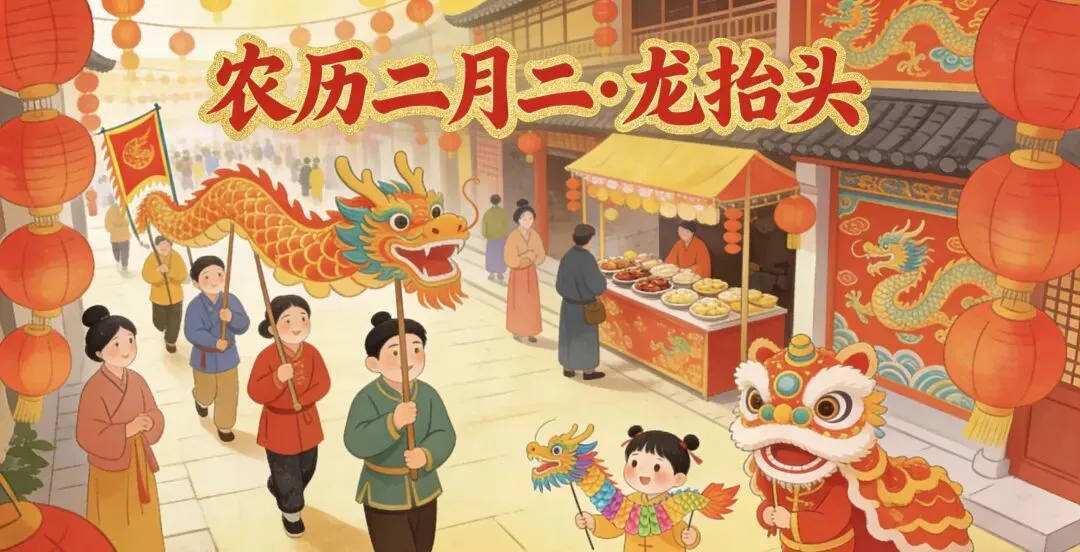
Dragon Head Raising Festival The Dragon Head Raising Festival, commonly known as Longtaitou or Eryue'er, is a lively Chinese festival celebrated on the second day of the second month in the Chinese lunar calendar. This special day marks the arrival of spring, a season when nature comes back to life and farmers get ready for the busy farming season. 龙抬头节,又称龙抬头或二月二,是中国农历二月初二庆祝的一个热闹节日。这一天标志着春天的到来,万物复苏,农民们也开始为繁忙的农耕时节做准备。
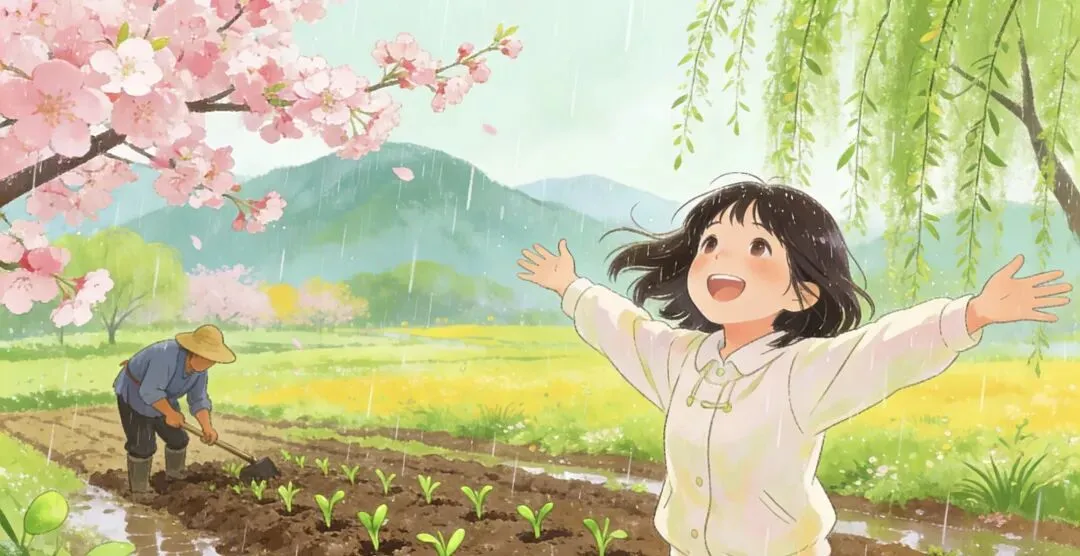
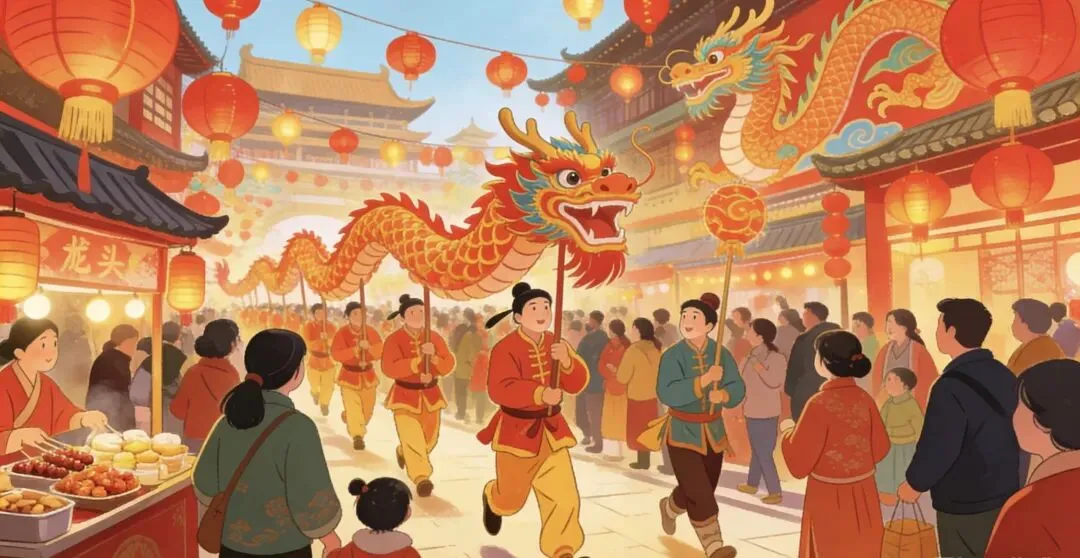
Deeply rooted in Chinese culture, the festival honors the dragon, a powerful symbol of good luck and rainfall. According to legend, the dragon wakes up from its winter sleep on this day, lifting its head to bring rain. In ancient agricultural societies, rain was very important for the growth of crops. 这个节日深深植根于中华文化,人们敬奉龙——它是吉祥和雨水的重要象征。传说在这一天,龙从冬眠中苏醒,抬起头来带来雨水。在古代农业社会,雨水对农作物的生长至关重要。
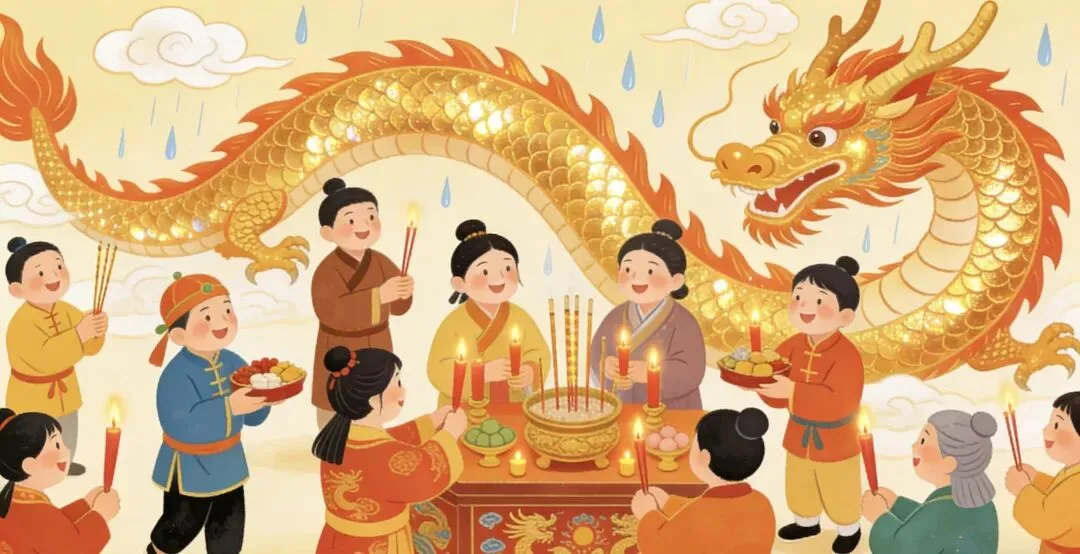
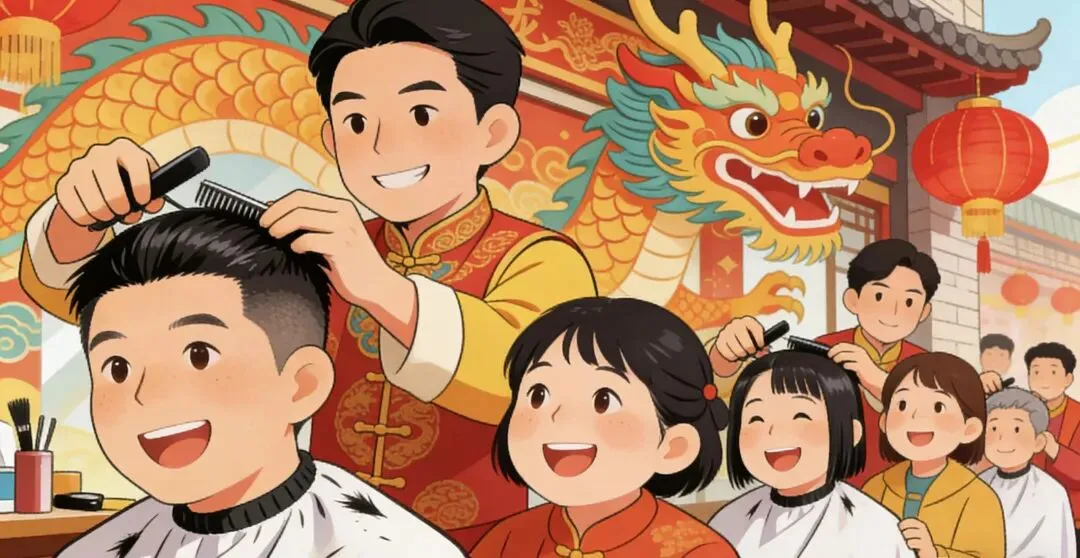
The festival has many popular traditions. One well-known custom is getting a haircut, which is believed to bring good luck. This tradition comes from the idea that people should not cut their hair during the first lunar month, so the Dragon Head Raising Festival becomes an auspicious day for a new haircut. 这个节日有许多流行的传统。其中一个广为人知的习俗是理发,人们相信理发能带来好运。这一习俗源于正月不宜理发的说法,因此龙抬头节就成了剪新发型的吉祥日子。
In short, the Dragon Head Raising Festival perfectly shows the spirit of spring renewal. It mixes ancient beliefs and traditional customs into a lively celebration of hope and good fortune. 总之,龙抬头节完美展现了春回大地、万物更新的精神。它将古老信仰与传统习俗融为一体,成为一场充满希望与好运的热闹庆典。
The Dragon Head Raising Festival, commonly known as Longtaitou or Eryue'er, is a lively Chinese festival celebrated on the second day of the second month in the Chinese lunar calendar. This special day marks the arrival of spring, a season when nature comes back to life and farmers get ready for the busy farming season. 龙抬头节,又称龙抬头或二月二,是中国农历二月初二庆祝的一个热闹节日。这一天标志着春天的到来,万物复苏,农民们也开始为繁忙的农耕时节做准备。
Deeply rooted in Chinese culture, the festival honors the dragon, a powerful symbol of good luck and rainfall. According to legend, the dragon wakes up from its winter sleep on this day, lifting its head to bring rain. In ancient agricultural societies, rain was very important for the growth of crops. 这个节日深深植根于中华文化,人们敬奉龙——它是吉祥和雨水的重要象征。传说在这一天,龙从冬眠中苏醒,抬起头来带来雨水。在古代农业社会,雨水对农作物的生长至关重要。
The festival has many popular traditions. One well-known custom is getting a haircut, which is believed to bring good luck. This tradition comes from the idea that people should not cut their hair during the first lunar month, so the Dragon Head Raising Festival becomes an auspicious day for a new haircut. 这个节日有许多流行的传统。其中一个广为人知的习俗是理发,人们相信理发能带来好运。这一习俗源于正月不宜理发的说法,因此龙抬头节就成了剪新发型的吉祥日子。
In short, the Dragon Head Raising Festival perfectly shows the spirit of spring renewal. It mixes ancient beliefs and traditional customs into a lively celebration of hope and good fortune. 总之,龙抬头节完美展现了春回大地、万物更新的精神。它将古老信仰与传统习俗融为一体,成为一场充满希望与好运的热闹庆典。