夜雨聆风
夜雨聆风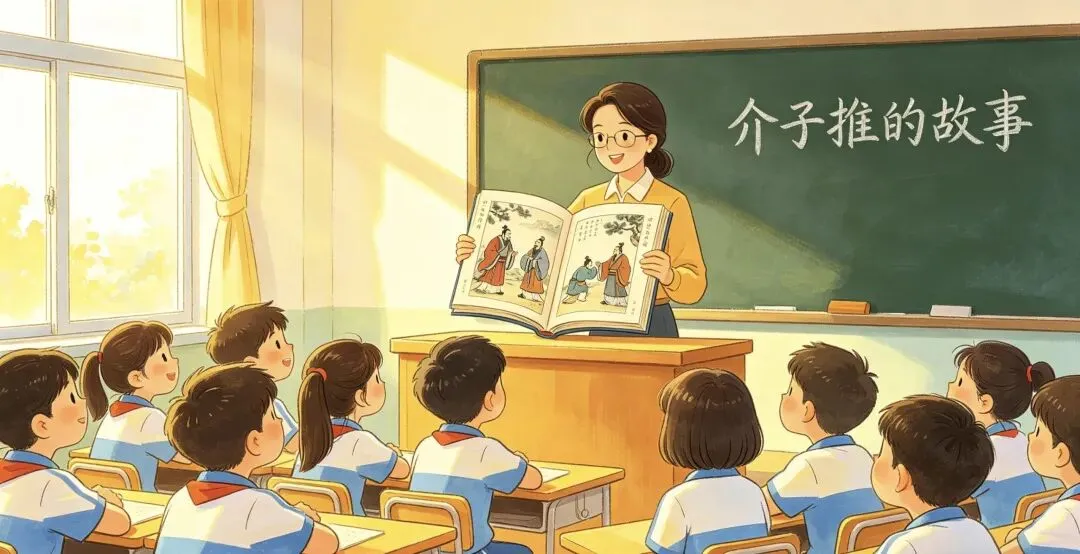
The Cold Food Festival: A Chinese Tradition with a Moving Story In ancient China, there was a special festival called Hanshi Jie, or the Cold Food Festival. It falls around April 4th every year, just before the Qingming Festival. Though it is less widely celebrated now, it carries a touching story and deep cultural meaning. 在中国古代,有一个特殊的节日叫寒食节(Hanshi Jie)。它在每年 4 月 4 日左右,恰逢清明节前夕。虽然如今它的庆祝不如从前广泛,却承载着一个动人的故事和深厚的文化内涵。

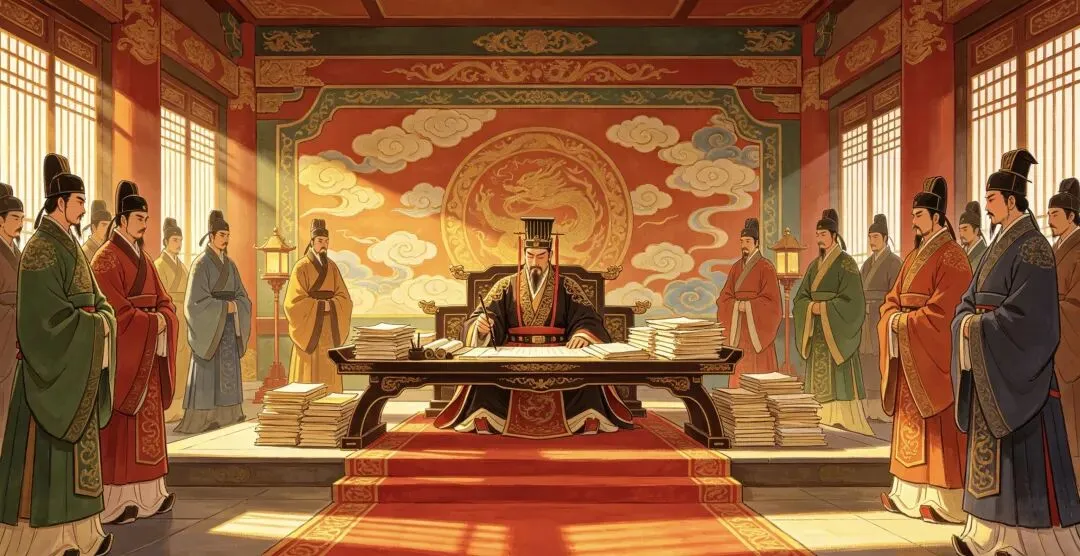
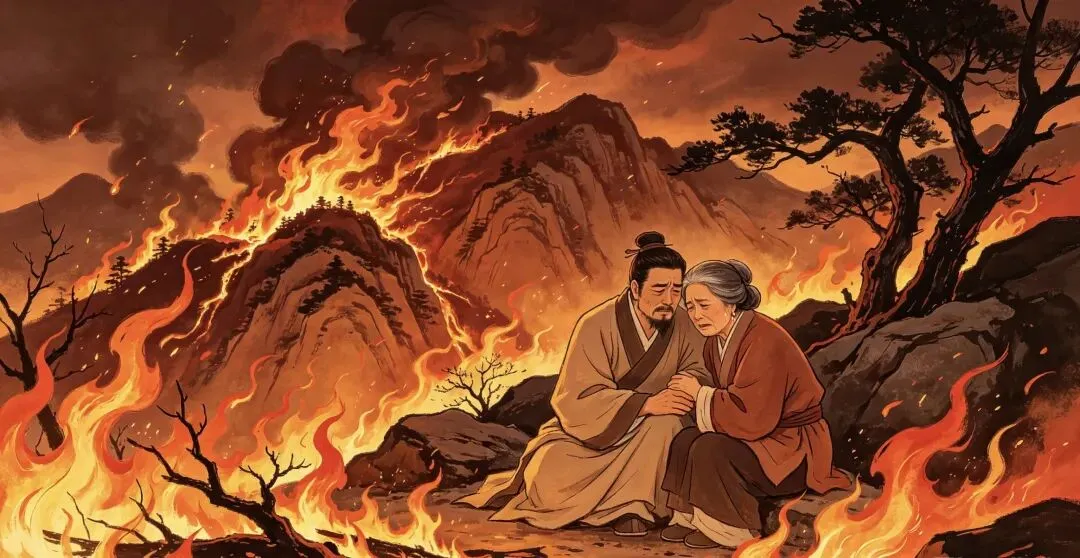
The festival comes from the story of Jie Zitui, a loyal official in the Spring and Autumn Period. When his lord, Duke Wen of Jin, was in danger and starving, Jie cut flesh from his own leg to make soup for the duke. Later, when the duke regained power, he forgot Jie's great sacrifice. Heartbroken, Jie retreated to Mianshan Mountain with his mother. To force Jie to come out, the duke set the mountain on fire. Sadly, Jie and his mother died in the fire. To remember Jie, the duke ordered no fires to be lit on that day, so people could only eat cold food. 这个节日源于春秋时期忠臣介子推的故事。当时,他的主公晋文公落难、饥寒交迫,介子推割下自己腿上的肉,为文公煮汤充饥。后来,文公重掌大权,却忘记了介子推的巨大牺牲。介子推心灰意冷,带着母亲隐居到了绵山。为了逼介子推出山,文公下令放火烧山,不幸的是,介子推和母亲最终葬身火海。为了纪念介子推,文公下令这一天禁止生火,人们只能吃提前备好的冷食。
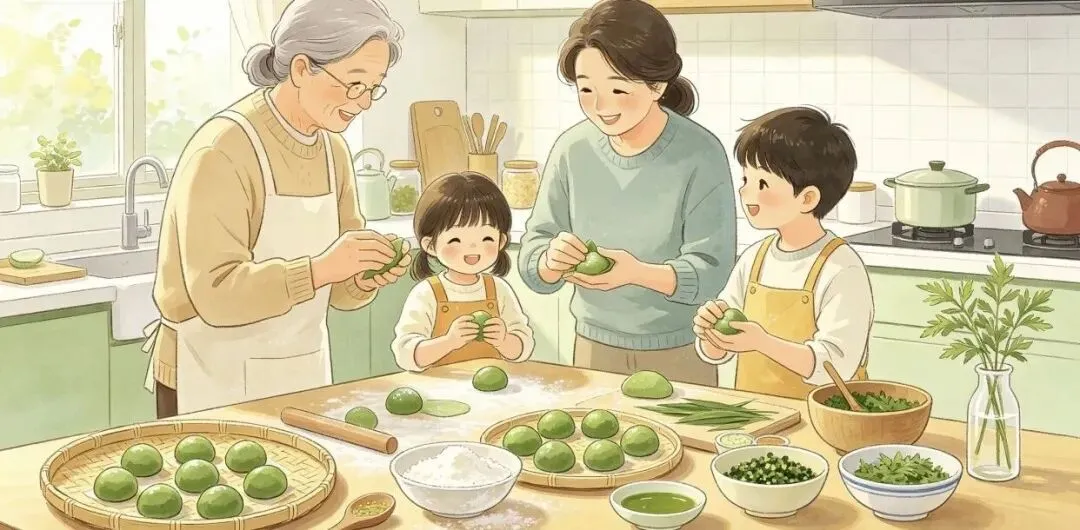
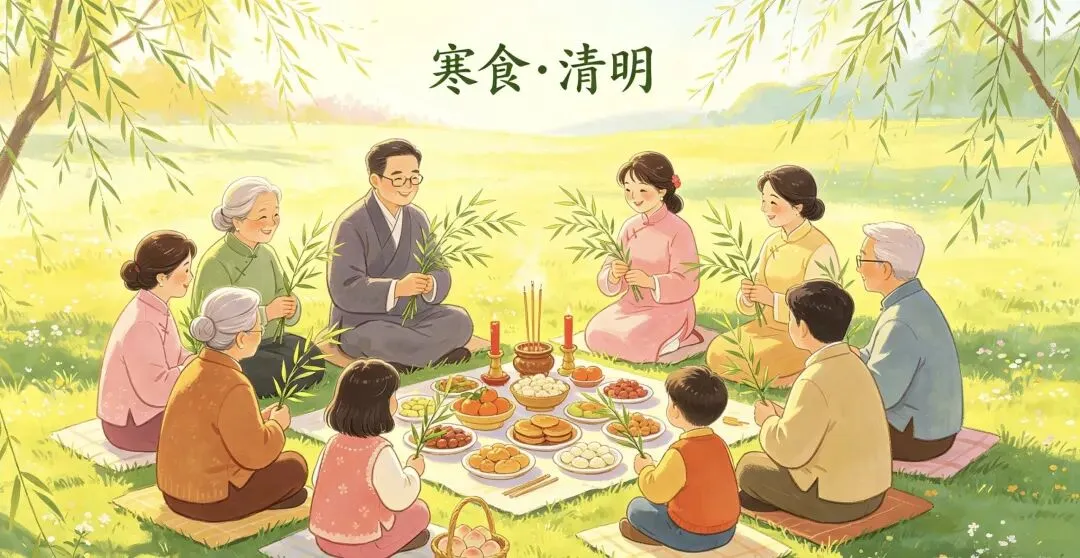
Today, families still make traditional cold food like qingtuan (green rice cakes) to mark the day. Over time, the Cold Food Festival has become closely connected with the Qingming Festival. Many people combine the two, enjoying outdoor activities like picnics while remembering their ancestors. Schools also tell Jie's story to teach students about loyalty, gratitude and family values. 如今,家家户户仍会制作青团等传统冷食来纪念这个日子。随着时间推移,寒食节与清明节紧密相连。许多人会将两个节日的活动结合,在缅怀先祖的同时,享受野餐等户外活动。学校也会讲述介子推的故事,教导学生忠诚、感恩与家庭的价值。
Even though fewer people follow the no-fire rule now, the spirit of the festival lives on. It reminds us to cherish the people who came before us, and hold dear the values that connect generations. When you see people eating qingtuan in early April, you'll know it is part of this precious Chinese cultural heritage. 尽管如今遵守禁火习俗的人越来越少,但这个节日的精神一直传承至今。它提醒我们铭记先辈,珍视连接代代人的美好品德。当你在四月初看到人们吃青团时,就会明白,这正是这份珍贵的中国文化遗产的一部分。
In ancient China, there was a special festival called Hanshi Jie, or the Cold Food Festival. It falls around April 4th every year, just before the Qingming Festival. Though it is less widely celebrated now, it carries a touching story and deep cultural meaning. 在中国古代,有一个特殊的节日叫寒食节(Hanshi Jie)。它在每年 4 月 4 日左右,恰逢清明节前夕。虽然如今它的庆祝不如从前广泛,却承载着一个动人的故事和深厚的文化内涵。
The festival comes from the story of Jie Zitui, a loyal official in the Spring and Autumn Period. When his lord, Duke Wen of Jin, was in danger and starving, Jie cut flesh from his own leg to make soup for the duke. Later, when the duke regained power, he forgot Jie's great sacrifice. Heartbroken, Jie retreated to Mianshan Mountain with his mother. To force Jie to come out, the duke set the mountain on fire. Sadly, Jie and his mother died in the fire. To remember Jie, the duke ordered no fires to be lit on that day, so people could only eat cold food. 这个节日源于春秋时期忠臣介子推的故事。当时,他的主公晋文公落难、饥寒交迫,介子推割下自己腿上的肉,为文公煮汤充饥。后来,文公重掌大权,却忘记了介子推的巨大牺牲。介子推心灰意冷,带着母亲隐居到了绵山。为了逼介子推出山,文公下令放火烧山,不幸的是,介子推和母亲最终葬身火海。为了纪念介子推,文公下令这一天禁止生火,人们只能吃提前备好的冷食。
Today, families still make traditional cold food like qingtuan (green rice cakes) to mark the day. Over time, the Cold Food Festival has become closely connected with the Qingming Festival. Many people combine the two, enjoying outdoor activities like picnics while remembering their ancestors. Schools also tell Jie's story to teach students about loyalty, gratitude and family values. 如今,家家户户仍会制作青团等传统冷食来纪念这个日子。随着时间推移,寒食节与清明节紧密相连。许多人会将两个节日的活动结合,在缅怀先祖的同时,享受野餐等户外活动。学校也会讲述介子推的故事,教导学生忠诚、感恩与家庭的价值。
Even though fewer people follow the no-fire rule now, the spirit of the festival lives on. It reminds us to cherish the people who came before us, and hold dear the values that connect generations. When you see people eating qingtuan in early April, you'll know it is part of this precious Chinese cultural heritage. 尽管如今遵守禁火习俗的人越来越少,但这个节日的精神一直传承至今。它提醒我们铭记先辈,珍视连接代代人的美好品德。当你在四月初看到人们吃青团时,就会明白,这正是这份珍贵的中国文化遗产的一部分。