 夜雨聆风
夜雨聆风July 25, 2026 NPR Weekend Edition Saturday
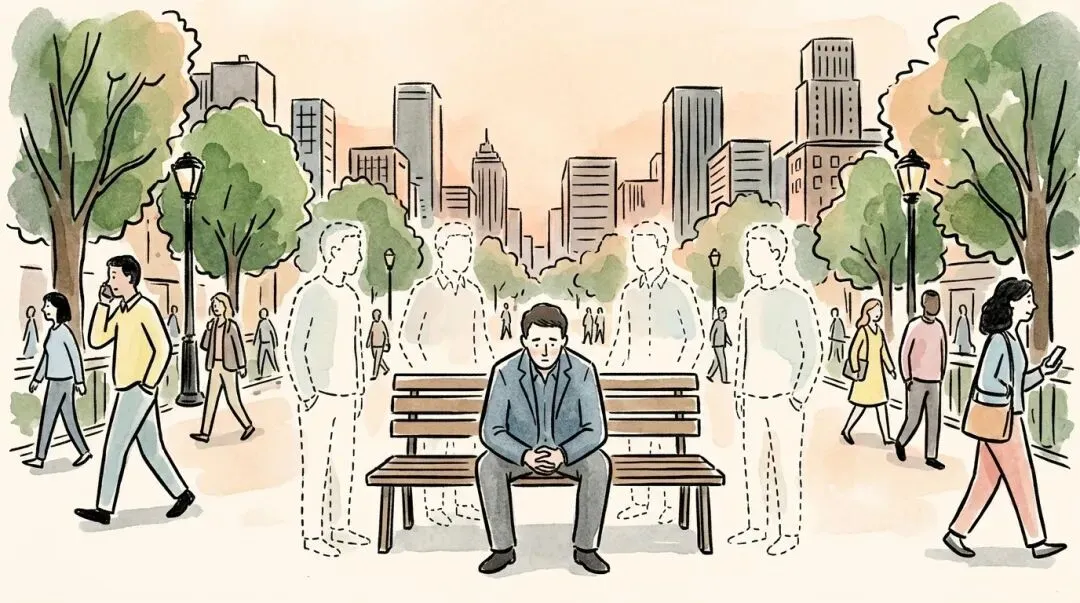
Amidst what some researchers call a "friendship recession," apps and services have been proliferating to connect people. We hear from people who have used them reflect on what about them has worked or hasn't.
①Why do friendship apps struggle compared to dating apps?
②What app format actually worked for Jen Hobbs?
③What's the key principle behind forming real friendships?
💡参考答案见留言区
SCOTT SIMON, HOST:
Many of the old places where friendships formed - the office, houses of worship(礼拜堂), maybe the VFW(退伍军人协会) - may have become less central to people's lives. It's part of what's been called a friendship recession(友谊衰退) - Americans spending dramatically less time with friends than they did a decade ago. As Leslie McClurg of member station KQED reports, a growing number of apps and services are trying to bring people back together.
LESLIE MCCLURG, BYLINE: When Jen Hobbs moved to Oakland last summer, she assumed friends would come naturally at the coffee shop or after an exercise class, but six months in...
JEN HOBBS: And on New Year's, I was kind of reflecting on things, and I realized I still don't have any friends.
MCCLURG: She made it her resolution to fix that and downloaded every friendship app that she had seen advertised on Instagram. Some are simple, like Bumble For Friends, which works much like the company's dating app, but instead of swiping(滑动) for lovers, you're swiping for pals. Others, like Timeleft, go further by matching users with like-minded(志趣相投的) strangers for a meal.
UNIDENTIFIED COMMENTATOR: In restaurants across the country...
UNIDENTIFIED COMMENTATOR: ...Total strangers are gathering for conversation and community over shared meals.
MCCLURG: If that doesn't work, you can pay a premium(额外费用) for platforms that set folks up for a series of get-togethers(聚会).
HOBBS: Could it really be so easy? Like, could I just pay for this app and then have friends?
JEFFREY HALL: It's really normal for people to assume the solutions for whatever problem they've got is something they can find in an app.
MCCLURG: That's Jeffrey Hall. He directs the Relationship and Technology Lab at the University of Kansas. He says people might want to lower their expectations.
HALL: You do not get to build a friendship by snapping your fingers(打响指) or wanting it to be so.
MCCLURG: His research shows that it can take about 50 hours together to turn acquaintances(泛泛之交) into friends and many, many more to build real closeness.
HALL: You have to put time into it.
MCCLURG: Which may be why he says friendship apps haven't taken off(流行起来) like dating apps. While about 30% of married couples meet online, only about 5% of friendships begin that way. And most of those friends connect through message boards(留言板)or online gaming. Still, friendship apps can help.
HALL: The coordination, the geolocation(定位), the reminders, the messaging, the enrollment(报名) - all of that's terrific because scheduling is so hard for friendship.
MCCLURG: And someone like Jen Hobbs is an ideal candidate. She's young, so comfortable online and new to a city. Her experience suggests these apps work best when they create the conditions for friendships to grow rather than expecting an instant connection. One-on-one(一对一)meetup apps didn't work for her, but an app called RealRoots did. It set her up with nine women who met every Tuesday for six weeks.
HOBBS: It really worked because the series is over now, and me and the girls still meet every Tuesday.
MCCLURG: Recently, they scheduled a craft(手工)night to make glitter cups(闪光杯). Another time they took a pole dancing(钢管舞)class. Tonight, they're at a Berkeley cafe for board games(桌游).
HOBBS: Battleship(战舰) is over there, and we played Connect Four(四子棋).
MCCLURG: They settled on Hues and Cues(色彩线索). Hobbs sets up the board.
HOBBS: If you're in the square, you get two points. If you're on the exact color, you get three points.
MCCLURG: In between the moves, they talked about the apps that had failed to work. Morgan Ezeir said she didn't have any luck with Bumble BFF.
MORGAN EZEIR: It just felt weird. I don't think I ever actually got off the app and met people, 'cause it felt like I was dating, but I wasn't.
MCCLURG: Kelsey Manion agreed. She said swiping was hollow(无用的).
KELSEY MANION: It felt like it was easier to ghost people(玩消失).
MCCLURG: They all said meeting up in a group week after week was the key. And that same organizing principle - bringing people together in groups over and over again - is working even without an app. Across town in Oakland, Emily Steelhammer also found that swiping wasn't enough. The real connections came after joining a group called Friend Cult. Members pay monthly dues and are brought together weekly with other locals for a meal.
EMILY STEELHAMMER: Man, on a Wednesday night when I'm, like, I don't have to do any work to get some social nutrition tonight.
MCCLURG: Tonight, Friend Cult is at a pizza joint called Hesher's.
UNIDENTIFIED PERSON: Cheers.
STEELHAMMER: I just got pulled into all these really interesting conversations. I felt great when I left.
MCCLURG: So maybe you can't swipe your way to friendship, but showing up again and again, whether it's through an app, a service, or simply in the real world, is likely what will give people the connection they're craving. For NPR News, I'm Leslie McClurg in Oakland.