2018 年 12 月大学英语四级考试真题(第 3 套)
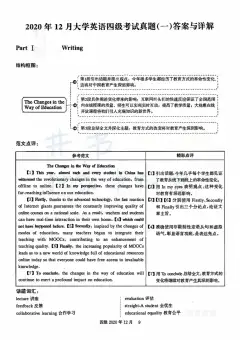
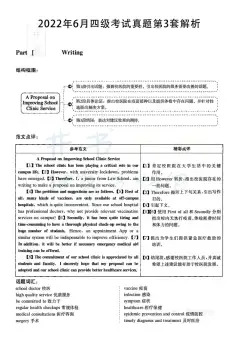
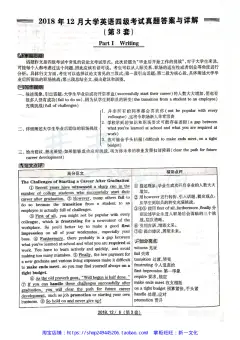
Part I Writing (30minutes)
Directions: For this part, you are allowed 30 minutes to write a short essay on the challenges of starting a career after
graduation.Youshouldwriteatleast120wordsbutnomorethan180words.
___________________________________________________________________________________________________
___________________________________________________________________________________________________
___________________________________________________________________________________________________
Part II Listening Comprehension (25 minutes)
说明:由于2018年12月四级考试全国共考了2套听力,本套真题听力与前2套内容完全一样,只是顺序不一
样,因此在本套真题中不再重复出现。
Part Ⅲ Reading Comprehension ( 40minutes )
SectionA
Directions:In this section,there is apassagewith tenblanks.Youarerequiredtoselectonewordforeachblankfrom alist
of choices given in a word bank following the passage. Read the passage through carefully before making your choices.
Each choice in the bank is identified by a letter. Please mark the corresponding letter for each item on Answer Sheet 2
withasinglelinethroughthecentre.Youmaynotuseanyofthewordsinthebankmorethanonce.
Questions26to35arebasedonthefollowingpassage.
Afewmonthsago,Iwasdownwithaterriblecoldwhichendedinapersistentbadcough.Nomatterhowmany
different 26 Itried,Istillcouldn’tgetridofthecough.Notonlydidit 27 myteachingbutalsomylifeasawhole.
Thenonedayafterclass,astudentcameuptomeand 28 traditionalChinesemedicine.Fromherdescription,Chinese
medicinesoundedasifithadmagicpowerthatworkedwonders.Iwas 29 becauseIknewsolittleaboutitandhave
neveritbefore.Eventually,mycoughgotsomuch 30 thatIcouldn’tsleepatnight,soIdecidedtogiveitatry.The
Chinesedoctortookmypulseandaskedtoseemytongue,bothofwhichwerenew 31 tomebecausetheyareboth
non-existentinWesternmedicine.Thenthedoctorgavemeascraping(刮)treatmentknownas“GuaSha”. Iwasalittle
32 atfirstbecauseheusedasmoothedgedtooltoscrapetheskinonmyneckandshoulders.Afewminuteslater,the 33
strokesstartedtoproducearelievingeffectandmybodyandmindbeganto 34 deeperintorelaxation.Ididn’tfeelany
improvementinmyconditioninthefirstcoupleofdays,butafterafewmoreregularvisitstothedoctor,mycoughstarted
to 35 .Then,withinamatterofweeks,itwascompletelygone!
A)deepen I)remedies
B)experiences J)scared
C)hesitant
D)inconvenience K)sensitive
E)lessen L)sink
F)licenses M)temporary
G)pressured N)tremble
H)recommended O)worseSectionB
Directions: In this section, you are going to read a passage with ten statements attached to it. Each statement contains
informationgiveninoneoftheparagraphs.Identifytheparagraphfromwhichtheinformationisderived.Youmaychoosea
paragraph more than once. Each paragraph is marked with a letter. Answer the questions by marking the corresponding
letteronAnswerSheet 2.
HowaPoor, AbandonedParisian BoyBecame aTopChef
A)Whenyoudropapieceoffoodonthefloor,isitreallyOKtoeatifyoupickitupwithinfiveseconds?Anurban
foodmythcontendsthatiffoodspendsjustafewsecondsonthefloor,dirtandgermswon’thavemuchofachanceto
contaminateit.Researchinmylabhasfocusedonhowfoodbecomescontaminated,andwe’vedonesomeworkonthis
particularpieceofwisdom.
B)Whilethe“five-secondrule”mightnotseemlikethemostpressingissueforfoodscientiststogettothebottomof,
it’sstillworthinvestigatingfoodmythslikethisonebecausetheyshapeourbeliefsaboutwhenfoodissafetoeat.
C)Soisfivesecondsonthefloorthecriticalthreshold(门槛)thatseparatesapieceofeatablefoodfromacaseoffood
poisoning?It’sabitmorecomplicatedthanthat.Itdependsonjusthowmanybacteriacanmakeitfromfloortofoodina
fewsecondsandjusthowdirtytheflooris.
D)WonderingiffoodisstillOKtoeatafterit’sdroppedonthefloorisaprettycommonexperience.Andit’sprobably
notanewoneeither.Awell-known,butinaccurate,storyaboutJuliaChildmayhavecontributedtothisfoodmyth.Some
viewersofhercookingshow,TheFrenchChef,insisttheysawChilddroplambonthefloorandpickitup,withtheadvice
thatiftheywerealoneinthekitchen,theirguestswouldneverknow.
E)Infactitwasapotatopancake,anditfellonthestovetop,notonthefloor.Childputitbackinthepan,saying,“But
youcanalwayspickitupandifyou’realoneinthekitchen,who’sgoingtoseeit?”Butthemisrememberedstorypersists.
It’shardertopindowntheoriginsoftheoft-quotedfive-secondrule,buta2003studyreportedthat70%ofwomenand
56%ofmensurveyedwerefamiliarwiththefive-secondruleandthatwomenweremorelikelythanmentoeatfoodthat
haddroppedonthefloor.
F)Sowhatdoessciencetellusaboutwhatafewmomentsonthefloormeansforthesafetyofyourfood?Theearliest
researchreportonthefive-secondruleisattributedtoJillianClarke,ahighschoolstudentparticipatinginaresearchproject
attheUniversityofIllinois.Clarkeandhercolleaguesintroducedbacteriatofloortiles(瓷砖)andthenplacedcookieson
thetilesforvaryingtimes.Theyreportedbacteriaweretransferredfromthetilestothecookieswithinfiveseconds,but
didn’treportthespecificamountofbacteriathatmadeitfromthetilestothefood.
G)Buthowmanybacteriaactuallytransferinfiveseconds?In2007,mylabatClemsonUniversitypublishedastudy
intheJournalofAppliedMicrobiology.Wewantedtoknowifthelengthoftimefoodisincontactwithacontaminated
surfaceaffectedtherateoftransferofbacteriatothefood.Tofindout,weintroducedbacteriatosquaresoftile,carpetor
wood.Fiveminutesafterthat,weplacedeitherbaconorbreadonthesurfacefor5,30or60seconds,andthenmeasuredthe
numberofbacteriatransferredtothefood.Werepeatedthisexactprocedureafterthebacteriahadbeenonthesurfacefor
2,4,8and24hours.
H)Wefoundthatthenumberofbacteriatransferredtoeitherkindoffooddidn’tdependmuchonhowlongthefood
wasincontactwiththecontaminatedsurface—whetherforafewsecondsorforawholeminute.Theoverallnumberof
bacteriaonthesurfacematteredmore,andthisdecreasedovertimeaftertheinitialintroduction.Itlookslikewhat’satissue
islesshowlongyourfoodstaysonthefloorandmuchmorehowcontaminatedwithbacteriathatpatchoffloorhappensto
be.
I)Wealsofoundthatthekindofsurfacemadeadifferenceaswell.Carpets,forinstance,seemtobeslightlybetter
placestodropyourfoodthanwoodortile.Whenacarpetwascontaminated,lessthan1%ofthebacteriaweretransferred.
Butwhenthefoodwasincontactwithtileorwood,45-70%ofbacteriawere.J)Lastyear,astudyfromAstonUniversityintheUKusednearlyidenticalparameters(参数)toourstudyandfound
similarresults.Theyalsoreportedthat87%ofpeopleaskedeitherwouldeatorhadeatenfoodfallenonthefloor.
K)Shouldyoueatfoodfallenonthefloorthen?Fromafoodsafetystandpoint,ifyouhavemillionsormorebacteria
onasurface,0.1%isstillenoughtomakeyousick.Also,certaintypesofbacteriaareextremelyharmful,andittakesonlya
smallnumbertomakeyousick.Forexample,10bacteriaorlessofanespeciallydeadlystrainofbacteriacancausesevere
illnessanddeathinpeoplewithcompromisedimmunesystems.Butthechanceofthesebacteriabeingonmostsurfacesis
verylow.
L)Andit’snotjustdroppingfoodonthefloorthatcanleadtobacterialcontamination.Bacteriaarecarriedbyvarious
“media”,whichcanincluderawfood,moistsurfaceswherebacteriahavebeenleft,ourhandsorskinandfromcoughingor
sneezing(打喷嚏).Hands,foodsandutensils(器皿)cancarryindividualbacterialivingincommunitiescontainedwithin
aprotectivefilm.Thesemicroscopiclayersofdepositscontainingbacteriaareknownasbiofilmsandtheyarefoundon
mostsurfacesandobjects.Biofilmcommunitiescanharborbacterialongerandareverydifficulttoclean.Becteriainthese
communitiesalsohaveanenhancedresistancetosanitizers(清洁剂)andantibioticscomparedtobacterialivingontheir
own.
M)Sothenexttimeyouconsidereatingfallenfood,theoddsareinyourfavorthatyoucaneatitwithoutgettingsick.
Butintherarechancethatthereisamicro-organismthatthereisamicro-organismthatcanmakeyousickontheexactspot
wherethefooddropped,youcanbefairlysurethatthebugisonthefoodyouareabouttoputinyourmouth.
N)Researchorcommonsensetellsusthatthebestthingtodoiskeepyourhands,utensilsandothersurfacesclean.
36.Aresearchprojectfoundbacteriamadetheirwaytothefoodonthefloorinfiveseconds.
37.Whetherfoodiscontaminateddependsmuchonthenumberofbacteriathatgetontoit.
38.Foodcontaminationmayresultfromvariousfactorsotherthanfooddroppingonthefloor.
39.Malesarelesslikelythanfemalestoeatfoodthatmayhavebeencontaminated.
40.Theauthor’sresearchcentersaroundhowfoodgetscontaminated.
41.Keepingeverythingcleanisthebestwaytostayhealthy.
42.Chancesareyouwillnotfallsickbecauseofeatingfoodpickedupfromthefloor.
43.Foralongtimepeoplehavehadtheexperienceofdecidingwhetherornottoeatfoodpickedupfromthefloor.
44.Somestrainsofbacteriaaresoharmfulthatatinyfewcanhavedeadlyconsequences.
45.Researchersfoundhowmanybacteriagotontothefooddidnothavemuchtodowithhowlongthefoodstayedon
acontaminatedfloor.
SectionC
Directions: There are 2 passages in this section. Each passage is followed by some questions or unfinished statements. For
each of them there are four choices marked A), B), C) and D). You should decide on the best choice and mark the
correspondingletteronAnswerSheet2withasinglelinethroughthecentre.
PassageOne
Questions46and50arebasedonthefollowingpassage.Thelatestincatresearchrevealsthatthelovelyanimalseemstohaveabasicgrasponboththelawsofphysicsandthe
insandoutsofcauseandeffect.
Accordingtoanewlypublishedstudy,catsseemtobeabletopredictthelocationofhidingprey(猎物)usingboth
theirearsandaninborn(天生的)understandingofhowthephysicalworldworks.
Inarecentexperiment,Japaneseresearcherstaped30domesticcatsreactingtoacontainerthatateammembershook.
Somecontainersrattled(发出响声);othersdidnot.Whenthecontainerwastippedover,sometimesanobjectfelloutand
sometimesitdidn’t.
Itturnsoutthatthecatswereremarkablysmartaboutwhatwouldhappenwhenacontainerwastippedover.Whenan
objectdidnotdropoutofthebottomofarattlingcontainer,theylookedatitforalongertimethantheydidwhenthe
containerbehavedasexpected.
“Catsuseacausal-logicalunderstandingofnoiseorsoundstopredicttheappearanceofinvisibleobjects,”lead
researcherSahoTakagisaysinapressrelease.Theresearchersconcludethatcats’huntingstylemayhavedevelopedbased
ontheircommon-senseabilitiestoinferwherepreyis,usingtheirhearing.
Scientistshaveexploredthisideawithotherendearingcreatures:babies.Likecats,babiesappeartoengageinwhat’s
called“preferentiallooking”—lookinglongeratthingsthatareinterestingorunusualthanthingstheyperceiveasnormal.
Whenbabies’expectationsareviolatedinexperimentsliketheonesperformedwiththecats,theyreactmuchliketheir
animalfriends.Psychologistshaveshownthatbabiesapparentlyexpecttheirworldtocomplywiththelawsofphysicsand
causeandeffectasearlyastwomonthsofage.
Doesthestudymeanthatcatswillsoongrasptheinsandoutsofcauseandeffect?Maybe.Okay,socatsmaynotbe
thenextphysicsfacultymembersatAmerica’smostimportantresearchuniversities.Butbydemonstratingtheircommon
sense,they’veshownthatthedividebetweencatsandhumansmaynotbethatgreatafterall.
46.Whatdowelearnfromanewlypublishedstudyaboutcats?
A)Theycanbetrainedtounderstandthephysicalworld.
B)Theyknowwhatkindofpreymightbeeasiertohunt.
C)Theyhaveanaturalabilitytolocateanimalstheyhunt.
D)Theyarecapableoftellingwhichwaytheirpreyflees.
47.Whatmayaccountforthecats’responsetothenoisefromthecontainers?
A)Theirinbornsensitivitytonoise.
B)Theirunusualsenseofdirection.
C)Theirspecialabilitytoperceive.
D)Theirmasteryofcauseandeffect.
48.Whatischaracteristicofthewaycatshunt,accordingtotheJapaneseresearchers?
A)Theydependontheirinstincts. C)Theywaitsometimebeforeattack.
B)Theyrelymainlyontheirhearing. D)Theyuseboththeirearsandeyes.
49.Inwhatwaydobabiesbehavelikecats?
A)Theyfocusonwhatappearsodd.
B)Theyviewtheworldasnormal.C)Theydowhattheyprefertodo.
D)Theyarecuriousabouteverything.
50.Whatcanweconcludeaboutcatsfromthepassage?
A)Theyhavehigherintelligencethanmanyotheranimals.
B)Theyinteractwithethephysicalworldmuchlikehumans.
C)Theydisplayextraordinarilyhighintelligenceinhunting.
D)Theycanaidphysicsprofessorsintheirresearchwork.
PassageTwo
Questions51to55arebasedonthefollowingpassage.
Imagineyouenteracarwithnosteeringwheel,nobrakeoracceleratorpadals(踏板).Underavoice-activated
command,yousayanaddress.“Thefastestroutewilltakeus15.3minutes.ShouldItakeit?”Yousay“yes”andyouareon
yourway.Thecarrespondsandstartsmovingallbyitself.Allyouhavetodoissitbackandrelax.
Howweirdwoulditbeif,onedayinthefuture,everyonehadsuchacar?Nocrazydriving,noinsults,nocuttingin;
trafficlawswouldberespectedanddrivingmuchsafer.Ontheotherhand,imaginethecostsavingsforlocalpolice
enforcementandtownbudgetswithoutallthosespeedingandparkingtickets.
Anewtechnologyhasthepotentialtochangemodernsocietyinradicalways.There’snoquestionthatself-driving
vehiclescouldbeanenormousbenefit.Thepotentialforsafercarsmeansaccidentstatisticswoulddrop:some94%ofroad
accidentsintheU.S.involvehumanerror.Olderdriversandvisually-orphysically-impairedpeoplewouldgainanewlevel
offreedom.Maintainingsafespeedsandbeingelectric,self-drivingcarswoulddrasticallyreducepollutionlevelsand
dependencyonnon-renewablefuels.Roadswouldbequieter,peoplesafer.
Butwemustalsoconsidertheimpactofthenewtechnologyonthosewhonowdependondrivingfortheirlivelihoods.
AccordingtotheU.S.DepartmentofLabor,inMay2015therewere505,560registeredschoolbusdrivers.TheAmerican
TruckingAssociationlistsapproximately3.5millionprofessionaltruckdriversintheU.S.
Thecompaniesdevelopingself-drivingvehiclesshouldbepartneringwithstateandfederalauthoritiestooffer
retrainingforthismassiveworkforce,manyofwhomwillbedisplacedbythenewtechnology.Thisissimilartowhat’s
happeninginthecoalandoilindustries,asituationthatfuelsmuchofthecurrentpoliticaldiscontentinthiscountry.
Newtechnologieswill,andshould,bedeveloped.Thisishowsocietymovesforward.However,progresscan’tbe
one-sided.Itisnecessaryforthecompaniesandstateagenciesinvolvedtoconsidertheethicalconsequencesofthese
potentialchangestobuildabetterfutureforall.
51.Whatwouldbetheimpactoftheextensiveuseofdriverlesscars?
A)Peoplewouldbedrivinginamorecivilizedway.
B)Itwouldsavelocalgovernmentsalotofmoney.
C)Morepolicemenwouldbepatrollingthestreets.
D)Trafficregulationswouldbeathingofthepast.
52.Howwouldtheelderlyandthedisabledbenefitfromdriverlesscars?
A)Theycouldenjoygreatermobility.
B)Theywouldsuffernoroadaccidents.C)Theywouldhavenotroubledriving.
D)Theycouldgoanywheretheywant.
53.Whatwouldbethenegativeimpactofdriverlesscars?
A)Theconflictbetweenlaborandmanagementwouldintensify.
B)Thegapbetweenvarioussectorsofsocietywouldbewidened.
C)Professionaldriverswouldhaveahardtimeadaptingtonewroadconditions.
D)Numerousprofessionaldriverswouldhavetofindnewwaysofearningaliving.
54.Whatistheresultoftheintroductionofnewtechnologiesinenergyindustries?
A)Politicaldissatisfaction.
B)Retrainingofemployees.
C)Fossilfuelconservation.
D)Businessrestructuring.
55.Whatdoestheauthorsuggestbusinessesandthegovernmentdo?
A)Keeppacewithtechnologicaldevelopments.
B)Makenewtechnologiesaffordabletoeveryone.
C)Enableeveryonetobenefitfromnewtechnologies.
D)Popularizetheuseofnewtechnologiesanddevices.
Part Ⅳ Translation (30minutes)
Directions: For this part, you are allowed 30 minutes to translate a passage from Chinese into English. You should write
youransweronAnswerSheet 2.
过去几年里,移动支付市场在中国蓬勃发展。随着移动互联网的出现,手机购物逐渐成为一种趋势。18到30
岁的年轻人构成了移动支付市场的最大群体。由于现在用手机付款很容易,许多消费者在购物时宁愿用手机付款,
而不愿用现金或信用卡。为了鼓励人们多消费,许多商店给使用移动支付的顾客打折。专家预测,中国移动支付市
场未来仍有很大发展潜力。