绿色印刷产品
义
务
教
育
教
科
书
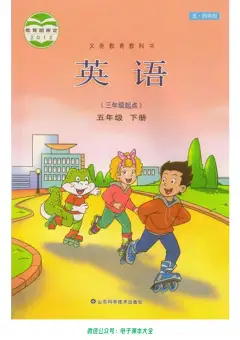
义 务 教 育 教 科 书
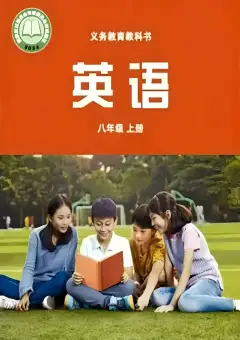
英 语
八年级 下册
英
语
八
年
级
下
册
ENGLISH
E N G L I S H
定价:10.90元
价格批准文号:闽发改价格[2026]45号
价格投诉举报电话:12315
义 务 教 育 教 科 书
英 语
八年级 下册
E
N
G
L
I
S
H
科 学 普 及 出 版 社
·北 京·
责任编辑 徐君慧
装帧设计 北京市仁爱教育研究所
责任印制 徐 飞
北京市仁爱教育研究所 编著
主 编 邱耀德
副 主 编 邓 杰
编 者 (按姓氏笔画排列)
[加拿大]吉姆·格林劳(Jim Greenlaw) 朱小舟 杨行胜 郭水源 郭永飞 韩 华
图书在版编目(CIP)数据
价格批准文号:闽发改价格[2026]45号
价格投诉举报电话:12315
出 版 科学普及出版社
发 行 中国科学技术出版社有限公司
地 址 北京市海淀区中关村南大街16号
邮 编 100081
发行电话 010-62173865
传 真 010-62173081
网 址 http://www.cspbooks.com.cn
开 本 787 mm×1092 mm 1/16
字 数 286 千字
印 张 11
版 次 2026 年 1 月第 1 版
印 次 2026 年 1 月第 1 次印刷
印 刷 北京盛通印刷股份有限公司
书 号 ISBN 978-7-110-11073-7
定 价 10.90元
(声明:我们已尽可能取得作品权利人的授权或许可,作品权利人如有关于报酬支付事宜可与我们联系)
如有质量问题,影响阅读,请联系:
地址:北京市海淀区北四环西路68号左岸工社12层北京市仁爱教育研究所 邮编:100080
电话:4008100168 010-82676936
邮箱:editor@renai-edu.com
义务教育教科书. 英语八年级 下册 / 北京市仁爱
教育研究所编著. -- 北京 : 科学普及出版社, 2026. 1.
ISBN 978-7-110-11073-7
Ⅰ. G634
中国国家版本馆CIP数据核字第2025JK7130号
前 言
亲爱的同学们:
你们好!
本套教科书依据我国《义务教育英语课程标准(2022年版)》编写,旨在帮助你们通
过英语课程学习,在提高英语语言能力的同时,学习、传承和弘扬中华优秀文化,养成良
好思想品德,逐步提升核心素养,发展终身学习能力。
本套教科书分为六册,共三十三个单元。每个单元围绕一个主题,先由开篇页导入,
再分四个板块从不同侧面呈现教学内容。
开篇页为一幅精美的主题插图,图上附有单元序号和标题、一个主题之问,以及语言
交际、文化学习、思维训练、策略运用和项目实践五个方面的学习目标。这些图文可以帮
助你们了解单元主题、明确学习目标,激发你们对单元主题的学习兴趣。
开篇页之后是“准备”板块。该板块包括听说(Listening & Speaking)、功能
(Function)和语音(Pronunciation)三个部分,主要通过听、说、看、读等活动引入
单元主题,帮助你们掌握与主题相关的语言和文化基础知识,激发你们进一步探索单元主
题的兴趣。
接下来是“探索”板块。该板块包括思维技能(Thinking Skills)、阅读策略
(Reading Strategies)、主题阅读(Theme Reading)和语法应用(Grammar in
Use)四个部分。思维技能和阅读策略以专项训练的方式进行,并在主题阅读活动中复现。
主题阅读通过一个语篇和多个紧密相连的活动引导你们从语言、文化、思维、策略等不同
视角对单元主题进行探索。语法应用分为词法和句法应用,帮助你们在梳理语法规则的同
时,进一步对单元主题进行探索。
之后是“拓展”板块。该板块包括口头交际(Oral Communication)和以读促写
(Reading for Writing)两个部分,分别以口头产出和笔头产出为目的,采取先听后讨
论、先读后仿写的形式,帮助你们围绕单元主题进行拓展学习。
最后是“收篇”板块。该板块包括项目实践(Project)、复习(Review)和自评
(Self-assessment)三个部分。项目实践强调使用语言做事情,要求你们使用英语并通过
动手做来完成一项小组合作实践项目。复习部分重点复习单元的词汇和语法,同时通过听
说和阅读活动补充或升华单元的主题学习。自评部分以主观题和客观题相结合的方式,帮
助你们对单元主题学习、活动参与情况、学习计划等进行回顾和反思。
II
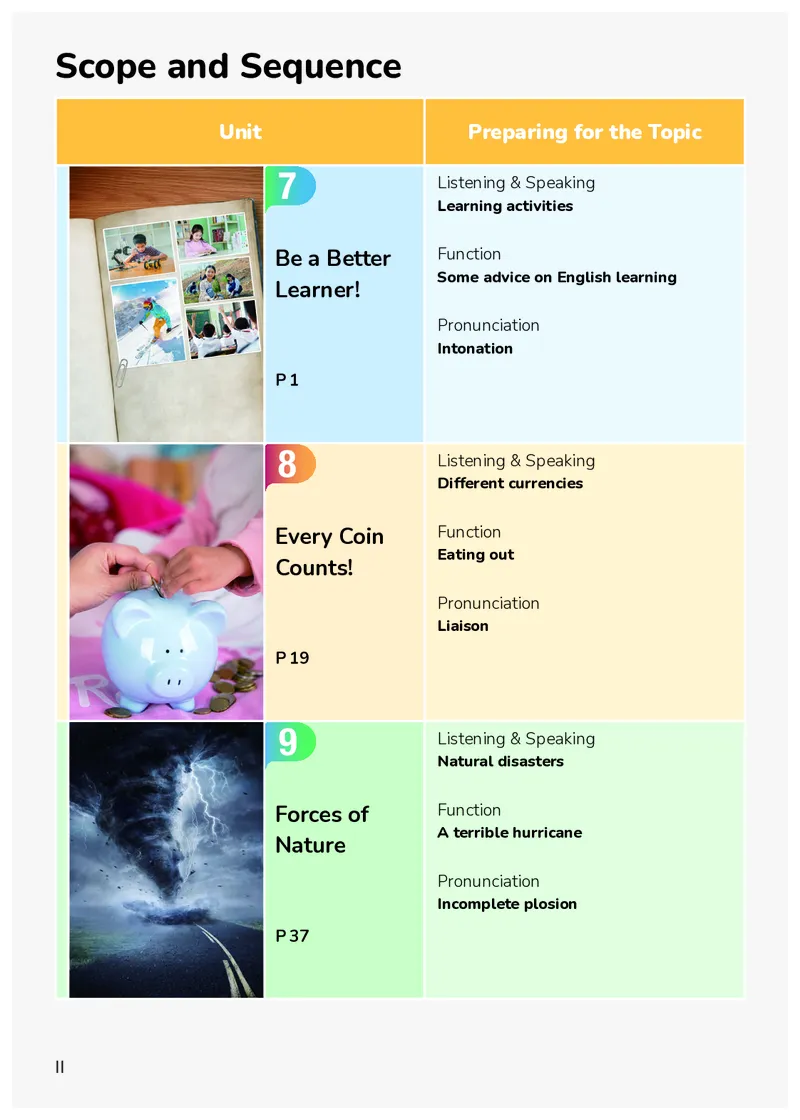
Scope and Sequence
Unit
Preparing for the Topic
Be a Better
Learner!
P 1
Listening & Speaking
Learning activities
Function
Some advice on English learning
Pronunciation
Intonation
Every Coin
Counts!
P 19
Listening & Speaking
Different currencies
Function
Eating out
Pronunciation
Liaison
Forces of
Nature
P 37
Listening & Speaking
Natural disasters
Function
A terrible hurricane
Pronunciation
Incomplete plosion
7
8
9
III
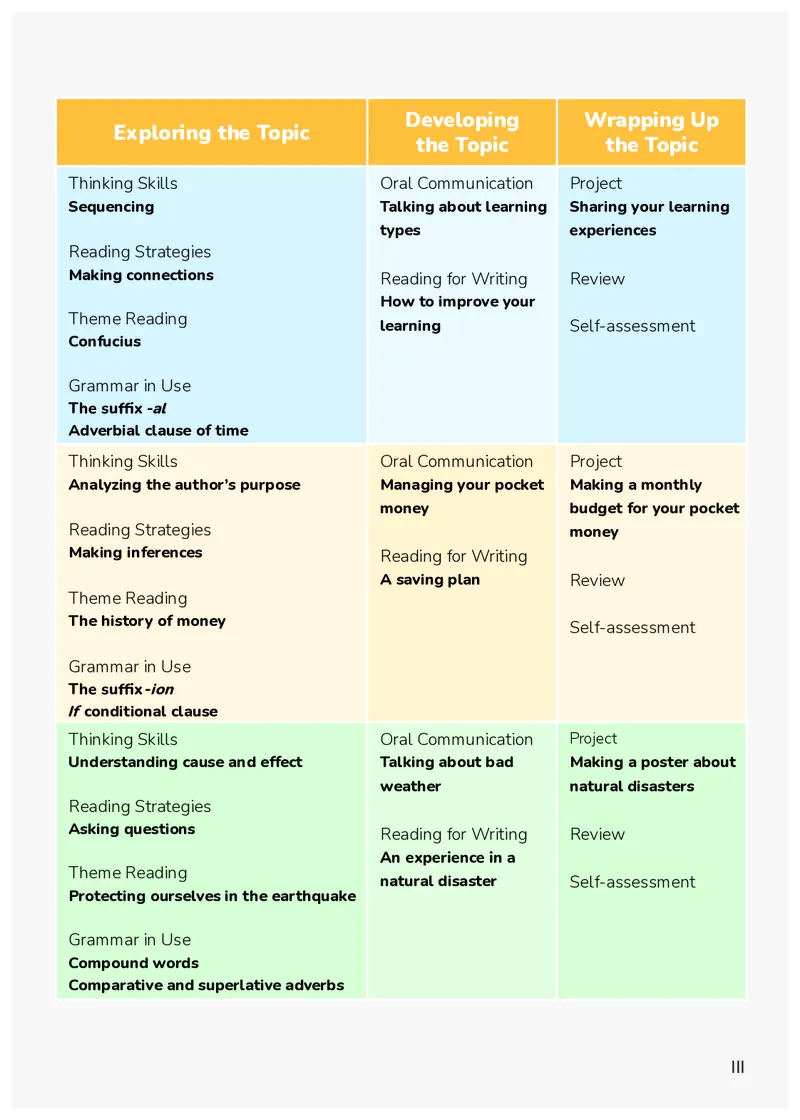
Exploring the Topic
Developing
the Topic
Wrapping Up
the Topic
Thinking Skills
Sequencing
Reading Strategies
Making connections
Theme Reading
Confucius
Grammar in Use
The suffix -al
Adverbial clause of time
Oral Communication
Talking about learning
types
Reading for Writing
How to improve your
learning
Project
Sharing your learning
experiences
Review
Self-assessment
Thinking Skills
Analyzing the author’s purpose
Reading Strategies
Making inferences
Theme Reading
The history of money
Grammar in Use
The suffix -ion
If conditional clause
Oral Communication
Managing your pocket
money
Reading for Writing
A saving plan
Project
Making a monthly
budget for your pocket
money
Review
Self-assessment
Thinking Skills
Understanding cause and effect
Reading Strategies
Asking questions
Theme Reading
Protecting ourselves in the earthquake
Grammar in Use
Compound words
Comparative and superlative adverbs
Oral Communication
Talking about bad
weather
Reading for Writing
An experience in a
natural disaster
Project
Making a poster about
natural disasters
Review
Self-assessment
IV
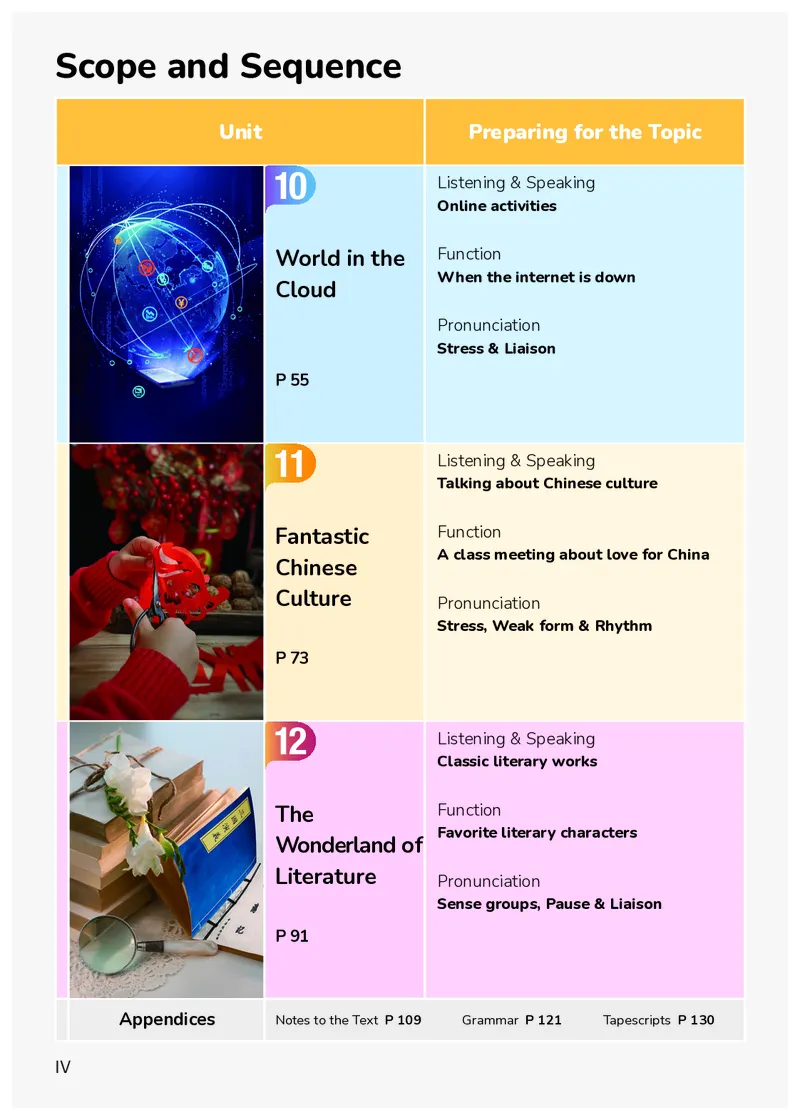
Scope and Sequence
Unit
Preparing for the Topic
World in the
Cloud
P 55
Listening & Speaking
Online activities
Function
When the internet is down
Pronunciation
Stress & Liaison
Fantastic
Chinese
Culture
P 73
Listening & Speaking
Talking about Chinese culture
Function
A class meeting about love for China
Pronunciation
Stress, Weak form & Rhythm
The
Wonderland of
Literature
P 91
Listening & Speaking
Classic literary works
Function
Favorite literary characters
Pronunciation
Sense groups, Pause & Liaison
Notes to the Text P 109 Grammar P 121 Tapescripts P 130
10
11
12
Appendices
V
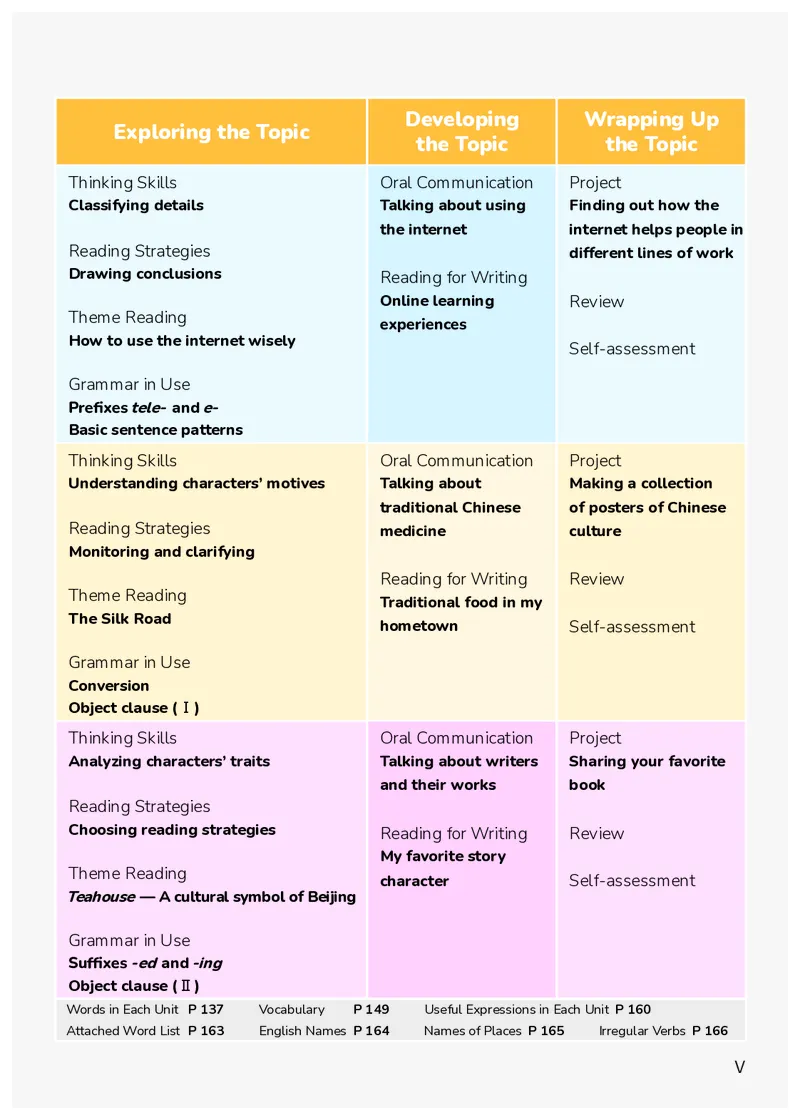
Exploring the Topic
Developing
the Topic
Wrapping Up
the Topic
Thinking Skills
Classifying details
Reading Strategies
Drawing conclusions
Theme Reading
How to use the internet wisely
Grammar in Use
Prefixes tele- and e-
Basic sentence patterns
Oral Communication
Talking about using
the internet
Reading for Writing
Online learning
experiences
Project
Finding out how the
internet helps people in
different lines of work
Review
Self-assessment
Thinking Skills
Understanding characters’ motives
Reading Strategies
Monitoring and clarifying
Theme Reading
The Silk Road
Grammar in Use
Conversion
Object clause (Ⅰ)
Oral Communication
Talking about
traditional Chinese
medicine
Reading for Writing
Traditional food in my
hometown
Project
Making a collection
of posters of Chinese
culture
Review
Self-assessment
Thinking Skills
Analyzing characters’ traits
Reading Strategies
Choosing reading strategies
Theme Reading
Teahouse — A cultural symbol of Beijing
Grammar in Use
Suffixes -ed and -ing
Object clause (Ⅱ)
Oral Communication
Talking about writers
and their works
Reading for Writing
My favorite story
character
Project
Sharing your favorite
book
Review
Self-assessment
Words in Each Unit P 137 Vocabulary P 149 Useful Expressions in Each Unit P 160
Attached Word List P 163 English Names P 164 Names of Places P 165 Irregular Verbs P 166
Big Question: How can you improve learning?
In this unit, you will learn to:
talk about learning.
develop an awareness of self-improvement.
use a sequence chart to put events in time order.
use the reading strategy of making connections.
share your learning experiences.
UNIT
Be a Better Learner!
Be a Better Learner!
7
A. Match the activities (a–f) with the pictures at the top of the next page.
B. Complete the sentences with the correct form of verb phrases above.
C. Pair work. Listen and repeat, and then replace the parts in bold
and practice with your partner.
1. In our listening class this afternoon, we practiced how to _____________.
2. We _____________ this morning. It was about why natural food is good for our body.
3. �We learned how to _____________ in the science class yesterday. The internet is
really a useful tool, and it also creates such a magical world.
4. �Last Sunday we had a big family party with all my relatives, and I _____________
pizza with my cousins.
5. �We _____________ this morning. Miss Wang asked us to try different ways to
solve the same math problem.
6. �We _____________ in today’s chemistry class. I was shocked to see the color
changing from purple to silver.
Natural food is
good for our body.
Preparing for the Topic
UNIT
7
d. search for information online
a. attend a speech
b. have a math class
c. do an experiment
f. take notes
e. learn to cook
Activity 1
What did you learn
from the speech?
What did you do this morning?
Listening & Speaking
Learning activities
I attended a speech.
UNIT 7
2
Listen to the monologs and fill in the blanks.
I am very __________ in
math now. Do you know why? Last
summer, our math teacher ________
our football team and helped us
_________ a very important game.
After that, I began to love him and
math as well.
I ________ a cooking club last
summer and met Meimei there. Meimei
is friendly and very ________ and we
became good friends soon. We learned
cooking together and ________ shared
our dishes there. Guess what? We both
can make ________ dishes now.
Pair work. Talk about the two students’ learning experiences in
Activity 2.
Activity 3
Activity 2
1. How does he/she like …?
2. Who helped him/her …?
3. How did … help him/her?
UNIT 7
3
Pair work. Talk about what you can do to improve your English.
Listen to the conversation and answer the question.
Listen again and complete the table.
Wang Junfeng: Kangkang, you are so good at English. Could you give me
some advice?
Kangkang: Sure. How can I help you? What difficulty do you have in
your learning?
Wang Junfeng: I can hardly remember any new words. How do you
remember all the new words?
Kangkang: I always write down new words in a notebook and go over
them whenever I have time. Also, I often copy down the
whole sentences with the new words.
Wang Junfeng: That sounds great. How do you practice listening?
Kangkang: I listen to and repeat the texts until I can learn them by heart.
Wang Junfeng: How to improve oral English? It’s really hard for me.
Kangkang: I often talk with my friends in English.
Wang Junfeng: That’s a good idea. Thank you very much.
Activity 2
Activity 1
Activity 3
read English books and newspapers
listen to English programs
speak English with your classmates
practice English pronunciation
watch English movies and TV shows
keep a diary in English
What difficulty does Wang Junfeng have in learning English?
Some advice on English learning
Function
UNIT 7
4
Pair work. Talk about your difficulties in learning English and
ask your partner for some suggestions.
Difficulties
Suggestions
New words
Write them down together with __________________ in a
notebook.
Listening
_____________________ until you can learn them by heart.
Oral English
Try to ________________ friends in English.
Pair work. Listen and read the numbers. Pay attention to the
intonation, and then practice the other numbers with your partner.
Listen and read the conversation. Pay attention to the
intonation.
Activity 1
Activity 2
Activity 4
Wang Junfeng: Lingling, how do you usually learn new words? It’s really hard for me.
Lingling: I always copy new words on pieces of paper and stick them on the wall.
Wang Junfeng: What’s that for?
Lingling: I can read the words aloud whenever I see them.
Wang Junfeng: That sounds interesting. I’ll try it.
A: … is a big problem for me. Can you give me some advice?
B: You should …
seven hundred and eighty-five
two thousand, four hundred and thirty-seven
six million, four thousand and fourteen
seven billion, eight hundred and fifty million,
one hundred and seventy-six thousand, three
hundred and two
Pronunciation
Intonation
UNIT 7
5
Pair work. Talk about Lu Xun’s life based on Activity 2.
Look at the pictures and read the text. Then number the events
in time order.
Read the text and complete the following chart.
Lu Xun is a great Chinese writer. He was born in a rich family in 1881. He started
school at the age of 12. When he was a youth, he went to study in Japan. He first
studied the language and then began to study medicine. But soon after, he became
more interested in literature. At last, he decided to give up medicine and take up
writing in 1906. After seven years of studying abroad, he returned to China in 1909.
He used his pen to fight for the benefits of the Chinese people. He died in 1936.
Exploring the Topic
Activity 1
Activity 2
Activity 3
UNIT
7
Sequencing
First
Then
In ________ , Lu Xun
was born in a rich
family.
In ________ , Lu
Xun died.
At the age of _______ ,
he started school.
In 1906, he gave up
medicine and took
up ________.
When he was a
youth, he went to
_______________.
In 1909, he came back
to China and ________
for the Chinese people.
Events in a story happen in order. We can use time order words and other expressions
of time to tell the order of the events.
Thinking Skills
I prepared some things before I set off.
I decided to visit the history museum and
booked a ticket online.
I visited the museum in the city.
I checked the bus lines to the museum.
Next
Finally
UNIT 7
6
Reading Strategies
Read the text and learn how to make connections.
Group work. Discuss how to get out of pressure, and then share
your advice in class.
Read the text and try to make connections.
When you read, you can connect what you read with your own learning experiences
and get a better understanding of the text.
Bowen is an active learner. When he has a learning problem,
he always tries to solve it in his own way. For example, when
he wants to learn something with the cultural background,
like “hot dog”, he will search online for information about the
culture.
The exams are coming. Xuanxuan is under great pressure now because she doesn’t
want to disappoint herself and her parents. She searches online to find ways to get out
of pressure. Here is some advice.
Talk to someone. Talk with your parents, teachers or friends. Let them know your
worries and try to get help. You will feel better after you share your problems.
Listen to music. Music can help change your feelings. Music can make you calm and
encourage you to step forward.
Imagine your success in the exams. Now you need to study hard, and soon your dream
will come true.
What you read
What you think of
When Bowen wants to learn something
with the cultural background, he will
search online for information about the
culture.
• �What does Bowen’s experience remind
you of ?
• �What similar problems do you have?
• �How do you usually solve them?
What you read
What you think of
When Xuanxuan is _____
_________________, she
searches online for advice.
• What does Xuanxuan’s experience remind you of ?
• What similar problems do you have?
• How do you usually solve them?
Activity 1
Activity 2
Activity 3
Making connections
UNIT 7
7
Pair work. Look at the pictures and discuss the questions.
Read the text and answer the questions.
Confucius (551 BCE--479 BCE) was one of the greatest thinkers and educators
during the Spring and Autumn Period.
Like many other masters, Confucius started as a hard-working student. At 15,
Confucius got down to studying. He studied music, math, literature and other
subjects. When he was learning Shao music in the State of Qi, he was lost in the
music and hardly noticed the taste of meat for a few months. Later, Confucius
opened a private school and started teaching there. People came to study at his
school. One of his students was Zilu. Zilu was too confident about himself. So
once Confucius told him, “To know what you know and what you do not know,
that is wisdom.” It tells us we should learn knowledge in an honest way. In his
late years, even when Confucius became a master, he never stopped learning
from others. Confucius told his students, “When I walk along with two others,
they may serve me as my teachers.” This famous saying shows the learning
spirit of Confucius.
It is not easy to understand all the thoughts of Confucius. You may need to draw
on his wisdom from time to time. Just like the master said, “Review the old
knowledge and you will have new ideas.”
1. Who is the man in the first picture?
2. What do you know about him from the second picture?
What does Confucius’s story remind you of ?
How did you deal with the problems in your learning?
Activity 1
Activity 2
Theme Reading
Confucius
UNIT 7
8
Read the text again and complete the following chart, and
then describe the events of Confucius’s life in order.
Group work. Talk about the famous saying in the box, and then
share your understanding of it. The pictures and phrases may help you.
Match the words with their meanings according to the text.
At the age of 15
Then
Later
___________
Activity 4
Activity 3
honest
literature
private
wisdom
notice
only for one person or group
written works, such as novels, poems, etc.
the quality or state of being wise
to pay attention to
always telling the truth
Activity 5
Got down to
studying
Worked on
music, _____,
________ and
other subjects
Set up a _____
____________
and taught
students there
Became a _____
_______________
and his sayings
showed the
_______________
You cannot open a book without learning something.
gain valuable experience increase your knowledge help you learn
UNIT 7
9
Look at the pictures and read the sentences. Pay attention to
the words in bold.
Make new words with the suffix -al and then complete the
sentences.
Read the text and tick the correct words.
Suppose you move to a foreign country but don’t speak the language. Think about
why and how you learn a new language.
You are not learning the language just for (education/educational) purpose.
Instead, you learn it to satisfy your (person/personal) needs. You should be able to
understand others and make yourself understood. So, on the one hand, you have
(practice/practical) goals of listening, speaking, reading and writing; on the other
hand, you are using the language to do real things in your daily life.
Now think about learning a foreign language at home. Except for a (nature/
natural) language use environment, what else is similar in your learning activities?
And how can you make up for the loss of the language use environment?
1. She is from a ________ family, and her husband is also
a musician.
2. He is a member of the _________ team.
3. Young children begin their _________ education at six.
4. He wrote the novel from his _________ experiences.
form
person
nation
music
al
+
Activity 1
Activity 2
Activity 3
In the digital age,
computers and smart
phones are important
parts of people’s life.
The girl has a natural
ability to learn languages.
A book is a magical
world. Anything can
happen in books.
Grammar in Use
The suff ix -al
UNIT 7
10
Pair work. Read the conversation. Pay attention to the
conjunctions of time.
Complete the table and learn how to use the conjunctions.
Adverbial clause of time
Sure. But I have to
do my homework
first. After I finish it,
we can play together.
1. While Li Xiang is watching TV, Liu Mei is _______________________________.
2. After Jim gets up in the morning, he always ___________________________ first.
3. I will _______________________________ before I eat it.
4. When I came back, my grandma was _______________________________.
Activity 1
Activity 2
Kangkang, would
you like to play
basketball with
me?
Look at the pictures and complete the sentences with the
correct form of the verb phrases.
Activity 3
Adverbial Clause of Time
Conjunction
Example
when, while
I was working on a math problem __________ the bell rang.
I’m taking notes __________ they are discussing in groups.
before, after
I often search for information online __________ I cook a new dish.
We went home __________ we finished our homework.
until
I _________ (not understand) the meaning of “socialism” ________
I looked it up in the dictionary.
No problem. Before
I leave home, I will
call you.
OK! Please tell me
as soon as you finish
your homework.
brush his teeth
wash the apple
water the flowers
do her homework
UNIT 7
11
A. Listen to the conversation and match the activities with the people.
Group work. Do a survey about how you learn different subjects
and then report to the class. The following information may help you.
Kangkang
Lingling
1. singing English songs
2. learning by doing
3. making mind maps
4. joining the drama club
5. reading the texts aloud and learning them by heart
Developing the Topic
Activity 1
Activity 2
UNIT
7
B. Listen again and complete the table.
You may begin like this:
There are four people in my group.
According to the survey, A is good
at ... He/She always uses pictures
and ...
• use pictures and mind maps
• sing songs or watch films
• use your body, or sense of touch
• learn in groups
• work alone/study by yourself
...
Tips:
Oral Communication
Talking about learning types
The ways of learning
While mind maps help
Kangkang understand the
__________ better, reading
the lines and acting out the plays
help him a lot with his __________.
Lingling often tries to
__________ with her
friends and she also
likes doing __________ in the
chemistry lab.
UNIT 7
12
Group work. Read the sentences and discuss how you improved
your learning.
How to improve your learning
Activity 1
1. When I first got into the middle school, I found learning quite difficult.
2. After the first exam, Mr. Zhang noticed my problem.
3. At the end of last term, I could raise questions and offer my opinions.
4. At the start of this term, I joined a study group.
Read the text about the author’s learning experiences and
complete the chart.
Activity 2
My Learning Experiences
Hi, everyone! I’m very glad to share my learning experiences
with you.
When I first got into the middle school, I found learning
quite difficult. Luckily, my English teacher Mr. Zhang
noticed my problem after the first exam. He advised me
to plan my study well and make good use of every minute
in class. I followed Mr. Zhang’s advice. I took notes and
followed the teachers carefully in every class. At the end of
last term, I could raise questions and share my opinions in
front of the whole class. At the start of this term, I joined
a study group. We shared our learning materials and had
discussions on how to learn different subjects.
Maybe you are also worrying about your study. Relax! Talk
to your teachers and learn from your classmates. You will
find your own way to improve your study.
Reading for Writing
UNIT 7
13
Draw a chart about your own learning experiences and draft
your essay. The phrases and sentence patterns may help you.
Rate your draft, and then complete your essay.
Useful phrases
Useful sentence patterns
find ... difficult
advise ... to do ...
follow the teacher’s advice
learn from ...
I’m very glad to share …
At the end of …
You will find your own way to ...
Activity 4
Activity 3
When I got
into the middle
school, _______
_____________
_____________
After the first
exam, _______
_____________
_____________
_____________
At the end of
last term, _____
_____________
_____________
_____________
At the start of
this term, _____
_____________
_____________
_____________
How well can you ____________________ ?
Self-
rating
Partner’s
rating
express your view of self-improvement
use the thinking skill of putting things in order
introduce your learning experiences
organize ideas into a well-balanced structure
use the theme vocabulary of the unit
use the adverbial clause of time
use punctuation
spell the words
Please ask your partner to review your draft and offer suggestions for improvement.
1-Needs improvement; 2-Satisfactory; 3-Good; 4-Excellent
UNIT 7
14
Read the online bulletin board and answer the questions.
Report your learning experiences in class.
1. What are the problems and solutions of the students?
2. What are your solutions or suggestions?
Activity 1
Activity 3
UNIT
7
Sharing your learning experiences
Group work. Share your problems in learning and think about
what you can do to solve them. Write down your ideas in the blanks.
Problems
Solutions
Activity 2
Wrapping Up the Topic
1. … be always afraid of …
2.
3.
4.
1. Make a list of …
2.
3.
4.
Project
Michael:
There is always a topic in every speech. First, make a list of your
ideas about what you know or think about the topic. Then, in your
speech, explain your ideas in some detail.
Xiao Ya:
Math problems are more about thinking than memorizing. I often discuss
math problems with others and try different ways to solve them.
Li Xiang:
Math is really difficult for me and math problems always give me a
big headache. Can anybody help me with my math problems?
Lingling:
I’m always afraid of speaking in public. Every time, there’s nothing
for me to say!
UNIT 7
15
Pair work. Listen to the monolog and complete the table,
and then talk about the life of Helen Keller.
Complete the sentences with the words in the box.
Tips on Developing Good Learning Habits
1. �_________ down the new words in a notebook and take the notebook with you.
You can then read the words anytime and anywhere.
2. �You need to write down the whole _________ with the new words in your notebook.
This way, you are actually learning how to use the new words.
3. Practice reading _________. This will help you remember better.
4. Keep a _________ in English. It is helpful for your writing.
5. Try to watch more English movies. They are fun, and they are _________ materials too.
6. Develop a good habit of _________ your study after each lesson.
Activity 1
Activity 2
nineteen months old
became blind and _______ after a serious illness
six years old
• met her _______ teacher
• learned to read and write by _______
fourteen years old
went to a _______ school for the deaf and blind
twenty-three years old
published her _______ book
in _______
wrote Three Days to See
Helen Keller
reviewing sentence diary pronunciation aloud copy
Review
UNIT 7
16
Complete the sentences with the given words and connect
them with before/after/as soon as/when/while.
1. Lingling brushes her teeth after she gets up in the morning. (get up, morning)
2. �The woman called the fireman _______________________________________.
(see the smoke in the woods)
3. I’ll call you __________________________________________. (I arrive)
4. I felt much better __________________________________________. (take a shower)
5. �Mr. Li was cooking in the kitchen _________________________________________.
(his children, run, in the garden)
6. �You shouldn’t play basketball ______________________________. (finish your
homework)
Activity 3
Read the text and answer the questions.
1. Why didn’t the writer’s teacher go to school?
2. What was the dream of the writer’s teacher?
3. How did the writer’s teacher manage to pass the exam to enter college?
4. What can you learn from the story of the writer’s teacher?
Do you often say to yourself, “I can’t pass this exam” or “I don’t understand this
math problem” or “Maybe I should give up”? If your answer is yes, let me tell
you a story about my teacher.
My teacher was born in a small mountain village. His poor family couldn’t afford
to send him to school. It seemed he would spend his whole life in the mountains,
just like his parents and grandparents. However, he had a dream to explore
beyond the mountains. He borrowed books from his friends and taught himself.
He worked hard and made progress every day. After years of efforts, he passed
the exam to enter college and worked as a teacher after he graduated. He realized
his dream through hard work and with a strong will.
From my teacher’s story, I learn that hard work is the key to success. Stick to
your dream and you will succeed.
Activity 4
UNIT 7
17
Self -assessment
1. How much do you enjoy the topic?
I’m interested in the topic of learning.
I always try to be a better learner, and I usually ______________
____________________________________________________.
2. How well can you use the language and cultural knowledge?
I can use proper intonations.
I can use the vocabulary for/of learning.
I can use the suffix -al and adverbial clause of time.
I can find ways to improve my study and myself.
3. How well can you use English to perform the activities?
I can talk about different learning activities.
I can understand the texts and recordings in this unit.
I can discuss different ways of learning with my partners.
I can write about my learning experiences.
4. How well can you use thinking skills and learning strategies?
I can describe the sequence of events.
I can make connections in reading.
I can work with my partner(s) in pair/group work.
5. How are you satisfied with your group project?
I can share my learning experiences with my partners.
I can report our project to the class.
6. How are you going to improve your English learning?
____________________________________________________________________
____________________________________________________________________
UNIT 7
18
Big Question: Where does money come and go?
In this unit, you will learn to:
talk about money and how to save money.
understand the value and history of money.
use a chart to analyze the author’s purpose.
use the reading strategy of making inferences.
make a monthly budget for your pocket money.
UNIT
Every Coin Counts!
Every Coin Counts!
8
A. Match each currency with its country or region.
B. Read the sentences and match them with the pictures at the top of
the next page.
C. Pair work. Listen and repeat, and then replace the parts in bold
and practice with your partner.
a. If you travel abroad, remember to take some cash with you.
b. If you pay by credit card, it is not only easy and fast, but safe as well.
c. If you shop online, you should always be careful with your personal information.
d. If a foreigner comes to China, he will find people pay with their mobile phones
nearly everywhere.
Preparing for the Topic
UNIT
8
Activity 1
What kind of money do
people use in the USA?
In our country today, we pay with our
mobile phones nearly everywhere.
Which way of payment do they prefer?
They prefer to pay by credit card.
They use dollars.
euro (€)
Europe
dollar ($)
the USA
pound (£)
the UK
yuan (¥)
China
Listening & Speaking
Different currencies
UNIT 8
20
Pair work. Talk about Li Xiang’s travel plan based on Activity 2.
Listen to the conversation and complete the table.
Activity 2
Activity 3
Li Xiang’s Travel Plan
When to go
Where to visit
What to take
Who to go with
this _______
_________ ,
_________ and
some other
countries
● �some euros, pounds
and Renminbi
● a ________
his __________
UNIT 8
21
Listen to the conversation and answer the question.
(Miss Wang and her students are in the restaurant.)
Waiter: Welcome! Would you like to have a look at the menu?
Miss Wang: Yes, please. … Em, I’d like a bowl of beef noodles and some bread
and butter. May I pay the bill by credit card?
Waiter: Sure. We accept different ways of payment. What about you, sir?
Kangkang: Well, I prefer mutton, a fruit salad, a bowl of rice and a cup of
lemon water. I’ll pay with my phone. Lingling, it’s your turn.
Lingling: I want to order fish and a bowl of rice, and I’ll pay in cash.
Waiter: OK. What would you like to have, Miss?
Xiao Ya: I’d like tomatoes with eggs, one pancake with cheese and some
porridge. I’ll pay with my phone, too.
Waiter: OK. The food will be ready in a moment.
Xiao Ya: By the way, can I have a fork, a spoon, and a pair of chopsticks,
please?
Waiter: No problem.
Activity 2
Listen again and complete the table.
Activity 3
What are Miss Wang and her students doing?
Eating out
Pair work. Look at the pictures and discuss how you can pay in
the following situations.
Activity 1
Function
a. in cash b. by credit card c. by check d. by mobile phone
buy a laptop
buy some yogurt
eat at a restaurant
buy a car
You can pay
UNIT 8
22
Listen and read the sentences. Pay attention to the
pronunciations of the underlined letters.
Group work. Suppose you are in a bookshop with your friends,
and talk about different ways of payment.
1. Every coin has two sides.
2. These desks cost him thirty pounds.
3. The pants are made of brown cloth.
4. Mary bought two bags of rice yesterday.
5. There are some different ways of payment.
Activity 1
Activity 4
Miss Wang: It’s so convenient to pay in China now, but we should keep our
wallets, mobile phones and cards in safe places.
Names
What to eat
How to pay
Miss Wang
Kangkang
Lingling
Xiao Ya
Bowen: Mother’s Day is coming. I want to buy a present for my mother.
Yinuo: Do you have any ideas about what to buy?
Bowen: I want to buy her a beautiful hat.
Yinuo: That sounds great. I hope it’s not too expensive for you.
Bowen: If I save eight dollars every week, I can pay for it by myself in a month.
Yinuo: Wow! That’s a good idea.
Pair work. Listen and practice the conversation. Pay attention
to the liaisons.
Activity 2
Pronunciation
Liaison
UNIT 8
23
Pair work. Check the author’s purpose and share your answers
with your partner.
Read the text and complete the following chart.
The Beginning of Credit
In ancient times, when people began to trade things, there was a need for borrowing
and lending. Take the trade between Kron the hunter and Nokk the toolmaker as an
example. Kron wanted Nokk’s tools for hunting, but he had nothing to trade with
Nokk, so he promised to trade the animals from his future hunts for Nokk’s tools.
Nokk needed animals for food, so he agreed. This is how “credit” began.
Exploring the Topic
UNIT
8
Activity 2
Pair work. Discuss how the text talks about the author’s purpose.
Activity 3
Activity 1
Analyzing the author’s purpose
The Chinese currency is Renminbi (RMB or CNY), and RMB’s unit
is yuan.
to persuade to inform to entertain
We should not waste water because it is a valuable natural resource.
— Where do frogs keep their money?
— In a riverbank.
to persuade to inform to entertain
to persuade to inform to entertain
Writers write for a purpose. It is mainly to persuade, to inform or to entertain.
Thinking Skills
Clues from the main idea
• In ancient times, there was a need
for ___________________.
Clues from the title: The beginning of ________
Clues from the details
• Kron wanted to _______ tools from Nokk.
• Nokk __________ Kron the tools.
Author’s purpose
To ___________ the readers of the beginning of credit
UNIT 8
24
Look at the picture and read the chart below, and then learn
how to make an inference.
Pair work. Act out the farmer’s story at the bank.
Read the story and make an inference from the underlined
sentence.
When we read, we can use the information from the text and our own knowledge to
make inferences.
One day, a farmer came into a bank. He wanted to borrow some money.
“How much money would you like to borrow?” a bank officer asked.
“One hundred thousand yuan,” the farmer answered.
“What do you have for the safety of our money?” the officer asked.
“Oh, I have an old truck, and I also own some hens and sheep.”
“Well, it won’t work, I’m afraid,” the officer continued. “Do you have a house?”
“Yes, I do.”
After hearing this, the bank officer took out some papers and began to help the
farmer to fill them out.
Your inference
Li Ming wants to ___________.
+
Activity 2
Activity 3
Activity 1
Making inferences
Your knowledge
You can buy something
when you have enough
money.
Text information
Li Ming likes the
guitar and decides
to save money.
+
Reading Strategies
Text information
Your inference
Your knowledge
They began to ______________.
People will do this when they
agree on something.
The bank will ______________.
UNIT 8
25
Pair work. Look at the pictures and talk about the questions.
Read the text and make an inference about how foreign tourists
will make payments in China.
The History of Money
Good morning, everyone. Welcome to today’s Cool History for Teenagers.
What is money? When people pay for goods or services, they use some
kinds of money. We can find money in museums all over the world. But do
you know how money has developed over time?
Before people used money, they traded goods directly. For example, a
person might trade a cow for five sheep. In this case, the cow was used as a
form of “money”. People in ancient China invented shell money. Even today
we can see the symbol of “shell” in many Chinese characters about money
or trade. During the Spring and Autumn Period (770 BCE-- 476 BCE), each
state made their own money. Later, Emperor Qin Shihuang brought together
all the warring states and created the Qin Dynasty. To make doing business
easier across the country, he made the whole country use the same type of
money—a round coin with a square hole in the center. With such a hole,
people could put the money together with a rope and carry them around
easily. Centuries later, when there was less metal for making money, the
government of the Song Dynasty started to produce paper money—“jiaozi”.
1. Which do you think came first in the history of money? Number the pictures.
2. What may money look like in the future?
Activity 2
Activity 1
Theme Reading
The history of money
UNIT 8
26
Group work. Discuss the reasons for the development of money,
and then share your discussion in the class.
This great invention later also appeared in other parts of the world. Now,
as information technology develops, people begin to use digital money. If
a foreign tourist visits China, he will find people pay for almost everything
through their mobile phones.
What will money look like in the future? Will there still be paper money? We
may not have answers to those questions. But money will surely continue to
exist in some form.
Read the text again and complete the following chart.
Activity 5
Activity 4
Match the words with their meanings according to the text.
shell
trade
case
symbol
to buy and sell goods or services
anything used to be a sign for something else
the hard outer covering of something like eggs and some animals
a certain situation or example of something
Activity 3
Clues from the main idea:
_____________________________
_____________________________
Clues from the title: ________________________
Clues from the details:
Different forms of money: goods, _____,
_____, _____ and digital money.
Author’s purpose
To _____________ readers about money
UNIT 8
27
Look at the pictures and read the sentences. Pay attention to
the words in bold.
Read the sentences and circle the correct words.
Fill in the blanks with the correct form of the words in the box.
1. How to spend money wisely needs further (discuss/discussion) in the meeting.
2. Some companies (collect/collection) information about customers’ interests.
3. This place is really an amazing (create/creation) of nature.
4. Before you pay, you should (connect/connection) your phone to the internet.
Digital money is a great ____________ in our modern world. It allows us to
make payments online. This kind of payment is easy and fast. People can use
it to buy and sell things. Also, it is a convenient way of paying for services like
__________ and __________. More importantly, money in digital wallets is safe.
Banks can keep good records of where and when your money goes. With the
rapid growth of internet technology, __________ suggest that digital money will
greatly improve the digital economy in the future.
Activity 1
Activity 2
Activity 3
We communicate
more often than before.
Communication makes
people closer.
We protect the earth, and
the earth will become a
better home because of our
protection.
The boy acts like a
monkey. His action tells
others the answer.
Grammar in Use
The suf f ix -ion
educate invent transport predict
UNIT 8
28
Complete the table and learn how to use if conditional clauses.
Pair work. Read the conversation. Pay attention to the conditional
conjunctions.
Group work. Read the sentences, discuss with your group
members and share the story chain with if conditional clauses.
Lingling, what are
you going to do with
your pocket money?
If I have pocket money,
I’m going to visit Yunnan.
Activity 2
Activity 3
Activity 1
Sounds great!
If conditional clause
If my parents give me pocket money, I will save some in my piggy
bank. If I have enough pocket money in my piggy bank, I will save it
in the bank. Then, if ...
If conditional clauses
If clauses
Main clauses
Examples
Simple present
Simple future If you buy that purple blouse, you ____
_______ have to use your pocket money.
Simple present
Modal verb If you save enough money, you _____
________ buy your favorite books.
Simple present
The imperative
sentence
If you want to go shopping, __________
a shopping list first.
If I have pocket money,
I will save it in my piggy
bank. What about you?
UNIT 8
29
Developing the Topic
UNIT
8
A. Listen to the conversation and circle the correct answers.
B. Listen again and answer the questions.
Group work. Discuss how you manage your pocket money, and
then report your discussion to the class. The following questions may
help you.
1. The sports meeting is coming on October 12th/October 20th.
2. Wang Junfeng can buy the shoes himself/with his mom’s help.
3. Wang Junfeng still needs ¥30/¥90 to buy the shoes.
4. Wang Junfeng will pay the money back in three/six months.
1. How much pocket money do you get every month?
2. How much pocket money can you save every month?
3. What do you often do with your pocket money?
Activity 2
Activity 1
Oral Communication
Managing your pocket money
You can ask yourself questions to organize
your thoughts when preparing for a speech.
TIPS
1. What sport will Wang Junfeng take part in?
__________________________________________________________
2. What does a good pair of running shoes mean to Wang Junfeng?
__________________________________________________________
3. How can Wang Junfeng pay the money back?
__________________________________________________________
4. Why does Wang Junfeng’s mother agree to lend him money?
__________________________________________________________
UNIT 8
30
A saving plan
Pair work. Discuss how to save money and make a money-saving
list with your partner.
Activity 1
Read the text about a saving plan and complete the chart.
Activity 2
My Saving Plan
Saving money is an important skill for everyone.
Here, I’d like to share my saving plan.
First, I make a budget and stick to it. So, I can save
some money in my piggy bank every week. Then, I
try to spend less and avoid buying unnecessary things.
I always make a shopping list before going to the
store and often think twice before buying something.
Lastly, I also try to make some money on my own.
For example, I like to collect and sell bottles, used
books and wastepaper.
Every time I save, I watch my money grow. This
makes me feel proud of myself. Saving money also
teaches me to be patient and prepare for the future.
Reading for Writing
• _____________________________________
• _____________________________________
• _____________________________________
• _____________________________________
• _____________________________________
• _____________________________________
UNIT 8
31
Draw a chart about your saving plan and draft your essay. The
phrases and sentence patterns may help you.
Rate your draft, and then complete your essay.
Useful phrases
Useful sentence patterns
make a shopping list
think twice
on my own
prepare for
I’d like to ...
I try to ...
This makes me feel ...
Saving money also teaches me to ...
Activity 4
Activity 3
Clues from the main idea:
—————————————
—————————————
Clues from the title: ____________________
Clues from the details:
—————————————
—————————————
Author’s purpose
——————————
——————————
How well can you ____________________ ?
Self-
rating
Partner’s
rating
express your view of money
use the thinking skill of explaining your purpose of writing
introduce your saving plan
organize ideas into a well-balanced structure
use the theme vocabulary of the unit
use if conditional clause
use punctuation
spell the words
Please ask your partner to review your draft and offer suggestions for improvement.
1-Needs improvement; 2-Satisfactory; 3-Good; 4-Excellent
UNIT 8
32
Wrapping Up the Topic
UNIT
8
Read Wang Ming’
s monthly budget for his pocket money. Write
down the total costs and savings in the blanks. Discuss how to make a
good budget.
Group work. Make a budget for your pocket money and write
down your tips for keeping a good balance between spending and saving.
Report your group work to your class and share your poster
about how to save money.
Cost Types
Amount
Exercise book
¥30
Pen
¥20
Bus card
¥25
Milk
¥30
Science Magazine
¥10
Snack
¥10
Wang Ming’s Monthly Budget
Cost Type
Amount
My Monthly Budget
· Total pocket money: ¥ _____
· Total costs: ¥ _____
· Balance (Savings): ¥ _____
Activity 2
Activity 3
Activity 1
Making a monthly budget for your pocket money
· Total pocket money: ¥200
· Total costs: ¥ _____
· Balance (Savings): ¥ _____
· _____________________________
· _____________________________
· _____________________________
· _____________________________
Tips for keeping a good balance
between spending and saving
Project
UNIT 8
33
Pair work. Listen to the conversation and complete the
table, and then talk about how to spend money wisely.
Read the text and fill in the blanks with the help of the first
letters.
Names
Tips for saving money
What they spend money on
Xiao Ya
Make a ________________ before
going shopping.
Spend most of the money
on __________.
Li Xiang
Pay in __________ and don’t bring
more than we really need.
Save some of the pocket
money for __________.
Try going shopping __________.
Activity 2
Activity 1
In many colleges and universities around the world, poor students
can b________ money from the government through special
programs. However, the money will be just enough to satisfy their
basic needs for living, and they need to p________ the money
back in a certain period of time after graduation. The benefits of
l________ the students money this way are clear. For one thing,
the students will learn how to m________ their money. They have
to s________ every cent possible and s________ money only on
necessary things. For another, they will be
thankful for the support and therefore
be more responsible for society in the
future.
Review
UNIT 8
34
Pair work. Fill in the blanks and practice the conversation.
Read the fable and answer the questions.
Li Ming: Kangkang, what’s wrong with the bus? We only have 20 minutes left.
Kangkang: �Sorry, the bus __________________ again. It often happens at this
time of the day.
Li Ming: �What shall we do? If the bus __________________ in 5 minutes,
we will be late for the robot show.
Kangkang: �Shall we take a taxi, then? If we __________________ now, we can
still make it.
Li Ming: �Good idea! Oh, silly me! I don’t have any cash with me today. How
can we pay for the taxi if we don’t __________________?
Kangkang: Don’t worry. We can always pay with our phones.
Li Ming: Oh, yes. How can I forget about this?
(Kangkang and Li Ming are waiting at the bus stop.)
Activity 3
Activity 4
1. Why was the goose wonderful? ___________________________________________
2. How often did the goose lay an egg? _______________________________________
3. Why did the farmer become unhappy? ______________________________________
4. What idea did the farmer come up with? ____________________________________
5. What lesson can you learn from the story? ___________________________________
The Goose with Golden Eggs
Once upon a time, there was a farmer. He had a wonderful
goose. Every day, the goose laid a golden egg for him.
He would pick up the egg and store it in a basket. Soon,
the farmer got rich by selling baskets of golden eggs. This
made him very happy. However, after a while, he became
unhappy, because the goose laid only one egg each day. He wanted the goose
to lay more eggs every day. He thought hard and finally got an idea. “If I kill
the goose, I’ll get all the eggs”, he said to himself. Right away, he killed the
goose. But, to his disappointment, he found nothing inside.
UNIT 8
35
Self -assessment
1. How much do you enjoy the topic?
I’m interested in the topic of money and how to save money.
I always try to manage my money well, and I usually _________
____________________________________________________.
2. How well can you use the language and cultural knowledge?
I can use proper liaisons.
I can use the vocabulary for/of currency.
I can use the suffix -ion and if conditional clause.
I can understand the value and history of money.
3. How well can you use English to perform the activities?
I can talk about different kinds of money.
I can understand the texts and recordings in this unit.
I can discuss how to manage pocket money with my partners.
I can write about a saving plan.
4. How well can you use thinking skills and learning strategies?
I can analyze the author’s purpose.
I can make inferences in reading.
I can work with my partner(s) in pair/group work.
5. How are you satisfied with your group project?
I can make a monthly budget for my pocket money.
I can report our project to the class.
6. How are you going to improve your English learning?
____________________________________________________________________
____________________________________________________________________
UNIT 8
36
UNIT 9
37
Big Question: How do we get along with nature?
In this unit, you will learn to:
talk about natural disasters.
keep yourself safe during natural disasters.
use a chart to analyze cause and effect.
use the reading strategy of asking questions.
make a list of safety tips for natural disasters.
Forces of Nature
Forces of Nature
9
UNIT
A. Match the disasters (a–f) with the pictures at the top of the next page.
B. Fill in each blank with a suitable word above.
C. Pair work. Listen and repeat, and then replace the parts in bold
and practice with your partner.
1. �Water in a(n) __________ runs much faster than usual and takes away everything
in its way.
2. �A sudden rise of temperature is a(n) ________ and the temperature in the central
area always rises the fastest.
3. �In a(n) _________, strong wind mixes with heavy rainfall. It hits everything harder
by the sea than elsewhere.
4. �Along with a(n) _________, strong wind blows and heavy snow falls. To survive it,
people must stay somewhere safe and warm.
5. �A(n) _________ can burn down everything in the forest. To prevent the disaster,
we should always keep fire away from the forest.
6.��A(n) __________ is a sudden shaking of the earth’s surface. Early warnings can
help reduce harm and loss of life.
Yes. And it takes away
everything in its way.
Preparing for the Topic
UNIT
9
Activity 1
What do you know about flood?
It’s a kind of natural disaster. Water in a
flood runs much faster than usual.
d. flood
a. earthquake
c. typhoon
f. heatwave
b. wildfire
e. snowstorm
Listening & Speaking
Natural disasters
UNIT 9
38
Listen to the notice and complete the table.
Pair work. Make a conversation based on Activity 2.
Notice
Event
The ___________ high-speed train from Beijing West to Shenzhen
North is stuck in Shijiazhuang.
Reason
A heavy ______________.
Action
Passengers: stay ___________ and keep themselves ___________.
Station: prepare ________________ and offer help to those in need.
Activity 2
Activity 3
UNIT 9
39
Pair work. Look at the pictures and talk about the questions.
Listen to the conversation and answer the question.
Listen again and circle T (True) or F (False).
1. How do you feel about the disaster? 2. How dangerous can it be?
Activity 1
Activity 2
Activity 3
(Kangkang and his foreign friends are talking about natural disasters.)
Kangkang: Hi, Maria. Last week, a hurricane swept through Cuba and hit the
southern United States. Are your family in Cuba OK?
Maria: Yes. My family members are lucky. They are now all safe and
sound. Thank God!
Kangkang: The hurricane hit the coastal areas of Florida. Do you have any
family members there, Michael?
Michael: Yes, I do. My uncle’s family live in the western coast of Florida.
Maria: Are they all right?
Michael: Not very well. The hurricane nearly broke his house into pieces.
His left leg got hurt and bled badly.
Kangkang: Natural disasters are becoming worse and worse because of climate
change, and I fear more are yet to come.
Maria: You’re right! There are many reports of natural disasters around
the world all year round.
Michael: How terrible! We must learn how to protect ourselves during the
disasters.
A terrible hurricane
Where are Maria and Michael’s uncle from?
Function
UNIT 9
40
1. The snowstorm added to the difficulties for drivers.
2. He changed his plan because of the thunderstorm.
3. There was a snowstorm last month, and it lasted a few days.
4. The report reminded me of people’s efforts on environmental protection.
Listen and read the sentences. Pay attention to the
pronunciation of the letters in red in each sentence.
Listen and read the conversation. Pay attention to the
incomplete plosions.
Group work. Practice the conversation and role play it with
your group members.
1. The hurricane started from Florida and then swept through Cuba. (T / F)
2. Maria’s family members are lucky to be safe and sound.
(T / F)
3. Michael’s uncle lives in the eastern coast of Florida.
(T / F)
4. Michael’s uncle became homeless in the hurricane.
(T / F)
5. Kangkang’s fear about natural disasters is reasonable.
(T / F)
Activity 2
Activity 1
Activity 4
A: �Is i(t) raining again?
B: �Yes. An(d) the heavy rain will las(t)
till tomorrow afternoon.
A: �That’s awful!
B: �I ho(p)e the heavy rain will no(t) cause
a flood.
A: �Wha(t) do you think of the flood?
B: �I think it’s very terrible an(d)
dangerous.
Pronunciation
Incomplete plosion
UNIT 9
41
Activity 1 Look at the pictures and complete the cause-and-effect chart.
Read the text and complete the following chart.
Pair work. Talk about the effects of big floods based on Activity 2.
Floods are one of the most common types of natural disasters and can be very
harmful. In big floods, people die in great numbers, and many more lose their
homes. Floods can also harm animals and the living environment. After the floods,
harmful insects may spread deadly diseases. However, the effects of floods are
not always bad. For example, floods can fill up underground waterways and lead
water to dry lands, wells and springs.
Understanding cause and effect
The strong
wind broke
the umbrella.
Cause
Effects
The heavy
rain caused
a big flood.
Big ________________
1. Cause great losses of ________ and ________.
2. Harm __________________ and the living
environment.
3. Harmful insects may spread ______________.
4. __________________ underground waterways
and lead water to __________________.
Causes
Effects
The umbrella was broken.
There was a big _________.
The wind was _________.
The rain was heavy.
Exploring the Topic
UNIT
9
Activity 2
Activity 3
The cause is why something happens, and the effect is what happens.
Thinking Skills
UNIT 9
42
Look at the picture and learn how to ask yourself questions.
Read the text and ask yourself questions, and then read again
to find the answers.
Pair work. Read the text again. Ask each other more questions
and then answer the questions.
Asking questions
Asking yourself questions can get you to think about what you read and help you
understand the text better. You can
ask questions before, while and after you read the text.
ask who, what, when, where, how and why, or questions with yes or no answers.
Typhoon Jamie is coming. Everyone in my
family is busy making preparations. When
mom goes to buy cooked food and clean water
from the nearby supermarket, dad is checking
the house in and out. He repairs the broken
door and fixes all the windows with glue and
tape. He also makes sure that gas and electricity
are safe. My brother moves the flowers and
other things indoors, and I put the flashlights
within our reach.
It is nearly 6:00 p.m. The wind is blowing
harder, and the rain is getting heavier.
We hope Jamie will be over soon!
I read: Everyone is busy.
I wonder:
Why _____________________?
What _____________________?
I read: Mom goes to the
supermarket.
I wonder:
_____________________________?
You see: a typhoon alarm sign
You read: some information about the typhoon
So you may wonder:
When will the typhoon actually come?
Is it very strong?
...
Activity 1
Activity 2
Activity 3
Reading Strategies
Typhoon Jamie is coming!
Time: within 24 hours
Wind force: grade 8-9
UNIT 9
43
Pair work. Look at the pictures and talk about what to do during
an earthquake. Mark each picture with a tick(
) or cross ( × ).
Read the first paragraph and ask a question, and then read the
second and third paragraphs to find the answer to your question.
Earthquakes happen all the time around the world. Sometimes they are just
too small for people to feel. But when a serious earthquake happens, it can
be very sudden and dangerous. Luckily, here are some safety tips for you to
follow.
To begin with, you must know where to hide. If you are indoors, hide
under a strong desk and hang on to its legs. Or you can sit in the corner
of the walls. If you are outdoors, find an open area and stay away from
trees and power lines. In this way, you can keep off danger more easily.
Besides, always prepare an emergency kit at home. In the kit, you should
a. ( )
b. ( )
c. ( )
d. ( )
Activity 1
Activity 2
I read: _________________________________________________________
I wonder: ______________________________________________________
I know: ________________________________________________________
Theme Reading
Protecting ourselves in the
earthquake
UNIT 9
44
Causes
Effects
Read the text again and complete the following chart.
Group work. Discuss what else we can do to protect ourselves
in an earthquake, and then share your ideas in class.
Know where to hide
Prepare __________________
Take part in ______________
It may _____________________ .
You can ____________________ .
You can better keep off danger.
Activity 3
Activity 5
keep enough food and water, a flashlight, a knife, a strong rope, and other
useful things. Being prepared may help save your life. Most importantly,
as students, you need to take part in the safety training at school. It can
help you put your knowledge into practice. For example, when the strong
shaking stops, you should not move around right away. Sometimes, there
will be some aftershocks, and they can be quite dangerous, too.
No one expects to experience an earthquake, but no one knows whether they
will have the bad luck. So, to increase our chance of surviving the natural
disaster, we must always be prepared.
Fill in the blanks with the words from the text.
1. Look at that notice! There are five tips to __________ in a natural disaster.
2. Don’t move around right away. There may be __________.
3. Safety __________ at school can teach us what to do in an earthquake.
4. It’s __________ to walk alone in the woods at night.
5. When the earthquake happens, we must know where to __________.
Activity 4
UNIT 9
45
Fill in the blanks with the given words in the box.
1. �You’d better bring a(n) _______ if you need to walk on a dark road.
2. �People living in the desert know how to keep themselves safe when a(n) _______
comes.
3. �We should buy cooked food and clean water in the _______ before snowstorm.
4. �A strong _______ of the earthquake happened about 40 minutes later, and it caused
more harm to the area.
Look at the pictures and read the sentences. Pay attention to
the compound words in bold.
Activity 1
Activity 2
Read the text and guess the meaning of the underlined words.
Activity 3
flashlight sandstorm aftershock supermarket
A thunderstorm is a
storm with thunder
and lightning.
An earthquake is a
quake of the surface
of the earth.
A snowstorm is a storm
with strong winds and a
lot of snow.
With fewer grasslands in some areas, the sandstorm appears more often.
Sandstorms can cover farmlands, cause traffic accidents, and harm human
health. People should take action in time to fight against sandstorms. Or, the
sandstorm may become a worldwide problem.
Grammar in Use
Compound words
UNIT 9
46
Comparative and superlative adverbs
Pair work. Read the conversation. Pay attention to the words
in bold.
Complete the table and learn how to use the comparative and
superlative adverbs.
Complete the text with the correct form of the given words.
Activity 1
Activity 2
Activity 3
bad far hard high terrible
Yes. We must arrive
earlier than usual.
Will there be a disaster
prevention training at
school tomorrow?
On November 1st, 2012, Hurricane Sandy swept through our town. I
still remember how terrible the superstorm was. We lived _________
away from the beach than most of our neighbors, and our house stood
on a hillside. I thought we were safe. But the wind was blowing
_________ every minute and the waves kept reaching _________.
Soon, the storm arrived and took away the roof of our house. It hit the
beach side of the town _________. Nearly everything there was gone.
It is a _________ painful experience for me and I still can’t get over it.
We’d better wear sports
shoes. We can perform best
in sports shoes.
No problem! What
should we wear to
school?
Adverbs
Comparative
Superlative
fast
The forest fire spread faster
than we thought.
The guards ran (the) fastest to put out
the fire.
carefully He drives ________ than I do. Xia Feng checks the windows ________
________________________.
far
We need to walk ________ to
keep away from the flood.
The floodwater reached ________ into
the eastern part of the city after the
heavy rain.
UNIT 9
47
Developing the Topic
UNIT
9
A. Listen to the report and match the dates with the weather.
Group work. Look at the pictures. Discuss how to protect
yourself in a heavy thunderstorm and report it to your class.
B. Listen again and complete the chart.
Activity 1
Activity 2
Weather Report
Weather Report
July 22nd
July 23rd
43 °C
44 °C
38 °C
39 °C
Tips for Heatwave :
Stay in a ______________ place.
Choose cool clothing.
Don’t forget to drink lots of ______________.
Limit your outdoor activities at the ______________ time of the day.
Take ______________ more often if you have to work outdoors.
Oral Communication
Talking about bad weather
UNIT 9
48
Pair work. Talk about the following questions.
An experience in a natural disaster
Activity 1
Read the text about surviving a rainstorm and complete the
chart.
Activity 2
1. Which of the following natural disasters have you experienced?
2. What did you do during the disaster?
earthquake
wildfire
flood
thunderstorm
heatwave
heavy fog
Reading for Writing
Surviving a Rainstorm
Last week, a rainstorm hit my hometown.
I was riding home after school when the dark clouds
suddenly gathered. There was a huge noise of thunder ahead,
and wind began to blow harder and harder. A rainstorm
was coming! I remembered learning about this in Mr. Li’s
geography class. I stayed away from big trees and rode
along a direct passage to the nearest store. The rain started
pouring down right after I got inside. After about half an
hour, the rain seemed to become lighter, but it was still quite
dark outside. I decided to wait. Finally, the rain stopped and
the sky cleared up. When I stepped out of the store and saw
a few large trees fall on the cars, my face turned pale with
fear. Luckily, no one was hurt.
snowstorm
typhoon
sandstorm
UNIT 9
49
Draw a chart about a similar experience of your own, and then
draft your essay. The phrases and sentence patterns may help you.
Rate your draft, and then complete your essay.
Useful phrases
Useful sentence patterns
stay away from …
start doing ...
decide to do ...
with fear
A(n) ... was coming!
I remembered ...
Finally, ... Luckily, ...
Activity 3
Activity 4
Causes
Effects
How well can you ____________________ ?
Self-
rating
Partner’s
rating
express your view of getting along with nature
use the thinking skill of understanding cause and effect
write about how to keep yourself safe in a bad situation
organize ideas into a well-balanced structure
use the theme vocabulary of the unit
use compound words and the comparative and
superlative adverbs
use punctuation
spell the words
Please ask your partner to review your draft and offer suggestions for improvement.
1-Needs improvement; 2-Satisfactory; 3-Good; 4-Excellent
UNIT 9
50
Wrapping Up the Topic
UNIT
9
Look at the poster about forest fires and discuss the questions.
Group work. Discuss a natural disaster and make a poster.
Introduce your poster to the class. Choose the best poster.
Activity 3
Activity 1
Activity 2
Making a poster about natural disasters
Project
Safety Tips
__________________________
__________________________
__________________________
__________________________
__________________________
Put the pictures here.
1. Why are forest fires dangerous?
2. What can we do to protect ourselves? Add more to the safety tips.
Forest Fires: Dangers and Safety Tips
Call 12119 right away.
Find a safe place to stay.
Protect ourselves with wet towels.
___________________________
___________________________
___________________________
Safety Tips
Burning down trees
Putting the animals in danger
UNIT 9
51
Effects of natural
disasters
Natural disasters harm the environment, break down houses,
and even cause deaths in large _________.
A heatwave can
• _________ the temperature of sea water.
• kill fish and sea plants, so people have _________ seafood.
Human causes
Human _________ can bring about natural disasters.
• The burning of coal can lead to global warming.
• Global warming can cause longer and _________ heatwaves
and more serious rainstorms.
We should
• try our best to prevent natural disasters.
• learn how to _________ ourselves in natural disasters.
Group work. Listen to the monolog and complete the table,
and then discuss how to protect ourselves in natural disasters.
Complete the word puzzle about disasters according to the first
letters and the tips for staying safe.
Activity 1
Activity 2
DOWN
1. When it’s the hottest time
of the day, limit your
outdoor activities.
2. If you can’t get inside,
don’t stand under or near
tall trees.
3. Put a mask over your
nose and mouth. Glasses
are helpful to protect your
eyes.
ACROSS
4. If you are indoors, hide under a desk and hang on to its legs.
5. Run away from the burning places, and it’s better to find a pool or a river.
6. Do not walk, swim, drive a car or ride a bike through fast-moving waters.
1
2
3
4
5
6
t
h
e
w
f
s
Review
UNIT 9
52
Complete the sentences with the correct form of the given words.
Read the text and choose the correct sentences to fill in the blanks.
1. �Everything went even __________ (terribly) worse after we ran out of food
and water in the superstorm.
2. �There were several big floods in recent years, and this year’s flood hit the
place __________ (bad).
3. �Today’s fire safety training is at 4:30 p.m. You’d better come 5 to 10 minutes
__________ (early).
4. �To fight against natural disasters, __________ (well) we prepare ourselves,
__________ (easily) things will turn out.
5. �Of the three monkeys, the oldest was __________ (seriously) injured in
the earthquake.
Activity 3
Activity 4
C. It is important to find ways to deal with these feelings.
D. You will feel better after talking with them.
A. Allow yourself to feel and accept these feelings.
B. If none of these methods works, you’d better turn to a doctor.
UNIT 9
53
After a disaster, some people may not be physically hurt but might feel
sad, scared or helpless. ________
First, one should know that it is normal to experience such feelings after
a disaster. ________ If you try to hide them, it will take longer for you to
feel better. Second, try to share your feelings with your parents. ________
Third, physical activities can also help. You can do some exercises or
anything you enjoy.
________ They have the knowledge and skills to help people fight against
such feelings after disasters.
Self -assessment
1. How much do you enjoy the topic?
I’m interested in the topic of natural disasters.
I know natural disasters are harmful to _____________________
____________________________________________________.
2. How well can you use the language and cultural knowledge?
I can use proper incomplete plosion.
I can use the vocabulary for/of natural disasters.
I can use compound words and comparative/superlative adverbs.
I can put my safety knowledge into practice in natural disasters.
3. How well can you use English to perform the activities?
I can talk about different types of natural disasters.
I can understand the texts and recordings in this unit.
I can discuss in detail how to protect myself in a heavy rain.
I can write about my experience in a natural disaster.
4. How well can you use thinking skills and learning strategies?
I can analyze the causes and effects of natural disasters.
I can ask questions in reading.
I can work with my partner(s) in pair/group work.
5. How are you satisfied with your group project?
I can make a safety list for natural disasters with my partners.
I can report our project to the class.
6. How are you going to improve your English learning?
____________________________________________________________________
____________________________________________________________________
UNIT 9
54
UNIT 10
55
Big Question: What does the internet bring to us?
In this unit, you will learn to:
talk about the internet.
use the internet properly.
use a chart to classify details.
use the reading strategy of making conclusions.
find out how the internet helps people in different
lines of work.
UNIT
World in the Cloud
World in the Cloud
10
A. Match the activities (a–f) with the pictures at the top of the next page.
B. Fill in each blank with a suitable activity above.
C. Pair work. Listen and repeat, and then replace the parts in bold
and practice.
1. ______________ You can find whatever you want and you can do it much faster
than usual.
2. ______________ You can buy tickets before you go on a trip.
3. ______________ You can copy or save what you like on the internet.
4. ______________ You can open an account, check balance and do other banking
business online.
5. ______________ If you study in this way, you won’t have to go to school.
6. ______________ People can see each other and talk face to face on the internet.
I often use it to search for information.
How do you usually use the internet?
What do you think of the internet?
I think it’s very useful. I can find whatever I
want and I can do it much faster than usual.
a. download pictures
f. book tickets
b. do banking online
d. search for information
e. have video chat on social media
c. take online courses
The uses
of the
internet
Online activities
UNIT 10
56
Preparing for the Topic
UNIT
10
Activity 1
Listening & Speaking
Listen to the text and number the pictures.
Pair work. Make up a new conversation about what you can do
on the internet based on Activity 2.
UNIT 10
57
Activity 2
Activity 3
Listen to the conversation and complete the table.
Listen again and complete the summary.
Kangkang: Li Xiang, what’s the problem?
Li Xiang: Oh! I hate it when my internet connection is not working.
Xiao Ya: My connection stopped, too!
Lingling: This is the third time this month.
Kangkang: What were you doing online?
Li Xiang: I was in the middle of a chess game with a friend in Chengdu.
Xiao Ya: �I was messaging my brother. He sent me an email with some
photos of his pet dog.
Lingling: �I was buying a new pair of shoes. Wait a minute. I think it’s working
again! Kangkang, what are you doing?
Kangkang: �I’m searching for photos of Mars. It’s so fast that I can find many
pictures in seconds.
Xiao Ya: Great! The internet really makes our life easier, but it is not all good.
Kangkang: �Yes, sometimes people use the internet to do bad things, such as
stealing personal information and sending harmful messages.
Li Xiang: �That’s true. I think the internet is not perfect, just like any other
tools. We should always be careful when we get online.
Name
What they were doing online
Li Xiang
Playing __________ with a friend in Chengdu
Xiao Ya
Messaging her __________
Lingling
Doing some __________
Kangkang
__________ some photos of Mars
Pair work. Look at the pictures and talk about what you
usually do on the internet.
Activity 1
Function
UNIT 10
58
Activity 2
Activity 3
When the internet is down
1. A: 'What do you 'think of the 'internet?
B: I 'think it is 'changing the 'world. It 'makes our 'life 'easier and 'more fun.
2. A: 'What do you 'often 'do on the 'internet?
B: I always 'read 'books, 'watch 'movies, 'chat and 'share 'photos with my 'friends.
3. A: 'How 'much 'time do you 'spend on the 'internet 'every 'day?
B: About an 'hour.
Look at the pictures and read the phrases. Pay attention to
the stresses.
Read the short conversations. Pay attention to the liaisons
and stresses.
Group work. Talk about what you do with the internet and make
up a new conversation, and then act it out.
'search for infor'mation
'read a 'book
'visit a 'website
'watch a 'movie
'chat with a 'friend
'look for a 'gift
While Kangkang and his friends were using the internet, the connection ________
suddenly. It was the ________ time this month. Luckily, the connection was fine again
only after a short while. They went on with their online activities while talking about
the internet. Just like any other tools, the internet is not ________. Though it really
makes our life much easier, we should always be ________ when we get online.
Pronunciation
Stress & Liaison
UNIT 10
59
Activity 1
Activity 4
Activity 2
Classifying details is to put details into different groups.
Look at the pictures and fill out the detail-classification chart.
Read the text and complete the following chart.
Pair work. Talk about the advantages and disadvantages of
using the internet and how it is changing your life.
The internet has both advantages and disadvantages. On the one hand, it is useful
and can make our life easier; it is also a good tool to help us relax and enjoy our
life. On the other hand, not everyone on the internet is friendly, and the computer
virus is always a big problem.
Classifying details
Mobile Phones
The Internet
Advantages
We can use mobile phones to
talk to people far away.
make _________.
Advantages
The internet is useful and can
make our life _____________.
It is also a good tool to help us
_____________ and enjoy life.
Disadvantages
If we use mobile phones too
much, we may
have eye problems.
not get enough _________.
Disadvantages
Not everyone on the internet
is _____________.
Computer _____________
is always a big problem.
Exploring the Topic
UNIT
10
Thinking Skills
UNIT 10
60
Activity 1
Activity 2
Activity 3
Read the text and complete the chart, and then learn how to
draw a conclusion.
Read the text and draw a conclusion chart.
Pair work. Talk about changes in the development of computers
and make a conclusion.
Drawing conclusions
Covered an area of
nearly ____________
Weighed almost
_____________
Early computers were very ____________ and ____________.
When you read, you can add up details and make a decision. This decision is a conclusion.
Detail
Detail
Reading Strategies
Conclusion
The first electronic computer came into being in 1946 in America. It covered an
area of nearly 170 square meters and weighed almost 50 tons. With the development
of computer technology, computers became not only smaller and lighter, but also
more powerful.
The first desktop PC:
_________________ than the
first electronic computers
The first laptop PC:
_______ and _______
than desktops
Smartphones and tablets:
_____________________
__________ than laptops
Future computers will become even ____________________________.
In the 1980s, the first personal computer (PC) appeared. It was much smaller and
lighter than the first electronic computer. People could put it on the top of a desk, so
they called it desktop PC. Soon, the first laptop PC came into being. People could
place it on their laps and carry it in a small bag. Today, we have even smaller,
lighter, and thinner computers, such as smartphones and tablets.
Detail
Detail
Detail
Conclusion
UNIT 10
61
Activity 1
Activity 2
Activity 3
Read the text and complete the chart.
Today, more than one billion Chinese people use the internet every day. As
more people use the internet, risks also increase. So how can we stay healthy
and safe while making good use of the internet?
First, use the internet to learn new skills and look up useful information. Read
news from safe websites and study online. Keep a simple daily plan for your
time online and follow it.
Second, do not spend too much time online. Too much screen time is harmful
to your health. Set a time to go online each day and take a break on time.
Third, protect your personal information. Do not share your password,
address, phone number, or ID number with strangers online. Double-check a
link before you click it.
1. What happened in the pictures?
2. What are the bad effects of the internet?
___________________________________________________________
_______________
_______________
Detail
_______________
_______________
Detail
_______________
_______________
Detail
_______________
_______________
Detail
Pair work. Talk about the pictures and answer the questions.
I don't think
you're ...
Theme Reading
How to use the internet wisely
Conclusion
UNIT 10
62
Activity 1
Activity 2
Read the text again and complete the following chart.
Group work. Some people think middle school students should
stay away from the internet. Do you agree with them? Share your opinions.
Complete the sentences with the correct form of the given words.
1. Xuanxuan is very careful with her ___________ information on social media.
2. Social media are ___________ communication apps or websites.
3. If you share your address online, you will have a high ___________ of putting
yourself in danger.
4. Too much screen time is ___________.
5. ___________ the link and you can read the book on your computer.
risk harm person click online
Dos
● Use the internet to _____________.
● Make a plan for _______________.
● Check links before _____________.
● Keep a ______ and report it ______.
How to use the
internet wisely?
Don’ts
● Don’t spend too much time online.
● Never share __________________.
● Don’t reply to _________________.
Finally, problems may also come from people around you. If you get a bad
message from someone, do not reply. Take a picture of the screen and keep
a record. If it happens again and again, report it to a teacher or talk to your
parents.
The internet is a wonderful place. By using it wisely, we can make the most
of it and stay healthy and safe.
UNIT 10
63
Activity 4
Activity 5
Activity 3
Make new words with the prefixes in the box and complete
the sentences.
Pair work. Read the text and discuss the meanings of the words
in bold.
Look at the pictures and read the sentences. Pay attention to
the words in bold.
1. �My grandfather likes to read newspapers, but I
prefer reading _________ on my phone.
2. �This new _________ system will let you control
your model plane better if it flies higher and farther.
3. �Some universities offer free _________ courses on
the internet.
4. �Thanks to _________, doctors can share information
on the internet and provide health care for patients
over a long distance.
Activity 1
Activity 2
Activity 3
There are different ways of shopping and doing business. People can sell
things through television programs, telephone calls and the internet. That is
e-marketing. Now it is becoming more and more popular in our life. It includes
the buying and selling of goods and services on the internet and it is part of the
e-business. People usually pay with e-money, not in cash.
Teleshopping is
shopping on a
telephone or
television.
A teleworker
works on a computer
at home.
An email is a
message on the
internet.
E-books are digital
books designed for
reading on electronic
screens.
Pref ixes tele- and e-
e
tele
news
control
learning
medicine
+
Grammar in Use
UNIT 10
64
Pair work. Read the conversation. Pay attention to the different
sentence patterns.
Read the sentences and match them with the sentence patterns.
Not bad. I got lots of
useful information online.
How about your project?
Group work. Read the sentences and discuss which basic
sentence patterns they belong to.
Activity 1
Activity 2
Activity 3
1. The internet is a worldwide network of computers.
2. In the 1970s, people created electronic mail
or “email”.
3. �There is a lot of different information on the
website.
4. It shows us thousands of search results.
5. The internet helps us to communicate, learn
facts and entertain ourselves.
6. My computer suddenly doesn’t work.
Kangkang, you look
good today. How is
your project going?
My partner sent me some information,
but I found it difficult to open it on my
computer.
Maybe there is something wrong
with your computer. You’d better
ask someone to check it out for you.
Basic sentence patterns
Sentence Patterns
Sentences
S+V
My computer freezes.
S+V+P
I sent Kangkang an email.
S+V+O
There are many advantages and disadvantages
of the internet.
S+V+O+O
We built a web of our own.
S+V+O+C
We are part of an online community.
There be ...
We all found the internet very helpful.
UNIT 10
65
A. Listen to the conversation and put the pictures in order.
Group work. Interview your partners with the following
questions and report the results to the class.
B. Listen again and complete the text.
Developing the Topic
UNIT
10
Activity 1
Activity 2
Oral Communication
Talking about using the internet
Lingling does a lot of things online. She watches online movies about
__________ a week. She thinks movies are fun and can help her __________
from school. She often talks with her foreign friends through __________.
They talk about _____________ and find it is a good way to learn about
foreign cultures. And if she has any question, she will search online for a
__________ answer.
1. What do you often do on the internet?
2. How often do you use the internet?
3. What can you learn from the internet?
4. How do you manage your screen time?
…
UNIT 10
66
Pair work. Talk about the following questions.
Online learning experiences
Activity 1
Read the text about Feiyang’s online learning experiences and
complete the chart.
Activity 2
1. How often do you use the internet to study?
A. Often.
B. Seldom.
C. Never.
2. How do you usually use a computer in your study?
A. Search for information.
B. Take online courses.
C. Read e-books.
D. Other ways _________________
3. How do you understand “proper use of the internet”?
_________________________________________________________________
Study on the Internet
Feiyang is a middle school boy. His life changed after he started
a new journey of study on the internet.
Feiyang explores online courses. He spends more than two
hours of his weekend studying interesting subjects, from history
to science. He often reads books in the e-library and joins online
study groups. What’s more, Feiyang is amazed by lots of useful
information on the internet. He can find answers to many of his
questions. He reads news on the internet and learns about the
latest developments in science and technology. Besides, Feiyang
uses the internet to communicate with his friends and teachers.
He makes some new friends on the internet and connects with
students around the world. They chat on the internet in English
or share their school life with each other.
The internet opens the door to a new world for Feiyang.
Reading for Writing
UNIT 10
67
Draw a chart about your online learning experiences, and then
draft your essay. The phrases and sentence patterns may help you.
Rate your draft, and then complete your essay.
Useful phrases
Useful sentence patterns
start a new journey
explore online courses
be amazed by ...
connect with ...
His life changed after ...
What’s more, ...
Besides, ...
The internet opens the door to ...
Activity 3
Activity 4
Online learning
________________
________________
________________
Communication
_______________
_______________
_______________
Information
_______________
_______________
_______________
The internet opens a new
world for Feiyang.
How well can you ____________________ ?
Self-
rating
Partner’s
rating
express your awareness of the proper use of the internet
use the thinking skill of classifying details into groups
write about your learning experience on the internet
organize ideas into a well-balanced structure
use the theme vocabulary of the unit
use basic sentence patterns
use punctuation
spell the words
1-Needs improvement; 2-Satisfactory; 3-Good; 4-Excellent
Please ask your partner to review your draft and offer suggestions for improvement.
UNIT 10
68
Look at the picture and read the outline, and then think about
how the internet helps the farmers in the village.
Finding out how the internet helps people in
different lines of work
Group work. Discuss how the internet helps people in different
lines of work. Write down your ideas in the blanks.
Share your ideas in class.
Teachers can:
· __________________________
· __________________________
· __________________________
· __________________________
_____________ can:
· ___________________________
· ___________________________
· ___________________________
· ___________________________
Wrapping Up the Topic
UNIT
10
Activity 1
Activity 2
Activity 3
How the Internet Helps People
Project
Farmers can:
• Learn experts’ experience in
growing fruit products.
• Look for possibility to sell their
products online.
• Collect customers’ opinions and
improve service.
How the Internet Helps Farmers
UNIT 10
69
Group work. Listen to the monolog and complete the
sentences, and then discuss how the internet will change people’s life
in the future.
Complete the text with the correct form of the given words.
Read the text and decide what sentence patterns the underlined
sentences belong to.
1. Computers will become much __________ but more powerful.
2. People will work __________ hours than they do today.
3. __________ will be much cheaper and booking tickets will be much easier.
4. More and more people will use __________ instead of cash.
5. Many traditional jobs like drivers, reporters and even __________ may disappear.
Five Facts of Internet Citizens
Five Facts of Internet Citizens
Find valuable and safe ________ on the internet.
Judge their words carefully when ________ with others.
Give other users their ________ space.
Be able to use ________ and get information online.
Communicate and ________ online safely.
teleshop
communicate
own
information
technology
Activity 1
Activity 2
Activity 3
1 The internet makes people’s life much easier. In ancient times,
2 there weren’t many ways of communication. 3 People used
pigeons to send messages. In 1876, Alexander Bell invented the
telephone, but people could only hear the voice of the caller. 4 In
the 1950s, people invented the computer. It made communication
easier. 5 Then the internet came into use, and 6 communication
is easier than ever. Instead of writing letters on paper, people can
communicate by sending emails and chatting online. The internet
is making the world smaller.
Review
UNIT 10
70
Group work. Read the text and complete the table, and then
discuss how to keep your information safe in public.
Activity 4
Safety Tips on Using Public Computers
When you need to use a computer in a public place, such as an
airport or a library, the following tips will help you keep your
personal information safe.
Don’t save!
When the computer asks you whether to save your
password, click “No”. You should not save any
personal information on a public computer. If you
happen to do it by mistake, cancel it at once.
Close the windows!
When you have to step away from the computer for a while,
make sure to close all the windows on the screen. Do not mention
or leave any personal information on a public computer.
Stay watchful!
Some people may try to look over your shoulders and steal your
information. So, keep an eye on those around you, and keep a safe
distance from them.
When the computer asks you to save your password, ___________
____. Do not save any _________________ on a public computer.
When you have to _________________ the computer for a moment,
make sure to ____________________. Do not mention or leave ___
____________________ on a public computer screen.
If some people try to look over your shoulders, you should _______
_____________________ from them.
Don’t
save!
Close
windows!
Stay
watchful!
UNIT 10
71
Self -assessment
1. How much do you enjoy the topic?
I’m interested in the topic of the internet.
I enjoy using the internet to ______________________________
____________________________________________________.
2. How well can you use the language and cultural knowledge?
I can use proper stresses and liaisons.
I can use the vocabulary for/of internet activities.
I can use the prefixes tele-/e- and basic sentence patterns.
I can understand the dos and don’ts of using the internet.
3. How well can you use English to perform the activities?
I can talk about online activities.
I can understand the texts and recordings in this unit.
I can discuss the uses of the internet with my partners.
I can write about my learning experiences on the internet.
4. How well can you use thinking skills and learning strategies?
I can use a chart to classify details.
I can draw conclusions in reading.
I can work with my partner(s) in pair/group work.
5. How are you satisfied with your group project?
I can list how the internet helps people in different lines of work.
I can report our project to the class.
6. How are you going to improve your English learning?
____________________________________________________________________
____________________________________________________________________
UNIT 10
72
Big Question: What should we do with tradition?
In this unit, you will learn to:
introduce Chinese culture.
understand Chinese culture and be confident about it.
use a chart to understand the characters’ motives.
use the reading strategy of monitoring and clarifying.
make a collection of posters of Chinese culture.
UNIT
Fantastic Chinese Culture
Fantastic Chinese Culture
11
UNIT 11
74
B. Fill in each blank with a suitable word or phrase above.
C. Pair work. Listen and repeat, and then replace the parts in bold
and practice with your partner.
A. Match the words and phrases (a–f) with the pictures at the top of the
next page.
Activity 1
UNIT
11
1. My brother wants to learn a
traditional Chinese sport.
2. Liu Mei loves traditional clothes and
she wants to spread Chinese culture.
3. I want to learn more about the ancient
trade in China.
4. It’s a very cold day so I want to
eat some hot food.
5. Li Ming’s grandmother is ill and she
doesn’t feel well.
6. Tomorrow is our National Day.
Let’s do something special.
I think it is beautiful.
Do you know anything about qipao?
Preparing for the Topic
a. qipao
d. hot pot
c. the flag-raising ceremony
b. Chinese kung fu
f. Chinese herbal medicine
e. the Silk Road
Situations
Advice
• Why not join a sport club and learn
______________?
• She can wear a ______________
and introduce it to her foreign friends.
• You should go and experience
_______________.
• How about going to a restaurant to
eat ______________?
• She can see a doctor and try some
______________.
• Why not visit Tian’anmen Square
and watch ______________?
Yes. I know that it is a part
of our traditional clothes.
What do you think of it?
Listening & Speaking
Talking about Chinese culture
UNIT 11
75
Listen to the text and complete the sentences.
Pair work. Make a short conversation about hot pot. The
following questions may help you.
Activity 2
Activity 3
1. There is a very special way of _______ and eating food with hot pot.
2. The hot pot is a large pot filled with _______, and it is put in the middle of the table.
3. People can choose their own food and put as _______ as they like into the pot.
4. Sharing a hot pot meal is a _______ way to spend time with family and friends.
5. People may _______ about the dishes, but they will always _______ the time together.
Do you like hot pot?
What kind of food do you like to put into the pot?
Why is hot pot popular in China?
…
UNIT 11
76
Pair work. Talk about the pictures and answer the questions.
Listen to the conversation and circle T (True) or F (False).
Listen again and complete the table.
Activity 1
Activity 2
Activity 3
1. What are the students doing in the pictures?
2. What do you often do to show your love for your country?
Li Xiang: Hi, everyone. Do you know that we are going to have our class
meeting this Wednesday afternoon?
Kangkang: Yes. We were talking about it just now. You got any ideas?
Li Xiang: Well, the meeting is about our love for China. How about singing
some songs about loving China?
Lingling: Sounds great! I love singing and I believe that some of our classmates
can play the erhu or the pipa when I’m singing.
Kangkang: Cool! Wang Junfeng and I can perform Chinese kung fu. We are
kung fu boys!
Lingling: Li Xiang, can you write a short play with kung fu in it?
Li Xiang: Sure, I’d love to.
Lingling: That will be fun. We have so many talented classmates!
Kangkang: Everyone is excited about acting and singing on Wednesday.
1. The students are talking about their school meeting.
2. Kangkang and Li Xiang will perform kung fu together.
3. Li Xiang will write a play for the class.
4. Lingling is good at playing musical instruments.
(T / F)
(T / F)
(T / F)
(T / F)
A class meeting about love for China
Function
UNIT 11
77
Listen and read the sentences. Focus on how the emphasis
changes while the actual words stay the same.
Group work. Suppose you’ll hold a class meeting with the
same theme in Activity 3, and discuss what you will do and make up a
new conversation.
Activity 4
Activity 1
Activity 2
Our Class Meeting
When
This ______________
Theme
___________ for China
Activities
Lingling: sing songs
Kangkang: perform _____________ with Wang Junfeng
Li Xiang: write a short _________
Other students: play _______ or the pipa
1.The three businessmen chatted about
the trade routes in the Tang Dynasty.
2.The three businessmen chatted about
the trade routes in the Tang Dynasty.
3.The three businessmen chatted about
the trade routes in the Tang Dynasty.
4.The three businessmen chatted about
the trade routes in the Tang Dynasty.
Read the famous Chinese poem by Li Bai. Pay attention to
the stresses, weak forms and rhythms.
From 'whose house 'comes the voice of the flute of jade un'seen?
It 'fills the town of 'Luoyang, 'spread by wind of 'spring.
To'night I hear the 'farewell song of 'Willow 'Green.
To 'whom the 'tune will 'not nostalgic feeling 'bring?
Hearing a Bam'boo Flute on a 'Spring Night in 'Luoyang
Li Bai
When you want to
change the emphasis of
a sentence, you can just
change the stressed words.
TIPS
Pronunciation
Stress, Weak form & Rhythm
UNIT 11
78
Understanding characters’ motives
Look at the pictures and read the sentences, and then fill out
the character’s motive chart.
Read the text and complete the following chart.
Pair work. Talk about what you like about Chinese culture and
share your motives with your partner.
Xuanxuan is the president of the kung fu club in her school. Many students want
to join the club. Some want to practice kung fu to become stronger, because
kung fu is a good physical exercise. Some want to be more confident through
the practice of kung fu, because it teaches people to face difficulties bravely.
Still, others want to learn more about Chinese culture through kung fu, because
it is a good symbol of the Chinese spirit of never giving up.
Activity 1
Activity 2
Activity 3
Exploring the Topic
UNIT
11
Character’s Action
Mr. Zhang likes traveling
very much.
People in Chinatown are
performing ___________.
Character’s Motive
They’re celebrating the Spring
Festival.
He wants to learn about
different ________________.
Mr. Zhang likes traveling very much because he wants to
learn more about different cultures.
Character’s Action
Character’s Motive
Many students want to join
the kung fu club.
Some want to ____________________.
Some want to ____________________.
Others want to ____________________.
People in Chinatown are performing lion dances to celebrate
the Spring Festival.
Character’s motives are the reasons why a character behaves in a certain way.
Thinking Skills
UNIT 11
79
Read the text and practice monitoring and clarifying.
Pair work. Read the text again and circle what you don’t
understand. Tell your partner how you get to understand it.
When you are not clear about something while reading, you can stop and try to make
it clear by re-reading the text for clues. You can also use pictures or read ahead for
more clues.
Qipao is a traditional dress for Chinese women. There
are beautiful embroideries on it. For example, you can
see animal and flower embroideries on a qipao.
The qipao is part of Chinese culture. The Manchu women first wore qipaos in the
Qing Dynasty. In the 1920s, it became a fashion in Shanghai and then quickly became
popular in other parts of China. Now, Chinese women wear qipaos at special events
like weddings. The newly-married wife looks beautiful in qipao and the newly-
married husband is happy to see that.
To monitor, you stop and ask what you don’t
understand.
To clarify, you do something to make it clear.
Now you understand ...
I stop and ask ...
I do something ...
Now I understand ...
Activity 1
Activity 2
Activity 3
What does “embroideries” mean?
I look at the picture and read ahead for clues.
The word means the animals and flowers on the qipao.
Monitoring and clarifying
Read the text and learn how to monitor and clarify.
Reading Strategies
Once, in a desert, three businessmen rested in a small hotel. They came from
different places: a silk trader from Chang’an, China, a horse trader from India, and a
tea trader from Shanxi, China.
The silk trader was a tall and thin man. He traveled with a group from Chang’an.
They sold silk and Chinese goods along the roads to the Middle East and parts of
Europe. Everywhere they went, people welcomed Chinese culture and products
warmly.
The horse trader, an Indian man, learned Chinese through the trade between India
and China. His usual route took him from Xizang to Sichuan. He crossed rivers and
mountains. The route was difficult, but he found joy in experiencing new cultures.
The tea trader, an old man from Shanxi, came with a long line of traders. They
relied on camels and horses to transport goods to northwestern China. For the
old man, trading on this route was not just for making a living; it was more about
passing down the family tradition.
UNIT 11
80
Pair work. Look at the pictures about the Silk Road and discuss
what you might experience as a trader in ancient times.
Activity 1
Activity 2
I stop and ask ...
I do something ...
Now I understand ...
Theme Reading
The Silk Road
Read the text. Pay attention to the underlined words and learn
to monitor and clarify your comprehension.
1. �When Chinese traders reached Europe, people there all wanted to buy their
p_______.
2. The main purpose of the Silk Road was to t_______ goods.
3. Chinese c_______ and products are very popular in other countries.
4. �The horse trader traveled across many rivers and m_______ on the Ancient Tea
Horse Road.
This is the story of the three businessmen and their routes during the Tang Dynasty.
Today, these routes are known as “the Silk Road” “the Ancient Tea Horse Road”,
and “the Shanxi Traders’ Camel Road”. These routes connect people and different
cultures for centuries.
UNIT 11
81
Read the text again and complete the following chart.
Group work. In groups of three, act out the desert hotel scene
with the three businessmen according to the text.
Fill in the blanks with the proper words from the text with the
help of the first letters.
Activity 5
Activity 4
Activity 3
Characters’ Actions
Characters
Characters’ Motives
Sold ___________________
The silk trader
_____________
The tea trader
Traded between India and
China
Did business with people
______________________
To ________________________
To bring Chinese culture and
products to other countries
To make a living and ________
the family tradition
UNIT 11
82
Look at the pictures and read the sentences. Pay attention to
the conversion of nouns and adjectives.
Pair work. Read the text and discuss whether each underlined
word is a noun, an adjective or a verb.
Complete the sentences with the correct form of the words in
the box.
For Chinese people, tea presents Chinese culture. Tea is usually one of the first
choices for presents during traditional festivals. There are many types of tea, such
as green tea, black tea and white tea. These names come from the colors of the
tea leaves. For example, we name it white tea because there is something white
covering tea leaves. We use hot water to make tea instead of cool water. Hot tea can
cool us down.
Activity 1
Activity 3
Activity 2
1. A Chinese saying goes, “One kind word can make people ____________ in winter.”
2. Some Chinese women like ____________ themselves in qipao for a party.
3. Businessmen ____________ silk and other goods with different countries along
the Silk Road.
4. She chose some colorful paper-cuts and a pair of Spring Festival couplets, and
____________ them to her mother.
5. After a day’s hard work, Ms. Li wanted to ____________ her mind by enjoying
Beijing opera.
In ancient China,
farmers used
waterwheels to
water their crops.
People began to ship
goods through the
Beijing-Hangzhou
Grand Canal
centuries ago.
We always clean
and tidy our houses
before the Spring
Festival.
Confucius said,
“To make a mistake
and not correct
it — this is a real
mistake.”
warm free dress trade hand
Grammar in Use
Conversion
UNIT 11
83
Pair work. Read the conversation. Pay attention to object clauses
with that.
Complete the table and learn how to use the object clauses.
Object clause (Ⅰ)
Hi, Kangkang. Lingling told me that
you wanted to visit the museum.
Yes. I heard that there was going to
be a show about the Silk Road there.
Activity 2
Activity 1
Sounds great! How about going
there together this Saturday?
Main Clause
Conjunction
Object Clause
Present tense
(_______)
Any tense according to the actual situation
Simple past tense
A kind of past tense
1. Lingling says (that) she _________ (learn) to make spring rolls from her mom now.
2. The teacher told us (that) there _________ (be) going to be a qipao show next week.
OK. The museum is open
every day except Mondays.
Group work. Read the text and discuss this folk sport using
object clauses.
Example:
I know (that) swinging is a popular folk sport.
I think (that) ...
The article tells us that ...
In China, the Korean people have a fun tradition—swinging. It is a popular folk sport
during festivals. Girls wear their beautiful traditional clothes and climb onto the swing.
With a little push, they go up high, and their hair and skirts fly in the wind. They skillfully
control the swing and show great courage. Many people come to watch, shouting “higher,
higher” to cheer them on. This old custom brings joy to everyone and is an important
part of Korean culture. We can learn more about the Korean people through this
wonderful activity.
Swinging of the Korean People in China
Activity 3
UNIT 11
84
Group work. Talk about traditional Chinese medicine in the pictures.
Activity 2
Developing the Topic
UNIT
11
Chinese herbal
medicine
baguan
tuina
zhenjiu
Oral Communication
Talking about traditional
Chinese medicine
You may talk like this:
As we know, tuina has a long history
in China. I tried it when I had a pain
in my back last month. The doctor
used his hands to push and press my
back. After a short while, I felt very
comfortable …
Activity 1
A. Listen to the monologs and
match the speakers with the
correct information.
B. Listen again and complete the passage.
While listening to a passage,
you can take some short notes
to help you recall what you hear.
TIPS
I had a pain in my __________ knee. By chance, I learned that
__________ Chinese zhenjiu may help treat the pain, and I decided
to have a try. After the doctor treated me five times, I no longer felt
any pain in my knee. This was an amazing ___________ for me.
I had a stomachache last week. I went to see a Chinese doctor. The
doctor ___________ my body and then gave me a pack of Chinese
herbal medicine. He told me to boil the medicine with water in a pot
and drink the medicine ___________. After a few days, the pain in
my stomach ___________.
Germany
Britain
Davis
Mia
tasted terrible
didn’t feel anything
were all very strange things
started feeling warm inside
UNIT 11
85
1. What favorite food do you want to write about?
2. When and where did you eat the food?
3. How do people cook or eat the food?
Pair work. Write down your answers to the following questions,
and then talk about your favorite traditional food.
Activity 1
Traditional food in my
hometown
Read the text about Li Mei’s experience of eating Beijing roast
duck and complete the chart.
Activity 2
Reading for Writing
Dear Jane,
How are you doing these days? Last weekend,
my cousin visited us, and we took him to
have Beijing roast duck—one of the most
famous traditional foods in my hometown.
When we sat down in a nice restaurant, a waiter came up to take the
order. He told us that people use wood fire to roast the duck in a big
oven. The wood fire makes the duck smell nice and taste special. After
some time, the duck came to our table. It looked golden and beautiful.
Then my father showed my cousin how to eat it. He put some duck meat,
duck skin, cucumber, spring onion and sweet sauce on a small pancake,
rolled it up and gave it to him. My cousin tasted it and couldn’t stop
smiling. He enjoyed it so much that he rolled two more pancakes, one for
himself and the other for me.
I hope you can visit China one day. I will take you to eat Beijing roast
duck too! I’m sure you’ll love it.
Take care,
Li Mei
UNIT 11
86
Draw a chart about your experience of eating a traditional
Chinese food in your hometown, and then draft your essay. These phrases
and sentence patterns may help you.
Rate your draft, and then complete your essay.
Activity 3
Activity 4
Useful phrases
Useful sentence patterns
come up to ... take the order
taste special couldn’t stop ...
He told us that ... It looked …
I hope you … I’m sure …
How well can you ____________________ ?
Self-
rating
Partner’s
rating
express your view of being confident in our culture
use the thinking skill of identifying characters’ motives
introduce the traditional food in your hometown
organize ideas into a well-balanced structure
use the theme vocabulary of the unit
use object clauses
use punctuation
spell the words
Please ask your partner to review your draft and offer suggestions for improvement.
1-Needs improvement; 2-Satisfactory; 3-Good; 4-Excellent
Characters
Character’s actions
Character’s motives
The waiter
Li Mei
Li Mei’s father
UNIT 11
87
Pair work. Read the poster and learn more about Gongfu tea,
and then introduce it to your partner.
Group work. Make a poster of Chinese culture and write down
your ideas in the blanks.
Share your posters in class. Put your posters together to make
a collection of Chinese culture.
Making a collection of posters of Chinese
culture
Activity 1
Activity 2
Activity 3
Wrapping Up the Topic
UNIT
11
Gongfu Tea
• Importance: It’s a traditional Chinese
art of making tea, not a type of tea.
• History: It began in the Chaoshan area
in Guangdong Province.
• �Features: It uses small pots and cups,
and it needs skills and time to make
good tea.
Put a picture here.
• Importance: _____________________
________________________________
• History: ________________________
________________________________
• Features: _______________________
________________________________
________________________________
Project
UNIT 11
88
Listen to the monolog and complete the outline.
Complete the text with the help of the first letters.
Chinatowns are in many cities all over the world, especially in
Southeast A_________ , North America, Europe, Australia and
Africa.
Overseas C__________ people like to live together in a city and do
business there, so Chinatowns come into being. People in Chinatowns
often hold celebrations on s_________ days, like the Spring Festival
and the Mid-Autumn Festival. This is a
good chance for both the locals and tourists
to experience Chinese c__________. People
can learn about Chinese k_________, wear
qipaos, have delicious hot p_________ and
even have a taste of Chinese herbal medicine.
In the eyes of many people, the Chinatown is a
symbol of China and Chinese culture.
Activity 1
Activity 2
Review
Introduction
• It is a well-known type of _________ Chinese clothing.
• It is a Chinese type of jacket with its _________ characteristics.
History
• It first appeared in the _________ Dynasty.
• Foreign people called the Chinese the Tang people, and their _________
the Tang suit.
Importance
• It is a _________ of Chinese culture.
• People wear Tang suits in important _________ and use them as _________
to their foreign friends.
The Tang suit
UNIT 11
89
Hello, everyone, I’m Kangkang. My grandfather’s birthday is coming
soon. My family all think that _______________________________ (should,
celebrate, birthday) together. Let me introduce to you what Chinese people
____________________________ (eat, on, their birthdays). In China, it’s a
tradition for old people to eat long-life noodles on their birthdays because
_______________________ (people believe) long noodles mean long life.
Of course, eating eggs on birthdays is also a tradition for many people. I still
remembered how I _______________________________ (celebrate, 14th,
birthday) two months ago. My mom got up early and boiled two eggs for
me. She told me __________________________________ (eggs, symbols of
a happy life, good luck).
Read the text and make object clauses with the given words.
Activity 3
Pair work. Read the text and answer the questions.
Activity 4
Calligraphy is one of the best-known traditional Chinese art forms. Artists use a brush
and ink to write Chinese characters on paper, stones, and other objects. This art has a
long history and holds an important place in Chinese culture.
Calligraphy is not just about writing; it is a way to express feelings and ideas. Each
movement of the brush shows the artist’s personal
style of creating calligraphy, and every piece shows the
beauty of the Chinese characters and the language in its
own way. There are many great calligraphers in Chinese
history, and their works are valuable not only as pieces
of art but also as an important part of Chinese culture.
Today, many people practice calligraphy as a hobby, and some enjoy hanging
calligraphy at home. By practicing and enjoying calligraphy, we can better understand
Chinese culture and its values.
1. What do artists use to make Chinese calligraphy?
2. What do the brush movements in calligraphy show about the artist?
3. Why is calligraphy important for understanding Chinese culture?
4. Do you often practice Chinese calligraphy? Why or why not?
UNIT 11
90
Self -assessment
1. How much do you enjoy the topic?
I’m interested in the topic of Chinese culture.
I’m proud of our Chinese culture, such as ___________________
____________________________________________________.
2. How well can you use the language and cultural knowledge?
I can use proper stresses, weak forms and rhythms.
I can use the vocabulary for/of Chinese culture.
I can use the conversion and object clauses.
I can share my knowledge of Chinese culture with others.
3. How well can you use English to perform the activities?
I can talk about different Chinese traditions.
I can understand the texts and recordings in this unit.
I can discuss traditional Chinese medicine with my partners.
I can write about traditional food in my hometown.
4. How well can you use thinking skills and learning strategies?
I can understand the character’s motives.
I can use the strategies of monitoring and clarifying.
I can work with my partner(s) in pair/group work.
5. How are you satisfied with your group project?
I can make a collection of posters of Chinese culture.
I can report our project to the class.
6. How are you going to improve your English learning?
____________________________________________________________________
____________________________________________________________________
Big Question: What can we learn while reading?
In this unit, you will learn to:
talk about literature.
enjoy the beauty of literary works.
use a chart to analyze characters’ traits.
choose proper reading strategies.
share your favorite book with your classmates.
The Wonderland
The Wonderland
of Literature
of Literature
UNIT
12
UNIT 12
92
B. Fill in the blanks with a suitable literary style above.
C. Pair work. Listen and repeat, and then replace the parts in bold and
practice with your partner.
A. Match the literary styles (a–f) with the works at the top of the next page.
The Lion and the Mouse.
Which fable do you like best?
Why is it your
favorite?
I prefer fables.
What kind of literature
do you prefer?
Because it tells me that everyone
needs the help of others.
Activity 1
UNIT
12
fairy tale
poem
drama
novel
fable
biography
1. �The Merchant of Venice is a very popular __________ by Shakespeare. Many
people enjoy it because it shows what life was like in 16th-century Italy.
2. �The story of The Lion and the Mouse is part of Aesop’s __________. It tells us
that everyone needs the help of others and that a kindness is never wasted.
3. �The Ugly Duckling is one of Andersen’s most famous __________. It teaches
us how we can make the best of a bad situation.
4. �Xu Yuanchong introduced Li Bai’s _________ to the world by translating them
into English. The language is clear and easy to understand, and the translation is
just as beautiful.
5. �A Dream of Red Mansions is a great Chinese classic _________. Many people
think it is beautiful because it tells a story about love and family.
6. �A good _________ can walk readers through a person’s life. For example, Einstein
shows how Albert Einstein became a great scientist.
Preparing for the Topic
Listening & Speaking
Classic literary works
a.
d.
e.
f.
b.
c.
UNIT 12
93
Listen to the conversation and match the information with
the characters.
Pair work. Make up a new conversation about one of your favorite
pieces of literature based on Activity 2.
Activity 2
Activity 3
Jia Baoyu
Lin Daiyu
Wang Xifeng
doesn’t care about power or wealth
is smart and brave
writes beautiful poems
can understand others
can solve family problems
feels sad about her health and loves nature
UNIT 12
94
Pair work. Look at the pictures and talk about the questions.
Listen to the conversation and write some key words or
phrases that describe the characters.
Listen again and complete the sentences.
Li Xiang: � Kangkang, which character in literature do you like best?
Kangkang: �Sun Wukong. He is a hero in the novel Journey to the West. It is
one of the four great classics of Chinese literature. What about you?
Li Xiang: �I’m most interested in Harry Potter. I think he is very brave, and
he is pretty handsome, too. He fights against school bullying and
grows into a strong man.
Kangkang: �Well, I like Sun Wukong because he is powerful and energetic. He
protects Tang Sanzang all the way to the west.
Lingling: � �Both of them are great heroes. Their friends are helpful in both
stories. Harry’s friends join him in fighting against bad people.
Kangkang: �Yes, Sun Wukong has great friends, too. Zhu Bajie and Sha Wujing
also help a lot along the journey. They make a great team in many
difficult situations.
Lingling: �I agree! Sun Wukong and Harry Potter are both amazing heroes in
these two great novels.
Kangkang: �Yeah. We can learn that one can’t go far without friendship and
teamwork.
Activity 1
Activity 2
Activity 3
1. What are the names of the two works?
2. Who are the writers of them?
3. Who are the main characters?
Favorite literary characters
Characters
What the characters are like
Sun Wukong
Harry Potter
Friends
Function
UNIT 12
95
Listen and read the conversation. Pay attention to the sense
groups and the pauses between them.
Listen and read the famous poem. Pay attention to the sense
groups, pauses and liaisons.
Pair work. Tell your partner about your favorite characters in
literature and explain why you like them best.
Activity 4
Activity 1
Activity 2
1. �Kangkang’s favorite character in literature is Sun Wukong because he is __________
and energetic. Li Xiang’s favorite character in literature is __________________
because he is brave and handsome.
2. �In the novel Journey to the West, Zhu Bajie and Sha Wujing are _________ to Sun
Wukong. In the story of Harry Potter, his friends _________________ bad people
together with him.
3. �From both novels above, we know that ______________ and ________________
are very important.
A: What kind of literature / do you like?
B: I like fairy tales / a lot.
A: I wonder / why you like them.
B: Because / reading fairy tales / can make me feel relaxed and happy.
A: By the way, / who is your favorite writer?
B: I like Andersen / most. / His works / are very interesting.
Pronunciation
Stray Birds
The fish in the water / is silent, the animal on the
earth / is noisy, and the bird in the air / is singing.
But Man / has in him / the silence of the sea, the
noise of the earth / and the music of the air.
Sense groups, Pause & Liaison
Character traits are about what a person or character is like inside. We can learn about
a character’s traits through his/her actions or words.
UNIT 12
96
Look at the picture and fill out the character’s trait chart.
Read the text and complete the following chart.
Pair work. Discuss the little match girl’s character traits based
on her actions and words.
The Little Match Girl
On a snowy and dark night, a little girl was selling matches in the street.
“Matches, matches,” she cried. The wind was blowing, and the snow was falling.
She was cold and hungry. How she wanted to leave the place and go home! But she
was afraid to do so. If she did not sell all the matches, her father would punish her.
“Perhaps a burning match will warm me up,” she thought. Quickly, she lit three
matches. In the light of the matches, she saw delicious food and a Christmas tree.
However, they disappeared when the light went out.
The next morning, people found the girl lying against the wall, dead.
Activity 1
Activity 2
Activity 3
Exploring the Topic
UNIT
12
Analyzing characters’ traits
Character
Character
What the character does
What the character does
What the character is like
What the character is like
_________
“Matches, matches,” she cried.
“Perhaps a burning match will
warm me up,” she ______.
_____________________
_____________________
Xiao Ying likes to invent things.
She often comes up with new ideas.
_________
She is creative.
Thinking Skills
Look at the picture and learn how
to choose a reading strategy.
Good readers will often use more than one strategy
to help understand the text. It is important to know
which strategies to use and when to use them.
UNIT 12
97
Read the text and answer the questions.
Group work. Tell your partners how you use the strategies to
help you understand the text.
Activity 1
Activity 2
Activity 3
Think about what you want to understand or know.
I want to understand the meaning of “stork”.
I want to know what the story is about.
Decide which strategies you can use.
I can use monitoring and clarifying strategies.
I can use previewing and predicting strategies.
1
2
Think about how the strategies help you.
I use the picture and a dictionary to get the meaning of _____________.
I predict from the picture that the story is about _____________.
3
One day, a fox invited a stork to his home for dinner. The fox served the soup in a
small dish. While the fox enjoyed the delicious soup, the stork couldn’t eat anything
because of his long beak. Feeling hungry and angry, the stork left for home.
A few days later, the stork decided to invite the fox to his home for dinner. The
stork served delicious meat in a jar with a long neck. The fox’s small mouth
prevented him from eating anything, while the stork enjoyed the meal easily by
using his long beak. This time, the fox returned home, hungry and angry.
The Fox and the Stork
Reading Strategies
Choosing reading strategies
1. What do you want to understand or know?
2. Which strategies can you use?
3. How did the strategies help you?
Previewing and Predicting
Skimming and Scanning
Making Connections
Making Inferences
Asking Questions
Making Conclusions
Monitoring and Clarifying
UNIT 12
98
Pair work. Talk about the writers and their works, and then
share your reading experiences.
Read the text and answer the questions about strategy use.
1. What do you want to understand or know?
2. Which strategies can you use?
3. How can the strategies help you?
Activity 1
Activity 2
Cao Xueqin
(1715--1763)
A Dream of Red
Mansions
Wu Cheng’en
(about 1500--
about 1582)
Journey to the West
Hans Christian Andersen
(1805--1875)
The Ugly Duckling
Ernest Miller
Hemingway
(1899--1961)
The Old Man
and the Sea
Many cities have their own cultural symbols. It could be a place, a person or
a work of literature. For Beijing, the writer Lao She and his play Teahouse
show the amazing culture of this ancient city. The story takes place in one
scene, the Yu Tai Teahouse, from the late Qing Dynasty to the 1940s.
The play includes more than 60 interesting characters from all walks of life.
Through them, the readers get to see how modern Chinese society changes.
The most important character is Wang Lifa, manager of the teahouse. He
gets along well with people and keeps the teahouse running in the changing
times. However, life turns too difficult and Wang chooses to end his life.
Besides, Master Chang, a regular visitor, and Qin Zhongyi, landlord of the
teahouse, are also quite important in the story. Master Chang is a Manchu.
He shows great care for others. He even helps out Wang Lifa when he has to
Theme Reading
Teahouse—A cultural symbol of Beijing
UNIT 12
99
Pair work. Complete the following chart, and then try to describe
the characters in your own words.
Complete the sentences with the correct form of the given words.
Activity 3
Activity 4
make a living by selling vegetables. As for Qin Zhongyi, he dreams of building
a better nation by opening factories and banks. In the end, his dream fails.
The play came out in the 1950s and it is still popular both at home and abroad.
Today, Teahouse is not only one of Lao She’s best works, but also a treasure in
the history of modern Chinese dramas.
1. The English in Shakespeare’s plays is quite different from _________ English.
2. A Dream of Red Mansions, one of the four _________ Chinese literature classics,
has nearly 1,000 characters.
3. �Literature, as an art form of language, often mirrors the _________ and the culture
of its time.
4. The _________ in Harry Potter are all well-known to young people around the world.
5. Lao She’s play, Teahouse, is a wonderful literature _________ not only for China but
also for the whole world.
6. It is amazing that the drama has only one _________ but is still so interesting.
scene ancient modern society character treasure
Characters
Identity
Characters’ Actions
Character Trait
Wang Lifa
___________
gets along well with people
___________
______________________
weak
Master Chang
___________
shows ______________ for
others
___________
helps out ______________
___________
Qin Zhongyi
___________
opens ______________ and
____ to build a better nation
loving his country
Look at the pictures and read the sentences. Pay attention to
the words in bold.
Read the sentences and circle the correct words.
Complete the text with the correct form of the given words.
1. �The little match girl was so (tired/tiring) that she sat down in the corner and
soon fell asleep.
2. No one expected the ending of the movie. It was so (surprised/surprising).
3. My brother thinks the fairy tale is (boring/bored), but I find it very interesting.
4. �Tang Sanzang is often (worried/worrying) about Sun Wukong because Sun keeps
on causing trouble.
Activity 1
Activity 2
Activity 3
The old couple were
very excited to find
their favorite book
again.
The book seems to
be very exciting to
the old couple.
David is interested
in Chinese poems.
David thinks learning
Chinese poems is
interesting.
The Old Man and the Sea is a(n) _________
story about an old fisherman, Santiago. He
wants to prove himself, so he goes on a long
journey at sea and fights against a huge fish
for 84 days. By the end of the story, he is
very _________, but he is not _________
and keeps on fighting bravely. Santiago’s
courage and deep love for the sea move the
readers and make the story very _________.
tire touch scare excite
Grammar in Use
Suff ixes -ed and -ing
UNIT 12
100
UNIT 12 101
Pair work. Read the conversation. Pay attention to the object
clauses.
Tell the rules of the object clauses and tick the correct words.
It’s Lingling. It starts
at 7:00 tomorrow.
Kangkang, a new play will be on in our school theater.
I’m wondering whether you’d like to watch it or not.
Sure! Do you know who plays the
leading role and when it begins?
Activity 1
Activity 2
Object clause (Ⅱ)
who what when why how
Subjects
Verbs
Object clauses
Li Ming
asked
(that/if/whether) I liked the fairy tale Cinderella.
It
depends on
(that/whether) the girl likes the drama or not.
Would you
tell me
(that/which) character you like best in the book?
I
want to know
(why/what) made you so excited.
Do you
know
(how many/how much) plays Shakespeare wrote?
Let me
know
(who/what) will come to the book report.
It is hard
to know
(who/when) they will shoot the film.
Read the text and fill in the blanks with the words in the box.
Activity 3
Tom Sawyer is the main character in one of Mark Twain’s most
popular novels. He is a funny and brave boy. Children are interested
in ________ happens to him. Especially, they are curious about
________ he often gets into trouble and ________ he manages
to get out of it. Adults enjoy Mark Twain’s language and writing
style. They can also travel back in time and get a picture of the
American life of that time. Readers always wonder ________
Tom is in real life and ________ he will stop getting into trouble.
UNIT 12
102
Group work. Discuss the writers and their works. Choose the
one you like best and report your group discussion in class.
Activity 2
Developing the Topic
UNIT
12
A. Listen to the conversation and put the sentences in order.
B. Listen again and fill in the blanks.
Activity 1
• He was one of the best ________ in Chinese history.
• Most of his poems are about ________ and nature.
• Some of his poems express his _________.
• He was a poet and playwright.
• His early plays are mostly ________ stories.
• His later plays are mostly ________ stories.
Lu Xun
(1881--1936)
known for his novels
Hometown
Mark Twain
(1835--1910)
famous for his novels
The Million Pound Note
Bing Xin
(1900--1999)
famous for children’s works
To Young Readers
Aesop
(about 620 BCE--
about 560 BCE)
known for his fables
Aesop’s Fables
Oral Communication
Talking about writers and their
works
( ) I know his play, Hamlet.
( 1 ) Still Night Thoughts is about missing one’s hometown.
( ) We can read around one thousand of his poems.
( ) Not all his plays are sad stories.
( ) Almost everyone knows the poem.
UNIT 12 103
Pair work. Match the ideas with the paragraphs, and then discuss
how you will introduce your favorite story character.
Activity 1
My favorite story character
Read the text about the author’s favorite story character, and
then complete the chart.
Activity 2
Para. 1
Para. 2
Para. 3
Why do you like this story character?
What do you think of this story character?
Who is your favorite story character?
Reading for Writing
My favorite story character is Sun Wukong, or the Monkey
King. He is the main character of the novel Journey to the West,
one of the Four Classical Novels of Chinese literature.
I like Sun Wukong for many reasons. We all know that he
has magical power. He can change into anything. That makes
him very funny sometimes and can help him fight against his
enemies. He is also very brave, smart and honest. He is never
afraid of danger. He can always come up with ideas to deal
with difficulties. Maybe few people can realize that honesty is
also one of his best qualities. We can see his master sometimes
punishes him. But, why? Because he would not lie to his
master!
In a word, Sun Wukong is a popular hero among people of all
ages. He will always hold a special place in my heart as my
favorite story character.
My Favorite Story Character
UNIT 12
104
Draw a chart about your favorite story character, and then
draft your essay. The phrases and sentence patterns may help you.
Rate your draft, and then complete your essay.
Activity 3
Activity 4
Useful phrases
Useful sentence patterns
change into ...
be afraid of ...
come up with ideas
deal with ...
My favorite story character is ...
I like ... for many reasons.
He is also ...
Maybe few people realize that ...
In a word, ...
Character
What the character does
What the character is like
How well can you ____________________ ?
Self-
rating
Partner’s
rating
express your love for reading
use the thinking skill of introducing a character’s traits
introduce your favorite writer
organize ideas into a well-balanced structure
use the theme vocabulary of the unit
use object clauses
use punctuation
spell the words
Sun
Wukong
• _______________________
• _______________________
• _______________________
• _______________________
• ______________
• ______________
• ______________
• ______________
1-Needs improvement; 2-Satisfactory; 3-Good; 4-Excellent
Please ask your partner to review your draft and offer suggestions for improvement.
UNIT 12 105
Read Zhao Lu’s report at the Reading Week and answer the
questions.
Group work. Talk about your favorite book, and then complete
the table.
Share your group’s favorite books in class.
1. What is the topic of the Reading Week?
2. What do you learn about Zhao Lu’s favorite book?
Activity 1
Activity 3
Activity 2
Sharing your favorite book
Wrapping Up the Topic
UNIT
12
My favorite book
Type
Main character
What you learn from it
Fairy tale
Pinocchio
Be honest, brave and kind.
Reading Week
R
Project
My Favorite Book
My favorite book is Pinocchio. It is an
interesting fairy tale. The main character
is a boy. His name is Pinocchio. From
him, I learn the importance of being
honest, brave and kind.
UNIT 12
106
Pair work. Listen to the text and complete the table, and then
introduce William Wordsworth to your partner.
Read the text and fill in the blanks with the correct form of the
given words.
Activity 1
Activity 2
How to Read a Poem
Poems may seem hard to understand, but they can offer a
different way of ________ at the world. To read a poem, find a
quiet space and clear your mind. Read the poem ________, and
try to understand every single word in it. Picture the scenes and
imagine how the poet ________. A poem always encourages
a dialog with nature or emotion, and you are likely to find
something new each time you read. Don’t worry about getting it
wrong. Trust yourself and let your ________ fly. If there are new
words, look them up to understand the poem ________.
• grew up in __________ England.
• loved taking long walks in the __________.
• moved to __________ after university.
• wrote many __________ about the beauty of nature.
• believed that nature was one of his best __________.
• encouraged people to return to nature for a more __________ life.
Poems
Life
William Wordsworth
Review
well look feel imagine slow
UNIT 12 107
Complete the text with the correct form of the given phrases.
Activity 4
Romantic poets _______________ their poems about love
and nature. Li Bai, a famous poet of the Tang Dynasty,
shows his deep love for both. He often describes beautiful
places, _______________ mountains and rivers, to express
_______________ he enjoys nature. At the same time, Li
Bai writes about love, sharing his feelings and happiness
when he is with someone special. In poems like Drinking
Alone under the Moon, he _______________ the beauty of
nature and his feelings about life, showing how love and
nature are connected in our life.
bring together be known for how much such as
Pair work. Complete the sentences with the object clauses,
and then practice the conversation with your partner.
Activity 3
(Mr. Li is in the library and wants to borrow some books.)
Mr. Li: � Excuse me, could you please tell me _____________________________
(How many books can I borrow?) at a time?
Librarian: �Three at a time.
Mr. Li: � Thanks. I’d like to know _____________________________________.
(Are there any Chinese classics of literature?)
Librarian: �We have all four of the great classical novels.
Mr. Li: � �Good. I finished reading Journey to the West and Water Margin last year.
I’d like to borrow the other two now.
Librarian: �You mean Romance of the Three Kingdoms and A Dream of Red
Mansions?
Mr. Li: � Yes. I’ll borrow these two. By the way, I’m also interested in Chinese
poems. I’d like to know ______________________________________.
(Do you have Three Hundred Poems of the Tang Dynasty?)
Librarian: �Yes, we do.
Mr. Li:� Great. Can I borrow this one, too? Here is my library card.
Librarian: Sure. Wait a second.
UNIT 12
108
Self -assessment
1. How much do you enjoy the topic?
I’m interested in the topic of literature.
I love reading literary works and talk about their _____________
____________________________________________________.
2. How well can you use the language and cultural knowledge?
I can use proper pauses and liaisons.
I can use the vocabulary for/of literature.
I can use the suffixes -ed/-ing and object clauses.
I can share my knowledge of Chinese and foreign literature.
3. How well can you use English to perform the activities?
I can talk about different literary styles.
I can understand the texts and recordings in this unit.
I can introduce famous writers and their works.
I can write about my favorite writer.
4. How well can you use thinking skills and learning strategies?
I can analyze characters’ traits.
I can choose proper reading strategies.
I can work with my partner(s) in pair/group work.
5. How are you satisfied with your group project?
I can share my favorite book with my partners.
I can report our project to the class.
6. How are you going to improve your English learning?
____________________________________________________________________
____________________________________________________________________
Notes to the Text 109
Appendices
附录
Notes to the Text
课文注释
Unit 7 Be a Better Learner!
1. After that, I began to love him and math as well. 从那以后,我开始渐渐喜欢上了他,也喜欢
上了数学。
begin 意为“开始;起始”。begin to do sth./begin doing sth. 意为“开始做某事”。例如:
They began to dance to the music. 他们开始随着音乐跳舞。
She began reading the book. 她开始读这本书。
2. The exams are coming. Xuanxuan is under great pressure now ... 马上要考试了。萱萱现在压
力很大 ……
1)am/is/are coming 意为“即将到来;就要来临”。在英文中,像 come、go、leave 等表
示位移的动词,其现在进行时表示的往往是将要发生的动作,而不是正在进行的动作。例如:
He is coming to see me soon. 他不久就会来看我。
He is leaving to take part in his first match tomorrow. 他明天将出发去参加他的首场比赛。
2)(be) under pressure 意为“处于压力下”。例如:
Can you work under pressure? 你能在压力下工作吗?
He is under pressure from heavy work. 他正承受繁重工作所带来的压力。
背景知识
孔子(公元前551——前479 年),名丘,字仲尼。春秋末期思想家、政治家和教育家,
儒家学派创始人。
孔子青年时便以广博的礼乐知识闻名于鲁国,做过管粮仓、管放牧的小官。中年聚徒讲
学,从事教育活动。五十多岁时,担任鲁国大司寇,其间以大司寇身份摄行相事(代行丞相
职权)。后因政见不合而弃官,偕弟子周游列国。晚年回到鲁国,致力教育事业,整理《诗》
《书》,删修《春秋》,以传述六艺为志业。
孔子所创立的儒学长期以来是中国传统文化的主干。故自汉代以来,孔子深受历代统治
Notes to the Text
110
者的尊崇,被后世尊为万世师表。而记录孔子一生言行和思想的《论语》一书,是研究孔子
学说的主要资料。
3. At 15, Confucius got down to studying. 在15 岁时,孔子下定决心要学习。
get down to 意为“开始做某事;开始认真注意(或对待)某事”,to 为介词,后接名词、
代词或动词的-ing 形式。例如:
I like to get down to work by 9. 我喜欢在九点之前开始工作。
He got down to thinking about the problem. 他开始认真思考这个问题。
4. When he was learning Shao music in the State of Qi, he was lost in the music and hardly
noticed the taste of meat for a few months. 他在齐国学习韶乐时,为之深深着迷,几个月内吃
肉都不知味道。
出自《论语》第七篇《述而》,原文为:子在齐闻《韶》,三月不知肉味。
be lost in sth. 意为“全神贯注;沉浸于”。例如:
He is lost in his books. 他沉浸于他的书中。
5. So once Confucius told him,
“To know what you know and what you do not know, that is
wisdom.”所以孔子曾经告诉过他:“知之为知之,不知为不知,是知也。”
这句话的意思是:知道就是知道,不知道就是不知道,这样才是真正的智慧。这句话出
自《论语》。文中同样出处的句子有:
When I walk along with two others, they may serve me as my teachers. 三人行,必有我师焉。
Review the old knowledge and you will have new ideas. 温故而知新。
6. Stick to your dream and you will succeed. 坚持你的梦想,你会成功的。
stick to 意为“坚持;坚守;固守”,to 为介词,后跟名词或动词的-ing 形式。例如:
We decided to stick to our first plan. 我们决定坚持第一个计划。
We should stick to doing sports. 我们应该坚持做运动。
Unit 8 Every Coin Counts!
1. ―Which way of payment do they prefer? 他们更喜欢哪种付款方式?
―They prefer to pay by credit card. 他们更喜欢用信用卡付款。
prefer 意为“(两者相比较)更喜欢”,相当于like better,后可接名词、代词、动词不定
式或动词的-ing 形式。当表示“两者相比,更喜欢……”时,常用 prefer … to … 结构。例如:
He prefers a good book to a movie. 与看场电影相比,他更喜欢读一本好书。
Notes to the Text 111
I prefer jazz to rock music. 我喜欢爵士乐胜过摇滚乐。
Some kids prefer reading to watching TV. 一些孩子喜欢读书胜过看电视。
2. To make doing business easier across the country, he made the whole country use the same
type of money—a round coin with a square hole in the center. 为了让全国各地的商贸活动更加
便捷, 他推行了全国统一的货币——一种中心带有方形孔的圆形货币。
在本句中“a round coin with a square hole in the center” 是同位语,进一步说明money 的
具体形态。
“To make doing business easier across the country”在句中作目的状语,修饰整个句子。
目的状语中动词不定式做状语在英语表达中很常见。例如:
To stay healthy, she decided to eat more vegetables. 为了保持健康,她决定多吃蔬菜。
背景知识
数字货币是信息技术时代用电子形式来表示的一种货币形态。“DC”是英文“Digital
Currency”(数字货币)的缩写。
不同于仅限于在某个特定虚拟世界中流通使用的虚拟货币,数字货币与现实中的物理货
币(比如纸币)一样,可以用于购买真实的商品和服务,并且交易过程中也伴随着货币所有
权的转移。
数字货币的具体技术形态一般是一段数据,包括货币码和标识码。其中,货币码是货币
的内容,指明了该货币的额度和发行方等信息,标识码指明了货币来自哪里、现在在哪里等
流通属性。数字货币适合于在网络上传输,并且在流通的过程中具有可追踪性质。
数字货币是金融创新的一个重要方向。与物理货币相比,它可以大幅提高发行和交易的
效率,从而提升金融机构的服务水平。它所依赖的技术(比如区块链)理论上可以杜绝货币
伪造的行为,从而减少交易过程中的风险。然而,建立在互联网技术基础上的数字货币,其
安全性仍然面临诸如算法、协议、使用、系统和实现等方面的挑战,在同传统金融产业融合
的过程中也存在稳定性风险。
Unit 9 Forces of Nature
1. … and I fear more are yet to come. …… 我害怕还有更多(自然灾害)发生。
这是一个含有宾语从句的主从复合句。主句是I fear, more are yet to come 是省略了that 的
宾语从句。说明说话者所担心的事情。例如:
I expect more surprises are yet to come. 我期待还有更多的惊喜即将到来。
I hope good news is yet to come. 我希望好消息还在后头。
Notes to the Text
112
2. We must learn how to protect ourselves during the disasters. 我们必须学习如何在灾难中
保护自己。
how to protect ourselves 是“特殊疑问词+ 不定式短语”作宾语。例如:
We can’t decide when to leave for Beijing. 我们不能决定什么时候前往北京。
He asked me where to spend the holiday. 他问过我去哪里度假。
3. If you are indoors, hide under a strong desk and hang on to its legs. 如果你在室内,躲在坚
固的桌子下面,并抓住桌腿。
hang on to 意为“抓紧,不放开”。例如:
Hang on to that rope and don’t let go. 抓紧那根绳子,别松手。
hang on 意为“等一下;抓紧某物;(在逆境中)坚持”。例如:
Hang on please. Mr. Li is coming. 请不要挂断。李老师马上过来。
Hang on tight. We’re off! 抓紧了。我们出发了!
The team hung on for victory. 这个队为了胜利坚持不懈。
4. If you are outdoors, find an open area and stay away from trees and power lines. 如果你在户
外,找一个开阔的地方,远离树木和电线。
stay away from … 意为“远离;离开……”。例如:
Stay away from windows. 远离窗户。
I want you to stay away from danger. 我想让你远离危险。
背景知识
an emergency kit 应急包
应急包是一款集防灾、抗灾、抗震、救护等各种工具于一体的组合包。应急包里除最重
要的水和干粮之外,还包括一些生活必需品和应急工具,如药品、绷带、手电筒、电池、小
刀、安全锤、螺丝刀、扳手、火柴、胶带、保温毯等。它能在你遭遇地震的第一时间最大限
度地保护你的生命安全,将伤害降到最低。
5. It can help you put your knowledge into practice. 它可以帮助你把你学到的知识付诸实践。
put ... into practice 意为“把……付诸实践”。例如:
She’s determined to put her new ideas into practice. 她决心要把自己的新想法付诸实践。
6. I remembered learning about this in Mr. Li’s geography class. 我记得在李老师的地理课上学
过这个知识。
remember doing sth. 意为“记得做过某事”。例如:
Notes to the Text 113
Although I was only six, I remembered seeing it on TV at that time. 虽然那时我只有6 岁,但
是我记得在电视上见过它。
remember to do sth. 意为“记得要做某事”。例如:
Remember to call me when you arrive. 你到了之后记得给我打电话。
7. The rain started pouring down right after I got inside. 我刚进到(商店)里面,外面就下
起了倾盆大雨。
pour down 意为“(雨)倾盆而下”,形容雨下得很大。例如:
The rain continued to pour down. 大雨哗哗地下个不停。
Unit 10 World in the Cloud
1. ―What do you think of the internet? 你觉得互联网怎么样?
―I think it’s very useful. I can find whatever I want and I can do it much faster than usual.
我觉得它非常有用。我可以找到任何我想要的,而且比平时快得多。
1)internet 意为“(国际)互联网”,常见的搭配有on the internet。介词 on 意为“通过;
使用;借助于”。类似的用法还有on TV、on the radio、on the phone 等。例如:
I could do all my work on the computer. 我所有的工作都能在电脑上完成。
Ma Hua played a song on the piano. 马华用钢琴弹奏了一首歌曲。
2)“I can find whatever I want.”是一个主从复合句。主句是I can find,从句whatever I
want 在句中做宾语。
whatever 意为“任何;每一;任何事物”。在句子中是代词,替代“任何你想要的东西”。
例如:
Take whatever you need from the store. 从商店里拿你需要的任何东西。
Do whatever you feel is right. 做你觉得正确的事。
2. I hate it when my internet connection is not working. 我厌烦断网。
work 做动词时意为“运行;奏效;从事……工作”等。例如:
My son is working as a teacher. 我儿子是老师。
Your idea sounds good, but I don’t think it will work. 你的想法听起来很好,但我觉得并
不可行。
It works by electricity. 这是电动的。
3. I’m searching for photos of Mars. 我正在搜寻火星的照片。
Notes to the Text
114
search 作及物动词时,后接sb.,意为“搜某人的身”;后接sth., 意为“搜查某处或某物”。
例如:
She searched the house from top to bottom. 她将整个屋子上上下下翻了个遍。
作不及物动词时,search for sb./sth. 意为“寻找某人或某物”,相当于look for sb./sth.;
search sth. for sb./sth. 意为“搜查某地以寻找某人/ 某物”。例如:
I must search for the lost money until I find it. 我必须寻找丢失的钱,直到找到为止。
The police searched the whole city for the missing child. 警察在全城寻找那个丢失的孩子。
4. On the other hand, not everyone on the internet is friendly, ... 另一方面,在互联网上不是每
个人都是友善的,……
on the other hand 意为“另一方面”,可以和 on the one hand 一起使用,表示“一方面……,
另一方面……”。例如:
On the one hand, I really want to go, but on the other hand, I have to do my homework first. 一
方面我真的很想去,但另一方面我必须得先完成作业。
5. So how can we stay healthy and safe while making good use of the internet? 那么我们在充分
利用互联网的同时,如何保持健康和安全呢?
make good use of ... 意为“充分利用,好好利用”。其中of 为介词,后面接名词或代词,
表示利用的对象。这个短语可以用于各种情境,如学习、工作、生活等方面,表示要有效地
利用时间、资源、机会等。例如:
We should make good use of our time to study. 我们应该好好利用时间来学习。
You should make good use of your free time to learn new skills. 你应该好好利用空闲时间学
习新技能。
6. Too much screen time is harmful to your health. 长时间上网对健康有害。
be harmful to … 意为“对……有害”。例如:
Eating too much candy will be harmful to children’s teeth. 吃太多的糖对儿童的牙齿有害。
类似的表达还有do harm to … 意为“对……造成伤害”。例如:
Smoking will do great harm to your health. 吸烟会对你的健康造成巨大危害。
7. If it happens again and again, report it to a teacher or talk to your parents. 如果这种情况反
复发生,向老师报告或与父母沟通。
talk to sb. 意为“与某人谈话/ 沟通”,侧重于一方主动发起,带有特定目的的交流。例如:
You should talk to your boss about the project. 你应该找你老板谈谈这个项目。
Notes to the Text 115
8. … but I found it difficult to open it on my computer. ……但我发现很难在我的电脑上打
开它。
本句句型结构是“主语+ 谓语+ 宾语+ 宾语补足语”。谓语动词 found 后接宾语it,
difficult 作宾语补足语。其中 it 作形式宾语,真正的宾语是后面的动词不定式短语to open it
on my computer。
有类似用法的单词有find、think、feel、make 等。例如:
Some people think it impolite to ask someone’s age. 有些人认为询问别人的年龄是不礼貌的。
I feel it necessary to do so. 我认为这样做有必要。
He makes it a habit to read before he sleeps. 他养成了睡前阅读的习惯。
9. You’d better ask someone to check it out for you. 你最好叫别人帮你检查一下。
you’d better 是you had better 的缩写,意为“你最好……”,表示委婉地提建议。had
better 没有时态、人称和数的变化,后接动词原形,否定形式为had better not。例如:
We had better plant more trees. 我们最好多种树。
Mr. Chen had better not drink any more. 陈先生最好不要再喝酒了。
10. What’s more, Feiyang is amazed by lots of useful information on the internet. 而且,互联网
上大量的有用信息令飞扬大为惊奇。
be amazed by/at sb./sth. 意为“某人或某事让人喜出望外或大为惊奇”。例如:
I was amazed by the beautiful view. 这么美丽的景色让我大为惊奇。
Unit 11 Fantastic Chinese Culture
1. I know that it is a part of our traditional clothes. 我知道它是我们传统服饰的一部分。
这是一个含有宾语从句的主从复合句,由that 引导宾语从句。在句中充当宾语的从句称
为宾语从句,宾语从句可作及物动词的宾语,也可作介词的宾语。例如:
Liu Mei told me that she learned a lot about ancient trade in China during this trip. 刘梅告诉我
她在这次旅行中学到了很多关于中国古代贸易的知识。(that 可省略)
We will have a discussion about where we can hold this party. 我们将讨论一下能在哪里举办
这次聚会。
宾语从句需要注意连接词的选择与省略以及陈述语序的使用。
2. Still, others want to learn more about Chinese culture through kung fu, because it is a good
symbol of the Chinese spirit of never giving up. 同样,其他学生想要通过学习中国功夫了解更
Notes to the Text
116
多中国文化,因为中国功夫是中华民族永不言弃精神的一个体现。
这是一个含有原因状语从句的主从复合句。主句为others want to ... kung fu,从句为
because 引导的原因状语从句。从句表原因,主句表结果。例如:
She could only nod, because her mouth was full. 她只能点点头,因为她嘴里塞满了食物。
I didn’t get it because it cost too much. 因为那东西太昂贵,我没买。
3. They relied on camels and horses to transport goods to northwestern China. 他们依靠骆驼和
马把货物运送到中国西北。
rely on 意为“依赖;依靠;信任;相信”。例如:
Can I rely on you to keep this secret? 我能相信你会保守这个秘密吗?
背景知识
中国是茶叶的故乡,是世界上制茶、饮茶最早的国家。中国第一部茶学专著《茶经》中
说道:“茶之为饮,发乎神农氏,闻于鲁周公。”这说明,早在神农氏时期,茶的价值就已经
被发现了。据史料记载,茶最早被作为药材使用,后来逐渐发展成为一种日常饮品。唐代以
后,饮茶之风日益兴盛。中国地域辽阔,茶叶种类众多。按照茶的色泽与加工方法,茶主要
分为红茶、绿茶、青茶、黄茶、黑茶、白茶六大类。
中国在制茶、饮茶方面不仅有一系列完备的技艺,还形成了独具特色的中华茶文化。丝
绸之路使中国的茶文化开始向陆上的邻国传播,海上航线的开通则使茶文化从中国传入世界
各国。茶叶于17 世纪传入欧洲。随着丝绸之路的延伸,中国的茶文化也传入亚洲周边国家。
中国茶文化犹如一粒饱满的种子,在异国他乡生根发芽,并在不同的文化历史的滋润下,孕
育出了各种具有异国特色的茶文化。
背景知识
“丝绸之路”“茶马古道”和“晋商驼道”是中国对外贸易的三大古商道。
丝绸之路是历史上横贯欧亚大陆的贸易交通线,是以中国长安(今西安)为始发地,经
甘肃、新疆,到中亚、西亚,并连接地中海各国的陆上通道。因丝绸是其运送的大宗货物之
一,故称“丝绸之路”。
茶马古道源于古代西南边疆和西北边疆的茶马互市,是存在于中国西南和西北地区,以
马帮为主要交通运输方式的民间国际商贸通道,是中国西南和西北经济文化交流的走廊。
晋商驼道是由位于“中原农耕文明”与“草原游牧文明”结合部的山西商人所开辟的,
以骆驼作为主要交通工具的国际和国内贸易古商道。
这三条古商道对古代中国各民族之间的经济文化交流,以及古代中国与世界在政治、经
Notes to the Text 117
济、外交、技术及文化领域的交流起到了非常重要的作用。
4. In the eyes of many people, the Chinatown is a symbol of China and Chinese culture. 在许多
人眼里, 唐人街是中国和中国文化的一个象征。
in the eyes of ... 意为“依某人看;在某人眼里;按某人的意见”。例如:
In the eyes of Li Hong’s teacher, Li Hong is an excellent student. 在李红的老师眼里,李红是
一个优秀的学生。
In the eyes of many foreign people, Chinese people are very warm and friendly. 在许多外国人
眼里,中国人是很热情友好的。
5. This art has a long history and holds an important place in Chinese culture. 这门艺术历史悠
久,在中国文化中占据重要地位。
hold an important place 意为“占据重要地位”或“具有重要地位”。其中,hold 意为“占据”
或“拥有”,an important place 表示“一个重要的位置”或“重要地位”。例如。
Maths holds an important place in the field of science. 数学在科学领域占据重要地位。
Football holds an important place in many countries’ cultures. 足球在许多国家的文化中占据
重要地位。
Shakespeare’s works hold an important place in English literature. 莎士比亚的作品在英国文
学中占据重要地位。
背景知识
文房四宝是笔、墨、纸、砚四种文具的统称。文房谓书房。北宋苏易简著《文房四谱》
(一名《文房四宝谱》),叙述其品类和故实等。文房四宝历史悠久,品类繁多,历代都有著名
的制品和艺人。如安徽泾县(唐代属宣州)的宣纸,歙县(旧为徽州府治)的徽墨,浙江湖
州的湖笔,广东肇庆(旧属端州)的端砚,至今驰名。
6. Each movement of the brush shows the artist’s personal style of creating calligraphy, and
every piece shows the beauty of the Chinese characters and the language in its own way. 每一
笔的挥毫都展现出书法家个人的创作风格,而每一幅作品都以独特的方式展现着汉字与汉语
之美。
这是一个并列句,由并列连词and 连接。
“Each movement of the brush shows the artist’s personal style of creating calligraphy.”中Each
movement 做句子的主语, shows 做谓语,the artist’s personal style 做宾语,句子使用一般现在
时,表示“每一笔都展现出书法家的个人风格”。of the brush 是介词短语作定语,修饰Each
Notes to the Text
118
movement,表示“每一笔的挥毫”。of creating calligraphy 是介词短语作定语,修饰the artist’s
personal style,表示“书法家的个人创作风格”。
“... every piece shows the beauty of the Chinese characters and the language in its own way.”
中every piece 做句子的主语,shows 做谓语,the beauty 做宾语,使用一般现在时,表示“每
一幅作品都展现出汉字与汉语的美”。of the Chinese characters and the language 是介词短语作
定语,修饰the beauty,表示“汉字与汉语的美”。in its own way 是介词短语作状语,修饰
shows,表示“以独特的方式”。
Unit 12 The Wonderland of Literature
背景知识
许渊冲——中国翻译界泰斗
1921 年,许渊冲出生于江西南昌的一个书香之家。1938 年,他以优异的成绩考入西南联
合大学外语系,从此与英语翻译结下了不解之缘。上学期间,他将林徽因的《别丢掉》一诗
精心译作英文。该作品一经发表就引起了轰动,成了他的英译诗文处女作。
许渊冲在翻译上心思敏捷,句句经典。他致力于把中国传统、优秀的作品传播到世界各
地。《诗经》《道德经》《唐诗三百首》等许多经典著作经过他的努力都被翻译出来呈现给了世
界读者。除了专注于中国古典文学的翻译,许渊冲还把不少英法文学名著译为中文,如《红
与黑》《李尔王》和《罗密欧与朱丽叶》。他将中国文化的美传递给世界,也将世界文学的美
传播到中国。
许渊冲坚持将诗歌的视觉美和听觉美贯穿始终,认为译文应最大限度地再现原作带给读
者的整体感官体验。杨振宇曾评价他的译作:他从英文诗翻译出来的中文诗,念起来像(中
文)诗。他将中文诗翻译成英文诗,念起来像英文诗。
2010 年,许渊冲被中国翻译协会授予中国“翻译文化终身成就奖”。2014 年,许渊冲荣
获 “北极光”杰出文学翻译奖,这是国际翻译界的最高奖项之一。他是首位获此殊荣的亚洲翻
译家。
1. How she wanted to leave the place and go home! 她多想要离开这个地方回家去!
这是一个由how 引导的感叹句,how 修饰的是动词wanted。感叹句主要用来表示说话人
说话时的惊异、气愤、赞赏、哀叹、遗憾等情绪。它通常由how 和what 来引导,并将how
或what 放在句首,主语和谓语用正常词序位于其后,句末用感叹号。what 修饰名词,how 修
饰形容词、副词或动词。
Notes to the Text 119
2. “Perhaps a burning match will warm me up,” she thought. “也许一根燃着的火柴会使我暖和
起来,”她想。
warm sb./sth./oneself up 意为“使某人/ 某物温暖/ 暖和”。例如:
He wears a coat to warm himself up. 他穿了一件外套使自己暖和起来。
warm up 意为“热身”,为体育比赛等做准备活动。例如:
It’s important to warm up before exercise. 锻炼之前热身是重要的。
3. ... people found the girl lying against the wall, dead. 人们发现女孩靠在墙角死了。
1)本句句型结构是“主语+ 谓语+ 宾语+ 宾语补足语”。“lying against the wall, dead”在
句子中作the girl 的宾语补足语,进一步说明宾语的状态和特征,在这个句子中有两个宾语补
足语,lying against the wall 现在分词作宾语补足语,描述女孩被发现时的状态,即她靠着
墙躺着。dead 形容词同宾语补足语,进一步描述女孩的状态。这样的句子结构在英语中很常
见,例如:
I saw the boy lying on the sofa, asleep. 我看到男孩躺在沙发上睡着了。
She heard the children playing in the park, laughing and shouting. 她听到孩子们在公园里玩
耍,笑着喊着。
2)against 用作介词,意为“对着;靠着;斜倚着”。例如:
Put your umbrella there, against the wall. 把你的雨伞放在那儿,紧靠着墙。
She lay back against the pillows. 她向后靠在枕头上。
4. The story takes place in one scene, ... 故事发生在一个场景中,……
take place 意为“发生;举行”,指某个事件或活动在特定的时间和地点进行。例如:
The meeting should take place on the fifth day of May. 会议应于 5 月 5 日举行。
Many changes took place between the two world wars. 两次世界大战之间发生了很多变化。
take place 与 happen 的区别是:take place 多指按计划、安排“发生”;happen 表示偶然、
意外地“发生”。试比较:
The accident happened this morning. 事故是今天早上发生的。
The dance will take place on Sunday evening. 舞会将于星期日晚上举行。
5. He gets along well with people and keeps the teahouse running in the changing times. 他与人
们相处融洽,并且在时代变迁中始终维持着茶馆的经营。
keep the teahouse running 意为“让茶馆继续营业/运转”。run 在此处意为“经营;管理”。
例如:
Notes to the Text
120
They run a small store. 他们经营一家小商店。
He has no idea on how to run a business. 他丝毫不懂企业管理。
6. The play came out in the 1950s and it is still popular both at home and abroad. 这部剧作于
20 世纪50 年代问世,至今仍在国内外深受欢迎。
1)come out 意为“出版;发行;发表;出现”。例如:
The rain stopped and the sun came out. 雨停了,太阳出来了。
When will his new novel come out? 他的新小说何时出版?
2)home and abroad 意为“国内外”。例如:
He made many friends home and abroad last year. 他去年交了很多国内外的朋友。
7. The old couple were very excited to find their favorite book again. 这对老夫妇对能再次找到
他们最喜欢的书感到非常兴奋。
excited 意为“激动的;兴奋的”,主语通常是人。exciting 意为“令人激动的;使人兴奋
的”,主语通常是事物。类似的单词还有:
boring 无聊的、无趣的,bored 感觉无聊的;interesting 有趣的,interested 感兴趣的;
surprising 令人吃惊的,surprised 感到吃惊的。例如:
The meeting was so boring that I felt really bored. 会议太无趣了,以致我觉得真无聊。
This movie is so exciting. 这部电影太令人兴奋了。
8. He can always come up with ideas to deal with difficulties. 他总是能想出办法来应对困难。
1)come up with ... 意为“想出;提出”。例如:
We are trying to come up with some ideas to solve the problem. 我们正设法想出一些办法解
决这个问题。
When kids have free time, they often come up with their own games. 当孩子们有空闲时间时,
他们经常会想出一些他们自己的游戏。
2)deal with ... 意为“解决;处理;应对”。例如:
He’s good at dealing with pressure. 他善于应付压力。
We must take positive steps to deal with the problem. 我们必须积极处理这个问题。
Grammar
121
Grammar
语法
Ⅰ. 句子成分(Members of the Sentence)
句子成分是指组成句子的各个部分,即主语、谓语、表语、宾语、宾语补足语、定语和
状语等。主语和谓语是句子的主体部分。
句子成分
说明
例句
主语
(Subject)
一个句子的主要成分,也是句子所述说
的主体。它一般放在句首,表示句子所
说的是“什么人”或“什么事物”,一
般由名词、代词或是相当于名词的词组
或短语等充当。
I made fish curry and bread.
Maria cuts the meat finely.
谓语
(Predicate)
表述主语的动作或状态。说明主语“做
什么”“是什么”或“怎么样”,一般由
动词或动词短语来充当,通常在主语之
后。谓语和主语在人称和数两方面必须
一致。
She is crying in the bathroom.
I have so many problems in the new
city.
Michael likes animals.
表语
(Predicative)
表述主语的性质、特征、状态、身份
等,说明主语“是什么”或“怎么样”,
由名词、形容词或相当于名词或形容词
的词组或短语等充当。表语位于系动词
之后,与之构成系表结构。
Miss Wang is a teacher.
Kangkang feels disappointed.
They were at school yesterday.
宾语
(Object)
句子中动作的承受者,在及物动词后
面,和及物动词一起说明主语“做什
么”,由名词、代词或相当于名词的词
组或短语等充当。有的动词后面可接双
宾语,包括常用来指人的间接宾语和常
用来指物的直接宾语。
Can I help you?
We had a big dinner in a local
restaurant.
I want to make a room reservation.
He told me a story.
Grammar
122
句子成分
说明
例句
宾语补足语
(Object
Complement)
用来补充说明宾语的特征、状态或身
份,主要由名词、形容词、副词、介词
短语或不定式充当。
His mother found him a clever boy.
They make me very sad.
I see you play basketball almost
every day.
定语
(Attributive)
用来修饰名词或代词,通常由形容词、
代词、数词、副词、名词、介词短语、
不定式或是相当于形容词的词组或短
语充当。
He is a good soccer player.
The weather there was beautiful.
Many people all over the world like
it.
状语
(Adverbial)
用来修饰动词、形容词或副词,表示行
为发生的时间、地点、目的、方式、程
度等,一般由副词、名词、介词短语、
不定式或是相当于副词的词组或短语
来充当。
We visited Dai Temple in the
daytime.
She is singing in the room.
The students worked hard.
We’ll get to Wanghai Stone to see
the sunrise.
Ⅱ. 状语从句(Adverbial Clause)
用作状语的从句叫作状语从句,由一些从属连词来引导。状语从句常置于句首或句末,根
据其用途主要分为原因、时间、条件、结果、让步、地点、目的和方式状语从句等。下面主要
讲解常见的状语从句类型。
1. 原因状语从句
原因状语从句表示主句中动作或状态发生的原因或理由。引导原因状语从句的从属连词
主要有since、because、as(均表示“因为,由于”)等。
because 语气最强,用来回答以why 引导的疑问句, 可表示已知或未知的事实,它可以与
强调词only、just 以及否定词not 连用。例如:
They didn’t go to work on Monday morning because they felt tired.星期一早上他们没有上班,
因为他们感到疲劳。
as 语气较弱,较口语化,所表示的原因比较明显,或是已知的事实,故不需强调。as 引
导的从句多置于主句之前。例如:
(续表)
Grammar
123
As all the seats were full, he had to stand there. 由于所有的座位都坐满了,他只好站在那里。
since 的语气较弱,常表示对方已知的事实。例如:
Since you’re going, I will go, too. 既然你要走,我也走。
2. 时间状语从句
时间状语从句表示主句动作发生的时间。引导时间状语从句的从属连词主要有when
(当……的时候)、while(当……的时候)、before(在……之前)、after(在……之后)、
as(当……的时候)、until(直到……为止)、till(直到……为止)、as soon as(一……就……)
等。例如:
When he was a young man, he worked in the country. 他年轻时在乡下工作。
While she was writing a letter, the children were playing outside. 当她在写信的时候,孩子们
在外面玩耍。
Before I go on a trip, I will prepare many things for it. 去旅行之前,我会准备许多东西。
After you think it over, please let me know what you decide. 你考虑好此事之后,请告诉我你
的决定。
As she sang, the tears ran down her cheeks. 她唱歌时,眼泪顺着面颊流下来。
He didn’t raise his head until/till someone called him. 直到有人叫他的名字他才抬起头。
As soon as Li Ming saw his friends, he jumped up. 李明一看见他的朋友就跳了起来。
注意:when、as 和while 都可以表示“当……的时候”,而when 既可表示“一个特定的
时间”,也可表示“一段时间”;as 多用于口语,强调“同一时间”或“一先一后”;while 也
可表示同一时间,但所表示的不是一个时间点,而是一段时间,因此谓语动词常是延续性的,
并且常用进行时。有时while 可以与when 或as 互换。
3. 条件状语从句
条件状语从句是表示事件发生的前提或条件的从句。引导条件状语从句的从属连词主要
有if(如果)、unless(如果不……;除非……)和as long as(只要)。例如:
If everyone obeys the traffic rules, the roads will be much safer. 如果每个人都遵守交通规则,
那么道路就会安全得多。
We will go there next Saturday unless it rains. 如果不下雨的话, 我们下周六去那里。
As long as we don’t lose heart, we’ll find a way to overcome the difficulty. 只要我们不丧失信
心,就能找出克服困难的办法。
注意:在时间状语从句和条件状语从句中,如果主句是一般将来时或具有将来的含义,
Grammar
124
从句的谓语动词常用一般现在时表示将来。
4. 结果状语从句
结果状语从句表示主句中某一动作或状态所产生的结果,通常主句是因,从句是果。引
导结果状语从句的从属连词主要有so that、so/such ... that ... 等。
(1)so ... that ... 引导的结果状语从句。例如:
I was so tired that I couldn’t go on any longer. 我太累了,再也走不动了。
注意:so ... that ... 意思是“如此……以至于……”,so 后接形容词或副词,that 后接的句
子表示主句动作所导致的结果。
(2)so that 引导的结果状语从句,在句子中的意思是“因此,所以”,表示主句动作所导
致的结果。例如:
Miss Wang planned very well so that her students enjoyed a good trip. 王老师计划得非常好,
因此她的学生旅行得很愉快。
注意:so that 也可以引导目的状语从句,意为“以便,这样,为了,目的是”,从句中的谓
语常有may、might、can、could、will、would、should 这类情态动词,表示“可以,会”等含义。
例如:
People started to wear clothes so that they could protect themselves from the sun, wind, rain and
cold. 人们开始穿衣是为了免受日晒、风吹、雨淋和寒冷的侵袭。
(3)such ... that ... 引导的结果状语从句。例如:
Li Yun is such a clever student that every teacher likes her a lot. 李云是一个如此聪明的学生,
以至于每个老师都非常喜欢她。
注意:such ... that ... 意思是“如此……以至于……”,such 后接名词短语,that 后接的句
子表示主句动作所导致的结果。有时可和so ... that ... 引导的结果状语从句互换。如上句也可
这样表达:Li Yun is so clever a student that every teacher likes her a lot.
5. 让步状语从句
让步状语从句表示尽管某种不利于主句动作发生的条件存在,主句中的情况依然会出现。
引导让步状语从句的从属连词主要有though/although(尽管)、even though/if(即使)等。
(1)though/although 引导的让步状语从句
though 和although 的意义相同,多数情况下可以互换使用。主句可用yet 或still,更加强
调对比性。例如:
Although/Though he is 80 years old, the old man still does exercise every day. 虽然这个老人
Grammar
125
80 岁了,他仍然每天都做运动。
He went out without a coat though/although it was very cold outside. 虽然外面很冷,但是他
没有穿外套就出去了。
在中文里“虽然……但是……”经常连用,但是英文中表示转折用although/though 或but
连接两个并列句就可以了,一个句子中不能同时出现though/although 和but。
(2)even if, even though 的用法
even if 和even though 表示语气更强的让步,意为“即使”。even if 更强调对“假设”的
让步,even though 更加强调对“既成事实”的让步。例如:
These children will go to school even if the weather is bad. 即使天气很糟糕,这些孩子们也
要去上学。
Even though he lives far away, he still goes to visit his grandparents every day. 虽然他住得很
远,但是他仍然每天去看望他的爷爷奶奶。
6. 地点状语从句
地点状语从句是表示位置或方向的从句。引导地点状语从句的从属连词主要有where
(在……地方)、wherever(在任何……地方)等。例如:
Please keep sitting where you are. 请坐在原地不要动。
They went wherever they could find work. 哪里能找到工作,他们就去哪里。
Ⅲ. 副词的比较等级(Comparative and Superlative Adverbs)
英文中的副词有三个等级,即原级(positive degree)、比较级(comparative degree)和最
高级(superlative degree)。
1. 副词比较等级的构成
副词比较等级的规则变化与形容词比较等级的规则变化大致相同。例如:
原级
比较级
最高级
fast
faster
fastest
hard
harder
hardest
late
later
latest
early
earlier
earliest
loudly
more loudly
most loudly
quickly
more quickly
most quickly
Grammar
126
slowly
more slowly
most slowly
easily
more easily
most easily
下列副词的比较等级为不规则变化:
原级
比较级
最高级
badly
worse
worst
far
farther/further
farthest/furthest
little
less
least
much
more
most
well
better
best
2. 副词比较等级的用法
副词比较等级的用法与形容词比较等级的用法基本相同。
(1)原级
表示比较双方程度相同时,常用“as + 副词原级+ as”结构,意为“……和……一样”。
例如:
I want to live as happily as before. 我想和以前一样快乐地生活。
表示比较双方程度不同时,常用“not as/so + 副词原级+ as”结构,意为“……不如……”。
例如:
Kangkang doesn’t draw as/so carefully as Li Hua. 康康画画不如李华认真。
You don’t study as/so hard as your sister. 你学习不如你姐姐努力。
(2)比较级
两者之间比较时,常用“副词比较级+ than”结构,意为“比……更……”。例如:
Li Hua cuts more finely than she does/her. 李华比她切得更细。
Meimei cooked more carefully than Lili. 梅梅做饭比丽丽更认真。
表示否定的比较级可用“less + 副词原级+ than”结构,表示“……不如……”。例如:
He speaks less loudly than I do. 他说话声音没有我大。
(3)最高级
三者或三者以上比较时,常用“the + 副词最高级+ in/of ... (比较范围)”结构,意为“某
人(或某物)在某范围内最……”。副词最高级前可省去the。例如:
Lin Tao jumps (the) highest in our class. 林涛在我们班里跳得最高。
Li Feng sings (the) best of all. 李峰是所有人中唱得最好的。
Grammar
127
3. 副词比较等级中的注意事项
(1)在同级比较结构中,第一个as 前可加half、twice、three times 等词来修饰,表示倍
数关系。例如:
Liu Mei jumps twice as far as her sister. 刘梅跳得是她姐姐的两倍远。
(2)副词的比较级前可用much、a lot、a little、a bit、even、still、far 等词来修饰,表示
不同程度。例如:
She played the piano much more wonderfully than you. 她弹钢琴比你棒得多。
(3)借助other、else 或否定词,比较级形式可用来表示最高级概念。例如:
Nobody runs faster than him. 没人比他跑得快。
(4)“the + 比较级 ...,the + 比较级 ...”表示“越……,越……”。例如:
The more you read, the more you learn. 你读书越多,学到的知识就越多。
(5)“比较级+ and + 比较级”表示“越来越……”。例如:
It is raining more and more heavily. 雨越下越大。
Ⅳ. 简单句的基本句型(Basic Sentence Patterns)
1. S + V(主语+ 谓语)
They arrived. 他们到了。
S V
A guard came over. 一个警卫走过来了。
S V
2. S + V + P(主语+ 系动词+ 表语)
Li Hua’s mother sounded worried. 李华的妈妈听起来很担心。
S V P
You look excited. 你看上去很兴奋。
S V P
注意:常见的系动词有be、look、seem、sound、smell、taste、feel、become、get、turn、go 等。
3. S + V + O(主语+ 谓语+ 宾语)
I miss you. 我想念你。
S V O
I need your advice. 我需要你的建议。
S V O
Grammar
128
4. S + V+ O + O(主语+ 谓语+ 间接宾语+ 直接宾语)
She tells me jokes. 她给我讲笑话。
S V O O
We gave them some money. 我们给了他们一些钱。
S V O O
5. S + V + O + C(主语+ 谓语+ 宾语+ 宾语补足语)
We should keep the classroom clean. 我们应该保持教室干净。
S V O C
The class made him monitor. 同学们让他当班长。
S V O C
6. There be 句型
There is a river near my home. 我家附近有一条河。
there be S
There were two books on the table. 桌子上曾有两本书。
there be S
Ⅴ. 宾语从句(Object Clause)
宾语是句子的一个重要成分,它可以由名词、代词、名词短语或句子充当。当一个句子
充当宾语时,这个句子就被称为宾语从句。宾语从句与主句之间由连接词来连接。
学习宾语从句,要注意引导词、语序和时态。
1. 引导词
引导宾语从句的引导词按所引导的句子结构特点可以分为三类。
(1)that 引导的宾语从句(that 在口语或非正式文体中常省略)
I know (that) he is a Canadian athlete. 我知道他是一名加拿大运动员。
Do you think (that) the children need to write a song? 你认为孩子们需要写一首歌吗?
Nana says (that) she doesn’t like the skirt. 娜娜说她不喜欢这条短裙。
(2)if/whether 引导的宾语从句
I don’t know if/whether I need to obey some rules while I’m having dinner with foreign friends.
我不知道和外国友人吃饭的时候是否需要遵守某些规则。
Could you tell me if/whether it’s polite to speak loudly at the table? 你能告诉我吃饭时大声讲
话是否礼貌吗?
Grammar
129
I don’t know if/whether you are right. 我不知道你是否正确。
I don’t know whether you are right or not. 我不知道你对不对。
(3)疑问词引导的宾语从句
疑问词包括疑问代词(what、which、who、whose)和疑问副词(when、how、where、why)。
You may ask what North American people wear on special days. 你也许会问北美洲的人在特
殊的日子里穿什么服装。
I ask Tom which Chinese dish is his favorite. 我问汤姆他最喜爱的是哪一道中国菜。
I don’t know who will come to the English Corner. 我不知道谁会来英语角。
Can you tell me how you will deal with the problem? 你能告诉我你会怎样解决这个问题吗?
Can you tell me where they are? 你能告诉我他们在哪里吗?
I ask him why his hot dogs are so popular. 我问他为什么他的热狗这么受欢迎。
2. 语序
宾语从句用陈述句语序。例如:
Does he like reading newspaper? Do you know? 他喜欢看报纸吗?你知道吗?
Do you know if/whether he likes reading newspapers? 你知道他是否喜欢看报纸吗?
What are they talking about? I want to know. 他们正在谈论什么?我想知道。
I want to know what they are talking about. 我想知道他们在谈论什么。
How can I get to the train station? Can you tell me? 我怎样才能到达火车站?你能告诉我吗?
Can you tell me how I can get to the train station? 你能告诉我怎样到达火车站吗?
3. 时态
当主句中的谓语动词是一般现在时态时,宾语从句中的时态不受主句时态影响。当主句
中的谓语动词是一般过去时态时,宾语从句则使用相应的过去时态。例如:
I think that I can sell newspapers. 我想我可以卖报纸。
I think I should have a talk with her. 我想我应该和她谈一谈。
I heard you had a bad cold. 我听说你患了重感冒。
注意:如果宾语从句所表达的内容是客观真理或客观事实时,从句中动词的时态不受主
句的谓语动词时态的限制。例如:
The teacher said that Earth moves around the Sun. 老师说地球围绕太阳转。
He said he is forty. 他说他40 岁了。
Tapescripts
130
Tapescripts
听力文本
Unit 7 Be a Better Learner!
Listening & Speaking Activity 2
I didn’t like math at the beginning, but I am very interested in it now. Do you know why? Last
summer, our math teacher trained our football team and helped us win a very important game. After
that, I began to love him and math as well.
Cooking is so much fun! I joined a cooking club last summer and met Meimei there. Meimei is
friendly and very helpful. We became good friends soon. We learned cooking together and often
shared our dishes. Guess what? We both can make delicious dishes now.
Oral Communication Activity 1
Lingling: �What are you doing, Kangkang?
Kangkang: �I’m making a mind map about sports in English. The maps help me understand the text
better. How do you study English, Lingling?
Lingling: �I often try to speak English with my friends and we also sing English songs together.
Kangkang: �Sounds great! How do you improve your chemistry? I know it’s your favorite subject.
Lingling: �I like doing experiments in the lab. Learning by doing is the best way to study, isn’t it?
By the way, how do you study Chinese?
Kangkang: �I always read the texts aloud and learn them by heart. Why don’t you join the drama
club? I’m a member of the drama club in our school.
Lingling: �What do you usually do there?
Kangkang: �We read the lines and act out the plays. This helps me a lot with my Chinese.
Lingling: �Good idea!
Review Activity 1
Helen Keller was a famous writer. She became blind and lost her hearing at the age of nineteen
months after a serious illness. Helen met her home teacher, Sullivan, when she was six years old and
she learned to read and write by touching. This helped her to understand and communicate with the
Tapescripts 131
world around her. At the age of fourteen, Helen went to a special school for the deaf and blind. When
she was twenty-three years old, Helen published her first book. The book told the story of her early
life. Following that, Helen published some other books. In 1903, she wrote the world-famous classic
Three Days to See. From Helen Keller, we can learn an important lesson: No difficulty can stop us
from being successful.
Unit 8 Every Coin Counts!
Listening & Speaking Activity 2
Li Xiang: �Maria, I have some exciting news to share with you. I plan to travel abroad this summer.
Maria:
�Wow, how wonderful! Where do you plan to go?
Li Xiang: �Europe. My first stop will be Germany, and then I’ll visit Britain.
Maria:
�Emm, then you will have to take some foreign cash.
Li Xiang: �Of course. I will take some euros and pounds. I will also take a credit card with me.
Maria:
�Will you take some Renminbi with you?
Li Xiang: �Sure. I also plan to go to some other countries. Maybe I need to use Renminbi sometimes.
Maria:
�Sounds great. Are you going with your parents?
Li Xiang: �No. I’m going with my grandparents.
Maria:
�Lucky you! Have a good trip!
Oral Communication Activity 1
Wang Junfeng: �Mom, our school’s sports meeting is coming on October 12th. I will take part in the
400-meter race.
Mom:
�That’s great!
Wang Junfeng: �But I need a pair of running shoes.
Mom:
�OK. How can I help you then?
Wang Junfeng: �You see, if I have a good pair of shoes, I will have a better chance of winning.
Mom:
�That sounds quite right. So?
Wang Junfeng: �You know, I have some pocket money, but I’m still short of ninety yuan.
Mom:
�OK. If I lend you the money, how are you going to pay me back?
Wang Junfeng: �If I save 30 yuan every month, I can pay you back in three months. What do you
say?
Tapescripts
132
Mom:
�Great idea! You can win the race and learn to save money as well. Here’s your ninety
yuan.
Wang Junfeng: �Thanks, Mom!
Review Activity 1
Li Xiang: �Xiao Ya, what are you doing?
Xiao Ya: �Oh, I’m making a shopping list. I always write down what I need to buy before going
shopping. I think we should spend money wisely.
Li Xiang: �I can’t agree with you more. And speaking of that, we’d better pay in cash. Don’t bring
more cash than we really need.
Xiao Ya: �Sounds useful. Anything else?
Li Xiang: �Emm, it might be better for us to go shopping alone. You know, if we shop with friends,
we often spend more money.
Xiao Ya: �You’re right. It’s important for us to have a good spending habit.
Li Xiang: �By the way, what do you usually spend your money on?
Xiao Ya: �Well, I love reading and I usually spend most of my money on books.
Li Xiang: �I’m sure you have many books in your study.
Xiao Ya: �Yeah. What about you?
Li Xiang: �I’m a big fan of movies, you know, and I will save some of my pocket money every month
for movies.
Xiao Ya: �It must be great fun.
Li Xiang: �It certainly is. Maybe we can go to the movies together next time.
Unit 9 Forces of Nature
Listening & Speaking Activity 2
Dear passengers, attention, please! This is G81 high-speed train from Beijing West to Shenzhen
North. We’re now stuck in Shijiazhuang because of a heavy snowstorm. According to the weather
report, the snowstorm is getting worse and won’t stop until 8 o’clock this evening.
Please stay calm in your seats and keep yourself warm. We will provide free food and water for you.
If you feel sick or have any trouble, please turn to us for help. Thank you for your understanding.
Oral Communication Activity 1
Good evening! It’s Friday, July 21st. Welcome to the weather report. We are having a stronger
Tapescripts 133
heatwave than ever these days. Tomorrow, the temperature will become even higher, with the highest
of 43°C in the day and the lowest of 38°C at night. This Sunday, the temperature will reach the highest
of the past ten years, 44°C for the highest and 39°C for the lowest.
Here are some tips from the Red Cross.
First, stay in a cool place. A cool indoor environment works best for you on a hot summer day.
Second, choose cool clothing and don’t forget to drink lots of water.
Third, limit your outdoor activities at the hottest time of the day, such as lunchtime.
Finally, take breaks more often if you have to work outdoors, and stop working once you don’t feel
good.
It’s the weather report for today. Thanks for watching.
Review Activity 1
Natural disasters are always harmful. Most clearly, they harm the environment, break down houses,
and even cause deaths in large numbers. Still, many of the bad effects are unseen. For example, a
heatwave can raise the temperature of sea water, and kill the fish and plants in the sea. As a result, we
have less seafood.
Although different disasters may have different causes, human activities can also bring about natural
disasters. For example, the burning of coal can lead to global warming, and then cause longer and
hotter heatwaves and more serious rainstorms. We should try our best to prevent natural disasters. At
the same time, we should also learn how to protect ourselves in disasters.
Unit 10 World in the Cloud
Listening & Speaking Activity 2
1. �I like reading e-books online because it is convenient and can save me a lot of money.
2. �I like to shop online. Last time, I even bought a bike without actually going to a store. It saved me
a lot of time.
3. �I often use an app to practice English. It can talk to me and correct my mistakes.
4. �I like watching movies on the internet. There are so many choices, and most of the movies are free!
5. �I often chat with my friends on social media. It’s the best way to keep in touch today.
6. �I’m a big fan of cooking. If you are interested in cooking like me, you can find a lot of videos
online to teach you how to cook.
Tapescripts
134
Oral Communication Activity 1
Kangkang: �Hi, Lingling! I’m doing a survey about how we use the internet. Do you have time for
some quick questions?
Lingling: �Sure.
Kangkang: �What do you often do on the internet?
Lingling: �I do a lot of things online. For example, I like watching movies online.
Kangkang: �How often do you watch movies online?
Lingling: �About once a week. Movies are fun, and they also help me relax from school.
Kangkang: �Of course! Em, do you often talk to your friends through emails?
Lingling: �Yes. You see, I have some foreign friends. We write to each other very often. We talk
about everything. It’s also a good way to learn about foreign cultures!
Kangkang: �That’s for sure. What else do you use the internet for?
Lingling: �I always search online for information if I have any question and want to get a quick
answer.
Kangkang: �Thank you for your help, Lingling!
Lingling: �You’re welcome!
Review Activity 1
Can you imagine how the internet will change people’s life in the future? With the development of
internet technology, life in the future will be quite different from life today. Computers will be much
smaller but more powerful. Robots may take over many human jobs. People will work fewer hours
than they do today, and they will have more time to enjoy themselves. Traveling will be much cheaper
and booking tickets will be much easier. Mobile phones will play a greater role in people’s daily life.
More and more people will use e-money instead of cash. What’s more, many traditional jobs like
drivers, reporters and even doctors may disappear in the future.
In short, the internet will greatly change our life and our life will change for the better.
Unit 11 Fantastic Chinese Culture
Listening & Speaking Activity 2
Chinese hot pot is a delicious and popular dish in China. It is a very special way of cooking and
eating food. The hot pot is filled with soup and is put in the middle of the table. People gather around
the table and cook food in the soup. There are many choices of food such as meat, fresh vegetables
Tapescripts 135
and tofu. People choose their own food and put as much food as they like into the pot. Sharing a hot
pot meal is a wonderful way to spend time with family and friends. People can enjoy the dishes and
share their stories with each other. They may forget about the dishes, but they will always remember
the happy time together.
Oral Communication Activity 1
1. �Hello, my name is Davis. I am from Britain. I had a lot of pain in my right knee three months ago.
By chance, I learned that traditional Chinese zhenjiu may help treat the pain, so I decided to have a
try. You know what? The doctor put some needles into my knee, but I didn’t feel anything at first.
After a short while, I felt warm inside my knee, and the pain disappeared. After the doctors treated
me five times, I no longer felt any pain in my knee. This was an amazing experience for me. I hope
more people will know about Chinese zhenjiu.
2. �Hi, I’m Mia and I’m from Germany. I had a stomachache last week. I went to see a Chinese doctor.
The doctor examined my body and then gave me a pack of Chinese herbal medicine. Do you know
what was inside the pack? They were all very strange things and I didn’t even know the names of
some of them. The doctor told me to boil the medicine with water in a pot and drink the soup. It
tasted terrible but I drank it all. After a few days, the pain in my stomach went away.
Review Activity 1
The Tang suit is a well-known type of traditional Chinese clothing. It is a Chinese type of jacket, with
its own characteristics in design, making and use of materials.
The Tang suit is not, however, the clothing of the Tang Dynasty. It first appeared in the Qing Dynasty
and then became popular with Chinese people in foreign countries at that time. Because the Tang
Dynasty was the most powerful dynasty in Chinese history, foreign people called the Chinese the
Tang people, and their clothes the Tang suit.
The Tang suit now is a symbol of Chinese culture. Many people like to wear Tang suits in important
events, and some people also use Tang suits as gifts to their foreign friends.
Unit 12 The Wonderland of Literature
Listening & Speaking Activity 2
Lingling: �Kangkang, who is your favorite character in the novel A Dream of Red Mansions?
Kangkang: �I really like Jia Baoyu. He doesn’t care about power or wealth, and he is always able to
understand others. Many people like him for that.
Tapescripts
136
Lingling: �That’s true! But l like Lin Daiyu best. She writes beautiful poems, and you can feel her
sadness about her poor health and her love of nature from them.
Xiao Ya:
�Yes, Jia Baoyu and Lin Daiyu are both the main characters of the novel. But my favorite
character is Wang Xifeng.
Kangkang: �How interesting! Can you tell us why?
Xiao Ya:
�She is smart and brave, and she can always manage to solve family problems.
Oral Communication Activity 1
(Michael and his Chinese teacher, Miss Wang, are at a Book Fair.)
Michael:
�Look, this is a picture of Li Bai. His poem Still Night Thoughts is about missing one’s
hometown. Almost everybody knows the poem.
Miss Wang: �Yes, he was one of the best poets in Chinese literature. He wrote a lot of poems and we
can now read around one thousand of his poems.
Michael:
�What are most of his poems about?
Miss Wang: �Most of them are about friendship and nature. Some of his poems express his loneliness.
Michael:
�Thanks, Miss Wang. Here are some books by William Shakespeare. My father told me
Shakespeare was a poet as great as Li Bai.
Miss Wang: �Yes. Shakespeare was a poet as well as a playwright.
Michael:
�I know his play, Hamlet. It is quite famous. It is such a sad story. Are all his plays sad
stories?
Miss Wang: �Not all his plays are sad stories. His early plays are mostly happy stories, but his later
works, like Hamlet, are mostly sad stories.
Review Activity 1
William Wordsworth was one of the leading British poets from 1800 to 1850. He grew up in
northwest England. As a kid, he loved taking long walks in the mountains. That was perhaps why he
often wrote about nature when he grew up. After finishing his studies at Cambridge University, he
moved to France. A few years later, he returned to his hometown.
Wordsworth wrote many poems about the beauty of nature. You could see how much he enjoyed
fishing, boating and swimming outdoors. He believed that nature was one of his best teachers and
encouraged people to return to nature for a more peaceful life.
Words in Each Unit 137
WordsinEachUnit
注:星号词为小学阶段已学过的二级词,黑体词为《英语课程标准(2022
年版)》要求初中阶段应学习和掌握的基本词,白体词为课文中只要求理解的拓
展词。
Unit7
PreparingfortheTopic
learner/ˈlɜːnə(r)/;/ˈlɜːrnər/n.学习者
(1)
attend/əˈtend/v.参加;出席;经常去,
定期去(某处)
(2)
experiment/IkˈsperImənt/n.实验
(2)
note/nəʊt/n.笔记;记录
(2)
∗internet/ˈIntənet/;/ˈIntərnet/n.互联网
(2)
relative/ˈrelətIv/n.亲戚;亲属 adj.比较的
(2)
pizza/ˈpiːtsə /n.比萨饼;意大利肉饼
(2)
chemistry/ˈkemIstri/n.化学
(2)
shocked/ʃɒkt/;/ʃːkt/adj.震惊的;惊愕的
(2)
purple/ˈpɜːpl/;/ˈpɜːrpl/n.紫色
adj.紫色的
(2)
silver/ˈsIlvə(r)/n.银色;银白色 adj.银色
的;银白色的
(2)
cooking/ˈkʊkI/n.烹饪;饭菜
(3)
pronunciation/prəˌnʌnsiˈeIʃn/n.发音;读音(4)
programme/ˈprəʊgræm/(programAmE)
n.节目
(4)
hardly/ˈhːdli/;/ˈhːrdli/adv.几乎不;
几乎没有
(4)
whenever/wenˈevə(r)/conj.每当;无论何时
(4)
repeat/rIˈpiːt/v.复述,跟读;重复;重写(4)
oral/ˈɔːrəl/adj.口头的
(4)
ExploringtheTopic
abroad/əˈbrɔːd/adv.在国外
(6)
∗pen/pen/n.笔;钢笔
(6)
die/daI/v.死;死亡
(6)
background/ˈbækgraʊnd/n.背景
(7)
remind/rIˈmaInd/v.使想起;提醒
(7)
disappoint/ˌdIsəˈpɔInt/v.使失望
(7)
Words in Each Unit
138
imagine/IˈmædʒIn/v.想象
(7)
educator/ˈedʒukeItə(r)/n.教育学家;
教育家;教育工作者
(8)
state/steIt/n.国家;州;状态
(8)
master/ˈmːstə(r)/;/ˈmæstər/n.大师(8)
private/ˈpraIvət/adj.私立的;私营的
(8)
thought/ɔːt/n.思想;想法;看法
(8)
poem/ˈpəʊIm/;/ˈpəʊəm/n.诗
(9)
etc./ˌetˈsetərə /abbr.以及诸如此类,以及
其他,等等
(9)
wise/waIz/adj.充满智慧的;明智的
(9)
truth/truː/n.真相;实情;事实;真理
(9)
increase/Inˈkriːs/v.(使)增长,增多,增加
/ˈIkriːs/n.增长;增多;增加
(9)
digital/ˈdIdʒItl/adj.数字的;数码的
(10)
ability/əˈbIləti/n.能力
(10)
husband/ˈhʌzbənd/n.丈夫
(10)
education/ˌedʒuˈkeIʃn/n.(尤指学校)教育
(10)
suppose/səˈpəʊz/v.假定;假设;推断
(10)
foreign/ˈfɒrən/;/ˈfɔːrən/adj.外国的;
涉外的
(10)
educational/ˌedʒuˈkeIʃənl/adj.教育的;有关
教育的
(10)
satisfy/ˈsætIsfaI/v.使满足;使满意
(10)
personal/ˈpɜːsənl/;/ˈpɜːrsənl/adj.个人的;
私人的
(10)
able/ˈeIbl/adj.能;能够
(10)
except/Ikˈsept/prep.除……之外
(10)
else/els/adv.其他的;另外的
(10)
meaning/ˈmiːnI/n.意思;意义
(11)
socialism/ˈsəʊʃəlIzəm/n.社会主义
(11)
dictionary/ˈdIkʃənri/;/ˈdIkʃəneri/n.词典;
字典
(11)
DevelopingtheTopic
aloud/əˈlaʊd/adv.大声地;出声地
(12)
discussion/dIˈskʌʃn/n.讨论;商讨
(13)
WrappingUptheTopic
solution/səˈluːʃn/n.解决方法;处理手段
(15)
topic/ˈtɒpIk/;/ˈtːpIk/n.主题;话题;题目;
标题
(15)
explain/IkˈspleIn/v.解释;说明;阐释
(15)
memorize/ˈmeməraIz/v.记忆;记住
(15)
serious/ˈsIəriəs/;/ˈsIriəs/adj.严重的;
严肃的
(16)
deaf/def/adj.聋的
(16)
actually/ˈæktʃuəli/adv.事实上;实际上
(16)
poor/pɔː(r)/;/pɔːr/adj.贫穷的;差的;
可怜的
(17)
afford/əˈfɔːd/;/əˈfɔːrd/v.承担得起(后果);
买得起
(17)
borrow/ˈbɒrəʊ/;/ˈbɔːrəʊ/v.借;借用
(17)
progress/ˈprəʊgres/;/ˈprːgres/n.进步(17)
effort/ˈefət/;/ˈefərt/n.努力;试图
(17)
Words in Each Unit 139
enter/ˈentə(r)/v.进入;进来;进去
(17)
college/ˈkɒlIdʒ /;/ˈkːlIdʒ /n.(美国)大学;
(英国)学院
(17)
graduate/ˈgrædʒueIt/v.毕业
/grædʒuət/n.毕业生
(17)
realise/ˈriːəlaIz/(realizeAmE)v.实现;
意识到
(17)
stick/stIk/v.粘贴;卡住 n.枝条;枯枝
(17)
Unit8
PreparingfortheTopic
coin/kɔIn/n.硬币
(19)
euro/ˈjʊərəʊ/;/ˈjʊrəʊ/n.欧元
(20)
pound/paʊnd/n.英镑;磅
(20)
cash/kæʃ /n.现金
(20)
credit/ˈkredIt/n.信用;信誉
(20)
foreigner/ˈfɒrənə(r)/;/ˈfɔːrənər/n.外国人
(20)
mobile/ˈməʊbaIl/;/ˈməʊbl/adj.可移动的;
非固定的
(20)
laptop/ˈlæptɒp/;/ˈlæptːp/n.笔记本电脑
(22)
yogurt/ˈjɒgət/;/ˈjəʊgərt/n.酸奶
(22)
menu/ˈmenjuː/n.菜单
(22)
butter/ˈbʌtə(r)/n.黄油;奶油
(22)
bill/bIl/n.账单
(22)
mutton/ˈmʌtn/n.羊肉
(22)
salad/ˈsæləd/n.(生吃的)蔬菜色拉,
蔬菜沙拉
(22)
lemon/ˈlemən/n.柠檬
(22)
pancake/ˈpænkeIk/n.薄饼
(22)
cheese/tʃiːz/n.干酪;奶酪
(22)
porridge/ˈpɒrIdʒ /;/ˈpɔːrIdʒ /n.粥
(22)
fork/fɔːk/;/fɔːrk/n.餐叉
(22)
convenient/kənˈviːniənt/adj.便利的;方便的
(23)
wallet/ˈwɒlIt/;/ˈwːlIt/n.钱包
(23)
ExploringtheTopic
unit/ˈjuːnIt/n.单位;单元
(24)
persuade/pəˈsweId/;/pərˈsweId/v.使信服;
使相信
(24)
inform/Inˈfɔːm/;/Inˈfɔːrm/v.通知;了解;
熟悉
(24)
entertain/ˌentəˈteIn/;/ˌentərˈteIn/v.使快乐;
娱乐
(24)
resource/rIˈsɔːs/;/riːˈsɔːrs/n.资源;财力
(24)
frog/frɒg/;/frːg/n.蛙;青蛙
(24)
toolmaker/ˈtuːlmeIkə(r)/;/ˈtuːlmeIkər/
n.工具匠
(24)
hunt/hʌnt/v.,n.打猎
(24)
agree/əˈgriː/v.同意;赞成
(24)
reader/ˈriːdə(r)/n.读者
(24)
truck/trʌk/n.卡车
(25)
hen/hen/n.母鸡
(25)
Words in Each Unit
140
∗sheep/ʃiːp/(pl.sheep)n.羊;绵羊
(25)
continue/kənˈtInjuː/v.继续说;持续,继续做
(25)
number/ˈnʌmbə(r)/v.标号;给……编号
n.数字;数;数量
(26)
directly/dəˈrektli;daIˈrektli/adv.直接;
径直
(26)
case/keIs/n.情况;事例
(26)
invent/Inˈvent/v.发明;创造
(26)
shell/ʃel/n.壳
(26)
warring/ˈwɔːrI/adj.战争的;交战的;敌对的
(26)
rope/rəʊp/n.粗绳;绳索
(26)
easily/ˈiːzəli/adv.容易地;轻易地
(26)
less/les/det.,pron.较少的,更少的
(26)
metal/ˈmetl/n.金属
(26)
invention/Inˈvenʃn/n.发明;创造
(27)
technology/tekˈnɒlədʒi/;/tekˈnːlədʒi/
n.技术;工艺
(27)
almost/ˈɔːlməʊst/adv.几乎;差不多
(27)
exist/IgˈzIst/v.存在;实际上有
(27)
covering/ˈkʌvərI/n.(一层)覆盖层,遮盖物
(27)
situation/ˌsItʃuˈeIʃn/n.情况;状况;形势(27)
action/ˈækʃn/n.动作;功能;行动
(28)
connect/kəˈnekt/v.连接;沟通
(28)
predict/prIˈdIkt/v.预测;预言
(28)
importantly/Imˈpɔːtntli/;/Imˈpɔːrtntli/
adv.重要地
(28)
rapid/ˈræpId/adj.快速的;瞬间的
(28)
growth/grəʊ/n.增长;增加;成长;生长(28)
suggest/səˈdʒest/;/səgˈdʒest/v.表明;建议;
提议
(28)
greatly/ˈgreItli/adv.极大地;非常;很
(28)
economy/Iˈkɒnəmi/;/Iˈkːnəmi/n.经济;
经济情况
(28)
piggy/ˈpIgi/adj.像猪一样的 n.小猪
(29)
blouse/blaʊz/;/blaʊs/n.(女式)短上衣,
衬衫
(29)
DevelopingtheTopic
budget/ˈbʌdʒIt/n.预算
(31)
unnecessary/ʌnˈnesəsəri/;/ʌnˈnesəseri/
adj.不需要的;不必要的;多余的
(31)
twice/twaIs/adv.两次;两遍
(31)
wastepaper/ˈweIstpeIpə(r)/;/ˈweIstpeIpər/
n.废纸
(31)
WrappingUptheTopic
monthly/ˈmʌnli/adj.每月的
(33)
total/ˈtəʊtl/adj.总的 n.总计
(33)
amount/əˈmaʊnt/n.金额;数量;数额
(33)
magazine/ˌmægəˈziːn/;/ˈmægəziːn/n.杂志
(33)
university/ˌjuːnIˈvɜːsəti/;/ˌjuːnIˈvɜːrsəti/
n.大学
(34)
basic/ˈbeIsIk/adj.基本的;基础的;初级的;
必需的
(34)
Words in Each Unit 141
graduation/ˌgrædʒuˈeIʃn/n.毕业;毕业典礼
(34)
cent/sent/n.分;分币
(34)
necessary/ˈnesəsəri/;/ˈnesəseri/adj.必要的;
必需的
(34)
therefore/ˈðeəfɔː(r)/;/ˈðerfɔːr/adv.因此;
所以;因而
(34)
society/səˈsaIəti/n.社会
(34)
shall/ʃəl/;/ʃæl/modalv.应该;将要
(35)
responsible/rIˈspɒnsəbl/;/rIˈspːnsəbl/adj.
有责任;负责;承担义务
(34)
silly/ˈsIli/adj.愚蠢的;傻的
(35)
goose/guːs/n.鹅
(35)
golden/ˈgəʊldən/adj.金质的;金色的
(35)
upon/əˈpɒn/;/əˈpːn/prep.在……之上;
在……时候
(35)
lay/leI/v.下(蛋),产(卵)
(35)
basket/ˈbːskIt/;/ˈbæskIt/n.篮子
(35)
kill/kIl/v.杀死
(35)
disappointment/ˌdIsəˈpɔIntmənt/n.失望;
沮丧;扫兴
(35)
Unit9
PreparingfortheTopic
force/fɔːs/;/fɔːrs/n.力;力量 v.强迫;
迫使
(37)
earthquake/ˈɜːkweIk/;/ˈɜːrkweIk/
n.地震
(38)
wildfire/ˈwaIldfaIə(r)/n.野火;丛林大火
(38)
typhoon/taIˈfuːn/n.台风
(38)
flood/flʌd/n.洪水;水灾
(38)
snowstorm/ˈsnəʊstɔːm/;/ˈsnəʊstɔːrm/
n.暴风雪;雪暴
(38)
heatwave/ˈhiːtweIv/n.酷热期;热浪
(38)
usual/ˈjuːʒuəl/;/ˈjuːʒəl/adj.通常的;
寻常的;惯常的
(38)
sudden/ˈsʌdn/adj.突然的
(38)
mix/mIks/v.(使)混合
n.混合;结合
(38)
hit/hIt/v.产生不良影响;危害;击;打;袭击
(38)
elsewhere/ˌelsˈweə(r)/;/ˌelsˈwer/adv.在
(或去、到)别处
(38)
blow/bləʊ/v.吹;刮
(38)
burn/bɜːn/;/bɜːrn/v.燃烧;烧
(38)
prevent/prIˈvent/v.阻止;阻碍
(38)
disaster/dIˈzːstə(r)/;/dIˈzæstər/n.灾难;
不幸
(38)
reduce/rIˈdjuːs/;/rIˈduːs/v.减少,缩小(38)
stuck/stʌk/adj.陷(入);困(于);无法移动
(39)
passenger/ˈpæsIndʒə(r)/n.乘客;旅客
(39)
∗those/ðəʊz/det.那,那些
(39)
Words in Each Unit
142
hurricane/ˈhʌrIkən/;/ˈhɜːrəkeIn/n.飓风
(40)
southern/ˈsʌðən/;/ˈsʌðərn/adj.南部的;
南方的;向南的
(40)
god/gɒd/;/gːd/n.上帝;神
(40)
coastal/ˈkəʊstl/adj.沿海的;靠近海岸的(40)
western/ˈwestən/;/ˈwestərn/adj.西部的;
西方的
(40)
coast/kəʊst/n.海岸;海滨
(40)
bleed/bliːd/v.流血;失血
(40)
badly/ˈbædli/adv.严重地
(40)
fear/fIə(r)/;/fIr/v.担心;害怕 n.害怕;
惧怕
(40)
terrible/ˈterəbl/adj.可怕的;非常讨厌的(40)
homeless/ˈhəʊmləs/adj.无家可归的
(41)
reasonable/ˈriːznəbl/adj.明智的;合理的
(41)
ExploringtheTopic
∗umbrella/ʌmˈbrelə /n.伞;雨伞;阳伞(42)
harmful/ˈhːmfl/;/ˈhːrmfl/adj.有害的(42)
insect/ˈInsekt/n.昆虫
(42)
deadly/ˈdedli/adj.致命的,致死的
(42)
disease/dIˈziːz/n.病;疾病
(42)
waterway/ˈwɔːtəweI/;/ˈwɔːtərweI/
n.水路;航道
(42)
preparation/ˌprepəˈreIʃn/n.准备;准备工作
(43)
glue/gluː/n.胶;胶水 v.(用胶水)黏合,
粘牢
(43)
tape/teIp/n.胶带;胶条;磁带
(43)
flashlight/ˈflæʃlaIt/n.手电筒
(43)
within/wIˈðIn/prep.在(某范围)之内;
在(某段时间)之内;在(某段距离)之间
(43)
hide/haId/v.藏;隐蔽;躲避
(44)
danger/ˈdeIndʒə(r)/n.危险;风险
(44)
emergency/Iˈmɜːdʒənsi/;/Iˈmɜːrdʒənsi/n.
紧急情况;突发事件
(44)
kit/kIt/n.成套工具;成套设备
(44)
aftershock/ˈːftəʃɒk/;/ˈæftərʃːk/
n.(地震后的)余震
(45)
whether/ˈweðə(r)/conj.是否
(45)
storm/stɔːm/;/stɔːrm/n.暴风雨
(46)
thunder/ˈʌndə(r)/n.雷;雷声
(46)
lightning/ˈlaItnI/n.闪电
(46)
quake/kweIk/n.地震;震动;颤动
(46)
prevention/prIˈvenʃn/n.预防;防止
(47)
perform/pəˈfɔːm/;/pərˈfɔːrm/v.工作,
运转(好/不好);演出;表演
(47)
∗November/nəʊˈvembə(r)/n.十一月(47)
superstorm/ˈsuːpəstɔːm/;/ˈsuːpərstɔːrm/
n.超级风暴(一种大型的、异常发生的
破坏性风暴)
(47)
hillside/ˈhIlsaId/n.小山坡
(47)
roof/ruːf/n.屋顶;顶部
(47)
painful/ˈpeInfl/adj.令人疼痛的
(47)
Words in Each Unit 143
DevelopingtheTopic
clothing/ˈkləʊðI/n.衣服;(尤指某种)服装
(48)
limit/ˈlImIt/v.限制;限定
(48)
outdoor/aʊtdɔː(r)/adj.户外的;室外的
(48)
fog/fɒg/;/fːg/n.雾
(49)
rainstorm/ˈreInstɔːm/;/ˈreInstɔːrm/
n.暴风雨
(49)
ahead/əˈhed/adv.在前面,(时间、空间)
向前;提前;预先
(49)
passage/ˈpæsIdʒ /n.通道;走廊;章节;段落
(49)
pour/pɔː(r)/v.(雨)倾盆而下;倒出
(49)
pale/peIl/adj.苍白的 v.变苍白
(49)
WrappingUptheTopic
towel/ˈtaʊəl/n.毛巾;手巾;抹布;纸巾
(51)
coal/kəʊl/n.煤
(52)
global/ˈgləʊbl/adj.全球的;全世界的
(52)
∗nose/nəʊz/n.鼻;鼻子
(52)
∗mouth/maʊ/n.嘴
(52)
terribly/ˈterəbli/adv.非常;很
(53)
several/ˈsevrəl/det.,pron.几个;数个
(53)
recent/ˈriːsnt/adj.近来的;新近的
(53)
seriously/ˈsIəriəsli/;/ˈsIriəsli/adv.严重地;
严肃地;认真地
(53)
injured/ˈIndʒəd/;/ˈIndʒərd/adj.受伤的;
有伤的
(53)
physically/ˈfIzIkli/adv.身体上;肉体上
(53)
scared/skeəd/;/skerd/adj.害怕;恐惧(53)
helpless/ˈhelpləs/adj.无助的;无自理能力
的;不能自立的
(53)
normal/ˈnɔːml/;/ˈnɔːrml/adj.正常的(53)
none/nʌn/pron.没有一个
(53)
Unit10
PreparingfortheTopic
download/ˌdaʊnˈləʊd/v.下载
(56)
banking/ˈbækI/n.银行业务
(56)
video/ˈvIdiəʊ/n.视频;录像系统
(56)
social/ˈsəʊʃl/adj.社交的;交际的;社会的;
社会性的
(56)
whatever/wɒtˈevə(r)/;/wətˈevər/
det.,pron.一切事物;无论什么,不管什么
(56)
account/əˈkaʊnt/n.账户
(56)
hate/heIt/v.厌恶
(58)
connection/ˈkəˈnekʃn/n.连接;接通;关联(58)
chess/tʃes/n.国际象棋
(58)
steal/stiːl/v.窃取;偷
(58)
ExploringtheTopic
disadvantage/ˌdIsədˈvːntIdʒ/;/ˌdIsədˈvæntIdʒ/
n.缺点;不利因素
(60)
Words in Each Unit
144
virus/ˈvaIrəs/n.(计算机程序中的)病毒
(60)
weigh/weI/v.有……重;称重量
(61)
ton/tʌn/n.吨
(61)
powerful/ˈpaʊəfl/;/ˈpaʊərfl/adj.强有力的;
力量大的
(61)
desktop/ˈdesktɒp/;/ˈdesktːp/n.(计算机)
桌面
(61)
lap/læp/n.(坐着时的)大腿部
(61)
smartphone/ˈsmːtfəun/;/ˈsmːrtfəʊn/
n.智能手机
(61)
tablet/ˈtæblət/n.平板电脑
(61)
risk/rIsk/n.风险;危险
(62)
password/ˈpːswɜːd/;/ˈpæswɜːrd/n.密码
(62)
address/əˈdres/;/ˈædres/n.地址;网址(62)
link/lIk/n.链接
(62)
click/klIk/v.点击,单击
(62)
reply/rIˈplaI/v.,n.答复;回答
(63)
app/æp/=(application/ˌæplIˈkeIʃn/)
n.应用软件
(63)
partner/ˈpːtnə(r)/;/ˈpːrtnər/n.搭档;
同伴;配偶
(65)
mail/meIl/n.邮件;信件;邮包;邮政;
邮递系统 v.邮寄;用电子邮件传送;
发电邮给
(65)
collection/kəˈlekʃn/n.收集物,收藏品;
一批物品;一群人
(65)
DevelopingtheTopic
proper/ˈprɒpə(r)/;/ˈprːpər/adj.正确的;
恰当的
(67)
amazed/əˈmeIzd/adj.大为惊奇
(67)
latest/ˈleItIst/adj.最近的;最新的
(67)
WrappingUptheTopic
expert/ˈekspɜːt/;/ˈekspɜːrt/n.专家
(69)
product/ˈprɒdʌkt/;/ˈprːdʌkt/n.产品;
食品;农产品
(69)
possibility/ˌpɒsəˈbIləti/;/ˌpːsəˈbIləti/
n.可能性
(69)
disappear/ˌdIsəˈpIə(r)/;/ˌdIsəˈpIr/v.消失
(70)
citizen/ˈsItIzn/n.公民;居民
(70)
judge/dʒʌdʒ /v.判断;认为
(70)
safely/ˈseIfli/adv.安全地;无危害地;安稳地;
安定地
(70)
communication/kəˌmjuːnIˈkeIʃn/n.通信;
表达;交流;信息
(70)
airport/ˈeəpɔːt/;/ˈerpɔːrt/n.机场
(71)
cancel/ˈkænsl/v.撤销;取消;终止
(71)
mention/ˈmenʃn/v.提到;写到;说到
(71)
watchful/ˈwɒtʃfl/;/ˈwaːtʃfl/adj.警惕的;
注意的;提防的
(71)
shoulder/ˈʃəʊldə(r)/n.肩;肩膀
(71)
Words in Each Unit 145
Unit11
PreparingfortheTopic
fantastic/fænˈtæstIk/adj.极好的;了不起的
(73)
kungfu/ˌkʌˈfuː/n.功夫
(74)
pot/pɒt/;/pːt/n.锅;罐,壶
(74)
herbal/ˈhɜːbl/;/ˈɜːrbl/adj.药草的
(74)
∗ill/Il/adj.有病;不舒服
(74)
talented/ˈtæləntId/adj.有才能的;天才的
(76)
ExploringtheTopic
∗lion/ˈlaIən/n.狮子
(78)
president/ˈprezIdənt/n.(机构、俱乐部、
学院等的)主席,院长;总统;国家主席
(78)
bravely/ˈbreIvli/adv.勇敢地
(78)
monitor/ˈmɒnItə(r)/;/ˈmːnItər/
v.监测;监视;监控;监听
n.显示屏;屏幕;显示器;监控器
(79)
clarify/ˈklærəfaI/v.阐明;使更清晰易懂;
澄清
(79)
clue/kluː/n.线索,迹象;提示
(79)
embroidery/ImˈbrɔIdəri/n.绣花;刺绣图案
(79)
Manchu/mænˈtʃu/;/ˈmæntʃu/adj.满族的;
满语的 n.满语;满族人
(79)
fashion/ˈfæʃn/n.流行;时尚
(79)
wedding/ˈwedI/n.婚礼;结婚庆典
(79)
married/ˈmærid/adj.已婚的;婚姻的;
结婚的
(79)
trader/ˈtreIdə(r)/n.商人
(80)
warmly/ˈwɔːmli/;/ˈwɔːrmli/adv.热情地;
温暖地;亲切地
(80)
rely/rIˈlaI/v.依赖;依靠
(80)
camel/ˈkæml/n.骆驼
(80)
transport/trænˈspɔːt/;/trænˈspɔːrt/
v.运输,运送
/ˈtrænspɔːt/;/ˈtrænspɔːrt/
n.交通运输系统
(80)
northwestern/ˈnɔːˈwestən/;/ˌnɔːrˈwestərn/
adj.西北的;西北方向的
(80)
tradition/trəˈdIʃn/n.传统
(80)
waterwheel/ˈwɔːtəwiːl/;/ˈwɔːtərwiːl/
n.(尤指旧时的)水轮,水车
(82)
grand/grænd/adj.宏大的;壮丽的;堂皇的
(82)
canal/kəˈnæl/n.运河;灌溉渠
(82)
∗Ms/mIz;məz/(Ms.AmE)abbr.女士
(82)
leaf/liːf/(pl.leaves/liːvz/)n.叶;叶片;叶子
(82)
tense/tens/n.时态
(83)
actual/ˈæktʃuəl/adj.真实的;实际的;真正的
(83)
roll/rəʊl/n.小面包条;小圆面包
v.(使)翻滚,滚动
(83)
Words in Each Unit
146
swing/swI/v.摇荡,摇摆 n.秋千
(83)
Korean/kəˈriən/adj.朝鲜族的,朝鲜人的
(83)
onto/ˈɒntə /;/ˈːntə /prep.向,朝;朝向,面向
(某个方向)
(83)
article/ˈːtIkl/;/ˈːrtIkl/n.文章
(83)
DevelopingtheTopic
knee/niː/n.膝;膝盖
(84)
treat/triːt/v.治疗;以……态度对待;
以……方式对待
(84)
pack/pæk/n.一捆,一包 v.收拾(行李);
装(箱)
(84)
boil/bɔIl/v.用沸水煮
(84)
press/pres/v.推,压,挤
(84)
traditional/trəˈdIʃənl/adj.传统的;习俗的;
惯例的
(85)
roast/rəʊst/adj.烤的;焙的
(85)
oven/ˈʌvn/n.烤炉;烤箱
(85)
skin/skIn/n.皮;皮肤
(85)
onion/ˈʌnjən/n.洋葱;葱头
(85)
invite/InˈvaIt/v.邀请
(85)
someday/ˈsʌmdeI/adv.将来;总有一天(85)
WrappingUptheTopic
feature/ˈfiːtʃə(r)/n.特征;特点;特色
(87)
suit/suːt/n.套装;西装 v.适合;适宜
(88)
jacket/ˈdʒækIt/n.夹克衫
(88)
characteristic/ˌkærəktəˈrIstIk/n.特征;
特点;品质 adj.独特的
(88)
overseas/ˌəʊvəˈsiːz/;/ˌəʊvərˈsiːz/adj.海外
的;外国的
(88)
local/ˈləʊkl/n.当地人;本地人 adj.地方的;
当地的;本地的
(88)
ink/Ik/n.墨水
(89)
movement/ˈmuːvmənt/n.移动;运动;转移;
迁移
(89)
beauty/ˈbjuːti/n.美;美丽
(89)
Unit12
PreparingfortheTopic
wonderland/ˈwʌndəlænd/;/wʌndərlænd/
n.(童话中的)仙境,奇境
(91)
fairy/ˈfeəri/;/ˈferi/n.仙子;小精灵
(92)
tale/teIl/n.故事
(92)
fable/ˈfeIbl/n.寓言
(92)
biography/baIˈɒgrəfi/;/baIˈːgrəfi/
n.传记;传记作品
(92)
merchant/ˈmɜːtʃənt/;/ˈmɜːrtʃənt/
n.商人;商家
(92)
∗mouse/maʊs/(pl.mice/maIs/)n.老鼠
(92)
kindness/ˈkaIndnəs/n.友好(或仁慈、体贴)
的举动;仁慈;善良
(92)
ugly/ˈʌgli/adj.丑陋的;难看的
(92)
duckling/ˈdʌklI/n.小鸭;幼鸭
(92)
Words in Each Unit 147
translate/trænzˈleIt/v.翻译
(92)
translation/trænzˈleIʃn/n.译文;译本;
翻译;译
(92)
mansion/ˈmænʃn/n.宅第;公馆
(92)
wealth/wel/n.财富;丰富;大量
(93)
handsome/ˈhænsəm/adj.英俊的;有魅力的
(94)
bully/ˈbʊli/v.恐吓;伤害;胁迫
(94)
energetic/ˌenəˈdʒetIk/;/ˌenərˈdʒetIk/
adj.精力充沛的;充满活力的
(94)
friendship/ˈfrendʃIp/n.友情;友谊
(94)
ExploringtheTopic
snowy/ˈsnəʊi/adj.下雪多的;雪白的;
被雪覆盖的
(96)
∗hungry/ˈhʌgri/adj.饥饿的
(96)
punish/ˈpʌnIʃ /v.处罚;惩罚
(96)
perhaps/pəˈhæps/;/pərˈhæps/adv.也许;
可能
(96)
dead/ded/adj.死的;失去生命的
(96)
fox/fɒks/;/fːks/n.狐;狐狸
(97)
stork/stɔːk/;/stɔːrk/n.鹳
(97)
strategy/ˈstrætədʒi/n.策略;计策;规划
(97)
preview/ˈpriːvjuː/v.概述 n.预览
(97)
∗soup/suːp/n.汤;羹
(97)
beak/biːk/n.鸟喙
(97)
jar/dʒː(r)/n.(玻璃)罐子,广口瓶
(97)
neck/nek/n.(物体的)细长部分;颈部;
脖子;颈
(97)
scene/siːn/n.地点,现场;场面;景象;景色
(98)
regular/ˈregjələ(r)/adj.常去某地的;有规律
的;定时的;通常的
(98)
landlord/ˈlændlɔːd/;/ˈlandlɔːrd/n.房东;
业主;老板
(98)
treasure/ˈtreʒə(r)/n.财富;金银财宝;珠宝;
珍宝
(99)
weak/wiːk/adj.懦弱的;虚弱的;无力的
(99)
mirror/ˈmIrə(r)/v.反映 n.镜子
(99)
well⁃known
adj.众所周知的;著名的
(99)
couple/ˈkʌpl/n.夫妻;少数人(或事物)
(100)
tiring/ˈtaIərI/adj.令人困倦的;使人疲劳的;
累人的
(100)
asleep/əˈsliːp/adj.睡着
(100)
ending/ˈendI/n.结尾,结局;结束
(100)
bored/bɔːd/;/bɔːrd/adj.厌倦的;烦闷的
(100)
scare/skeə(r)/;/sker/v.使害怕;恐惧
(100)
fisherman/ˈfIʃəmən/;/ˈfIʃərmən/n.渔民;
钓鱼爱好者
(100)
leading/ˈliːdI/adj.最重要的
(101)
depend/dIˈpend/v.决定于
(101)
funny/ˈfʌni/adj.有趣的;滑稽的;好笑的
(101)
Words in Each Unit
148
DevelopingtheTopic
poet/ˈpəʊIt/;/ˈpəʊət/n.诗人
(102)
playwright/ˈpleIraIt/n.剧作家
(102)
honesty/ˈɒnəsti/;/ˈaːnəsti/n.诚实;老实;
正直
(103)
WrappingUptheTopic
slow/sləʊ/adj.缓慢的;迟缓的;慢速的
adv.慢速地;缓慢地
(106)
single/ˈsIgl/adj.单个的
(106)
emotion/Iˈməʊʃn/n.强烈的感情;激情;情绪
(106)
classical/ˈklæsIkl/adj.经典的;古典音乐的;
古典的
(107)
romance/rəʊˈmæns/;/ˈrəʊmæns/n.传奇故
事;爱情故事;浪漫氛围
(107)
romantic/rəʊˈmæntIk/adj.浪漫主义的;
浪漫的;爱情的
(107)
说明:本词汇表音标根据《牛津高阶英汉双解词典(第10版)》标注。
Vocabulary 149
Vocabulary
注:星号词为小学阶段已学过的二级词,黑体词为《英语课程标准(2022
年版)》要求初中阶段应学习和掌握的基本词,白体词为课文中只要求理解的拓
展词。
A
ability/əˈbIləti/n.能力
(10)
able/ˈeIbl/adj.能;能够
(10)
abroad/əˈbrɔːd/adv.在国外
(6)
account/əˈkaʊnt/n.账户
(56)
action/ˈækʃn/n.动作;功能;行动
(28)
actual/ˈæktʃuəl/adj.真实的;实际的;真正的
(83)
actually/ˈæktʃuəli/adv.事实上;实际上(16)
address/əˈdres/;/ˈædres/n.地址;网址
(62)
afford/əˈfɔːd/;/əˈfɔːrd/v.承担得起(后果);
买得起
(17)
aftershock/ˈːftəʃɒk/;/ˈæftərʃːk/
n.(地震后的)余震
(45)
agree/əˈgriː/v.同意;赞成
(24)
ahead/əˈhed/adv.在前面,(时间、空间)
向前;提前;预先
(49)
airport/ˈeəpɔːt/;/ˈerpɔːrt/n.机场
(71)
almost/ˈɔːlməʊst/adv.几乎;差不多
(27)
aloud/əˈlaʊd/adv.大声地;出声地
(12)
amazed/əˈmeIzd/adj.大为惊奇
(67)
amount/əˈmaʊnt/n.金额;数量;数额
(33)
app/æp/=(application/ˌæplIˈkeIʃn/)
n.应用软件
(63)
article/ˈːtIkl/;/ˈːrtIkl/n.文章
(83)
asleep/əˈsliːp/adj.睡着
(100)
attend/əˈtend/v.参加;出席;经常去,
定期去(某处)
(2)
B
background/ˈbækgraʊnd/n.背景
(7)
badly/ˈbædli/adv.严重地
(40)
banking/ˈbækI/n.银行业务
(56)
basic/ˈbeIsIk/adj.基本的;基础的;初级的;
必需的
(34)
basket/ˈbːskIt/;/ˈbæskIt/n.篮子
(35)
Vocabulary
150
beak/biːk/n.鸟喙
(97)
beauty/ˈbjuːti/n.美;美丽
(89)
bill/bIl/n.账单
(22)
biography/baIˈɒgrəfi/;/baIˈːgrəfi/
n.传记;传记作品
(92)
bleed/bliːd/v.流血;失血
(40)
blouse/blaʊz/;/blaʊs/n.(女式)短上衣,
衬衫
(29)
blow/bləʊ/v.吹;刮
(38)
boil/bɔIl/v.用沸水煮
(84)
bored/bɔːd/;/bɔːrd/adj.厌倦的;烦闷的
(100)
borrow/ˈbɒrəʊ/;/ˈbɔːrəʊ/v.借;借用
(17)
bravely/ˈbreIvli/adv.勇敢地
(78)
budget/ˈbʌdʒIt/n.预算
(31)
bully/ˈbʊli/v.恐吓;伤害;胁迫
(94)
burn/bɜːn/;/bɜːrn/v.燃烧;烧
(38)
butter/ˈbʌtə(r)/n.黄油;奶油
(22)
C
camel/ˈkæml/n.骆驼
(80)
canal/kəˈnæl/n.运河;灌溉渠
(82)
cancel/ˈkænsl/v.撤销;取消;终止
(71)
case/keIs/n.情况;事例
(26)
cash/kæʃ /n.现金
(20)
cent/sent/n.分;分币
(34)
characteristic/ˌkærəktəˈrIstIk/n.特征;
特点;品质 adj.独特的
(88)
cheese/tʃiːz/n.干酪;奶酪
(22)
chemistry/ˈkemIstri/n.化学
(2)
chess/tʃes/n.国际象棋
(58)
citizen/ˈsItIzn/n.公民;居民
(70)
clarify/ˈklærəfaI/v.阐明;使更清晰易懂;
澄清
(79)
classical/ˈklæsIkl/adj.经典的;古典音乐的;
古典的
(107)
click/klIk/v.点击,单击
(62)
clothing/ˈkləʊðI/n.衣服;(尤指某种)服装
(48)
clue/kluː/n.线索,迹象;提示
(79)
coal/kəʊl/n.煤
(52)
coast/kəʊst/n.海岸;海滨
(40)
coastal/ˈkəʊstl/adj.沿海的;靠近海岸的(40)
coin/kɔIn/n.硬币
(19)
collection/kəˈlekʃn/n.收集物,收藏品;
一批物品;一群人
(65)
college/ˈkɒlIdʒ /;/ˈkːlIdʒ /n.(美国)大学;
(英国)学院
(17)
communication/kəˌmjuːnIˈkeIʃn/n.通信;
表达;交流;信息
(70)
connect/kəˈnekt/v.连接;沟通
(28)
connection/ˈkəˈnekʃn/n.连接;接通;关联(58)
continue/kənˈtInjuː/v.继续说;持续,继续做
(25)
convenient/kənˈviːniənt/adj.便利的;方便的
(23)
cooking/ˈkʊkI/n.烹饪;饭菜
(3)
Vocabulary 151
couple/ˈkʌpl/n.夫妻;少数人(或事物)
(100)
covering/ˈkʌvərI/n.(一层)覆盖层,遮盖物
(27)
credit/ˈkredIt/n.信用;信誉
(20)
D
danger/ˈdeIndʒə(r)/n.危险;风险
(44)
dead/ded/adj.死的;失去生命的
(96)
deadly/ˈdedli/adj.致命的,致死的
(42)
deaf/def/adj.聋的
(16)
depend/dIˈpend/v.决定于
(101)
desktop/ˈdesktɒp/;/ˈdesktːp/n.(计算机)
桌面
(61)
dictionary/ˈdIkʃənri/;/ˈdIkʃəneri/n.词典;
字典
(11)
die/daI/v.死;死亡
(6)
digital/ˈdIdʒItl/adj.数字的;数码的
(10)
directly/dəˈrektli;daIˈrektli/adv.直接;
径直
(26)
disadvantage/ˌdIsədˈvːntIdʒ/;/ˌdIsədˈvæntIdʒ/
n.缺点;不利因素
(60)
disappear/ˌdIsəˈpIə(r)/;/ˌdIsəˈpIr/v.消失
(70)
disappoint/ˌdIsəˈpɔInt/v.使失望
(7)
disappointment/ˌdIsəˈpɔIntmənt/n.失望;
沮丧;扫兴
(35)
disaster/dIˈzːstə(r)/;/dIˈzæstər/n.灾难;
不幸
(38)
discussion/dIˈskʌʃn/n.讨论;商讨
(13)
disease/dIˈziːz/n.病;疾病
(42)
download/ˌdaʊnˈləʊd/v.下载
(56)
duckling/ˈdʌklI/n.小鸭;幼鸭
(92)
E
earthquake/ˈɜːkweIk/;/ˈɜːrkweIk/
n.地震
(38)
easily/ˈiːzəli/adv.容易地;轻易地
(26)
economy/Iˈkɒnəmi/;/Iˈkːnəmi/n.经济;
经济情况
(28)
education/ˌedʒuˈkeIʃn/n.(尤指学校)教育
(10)
educational/ˌedʒuˈkeIʃənl/adj.教育的;有关
教育的
(10)
educator/ˈedʒukeItə(r)/n.教育学家;
教育家;教育工作者
(8)
effort/ˈefət/;/ˈefərt/n.努力;试图
(17)
else/els/adv.其他的;另外的
(10)
elsewhere/ˌelsˈweə(r)/;/ˌelsˈwer/adv.在
(或去、到)别处
(38)
embroidery/ImˈbrɔIdəri/n.绣花;刺绣图案
(79)
emergency/Iˈmɜːdʒənsi/;/Iˈmɜːrdʒənsi/n.
紧急情况;突发事件
(44)
emotion/Iˈməʊʃn/n.强烈的感情;激情;情绪
(106)
ending/ˈendI/n.结尾,结局;结束
(100)
energetic/ˌenəˈdʒetIk/;/ˌenərˈdʒetIk/
Vocabulary
152
adj.精力充沛的;充满活力的
(94)
enter/ˈentə(r)/v.进入;进来;进去
(17)
entertain/ˌentəˈteIn/;/ˌentərˈteIn/v.使快乐;
娱乐
(24)
etc./ˌetˈsetərə /abbr.以及诸如此类,以及
其他,等等
(9)
euro/ˈjʊərəʊ/;/ˈjʊrəʊ/n.欧元
(20)
except/Ikˈsept/prep.除……之外
(10)
exist/IgˈzIst/v.存在;实际上有
(27)
experiment/IkˈsperImənt/n.实验
(2)
expert/ˈekspɜːt/;/ˈekspɜːrt/n.专家
(69)
explain/IkˈspleIn/v.解释;说明;阐释
(15)
F
fable/ˈfeIbl/n.寓言
(92)
fairy/ˈfeəri/;/ˈferi/n.仙子;小精灵
(92)
fantastic/fænˈtæstIk/adj.极好的;了不起的
(73)
fashion/ˈfæʃn/n.流行;时尚
(79)
fear/fIə(r)/;/fIr/v.担心;害怕 n.害怕;
惧怕
(40)
feature/ˈfiːtʃə(r)/n.特征;特点;特色
(87)
fisherman/ˈfIʃəmən/;/ˈfIʃərmən/n.渔民;
钓鱼爱好者
(100)
flashlight/ˈflæʃlaIt/n.手电筒
(43)
flood/flʌd/n.洪水;水灾
(38)
fog/fɒg/;/fːg/n.雾
(49)
force/fɔːs/;/fɔːrs/n.力;力量 v.强迫;
迫使
(37)
foreign/ˈfɒrən/;/ˈfɔːrən/adj.外国的;
涉外的
(10)
foreigner/ˈfɒrənə(r)/;/ˈfɔːrənər/n.外国人
(20)
fork/fɔːk/;/fɔːrk/n.餐叉
(22)
fox/fɒks/;/fːks/n.狐;狐狸
(97)
friendship/ˈfrendʃIp/n.友情;友谊
(94)
frog/frɒg/;/frːg/n.蛙;青蛙
(24)
funny/ˈfʌni/adj.有趣的;滑稽的;好笑的(101)
G
global/ˈgləʊbl/adj.全球的;全世界的
(52)
glue/gluː/n.胶;胶水 v.(用胶水)黏合,
粘牢
(43)
god/gɒd/;/gːd/n.上帝;神
(40)
golden/ˈgəʊldən/adj.金质的;金色的
(35)
goose/guːs/n.鹅
(35)
graduate/ˈgrædʒueIt/v.毕业
/grædʒuət/n.毕业生
(17)
graduation/ˌgrædʒuˈeIʃn/n.毕业;毕业典礼
(34)
grand/grænd/adj.宏大的;壮丽的;堂皇的
(82)
greatly/ˈgreItli/adv.极大地;非常;很
(28)
growth/grəʊ/n.增长;增加;成长;生长(28)
H
handsome/ˈhænsəm/adj.英俊的;有魅力的
(94)
Vocabulary 153
hardly/ˈhːdli/;/ˈhːrdli/adv.几乎不;
几乎没有
(4)
harmful/ˈhːmfl/;/ˈhːrmfl/adj.有害的(42)
hate/heIt/v.厌恶
(58)
heatwave/ˈhiːtweIv/n.酷热期;热浪
(38)
helpless/ˈhelpləs/adj.无助的;无自理能
力的;不能自立的
(53)
hen/hen/n.母鸡
(25)
herbal/ˈhɜːbl/;/ˈɜːrbl/adj.药草的
(74)
hide/haId/v.藏;隐蔽;躲避
(44)
hillside/ˈhIlsaId/n.小山坡
(47)
hit/hIt/v.产生不良影响;危害;击;打;袭击
(38)
homeless/ˈhəʊmləs/adj.无家可归的
(41)
honesty/ˈɒnəsti/;/ˈaːnəsti/n.诚实;老实;
正直
(103)
∗hungry/ˈhʌgri/adj.饥饿的
(96)
hunt/hʌnt/v.,n.打猎
(24)
hurricane/ˈhʌrIkən/;/ˈhɜːrəkeIn/n.飓风
(40)
husband/ˈhʌzbənd/n.丈夫
(10)
I
∗ill/Il/adj.有病;不舒服
(74)
imagine/IˈmædʒIn/v.想象
(7)
importantly/Imˈpɔːtntli/;/Imˈpɔːrtntli/
adv.重要地
(28)
increase/Inˈkriːs/v.(使)增长,增多,增加
/ˈIkriːs/n.增长;增多;增加
(9)
inform/Inˈfɔːm/;/Inˈfɔːrm/v.通知;了解;
熟悉
(24)
injured/ˈIndʒəd/;/ˈIndʒərd/adj.受伤的;
有伤的
(53)
ink/Ik/n.墨水
(89)
insect/ˈInsekt/n.昆虫
(42)
∗internet/ˈIntənet/;/ˈIntərnet/n.互联网
(2)
invent/Inˈvent/v.发明;创造
(26)
invention/Inˈvenʃn/n.发明;创造
(27)
invite/InˈvaIt/v.邀请
(85)
J
jacket/ˈdʒækIt/n.夹克衫
(88)
jar/dʒː(r)/n.(玻璃)罐子,广口瓶
(97)
judge/dʒʌdʒ /v.判断;认为
(70)
K
kill/kIl/v.杀死
(35)
kindness/ˈkaIndnəs/n.友好(或仁慈、体贴)
的举动;仁慈;善良
(92)
kit/kIt/n.成套工具;成套设备
(44)
knee/niː/n.膝;膝盖
(84)
Korean/kəˈriən/adj.朝鲜族的,朝鲜人的(83)
kungfu/ˌkʌˈfuː/n.功夫
(74)
L
landlord/ˈlændlɔːd/;/ˈlandlɔːrd/n.房东;
Vocabulary
154
业主;老板
(98)
lap/læp/n.(坐着时的)大腿部
(61)
laptop/ˈlæptɒp/;/ˈlæptːp/n.笔记本电脑
(22)
latest/ˈleItIst/adj.最近的;最新的
(67)
lay/leI/v.下(蛋),产(卵)
(35)
leading/ˈliːdI/adj.最重要的
(101)
leaf/liːf/(pl.leaves/liːvz/)n.叶;叶片;叶子
(82)
learner/ˈlɜːnə(r)/;/ˈlɜːrnər/n.学习者
(1)
lemon/ˈlemən/n.柠檬
(22)
less/les/det.,pron.较少的,更少的
(26)
lightning/ˈlaItnI/n.闪电
(46)
limit/ˈlImIt/v.限制;限定
(48)
link/lIk/n.链接
(62)
∗lion/ˈlaIən/n.狮子
(78)
local/ˈləʊkl/n.当地人;本地人 adj.地方的;
当地的;本地的
(88)
M
magazine/ˌmægəˈziːn/;/ˈmægəziːn/n.杂志
(33)
mail/meIl/n.邮件;信件;邮包;邮政;
邮递系统 v.邮寄;用电子邮件传送;
发电邮给
(65)
Manchu/mænˈtʃu/;/ˈmæntʃu/adj.满族的;
满语的 n.满语;满族人
(79)
mansion/ˈmænʃn/n.宅第;公馆
(92)
married/ˈmærid/adj.已婚的;婚姻的;
结婚的
(79)
master/ˈmːstə(r)/;/ˈmæstər/n.大师(8)
meaning/ˈmiːnI/n.意思;意义
(11)
memorize/ˈmeməraIz/v.记忆;记住
(15)
mention/ˈmenʃn/v.提到;写到;说到
(71)
menu/ˈmenjuː/n.菜单
(22)
merchant/ˈmɜːtʃənt/;/ˈmɜːrtʃənt/
n.商人;商家
(92)
metal/ˈmetl/n.金属
(26)
mirror/ˈmIrə(r)/v.反映 n.镜子
(99)
mix/mIks/v.(使)混合 n.混合;结合(38)
mobile/ˈməʊbaIl/;/ˈməʊbl/adj.可移动的;
非固定的
(20)
monitor/ˈmɒnItə(r)/;/ˈmːnItər/
v.监测;监视;监控;监听
n.显示屏;屏幕;显示器;监控器
(79)
monthly/ˈmʌnli/adj.每月的
(33)
∗mouse/maʊs/(pl.mice/maIs/)n.老鼠
(92)
∗mouth/maʊ/n.嘴
(52)
movement/ˈmuːvmənt/n.移动;运动;转移;
迁移
(89)
∗Ms/mIz;məz/(Ms.AmE)abbr.女士
(82)
mutton/ˈmʌtn/n.羊肉
(22)
N
necessary/ˈnesəsəri/;/ˈnesəseri/adj.必要的;
必需的
(34)
Vocabulary 155
neck/nek/n.(物体的)细长部分,颈部;
脖子;颈
(97)
none/nʌn/pron.没有一个
(53)
normal/ˈnɔːml/;/ˈnɔːrml/adj.正常的(53)
northwestern/ˈnɔːˈwestən/;/ˌnɔːrˈwestərn/
adj.西北的;西北方向的
(80)
∗nose/nəʊz/n.鼻;鼻子
(52)
note/nəʊt/n.笔记;记录
(2)
∗November/nəʊˈvembə(r)/n.十一月(47)
number/ˈnʌmbə(r)/v.标号;给……编号
n.数字;数;数量
(26)
O
onion/ˈʌnjən/n.洋葱;葱头
(85)
onto/ˈɒntə /;/ˈːntə /prep.向,朝;朝向,面向
(某个方向)
(83)
oral/ˈɔːrəl/adj.口头的
(4)
outdoor/aʊtdɔː(r)/adj.户外的;室外的
(48)
oven/ˈʌvn/n.烤炉;烤箱
(85)
overseas/ˌəʊvəˈsiːz/;/ˌəʊvərˈsiːz/adj.海外
的;外国的
(88)
P
pack/pæk/n.一捆,一包 v.收拾(行李);
装(箱)
(84)
painful/ˈpeInfl/adj.令人疼痛的
(47)
pale/peIl/adj.苍白的 v.变苍白
(49)
pancake/ˈpænkeIk/n.薄饼
(22)
partner/ˈpːtnə(r)/;/ˈpːrtnər/n.搭档;
同伴;配偶
(65)
passage/ˈpæsIdʒ /n.通道;走廊;章节;段落
(49)
passenger/ˈpæsIndʒə(r)/n.乘客;旅客
(39)
password/ˈpːswɜːd/;/ˈpæswɜːrd/n.密码
(62)
∗pen/pen/n.笔;钢笔
(6)
perform/pəˈfɔːm/;/pərˈfɔːrm/v.工作,
运转(好/不好);演出;表演
(47)
perhaps/pəˈhæps/;/pərˈhæps/adv.也许;
可能
(96)
personal/ˈpɜːsənl/;/ˈpɜːrsənl/adj.个人的;
私人的
(10)
persuade/pəˈsweId/;/pərˈsweId/v.使信服;
使相信
(24)
physically/ˈfIzIkli/adv.身体上;肉体上
(53)
piggy/ˈpIgi/adj.像猪一样的 n.小猪
(29)
pizza/ˈpiːtsə /n.比萨饼;意大利肉饼
(2)
playwright/ˈpleIraIt/n.剧作家
(102)
poem/ˈpəʊIm/;/ˈpəʊəm/n.诗
(9)
poet/ˈpəʊIt/;/ˈpəʊət/n.诗人
(102)
poor/pɔː(r)/;/pɔːr/adj.贫穷的;差的;
可怜的
(17)
porridge/ˈpɒrIdʒ /;/ˈpɔːrIdʒ /n.粥
(22)
possibility/ˌpɒsəˈbIləti/;/ˌpːsəˈbIləti/
n.可能性
(69)
pot/pɒt/;/pːt/n.锅;罐,壶
(74)
pound/paʊnd/n.英镑;磅
(20)
Vocabulary
156
pour/pɔː(r)/v.(雨)倾盆而下;倒出
(49)
powerful/ˈpaʊəfl/;/ˈpaʊərfl/adj.强有力的;
力量大的
(61)
predict/prIˈdIkt/v.预测;预言
(28)
preparation/ˌprepəˈreIʃn/n.准备;准备工作
(43)
president/ˈprezIdənt/n.(机构、俱乐部、
学院等的)主席,院长;总统;国家主席
(78)
press/pres/v.推,压,挤
(84)
prevent/prIˈvent/v.阻止;阻碍
(38)
prevention/prIˈvenʃn/n.预防;防止
(47)
preview/ˈpriːvjuː/v.概述 n.预览
(97)
private/ˈpraIvət/adj.私立的;私营的
(8)
product/ˈprɒdʌkt/;/ˈprːdʌkt/n.产品;
食品;农产品
(69)
programme/ˈprəʊgræm/(programAmE)
n.节目
(4)
progress/ˈprəʊgres/;/ˈprːgres/n.进步
(17)
pronunciation/prəˌnʌnsiˈeIʃn/n.发音;读音
(4)
proper/ˈprɒpə(r)/;/ˈprːpər/adj.正确的;
恰当的
(67)
punish/ˈpʌnIʃ/v.处罚;惩罚
(96)
purple/ˈpɜːpl/;/ˈpɜːrpl/n.紫色;adj.紫色的
(2)
Q
quake/kweIk/n.地震;震动;颤动
(46)
R
rainstorm/ˈreInstɔːm/;/ˈreInstɔːrm/
n.暴风雨
(49)
rapid/ˈræpId/adj.快速的;瞬间的
(28)
reader/ˈriːdə(r)/n.读者
(24)
realise/ˈriːəlaIz/(realizeAmE)v.实现;
意识到
(17)
reasonable/ˈriːznəbl/adj.明智的;合理的
(41)
recent/ˈriːsnt/adj.近来的;新近的
(53)
reduce/rIˈdjuːs/;/rIˈduːs/v.减少,缩小(38)
regular/ˈregjələ(r)/adj.常去某地的;有规律
的;定时的;通常的
(98)
relative/ˈrelətIv/n.亲戚;亲属 adj.比较的
(2)
rely/rIˈlaI/v.依赖;依靠
(80)
remind/rIˈmaInd/v.使想起;提醒
(7)
repeat/rIˈpiːt/v.复述,跟读;重复;重写(4)
reply/rIˈplaI/v.,n.答复;回答
(63)
resource/rIˈsɔːs/;/riːˈsɔːrs/n.资源;财力
(24)
responsible/rIˈspɒnsəbl/;/rIˈspːnsəbl/adj.
有责任;负责;承担义务
(34)
risk/rIsk/n.风险;危险
(62)
roast/rəʊst/adj.烤的;焙的
(85)
roll/rəʊl/n.小面包条;小圆面包
v.(使)翻滚,滚动
(83)
romance/rəʊˈmæns/;/ˈrəʊmæns/n.传奇故
Vocabulary 157
事;爱情故事;浪漫氛围
(107)
romantic/rəʊˈmæntIk/adj.浪漫主义的;
浪漫的;爱情的
(107)
roof/ruːf/n.屋顶;顶部
(47)
rope/rəʊp/n.粗绳;绳索
(26)
S
safely/ˈseIfli/adv.安全地;无危害地;安稳地;
安定地
(70)
salad/ˈsæləd/n.(生吃的)蔬菜色拉,
蔬菜沙拉
(22)
satisfy/ˈsætIsfaI/v.使满足;使满意
(10)
scare/skeə(r)/;/sker/v.使害怕;恐惧
(100)
scared/skeəd/;/skerd/adj.害怕;恐惧(53)
scene/siːn/n.地点,现场;场面;景象;景色
(98)
serious/ˈsIəriəs/;/ˈsIriəs/adj.严重的;
严肃的
(16)
seriously/ˈsIəriəsli/;/ˈsIriəsli/adv.严重地;
严肃地;认真地
(53)
several/ˈsevrəl/det.,pron.几个;数个
(53)
shall/ʃəl/;/ʃæl/modalv.应该;将要
(35)
∗sheep/ʃiːp/(pl.sheep)n.羊;绵羊
(25)
shell/ʃel/n.壳
(26)
shocked/ʃɒkt/;/ʃːkt/adj.震惊的;惊愕的
(2)
shoulder/ˈʃəʊldə(r)/n.肩;肩膀
(71)
silly/ˈsIli/adj.愚蠢的;傻的
(35)
silver/ˈsIlvə(r)/n.银色;银白色;adj.银色的;
银白色的
(2)
single/ˈsIgl/adj.单个的
(106)
situation/ˌsItʃuˈeIʃn/n.情况;状况;形势
(27)
skin/skIn/n.皮;皮肤
(85)
slow/sləʊ/adj.缓慢的;迟缓的;慢速的
adv.慢速地;缓慢地
(106)
smartphone/ˈsmːtfəun/;/ˈsmːrtfəʊn/
n.智能手机
(61)
someday/ˈsʌmdeI/adv.将来;总有一天(85)
snowstorm/ˈsnəʊstɔːm/;/ˈsnəʊstɔːrm/
n.暴风雪;雪暴
(38)
snowy/ˈsnəʊi/adj.下雪多的;雪白的;
被雪覆盖的
(96)
social/ˈsəʊʃl/adj.社交的;交际的;社会的;
社会性的
(56)
socialism/ˈsəʊʃəlIzəm/n.社会主义
(11)
society/səˈsaIəti/n.社会
(34)
solution/səˈluːʃn/n.解决方法;处理手段
(15)
∗soup/suːp/n.汤;羹
(97)
southern/ˈsʌðən/;/ˈsʌðərn/adj.南部的;
南方的;向南的
(40)
state/steIt/n.国家;州;状态
(8)
steal/stiːl/v.窃取;偷
(58)
stick/stIk/v.粘贴;卡住 n.枝条;枯枝
(17)
stork/stɔːk/;/stɔːrk/n.鹳
(97)
storm/stɔːm/;/stɔːrm/n.暴风雨
(46)
Vocabulary
158
strategy/ˈstrætədʒi/n.策略;计策;规划
(97)
stuck/stʌk/adj.陷(入);困(于);无法移动
(39)
sudden/ˈsʌdn/adj.突然的
(38)
suggest/səˈdʒest/;/səgˈdʒest/v.表明;建议;
提议
(28)
suit/suːt/n.套装;西装 v.适合;适宜
(88)
superstorm/ˈsuːpəstɔːm/;/ˈsuːpərstɔːrm/
n.超级风暴(一种大型的、异常发生的
破坏性风暴)
(47)
suppose/səˈpəʊz/v.假定;假设;推断
(10)
swing/swI/v.摇荡,摇摆 n.秋千
(83)
T
tablet/ˈtæblət/n.平板电脑
(61)
tale/teIl/n.故事
(92)
talented/ˈtæləntId/adj.有才能的;天才的
(76)
tape/teIp/n.胶带;胶条;磁带
(43)
technology/tekˈnɒlədʒi/;/tekˈnːlədʒi/
n.技术;工艺
(27)
tense/tens/n.时态
(83)
terrible/ˈterəbl/adj.可怕的;非常讨厌的
(40)
terribly/ˈterəbli/adv.非常;很
(53)
therefore/ˈðeəfɔː(r)/;/ˈðerfɔːr/adv.因此;
所以;因而
(34)
∗those/ðəʊz/det.那,那些
(39)
thought/ɔːt/n.思想;想法;看法
(8)
thunder/ˈʌndə(r)/n.雷;雷声
(46)
tiring/ˈtaIərI/adj.令人困倦的;使人疲劳的;
累人的
(100)
ton/tʌn/n.吨
(61)
toolmaker/ˈtuːlmeIkə(r)/;/ˈtuːlmeIkər/
n.工具匠
(24)
topic/ˈtɒpIk/;/ˈtːpIk/n.主题;话题;题目;
标题
(15)
total/ˈtəʊtl/adj.总的 n.总计
(33)
towel/ˈtaʊəl/n.毛巾;手巾;抹布;纸巾
(51)
trader/ˈtreIdə(r)/n.商人
(80)
tradition/trəˈdIʃn/n.传统
(80)
traditional/trəˈdIʃənl/adj.传统的;习俗的;
惯例的
(85)
translate/ˈtrænzˈleIt/v.翻译
(92)
translation/trænzˈleIʃn/n.译文;译本;
翻译;译
(92)
transport/trænˈspɔːt/;/trænˈspɔːrt/
v.运输,运送
/ˈtrænspɔːt/;/ˈtrænspɔːrt/
n.交通运输系统
(80)
treasure/ˈtreʒə(r)/n.财富;金银财宝;珠宝;
珍宝
(99)
treat/triːt/v.治疗;以……态度对待;
以……方式对待
(84)
truck/trʌk/n.卡车
(25)
truth/truː/n.真相;实情;事实;真理
(9)
twice/twaIs/adv.两次;两遍
(31)
typhoon/taIˈfuːn/n.台风
(38)
Vocabulary 159
U
ugly/ˈʌgli/adj.丑陋的;难看的
(92)
∗umbrella/ʌmˈbrelə /n.伞;雨伞;阳伞(42)
unit/ˈjuːnIt/n.单位;单元
(24)
university/ˌjuːnIˈvɜːsəti/;/ˌjuːnIˈvɜːrsəti/
n.大学
(34)
unnecessary/ʌnˈnesəsəri/;/ʌnˈnesəseri/
adj.不需要的;不必要的;多余的
(31)
upon/əˈpɒn/;/əˈpːn/prep.在……之上;
在……时候
(35)
usual/ˈjuːʒuəl/;/ˈjuːʒəl/adj.通常的;
寻常的;惯常的
(38)
V
video/ˈvIdiəʊ/n.视频;录像系统
(56)
virus/ˈvaIrəs/n.(计算机程序中的)病毒
(60)
W
wallet/ˈwɒlIt/;/ˈwːlIt/n.钱包
(23)
warmly/ˈwɔːmli/;/ˈwɔːrmli/adv.热情地;
温暖地;亲切地
(80)
warring/ˈwɔːrI/adj.战争的;交战的;敌对的
(26)
wastepaper/ˈweIstpeIpə(r)/;/ˈweIstpeIpər/
n.废纸
(31)
watchful/ˈwɒtʃfl/;/ˈwaːtʃfl/adj.警惕的;
注意的;提防的
(71)
waterway/ˈwɔːtəweI/;/ˈwɔːtərweI/
n.水路;航道
(42)
waterwheel/ˈwɔːtəwiːl/;/ˈwɔːtərwiːl/
n.(尤指旧时的)水轮,水车
(82)
weak/wiːk/adj.懦弱的;虚弱的;无力的
(99)
wealth/wel/n.财富;丰富;大量
(93)
wedding/ˈwedI/n.婚礼;结婚庆典
(79)
weigh/weI/v.有……重;称重量
(61)
well⁃known
adj.众所周知的;著名的
(99)
western/ˈwestən/;/ˈwestərn/adj.西部的;
西方的
(40)
whatever/wɒtˈevə(r)/;/wətˈevər/
det.,pron.一切事物;无论什么,不管什么
(56)
whenever/wenˈevə(r)/conj.每当;无论何时
(4)
whether/ˈweðə(r)/conj.是否
(71)
wildfire/ˈwaIldfaIə(r)/n.野火;丛林大火
(38)
within/wIˈðIn/prep.在(某范围)之内;
在(某段时间)之内;在(某段距离)之间
(43)
wise/waIz/adj.充满智慧的;明智的
(9)
wonderland/ˈwʌndəlænd/;/wʌndərlænd/
n.(童话中的)仙境,奇境
(91)
Y
yogurt/ˈjɒgət/;/ˈjəʊgərt/n.酸奶
(22)
Useful Expressions in Each Unit
160
UsefulExpressionsinEachUnit
Unit7
doanexperiment做实验
(2)
takenotes做笔记
(2)
givesb.someadvice给某人一些建议
(4)
goover仔细检查;反复研究
(4)
copydown抄录
(4)
byheart单凭记忆;能背诵
(4)
setoff出发;动身;启程
(6)
takeup开始从事
(6)
fightfor努力争取;为……斗争
(6)
culturalbackground文化背景
(7)
remindsb.of使某人想起
(7)
undergreatpressure在巨大压力下
(7)
getoutof摆脱;放弃;从……出来
(7)
stepforward向前走;向前迈一步
(7)
theSpringandAutumnPeriod春秋战国时期
(8)
getdowntosth.开始做某事;开始认真注意
(或对待)某事
(8)
beconfidentaboutoneself某人对自己有信心
(8)
inoneslateyears在某人的晚年
(8)
drawon凭借;利用;动用
(8)
payattentionto注意
(9)
tellthetruth说实话
(9)
inthedigitalage在数字时代
(10)
beabletodosth.能够做某事
(10)
assoonas一……就……
(11)
senseoftouch触觉
(12)
raisequestions提出问题
(13)
offeronesopinions提出某人的观点
(13)
makeuseof利用
(13)
havediscussionson就……进行讨论
(13)
becomeblind失明
(16)
inthewoods在树林里
(17)
affordtodosth.负担得起做某事
(17)
borrowsth.fromsb.向某人借某物
(17)
sticktosth.坚持某事
(17)
Unit8
becarefulwith小心,当心
(20)
personalinformation个人信息
(20)
payincash现金支付
(22)
inamoment立刻;一会儿
(22)
bytheway顺便一提
(22)
take…asanexample以……为例
(24)
Useful Expressions in Each Unit 161
fillsth.out填写(表格等)
(25)
agreeonsth.就某事达成一致意见
(25)
inthiscase在这种情况下
(26)
aformof……的一种形式
(26)
dobusiness做生意
(26)
continuetodosth.继续做某事
(27)
makepayments付款
(28)
makeabudget做预算
(31)
thinktwice三思而行;慎重考虑后再决定(31)
keepagoodbalance保持良好的平衡
(33)
bethankfulfor...对……感激
(34)
onceuponatime从前;很久之前
(35)
afterawhile不久以后;过了一会儿
(35)
Unit9
takeaway带走;夺走
(38)
heavyrainfall暴雨
(38)
burndown焚毁
(38)
bestuckin困(于);陷(入)
(39)
inneed需要
(39)
sweepthrough席卷,横扫
(40)
safeandsound安然无恙
(40)
ingreatnumbers大量地,数量众多地
(42)
fillup(使)填满;充满
(42)
makepreprarations做准备
(43)
allthetime一直;经常
(44)
tobeginwith首先
(44)
hangonto紧紧抓住;紧握;保留
(44)
stayawayfrom...远离……
(44)
keepoff使……不接近(或不接触、远离)(44)
moreoften更频繁地,更经常地
(46)
takeactiontodosth.采取行动做某事
(46)
fightagainst与……作斗争
(46)
getover从疾病(或震惊、断绝关系等)中
恢复常态;克服
(47)
pourdown(雨)倾盆而下
(49)
clearup(天气)转晴;放晴;变晴朗
(49)
stepoutof走出;离开
(49)
fallon落(在某物上);袭击
(49)
withfear因恐惧而……
(49)
indanger在危险中
(51)
breakdown打倒,砸破(某物);使分解为(52)
leadto导致
(52)
runoutof...用完,耗尽(供应品)
(53)
turnout结果……;……地发展(或发生)(53)
Unit10
takeonlinecourses上网课
(56)
searchforinformation搜索信息
(56)
openanaccount开设账户
(56)
waitaminute等一下;等一会
(58)
inseconds在几秒钟内,在很短时间内
(58)
justlike就像;正如
(58)
comeintobeing产生;形成
(61)
beharmfulto对……有害
(62)
keeparecord保留记录
(63)
againandagain一次又一次
(63)
report...to...向……报告……
(63)
Useful Expressions in Each Unit
162
overalongdistance在很远处;很长的距离
(64)
insteadof代替
(70)
keepaneyeon密切关注
(71)
keepasafedistance保持安全距离
(71)
foramoment片刻,一会儿;暂时
(71)
Unit11
makealiving谋生
(80)
manytypesof很多种
(82)
cool...down平静下来;冷却下来
(82)
haveapainin/on……疼痛
(84)
comeupto...走近
(85)
taketheorder点餐;点单
(85)
haveatasteof尝一尝
(88)
intheeyesof在……看来
(88)
Unit12
fairytale童话故事
(92)
makethebestof充分利用
(92)
translate...into把……翻译成
(92)
justas同样
(92)
growinto成长为(某种类型的人或事物)(94)
goout(火或灯光)熄灭
(96)
leavefor动身前往
(97)
preventsb./sth.fromdoingsth.阻止某人/
某物做某事
(97)
fromallwalksoflife来自各行各业
(98)
dreamof想象;梦想;做梦;梦见
(99)
bedifferentfrom与……不同
(99)
comeout出版;发行;发表;出现
(99)
homeandabroad国内外
(99)
fallasleep入睡
(100)
dependon依靠;依赖
(101)
shootthefilm拍摄电影
(101)
getintotrouble陷入麻烦
(101)
inaword简言之;总之
(103)
growup长大;成长;形成
(106)
Attached Word List 163
AttachedWordList
adverbial/ædˈvɜːbiəl/;/ædˈvɜːrbiəl/
adj.副词的 n.状语;副词
awareness/əˈweənəs/;/əˈwernəs/n.认识;
意识
basic/ˈbeIsIk/adj.基本的;基础的
behave/bIˈheIv/v.表现
bulletin/ˈbʊlətIn/n.公告;布告
comparativeofadverbs副词的比较级形式
compound/ˈkɒmpaʊnd/;/ˈkːmpaʊnd/
n.复合词 adj.复合的
comprehension/ˌkɒmprIˈhenʃ(ə)n/;
/ˌkːmprIˈhenʃ(ə)n/n.理解力;
领悟能力
conversion/kənˈvɜːʃn/;/kənˈvɜːrʒn/
n.转变;转换;转化
currency/ˈkʌrənsi/;/ˈkɜːrənsi/n.通货;货币
emphasis/ˈemfəsIs/n.强调;重视;重要性
ifconditionalclauseif引导的条件从句
initiative/IˈnIʃətIv/n.倡议;主动性
literary/ˈlItərəri/;/ˈlItəreri/adj.文学的;
文学上的
motive/ˈməʊtIv/n.动机;原因;目的
objectclause宾语从句
region/ˈriːdʒən/n.地区
self⁃improvement/self⁃Imˈpruːvmənt/
n.自我改进,自我提高
stray/streI/adj.走失的;离群的
English Names
164
EnglishNames
Aesop/ˈiːsɒp/伊索
AlexanderBell/ˌælIgˈzændərbel/亚历山大·贝尔
Confucius/kənˈfjuːʃəs/孔子
ErnestMillerHemingway/ˈɜːrnIstˈmIlərˈhemIweI/欧内斯特·米勒·海明威
AlbertEinstein/ˈælbərtˈaInstaIn/阿尔伯特·爱因斯坦
Hamlet/ˈhæmlət/哈姆雷特
HansChristianAndersen/ˈhænzˈkrIstʃənˈændərsən/汉斯·克里斯汀·安徒生
HarryPotter/ˈhæriˈpːtər/哈利·波特
HelenKeller/ˈhelənˈkelər/海伦·凯勒
MarkTwain/mːrktweIn/马克·吐温
Pinocchio/pIˈnəʊkiəʊ/皮诺曹
Santiago/ˌsæntIˈːgəʊ/圣地亚哥
TomSawyer/ˈtɒmˈsɔːjə /汤姆·索亚
Shakespeare/ˈʃeIkspIər/莎士比亚
WilliamWordsworth/ˈwIljəmˈwɜːrdzˌwɜːr/威廉·华兹华斯
Names of Places 165
NamesofPlaces
Australia/ɒˈstreIliə /;/ɔːˈstreIliə /澳大利亚
Chinatown/ˈtʃaInətaʊn/唐人街
Cuba/ˈkjuːbə /古巴
Europe/ˈjʊrəp/欧洲
Florida/flɒrIdə /;/ˈflɔːrIdə /佛罗里达
Venice/ˈvɛnIs/;/ˈvɛnəs/威尼斯(意大利城市名)
Irregular Verbs
166
IrregularVerbs
Infinitive
Pasttense
be(am,is,are)
was/wɒz/;/wʌz/
were/wɜː(r)/
bear
bore/bɔː(r)/
beat
beat/biːt/
become
became/bIˈkeIm/
begin
began/bIˈgæn/
blow
blew/bluː/
break
broke/brəʊk/
bring
brought/brɔːt/
build
built/bIlt/
burn
burnt/bɜːnt/;/bɜːrnt/
burned/bɜːnd/;/bɜːrnd/
buy
bought/bɔːt/
can
could/kʊd/
catch
caught/kɔːt/
choose
chose/tʃəʊz/
come
came/keIm/
cost
cost/kɒst/;/kɔːst/
cut
cut/kʌt/
deal
dealt/delt/
dig
dug/dʌg/
do
did/dId/
Infinitive
Pasttense
draw
drew/druː/
dream
dreamed/driːmd/
dreamt/dremt/
drink
drank/dræk/
drive
drove/drəʊv/
eat
ate/et/;/eIt/
fall
fell/fel/
feel
felt/felt/
fight
fought/fɔːt/
find
found/faʊnd/
fly
flew/fluː/
forget
forgot/fəˈgɒt/;/fərˈgːt/
freeze
froze/frəʊz/
get
got/gɒt/;/gːt/
give
gave/geIv/
go
went/went/
grow
grew/gruː/
hang
hung/hʌ/
have
had/hæd/
hear
heard/hɜːd/;/hɜːrd/
hide
hid/hId/
hit
hit/hIt/
Irregular Verbs 167
Infinitive
Pasttense
hold
held/held/
hurt
hurt/hɜːt/;/hɜːrt/
keep
kept/kept/
know
knew/njuː/;/nuː/
lay
laid/leId/
lead
led/led/
leave
left/left/
lend
lent/lent/
let
let/let/
lie
lay/leI/
light
lit/lIt/
lighted/ˈlaItId/
lose
lost/lɒst/;/lɔːst/
make
made/meId/
may
might/maIt/
mean
meant/ment/
meet
met/met/
mistake
mistook/mIˈstʊk/
must
must/mʌst/
pay
paid/peId/
put
put/pʊt/
read
read/red/
ride
rode/rəʊd/
ring
rang/ræ/
rise
rose/rəʊz/
run
ran/ræn/
say
said/sed/
seek
sought/sɔːt/
Infinitive
Pasttense
see
saw/sɔː/
sell
sold/səʊld/
send
sent/sent/
set
set/set/
shake
shook/ʃʊk/
shine
shone/ʃɒn/;/ʃəʊn/
shoot
shot/ʃɒt/;/ʃːt/
show
showed/ʃəʊd/
shut
shut/ʃʌt/
sing
sang/sæ/
sit
sat/sæt/
sleep
slept/slept/
smell
smelt/smelt/
smelled/smeld/
speak
spoke/spəʊk/
speed
sped/sped/
speeded/spiːdId/
spell
spelt/spelt/
spelled/speld/
spend
spent/spent/
spread
spread/spred/
stand
stood/stʊd/
steal
stole/stəʊl/
stick
stuck/stʌk/
sweep
swept/swept/
swim
swam/swæm/
swing
swung/swʌ/
take
took/tʊk/
Irregular Verbs
168
Infinitive
Pasttense
teach
taught/tɔːt/
tell
told/təʊld/
think
thought/ɔːt/
throw
threw/ruː/
understand
understood/ˌʌndəˈstʊd/;
/ˌʌndərˈstʊd/
Infinitive
Pasttense
wake
woke/wəʊk/
wear
wore/wɔː(r)/;/wɔːr/
will
would/wʊd/
win
won/wʌn/
write
wrote/rəʊt/
后 记
本套教科书根据教育部最新颁布的《义务教育英语课程标准(2022年版)》(以下
简称“课标”)编修。
教科书编修小组由主编、副主编和编委组成,同时聘请肖思宇、单小明、邓华、邓
元、李澧、王若婷、廖芬芳、李艳玲、赖永晖、王培俭、梁晶等二十余人全程参与编修
工作。编修小组在全国十个省区市对原教科书的使用情况进行调查,广泛收集广大师生
用户的意见和建议,深入分析原教科书中有待修订的内容。在此基础上,编修小组制订
了详细的工作方案,随即启动了编修工作。编修小组深入学习课标,深刻领会课标精
神,拟定了编修思路,对原教科书的整体结构、单元编排、素材选编、活动安排、人
物形象及插图等进行了全新设计。按新思路编修的教科书具有以下特色:注重核心素
养的全面与协同发展,彰显课程的育人价值;按主题对单元进行整体编排,帮助学生
形成单元主题大观念;践行英语学习活动观,引导学生“在体验中学习,在应用中实
践,在迁移中创新”;开展思维和策略的显性教学,强调通过目标明确、内容具体、
步骤清晰的显性教学促进学生思维品质和学习能力的发展;注重学生对中外优秀文化
的学习,拓宽学生的国际视野,坚定学生的文化自信。
自初稿定稿到出版发行,本套教科书经过了多轮修改和反复打磨。其间,得到了诸
多英语教育专家、教研员和一线教师的指导和帮助,另有数百名教师和学生参与了本套
教科书的试教试用。在此,谨对他们的宝贵意见和辛劳付出表示衷心感谢!
教科书使用过程中,如有任何意见和建议,欢迎随时联系我们。
电子邮箱:zks_zongbianshi@163.com
联系电话:(010)63581202