ARTICLE · 1305834
【高中英语语法】虚拟语气知识汇总
点击蓝字
,关注我们
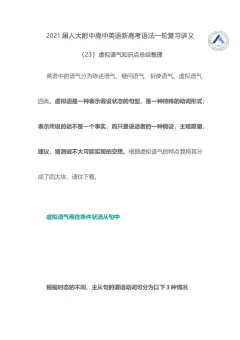
英语中的语气
语气是通过动词的不同形式来体现说话者的意图、态度或情感。语气的分类:
1. 陈述语气
用于陈述事实、描述情况或表达看法,是最常见的语气。
例句:
She is a good student. (陈述事实) 她是个好学生。
It might rain tomorrow. (表达看法) 明天可能会下雨。
2. 祈使语气
用来表达命令、请求、劝告、建议等。通常省略主语(一般是第二人称you)。
例句:
Close the door. (命令) 把门关上。
Please have a seat. (请求) 请坐。
Let’s go. (建议) 我们走吧。
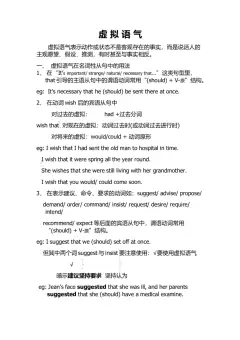
3. 虚拟语气
表示说话人的假设、愿望、怀疑、猜测等非真实或未实现的情况。
例句:
If I were you, I would take the offer. (假设) 如果我是你,我就会接受这个提议。
I wish I had more time. (愿望) 我真希望我有更多时间。
01
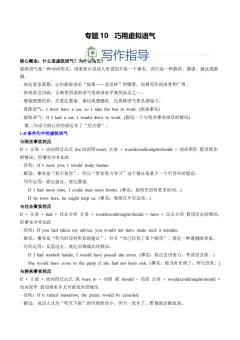
非真实条件句中的虚拟语气(if条件句)
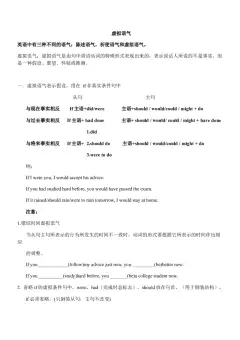
虚拟的情况 | 从句的谓语 | 主句谓语 |
与现在事实相反 | were/ did | should/ would/ could/ might + do |
与过去事实相反 | had + done | should/ would/ could/ might + have done |
与将来事实相反 | ①did/were; ②should do; ③were to do | should/ would/ could/ might + do |
注意:在虚拟语气的从句中,be动词的过去时态一律用were,不用was。
1. if条件句中的虚拟语气
(1)与现在事实相反
If I were you, I would take an umbrella. 如果我是你,我会带把伞。
If he had time, he would come. 如果他有时间,他会来的。
(2)与过去事实相反
If he had studied harder, he could have passed the exam. 如果他当时学习更努力些,他本可以通过考试的。
If I had known the answer, I would have told you. 如果我当时知道答案,我早就告诉你了。
(3)与将来事实相反(可能性很小)
If it rained tomorrow, we would stay at home. 万一明天下雨,我们就会待在家里。
If he should come tomorrow, I would tell him the news. 万一他明天来了,我就会告诉他这个消息。
If I were to go abroad next year, I would study English harder. 如果我明年真要出国,我现在就会更努力学英语。
(4)特殊用法:倒装
如果if条件句中含有were,had,should,可以省略if,并将这些词提至句首,构成倒装。
例:
原句:If I were you, I would accept the offer.
倒装:Were I you, I would accept the offer.
倘若我是你,我就会接受这个提议。
原句:If he had taken my advice, he wouldn’t have made such a mistake.
倒装:Had he taken my advice, he wouldn’t have made such a mistake.
他当初若是听了我的劝告,就不会犯这样的错误了。
原句:If you should need help, please let me know.
倒装:Should you need help, please let me know.
你若需要帮助,请告诉我。
2. 错综时间条件句
当主句和从句所指的时间不一致时,动词形式需根据各自所指的时间进行调整。
例句:
If you had studied harder last term, you would be a college student now.
如果你上学期努力学习了,你现在就是一名大学生了。
If I weren’t so busy now, I would have gone to the party with you last night.
如果我现在不是这么忙,我昨晚就跟你一起去参加派对了。
3. 含蓄条件句
假设条件不通过if从句明确表达,而是隐含在上下文或特定短语中。
常见词或短语:without, but for, otherwise, or (else), under ... circumstances等。
例句:
Without your help, I couldn’t have passed the exam.
没有你的帮助,我不可能通过考试。
But for the rain, we would have had a picnic.
要不是那场雨,我们本来会去野餐的。
I was very busy that day; otherwise, I would have come to your party.
我那天非常忙,否则我就来参加你的派对了。
02
虚拟语气在从句中的应用
虚拟语气广泛应用于名词性从句(主语从句、宾语从句、表语从句、同位语从句)中,用以表达建议、命令、要求、愿望等主观意图。
1. 主语从句中的虚拟语气
结构:It is + 形容词/过去分词/名词 + that ... (should) + 动词原形 (should常可省略)
(1)It is + 形容词 + that ...
形容词:necessary(必要的), important(重要的), vital(至关重要的), imperative(紧要的), advisable(明智的), desirable(可取的), appropriate(合适的), essential(必不可少的), urgent(紧迫的)等
例句:
It is necessary that he (should) attend the meeting.
他必须参加会议。
It is imperative that all documents (should) be submitted by Friday.
所有文件必须在周五前提交,这是强制性的。
(2)It is + 过去分词 + that ...
过去分词:suggested(建议), recommended(推荐), required(要求), demanded(要求), requested(请求), ordered(命令), proposed(提议), decided(决定)等
例句:
It is suggested that we (should) take a break after working for two hours.
建议我们工作两小时后休息一下。
It was decided that the project (should) be started immediately.
已决定立即启动这个项目。
(3)It is + 名词 + that ...
名词:a suggestion(建议), a necessity(必要), a requirement(要求), a recommendation(推荐), an advice(建议), an order(命令)等
例句:
It is a necessity that we (should) protect the environment for our own survival.
为了我们自身的生存,保护环境是必要的。
It is my recommendation that you (should) see a specialist.
我的建议是您应该咨询一位专家。
2. 宾语从句中的虚拟语气
(1)表示“建议、命令、要求”等动词后的宾语从句
结构:动词 + that ... (should) + 动词原形
常用动词:suggest(建议), advise(建议), recommend(推荐), demand(要求), request(请求), require(要求), insist(坚持), order(命令), propose(提议), urge(敦促)
例句:
The doctor recommended that she (should) rest for a week.
医生建议她休息一周。
He insisted that I (should) be present at the ceremony.
他坚持要求我出席典礼。
特别注意:当suggest表示“暗示、表明”,insist表示“坚持认为”(一个事实)时,从句不使用虚拟语气,而用陈述语气。
His smile suggested that he was happy.
他的微笑表明他很开心。(陈述事实)
She insisted that she was innocent.
她坚持认为自己无罪。(陈述一个她认为是事实的情况)
(2)动词wish后的宾语从句
表示与事实相反或难以实现的愿望。
a. 对现在的愿望:从句谓语用一般过去时(be动词常用were)。
例句:
I wish I were taller.
我真希望我能更高一些。(但事实并非如此)
She wishes she had a car.
她希望自己有一辆车。
b. 对过去的愿望:从句谓语用过去完成时had done。
例句:
He wishes he had attended the concert last night.
他真希望自己昨晚去听了那场音乐会。(但实际上没去)
I wish I hadn’t said that.
我真希望我没说过那句话。(但实际上说了)
c. 对将来的愿望:从句谓语用would/could + 动词原形,表示一种不太可能实现的期盼。
例句:
I wish it would stop raining.
但愿雨能停下来。
She wishes she could travel around the world one day.
她希望有一天能环游世界。
(3)would rather后的句子中的虚拟语气
用于表达主观愿望,意为“宁愿,但愿”。其后从句的时态取决于愿望与事实的时间关系。
a. 宁愿某人现在或将来做某事(与现在或将来事实相反):从句谓语用一般过去时。
I would rather you stayed home tonight.
我宁愿你今晚待在家里。 (表达对对方行为的愿望,并非事实)
She would rather it were summer now.
她宁愿现在是夏天。 (但事实不是夏天)
b. 宁愿某人过去做了某事(与过去事实相反):从句谓语用过去完成时had done。
I would rather you had told me the truth yesterday.
我宁愿你昨天就告诉了我真相。(但昨天并未告知)
He would rather she hadn’t come to the party.
他宁愿她没来参加那个派对。(但她已经来了)
3. 表语从句和同位语从句中的虚拟语气
当主句的主语或同位语所修饰的名词是表示建议、命令、要求、计划等含义的词语时,其后的从句需用虚拟语气:(should) + 动词原形。
常见名词:suggestion(建议), advice(建议), order(命令), proposal(提议), request(请求), requirement(要求), plan(计划), decision(决定)
表语从句例句:
My suggestion is that we (should) have a meeting tomorrow.
我的建议是我们明天开个会。
His request is that the room (should) be cleaned at once.
他的要求是立即打扫房间。
同位语从句例句:
What do you think of his proposal that we (should) go camping?
他提议我们去露营,你觉得怎么样?
They received the order that all troops (should) withdraw.
他们收到了所有部队撤军的命令。
4. 状语从句中的虚拟语气
(1)as if / as though 引导的方式状语从句
当从句描述的情况与已知事实相反或极不可能发生时,使用虚拟语气。
a. 与现在事实相反:从句谓语用一般过去时(be动词用were)。
例句:
He talks as if he were an expert.
他说话的样子就好像他是个专家似的。 (但他并不是专家)
She looks as though she knew the answer.
她看起来好像知道答案似的。 (但实际可能并不知道)
b. 与过去事实相反:从句谓语用过去完成时had done。
例句:
You look as if you had seen a ghost.
你看起来像是见了鬼一样。(实际上没见鬼,只是脸色不好)
He behaved as though nothing had happened.
他表现得就像什么都没发生过一样。(但事情确实发生了)
(2)in case、for fear that和lest(以防,免得)
这三个连词引导的从句表示“为了预防某种可能发生的情况”,带有一种“担心某事发生”的意味。在这种情况下,从句谓语可以使用“(should) + 动词原形”,这确实是虚拟语气的一种形式(尤其是英式英语中常见)。
Take an umbrella in case it rains.
陈述语气:使用一般现在时表示将来可能发生的情况。
Take an umbrella in case it should rain.
虚拟语气:带上一把伞,以防下雨。
He wrote down the address for fear that he (should) forget it.
虚拟语气:他写下了地址,免得自己忘记。
She spoke quietly lest the baby should wake up.
虚拟语气:她小声说话,以免吵醒婴儿。
He was alarmed lest she (should) reveal his secret.
虚拟语气:他感到很不安,唯恐她会泄露他的秘密。
03
特殊句型中的虚拟语气
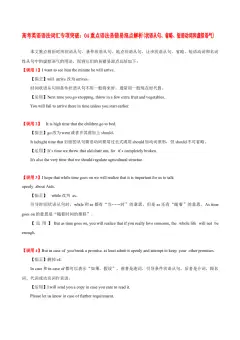
1. It is (high/about) time (that) ...
表示“早该做某事了”(含有一点建议或轻微批评的意味)。从句谓语常用一般过去时(优先),也可用should + 动词原形(不能省略should)。
例句:
It is high time that you went to school.
你早该去上学了。
It’s about time that we should leave.
我们该走了。
2. If only ...
表示“要是……就好了”,表达一种强烈的愿望或遗憾。其用法与wish基本相同,但感情色彩更浓烈。
(1)对现在的愿望:用一般过去时。
例句:If only I were taller! 要是我个子再高一点就好了!
(2)对过去的遗憾:用过去完成时。
例句:If only they hadn’t missed the train! 要是他们没错过那趟火车就好了!