ARTICLE · 1323942
这57个词,在33套高考英语阅读理解真题里出现了3600多次

先看一组数字。
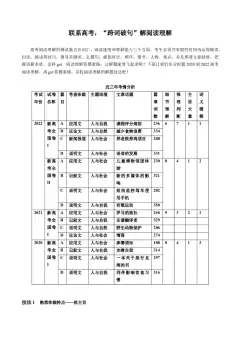
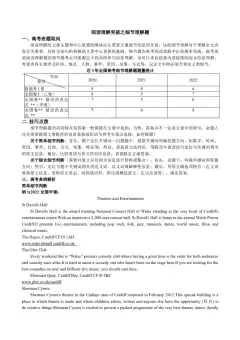
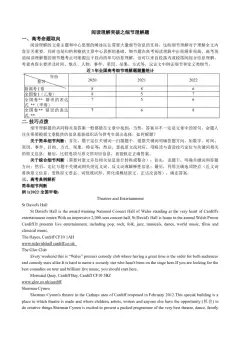
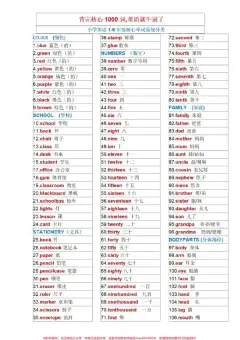
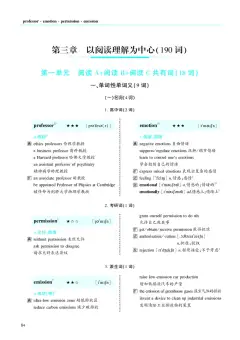
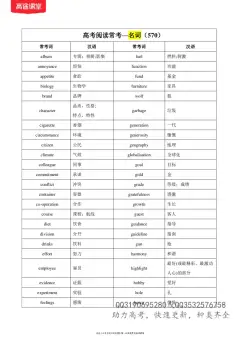
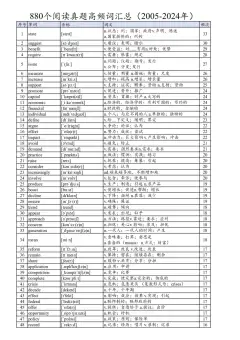
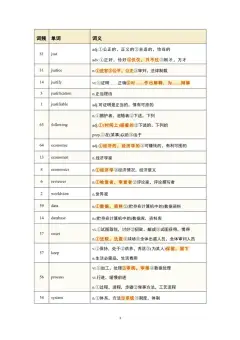
33 套高考英语真题的阅读正文里,出现次数排在最前面的 57 个词,加起来出现了 3627 次。
它们只占高频 1000 词的 6%,却覆盖了正文实词出现量的 15.7%——接近六分之一。
更关键的是:这 57 个词里,没有一个是“难词”。 say、make、time、people、good……全是初中词汇。
那为什么还要单独讲?
因为它们不是“认不认识”的问题,是“会不会用”的问题。比如 make 有 123 次出现,其中大量是 make sb do(使某人做)和 make a difference(起作用);little 有 57 次,其中一种是倒装句 Little do they know...(他们几乎不知道)。
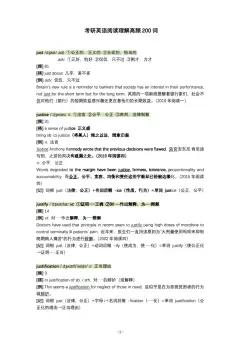
下面按六组讲,每个词都给:词性、释义、出现次数、一句真题原句、一句译文。带 → 的是阅读里最容易读错的地方。
一、观点与认知:作者想什么,答案就在这几个词里
say|v. 说;表明|163 次
“What I can say for the folks that gave the most, is that they were full of smiles.”
译:我能说的是,那些捐得最多的人,脸上满是笑容。
think|v. 想;认为|61 次
It's time to think differently about that street outside your front door.
译:是时候换个角度,想想你家门外那条街了。
know|v. 知道;认识|56 次
Scientists are still trying to determine how harmful microplastics are — but what they do know has raised concerns.
译:科学家仍在确定微塑料的危害程度,但他们已经知道的部分足以令人担忧。
feel|v. 感觉;觉得|44 次
How we feel about ourselves rests not just on whom we compare ourselves with but also on how we think about that comparison.
译:我们对自己的感受,不只取决于和谁比较,也取决于我们怎么看待这次比较。
want|v. 想要|47 次
You still get to explore any workshop you want.
译:你仍然可以自由选择任何你想参加的工坊。
find|v. 发现;认为|84 次
Some mornings they would arrive at the schoolhouse to find the children weeping from the cold.
译:有些早晨他们到校时,发现孩子们冻得直哭。
→ find + 宾语 + doing 是高频结构:发现某人正在做某事。这里的 weeping 不能理解成“哭泣的”,它是“正在哭”。
show|v. 表明;展示|46 次
The only goal was to show generosity and sympathy.
译:唯一的目的就是表达慷慨与同情。
learn|v. 学习;得知|64 次
They learn the principles of flight and test their operating skills in a variety of flight simulators.
译:他们学习飞行原理,并在模拟器里测试操作技能。
→ learn 在阅读里有一半是“得知”,等于 be told。看到 we learned that... 别翻成“我们学习了”。
study|v./n. 研究;学习|75 次
Azimi says study participants tended not to trust reviews where the writers expressed their feelings in a big way.
译:阿齐米说,研究参与者往往不信任那些把情绪表达得很夸张的评论。
→ study 作名词常是“研究”,study participants 是“受试者”,不是“学习参与者”。
二、做与用:13 个动词撑起半篇文章
make|v. 制作;使得;赚|123 次
I've found that when I'm less restrictive, they do make better decisions.
译:我发现,当我少一些限制时,他们确实能做出更好的决定。
→ 三种高频用法:make sb do(使某人做)、make a decision(做决定)、make a difference(起作用)。
work|v. 工作;起作用|n. 作品|96 次
Students will work in groups to complete four assignments during the course.
译:学生将以小组形式完成课程中的四项作业。
use|v./n. 使用;用途|93 次
This is a book about learning to use philosophy to improve a life.
译:这是一本教你用哲学改善生活的书。
take|v. 拿;花费;乘坐;认为|93 次
When she retired from dancing and her sons flew the nest, she decided it was time to take the plunge.
译:当她告别舞台、儿子们也离家之后,她决定放手一试。
→ take the plunge 是“下定决心动手”,和“跳”无关。take 的短语几乎每个意思都不同:take part in(参加)、take on(承担)、take up(占用)。
get|v. 得到;变得;到达|79 次
If others benefit in the process, and I get some reward too, does it really matter where my motivation lies?
译:如果别人在这个过程中受益,我也得到回报,动机从哪里来真的重要吗?
help|v./n. 帮助;有助于|80 次
A burst of energy is sent up to street level to help charge an electric car.
译:一股能量被送到街面,帮助给一辆电动车充电。
→ help (to) do 里的 to 可以省略,这是阅读中判断句子结构的一个小陷阱。
give|v. 给;提供|45 次
If researchers can't keep their promises, excitement might give way to doubt and disappointment.
译:如果研究者不能信守承诺,兴奋可能让位给怀疑与失望。
→ give way to 是“让位于”,常出现在转折处。
come|v. 来;出现|59 次
The kids literally come to school with bags of snacks and large bottles of soft drinks.
译:孩子们真的是带着一袋袋零食和大瓶软饮料来上学的。
go|v. 去;变得;进行|82 次
If people's errors become correlated or dependent, the accuracy of the estimate will go down.
译:如果人们的误差变得相关或互相依赖,估计的准确性就会下降。
→ go down / go up 在图表和数据类文章里就是“下降/上升”,别按字面读。
start|v./n. 开始;创办|43 次
Some students get so interested in gardening that they bring home seeds to start their own vegetable gardens.
译:有些学生对园艺产生了浓厚兴趣,会把种子带回家开辟自己的菜园。
become|v. 变成;成为|46 次
Children as young as ten are becoming dependent on social media for their sense of self-worth.
译:年仅十岁的孩子正变得依赖社交媒体来确认自我价值。
change|v./n. 改变;零钱|60 次
The team showed that this change in bite was connected with the development of agriculture.
译:研究团队表明,这种咬合的变化与农业的发展有关。
need|v./n. 需要|59 次
Phone carriers and consumers need to work together to find ways of determining what is real.
译:运营商和消费者需要合作,找出判断真伪的办法。
三、人与事:读记叙文时最先撞见的词
people|n. 人们;民族|104 次
As climate change and biodiversity loss threaten natural scents, many people may not even notice.
译:当气候变化和生物多样性丧失威胁自然气味时,许多人甚至不会察觉。
child|n. 孩子(复 children)|61 次
When John Todd was a child, he loved to explore the woods around his house.
译:约翰·托德小时候喜欢探索房子周围的树林。
student|n. 学生|53 次
Jenifer Mauer has needed more willpower than the typical college student to pursue her goal of earning a nursing degree.
译:为了拿到护理学位,珍妮弗比一般大学生需要更强的意志力。
group|n. 组,群|v. 分组|46 次
In the ninth grade, I went in for my first group interview for a leadership position as a shy girl.
译:九年级时,还是害羞女孩的我第一次参加了领导岗位的小组面试。
→ 实验类文章里,the experiment group / the control group(实验组/对照组)是必考信息点。
thing|n. 东西;事情|40 次
Sometime in the early 1960s, a significant thing happened in Sydney, Australia.
译:20 世纪 60 年代初的某一天,澳大利亚悉尼发生了一件大事。
story|n. 故事;报道|40 次
It may be a stand-alone piece such as a poem or short story, or a part taken from a larger piece.
译:它可以是独立作品,比如一首诗或一个短篇,也可以摘自一部更大的作品。
→ 新闻类文章里 story 常常是“报道”,不是“故事”,cover a story = 报道一件事。
life|n. 生活;生命(复 lives)|58 次
People who live in plant-rich environments report a higher life satisfaction rating.
译:住在植物丰茂环境中的人,报告了更高的生活满意度。
way|n. 方法;道路;方式|68 次
Whole neighbourhoods were destroyed to make way for new road networks.
译:整个街区被拆除,为新路网让路。
→ make way for(让位给)、in a way(在某种程度上)、the way 后接从句(……的方式),三种都很常见。
四、时间与空间:细节题的定位锚点
time|n. 时间;次数;时代|105 次
By the time these “solutions” become widely available, scammers will have moved onto cleverer means.
译:等这些“解决方案”普及时,骗子早已转向更聪明的手段。
→ By the time... 后面常跟完成时,这是时态题的高频句式。
day|n. 天;白天|64 次
From the English side, we have scientific reports and the captain's record of that terrible day.
译:从英方这边,我们有科学报告,还有船长对那个可怕日子的记录。
year|n. 年;岁|93 次
At least 80 inches of rain a year is normal—and in some areas there may be as much as 430 inches annually.
译:一年至少 80 英寸的降雨是正常的——有些地区年降雨甚至可达 430 英寸。
world|n. 世界;界|62 次
All these stadiums are still functional, still open and still hosting the biggest events in world sport.
译:这些体育场仍在使用、仍然开放,仍在承办世界体坛最重要的赛事。
city|n. 城市|43 次
Many city dwellers remain oblivious to this connection, assuming trees can only ever clean the air.
译:许多城市居民对这种联系浑然不觉,以为树木只能净化空气。
home|n. 家|40 次
St David's Hall is home to the annual Welsh Proms Cardiff.
译:圣大卫音乐厅是一年一度威尔士逍遥音乐会的举办地。
→ be home to 不是“是……的家”,是“是……的所在地/举办地”。这个意思几乎每年都考。
back|n. 背部|adv. 向后;回原处|40 次
The language is almost intoxicating, an aging writer looking back on an ambitious yet simpler time.
译:那位年长作家回望一段雄心勃勃却更单纯的岁月,文字几乎令人沉醉。
around|adv./prep. 大约;到处;围绕|40 次
Do we really recognise what it costs us as a society when children can't move safely around our communities?
译:当孩子无法在社区里安全活动时,我们真的意识到这给社会带来多大代价吗?
→ around 在数字前是“大约”(around 40 minutes),这是细节题最容易漏的一层意思。
五、读与写:与“文本”有关的九个词
see|v. 看见;明白|50 次
In artists' representations of books and reading, we see moments of shared humanity that go beyond culture and time.
译:在艺术家对书与阅读的描绘中,我们看见了超越文化与时间的共同人性。
look|v. 看;看起来|47 次
This is a quick look at life in Uzbekistan, made of friendliness and warmth, but also its darker side.
译:这是一次对乌兹别克生活的速览:有友善与温暖,也有更暗的一面。
read|v. 读;阅读;写着|45 次
People often link their memory of what they've read to how far into the book it was.
译:人们常把对读过的内容的记忆,和它在书中的位置联系起来。
write|v. 写;写作|47 次
As a new unit started, I asked everyone to write a persuasive piece on a health-related topic.
译:新单元开始时,我让每个人写一篇健康话题的议论文。
book|n. 书|v. 预订|71 次
As the author explains, this is neither a travel nor a history book, or even a piece of reportage.
译:正如作者所说,这既不是游记也不是史书,甚至不算报道文学。
→ book 作动词是“预订”:book a ticket / book a room。实用类文章(广告、指南)里出现频率很高。
paper|n. 纸;论文;报纸|52 次
With paper, there is a literal laying on of hands, along with the visual geography of distinct pages.
译:读纸质书时,手真的会落在纸上,还有一页页清晰的空间感。
→ 三种意思都可能考:a sheet of paper(一张纸)、a research paper(论文)、the penny paper(廉价报纸)。
program|n. 节目;项目;程序|43 次
The program aims to help students develop science skills, environmental awareness, and healthy lifestyles.
译:该项目旨在帮助学生培养科学技能、环保意识和健康生活方式。
call|v. 叫;打电话;称呼|n. 电话|42 次
Lost property? Call Lost Property on 13 16 17 during business hours.
译:物品遗失?请在营业时间拨打 13 16 17 联系失物招领处。
system|n. 系统;体系;制度|41 次
Because the system is automated, it significantly reduces the amount of water needed to grow plants.
译:由于系统是自动化的,它大幅减少了种植所需的水量。
六、性质与程度:形容词和副词里藏着态度
good|adj. 好的;擅长的|104 次
This place is good for a candlelit dinner or a work meeting with colleagues.
译:这里适合烛光晚餐,也适合和同事开工作会。
→ be good for 是“适合/有益”,be good at 是“擅长”。前者考得更多。
new|adj. 新的;新鲜的|86 次
Though some are initially scared of the insects and turned off by the dirt, most are eager to try something new.
译:虽然有些人一开始害怕虫子、被泥土劝退,但多数人乐于尝试新事物。
little|adj. 小的;少的|adv. 几乎不|57 次
Little do they know that as they do so, a burst of energy is sent up to street level.
译:他们几乎不知道,就在这么做的时候,一股能量被送到了街面。
→ Little do they know 是部分倒装,意思是“他们几乎不知道”。看到句首的 Little,先找助动词,再理解成否定。
even|adv. 甚至|adj. 平坦的;偶数的|49 次
There's the kind of popularity that appears in adolescence: status born of power and even dishonorable behavior.
译:还有一种是青春期出现的“人气”:源于权力、甚至不光彩行为带来的地位。
→ even 引出的往往是“比前面更极端”的例子,是推断题的态度线索。
high|adj. 高的;高级的|40 次
When she opened her online shop selling houseplants, she didn't have high hopes for it.
译:她开网店卖室内植物时,并没抱多大希望。
like|v. 喜欢|prep. 像|83 次
Eschewing fertilizers and power tools, it's based on an elegantly simple principle: to garden more like nature does.
译:不用化肥和电动工具,它基于一个简单优雅的原则:像自然那样去园艺。
→ like 有 31 套卷子都在用,是全语料“覆盖卷数”最高的词。作介词表“像”,作动词表“喜欢”,作名词还可以是“同类的人/物”。
food|n. 食物|63 次
There has been a rise in the number of students applying for food courses at UK universities.
译:申请英国大学食品相关课程的学生人数有所上升。
plant|n. 植物|v. 种植;工厂|64 次
“People who live in plant-rich environments report a higher life satisfaction rating,” she says.
译:她说:“住在植物丰茂环境中的人,报告了更高的生活满意度。”
→ 除了“植物”,plant 还可以是“工厂”(a car plant)和动词“种植”。这个词 64 次里有相当一部分来自生态类文章。
school|n. 学校;学派|45 次
Yes, we all have our phones, but many of us still like to go old school and read something printed.
译:是的,我们都有手机,但许多人仍喜欢“老派”地读点纸质的东西。
→ go old school 是“用老办法”,这种短语在口语化强的文章里常出现。
walk|v./n. 走,步行|43 次
The bridge was closed to motor traffic so people could enjoy a walk across it.
译:这座桥禁止机动车通行,以便人们可以步行过桥。
怎么用这 57 个词
不要按顺序背。按你最近做错的那篇文章去查:
先读一遍上面的原句,遮住译文,自己口译; 译错了,说明你对这个词的某个义项不熟,把它抄在错题旁边; 一周后回看错题,只看抄下来的那几行。
57 个词,一天过 10 个,六天能过完一轮。第二轮的判断标准不是“能不能拼写”,而是“看到这句话,能不能立刻读懂”。
(这 57 个词的完整信息——词性、释义、词形变化、出现次数、覆盖试卷数、真题原句——我整理在了一份表格里,需要的话留言“五星词”。)