ARTICLE · 1336447
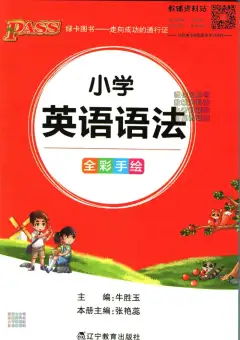
小学英语语法 11 被动语态 一篇讲透

主题合集
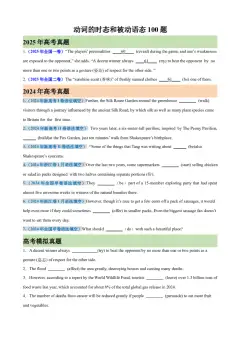
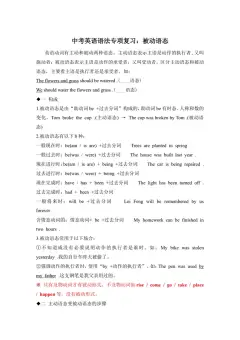
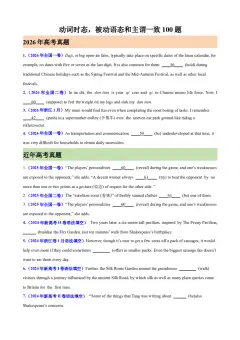
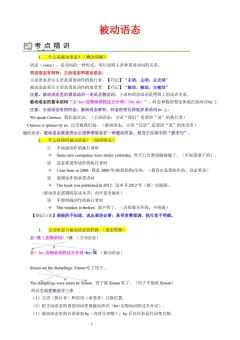
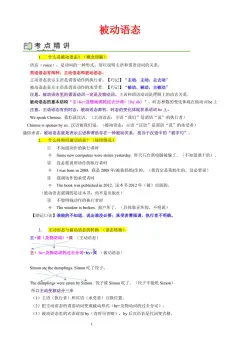
Hello 小朋友们和家长朋友们!小学英语语法系列,第十一篇来啦。 今天讲:被动语态。 先看两句意思一样、结构不同的话: Tom cleaned the window. 汤姆擦了窗户。 The window was cleaned. 窗户被擦了。 第二句里,「窗户」跑到句首当主语了,「擦」这个动作放到它后面 —— 这就是被动语态。
01 · 被动语态是什么
被动语态,说的就是「主语承受动作,而不是执行动作」。 中文里的「被」字,我们几乎每天都在用: 窗户被擦了。作业被批改了。房间被打扫干净了。 英文也有对应的说法:
The window was cleaned. 窗户被擦了。
The homework was marked. 作业被批改了。
看这两句的区别:
主动:Tom cleaned the window.(汤姆擦窗户,汤姆是动作的发出者)
被动:The window was cleaned.(窗户被擦,窗户是动作的承受者) 关键在于:谁当主语。 主动句里,主语是做事的人(Tom)。 被动句里,主语是受影响的东西(the window)。 为什么会有被动语态?因为很多时候: 一、不知道是谁做的,或者不重要说。 二、主语是物,根本不是人。 三、想说得客观、礼貌。 四、动作执行者已经很明显了,再说一遍反而啰嗦。
比如你收到一条通知:Your application was received. 你的申请已收到。
谁收到的不重要,重点是「申请已经被收到了」这个结果。

02 · 核心公式:be + 过去分词
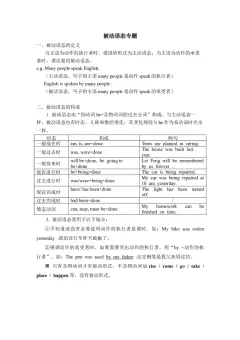
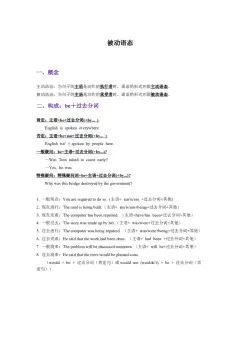
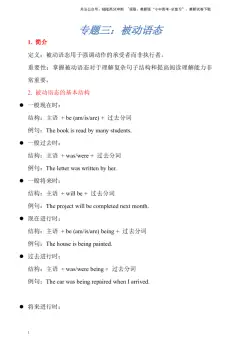
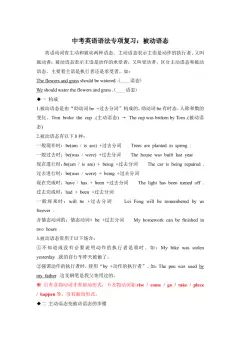
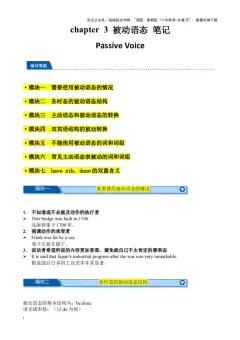
被动语态只有一个公式,记牢这一个就够了: 主语 + be + 过去分词 主语是单数就用 is/was,主语是复数就用 are/were。 过去分词就是动词的「过去分词」形式,规则动词加 ed,不规则动词要单独记。 看三种句型:
03 · 过去分词怎么变
这是被动语态最容易错的地方。分两类:规则动词和不规则动词。 规则动词的五种变化: 一、一般情况直接加 ed。clean → cleaned,play → played 二、以 e 结尾,去 e 加 d。like → liked,live → lived
三、辅音字母加 y,去 y 加 ied。study → studied,carry → carried
四、重读闭音节,双写末尾辅音字母加 ed。stop → stopped,plan → planned
五、以 o 结尾,加 ed。want → wanted,但 go → went(不规则)
第四种最容易错。判断重读闭音节有个小窍门: 如果这个动词末尾是一个「元音 + 一个辅音」结尾,而且这个元音重读,就要双写。 stop 是「重读的 o + p」,所以 stopped。
look 是「重读的 o + k」,所以 looked —— 但注意 look 的 o 重读,所以是 looked 不是 lookked。
visit 是「重读的 i + t」,所以 visited。 不规则动词只能背。下面这些是小学阶段最常用的:
04 · 被动语态的五种时态
be 动词跟着时态变,过去分词不变。记住这个规律,五种时态就都会了。 注意:被动语态里的 be 动词,判断依据是主语,不是原句的主语。
The song was sung by her. 歌被她唱了。
The songs were sung by her. 歌被她唱了(复数)。
主语是 the song(单数)→ 用 was;主语是 the songs(复数)→ 用 were。
这张表是本篇最实用的部分,建议打印出来:
05 · 什么时候用被动
这是判断题和写作的关键。四个最常见的场景:
场景一:不知道是谁做的,或者不重要说。
Someone stole my bike. 有人偷了我的自行车。
My bike was stolen. 我的自行车被偷了。
场景二:主语是物,不是人。
English is spoken all over the world. 英语全世界都在说。
主语是 English(物),所以用被动。
场景三:想说得客观、礼貌。
Your application was received. 您的申请已收到。
You are wrong. 你错了。 对比一下,第二句换成被动:You are mistaken. 更委婉。
场景四:动作执行者很明显,再说是多余的。
The meeting was held in the hall. 会议在大厅举行了。
这里没必要说「被谁主持的」。 怎么快速判断:先看主语。 主语是人 → 多半用主动。 主语是物 → 多半用被动。 主语不确定 → 都可以,看你要强调什么。
06 · by 短语:加还是不加
被动句里,用 by 引出动作的执行者(谁做的)。
The window was cleaned by Tom. 窗户是汤姆擦的。
但实际使用中,大多数时候不加 by。
The window was cleaned. 窗户被擦了。
为什么?因为中文说「窗户被擦了」时,也不会每次都补上「被谁擦的」。 两种情况会加 by:
一、特意强调执行者。The teacher was praised by the parents. 老师被家长表扬了。
二、两个执行者必须区分。The book was written by Tom and read by Mary. 这本书是汤姆写的,玛丽读的。
还有一点:by 后面接人。
✓ The window was cleaned by Tom.
✗ The window was cleaned by the cleaning. (动作不是人)
07 · 主动句变被动句,怎么改
看到主动句想改成被动,按这三步走:
第一步:把宾语(动作的承受者)提到句首当主语。 Tom cleaned the window. → the window 提到前面
第二步:动词改成 be + 过去分词。 cleaned → was cleaned
第三步:原来的主语(Tom)如果不重要就删掉;要强调就加 by 放后面。 → The window was cleaned. → The window was cleaned by Tom. 注意 be 动词用 was 还是 were,看的是新主语。
Tom cleaned two windows. → The two windows were cleaned by Tom.
新主语 two windows 是复数,所以用 were。 宾语是代词时,提到前面要变成宾格。 Tom cleaned it. → It was cleaned by Tom. me → me,him → him,them → them。
场景图
08 · 完整对话
场景:Leo 和 Mia 在讨论学校的活动安排。
Mia: Was the sports meeting finished yesterday?
运动会昨天结束了吗?
Leo: Yes, it was. It was held on the playground.
是的,结束了。是在操场上举行的。
Mia: Were the new posters put up?
新海报贴出来了吗?
Leo: They were. They were put up this morning.
贴出来了。今天早上贴的。
Mia: Was the meeting cancelled?
会议取消了吗?
Leo: No, it wasn't. It was put off to next week.
没有。是推迟到下周了。
Mia: Good. I think the plan was made by the head teacher.
太好了。我记得这个计划是校长定的。
Leo: You're right. He made it last week.
你说得对。他上周定的。 这段对话里,被动语态和主动语态交替出现 —— 这才是真实英语的样子。
09 · 常用被动句
这些句子在生活和考试里出现频率很高,背下来很实用。
10 · 易错点 Top 5
错误一:漏掉 be 动词。
✗ The window cleaned yesterday.
✓ The window was cleaned yesterday.
被动语态少了 be 就成了「被字残缺句」。
错误二:过去分词写成过去式。
✗ The window was clean.
✓ The window was cleaned.
clean 是原形,cleaned 才是过去分词。
错误三:be 动词用错(按原主语选)。
✗ The windows was cleaned.
✓ The windows were cleaned.
be 动词看的是新主语(the windows,复数 → were)。
错误四:不及物动词硬变被动。
✗ The accident was happened last night.(happen 是不及物动词,没有被动形式)
✓ The accident happened last night. 事故是昨晚发生的。
happen、take place、belong to、last 这些动词没有被动语态。
错误五:needn't / mayn't 后面用被动。
✗ The work needn't be done.
✓ The work doesn't need to be done.
need 和 may 后面接动词原形,没有被动形式。
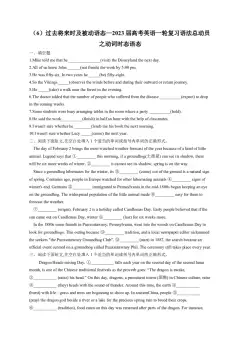
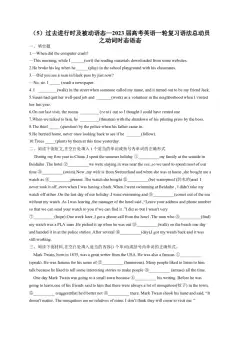
11 · 选一选
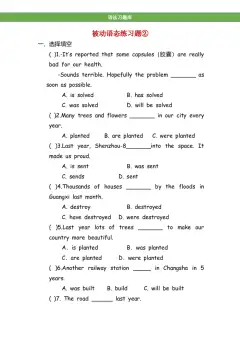
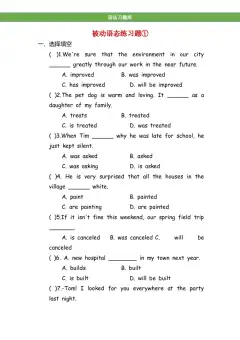
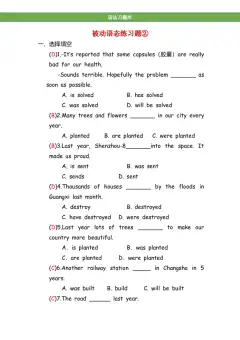
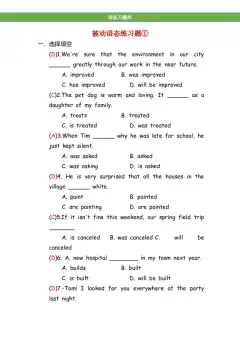
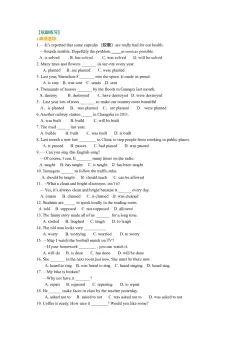
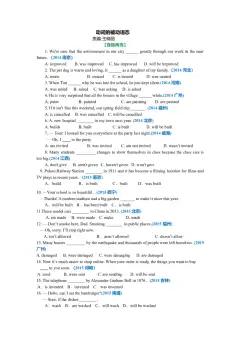
1. The window ______ cleaned yesterday.
A. was B. is C. be
2. The room ______ cleaned every day.
A. is B. was C. are
3. The work must ______ finished today.
A. finish B. be finished C. finished
4. The story was written ______ a famous writer.
A. by B. of C. for
5. English ______ spoken all over the world.
A. is B. was C. are

场景图
12 · 答案
1. A — yesterday 是过去时间,被动语态用 was + 过去分词。
2. A — every day 表示习惯,用一般现在时;主语 the room 单数,用 is。
3. B — 情态动词 must 后面用 be + 过去分词。
4. A — by 后面接动作的执行者(人)。
5. A — 主语 English 是单数,一般现在时被动用 is + 过去分词。
错一两题很正常。如果第 1、2 题错了,把「be 动词看新主语」这条再看一遍;
13 · 一起聊聊
本篇重点: 核心公式:主语 + be + 过去分词 be 动词跟着时态变,过去分词不变 be 动词按新主语(单数 is/was,复数 are/were)选 过去分词:规则动词加 ed(注意 y 结尾和重读闭音节双写)
常用不规则:make-made-made, take-took-taken, give-gave-given...
一起聊聊
有更多想学习了解的内容,欢迎留言,大家一起学习交流
感谢您的关注、点赞、分享✨