ARTICLE · 1413184
初中英语语法|现在完成时(讲解+练习)




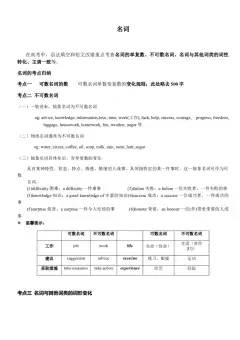
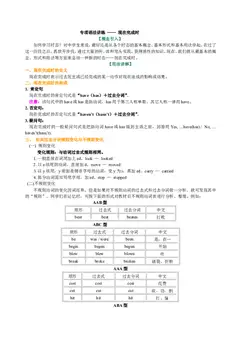
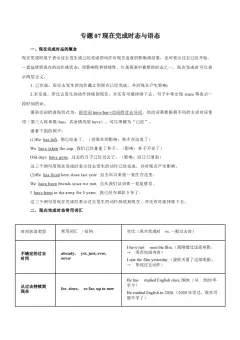
现在完成时态(Present Perfect Tense)是英语中一种重要的动词时态,用于表达过去发生的动作与现在之间的联系。其核心在于强调动作对当前的影响、结果或持续状态,而非动作发生的具体时间。
一、现在完成时的构成
1. 肯定句
现在完成时的肯定句式是“have(has)+过去分词”。
注意:该句式中的have或has是助动词,has用于第三人称单数,其它人称一律用have。
2. 否定句
现在完成时的否定句式是“haven’t(hasn’t)+过去分词”。
3. 疑问句
现在完成时的一般疑问句式是把助动词have或has提到主语之前。回答用Yes, …have(has)./ No, …haven’t(hasn’t).
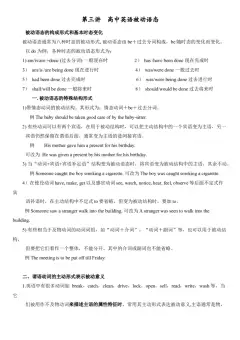
二、动词过去分词的变化
1. 规则变化
变化规则:与动词过去式规则相同。
1)一般直接在词尾加上ed。look — looked
2)以e结尾的动词,直接加d。move — moved
3)以y结尾,y前面是辅音字母的动词,变y 为i,再加ed。carry — carried
4)部分动词需双写尾字母,加ed。stop — stopped
2. 不规则变化
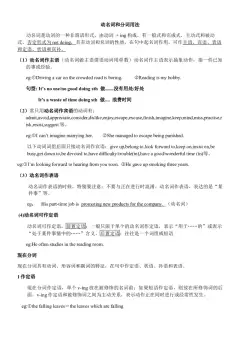
不规则动词的变化因词而异。但是如果对不规则动词的过去式和过去分词做一分析,就可发现其中的“规则”。同学们在记忆时,可按下面的形式对教材后不规则动词表进行分析、整理。例如:
AAB型
原形 | 过去式 | 过去分词 | 中文 |
beat | beat | beaten | 打败 |
ABC型
原形 | 过去式 | 过去分词 | 中文 |
be | was / were | been | 是,在… |
begin | began | begun | 开始 |
blow | blew | blown | 吹 |
break | broke | broken | 破裂、折断 |
AAA型
原形 | 过去式 | 过去分词 | 中文 |
cost | cost | cost | 花费 |
cut | cut | cut | 砍、切、割 |
hit | hit | hit | 打、撞 |
ABA型
原形 | 过去式 | 过去分词 | 中文 |
become | became | become | 成为 |
come | came | come | 来 |
ABB型
原形 | 过去式 | 过去分词 | 中文 |
understand | understood | understood | 理解、明白 |
bring | brought | brought | 带来 |
build | built | built | 建造 |
burn | burned/burnt | burned/burnt | 燃烧 |
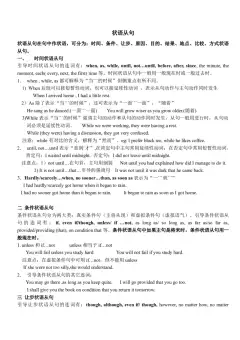
三、现在完成时的用法
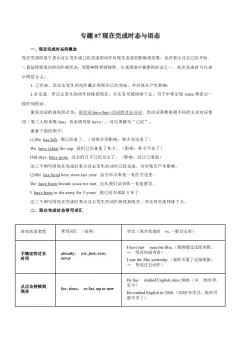
1. 已完成用法(强调影响/结果)
动作发生在不确定的过去时间,但对现在有影响或留下结果。
常与时间状语连用:already, just, yet, ever, never, before, recently, lately
例:
I have lost my keys.(所以现在找不到门。)
Have you seen this movie?(问的是经验,不关心何时看的。)
2. 未完成用法(强调持续)
动作从过去某一时间开始,一直持续到现在,可能继续下去。
常与 for + 时间段 或 since + 时间点/从句 连用。
谓语动词需为延续性动词(如 live, work, study, know 等)。
例:
He has lived here for 20 years.
We have known each other since 2010.
3. 经验性表达
表示过去某时发生过某事,强调“有过这种经历”。
常与 once, twice, never, ever, many times 等连用。
例:
I have visited Paris three times.
4. 特定句型结构
It is/was the first/second... time that... → that 从句用现在完成时(主句为现在时)或过去完成时(主句为过去时)。
例:
This is the first time I have been late.
This/That is the + 最高级 + 名词 + that... → that 从句用现在完成时。
例:
This is the best film I have ever seen.
注意事项
1. 不能与明确的过去时间状语连用:如 yesterday, last week, in 1999, ago 等。
❌ Tom has written a letter last night.2. 非延续性动词(瞬间动词)如 come, go, leave, die, buy, join, finish 等,不能直接与 for/since 引导的时间段连用。
❌ He has died for 5 years.(需将瞬间动词转换为对应延续状态:die → be dead)
3. 否定形式的非延续性动词可与for/since 连用,表示“未发生的状态可延续”。
例:I haven't received his letter for a month.
四、常用的时间状语
现在完成时态常与before, by now (so far), once, twice…, just, recently, yet(否/疑), already(肯), ever, never, all one’s life , in /during the past /last 5 years等表示时间状语的词或短语连用。例如:
We have already finished our homework. 我们已完成作业了。
They haven’t finished their homework yet. 他们还没有完成作业。
— Have you ever been to the Great Wall? 你曾经去过长城吗?
— I have never been to the Great Wall.我从未去过长城。
I have seen her before, but I can not remember where.我以前见过她,但记不起在哪里见过。
He has been there three times the last few days. 近几天他去过那里三次了。
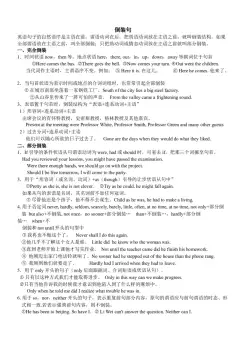
五、与一般过去时的比较
一般过去时表示过去某时发生的动作或单纯叙述过去的事情,强调动作;
现在完成时为过去发生的,强调过去的事情对现在的影响,强调的是影响。
I saw this film yesterday. 我昨天看了这部电影。(强调看的动作发生过了。)
I have seen this film. 我看过这部电影了。(强调对现在的影响,电影的内容已经知道了。)
一般过去时常与具体的表示过去的时间状语连用;
现在完成时通常与模糊的时间状语连用,或无时间状语。
一般过去时的时间状语: yesterday;last week;…ago;in1990;in October;just now …
现在完成时的时间状语: already;ever;for;just;never;since;yet;so far;till/until; up to now;in the past few years;recently…
现在完成时可表示持续到现在的动作或状态,动词一般是延续性的,如:live;teach;learn;work;study;know等;
一般过去时常用的非持续性动词有come, go, leave, start, die, finish, become等。
She joined the League three years ago. 她三年前入团了。 (加入的动作不是延续的)
She has been in the League for three years (since three years ago).她入团三年了。(在团内的状态,可延续)
She has been a League member for three years (since three years ago).她入团三年了。(是团员的状态,可持续)
六、其他
1. 非延续性动词和延续性动词的转换
现在完成时可以和带有since或for等表示一段时间的状语连用,表示动作或状态从某一时刻开始,一直持续到现在。但是,像come, arrive, buy等终止性动词不能与表示一段时间的状语连用。要用,必须将其改为相应的延续性动词来表述。现归纳总结一下由非延续性动词到延续性动词的转换:
arrive → be here | begin(start) → be on |
die →be dead | come back → be back |
leave →be away | fall ill(sick, asleep)→be ill(sick, asleep) |
get up→be up | go out→be out |
finish →be over | put on→wear或be on |
open→be open | join→be in或be a member of… |
close→be closed | go to school → be a student |
borrow→keep | buy→have |
catch(a cold)→ have(a cold) | get to know →know |
begin to study→study | come to work→work |
例如:
He has been a soldier for three years. 他参军三年了。
His father has been dead for two years. 他父亲去世两年了。
The film has been on for ten minutes. 电影已开始十分钟了。
We have studied English for three years. 我们(开始)学英语已三年了。
2. have/has gone to;have/has been to;have/has been in的区别
have/has gone to:已经去了或在途中,还没有返回;
have/has been to:曾经去过某地,现在已经回来了,后面可接表示“次数”的状语;
have/has been in:表示某人“已在某地停留一段时间,现仍在那里”,其后常带表示一段时间的状语。 例如:
— Where is Tom? Tom 在哪儿?
— He has gone to the bookshop to buy some books. 他去书店买书了。
I have been in Beijing for 5 years. 我在北京待了5年了。
Jack has been to Shanghai twice. Jack 去过上海两次了。

巩固练习:
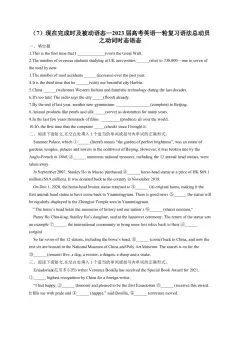
一、单项填空。
1. Li Hong has ________ the army for 2 years.
A. joined
B. be in
C. been in
D. joined in
2. We have been friends since ______.
A. children
B. five years
C. five years ago
D. five years before
3. Mike ___________ the story for a month.
A. has bought
B. has had
C. had had
D. has borrowed
4. You ______ that question three times.
A. already asked
B. have already asked
C. already have asked
D. asked already
5. Those foreign friends left Guangzhou __________.
A. since last week
B. a week ago
C. for a week
D. since a week ago
6. I _____ at this school for two years.
A. am studying
B. study
C. studied
D. have studied
7. They _________ in the city since last summer.
A. live
B. didn’t live
C. have lived
D. live
8. Mrs. Wang has lived in Haikou _____ 1992.
A. since
B. from
C. after
D. in
9. Mr. Black _________
A. has been to
B. has been in
C. has come to
D. came to
10. His father _______ for years.
A. has died
B. has been dead
C. died D. dies
[真题链接]
1. — Beibei, is Mr. Chen in the office?
— No. Hefor half an hour.
A. left
B. has left
C. has been away
2. — Is Miss Green in the office?
— No, she ____ to the library.
A. goes
B. had goes
C. has gone
D. would go
3. — A new shop ______ for a week nearby. Let’s have a look there.
— Good idea. But it doesn’t ____ on Mondays.
A. opened; opened
B. has been opened; open
C. has opened; opened
D. has been open; open
二、用 already或 yet填空。
1. Have they taken down the old pictures ____? No, not _______.
2. Most of us have finished our compositions ________
3. He said he hadn’t visited the exhibition ________.
三、用 since或 for填空。
1. We have learned five lessons ______ the beginning of this term.
2. Mrs. Liao has been in hospital ______last week.
3. I have stayed at my aunt’s _____two weeks.
四、用have/has been to/in, have gone to及go的各种形式填空。
1. — Where is Jack?
— He __________ his country.
2. John __________
3. How long __________ you __________this village?
4. The Smiths __________ Beijing for years.
5. — __________you ever __________ America?
— Yes, I __________ there many times.
6. I __________this school since three years ago.
7. — When __________ he __________?
— He __________ an hour ago.
8. — Would you like to __________ the zoo with me?
— Yes, but I __________there before.
9. — Where __________ you __________ just now?
— I __________ the zoo.
10. He often__________ swimming.
11. __________ you __________ there last year?
12. __________ they often __________skating in winter?
五、句型转换,每空一词。
1. He has already gone home.
He _______ _______ home _________. (否定句)
________ he ________ home _________? (一般疑问句)
2. He has lunch at home.
He ________ _________ lunch at home. (否定句)
________ he _______ lunch at home? (一般疑问句)
3. He has been there twice. (对划线部分提问)
________ ______ _______ ________ he been there?
4. I have lunch at school. (对划线部分提问)
________ ________ you _________ lunch.
5. They have been here since 2000.
________ ________ have they been here? (对划线部分提问)
6. This factory opened twenty years ago.(改为同义句)
This factory________ ________ ________ for twenty years.
7. Miss Gao left an hour ago. (改为同义句)
Miss Gao _______ _______ _______ _______ an hour ago.
8. Her mother has been a Party member for three years. (改为同义句)
Her mother ______ the Party three years _______ .
9. The Green Family moved to
_______ two years ________ the Green family moved to
10. The bus has arrived here. It arrived ten minutes ago. (把两个句子合并成一个句子)
_______________________________
参考答案:
一、单项填空。
1. C。现在完成时在肯定句中,与since或for引出的时间状语连用的是延续性动词,不能是短暂性动词。在此题中join是短暂性动词,不能与for+时间段连用,须把它改成相应的延续性动词。此题join要改成be in。这两种词的转换是学习现在完成时需要注意的。
2. C。现在完成时表示过去已经开始,一直持续到现在的动作或状态。它的时间状语since + 表过去的时间点,for + 时间段连用。
3. B。在肯定句中,与since或for引出的时间状语连用的是延续性动词,不能是短暂性动词,在此题中buy是短暂性动词,不能与for + 时间段连用,须把它改成相应的延续性动词。此题 buy 要改成 has had。
4. B。现在完成时表示过去发生或已经完成的动作或存在的状态对现在造成的影响或结果;already 应放在have后面。
5. B。该题考查一般过去时。
6. D。现在完成时表示过去已经开始,一直持续到现在的动作或状态。与for + 时间段连用。
7. C。since是现在完成时的标志词。
8. A。本句为完成时态,此处应该选择since; “since + 表过去的时间点”是完成时态的标志性时间状语。
9. B。与since或for引出的时间状语连用的是延续性动词,不能是短暂性动词,come是短暂性动词因此选B。
10. B。现在完成时与since或for引出的时间状语连用的是延续性动词,不能是短暂性动词,die是短暂性动词,因此要用be dead来代替。
[真题链接]
1. C。句意:—贝贝,陈先生在办公室吗?—没有,他出去一个小时了。因为题中说道“他出去一个小时了”,所以到应该用延续性动词,故选C。
2. C。句意:—格林老师在办公室吗?—不在,她去图书馆了。本题考查动词的时态。由语境可知她去图书馆了,现在还没回来,故选C项。
3. D。本题意为:—这附近有一家新开了一周的店,我们去看一下吧。—好主意,但是周一不开门。本题第一空应该用延续性动词,第二空在助动词后面,应该用动词原形。故选D。
二、用 already或 yet填空。
1. yet; yet 2. already 3. yet
三、用 since或 for填空。
1. since 2. since 3. for
四、用have/has been to/in, have gone to及go的各种形式填空。
1. has gone to
2. has been in
3. have; been in
4. have been in
5. Have; been to; have been
6. have been in
7. did; go; went
8. go; have been
9. did; go; went to
10. goes
11. Did; go
12. Do; go
五、句型转换,每空一词。
1. hasn’t gone; yet; Has; gone; yet
2. doesn’t have; Does; have
3. How many times has
4. Where do; have
5. How long
6. has been open
7. has been away since
8. joined; ago
9. It’s; since
10. The bus has been here for ten minutes
(以上内容来源于网络,如有侵权,请联系删除)
往期回顾