 夜雨聆风
夜雨聆风上周我在 Hermes 上跑一个 PR review,subagent 配置了 plan+delegate 双模式。按理说应该是自动规划→分派→验证一条龙。结果它改了一个我没要求改的配置文件——理由是「这个 import 顺序不规范」。
我花了 15 分钟回滚。就为了一个它觉得「更好」但我不需要的改动。
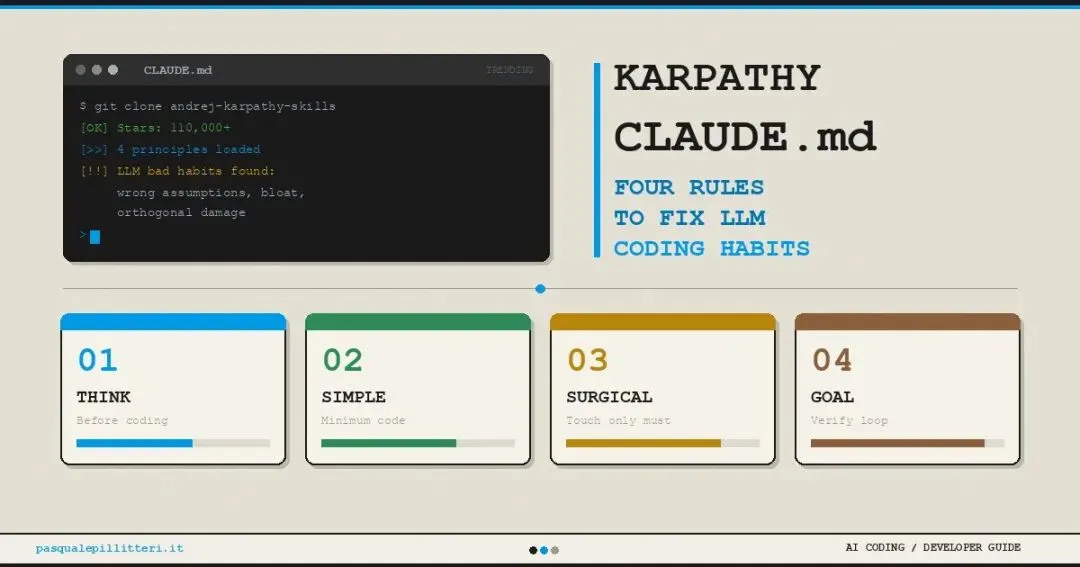
这恰好就是 Karpathy 那篇冲上 GitHub Trending #1 的 CLAUDE.md 要解决的核心问题。
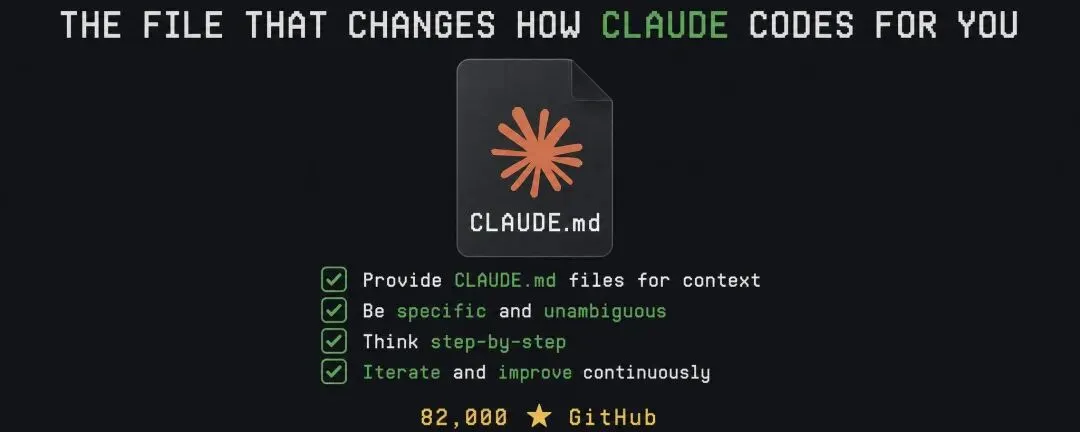
Andrej Karpathy——前特斯拉 AI 总监、OpenAI 创始成员——发现 Claude Code 有 4 种行为模式让代码质量直线下降:瞎猜意图、过度重构、碰不该碰的代码、不确定也硬上。他写了下来,放在一个叫 CLAUDE.md 的文件里。
一位开发者把这 4 条规则扩充成了 21 条,打包发布。结果:82,000 Star,7,800 Fork。
因为数据太硬了:编程准确率从 65% 飙升到 94%。
说白了,不是 Claude 不够聪明。是每次打开 Claude Code,它对你的项目一无所知。不知道你用什么技术栈、什么代码规范、什么架构决策、哪些坑踩过又放弃了。它只能猜。
CLAUDE.md 做的事极其简单:纯文本文件放项目根目录,Claude Code 每次启动自动读取。一次配置,零次重复解释。
下面拆解全部 21 条规则——三大类错误,三类修复。
第一类:重复解释——每周烧掉 $375
原文算了一笔精确的账:平均每人每天花 30 分钟向 Claude 重新解释上下文——技术栈、代码规范、项目背景、已经试过什么。按 $150/小时开发者成本算,每人每周 $375。五人团队一周 $1,875。
我在 Hermes 上做过类似的实验:没配 agent persona 和 memory 时,每次开 session 前 5 分钟都在重复角色设定。配好后直接开工。
这 7 条规则放在 CLAUDE.md 最前面:
Never open responses with filler phrases like "Great question!", "Of course!", "Certainly!", or similar warmups. Start every response with the actual answer. No preamble, no acknowledgment of the question.这条「禁止废话开场」我在所有 Hermes skill 里也强制写死了——Prompt 里多一行 No preamble 比什么都管用。你打开 Claude Code 是想干活,不是听它说「好问题!这确实是个值得探讨的复杂话题……」。
Match response length to task complexity. Simple questions get direct, short answers. Complex tasks get full, detailed responses. Never pad responses with restatements of the question or closing sentences that repeat what you just said.问题是「这个函数有什么 bug」就别给我上三段论。反过来,问题是「设计一个分布式消息系统」也别只回三行。
Before any significant task, show me 2-3 ways you could approach this work. Wait for me to choose before proceeding.我的 subagent PR review 翻车那次的根因。它没有「先展示方案」,直接按自己的理解动手了。
If you are uncertain about any fact, statistic, date, or piece of technical information: say so explicitly before including it. Never fill gaps in your knowledge with plausible-sounding information. When in doubt, say so.AI 最危险的行为模式:用「听起来合理」的内容填认知空白。
About me: [Name] / Role: [your role] / Background in: [areas]. Strong in: [what you know well]. Still learning: [gaps]. Adjust the depth of every response to match this. Never over-explain what I already know. Never skip context I need.你不写这个,它就会把你当刚学编程的新手——或者反过来,假设你懂它讲的所有东西。
What I'm working on: [project name] / Goal: [specific outcome] / Audience: [who uses this] / Stack context: [any relevant constraints] / What to avoid: [list]. Apply this context to every task. When something doesn't fit, flag it before proceeding.我在 Obsidian 选题库里专门维护了一个「项目上下文」模板,每次开 Hermes session 贴进去。同样的核心理念。
My writing style — always match this: [describe your voice] / Sentence length: [preference] / Words I use: [examples] / Words I never use: [examples] / Format: [prose or structured]. When writing anything on my behalf, match this exactly. Do not default to your own patterns.一个很多人不知道的捷径:不要从零写 CLAUDE.md。用这个 prompt 让 AI 帮你生成初稿,再编辑:
Based on what I've told you about myself, my project, and how I want to work: write me a complete CLAUDE.md file. Include: who I am, my tech context, my communication preferences, and default behaviors for every session. Be specific. Plain text. Under 500 words.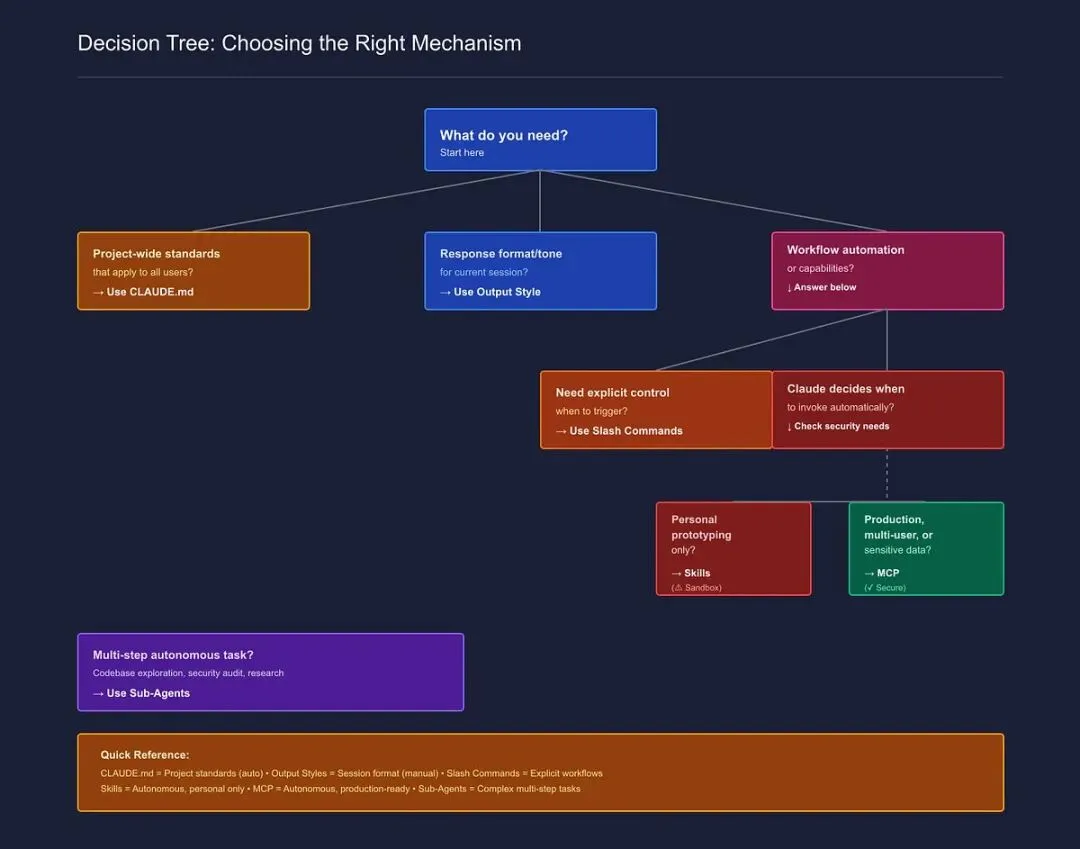
第二类:擅自动手——每周再烧 $225
你让 Claude 修一个函数。它重构了三个文件,重命名了变量,重组了 import,改了你费心写的注释。全没问你。
审查和回滚不需要的改动:1 小时,$150。一周三次:$450。五人团队一周 $2,250——全花在清理没被授权的改动上。
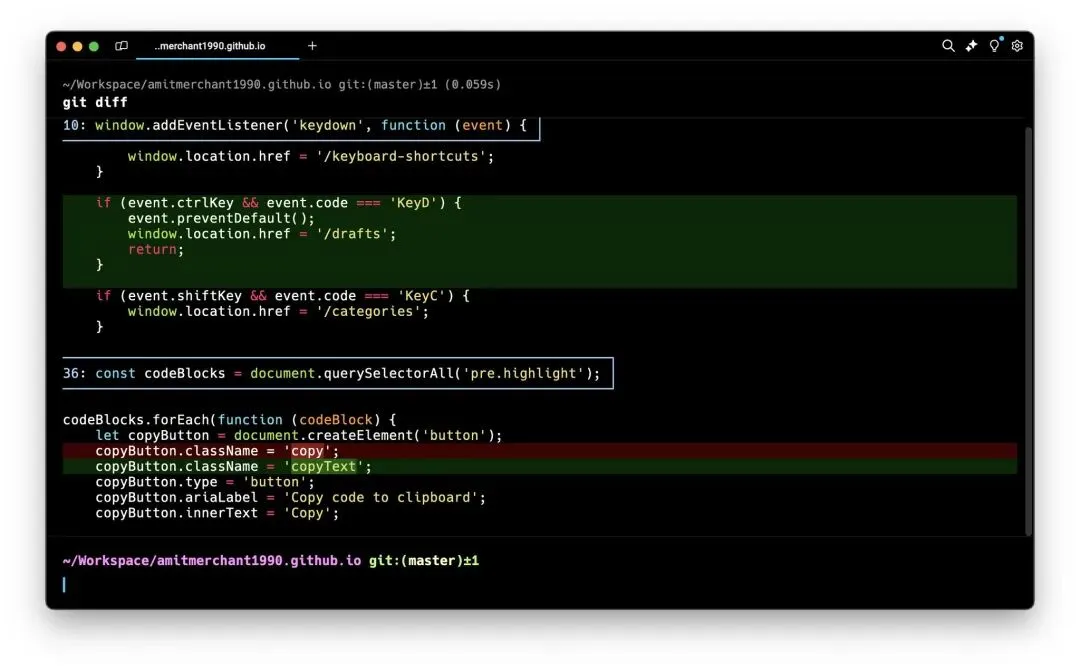
这 7 条行为规则是整份 CLAUDE.md 里最立竿见影的:
Only modify files, functions, and lines of code directly related to the current task. Do not refactor, rename, reorganize, reformat, or "improve" anything I did not explicitly ask you to change. If you notice something worth fixing elsewhere, mention it in a note at the end. Do not touch it. Ever.是,它注意到了可以改进的东西。写在末尾备注里就好。别动手。
Before making any change that significantly alters content I've already created (rewriting sections, removing paragraphs, restructuring flow, changing tone): stop. Describe exactly what you're about to change and why. Wait for my confirmation before proceeding.Before deleting any file, overwriting existing code, dropping database records, or removing dependencies: stop. List exactly what will be affected. Ask for explicit confirmation. Only proceed after I say yes in the current message. "You mentioned this earlier" is not confirmation.「你之前提到过」不算数。必须当前消息确认。
The following require explicit in-session confirmation, no exceptions: deploying or pushing to any environment, running migrations or schema changes, sending any external API call, executing any command with irreversible side effects. I must say yes in the current message.这条我深有共鸣。Hermes 有 approvals.mode 配置——smart 模式让辅助模型自动审批低风险命令,高危操作必须手动确认。CLAUDE.md 用纯文本达成了同样的效果。
After any coding task, end with: Files changed (list every file touched) / What was modified (one line per file) / Files intentionally not touched / Follow-up needed.Hermes 的 file-mutation verifier 干的正是这个——每轮结束自动注入文件变更摘要,让 agent 自己检查改动是否符合预期。
Never send, post, publish, share, or schedule anything on my behalf without my explicit confirmation in the current message. This includes emails, calendar invites, document shares, or any action outside this conversation. I must say yes in the current message.For any task involving architecture decisions, debugging complex issues, or non-trivial features: work through the problem step by step before writing any code. Show your reasoning. Identify where you're uncertain. Then implement.这是「think before code」——先走思路、标不确定性、再动手。跟 Anthropic 的 extended thinking 互补但不重叠:extended thinking 是深度推理,这条是约束行为边界。
第三类:遗忘和错误工具建议——每周再烧 $375
这是最隐蔽的成本。Claude 在两个 session 之间忘掉一切。
你选 Prisma 不选 Drizzle 的 tradeoff 分析、那个因为客户限制才存在的架构约束、踩三次坑才放弃的方案——全忘了。下个 session 它建议你用那个你已经排除的。
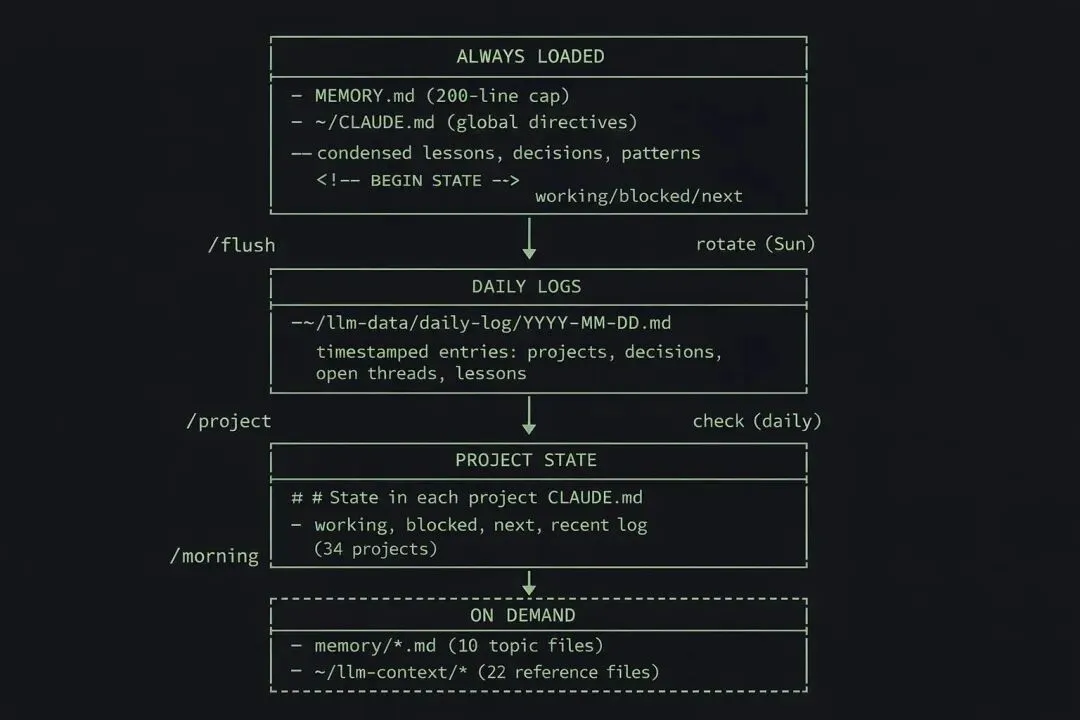
这 7 条规则给 Claude 一个接近真实记忆的系统:
Maintain a file called MEMORY.md in this project. After any significant decision, add an entry: What was decided / Why / What was rejected and why. Read MEMORY.md at the start of every session. Never contradict a logged decision without flagging it first.MEMORY.md 是决策日志——不是笔记,是带否决理由的决策记录。
When I say "session end", "wrapping up", or "let's stop here": write a session summary to MEMORY.md. Include: Worked on / Completed / In progress / Decisions made / Next session priorities.这个设计很聪明:不是每轮都写日志(那样噪音太大),只在「收工」时做结构化归档。
Maintain a file called ERRORS.md. When an approach takes more than 2 attempts to work, log it: What didn't work / What worked instead / Note for next time. Check ERRORS.md before suggesting approaches to similar tasks.ERRORS.md 是踩坑记录——超过两次尝试才成的事,记下来。下次建议方案前先查这个文件。
These facts are always true for this project. Apply them to every session without exception: [your permanent constraints, architectural decisions, and rules]. If any task conflicts with one of these, flag it before proceeding.永久事实和硬约束。比如「这个项目用的是 MySQL 5.7,不支持窗口函数」——写在这里,Claude 永远不会建议用 ROW_NUMBER()。
Tech stack for this project. Always use these. Never suggest alternatives unless I ask:
Language: [e.g. TypeScript]
Framework: [e.g. Next.js 14]
Package manager: [e.g. pnpm]
Database: [e.g. PostgreSQL with Prisma]
Testing: [e.g. Vitest]
Styling: [e.g. Tailwind CSS]
If something seems like the wrong tool, flag it. But use the defined stack unless I explicitly say otherwise.
锁定技术栈。你可以质疑工具选择,但别主动建议换。这是减少认知摩擦最简单的办法——我在每个 Hermes skill 里写死工具路径和依赖版本,道理一样。
For questions involving system architecture, performance tradeoffs, database design, or long-term technical decisions: use extended thinking mode. Work through the problem step by step. Surface tradeoffs I haven't considered. Flag assumptions that might not hold at scale. Then give your recommendation.最后——Karpathy 的四条铁律,整件事的起点:
1. Ask, don't assume. If something is unclear, ask before writing a single line. Never make silent assumptions about intent, architecture, or requirements.

2. Simplest solution first. Always implement the simplest thing that could work. Do not add abstractions or flexibility that weren't explicitly requested.

3. Don't touch unrelated code. If a file or function is not directly part of the current task, do not modify it, even if you think it could be improved.

4. Flag uncertainty explicitly. If you are not confident about an approach or technical detail, say so before proceeding. Confidence without certainty causes more damage than admitting a gap.
全算一遍
• 重复解释上下文:$375/周 • 回滚未经授权的改动:$225/周 • 从被遗忘的决策中恢复:$375/周
每个开发者每周浪费:$975
五人团队每周:$4,875。每年:$253,500。
而 CLAUDE.md 的全部成本:一个纯文本文件,21 条规则,两小时配置。
我在 Hermes 里维护了三层配置对应这套体系:agent persona(对应 DEFAULTS 的语言和角色规则)→ skills(对应 BEHAVIOR 的任务规范)→ memory(对应 MEMORY+STACK 的跨 session 记忆)。同样的核心思路,工具不同而已。
但如果你只用 Claude Code——从 Karpathy 的 4 条规则开始。就 4 条,粘贴到项目根目录的 CLAUDE.md 里,两分钟。剩下的每周加一条,缺什么补什么。
配置好的人,在跟一个记得所有决策、知道边界、动手前确认的 Claude 协作。
没配置的人,每周花 $975 重说已经说过的话。
— 辰北,AI 工程化实践者