ARTICLE · 1238027
Big Muzzy 句型拆解:全是小学英语课本中出现的句型,7 组生活场景,让孩子从听懂到开口
Big Muzzy 句型拆解:全是小学英语课本中出现的句型,7 组生活场景,让孩子从听懂到开口我这篇昨天就写好了,但是今天收了平台的通知,针对昨天那篇推荐Big Muzzy的文章,那句由用户投诉非常刺眼!当时非常生气再也不想发了。但是消化了一天之后,现在又觉得写都写了,别浪费,发出来吧,说不定对大家有所帮助呢。 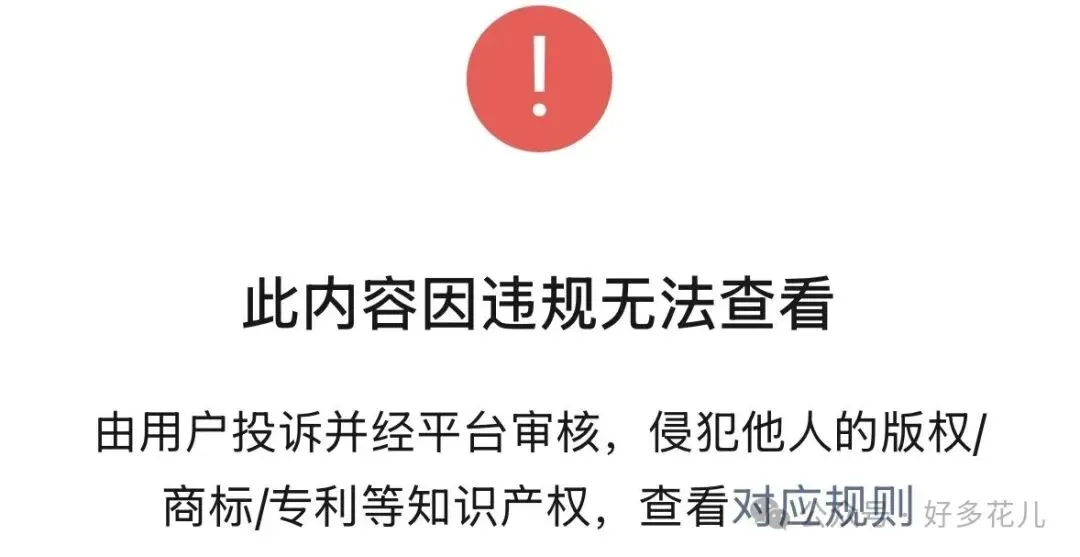
可内心也深受打击,以后英语学习的内容会更新缓慢,大家在学习中遇到问题可以私信我,或在其他文章下留言。 
今天这篇把 Big Muzzy 里最常出现的句型拆成 7 组,每组都配了生活场景。咱们家长也不用英语特别好,只要在日常里顺势用一两句,孩子就更容易从“听得懂”过渡到“说得出来”。(特别提醒:学英语前期主要是持续大量的听力输入,开口说英语不是必须的,尊重孩子的意愿,能说是锦上添花,不能也没关系) 这组句型最基础,也最容易每天用起来。 常见句型: 生活场景: 早上起床可以说 Good morning;平时可以孩子玩游戏,让孩子指着玩偶说 I’m Muzzy;互相介绍名字时问 What’s your name? 这组很适合配合家里实物练习,孩子边指边说,理解会更快。 常见句型: 生活场景: 吃饭、整理玩具时问 What’s this?;孩子指着东西时,引导他说 It’s a…;看表时说 What time is it? 这一组非常生活化,孩子学完很容易开口。 常见句型: 生活场景: 吃水果时问 Do you like apples?;递东西时说 Here you are;孩子想要什么时,引导他说 Can I have…? 这组句子能帮孩子表达“我感觉怎么样”“我会做什么”。 常见句型: 生活场景: 孩子累了可以说 I’m tired;渴了说 I’m thirsty;运动时问 Can you jump?;看到家人照片时说 She’s beautiful. 这组句型对空间感和数学认知都有帮助。 常见句型: 生活场景: 找玩具时问 Where is the car?;收拾东西时说 Put it on the table;比高矮、比大小都可以用 bigger/smaller。 这组句子特别适合亲子互动,孩子听完就能做。 常见句型: 生活场景: 出门前说 It’s time to go;收拾玩具时说 Clean up;玩游戏时喊 Come here / Stop / Go。 到后面几集,会出现更多综合表达,比如感谢、道歉、过去发生的事情、朋友关系等。 常见句型: 这组不急着让孩子全部输出,能听懂、能接几个关键词就很不错。 带孩子用时,可以分三层推进 先听懂 What’s this? / Where is it? / I’m hungry. 看动画时不翻译,靠画面理解 再接话 I like… / I’ve got… / Can I have…? 吃饭、玩玩具时顺势问 再输出 Where are you? / Can you…? / It’s under… 做动作、角色扮演、配音 给家长的一些小提醒 Big Muzzy 很好,但也不用一口气刷完。 一天可以看 1—2集,先看动画,再听音频,最后在生活里用一两句。孩子不需要每句话都听懂,只要他能跟着笑、跟着做、偶尔接一两个词,就已经在进步了。 启蒙最怕的是家长太着急。慢一点,反而更稳。
1. 问候与自我介绍
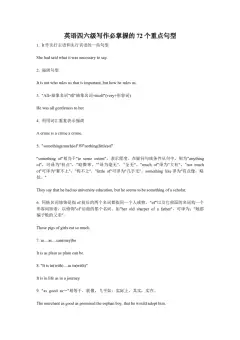
Hello! / Hi! Good morning / afternoon / evening / night. I’m Muzzy. / I’m Bob. / I’m the King. What’s your name? — I’m Big Muzzy. Who are you? — I’m the gardener. How do you do? Nice to meet you.
2. 询问物品与身份
What’s this? — It’s a peach. What’s that? — It’s a clock. Who is this? — It’s the Queen. Who is that? — It’s Corvax. What’s the matter? — I’ve got a headache. What time is it? — It’s twelve o’clock.
3. 表达喜好、拥有和请求
I like clocks. / I don’t like this. I like peaches. / I don’t like these. Yummy! / Lovely! / Horrible! I’ve got a map. / I’ve got a peach. Can I have a peach, please? — Here you are. I want…
4. 描述状态、情绪和能力
I’m hungry. / I’m thirsty. / I’m tired. I’m happy. / I’m sad. / I’m angry. I’m cold. / I’m wet. I’m strong. / She’s beautiful. / He’s brave. Can you walk? — Yes, I can. / No, I can’t. I can run. / I can swim.
5. 方位、数量和比较
Where is it? — It’s under the box. Where are you? — I’m in the tree. It’s on the table. / It’s behind the box. / It’s between the boxes. How many flowers are there? How many peaches? big / small / tall / short bigger / smaller / taller / shorter
6. 指令、行动和日常安排
Come here. / Go away. Look! / Listen! Open the door. / Close the door. Wake up. / Have a rest. Be careful! Let’s go. / Off we go. It’s time to go. On Monday, I play football.
7. 故事高潮里的综合句型
Thank you. / You’re welcome. I beg your pardon. What happened? He took the key. I was scared. Everything is OK now. We’re friends. / We’re free. The end.