ARTICLE · 1245160
初中英语必考语法学习手册 -词法篇—动词



初中英语必考语法学习手册









【第5章 动词(分类 · 情态动词 · 非谓语)】






一、核心定义动词是句子的心脏。按作用分成四类:实义动词(有实际动作或状态)、系动词(be、look、feel 等)、助动词(do、be、have、will 等,帮助构成时态和句型)、情态动词(can、must、should 等,表示语气态度)。
二、必考规则
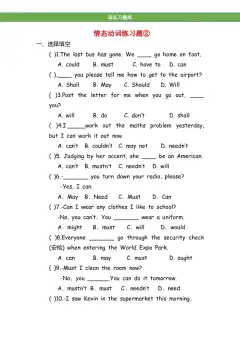
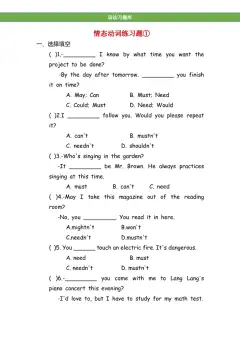
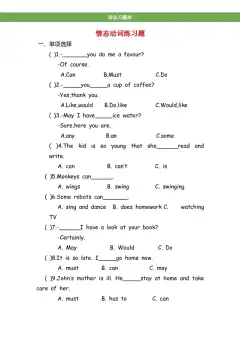
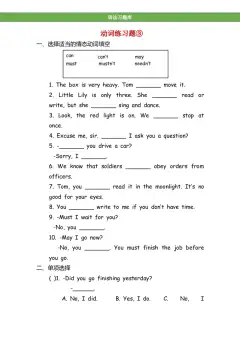
情态动词的共同特点(1)后面永远跟动词原形,不加 s,不加 ed,不加 ing(2)没有第三人称单数变化(3)否定直接加 not
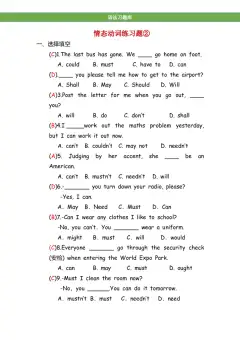
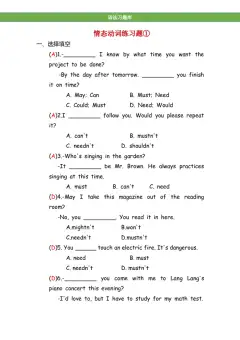
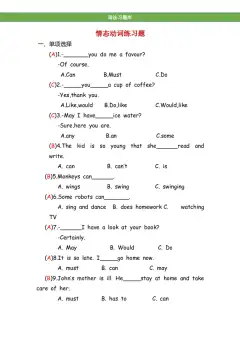
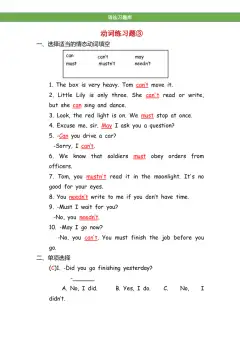
常考情态动词用法(1)can / could:表示能力(会、能)或许可 I can swim. / Could you help me?(更客气) will be able to 用于将来:He will be able to come tomorrow.(2)may / might:表示许可(可以)或可能性(也许) May I come in? / He may be at home.(3)must / have to must 表示主观上的“必须”,have to 表示客观上的“不得不” Must I finish it now? 的否定回答是 No, you needn’t. 或 No, you don’t have to. mustn’t 表示“禁止、不准”,和 needn’t(不必)意思完全不同(4)should:表示建议“应该”:You should drink more water.(5)need:作情态动词,You needn’t worry. 作实义动词,You need to worry. / You don’t need to worry.(6)had better (not) do sth:最好(别)做某事(7)used to do:过去常常做(现在不做了) be used to doing:习惯于做 be used to do:被用来做 He used to smoke, but now he doesn’t. I am used to getting up early. Wood is used to make paper.
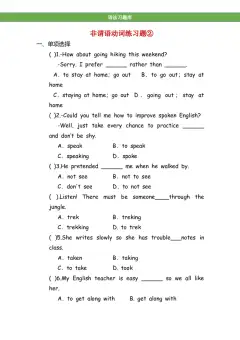
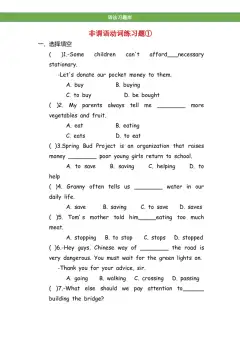
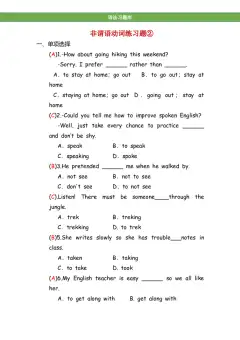
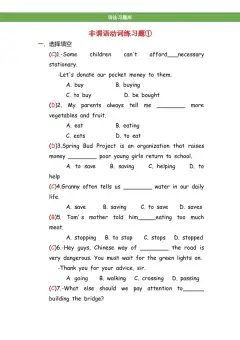
非谓语基础:to do 还是 doing(1)后面跟 to do 的常见动词 want,would like,decide,hope,plan,wish,agree,choose,learn,need,try,fail,ask,tell I want to be a teacher.(2)后面跟 doing 的常见动词和搭配 enjoy,finish,mind,practice,keep,suggest,be busy,be worth,look forward to,how about,spend time,be interested in,give up He enjoys reading. / I spend two hours doing my homework.(3)省略 to 的情况 make / let / have sb do sth:My mother made me clean my room. 感官动词 see / hear / watch / feel sb do sth(看见做过全过程)或 sb doing sth(看见正在做) I saw him cross the street. / I saw him crossing the street.(4)意思会变的四个词 stop to do(停下来去做另一件事)/ stop doing(停止正在做的事) forget to do(忘了做)/ forget doing(忘了做过) remember to do(记得去做)/ remember doing(记得做过) go on to do(接着做别的事)/ go on doing(继续做同一件事)(5)只能跟 doing 不能跟 to do 的:enjoy,finish,mind,practice,keep
主谓一致基础(1)第三人称单数作主语,动词加 s(2)表示时间、距离、金钱的短语作主语看作单数:Ten years is a long time.(3)there be 句型就近原则:There is a pen and two books on the desk.
三、典型例句You mustn’t play with fire.(禁止)You needn’t come so early.(不必)He is used to living in the countryside.Please remember to close the door when you leave.My father often lets me help him wash the car.
四、背诵口诀情态动词照妖镜,后面原形不能变。must 主观必须,have to 客观无奈。mustn’t 是禁止,needn’t 是别客气。to do 表将来、未做、有目的;doing 表享受、习惯、已做完。stop、forget、remember、go on,to do 是没做,doing 是做过。
五、易错坑提醒
must 提问,否定回答用 needn’t,不用 mustn’t
情态动词后面永远原形,不能加 s 或 ed
used to do 和 be used to doing 结构不同,别混淆
enjoy、finish、mind 后面只能跟 doing,不能跟 to do
make sb do 后面不带 to,但变成被动语态要加回 to:He was made to work.
need 作情态动词时不需要助动词:You needn’t go.(不是 You don’t need go.)
六、自测5题
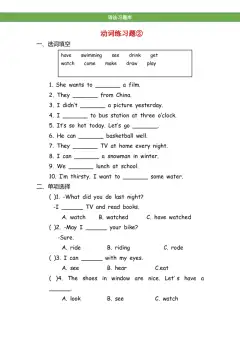
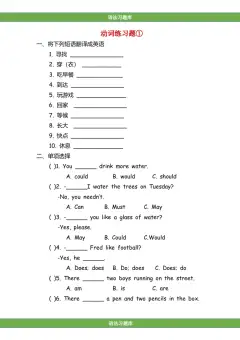
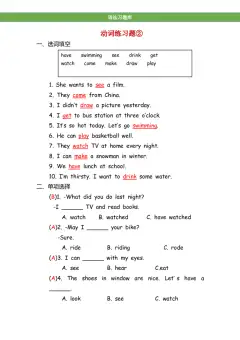
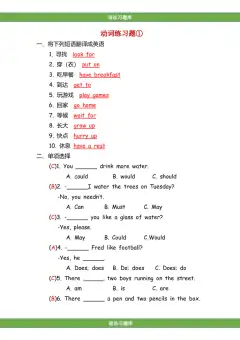
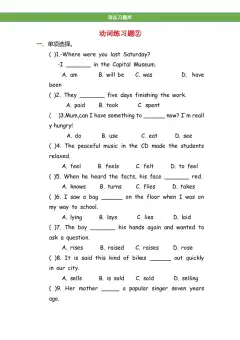
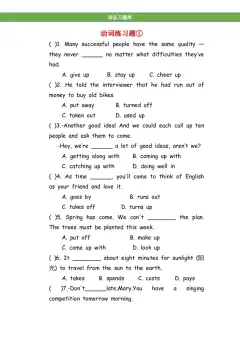
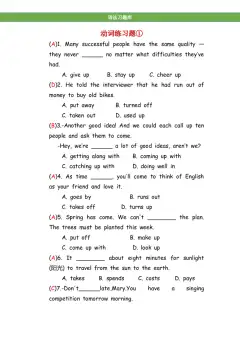
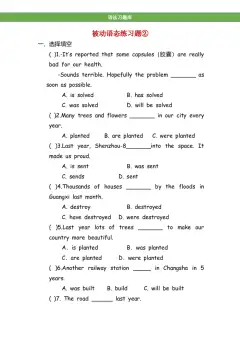
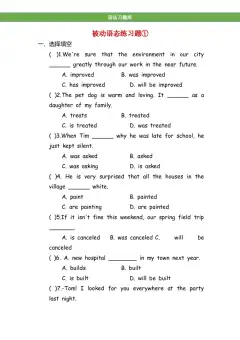
—Must I finish the work now? —No, you ________.(needn’t / mustn’t)
My grandfather ________ (use) to take a walk after dinner.
My mother made me ________ (clean) my room yesterday.
I enjoy ________ (listen) to English songs.
Don’t forget ________ (close) the window when you leave.
答案
needn’t(must 提问,否定回答不必)
used(used to do 过去常常)
clean(make sb do,省略 to)
listening(enjoy doing)
to close(forget to do,还没做的事)
需要电子版请关注公众号,私聊获取。