ARTICLE · 1362736
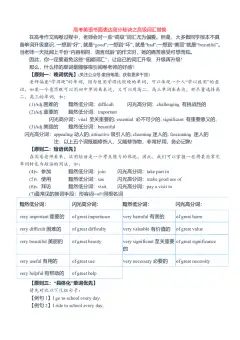
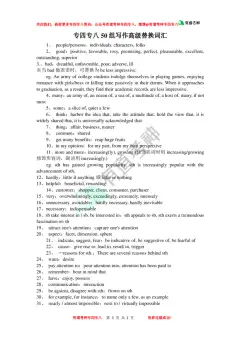
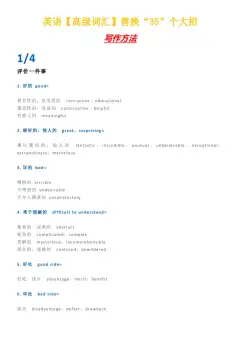
高考英语作文常用高级替换词汇 150 组
文章主体内容转载自公众号“阅见好时光”,特向其表示感谢,本人对部分内容和格式做了调整。
高考英语作文常用高级替换词汇 150 组
150 组 · 432 条替换表达 · 逐条用法提示 · 可按需检索的表格式速查本
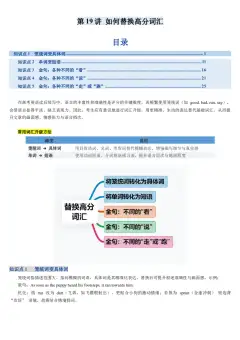
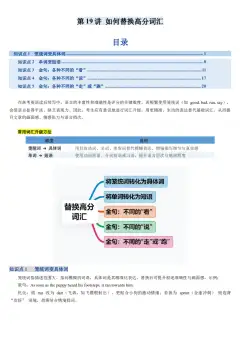
把常见词汇换成更有表现力的表达,让作文立刻出彩。下表按“中文义项—原词—高级替换—用法—例句”的顺序排布,既可整章通读,也可按序号直接查用。
怎么用 | 先看“中文义项”,确定自己要表达的意思;再看“词性·用法”,确认搭配与语体;最后抄例句,把整句搬进作文,而不是只换单词。 |
注意层级 | “基础表达”是原文说法,“高级替换”按语体与程度排列。并非越长越高级:口语化表达(如 pretty、sort of)写进书面作文要谨慎。 |
注意辨析 | 同一组内并非完全同义。凡用法列注明“表关联/表关于”“多接……”“含贬义”的,替换时须对准语境。 |
第一部分 组 01—10
必要 · 不好 · 惊讶 · 不得不 · 不同 · 帮助 · 被发现 · 表达 · 参加 · 聪明
序号 | 中文义 | 表达 | 词性 · 用法 | 例句与译文 |
01 | 必要的 | necessary | adj. 基础表达 | It is necessary for us to develop a healthy lifestyle to keep pace with the fast-paced society. 对我们来说,养成健康的生活方式以跟上快节奏的社会是必要的。 |
01 | essential | adj. 书面;重“不可或缺” | Reading extensively plays an essential role in enlarging our vocabulary and broadening our horizons. 广泛阅读在扩大词汇量和开阔视野方面起着至关重要的作用。 | |
01 | a necessity | n. 可数;多作表语 | In my opinion, a positive attitude is a necessity for overcoming difficulties in our study. 在我看来,积极的态度是我们克服学习困难的必需品。 | |
01 | a must | n. 口语;指“必做、必去之事” | If you plan to visit Beijing, the Great Wall is a must. 如果你计划去北京旅游,长城是必去之地。 | |
02 | 不好的 | bad | adj. 基础表达 | Staying up late has a bad effect on our health and learning efficiency. 熬夜对我们的健康和学习效率有不良影响。 |
02 | terrible | adj. 程度更强;口语通用 | The traffic in big cities can be terrible during rush hours. 大城市高峰时段的交通可能非常糟糕。 | |
02 | awful | adj. 程度更强;多表主观感受 | It is awful to see so much food wasted on campus every day. 每天看到校园里浪费这么多食物,让人很难受。 | |
03 | 令人惊讶的 | surprising | adj. 基础表达 | It is surprising that so many teenagers are addicted to short videos. 如此多青少年沉迷于短视频,令人惊讶。 |
03 | astonishing | adj. 程度更强;可褒可贬 | The progress China has made in the past decades is truly astonishing. 中国在过去几十年取得的进步确实令人惊叹。 | |
03 | amazing | adj. 褒义;口语常用 | The scenery along the Li River is so amazing that it attracts visitors from all over the world. 漓江沿岸的风景如此迷人,吸引了世界各地的游客。 | |
03 | miraculous | adj. 书面;强调“奇迹般” | The doctor's timely treatment saved the patient's life, which was truly miraculous. 医生及时的治疗挽救了病人的生命,这真是奇迹般的救治。 | |
04 | 不得不做 | have to do | v. 基础表达 | We have to face various challenges in the process of growing up. 我们在成长过程中不得不面对各种挑战。 |
04 | have no choice but to do | 书面;后接动词原形 | Faced with the deadline, we had no choice but to work overtime. 面对截止期限,我们不得不加班。 | |
04 | cannot but do | 书面;语气较正式 | We cannot but admire her courage. 我们不得不佩服她的勇气。 | |
04 | be forced to do | 被动;强调“被迫” | Many small shops were forced to close during the crisis. 危机期间许多小店被迫关门。 | |
05 | 不同的 | different | adj. 基础表达 | People from different cultural backgrounds may have different opinions on the same issue. 来自不同文化背景的人对同一问题可能有不同看法。 |
05 | various | adj. 只作定语;后接可数复数 | Various activities are held in our school to enrich students' campus life. 我们学校举办各种活动来丰富学生的校园生活。 | |
05 | varied | adj. 强调“多样而各不相同” | The course offers a varied range of topics. 这门课程提供多样的话题。 | |
05 | distinct | adj. 强调“截然不同” | The two dialects are quite distinct from each other. 这两种方言彼此差别很大。 | |
06 | 帮助某人 | help sb. | v. 基础表达 | We should help those who are in trouble. 我们应该帮助那些处于困境中的人。 |
06 | do sb. a favor | 口语;多用于请求 | Could you do me a favor and pass me the dictionary? 你能帮我个忙,把字典递给我吗? | |
06 | lend / give sb. a hand | 口语;非正式 | When I was preparing for the exam, my classmates lent me a hand. 我在准备考试时,同学们帮了我一把。 | |
07 | 被发现 | be discovered | 被动语态;基础表达 | Many ancient cultural relics have been discovered in recent years. 近年来发现了许多古代文物。 |
07 | come to light | 多指真相、事实被知晓 | The truth about the accident finally came to light. 关于这起事故的真相终于大白于天下。 | |
08 | 表达 | express | v. 基础表达 | We should learn to express our gratitude to those who have helped us. 我们应该学会向帮助过我们的人表达感激之情。 |
08 | convey | v. 书面;多接情感、信息 | Words cannot convey how grateful I am for your support. 言语无法表达我对你支持的感激之情。 | |
09 | 参加 | take part in | 短语;基础表达 | I took part in a volunteer activity last summer. 去年夏天我参加了一次志愿活动。 |
09 | participate in | v. 正式;后接名词或动名词 | Students are encouraged to participate in various after-school activities. 鼓励学生参加各种课外活动。 | |
09 | get involved in | 强调“投身其中” | More and more young people are getting involved in environmental protection. 越来越多年轻人参与到环境保护中。 | |
10 | 聪明的 | clever | adj. 基础表达 | He is so clever that he can solve the problem in a few minutes. 他非常聪明,几分钟就能解决这个问题。 |
10 | intelligent | adj. 强调智力 | Dogs are intelligent animals that can understand human emotions. 狗是聪明的动物,能理解人类的情绪。 | |
10 | wise | adj. 强调明智、有智慧 | It is wise of you to make a plan before starting the project. 你在开始项目前制定计划,真是明智。 | |
10 | smart | adj. 口语;也指“机敏” | She is smart enough to make the right decision under pressure. 她足够聪明,能在压力下做出正确决定。 | |
10 | brilliant | adj. 程度更强;指才华出众 | He is a brilliant student who has won many prizes in competitions. 他是个才华出众的学生,在比赛中多次获奖。 |
第二部分 组 11—20
除……之外 · 成功 · 充足 · 大多数 · 大 · 导致 · 道歉 · 但是 · 得到 · 厌烦
序号 | 中文义 | 表达 | 词性 · 用法 | 例句与译文 |
11 | 除……之外 | besides | 介词、副词;表“加法” | Besides English, she also speaks French and German. 除了英语,她还会说法语和德语。 |
11 | in addition to | 介词;后接名词或 doing,表“加法” | In addition to reading, he also enjoys writing. 除了阅读,他还喜欢写作。 | |
11 | additionally | adv. 句首;书面,表“加法” | Additionally, regular exercise can help us relieve stress. 此外,规律锻炼能帮助我们缓解压力。 | |
11 | apart / aside from | 兼表“加法”与“排除”,看语境 | Apart from studying, we should also take part in social activities. 除了学习,我们还应该参加社会活动。 | |
11 | other than | 多用于否定句,表“排除” | There is no way to solve the problem other than working together. 除了合作,没有别的办法解决这个问题。 | |
12 | 成功 | be (very) successful | adj. 基础表达 | She was very successful in her career as a lawyer. 她作为律师的职业生涯非常成功。 |
12 | a (great) success | n. 作表语;需调整句式 | The charity concert turned out to be a great success. 这场慈善音乐会取得了巨大成功。 | |
12 | make it | 口语;指“获得成功、及时赶到” | If you keep working hard, you will make it one day. 如果你坚持努力,总有一天你会成功。 | |
13 | 充足的 | enough | adj. 基础表达 | We have enough time to prepare for the coming exam. 我们有足够的时间为即将到来的考试做准备。 |
13 | adequate | adj. 书面;强调“够用” | It is important to get adequate sleep before an exam. 考试前获得充足的睡眠很重要。 | |
13 | sufficient | adj. 更正式;多修饰证据、理由 | We have sufficient evidence to prove that he is right. 我们有足够的证据证明他是对的。 | |
13 | abundant | adj. 指“大量、丰富”,非“刚好够用” | China is abundant in natural resources. 中国自然资源丰富。 | |
14 | 大多数(学生) | most (of the) students | 后接名词时 of the 不可省略 | Most of the students in our class are fond of reading. 我们班大多数学生喜欢阅读。 |
14 | the majority of | 正式;后可接可数或不可数名词 | The majority of young people prefer online shopping. 大多数年轻人更喜欢网购。 | |
15 | 大的 | big | adj. 基础表达 | There is a big garden behind our school. 我们学校后面有一个大花园。 |
15 | large | adj. 基础表达;多修饰数量 | A large number of people take part in the marathon every year. 每年有大量人参加马拉松。 | |
15 | huge | adj. 基础表达;多修饰数量、金额 | The project requires a huge amount of money. 这个项目需要巨额资金。 | |
15 | vast | adj. 多修饰面积、范围 | The vast desert stretches as far as the eye can see. 广阔的沙漠一望无际。 | |
15 | enormous | adj. 指数量、影响巨大 | The Internet has an enormous influence on our daily life. 互联网对我们的日常生活有巨大影响。 | |
15 | immense | adj. 书面;多修饰贡献、价值 | The scientist made an immense contribution to the development of medicine. 这位科学家对医学发展做出了巨大贡献。 | |
15 | tremendous | adj. 多修饰进步、努力、变化 | He made tremendous progress in English this term. 这学期他在英语上取得了巨大进步。 | |
16 | 导致 | cause | v. 基础表达;多接负面结果 | Human activities have caused serious damage to the environment. 人类活动对环境造成了严重破坏。 |
16 | lead to | 短语;基础表达 | Eating too much junk food can lead to health problems. 吃太多垃圾食品会导致健康问题。 | |
16 | result in | 后接结果;主语多为事件 | The heavy rain resulted in a serious flood. 大雨导致了严重的洪水。 | |
16 | bring about | 多接变化、改革 | The new policy has brought about great changes in our city. 新政策给我们城市带来了巨大变化。 | |
16 | contribute to | 中性;后可接好结果,也可接坏结果 | Regular exercise contributes to good health. 规律锻炼有助于身体健康。 | |
17 | 道歉 | say sorry to sb. for sth. | 口语;基础表达 | I said sorry to my friend for being late. 我因迟到向朋友道歉。 |
17 | apologize to sb. for sth. | v. 正式;后接人再用 for 接事 | I sincerely apologize to you for my rudeness. 我真诚地为我的无礼向你道歉。 | |
17 | make an apology to sb. for sth. | n. 结构;较正式 | She made an apology to her teacher for not finishing her homework. 她因未完成作业向老师道歉。 | |
18 | 但是 | but | 连词;基础表达 | He is young, but he is very experienced. 他很年轻,但非常有经验。 |
18 | yet | 连词;书面,语气比 but 强 | The task is difficult, yet we will try our best. 任务很困难,然而我们会尽力。 | |
18 | however | adv. 需用分号或句号与主句隔开 | It was raining heavily; however, they continued working. 雨下得很大;然而,他们继续工作。 | |
18 | nevertheless | adv. 正式;表让步 | The journey was tiring; nevertheless, we enjoyed it. 旅途很累;尽管如此,我们很享受。 | |
18 | whereas | 连词;表对比,须连接两个分句 | Some people prefer online learning, whereas others prefer traditional classes. 有些人喜欢在线学习,而另一些人喜欢传统课堂。 | |
19 | 得到,获得 | get | v. 基础表达;口语 | I got a lot of useful experience from the volunteer work. 我从志愿工作中获得了很多有用经验。 |
19 | acquire | v. 多接知识、技能、习惯 | Children acquire language skills naturally through daily communication. 孩子通过日常交流自然习得语言技能。 | |
19 | gain | v. 多接经验、友谊、重量 | We gained valuable friendship during the summer camp. 我们在夏令营中获得了宝贵友谊。 | |
19 | obtain | v. 正式;多接许可、学位、信息 | He obtained a scholarship through years of hard work. 他通过多年努力获得了奖学金。 | |
19 | attain | v. 多接目标、标准 | She finally attained her goal of entering a top university. 她终于达到了进入顶尖大学的目标。 | |
20 | 对……厌烦 | be tired of | 后接名词或 doing | I am tired of doing the same thing every day. 我厌倦了每天做同样的事。 |
20 | be bored with | 同义;程度略轻 | Students may be bored with endless homework. 学生可能对无尽的作业感到厌烦。 | |
20 | be fed up with | 口语;程度更强 | I am fed up with the noise from the construction site. 我受够了建筑工地的噪音。 |
第三部分 组 21—30
有影响 · 有好处 · 有害 · 生气 · 感兴趣 · 发生 · 反对 · 非常 · 否则 · 告知
序号 | 中文义 | 表达 | 词性 · 用法 | 例句与译文 |
21 | 对……有影响 | have an effect on | 名词结构;基础表达 | Parents have a great effect on their children's character. 父母对孩子的性格有很大影响。 |
21 | have an impact on | 程度更强;多指重大影响 | Social media has a profound impact on teenagers' lives. 社交媒体对青少年的生活有深远影响。 | |
21 | make a difference to | 指“带来改变、起作用” | A small act of kindness can make a difference to others. 一个小小的善举可以给他人带来改变。 | |
22 | 对……有好处 | be good for | adj. 结构;基础表达 | Reading is good for our mental development. 阅读对我们的心智发展有好处。 |
22 | do good to | 后接名词;较正式 | Regular exercise does good to both our body and mind. 规律锻炼对我们的身心都有好处。 | |
22 | do sb. good | 宾语置于中间,如 do us good | Helping others does us good as well. 帮助他人对我们自己也有好处。 | |
23 | 对……有害处 | be bad for | adj. 结构;基础表达 | Staying up late is bad for our health. 熬夜对我们的健康有害。 |
23 | do harm to | 后接名词;可加 great 加强语气 | Smoking does great harm to our lungs. 吸烟对我们的肺有很大伤害。 | |
23 | be harmful to | adj. 作表语 | Too much screen time is harmful to our eyes. 看屏幕时间过长对眼睛有害。 | |
23 | cause / do damage to | 多接环境、财物 | Pollution has caused great damage to the environment. 污染对环境造成了巨大破坏。 | |
24 | 对……生气 | be angry with sb. | 介词短语;基础表达 | She was angry with me for breaking her cup. 她因我打碎了她的杯子而生我的气。 |
24 | be annoyed with sb. | 程度较轻;表“恼火” | He was annoyed with his roommate for making noise. 他因室友吵闹而恼火。 | |
24 | be cross with sb. | 英式;多指长辈对孩子 | My mother was cross with me for coming home late. 妈妈因我回家晚而生我的气。 | |
25 | 对……感兴趣 | be interested in | 后接名词或 doing | I am interested in traditional Chinese culture. 我对中国传统文化感兴趣。 |
25 | be keen on / be keen to do | on 后接名词或 doing;to do 表“渴望” | She is keen on playing the piano. 她热衷于弹钢琴。 | |
25 | be crazy / enthusiastic about | 程度更强;crazy 偏口语 | Many teenagers are crazy about pop music. 许多青少年痴迷于流行音乐。 | |
26 | 发生 | happen | v. 基础表达;多指偶然发生 | What happened to you yesterday? 你昨天怎么了? |
26 | occur | v. 正式;过去式为 occurred | The accident occurred at midnight. 事故发生在午夜。 | |
26 | take place | 多指按计划发生的事件;无被动 | The sports meeting will take place next Friday. 运动会将于下周五举行。 | |
27 | 反对 | be against | 介词短语;基础表达 | I am against the idea of cutting down trees. 我反对砍树的想法。 |
27 | disagree with | 后接人、观点 | I disagree with your opinion on this issue. 在这个问题上我不同意你的观点。 | |
27 | disapprove of | 侧重“不赞成” | Her parents disapprove of her decision to study abroad. 她父母不赞成她出国留学的决定。 | |
27 | object to | to 为介词;后接名词或 doing | Many residents object to building a factory near their homes. 许多居民反对在住宅附近建工厂。 | |
27 | be opposed to | 正式;to 为介词 | We are strongly opposed to any form of violence. 我们强烈反对任何形式的暴力。 | |
28 | 非常 | very | adv. 基础表达 | The film is very moving. 这部电影非常感人。 |
28 | extremely | adv. 修饰形容词、副词 | The weather is extremely cold today. 今天天气极其寒冷。 | |
28 | highly | adv. 多修饰评价类形容词 | This method is highly effective. 这种方法非常有效。 | |
28 | most | adv. 书面;a most + adj. 意为“非常” | This is a most interesting book. 这是一本非常有趣的书。 | |
28 | more than | 后接形容词,表“极其” | He is more than happy to help us. 他非常乐意帮助我们。 | |
28 | badly | adv. 多与 need、want 搭配 | I badly need your help. 我非常需要你的帮助。 | |
28 | terribly | adv. 多修饰 sorry、afraid 等 | I am terribly sorry for being late. 我非常抱歉迟到了。 | |
28 | quite | adv. 程度弱于 very | The task is quite difficult for beginners. 这个任务对初学者来说相当困难。 | |
28 | pretty | adv. 口语;程度弱于 very | The scenery here is pretty impressive. 这里的风景相当令人赞叹。 | |
29 | 否则的话 | or | 连词;基础表达,须与前一分句连用 | Hurry up, or you will miss the train. 快点,否则你会错过火车。 |
29 | otherwise | adv. 需用逗号或分号与主句隔开 | Take the medicine, otherwise you will feel worse. 把药吃了,否则你会更难受。 | |
29 | or else | 口语;语气较强 | Be careful, or else you may fall. 小心,否则你可能会摔倒。 | |
30 | 告知某人某事 | tell sb. sth. | v. 基础表达 | Please tell me the truth. 请告诉我真相。 |
30 | inform sb. of / that… | 正式;of 后接名词,that 后接从句 | Please inform me of any changes in the schedule. 请通知我日程的任何变动。 |
第四部分 组 31—40
高兴 · 感谢 · 舒服 · 给 · 各种各样 · 购买 · 故意 · 鼓励 · 害怕 · 花时间
序号 | 中文义 | 表达 | 词性 · 用法 | 例句与译文 |
31 | 高兴的 | happy | adj. 基础表达 | I am happy to hear the good news. 听到这个好消息我很高兴。 |
31 | delighted | adj. 程度更强;多作表语 | We are delighted to welcome you to our school. 我们很高兴欢迎你来我们学校。 | |
31 | cheerful | adj. 多指性格“开朗” | She is always cheerful even in difficult times. 即使在困难时期,她也总是开朗乐观。 | |
31 | glad | adj. 只作表语;较口语 | I am glad to hear that you have recovered. 很高兴听说你康复了。 | |
31 | pleased | adj. 表“满意、高兴” | We are pleased with the results of the survey. 我们对调查结果感到满意。 | |
32 | 感谢 | thank | v. 基础表达;thank sb. for sth. | I want to thank you for your timely help. 我想感谢你及时的帮助。 |
32 | appreciate | v. 后接事物,不接人 | I really appreciate your support during my difficult times. 我真的很感激你在我困难时期的支持。 | |
32 | grateful | adj. be grateful to sb. for sth. | I am grateful to my teacher for her patience. 我感激老师对我的耐心。 | |
32 | gratitude | n. 不可数;express one's gratitude | Words cannot express my gratitude for your kindness. 言语无法表达我对你善意的感激。 | |
33 | 感到舒服 | feel comfortable | adj. 基础表达 | I feel comfortable when I am with my close friends. 和好朋友在一起时我感到舒服。 |
33 | feel at ease | 强调“自在、不拘束” | His warm smile made me feel at ease. 他温暖的笑容让我感到自在。 | |
34 | 给 | give | v. 基础表达 | She gave me a book as a birthday gift. 她给我一本书作为生日礼物。 |
34 | offer | v. 指主动提供 | He offered to help me with my homework. 他主动提出帮我做作业。 | |
34 | provide | v. provide sb. with sth. / sth. for sb. | The school provides students with free lunch. 学校为学生提供免费午餐。 | |
35 | 各种各样的 | all kinds / sorts of | 短语;基础表达 | There are all kinds of activities in our school. 我们学校有各种各样的活动。 |
35 | a (wide) variety of | 后接可数复数或不可数名词 | The library offers a wide variety of books. 图书馆提供各种各样的书籍。 | |
35 | varieties of | 复数形式;表“多种” | Varieties of flowers bloom in spring. 春天各种花开放。 | |
35 | a wide range of | 强调“范围广” | The course covers a wide range of topics. 这门课程涵盖广泛的主题。 | |
36 | 购买 | buy | v. 基础表达 | I want to buy a new dictionary. 我想买一本新字典。 |
36 | purchase | v. 正式;多用于商业语境 | He purchased a house near the school. 他在学校附近购买了一套房子。 | |
37 | 故意地 | on purpose | 短语;基础表达 | He broke the window on purpose. 他故意打碎了窗户。 |
37 | by design | 与 by accident 相对 | The mistake was made by design, not by accident. 这个错误是故意犯的,不是偶然。 | |
37 | deliberately | adv. 书面;修饰动词 | She deliberately ignored my question. 她故意忽略了我的问题。 | |
38 | 鼓励 | encourage | v. 基础表达;encourage sb. to do | My teacher encouraged me to take part in the speech contest. 老师鼓励我参加演讲比赛。 |
38 | inspire | v. 强调“激励、启发” | His story inspired me to work harder. 他的故事激励我更加努力。 | |
38 | motivate | v. 强调“给予动力” | Good grades motivated him to study even harder. 好成绩激励他更加努力学习。 | |
39 | 害怕的 | afraid | adj. 只作表语,不作定语 | I am afraid of making mistakes in public. 我害怕在公共场合犯错。 |
39 | scared | adj. 口语;be scared of | The little girl was scared of the dark. 小女孩害怕黑暗。 | |
39 | frightened | adj. 多作表语;be frightened by | He was frightened by the loud noise. 他被巨大的响声吓到了。 | |
39 | terrified | adj. 程度最强 | She was terrified when she saw the snake. 她看到蛇时吓坏了。 | |
40 | 花时间做…… | spend time (in) doing sth. / on sth. | in 常省略;更常说 spend time doing | I spend two hours reading every day. 我每天花两小时阅读。 |
40 | devote time to sth. / doing sth. | to 为介词;后接名词或 doing | She devotes most of her free time to volunteering. 她把大部分空闲时间投入到志愿服务中。 | |
40 | take the time to do sth. | 强调“肯花时间去做” | He took the time to explain the rule to us. 他花时间给我们解释了这条规则。 |
第五部分 组 41—50
好的 · 很重要 · 合作 · 有关 · 忽视 · 坚持 · 几天前 · 即将到来 · 仅仅 · 解决
序号 | 中文义 | 表达 | 词性 · 用法 | 例句与译文 |
41 | 好的 | good | adj. 基础表达 | He is a good student who always helps others. 他是个总是帮助别人的好学生。 |
41 | remarkable | adj. 指“显著、出众” | She has made remarkable progress in English. 她在英语上取得了显著进步。 | |
41 | outstanding | adj. 指“杰出” | He is an outstanding athlete in our school. 他是我们学校杰出的运动员。 | |
41 | splendid | adj. 书面;多修饰时光、景色 | We had a splendid time at the party. 我们在聚会上玩得非常开心。 | |
42 | 很重要 | very important | adj. 基础表达 | It is very important to keep a balanced diet. 保持均衡饮食非常重要。 |
42 | crucial / vital | adj. 语气更强;be crucial to | Teamwork is crucial to the success of the project. 团队合作对项目的成功至关重要。 | |
42 | of great / vital importance | be of + n. 结构 | Education is of great importance to a country's development. 教育对一个国家的发展至关重要。 | |
42 | significant | adj. 指“意义重大” | This discovery is significant to the field of medicine. 这一发现对医学领域意义重大。 | |
42 | of great significance | 同上,更书面 | The meeting is of great significance to both sides. 这次会议对双方都具有重大意义。 | |
42 | count | v. 主语常为 what 从句 | What counts is not the result but the effort. 重要的不是结果,而是努力。 | |
42 | matter | v. 多用于否定句、疑问句 | It doesn't matter whether you win or lose. 你赢还是输都不重要。 | |
43 | 合作 | work together | 短语;基础表达 | We should work together to solve the problem. 我们应该合作解决这个问题。 |
43 | cooperate | v. 正式;cooperate with sb. | The two schools cooperated to hold the sports meeting. 两所学校合作举办了运动会。 | |
43 | work side by side | 形象表达;书面 | People from all walks of life worked side by side to fight the flood. 各行各业的人们并肩作战抗击洪水。 | |
43 | make joint efforts | 名词结构;make joint efforts to do | We should make joint efforts to protect the environment. 我们应该共同努力保护环境。 | |
44 | 与…有关;关于 | be connected with | 表“与……相关联”;about / on 亦可表“关于” | His success is closely connected with his hard work. 他的成功与他的努力密切相关。 |
44 | be related to | 表“与……有关” | The disease is related to unhealthy eating habits. 这种疾病与不健康的饮食习惯有关。 | |
44 | be relevant to | 表“与……相关、切题” | Your answer is not relevant to the question. 你的回答与问题无关。 | |
44 | concerning | prep. 表“关于” | I have a question concerning the schedule. 我有一个关于日程的问题。 | |
44 | regarding | prep. 表“关于”,更正式 | Regarding your application, we will inform you soon. 关于你的申请,我们会尽快通知你。 | |
45 | 忽视 | ignore | v. 基础表达 | We should not ignore the importance of teamwork. 我们不应忽视团队合作的重要性。 |
45 | neglect | v. 也指“疏忽(职责、学业)” | He neglected his studies and failed the exam. 他忽视了学习,考试不及格。 | |
45 | pay no attention to | 短语;后接名词 | She paid no attention to the warning signs. 她没有注意警告标志。 | |
46 | 坚持做某事 | keep doing sth. | 指“一直、反复做” | He kept practicing until he mastered the skill. 他坚持练习,直到掌握了这项技能。 |
46 | insist on doing sth. | 指“坚持主张” | She insisted on paying for the meal. 她坚持要付这顿饭钱。 | |
46 | stick to | to 为介词;后接名词或 doing | We should stick to our dreams no matter what happens. 无论发生什么,我们都应该坚持梦想。 | |
46 | carry on (with) | 指“继续进行” | They carried on with the experiment despite the difficulties. 尽管困难重重,他们仍继续实验。 | |
47 | 几天前 | a few days ago | 时间状语;基础表达 | I met him a few days ago. 几天前我遇到了他。 |
47 | the other day | 只用于过去时 | The other day, I came across an old friend in the street. 前几天,我在街上偶遇一位老朋友。 | |
48 | 即将到来 | be coming | 进行时表将来;基础表达 | The final exam is coming, so we need to prepare carefully. 期末考试即将到来,所以我们需要认真准备。 |
48 | be approaching | v. 进行时表将来 | The Spring Festival is approaching. 春节即将来临。 | |
48 | be drawing near | 书面;多用于时间节点 | The deadline is drawing near. 截止日期快到了。 | |
48 | be around the corner | 口语;be 动词不可省 | Summer vacation is around the corner. 暑假就要到了。 | |
48 | be on the way | 指“正在到来、在路上” | Better days are on the way. 更好的日子即将到来。 | |
49 | 仅仅 | only | adv. 基础表达 | She is only ten years old. 她只有十岁。 |
49 | merely | adv. 书面;修饰动词 | He merely asked a question. 他只是问了一个问题。 | |
49 | nothing but | 后接名词;语气较强 | He is nothing but a beginner. 他只不过是个初学者。 | |
50 | 解决 | solve | v. 基础表达 | We should solve the problem in a peaceful way. 我们应该用和平的方式解决问题。 |
50 | work out | 短语;指“想出、算出” | They worked out a plan to reduce pollution. 他们制定了一个减少污染的计划。 | |
50 | settle | v. 多接争端、分歧 | The two sides finally settled the dispute. 双方最终解决了争端。 | |
50 | deal with | 指“处理、应对” | We must learn to deal with stress in our daily life. 我们必须学会应对日常生活中的压力。 | |
50 | cope with | 指“应对(压力、困难)” | She found it hard to cope with the pressure of work. 她发现很难应对工作压力。 |
第六部分 组 51—60
激动 · 既然 · 节省 · 建议 · 解释 · 经常锻炼 · 尽管 · 叫喊 · 决定 · 记住
序号 | 中文义 | 表达 | 词性 · 用法 | 例句与译文 |
51 | 激动的 | excited | adj. 基础表达 | The students were excited about the coming sports meeting. 学生们对即将到来的运动会感到兴奋。 |
51 | thrilled | adj. 程度更强 | I was thrilled to hear that I had been admitted to the university. 听到我被大学录取,我激动不已。 | |
52 | 既然 | since | 连词;基础表达 | Since you have finished your homework, you can go out to play. 既然你完成了作业,你可以出去玩了。 |
52 | now that | 连词;常置句首 | Now that everyone is here, let's start the meeting. 既然大家都到了,我们开始开会吧。 | |
52 | given that | 表“考虑到” | Given that he is only ten, he did quite well. 考虑到他只有十岁,他做得相当好。 | |
53 | 节省;留出 | save | v. 基础表达 | We should save water in our daily life. 我们应该在日常生活中节约用水。 |
53 | set aside | 指“留出(时间、金钱)” | He sets aside an hour every day to read. 他每天留出一小时阅读。 | |
54 | 建议 | suggest | v. 基础表达;suggest doing / that…(should) do | I suggest taking a short break after class. 我建议课后短暂休息一下。 |
54 | advise | v. 基础表达;advise sb. to do sth. | The doctor advised him to give up smoking. 医生建议他戒烟。 | |
54 | recommend | v. 后可接双宾语 | I recommend this book to anyone who loves history. 我把这本书推荐给任何喜欢历史的人。 | |
54 | propose | v. 正式;propose doing / that…(should) do | They proposed building a new library in the community. 他们提议在社区建一座新图书馆。 | |
55 | 解释 | explain | v. 基础表达 | Can you explain why you were late? 你能解释为什么迟到吗? |
55 | account for | 指“说明原因” | He couldn't account for his absence. 他无法解释自己的缺席。 | |
55 | illustrate | 指“用例子阐明” | The teacher illustrated the point with a vivid example. 老师用一个生动的例子说明了这一点。 | |
55 | clarify | 指“澄清” | I would like to clarify my position on this issue. 我想澄清我在这个问题上的立场。 | |
56 | 经常锻炼 | exercise regularly | adv. 修饰动词;基础表达 | Doctors suggest that we should exercise regularly. 医生建议我们应该经常锻炼。 |
56 | take regular exercise | 书面;take exercise 为固定搭配 | It is important to take regular exercise to keep fit. 经常锻炼以保持健康很重要。 | |
56 | take exercise on a regular basis | 更书面;on a…basis 结构 | We should take exercise on a regular basis to build up our body. 我们应该定期锻炼以强身健体。 | |
57 | 尽管,虽然 | though / although | 连词;后接完整从句 | Although he was tired, he refused to give up. 尽管很累,他仍不肯放弃。 |
57 | despite / in spite of + n. / doing | 介词;后接名词或 doing | Despite the difficulties, he never gave up. 尽管困难重重,他从未放弃。 | |
57 | in spite of the fact that + 从句 | 后接完整从句 | In spite of the fact that he was tired, he finished the task on time. 尽管他很累,他还是按时完成了任务。 | |
57 | even though | 连词;语气更强 | Even though it was raining, they went on working. 尽管下着雨,他们仍继续工作。 | |
58 | 叫喊(情绪声音) | shout | v. 大声喊叫;基础表达 | He shouted at the top of his voice for help. 他声嘶力竭地喊救命。 |
58 | cry (out) | 指“喊叫、哭喊” | The baby cried loudly when she woke up. 婴儿醒来时大声哭喊。 | |
58 | scream | 指“尖叫” | She screamed in fear when she saw the snake. 她看到蛇时吓得尖叫。 | |
58 | moan | 指“呻吟”(多因疼痛) | The injured man moaned in pain. 受伤的男子痛苦地呻吟。 | |
58 | sigh | 指“叹气” | He sighed with relief when he heard the good news. 听到好消息,他松了一口气。 | |
58 | quarrel | 指“争吵” | The two brothers quarreled over a toy. 两兄弟为了一个玩具争吵。 | |
59 | 决定做…… | decide to do | v. 基础表达 | She decided to study abroad after graduation. 她决定毕业后出国留学。 |
59 | make up one's mind to do | 口语;mind 随主语变化 | He made up his mind to overcome all the difficulties. 他下定决心克服一切困难。 | |
59 | determine to do sth. | v. 书面;表“决心” | She determined to become a doctor to help others. 她决心成为一名医生去帮助他人。 | |
59 | be determined to do sth. | adj. 表状态 | We are determined to protect our environment. 我们决心保护我们的环境。 | |
60 | 记住 | remember | v. 基础表达 | Remember to turn off the lights before you leave. 离开前记得关灯。 |
60 | keep / bear in mind | 后接名词或 that 从句 | We should keep in mind that honesty is the best policy. 我们应该记住,诚实为上策。 |
第七部分 组 61—70
尽力 · 绝不 · 考虑 · 看 · 渴望 · 困难 · 开始 · 立刻 · 利用 · 理解
序号 | 中文义 | 表达 | 词性 · 用法 | 例句与译文 |
61 | 尽力做…… | try / do one's best to do | 短语;基础表达 | I will try my best to improve my English. 我会尽最大努力提高英语。 |
61 | spare no effort / efforts to do | 书面;spare no effort to do | We should spare no effort to protect the environment. 我们应该不遗余力地保护环境。 | |
61 | make an / every effort to do | 名词结构 | She made every effort to help those in need. 她尽一切努力帮助需要帮助的人。 | |
62 | 绝不 | never | adv. 基础表达 | I will never forget the days we spent together. 我永远不会忘记我们一起度过的日子。 |
62 | by no means | 置句首时用部分倒装;也可置于句末 | This is by no means an easy task. 这绝不是一件容易的事。 | |
62 | on no account | 置句首须部分倒装 | On no account should we give up our dreams. 我们绝不应当放弃梦想。 | |
62 | in no case / way | 置句首须部分倒装 | In no case should we break the rules. 我们绝不应该违反规则。 | |
62 | under no circumstances | 置句首须部分倒装 | Under no circumstances should we cheat in exams. 在任何情况下我们都不应该在考试中作弊。 | |
62 | at no time | 置句首须部分倒装 | At no time should we lose confidence in ourselves. 我们任何时候都不应该对自己失去信心。 | |
63 | 考虑 | consider / think about | v. 基础表达 | We should consider the feelings of others. 我们应该考虑他人的感受。 |
63 | take…into consideration / account | 宾语置于中间 | We should take all the factors into consideration before making a decision. 在做出决定之前,我们应该考虑所有因素。 | |
64 | 看 | look | v. 基础表达;look at | Look at the blackboard, please. 请看黑板。 |
64 | stare | 指“盯着看”;stare at | He stared at the painting in amazement. 他惊讶地盯着那幅画。 | |
64 | gaze | 指“凝视”;gaze at | She gazed out of the window at the stars. 她凝视着窗外的星星。 | |
64 | glance | 指“瞥一眼”;glance at | He glanced at his watch and hurried away. 他瞥了一眼手表,匆匆离开。 | |
64 | watch | 指“观看(动态画面)” | They watched the sunset together. 他们一起看日落。 | |
64 | observe | 指“观察” | The scientist observed the behavior of the animals. 科学家观察动物的行为。 | |
64 | examine | 指“检查(身体、物品)” | The doctor examined the patient carefully. 医生仔细检查了病人。 | |
64 | inspect | 指“视察、查验” | The leader inspected the new factory. 领导视察了新工厂。 | |
64 | notice | 指“注意到” | I noticed a mistake in your homework. 我注意到你作业里的一个错误。 | |
64 | view | 指“看待、观赏” | We can view the problem from different angles. 我们可以从不同角度看待这个问题。 | |
65 | 渴望做…… | be eager to do / for sth. | adj. 基础表达 | She is eager to learn new things. 她渴望学习新事物。 |
65 | long to do / for | v. 书面;long for sth. | He longed to see his family again. 他渴望再次见到家人。 | |
65 | be thirsty to do / for | 多接 knowledge 等抽象名词 | The students are thirsty for knowledge. 学生们渴望知识。 | |
65 | have a strong desire for / to do | 名词结构;较正式 | He has a strong desire to succeed. 他有强烈的成功欲望。 | |
65 | yearn to do / for sth. | v. 文学性较强;表“向往” | She yearned for a peaceful life. 她渴望平静的生活。 | |
65 | be dying to do / for… | 口语;程度极强 | I am dying to know the result. 我非常想知道结果。 | |
66 | 困难的 | difficult | adj. 基础表达 | It is difficult to learn a foreign language well. 学好一门外语很困难。 |
66 | challenging | adj. 褒义;指“有挑战性” | The task is challenging but rewarding. 这项任务具有挑战性但有意义。 | |
66 | tough | adj. 口语;指“艰难” | It was a tough decision for him to make. 对他来说,这是个艰难的决定。 | |
67 | 开始/着手做 | begin / start to do | v. 基础表达 | He began to learn English at the age of five. 他五岁开始学英语。 |
67 | set about doing | about 为介词;不接 to do | She set about cleaning the room as soon as she got home. 她一回家就开始打扫房间。 | |
67 | set out to do | 后接不定式 | They set out to build a new bridge. 他们着手建造一座新桥。 | |
67 | get down to doing sth. | to 为介词;指“认真开始” | Let's get down to preparing for the exam. 让我们开始准备考试吧。 | |
67 | take up doing sth. | 指“开始从事(爱好)” | He took up playing the guitar last year. 他去年开始学弹吉他。 | |
67 | go about doing sth. | 指“着手、着手处理” | How should we go about solving this problem? 我们该如何着手解决这个问题? | |
68 | 立刻,马上 | at once | 短语;基础表达 | Come here at once! 马上过来! |
68 | immediately | adv. 基础表达 | She immediately agreed to help us. 她立刻同意帮助我们。 | |
68 | without hesitation | 指“毫不犹豫” | He jumped into the river without hesitation to save the boy. 他毫不犹豫地跳进河里去救那个男孩。 | |
68 | without delay | 正式;多用于函件、告知 | Please reply to my email without delay. 请立即回复我的邮件。 | |
68 | instantly | adv. 书面 | The lights went out instantly. 灯立刻熄灭了。 | |
68 | in an instant | 介词短语;表“瞬间” | The bird flew away in an instant. 那只鸟瞬间飞走了。 | |
68 | in a flash | 形象表达;口语 | The thief disappeared in a flash. 小偷瞬间消失了。 | |
69 | 利用,使用 | use | v. 基础表达 | We should use our time wisely. 我们应该明智地利用时间。 |
69 | make good / full use of | 后接名词 | We should make full use of every opportunity to practice English. 我们应该充分利用每一个练习英语的机会。 | |
69 | make the best / most of | 口语;指“充分利用” | We should make the most of our youth. 我们应该充分利用我们的青春。 | |
69 | take (full) advantage of | 后接机会、资源 | He took full advantage of the library resources. 他充分利用了图书馆资源。 | |
70 | 理解;明白 | understand | v. 基础表达 | I can understand your feelings. 我能理解你的感受。 |
70 | figure out | 指“弄明白、想出” | I finally figured out the answer to the question. 我终于弄明白了这个问题的答案。 | |
70 | make sense of | 指“理解(难懂的内容)” | It is hard to make sense of this passage. 很难理解这篇文章。 |
第八部分 组 71—80
例如 · 老人 · 美丽 · 忙碌 · 忙于 · 面对 · 名人 · 明显 · 能力 · 快速移动
序号 | 中文义 | 表达 | 词性 · 用法 | 例句与译文 |
71 | 例如 | for example | 插入语;后可接句子,也可直接接名词 | Many students, for example Tom, like playing basketball. 许多学生,例如汤姆,喜欢打篮球。 |
71 | for instance | 同义;位置较灵活 | There are many ways to learn English, for instance, watching English movies. 学习英语有很多方法,例如看英文电影。 | |
72 | 老人 | old people | 名词短语;基础表达 | We should respect old people. 我们应该尊重老人。 |
72 | the old | the + adj. 表群体,谓语用复数 | The old need more care and attention. 老年人需要更多关爱和关注。 | |
72 | the elderly | 更委婉 | The elderly should be treated with respect. 老年人应该受到尊重。 | |
72 | the aged | 正式;使用较少 | The aged often have difficulty using smartphones. 老年人使用智能手机常有困难。 | |
72 | senior citizens | 委婉;多用于服务、政策语境 | Senior citizens can enjoy discounts in many places. 老年人在许多地方可以享受折扣。 | |
73 | 美丽的 | beautiful | adj. 基础表达 | The garden is beautiful in spring. 这个花园在春天很美。 |
73 | pretty | adj. 基础表达;口语 | She wore a pretty dress to the party. 她穿了一条漂亮的裙子去参加聚会。 | |
73 | charming | adj. 指“迷人的” | The small village is charming and peaceful. 这个小村庄迷人而宁静。 | |
73 | fascinating | adj. 指“引人入胜” | The history of the city is fascinating. 这座城市的历史引人入胜。 | |
73 | breathtaking | adj. 指“令人叹为观止” | The view from the top of the mountain is breathtaking. 山顶的景色令人叹为观止。 | |
73 | gorgeous | adj. 指“绚丽、美极了” | She looked gorgeous in her new dress. 她穿新裙子看起来美极了。 | |
73 | attractive | adj. 指“有吸引力” | The city is attractive to tourists from all over the world. 这座城市对来自世界各地的游客很有吸引力。 | |
73 | appealing | adj. 指“吸引人的(想法、外表)” | The idea sounds appealing to many young people. 这个想法对许多年轻人来说很有吸引力。 | |
73 | eye-catching | adj. 指“惹眼的” | The advertisement is eye-catching. 这个广告很吸引眼球。 | |
73 | fantastic | adj. 口语;多表“极好的” | We had a fantastic time at the concert. 我们在音乐会上度过了一段美妙的时光。 | |
73 | brilliant | adj. 可表“绚丽夺目”,也表“极好的” | The fireworks were brilliant. 烟花绚丽夺目。 | |
74 | 忙碌的 | be busy | adj. 基础表达 | He is busy preparing for the exam. 他忙于准备考试。 |
74 | be rushed off one's feet | 地道表达;指“忙得脚不沾地” | During the Spring Festival, shop assistants are rushed off their feet. 春节期间,店员们忙得不可开交。 | |
75 | 忙于做…… | be busy doing / with sth. | adj. 基础表达 | She is busy preparing for the speech contest. 她忙于准备演讲比赛。 |
75 | be engaged in doing / with sth. | 正式 | He is engaged in writing a novel. 他忙于写小说。 | |
75 | be occupied with sth. | 指“忙于(事务)” | She is occupied with her work all day. 她整天忙于工作。 | |
75 | be overwhelmed with… | 指“被……压得喘不过气” | He was overwhelmed with work last week. 上周他被工作压得喘不过气。 | |
75 | be buried in doing / bury oneself in doing sth. | 指“埋头于” | She buried herself in reading and forgot the time. 她埋头读书,忘记了时间。 | |
76 | 面对 | face | v. 基础表达 | We must face the challenges bravely. 我们必须勇敢面对挑战。 |
76 | be faced with | 被动;后接困难、选择 | We are faced with many difficulties. 我们面临许多困难。 | |
76 | be confronted with | 更正式;用法同 be faced with | He was confronted with a difficult choice. 他面临一个艰难的选择。 | |
76 | encounter | v. 多接问题、困难 | We encountered many problems during the project. 我们在项目过程中遇到了许多问题。 | |
77 | 名人 | famous people | 名词短语;基础表达 | Many famous people attended the ceremony. 许多名人出席了典礼。 |
77 | celebrities | n. 复数;多指娱乐、体育名人 | Celebrities often have a great influence on young people. 名人常常对年轻人有很大影响。 | |
78 | 明显的 | clear | adj. 基础表达 | It is clear that he is telling the truth. 很明显他在说实话。 |
78 | obvious | adj. 指“显而易见的” | It is obvious that she is unhappy. 很明显她不开心。 | |
78 | evident | adj. 书面;多接事实、证据 | It is evident that hard work leads to success. 很明显,努力会带来成功。 | |
78 | apparent | adj. 也表“表面上的” | It soon became apparent that he was lying. 很快就明显看出他在撒谎。 | |
79 | 能力 | ability | n. 基础表达 | She has the ability to solve complex problems. 她有解决复杂问题的能力。 |
79 | capability | n. 多指“(做某事的)能力、性能” | The country has the capability to deal with natural disasters. 这个国家有能力应对自然灾害。 | |
80 | 快速移动 | run | v. 基础表达 | He runs every morning to keep fit. 他每天早上跑步以保持健康。 |
80 | speed | v. 疾驰;过去式 sped | The car sped along the highway. 汽车在高速公路上疾驰。 | |
80 | rush | v. 指“冲、赶” | He rushed into the classroom with a book in his hand. 他手里拿着一本书冲进教室。 | |
80 | dash | v. 指“猛冲” | She dashed out of the room when she heard the news. 听到消息她冲出了房间。 | |
80 | race | v. 指“竞速、飞奔” | The children raced to the finish line. 孩子们快速冲向终点线。 | |
80 | hurry | v. 指“匆忙” | She hurried to catch the last bus. 她匆忙赶末班车。 | |
80 | jog | v. 指“慢跑”,速度不快 | I jog in the park every evening. 我每天晚上在公园慢跑。 | |
80 | flee | v. 指“逃离”;过去式 fled | The thief fled from the scene. 小偷逃离了现场。 |
第九部分 组 81—90
便宜 · 疲惫 · 期望 · 青少年 · 穷 · 钱 · 缺点 · 勤奋 · 认真 · 忍受
序号 | 中文义 | 表达 | 词性 · 用法 | 例句与译文 |
81 | 便宜的 | cheap | adj. 基础表达;有时含“廉价劣质”意味 | The shoes are cheap but of good quality. 这双鞋便宜但质量好。 |
81 | economical | adj. 指“经济实惠、省钱的” | This car is economical on fuel. 这辆车省油。 | |
81 | inexpensive | adj. 委婉;指“不贵” | We can find inexpensive gifts for our friends. 我们可以为朋友找到不贵的礼物。 | |
82 | 疲惫的 | tired | adj. 基础表达 | I felt tired after the long journey. 长途旅行后我感到疲惫。 |
82 | exhausted | adj. 程度最强 | She was exhausted after working all day. 工作一整天后她筋疲力尽。 | |
82 | worn-out | adj. 指“疲惫不堪”,也可指“破旧” | He looked worn-out after weeks of hard work. 几周辛苦工作后他看起来疲惫不堪。 | |
83 | 期望做某事 | expect / want to do sth. | v. 基础表达 | I expect to hear from you soon. 我期待很快收到你的来信。 |
83 | look forward to doing | to 为介词;后接 doing | I am looking forward to seeing you again. 我期待再次见到你。 | |
83 | can't wait to do | 口语;表“迫不及待” | I can't wait to share the good news with you. 我迫不及待想和你分享这个好消息。 | |
83 | desire to do… | v. 正式;表“渴望” | She desires to become a scientist. 她渴望成为一名科学家。 | |
84 | 青少年 | teenager | n. 基础表达 | Many teenagers are addicted to computer games. 许多青少年沉迷于电脑游戏。 |
84 | adolescent | n. 正式;也可作形容词 | Adolescents often face great pressure from study. 青少年常常面临巨大的学习压力。 | |
84 | youths | n. 复数;指“青年人” | Youths are the future of our country. 青年是我们国家的未来。 | |
84 | youngsters | n. 口语;指“年轻人” | Youngsters should be encouraged to take part in sports. 应该鼓励年轻人参加体育运动。 | |
85 | 穷的 | poor | adj. 基础表达 | The poor family could not afford the expensive medicine. 这个贫困家庭买不起昂贵的药。 |
85 | penniless | adj. 指“身无分文” | After losing his job, he was nearly penniless. 失业后他几乎身无分文。 | |
85 | poverty-stricken | adj. 多修饰地区、家庭 | The government is helping the poverty-stricken areas. 政府正在帮助贫困地区。 | |
85 | badly off | 短语;与 well-off 相对 | Though badly off, they still helped those in need. 尽管贫穷,他们仍然帮助需要帮助的人。 | |
86 | 钱;财富 | money | n. 基础表达 | He saved money to buy a gift for his mother. 他存钱给妈妈买礼物。 |
86 | wealth | n. 不可数;指“财富” | He devoted his wealth to charity. 他把财富献给了慈善事业。 | |
86 | fortune | n. 指“一大笔钱”;make a fortune | The old man made a fortune by selling tea. 这位老人靠卖茶发了财。 | |
86 | possession(s) | n. 指“财产、所有物” | Health is our most valuable possession. 健康是我们最宝贵的财产。 | |
86 | belongings | n. 指“随身物品” | Please take good care of your personal belongings. 请照看好你的个人财物。 | |
86 | treasure | n. 指“珍宝” | The museum is full of ancient treasures. 博物馆里满是古代珍宝。 | |
87 | 缺点(及优点) | shortcoming | n. 缺点;基础表达 | Everyone has his own shortcomings. 每个人都有自己的缺点。 |
87 | advantage | n. 优点;基础表达 | The advantage of online learning is its flexibility. 在线学习的优势是灵活性。 | |
87 | weakness | n. 指“弱点” | His weakness is that he is too shy. 他的弱点是他太害羞。 | |
87 | disadvantage | n. 指“不利条件” | The main disadvantage of this plan is its high cost. 这个计划的主要缺点是成本高。 | |
87 | drawback | n. 指“缺陷” | The only drawback of the method is that it takes time. 这个方法唯一的缺点是耗时。 | |
87 | strength | n. 指“优点、长处” | One of his strengths is his patience. 他的优点之一是耐心。 | |
88 | 勤奋的 | hard-working | adj. 基础表达 | He is a hard-working student who never gives up. 他是个勤奋的学生,从不放弃。 |
88 | diligent | adj. 书面;be diligent in | She is diligent in her studies. 她学习勤奋。 | |
89 | 认真地 | carefully | adv. 指“仔细地”;基础表达 | Please read the question carefully before answering. 答题前请仔细阅读题目。 |
89 | seriously | adv. 指“严肃、认真对待” | We should take the problem seriously. 我们应该认真对待这个问题。 | |
89 | attentively | adv. 指“专注地” | The students listened attentively to the teacher. 学生们聚精会神地听老师讲课。 | |
90 | 忍受,容忍 | bear | v. 基础表达;多用于否定句 | I can't bear the noise any longer. 我再也忍受不了这噪音了。 |
90 | stand | v. 基础表达;多用于否定句 | She can't stand being treated unfairly. 她无法忍受被不公平对待。 | |
90 | tolerate | v. 正式 | We should tolerate different opinions. 我们应该容忍不同的意见。 | |
90 | put up with | 短语;口语 | I can't put up with his rude behavior. 我无法忍受他的粗鲁行为。 |
第十部分 组 91—100
人们 · 试图 · 失业 · 伤心 · 擅长 · 生气 · 实现目标 · 事实上 · 首先 · 说
序号 | 中文义 | 表达 | 词性 · 用法 | 例句与译文 |
91 | 人们 | people | n. 基础表达 | People should respect each other. 人们应该互相尊重。 |
91 | individuals | n. 指“个人” | Individuals can make a difference to society. 个人可以对社会产生影响。 | |
92 | 试图做某事 | try to do sth. | v. 基础表达 | He tried to solve the problem by himself. 他试图自己解决这个问题。 |
92 | attempt / seek to do sth. | v. 正式;attempt to do | They attempted to climb the mountain. 他们试图攀登这座山。 | |
92 | make an attempt to do sth. | 名词结构 | She made an attempt to break the world record. 她试图打破世界纪录。 | |
93 | 失业的 | out of work | 短语;基础表达 | Many workers are out of work due to the economic crisis. 由于经济危机,许多工人失业。 |
93 | unemployed | adj. 正式;the unemployed 表群体 | The number of unemployed people is increasing. 失业人数正在增加。 | |
93 | laid-off | adj. 指“下岗的” | The laid-off workers are looking for new jobs. 下岗工人正在寻找新工作。 | |
93 | jobless | adj. 多修饰 rate、people | The jobless rate has risen sharply. 失业率急剧上升。 | |
93 | workless | adj. 英式;多修饰 household | The number of workless households is rising. 无人在业的家庭数量正在增加。 | |
94 | 伤心的 | sad | adj. 基础表达 | She felt sad about the bad news. 她对这个坏消息感到伤心。 |
94 | sorrowful | adj. 书面;程度较深 | The sorrowful mother cried for her lost child. 悲伤的母亲为失去的孩子哭泣。 | |
94 | depressed | adj. 指“沮丧、抑郁” | He felt depressed after failing the exam. 考试失败后他感到沮丧。 | |
94 | frustrated | adj. 指“受挫的” | She was frustrated by the lack of progress. 她因没有进展而感到沮丧。 | |
94 | broken-hearted | adj. 指“心碎的” | She was broken-hearted when her best friend moved away. 最好的朋友搬走时她心碎了。 | |
94 | grieved | adj. 书面;指“悲痛的” | The family was deeply grieved by the loss. 这个家庭因失去亲人而深感悲痛。 | |
94 | blue | adj. 口语;feel blue | He has been feeling blue since his dog died. 自从他的狗死了,他一直情绪低落。 | |
94 | down | adj. 口语;feel down | Don't be down; things will get better. 别沮丧,事情会好起来的。 | |
95 | 擅长 | be good at / do well in | 短语;基础表达 | She is good at playing the piano. 她擅长弹钢琴。 |
95 | have a good command of | 多接语言、技能 | He has a good command of English. 他英语掌握得很好。 | |
95 | be skilled in | 指“技能熟练” | He is skilled in computer programming. 他擅长计算机编程。 | |
95 | be experienced in | 指“有经验” | She is experienced in teaching young children. 她在教小孩子方面很有经验。 | |
95 | be expert in | 指“精通” | She is expert in traditional Chinese medicine. 她精通中医。 | |
96 | 生气的 | angry | adj. 基础表达 | He was angry with me for being late. 他因我迟到而生我的气。 |
96 | annoyed | adj. 程度较轻 | She was annoyed by the constant noise. 她因持续的噪音而恼火。 | |
96 | irritated | adj. 指“恼怒” | He felt irritated when interrupted. 被打断时他感到恼怒。 | |
96 | in a bad mood | 短语;指“心情不好” | She is in a bad mood today, so don't disturb her. 她今天心情不好,别打扰她。 | |
97 | 实现某人的目标 | realize one's goal | v. 基础表达 | She finally realized her goal of becoming a doctor. 她终于实现了成为医生的目标。 |
97 | achieve one's goal | 最常用;与 goal 搭配 | Through hard work, he achieved his goal. 通过努力,他实现了目标。 | |
97 | fulfill one's ambition | 多接 ambition、dream | He fulfilled his ambition of traveling around the world. 他实现了环游世界的抱负。 | |
98 | 事实上 | in fact | 短语;基础表达 | In fact, he is one of the best students in our class. 事实上,他是我们班最好的学生之一。 |
98 | actually | adv. 常置句首 | Actually, I have never been to Beijing. 事实上,我从未去过北京。 | |
98 | as a matter of fact | 更正式;用法同 in fact | As a matter of fact, he is my cousin. 事实上,他是我表兄弟。 | |
99 | 首先 | firstly | adv. 多用于列举;基础表达 | Firstly, we should make a plan. 首先,我们应该制定计划。 |
99 | first of all | 位置灵活;多用于列举 | First of all, let me introduce myself. 首先,让我介绍一下自己。 | |
99 | to begin with | 多用于列举理由 | To begin with, reading is a good habit. 首先,阅读是个好习惯。 | |
99 | in the first place | 常与 in the second place 呼应 | In the first place, we should consider the cost. 首先,我们应该考虑成本。 | |
100 | 说 | say | v. 基础表达 | He said that he would come tomorrow. 他说他明天会来。 |
100 | state | v. 正式;多接事实、数据 | The report states that pollution is getting worse. 报告陈述污染正在恶化。 | |
100 | remark | v. 指“评论说” | He remarked that the weather was changing. 他说天气在变化。 | |
100 | comment | v. comment on 对……评论 | The expert commented on the current situation. 专家对当前形势发表了评论。 | |
100 | declare | v. 指“宣布” | The government declared a state of emergency. 政府宣布进入紧急状态。 | |
100 | announce | v. 指“公布” | The school announced the results of the exam. 学校宣布了考试结果。 | |
100 | reply | v. 指“回答” | She replied to my question politely. 她礼貌地回答了我的问题。 | |
100 | respond | v. 正式;respond to | He responded to my email within an hour. 他一小时内回复了我的邮件。 | |
100 | exclaim | v. 指“惊叫说” | She exclaimed in surprise when she saw the gift. 看到礼物时她惊讶地叫起来。 | |
100 | whisper | v. 指“低声说” | She whispered something in his ear. 她在他耳边低声说了些什么。 | |
100 | shout | v. 指“喊” | He shouted for help when he fell into the river. 掉进河里时他大声呼救。 | |
100 | boast | v. 指“吹嘘”;boast about | He likes to boast about his achievements. 他喜欢吹嘘自己的成就。 | |
100 | explain | v. 指“解释” | The teacher explained the rule again. 老师又解释了一遍规则。 |
第十一部分 组 101—110
提到 · 提高 · 替代 · 听 · 投入 · 往往 · 位于 · 为了 · 完成 · 问
序号 | 中文义 | 表达 | 词性 · 用法 | 例句与译文 |
101 | 提到 | talk about | 短语;基础表达 | They talked about their plans for the summer. 他们谈论了暑假的计划。 |
101 | refer to | 指“提及、指的是” | When I say “the project”, I refer to our new garden plan. 我说“这个项目”时,指的是我们的新花园计划。 | |
101 | when it comes to… | 后接名词或 doing | When it comes to music, she is an expert. 谈到音乐,她是专家。 | |
101 | speak of | 书面;多接往事、感受 | He often speaks of his hometown with pride. 他常常自豪地谈起家乡。 | |
102 | 提高 | improve | v. 基础表达 | We should improve our English by reading more. 我们应该通过多阅读来提高英语。 |
102 | enhance | v. 多接质量、能力、形象 | Regular exercise can enhance our immune system. 规律锻炼能增强我们的免疫系统。 | |
102 | promote | v. 多接发展、合作、交流 | The policy aims to promote economic development. 该政策旨在促进经济发展。 | |
102 | strengthen | v. 多接保护、管理、关系 | We should strengthen the protection of cultural heritage. 我们应该加强对文化遗产的保护。 | |
103 | 替代 | take the place of / take one's place | 短语;基础表达 | E-books will never take the place of paper books entirely. 电子书永远不会完全取代纸质书。 |
103 | replace | replace A with B(用 B 替换 A) | We should replace the old machines with new ones. 我们应该用新机器替换旧机器。 | |
103 | substitute | substitute A for B(用 A 代替 B) | You can substitute honey for sugar in this recipe. 在这个食谱中你可以用蜂蜜代替糖。 | |
104 | 听 | listen | v. 指“听(动作)”;listen to | Please listen to me carefully. 请仔细听我说。 |
104 | hear | v. 指“听见(结果)” | I heard someone knocking at the door. 我听到有人敲门。 | |
104 | pick up | 指“偶然听到、顺便学会” | I picked up some useful information from the lecture. 我从讲座中听到了一些有用信息。 | |
104 | overhear | v. 指“无意中听到” | I overheard their conversation by accident. 我偶然听到了他们的谈话。 | |
105 | 投入;献身于 | spend one's time / life doing sth. | v. 基础表达 | He spends his whole life helping others in the village. 他一生都在帮助村里的其他人。 |
105 | devote one's time / life to doing sth. | to 为介词;后接 doing | He devoted his whole life to teaching. 他把一生献给了教育事业。 | |
105 | be committed to doing | 正式;表“致力于” | She is committed to helping those in need. 她致力于帮助需要帮助的人。 | |
105 | dedicate oneself to | 正式;用法同 devote oneself to | He dedicated himself to scientific research. 他献身于科学研究。 | |
106 | 往往会做 | often / usually do | adv. 表频率;基础表达 | He often helps his classmates with their homework. 他经常帮助同学做作业。 |
106 | tend to do sth. | 指“倾向于”,非单纯频率 | People tend to make mistakes when they are tired. 人们疲劳时往往会犯错。 | |
107 | 位于 | lie in / on / near… | v. 基础表达 | The village lies in the valley. 这个村庄位于山谷中。 |
107 | be located / situated in / on / near… | located 更常用;situated 更正式 | The school is located in the center of the city. 学校位于市中心。 | |
108 | 为了 | in order to do | 可置于句首或句中;基础表达 | In order to improve his English, he reads English books every day. 为了提高英语,他每天读英文书。 |
108 | so as to do | 不置于句首 | She got up early so as to catch the first bus. 她早起是为了赶首班车。 | |
108 | to do | 不定式表目的 | He works hard to support his family. 他努力工作来养家。 | |
108 | for | 后接名词,表目的或用途 | He went to the library for a book. 他去图书馆借书。 | |
108 | in an effort to do sth. | 书面;表“力图” | They planted trees in an effort to protect the environment. 他们种树以保护环境。 | |
108 | for the sake of | 后接名词;表“为了……的利益” | He gave up his job for the sake of his family. 为了家庭他放弃了工作。 | |
108 | with the purpose / intention of | 后接名词或 doing | She went abroad with the purpose of studying further. 她出国是为了深造。 | |
109 | 完成 | finish | v. 基础表达 | I finished my homework before dinner. 我在晚饭前完成了作业。 |
109 | complete | v. 指“完成(任务、工程)” | They completed the project ahead of time. 他们提前完成了项目。 | |
109 | accomplish | v. 指“完成(艰巨任务)” | She accomplished the task with great effort. 她付出巨大努力完成了任务。 | |
109 | fulfill | v. 多接承诺、抱负、条件 | He fulfilled his promise to help us. 他履行了帮助我们的承诺。 | |
109 | achieve | v. 多接目标、成功 | We can achieve our goals through hard work. 通过努力我们可以实现目标。 | |
110 | 问 | ask | v. 基础表达 | She asked me a difficult question. 她问了我一个难题。 |
110 | question | v. 指“盘问、质疑” | The police questioned the suspect for hours. 警察审问了嫌疑人几个小时。 | |
110 | interview | v. 指“采访、面试” | The reporter interviewed the famous scientist. 记者采访了那位著名科学家。 | |
110 | inquire / enquire | v. 正式;inquire about | She inquired about the price of the ticket. 她询问了票价。 |
第十二部分 组 111—120
问题 · 我认为 · 显示 · 寻求帮助 · 习惯 · 想要 · 想出 · 想到 · 现在 · 小心
序号 | 中文义 | 表达 | 词性 · 用法 | 例句与译文 |
111 | 问题 | problem | n. 基础表达 | We should solve the problem as soon as possible. 我们应该尽快解决这个问题。 |
111 | issue | n. 多指“议题、社会问题” | Climate change is a global issue. 气候变化是一个全球性问题。 | |
111 | dilemma | n. 指“两难处境” | She faced a dilemma between work and family. 她面临工作和家庭之间的两难选择。 | |
111 | conflict | n. 指“冲突”,非泛指的“问题” | The conflict between the two countries lasted for years. 两国之间的冲突持续了多年。 | |
112 | 我认为 | I think / believe | 基础表达 | I think reading is the best way to learn. 我认为阅读是最好的学习方式。 |
112 | I hold the view / belief that… | 正式;后接同位语从句 | I hold the view that honesty is the most important quality. 我认为诚实是最重要的品质。 | |
113 | 显示 | show / suggest | v. 基础表达 | The survey shows that most students prefer online learning. 调查显示大多数学生更喜欢在线学习。 |
113 | reveal | v. 指“揭示” | The study revealed a close link between diet and health. 研究揭示了饮食与健康之间的密切联系。 | |
113 | indicate | v. 指“表明” | The results indicate that the method is effective. 结果表明这个方法有效。 | |
114 | 寻求帮助 | ask sb. for help | 短语;基础表达 | Don't hesitate to ask your teacher for help. 不要犹豫向老师寻求帮助。 |
114 | turn to sb. (for help) | 指“求助于” | When in trouble, you can turn to your friends for help. 遇到困难时,你可以向朋友求助。 | |
114 | seek help | 正式;seek help from sb. | We should seek help when we cannot solve the problem alone. 当我们无法独自解决问题时,应该寻求帮助。 | |
114 | ask sb. for a favor | 指“请人帮忙” | May I ask you for a favor? 我能请你帮个忙吗? | |
115 | 习惯 | be / get used to (doing) sth. | to 为介词;基础表达 | She is used to getting up early. 她习惯早起。 |
115 | be / get accustomed to (doing) sth. | to 为介词;更正式 | He soon got accustomed to the new environment. 他很快习惯了新环境。 | |
115 | make it a rule / habit to do sth. | 指“养成习惯” | I make it a habit to read before going to bed. 我养成了睡前阅读的习惯。 | |
116 | 想要做…… | want to do sth. | v. 基础表达 | I want to be a teacher in the future. 我将来想当老师。 |
116 | intend to do sth. | 指“打算” | We intend to visit the museum this weekend. 我们打算这个周末去参观博物馆。 | |
117 | 想出 | think out | 指“仔细想出”;多接 plan、solution | He thought out a good plan to solve the problem. 他想出了一个解决问题的好计划。 |
117 | come up with | 多接 idea、plan、solution | She came up with a brilliant idea. 她想出了一个绝妙的主意。 | |
118 | 想到 | think of / about sth. | v. 基础表达 | I often think of my hometown. 我常常想起家乡。 |
118 | sth. hits / strikes / occurs to sb. | 主语为想法;strike 最常用 | A good idea suddenly hit me. 我突然想到一个好主意。 | |
118 | It hits / strikes / occurs to sb. that… | 形式主语;occur 过去式为 occurred | It occurred to me that I had left my keys at home. 我突然想到我把钥匙落在家里了。 | |
119 | 现在 | at present | 短语;基础表达 | At present, the project is going smoothly. 目前,项目进展顺利。 |
119 | nowadays | adv. 常置句首;与现在时连用 | Nowadays, more and more people prefer online shopping. 如今,越来越多人喜欢网购。 | |
119 | currently | adv. 指“目前” | He is currently studying abroad. 他目前在国外学习。 | |
119 | in modern / contemporary society | 书面;多用于议论文开头 | In modern society, technology plays an important role. 在现代社会,科技起着重要作用。 | |
120 | 小心翼翼的 | careful | adj. 基础表达 | Be careful when you cross the road. 过马路时要小心。 |
120 | cautious | adj. 指“谨慎的”;be cautious about | He is cautious about making promises. 他对做出承诺很谨慎。 |
第十三部分 组 121—130
许多 · 喜欢 · 选择 · 依靠 · 一定会 · 有 · 严重 · 一点 · 意识到 · 应该
序号 | 中文义 | 表达 | 词性 · 用法 | 例句与译文 |
121 | 许多 | many | adj. 基础表达;修饰可数复数 | Many students take part in the activity. 许多学生参加了这个活动。 |
121 | numerous | adj. 书面;修饰可数复数 | Numerous studies have shown the importance of sleep. 大量研究表明了睡眠的重要性。 | |
121 | countless | adj. 指“无数的” | Countless people have benefited from the policy. 无数人从这项政策中受益。 | |
121 | endless | adj. 指“无止境的” | She has endless energy for volunteering. 她做志愿服务有使不完的精力。 | |
121 | quite a few | 口语;后接可数复数 | Quite a few students are interested in the club. 相当多学生对俱乐部感兴趣。 | |
121 | immeasurable | adj. 修饰抽象名词,如变化、影响 | The Internet has brought immeasurable changes to our lives. 互联网给我们的生活带来了不可估量的变化。 | |
121 | incalculable | adj. 多修饰损失、损害 | The damage caused by the flood was incalculable. 洪水造成的损失无法估量。 | |
122 | 喜欢 | like | v. 基础表达 | I like reading in my spare time. 我喜欢在空闲时间阅读。 |
122 | love | v. 基础表达;程度更强 | She loves playing the piano. 她喜欢弹钢琴。 | |
122 | enjoy | v. 基础表达;enjoy doing | He enjoys traveling around the world. 他喜欢环游世界。 | |
122 | prefer | v. prefer A to B | I prefer tea to coffee. 比起咖啡我更喜欢茶。 | |
122 | be fond of | 后接名词或 doing | She is fond of classical music. 她喜欢古典音乐。 | |
122 | be keen on | 后接名词或 doing | She is keen on learning foreign languages. 她热衷于学习外语。 | |
122 | be fascinated with | 指“着迷于” | He is fascinated with traditional Chinese culture. 他着迷于中国传统文化。 | |
122 | be attached to | 指“依恋”,非“喜欢” | He is deeply attached to his hometown. 他深深眷恋着家乡。 | |
122 | be addicted to | 贬义;指“沉迷” | Many teenagers are addicted to mobile games. 许多青少年沉迷于手机游戏。 | |
122 | be hooked on | 口语;指“上瘾” | She is hooked on detective novels. 她迷上了侦探小说。 | |
123 | 选择 | choice | n. 基础表达 | You have to make a choice between the two. 你必须在两者之间做出选择。 |
123 | alternative | n. 指“可替代的选择” | We have no alternative but to wait. 我们别无选择,只能等待。 | |
123 | option | n. 指“选项” | Online learning is a good option for busy people. 在线学习是忙碌人士的好选择。 | |
124 | 依靠,指望 | rely on | 短语;基础表达 | We can rely on our parents for support. 我们可以依靠父母的支持。 |
124 | depend on | 短语;基础表达 | Success depends on hard work and opportunity. 成功取决于努力和机遇。 | |
124 | count on | 指“指望(某人)” | You can count on me to help you. 你可以指望我帮助你。 | |
125 | 一定会 | be sure to do | adj. 结构;基础表达 | If you work hard, you are sure to succeed. 如果你努力,你一定会成功。 |
125 | be bound to do | 指“必然” | With so much effort, he is bound to make progress. 付出这么多努力,他必然会取得进步。 | |
126 | 有 | have | v. 基础表达 | She has a beautiful voice. 她有一副好嗓子。 |
126 | possess | v. 正式;多接品质、财产 | She possesses great courage and determination. 她具有极大的勇气和决心。 | |
126 | own | v. 指“拥有(财物)” | They own a small farm in the countryside. 他们在乡下拥有一个小农场。 | |
126 | hold | v. 多接观点、职位 | He holds a positive attitude towards life. 他对生活持有积极的态度。 | |
126 | occupy | v. 指“占用(空间、时间)” | The bed occupies most of the room. 这张床占了房间的大部分空间。 | |
126 | enjoy | v. 接“好处”类名词 | He enjoys good health thanks to regular exercise. 他身体很好,这得益于规律锻炼。 | |
126 | keep | v. 指“保留、持有” | Please keep the book for another week. 请把这本书再保留一周。 | |
127 | 严重的 | serious | adj. 基础表达 | Air pollution has become a serious problem. 空气污染已经成为一个严重的问题。 |
127 | severe | adj. 多修饰损害、天气、疾病 | The drought caused severe damage to the crops. 干旱对庄稼造成了严重损害。 | |
128 | 一点 | a little / a bit | 副词、形容词短语;基础表达 | I am a little tired after the long walk. 长途步行后我有点累。 |
128 | sort of | 口语;多修饰动词、形容词,书面慎用 | I sort of understand what you mean. 我有点明白你的意思。 | |
128 | somewhat | adv. 书面;修饰形容词、动词 | The task is somewhat difficult for beginners. 这项任务对初学者来说有点难。 | |
129 | 意识到 | know / realize | v. 基础表达 | He realized his mistake at last. 他终于意识到了自己的错误。 |
129 | be aware of / that… | of 后接名词,that 后接从句 | We should be aware of the importance of protecting the environment. 我们应该意识到保护环境的重要性。 | |
130 | 应该 | should / ought to do | 情态动词;基础表达 | We should respect our parents. 我们应该尊重父母。 |
130 | be supposed to do | 指“按理应该” | Students are supposed to finish their homework on time. 学生应该按时完成作业。 | |
130 | be expected to do… | 指“被期待做” | Everyone is expected to follow the rules. 每个人都应该遵守规则。 |
第十四部分 组 131—140
因为 · 有益 · 因此 · 出名 · 组成 · 有钱 · 有时候 · 有趣 · 有空 · 与此同时
序号 | 中文义 | 表达 | 词性 · 用法 | 例句与译文 |
131 | 因为,由于 | because of | 后接名词、代词、doing,不接从句 | The match was cancelled because of the rain. 比赛因雨取消。 |
131 | due to | 后接名词;多作表语或定语 | The delay was due to the heavy traffic. 延误是由于交通拥堵。 | |
131 | owing to | 正式;可作状语 | Owing to his hard work, he won the prize. 由于他的努力,他获奖了。 | |
131 | on account of | 正式;表原因 | He was absent on account of illness. 他因生病缺席。 | |
131 | thanks to | 含“多亏”义,多用于好结果 | Thanks to your help, we finished the task on time. 多亏你的帮助,我们按时完成了任务。 | |
132 | 有用的;有益的 | useful | adj. 基础表达 | This dictionary is very useful for English learners. 这本字典对英语学习者很有用。 |
132 | valuable | adj. 基础表达 | Your advice is valuable to me. 你的建议对我很有价值。 | |
132 | beneficial | adj. 基础表达;be beneficial to | Regular exercise is beneficial to our health. 规律锻炼对我们的健康有益。 | |
132 | helpful | adj. 基础表达 | Your support was very helpful. 你的支持很有帮助。 | |
132 | be of use | be of + n. 结构;可加 great | This book is of great use to beginners. 这本书对初学者很有用。 | |
132 | be of value | 同上 | The experience is of great value to me. 这次经历对我很有价值。 | |
132 | be of benefit | 同上 | Reading is of great benefit to our mind. 阅读对我们的心智大有益处。 | |
132 | be of help | 同上 | Your encouragement is of great help to me. 你的鼓励对我帮助很大。 | |
133 | 因此 | so | 连词;基础表达 | It was raining, so we stayed at home. 下雨了,所以我们待在家里。 |
133 | therefore | adv. 需用分号或句号与主句隔开 | He didn't study hard; therefore, he failed the exam. 他没努力学习;因此,他考试不及格。 | |
133 | thus | adv. 书面;后可接 doing | He worked hard, thus achieving great success. 他努力工作,因此取得了巨大成功。 | |
133 | hence | adv. 书面;后接结果 | The weather is bad; hence, the flight is delayed. 天气不好;因此,航班延误。 | |
133 | as a result | 短语;常置句首 | He ate too much; as a result, he felt sick. 他吃得太多了;结果,他感到不舒服。 | |
133 | consequently | adv. 正式 | She missed the bus; consequently, she was late for school. 她错过了公交车;结果,她上学迟到了。 | |
134 | 因为……出名 | be famous / well-known for | adj. 结构;基础表达 | The city is famous for its beautiful gardens. 这座城市以美丽的园林闻名。 |
134 | have a reputation for | 名词结构;更正式 | The school has a reputation for high-quality teaching. 这所学校以高质量教学闻名。 | |
135 | 由……组成 | be made up of | 短语;基础表达 | The team is made up of ten members. 这个团队由十名成员组成。 |
135 | consist of | 不用被动;后接组成部分 | The course consists of ten lessons. 这门课程由十节课组成。 | |
135 | be composed of | 正式;用法同 consist of | Water is composed of hydrogen and oxygen. 水由氢和氧组成。 | |
136 | 有钱的 | rich | adj. 基础表达 | He is a rich businessman. 他是个富有的商人。 |
136 | wealthy | adj. 正式;修饰人或家庭 | The wealthy family donated a lot of money to charity. 这个富裕家庭向慈善机构捐了很多钱。 | |
136 | well-off | adj. 指“宽裕的” | They are well-off enough to travel around the world. 他们足够富裕,可以环游世界。 | |
137 | 有时候 | sometimes | adv. 基础表达 | Sometimes I go to the library after school. 有时候我放学后去图书馆。 |
137 | occasionally | adv. 指“偶尔”,频率略低 | We occasionally eat out on weekends. 我们偶尔周末出去吃饭。 | |
138 | 有趣的 | interesting | adj. 基础表达 | The story is very interesting. 这个故事很有趣。 |
138 | fascinating | adj. 指“引人入胜” | The history of the ancient city is fascinating. 这座古城的历史引人入胜。 | |
138 | entertaining | adj. 指“娱乐性强的” | The performance was entertaining from beginning to end. 这场表演从头到尾都很精彩。 | |
138 | amusing | adj. 指“逗人笑的” | The movie is amusing and suitable for children. 这部电影很有趣,适合孩子看。 | |
138 | appealing | adj. 指“吸引人的” | The idea of traveling abroad sounds appealing. 出国旅行的想法听起来很吸引人。 | |
138 | attractive | adj. 同上;多修饰事物 | The offer is attractive to young people. 这个提议对年轻人很有吸引力。 | |
138 | striking | adj. 指“引人注目的”,非“有趣” | The similarity between the two is striking. 两者之间的相似之处引人注目。 | |
139 | 有空的 | free | adj. 基础表达 | Are you free this afternoon? 你今天下午有空吗? |
139 | available | adj. 也表“可获得的” | The manager is not available at the moment. 经理现在没空。 | |
140 | 与此同时 | at the same time | 短语;基础表达 | He was reading and listening to music at the same time. 他一边读书一边听音乐。 |
140 | meanwhile | adv. 常置句首 | Meanwhile, I was preparing dinner in the kitchen. 与此同时,我正在厨房准备晚饭。 |
第十五部分 组 141—150
越来越多 · 越来越强 · 越来越美 · 重视 · 掌握 · 站起来 · 著名 · 移动 · 在我看来 · 赞成
序号 | 中文义 | 表达 | 词性 · 用法 | 例句与译文 |
141 | 越来越多(学生) | more and more (students) | 短语;基础表达 | More and more students are interested in online courses. 越来越多学生对在线课程感兴趣。 |
141 | a growing number of | 后接可数复数 | A growing number of students choose to study abroad. 越来越多学生选择出国留学。 | |
141 | an increasing number of | 同上;更正式 | An increasing number of students take part in volunteer activities. 越来越多学生参加志愿活动。 | |
142 | 越来越强 | stronger and stronger | 比较级叠用;基础表达 | His body became stronger and stronger after regular exercise. 规律锻炼后他的身体越来越强壮。 |
142 | increasingly strong | increasingly 修饰原级,不修饰比较级 | The team became increasingly strong as the season went on. 随着赛季推进,这支队伍变得越来越强。 | |
143 | 越来越漂亮 | more and more beautiful | 比较级叠用;基础表达 | The city is becoming more and more beautiful. 这座城市变得越来越美丽。 |
143 | increasingly beautiful | 用法同上 | The garden looks increasingly beautiful in spring. 这座花园在春天看起来越来越美。 | |
144 | 重视;关注 | pay attention to | 短语;基础表达;to 为介词 | We should pay attention to our health. 我们应该关注自己的健康。 |
144 | attach great importance to | 正式;后接名词 | The school attaches great importance to students' mental health. 学校非常重视学生的心理健康。 | |
144 | lay / put stress on | 指“强调” | The teacher laid stress on the importance of practice. 老师强调了练习的重要性。 | |
144 | value | v. 指“珍视” | We should value the friendship between us. 我们应该珍惜我们之间的友谊。 | |
144 | take sth. seriously | 指“认真对待” | You should take your studies seriously. 你应该认真对待学习。 | |
145 | 掌握 | master / grasp | v. 基础表达 | He mastered the skill after years of practice. 经过多年练习他掌握了这项技能。 |
145 | have a good command of | 多接语言 | She has a good command of English grammar. 她对英语语法掌握得很好。 | |
145 | have a good knowledge of | 多接学科、领域 | He has a good knowledge of Chinese history. 他通晓中国历史。 | |
146 | 站起来 | stand up | 短语;基础表达 | Please stand up and answer the question. 请站起来回答问题。 |
146 | get / rise to one's feet | 书面;表“起身” | The audience rose to their feet and applauded. 观众站起来鼓掌。 | |
146 | rise | v. 指“起身、升起”;过去式 rose | He rose from his chair to welcome us. 他从椅子上站起来欢迎我们。 | |
146 | pick oneself up | 指“(跌倒后)爬起来” | She picked herself up and continued running. 她站起来继续跑。 | |
146 | struggle to one's feet | 指“挣扎着站起” | The old man struggled to his feet. 老人挣扎着站了起来。 | |
147 | 著名的 | famous | adj. 基础表达 | He is a famous scientist. 他是一位著名科学家。 |
147 | well-known | adj. 基础表达;语气略弱 | The restaurant is well-known for its delicious food. 这家餐厅以美食闻名。 | |
147 | renowned | adj. 正式;be renowned for | The city is renowned for its ancient architecture. 这座城市以古建筑闻名。 | |
147 | distinguished | adj. 多修饰人;指“杰出的” | She is a distinguished professor at the university. 她是这所大学杰出的教授。 | |
147 | noted | adj. be noted for | He is noted for his contribution to medicine. 他因对医学的贡献而闻名。 | |
148 | 移动 | go | v. 基础表达;泛指“去、走” | I go to school by bike every day. 我每天骑自行车上学。 |
148 | move | v. 泛指“移动、搬家” | They moved to a new city last year. 他们去年搬到了一个新城市。 | |
148 | enter | v. 指“进入” | She entered the classroom with a smile. 她微笑着走进教室。 | |
148 | climb | v. 指“攀登” | They climbed the mountain together. 他们一起爬上了山。 | |
148 | jump | v. 指“跳” | The boy jumped over the fence. 男孩跳过了栅栏。 | |
148 | skip | v. 指“蹦跳着走” | The little girl skipped along the path. 小女孩沿着小路蹦蹦跳跳地走。 | |
148 | slip | v. 指“悄悄溜走” | He slipped out of the room quietly. 他悄悄溜出了房间。 | |
148 | drive | v. 指“驾车” | He drives to work every day. 他每天开车上班。 | |
148 | ride | v. 指“骑行” | She rides her bike to school. 她骑自行车上学。 | |
148 | fly | v. 指“飞、乘飞机” | The bird flew away quickly. 鸟快速飞走了。 | |
148 | crawl | v. 指“爬行” | The baby crawled across the floor. 婴儿从地板上爬过去。 | |
149 | 在我看来 | in my opinion | 短语;基础表达 | In my opinion, reading is the best way to learn. 在我看来,阅读是最好的学习方式。 |
149 | as far as I'm concerned | 较口语;用于表明立场 | As far as I'm concerned, honesty matters most. 就我而言,诚实最重要。 | |
149 | from my point of view | 书面;用于议论文 | From my point of view, the plan needs more discussion. 从我的观点来看,这个计划需要更多讨论。 | |
149 | from my perspective | 书面;用法同上 | From my perspective, teamwork is the key to success. 从我的角度来看,团队合作是成功的关键。 | |
150 | 赞成 | be for | 介词短语;基础表达 | Most students are for the new rule. 大多数学生赞成新规定。 |
150 | approve of | 后接名词或 doing | Her parents approve of her decision. 她父母赞成她的决定。 | |
150 | be in favor of | 正式;后接名词 | Most people are in favor of protecting the environment. 大多数人支持保护环境。 | |
150 | support | v. 泛指“支持” | I support your plan. 我支持你的计划。 | |
150 | agree with | 后接人或观点 | I agree with you on this point. 在这一点上我同意你的看法。 |
附一 按写作功能检索
写作文时先定功能,再按组号回查上表。括号内为可直接套用的表达,替换时仍须回到对应组的用法列核对搭配。
写作功能 | 常用替换(节选) | 对应组号 | 使用提示 |
开头表明观点 | In my opinion / From my perspective / I hold the view that… | 112、149 | 议论文首段 |
举例说明 | for example / for instance | 71 | 后接名词或句子 |
分点列举 | firstly / to begin with / in the first place | 99 | 与 secondly 呼应 |
说明原因 | because of / due to / owing to / thanks to | 131 | 后接名词,不接从句 |
说明结果 | therefore / thus / hence / as a result | 133 | 副词,前用分号 |
让步转折 | however / nevertheless / whereas / despite | 18、57 | 注意标点与介词 |
强调重要 | crucial / of great importance / attach importance to | 42、144 | 后接 to 或名词 |
表达程度 | extremely / highly / more than / quite / pretty | 28 | 注意搭配限制 |
数量与趋势 | the majority of / a growing number of | 14、121、141 | 后接可数复数 |
提出建议 | recommend / propose / suggest doing | 54 | 后接 doing 或从句 |
表明赞成与反对 | approve of / be in favor of / object to | 27、150 | to、of 为介词 |
应用文礼节 | appreciate / apologize to sb. for sth. / inform sb. of | 17、30、32 | 注意介词搭配 |
描写景物 | breathtaking / charming / mysterious / splendid | 41、73 | 多作定语或表语 |
描写人物品质 | diligent / outstanding / skilled / experienced | 10、88、95 | 多作定语 |
描写情绪 | delighted / thrilled / depressed / terrified | 31、39、51、94 | 注意程度与褒贬 |
动作与细节(续写) | dash / flee / slip / struggle to one's feet | 58、80、146、148 | 用于场景描写 |
结尾收束 | as a matter of fact / consequently / after all | 98、133 | 呼应前文 |
附二 本次修改说明
下表按类别列出本次修订共 35 处。类别依次为知识性(事实与语义)、语法(结构)、表述(译文与搭配)、体例(分组、拼写、版式)。
类别 | 位置 | 原文或问题 | 本次处理 | 原因 |
知识性 | 组 04 | “不得不做”列 can't help but do | 改 have no choice but to do 等 | can't help but 表“忍不住” |
组 03 | 义项“不可思议的”;astonishing 译“令人震惊” | 义项改“令人惊讶”,译“令人惊叹” | surprising 无“难以想象”义 | |
组 11 | besides 与 other than 并列为替换 | 用法列标“加法/排除” | 二者语义相反 | |
组 58 | “叫”下列 cry / moan / sigh / quarrel | 义项改“叫喊(情绪声音)”并逐词标注 | 四词非 shout 同义替换 | |
组 110 | “问”下列 express | 删 express,补 inquire | express 表“表达” | |
组 142 | increasingly stronger | 改 increasingly strong | 不修饰比较级 | |
组 42 | more than crucial | 改 crucial / vital | 该搭配生硬罕用 | |
语法 | 组 14 | most of (students) | 改 most (of the) students | of 后须有限定词 |
组 40 | spend time on/in doing sth. | 拆为 (in) doing 与 on sth. 两种 | 原写法杂糅两结构 | |
组 57 | despite 与 in spite of the fact that 并列 | 拆为“介词+名词/doing”与“+从句” | 谨防 despite+句子 | |
组 103 | replace the old equipment with new ones | 改 machines with new ones | equipment 不可数 | |
组 71 | Many students, for example, Tom, like… | 去 example 后逗号 | 插入语成分断裂 | |
组 28 | The scenery here is pretty beautiful. | 改 pretty impressive | pretty 与 beautiful 语义重叠 | |
组 93 | The workless family needs support. | 改 workless households | workless 多修饰 household | |
组 150 | I agree with your opinion. | 改 agree with you on this point | 未体现典型搭配 | |
组 22/24 | do…good;be annoyed with | 补 do sb. good;with sb. | 结构标注不全 | |
表述 | 组 121 | endless energy 译“无限的热情” | 改“有使不完的精力” | energy 指精力 |
组 26 | 译文“你昨天发生了什么?” | 改“你昨天怎么了?” | 英汉直译 | |
组 29 | 译文“吃了这药,否则……” | 改“把药吃了,否则……” | 祈使句译成陈述句 | |
组 32 | during my hard time | 改 during my difficult times | 该短语通常用复数 | |
组 09/02 | after-class activities;study efficiency | 改 after-school;learning efficiency | 搭配不地道 | |
组 126 | 译文“享有健康的身体” | 改“身体很好,得益于……” | 语序欧化 | |
组 101 | 译文用英文直引号 | 改中文引号 | 中英标点混用 | |
体例 | 全文 | fulfil 与 fulfill、smart phones 混用 | 统一 fulfill、smartphones | 拼写体系须一致 |
组 05/35 | a variety of、varieties of 两处重复 | 组 05 改 various/varied/distinct | 两组内容重叠 | |
组 40/105 | 两组原词同为 spend time | 组 105 改 devote/commit/dedicate | 原词重复难检索 | |
组 31/51 | excited、thrilled 跨组重复 | 归组 51,组 31 补 glad/pleased | 同词不应跨组 | |
组 50/70 | figure out 跨组重复 | 归入组 70 | 核心义为“弄明白” | |
组 87 | 标题“缺点”,含 advantage / strength | 标题改“缺点(及优点)” | 标题与内容不符 | |
组 44 | related 与 concerning / regarding 混列 | 标题加“关于”,用法列分标 | 两类结构不可互换 | |
组 108 | 未标 so as to、for 的使用限制 | 用法列逐条补注 | 句法位置不同 | |
组 26 等 | 部分组替换词过少或缺失高频项 | 补 take place、somewhat、inquire 等,删重复项 | 总量 597→602,用词均在课标内 | |
全文 | 流水段落,无表格、无用法提示 | 改五列表格,新增“词性·用法”列 | 解决“换词却用错” | |
全文 | 150 组平铺,无层级 | 按 10 组一节分为 15 节 | 便于检索与分层教学 | |
导语 | “普遍的词汇……熠熠发光” | 改“常见词汇……立刻出彩” | 搭配与用词不当 |
说明:例句为教学示例,未标注具体年份与卷别,避免误标出处;若需与其他资料对照,以词条与用法列为准。