第 05 讲 动词和动词短语
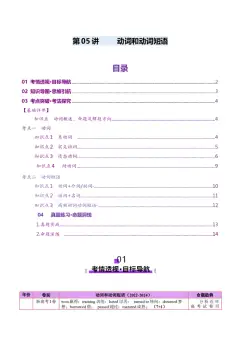
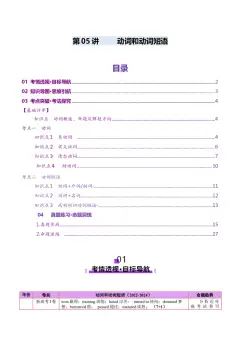
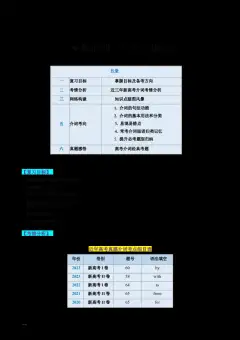
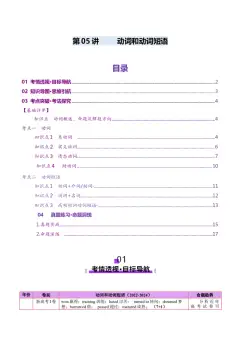
目录
01 考情透视·目标导航............................................................................................................................2
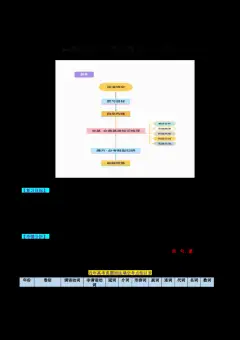
02 知识导图·思维引航............................................................................................................................3
03 考点突破·考法探究............................................................................................................................4
【基础详单】
知识点 动词概述、命题及解题方向..........................................................................................4
考点一 动词
知识点1 系动词 ........................................................................................................................4
知识点2 实义动词.......................................................................................................................5
知识点3 情态动词.......................................................................................................................6
知识点4 助动词........................................................................................................................9
考点二 动词短语
知识点1 动词+介词/副词·.......................................................................................................10
知识点2 动词+名词..................................................................................................................11
知识点3 高频动词动词短语·...................................................................................................12
04 真题练习·命题洞现
1.真题实战....................................................................................................................................13
2.命题演练 .................................................................................................................................14
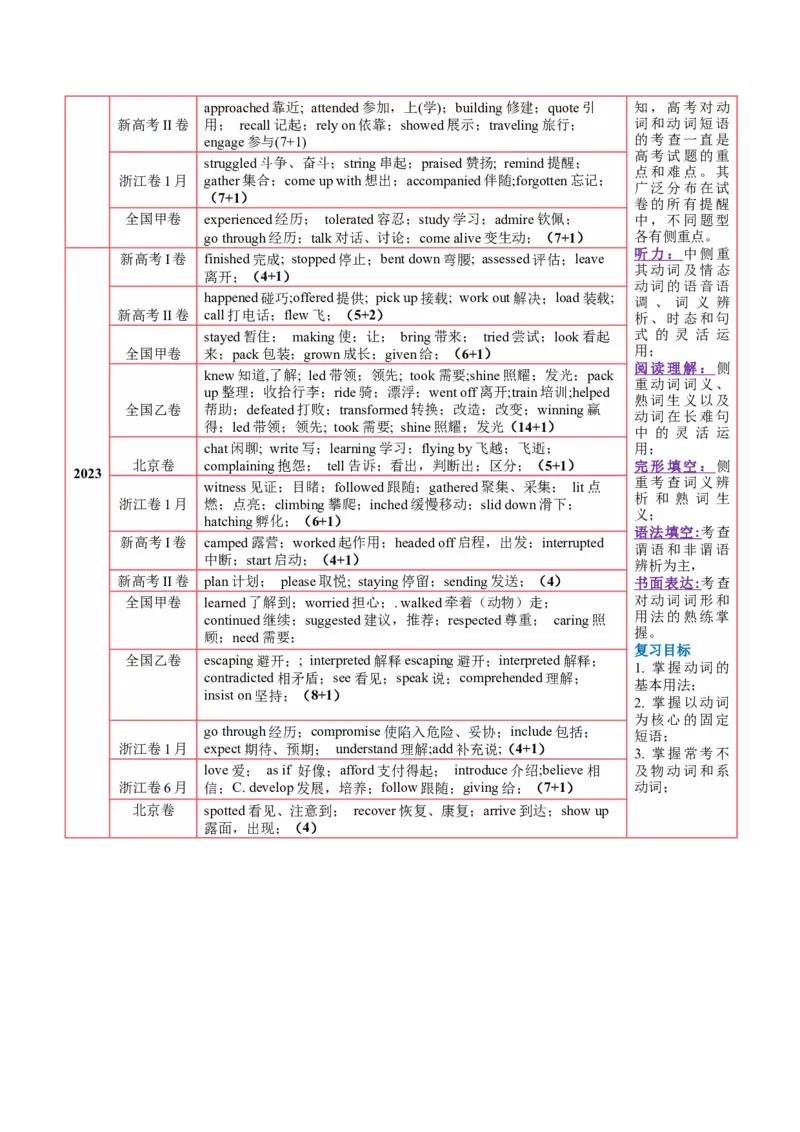
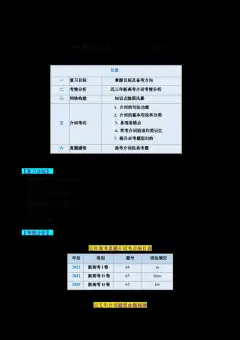
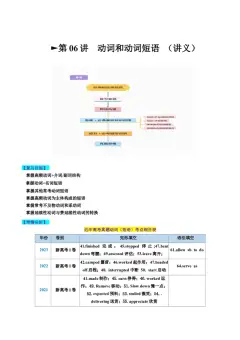
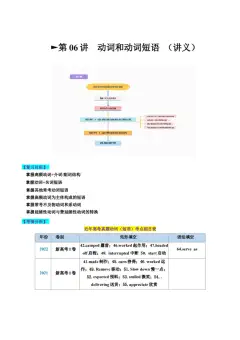
年份 卷别 动词和动词短语(2022-2024) 命题趋势
新高考I卷 won赢得;training训练;hated讨厌; turned to转向;dreamed梦 分析近年
想;borrowed借; passed超过;matured成熟; (7+1) 高 考 试 卷 可approached靠近; attended参加,上(学);building修建;quote引 知,高考对动
新高考II卷 用; recall记起;rely on依靠;showed展示;traveling旅行; 词和动词短语
engage参与(7+1) 的考查一直是
高考试题的重
struggled斗争、奋斗;string串起;praised赞扬; remind提醒;
点和难点。其
浙江卷1月 gather集合;come up with想出;accompanied伴随;forgotten忘记;
广泛分布在试
(7+1)
卷的所有提醒
全国甲卷 experienced经历; tolerated容忍;study学习;admire钦佩; 中,不同题型
go through经历;talk对话、讨论;come alive变生动;(7+1) 各有侧重点。
听力:中侧重
新高考I卷 finished完成; stopped停止;bent down弯腰; assessed评估;leave
其动词及情态
离开;(4+1)
动词的语音语
happened碰巧;offered提供; pick up接载; work out解决;load装载;
调 、 词 义 辨
新高考II卷 call打电话;flew飞;(5+2) 析、时态和句
stayed暂住; making使;让; bring带来; tried尝试;look看起 式 的 灵 活 运
全国甲卷 来;pack包装;grown成长;given给;(6+1) 用;
阅读理解:侧
knew知道,了解; led带领;领先; took需要;shine照耀;发光;pack
重动词词义、
up整理;收拾行李;ride骑;漂浮;went off离开;train培训;helped
熟词生义以及
全国乙卷 帮助;defeated打败;transformed转换;改造;改变;winning赢
动词在长难句
得;led带领;领先; took需要; shine照耀;发光(14+1)
中 的 灵 活 运
chat闲聊; write写;learning学习;flying by飞越;飞逝; 用;
北京卷 complaining抱怨; tell告诉;看出,判断出;区分;(5+1) 完形填空:侧
2023
重考查词义辨
witness见证;目睹;followed跟随;gathered聚集、采集; lit点
析 和 熟 词 生
浙江卷1月 燃;点亮;climbing攀爬;inched缓慢移动;slid down滑下;
义;
hatching孵化;(6+1)
语法填空 :考查
新高考I卷 camped露营;worked起作用;headed off启程,出发;interrupted
谓语和非谓语
中断;start启动;(4+1)
辨析为主,
新高考II卷 plan计划; please取悦; staying停留;sending发送;(4) 书面表达 :考查
全国甲卷 learned了解到;worried担心;. walked牵着(动物)走; 对动词词形和
continued继续;suggested建议,推荐;respected尊重; caring照 用法的熟练掌
握。
顾;need需要;
复习目标
全国乙卷 escaping避开;; interpreted解释escaping避开;interpreted解释;
1. 掌握动词的
contradicted相矛盾;see看见;speak说;comprehended理解;
基本用法;
insist on坚持;(8+1)
2. 掌握以动词
为核心的固定
go through经历;compromise使陷入危险、妥协;include包括; 短语;
浙江卷1月 expect期待、预期; understand理解;add补充说;(4+1) 3. 掌握常考不
love爱; as if 好像;afford支付得起; introduce介绍;believe相 及物动词和系
浙江卷6月 信;C. develop发展,培养;follow跟随;giving给;(7+1) 动词;
北京卷 spotted看见、注意到; recover恢复、康复;arrive到达;show up
露面,出现;(4)【基础详单】
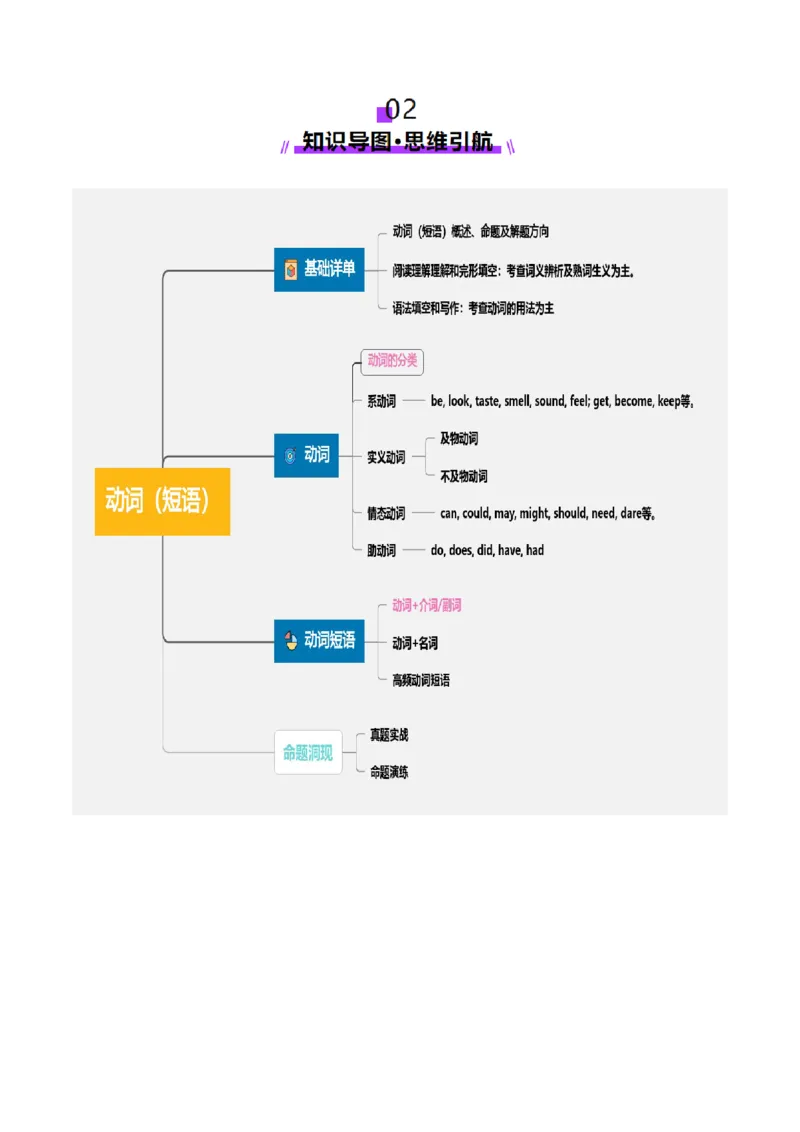
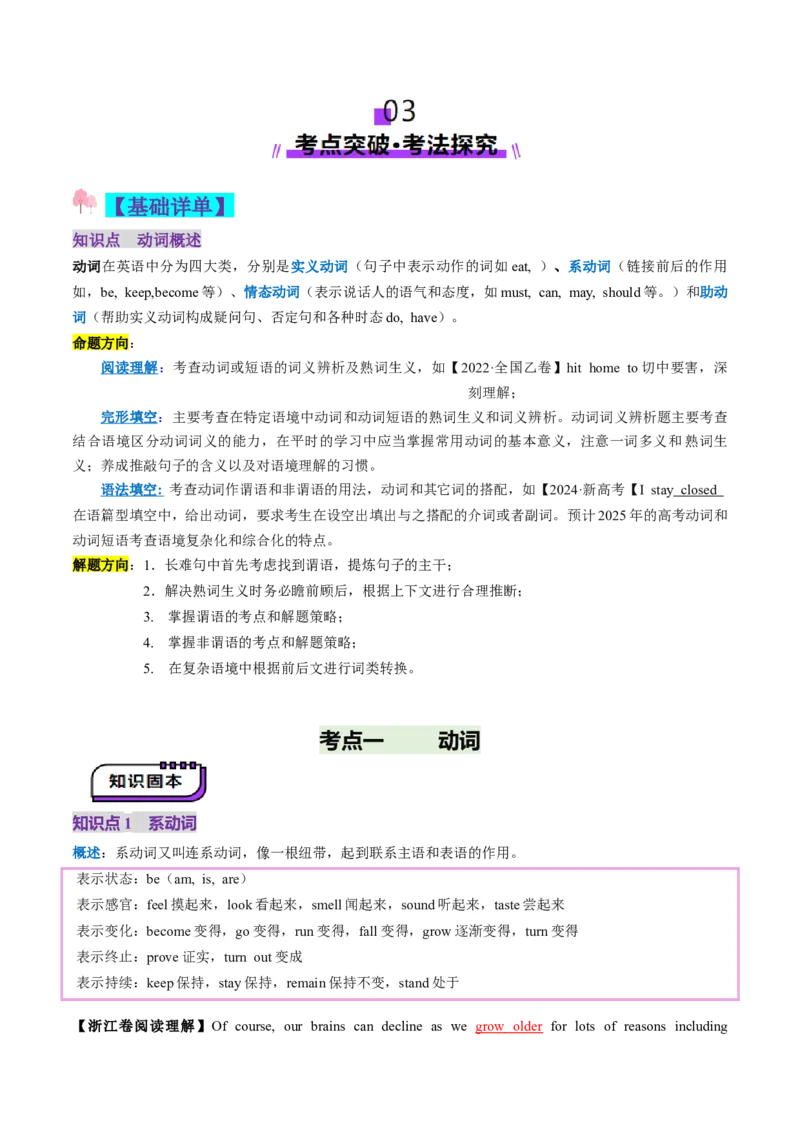
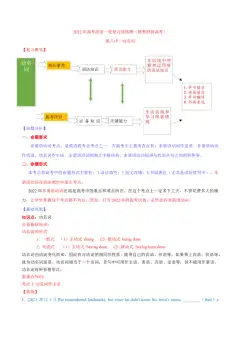
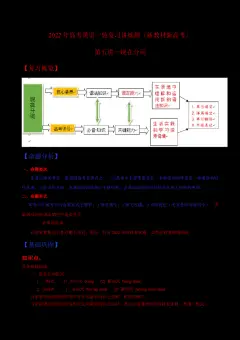
知识点 动词概述
动词在英语中分为四大类,分别是实义动词(句子中表示动作的词如eat, )、系动词(链接前后的作用
如,be, keep,become等)、情态动词(表示说话人的语气和态度,如must, can, may, should等。)和助动
词(帮助实义动词构成疑问句、否定句和各种时态do, have)。
命题方向:
阅读理解:考查动词或短语的词义辨析及熟词生义,如【2022·全国乙卷】hit home to切中要害,深
刻理解;
完形填空:主要考查在特定语境中动词和动词短语的熟词生义和词义辨析。动词词义辨析题主要考查
结合语境区分动词词义的能力,在平时的学习中应当掌握常用动词的基本意义,注意一词多义和熟词生
义;养成推敲句子的含义以及对语境理解的习惯。
语法填空 : 考查动词作谓语和非谓语的用法,动词和其它词的搭配,如【2024·新高考【I stay close d
在语篇型填空中,给出动词,要求考生在设空出填出与之搭配的介词或者副词。预计2025年的高考动词和
动词短语考查语境复杂化和综合化的特点。
解题方向:1.长难句中首先考虑找到谓语,提炼句子的主干;
2.解决熟词生义时务必瞻前顾后,根据上下文进行合理推断;
3. 掌握谓语的考点和解题策略;
4. 掌握非谓语的考点和解题策略;
5. 在复杂语境中根据前后文进行词类转换。
考点一 动词
知识点1 系动词
概述:系动词又叫连系动词,像一根纽带,起到联系主语和表语的作用。
表示状态:be(am, is, are)
表示感官:feel摸起来,look看起来,smell闻起来,sound听起来,taste尝起来
表示变化:become变得,go变得,run变得,fall变得,grow逐渐变得,turn变得
表示终止:prove证实,turn out变成
表示持续:keep保持,stay保持,remain保持不变,stand处于
【浙江卷阅读理解】Of course, our brains can decline as we grow older for lots of reasons includingother environmental influences or genetic factors.(系动词)
当然,随着年龄的增长,我们的大脑会出于很多原因而衰退,包括环境影响和遗传因素等。
【新课标 I 卷 II 卷】 In Asia, messaging platforms are growing rapidly , with users in the hundreds of
millions, both at work and play.(实义动词)
在亚洲,信息收发平台快速发展,数百万的用户使用这些平台进行工作或娱乐。
易错提醒:1.有些单词一词多义,在作系动词时,要跟形容词作表语;但同一词形如果作实义动词用,意
思变化,且用副词修饰。2.系动词有时态的变化,不能用于被动语态。
典例1. (2024年新高考I卷)These sepals open on warm days to give the inside plants sunshine and fresh air.
In cold weather, the structure stays ________ (close) to protect the plants.
思维建模:根据句子结构判断stay的词性,根据逻辑意思判断其用法,再根据设空单词的用法解题。
典例 2. (2024 年湖南高三模拟试卷)The water (feel) cool when I jumped into the pool for
morning exercise.
变式训练1.It had white-painted tunnels and bright red carriages, and (prove)extremely popular with
the public.
变式训练2.The young man performed as if he (be) a woman on the stage. (所给词的适当形式填空)
知识点2 实义动词
概述:实义动词又叫行为动词,表示动作的动词,有实在的意义,如eat, run, think等。实义动词是具有
完整意义,可以单独作谓语,主要表示主语的动作、状态和品质。根据其在句子中是否需要跟宾语,分为
及物动词和不及物动词。
常见的不及物动词有:
agree同意 arrive到达 come来
die死 exist存在 fall掉下
spread传开 happen发生 lie平躺
stay待 walk走 rise升起
remain剩下 consist由......组成 go去
lie位于,在于 laugh大笑 snow下雪
live居住 think想 hope希望
名师提醒:1.不及物动词不能直接跟宾语,需要加上相应的介词才能跟宾语,不及物动词不能用于被动语
态。
如talk to /with sb(与某人交谈),think about sth(思考某事), hope for sth.(希望某事),dream of
sth.(梦想某事)。2.有些动词可以跟同源宾语如,dream a good/bad dream; live a comfortable life过
着舒适的生活。3.有些动词表达动作事实是及物动词,如sell, lock, wash, write, spread; 表示性质特点时为不及物动词。
例1. The books have been sold out.(vt.)这些书已经卖完了。
例2. The book sells well.(vi.)这本书很畅销。
例3. You don’t have to write these things in detail. (vt.)你不必详细地写这些东西。【2021·新高考II】
例4. The pen writes smoothly. (vi.)这支笔写起来很流利。
典例1.(2024福建龙岩高三模拟)Your article (read) very well, and I am totally attracted by it.
典例2. (2024河南南阳高三模拟)China is a developing country that (belong) to the Third World.
变式训练1.My new bedroom (measure)15ft by 12ft, which is big enough for me.
变式训练2.Whichever and whatever you like, there is an incredible theme park that will appeal you.
知识点3 情态动词
概述:情态动词本身有一定的意义,但也不能独立作谓语,只能和动词原形一起构成谓语,表示说话人的
态度或情感,如can, could, shall, should, will, may, might, must。
典例1.(2023年天津卷6月)We _________bother with details, for our teammates will do everything in their
power to help us.
A.mustn’t B.daren’t C.needn’t D.can’t
典例2.(2024年新高考I卷听力第六段对话)W:Yeah, you cannot be too careful.
常用的情态动词有can, could; may, might; must; should; need; dare; ought to 等。
(一)can/could 的用法
1、表示具备某种“能力”。can表示现在;could表示过去。如:
Can you swim across the river? 你能游过那条河吗?
We couldn’t get the truck to start. 我们发动不了那辆卡车。
2、表示“请求”(疑问句中)、“允许”。Could 比 Can 委婉;都指现在。如:
Could you lend me $55? 你能借给我55美圆吗?
Yes, of course. 当然可以。
No, I cannot/I’m sorry I cannot. 不,不行/对不起,恐怕不行。
3、表示“可能性”。 could的语气更加不肯定。如
That can/could be very awkward. 那可就太尴尬了。
Can/Could it be true? 那会/可能是真的。
That can’t/couldn’t be true. 那不可能是真的。
(二)may/might 的用法1、表示允许或请求允许;might语气更礼貌:
May I turn on the TV? 我可以把电视打开吗?
She asked if she might have my bike. 她问是否可以借用我的自行车。
can/could和may/might 都可以表示允许和请求允许。can最直截了当;could 礼貌客气;may 既尊重又婉
转礼貌;might 带者太多的虚礼,所以很少使用。如:
肯定回答:Yes, of course. Yes, you can/may.
否定回答:No, you can’t/may not /mustn’t /I’m afraid not.
2、表示可能性,“也许”。may和might无时间差别,might语气上更不肯定些。不用于疑问句,可用
can/could或别的说法。
You may/might have some fever. 你也许发烧了。
Can/could they be having a bath? 他们可能正在洗澡吗?
(三)must的用法
1、表示义务、命令或劝告,是“必须”之意。否定回答,多用needn’t 或 don’t have to。mustn’t表示“绝
对不行、不可以”。
We must take this seriously. 我们必须严肃对待这事。
Must the ladies wear dresses? No, they don’t have to/they needn’t.
Can/May I come in? No, you can’t/mustn’t. 可以进来吗?不行/绝对不行。
2、表示推测,是“肯定、一定”之意。此时,must只用于肯定句。在否定句或疑问句中,用can/could:
There must be a mistake. 准是弄错了。
Can/Could there be a mistake 可能会有错吗?
There can’t/couldn’t be a mistake. 不可能会有错吗?
名师提醒:(1)表示对现在和将来状况的推测:must 一定,may 可能,might 也许,can’t 不可能。从
“一定”到“不可能”,可能性逐渐降低。
(2)对已经过去的情况的推测:情态动词+have +done。
(四)need:作为情态动词,一般只用于否定句和疑问句中。
You needn’t try to explain. 你不需要解释。(情态动词)
Need we stay here this evening? 今晚我们需要在这儿住下来吗?(情态动词)
She needs to come tomorrow. 明天她需要来。(实义动词)
need做实义动词时,后面的宾语如果是动名词,用主动形式表示被动意义,如果是不定式的被动形
式,来表示被动意义。类似need的这种用法,还有require, want等。
My shoes need repairing. = My shoes need to be repaired. 我的鞋需要修理。
(五)dare:情态动词dare表示“敢”,在现代英语中,dare往往用做实意动词。
Dare he swim across the river? 他敢游过这条河吗?
He dare not come to see me. 他不敢来见我。
He didn’t dare to go. 他不敢去。
(六)should/ought to的用法1、表示道义上的责任,义务或要求,有时表示劝告。ought to否定式为ought not to /oughtn’t to。
You ought to /should pay more attention to what your lawyer says.你应该更多的注意你律师的。
2. 表示推测和可能性,是“应该”之意。 表示对现在和将来的推测。
You ought not to/shouldn’t be sleeping now. It’s eight o’clock.你不该还在睡觉,已经八点了。
3、“should/ought to have+过去分词”表示对过去的推测,“应该已经”。有时表“本应该”的意思;
“should not/ought not to have+过去分词”表示“本不该”的意思。
He began two hours ago. He ought to have finished filling in the forms now.
两个钟头前他就开始了,现在应该填完那些表格了。
You should not have asked him for help. 你本不应该向他求助。
4、表示讲话人惊奇,失望,愤怒等感情:
It’s strange that he should have lost his temper. 真奇怪,他竟然发脾气。
(七)情态动词+have done
1、“must have+过去分词”表对过去的推测,“一定已经,准是已经….”,用于肯定句。表示否定,要用
“can’t/couldn’t+ have+过去分词”,意 思 是“不可能”.
The streets are wet. It must have rained. 街道是湿的,准是下雨了。
The money can’t have been lost there. 钱不可能是在那儿丢的。
2、 “may/might have+过去分词”表示对过去的推测,“也许已经┅,可能已经…”。用于肯定或否定句
中。疑问句中用can或could. “might(不是may)have+过去分词”也表示“本来可以…”。
He may have gone to bed. 他可能已经上床睡觉了。
You might have succeeded if you had tried. 假如你尝试过,或许已经成功了。(虚拟语气)
3、“needn’t+ have+过去分词”表示“作了不必做或不需要做的事”。可译成“本不必”。
I needn’t have borrowed the money yesterday. 昨天我根本不需要借钱的。(实际上已经借了)
4、can/could have done在疑问句、否定句中,表示怀疑和不可能,这时没有时间上的差别,只是could的
语气更弱一些:
Who can/could have taken them? 谁会把它们拿走了呢?
He can’t/couldn’t have taken it home. 他不可能是带回家去了。
could have done(但不是can)在肯定句中,表示“本来可以…;差点就要…”。
We could have started a little earlier. 我们其实可以更早一些动身的。
5、should/ought to have done表示“过去应该做谋事却没有做”;“should not/ought not to have+过去分
词”表示“做了不应该做的事”。含有责备或遗憾的意思。
She should/ought to have gone there alone. 她本该一个人去那里的。(实际上不是)
The boy shouldn’t have been playing the piano. 那孩子不应该一直在弹钢琴。
6、might, may, must表示推测时的区别: may,might, must可表示 推 测“可能”.根据表示可能性的大小,
我们把这三个词排列为:might<may<must(或许→可能→肯定)。例如:
It might rain tomorrow. (将来)明天可能下雨。
They might be watching TV now. (现在)他们可能正在看电视。
Jane might have visited the Summer Palace last year. (过去)去年珍妮可能去过颐和园。He may have something important to do. (现在)他可能有更重要的事要做。
They may have been to Shanghai last summer. (过去)去年夏天他们可能去过上海。
There must be something wrong with him. (现在)他肯定出问题了。
He must have made a mistake. (过去)他一定是犯了个错误。
情态动词的重点和难点是:情态动词之间的区别;表示“推测”的表达方式;以及“情态动词+have+过去
分词”的含义。
知识点4 助动词
概述:助动词没用词汇意义,不可单独作谓语,助动词可以协助主要动词构成时态或语态,疑问句或否定
句。如do, does, did, have, has, had等。
句中有动词原形用do,does, did;无动词原形用be;现在完成时用have,has;过去完成时用had。
考点二 动词短语
知识点 动词短语概述
使用频率较高的动词有:break, bring, call, cut, come, go, get, have, keep, look, put, set, turn, pay, pick,
make;
使用频率较高的介词或副词:away, for, in, off, out, on, over, up等。
知识点1 动词+介词/副词
No. 1 动词+介词
这类动词短语相当于及物动词,其后必修有宾语,且介词与动词不能分开,宾语只能放在介词之后,如:
account for解释,说明,占比 adjust to调整,适应 all for要求
add to增加, break into破门而入 ask for索取,寻找
care about 关心,在乎 come across偶然遇到 go for努力获取
deal with处理 get over克服 hope for希望,期待
get into养成(习惯) rely on依靠,依赖 pay for偿还,赔偿
answer for负责 provide for供给 plan for打算,为……计划
send for派人去请 fall behind落在......后面 laugh at嘲笑
feel like想要 refer to提到,参考 stick to坚持
No. 2 动词+away
throw away扔掉 put away把……收拾好 give away捐赠,分发carry away运走 run away 潜逃,跑开 go away 走开
send for派人去请 stay away远离
【2021·全国乙卷·听力】From now on, you’re going to have to stay away from salty food.
从现在起,你不能吃咸的东西。
No. 3 动词+on
try on试穿,试验 put on穿上,上演 have on穿着,戴着
pull on穿,戴 hold on不挂断,坚持,继续 carry on继续开展,坚持
keep on继续 go on继续 get on上(车)
focus/concentrate on集中注意力于,关注;
【2021·新高考I卷·听力】They’re more focused on vocabulary.
他们更注重词汇。
No. 4 动词+over
come over过来 hand over移交 go over仔细检查,复习
get over克服,恢复 look over检查 think over仔细考虑
take over接受,接管 hand over 移交 turn over翻转
【2020·江苏卷·阅读理解】As darkness came over the field and the match ended, the goal keeper, Juan,
walked over to me and said in a matter of fact way, “In your home, do you have a moon too?”
夜幕降临赛场时,比赛结束,守门员胡安走到我身边,面不改色地问我:“你家也有月亮吗?”
No. 5 动词+up
bring up抚育,培养 call up召唤,打电话给 come up走上前来,长出
cut up切碎 fix up修理 give up放弃;go up 上升,增长
grow up 长大 look up尊敬,向上看,查寻 make up虚构,弥补,组成
put up举起,搭建 set up建立,创(纪录) pick up 捡起,(开车)接某人,偶然得到
send up发射 show up 揭露,露面 turn up出现,把……调高一点
No. 6 动词+out
come out出来 go out出去,熄灭 look out留神,当心
walk out走出 set out出发,开始 put out扑灭,生产
give out发出,发表 hand out分发 pick out挑选
find out找出,发现 speak out大声地说 turn out生产,结果是
get out出去,离开 carry out实行,执行 work out计算出,解决,实行,行得通
bring out出版 start out 出发,动身。知识点2 动词+名词
No. 6 动词+out
lose patience失去耐心 lose heart灰心 make a bet打赌
make a face做鬼脸 take effect生效 take place发生
take action/measures/steps采取措施 give way让步
lose weight减肥 lead the way领路 make a fortune发财
take one’s time慢慢来 take exercise做锻炼 take turns轮流
take advice征求意见 make a difference有影响
No. 2 动词+名词+介词
take care of 照顾 make fun of 取笑 take account of 考虑到
take part in参加 make friends with 与……交朋友 find fault with 挑……的毛病
get rid of 摆脱 lose sight of 看不见 pay attention to 注意
make progress in 在……方面取得进步 make room for为……腾出空间
make contributions to 对……作出贡献 play a part in起作用
put an end to结束 take advantage of利用 take notice of注意到
take pride in以......为豪 catch sight of看到 find fault with......挑......的毛病
No. 3 动词+介词+名词
Point1 动词后需跟宾语类的短语有:
bring.. to an end 使……结束 bring... under control 使……在掌控下
keep/have... in mind 记住…… put... into effect 使……生效
learn... by heart 记住……
Point2 动词后不带宾语类的短语有:
burst into tears 突 然 大 哭 起 来 come into being 产 生 come to power 执 政
come into use开始被使用 come into effect生效 put on weight 长胖
知识点3 高频动词短语之核心动词
1. believe词组 7. call词组 13. cross词组
2. blow词组 8. catch词组 14. cut词组
3. break词组 9. carry词组 15. do词组
4. bring词组 10. check词组 16. drive词组
5. build词组 11. clear词组 17. fall词组
6. burst词组 12. come词组 18. fix词组19. get词组 32. owe词组 45. shut词组
20. give词组 33. pass词组 46. stick词组
21. go词组 34. pay词组 47. suit词组
22. have词组 35. pick词组 48. stand词组
23. hold词组 36. pull词组 49. take词组
24. keep词组 37. push词组 50. think词组
25. knock词组 38. put词组 51. tear词组
26. lay词组 39. refer词组 52. throw词组
27. leave词组 40. ring词组 53. try词组
28. look词组 41. see词组 54. trust词组
29. make词组 42. sell词组 55. turn词组
30. meet词组 43. send词组
31. open词组 44. set词组
更多高考高频短语详情见本专辑词汇部分《第 05讲完形填空高频短语分类速记
+完形填空高频词分类背诵+检测》和本专辑词汇部分《第01讲~03讲 必修一~选择性必须四词汇部分》。
典例1.(2024·天津·二模)The old man told his friends he had to leave immediately because he had some urgent
business to ______.
A.point to B.turn to C.attend to D.belong to
典例2.(2024·山东·三模)—Tom, may I use your pen to ______ the application form?
—Sure. Here you are.
A.fill out B.pay for C.fall down D.come out
变式训练1. Jenny, who has never failed to ______ her parents’ expectations, decides to study abroad after
graduating from college.
A.look up to B.come up with C.live up to D.put up with
变式训练2. With the new machine, they no longer have to ________ large number of temporary workers to do the
harvesting.
A.take up B.take in C.take on D.take after
一、 真题实战
1.(2024年全国甲卷完形填空) Born just before WWII, my grandmother ____23____ an entirely different
childhood lifestyle from mine. She did not have a chance to go to _ school _ . Like in typical families, where boys
were ____25____ much more than girls, my grandma had to stay at home to do _ housework _ . The only
opportunity (机会) she could seize to ____27____ was when her brother was having Chinese __ lessons ___ with
the family tutor. She would sit quietly at the far end of the long dinner table, listening ___ closely ___ .
.....
This is something I ____33____ — her ability to open her _ hands __ underwater and still sit comfortably on
the seabed.
...
My childhood is quite _ happy ___ compared with hers. I am _ grateful __ that I did not need to ____37____
the hardships like she did. I've never faced the problem of _ education __ . I guess our different childhood
background is what makes my grandmother such an amazing person to ____39____ to: her stories always make
my history textbooks ____40____.
23. A. adjusted B. promoted C. achieved D. experienced25. A. favored B. tolerated C. trusted D. acknowledged
27. A. exercise B. study C. explore D. teach
33. A. admire B. notice C. adopt D. value
37. A. reflect upon B. go through C. ask about D. prepare for
39. A. attend B. refer C. lead D. talk
40. A. come true B. come round C. come out D. come alive
2.(2024年新高考II卷完形填空)During my first visit to Italy, I ___22___ to ask for directions or order in a
restaurant. But every time I tried to ___23___ a sentence of Italian together, the locals smiled at me and
___24___ my language skills. That encouragement helped me to get through the language __ barrier _ . After I
made Italy my permanent home, I discovered how _warm-hearted__ Italians are. Neighbors will bring me freshly
made cheese and will come to my door to ___27___ me to close the window in my car when rain is coming. It's
these small __ acts __ of kindness that make a new country feel like home.
As a foodie, the way to my heart is through my stomach, and nowhere fuels my __ appetite_ quite like Italy.
Each town has its own traditional ___ dish ___ , and every family keeps a recipe passed from one generation to
another. Families ____31____ for big meals on Sundays, birthdays, and whatever other excuses they can
____32____. These meals are always ____33____ by laughter and joy. Whatever __ disadvantages __ life in Italy
might have, the problems are ____35____ once you sit down to a big meal with friends and family.
22. A. planned B. struggled C. refused D. happened
23. A. string B. hang C. mix D. match
24. A. improved B. assessed C. admired D. praised
27. A. remind B. allow C. persuade D. order
31. A. gather B. cheer C. leave D. wait
32. A. put up with B. stand up for C. come up with D. make up for
33. A. signaled B. confirmed C. represented D. accompanied
35. A. created B. forgotten C. understood D. identified
二、 命题演练
1.I need to find some proper ways to ______ the stress in my life.
A.compare with B.consist of C.back down D.cope with
2.The new policy is expected to __________ reducing traffic jam in the city.
A.figure out B.contribute to C.relate to D.account for
3.Currently, many working women _______ relatives to help take care of their children.
A.tell of B.consist of C.rely on D.switch on
4.It’s impolite for anyone else to ________ when someone is talking.
A.cut up B.cut in C.cut off D.cut down
5.To our surprise, crowds of people ______ to watch the charity performance.
A.turned out B.turned down C.broke out D.broke down6.I think Helen Keller is a good writer. She met many difficulties in her life but she never ______.
A.gave up B.went out C.sat down D.ran around
7.The manager __________ meeting with the team to discuss the new project proposal.
A.belonged to B.insisted on C.judged from D.figured out
8.Even though the project faced many challenges, we decided to________ and complete it successfully.
A.carry out B.carry away C.carry on D.carry over
9.The temptation for a declining church to ______ old privileges is strong.
A.hang on to B.settle for C.pass up D.sign for
10.When we ______ the data further, we can identify specific trends and patterns that may not be evident at first
glance.
A.break up B.break out C.break through D.break down