文档文本内容
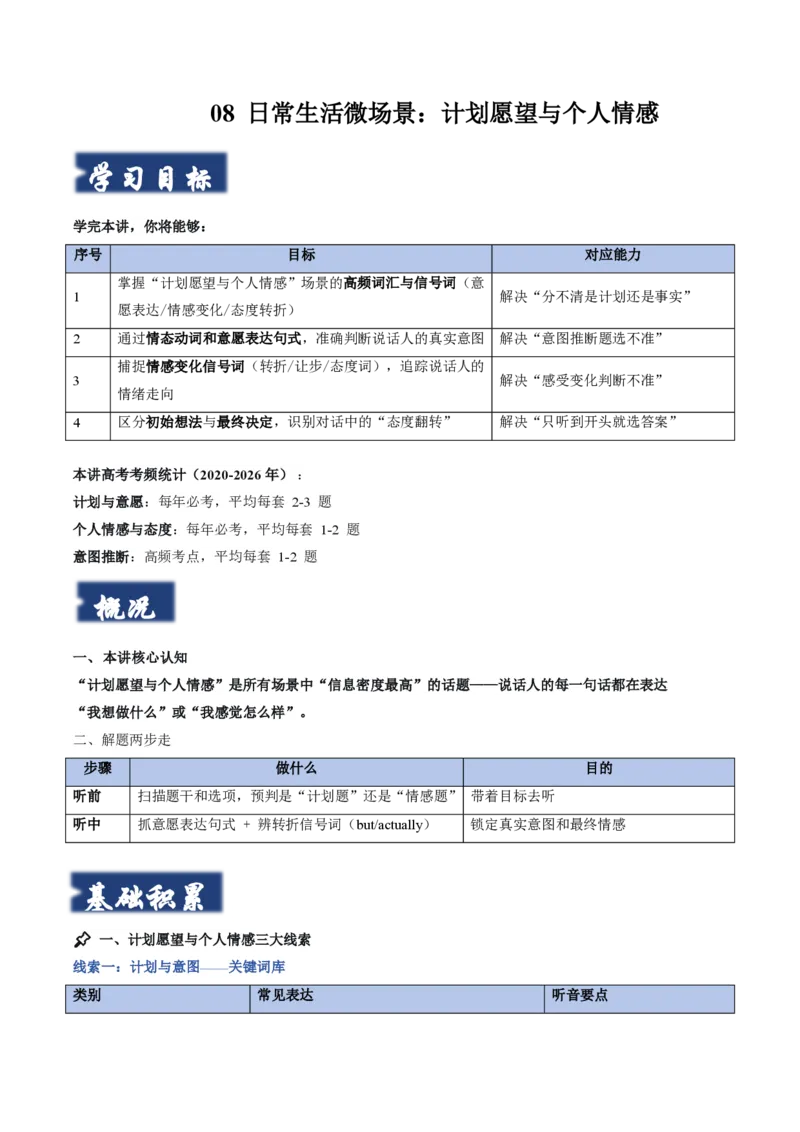
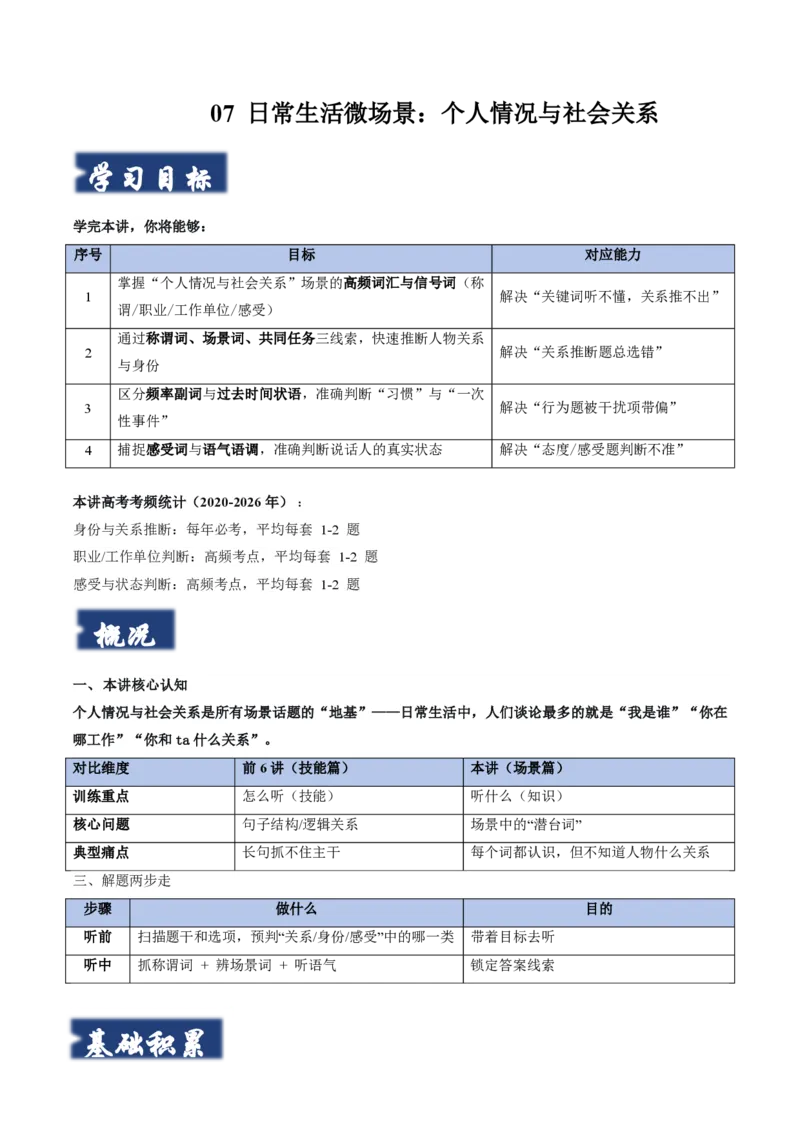
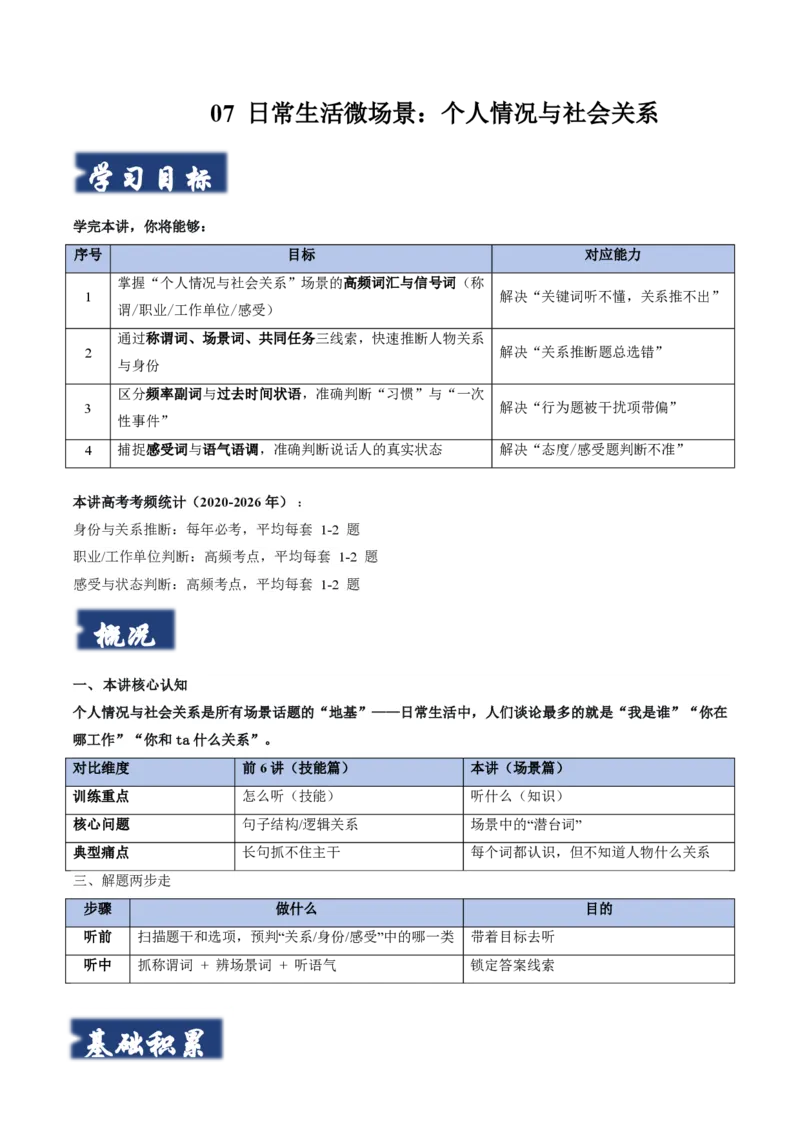
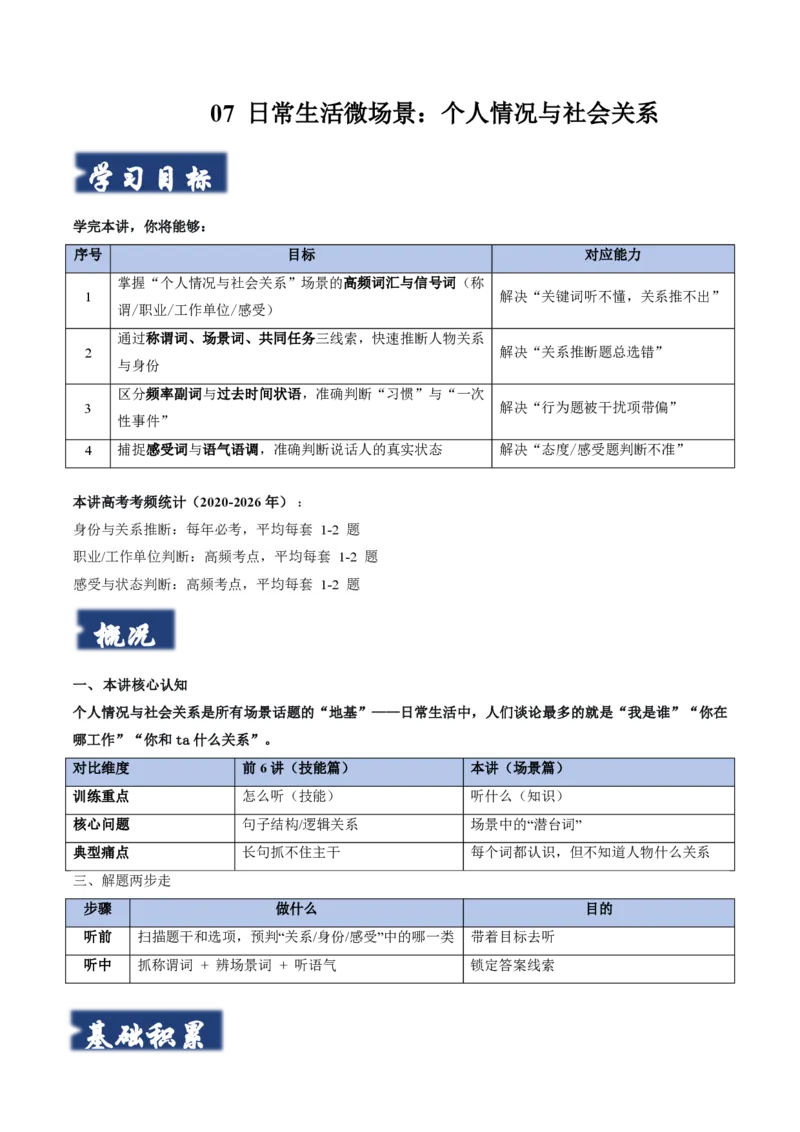
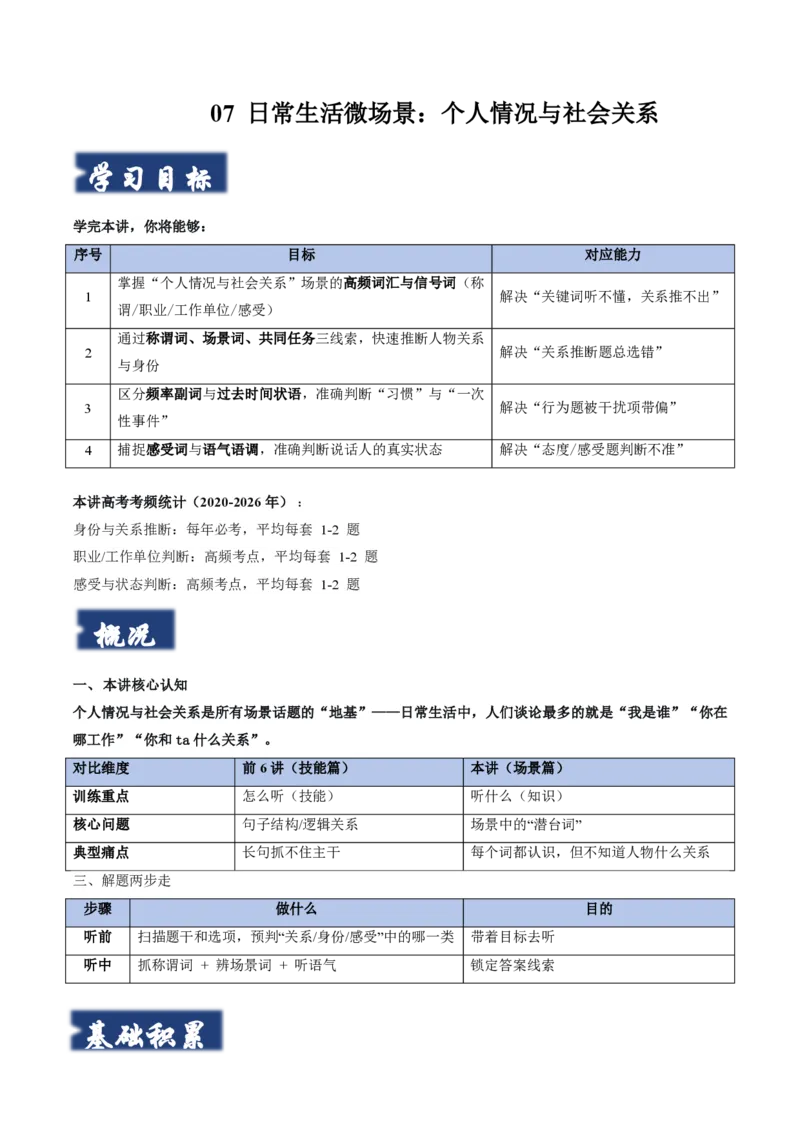
学习目标
概况
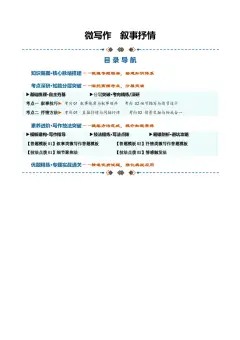
基础积累
08 日常生活微场景:计划愿望与个人情感
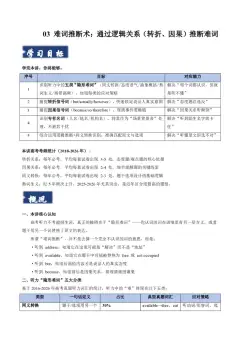
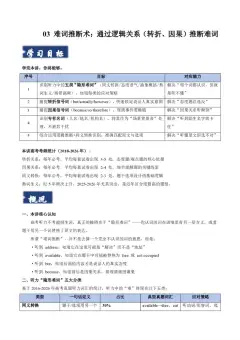
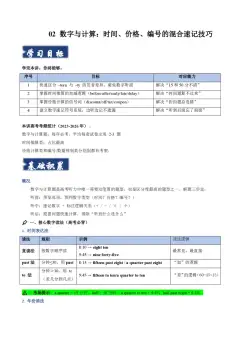
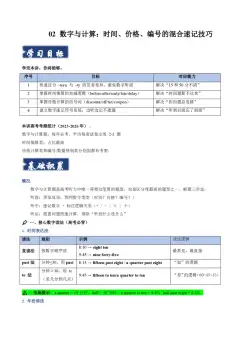
学完本讲,你将能够:
序号
目标
对应能力
1
掌握“计划愿望与个人情感”场景的高频词汇与信号词(意
愿表达/情感变化/态度转折)
解决“分不清是计划还是事实”
2
通过情态动词和意愿表达句式,准确判断说话人的真实意图
解决“意图推断题选不准”
3
捕捉情感变化信号词(转折/让步/态度词),追踪说话人的
情绪走向
解决“感受变化判断不准”
4
区分初始想法与最终决定,识别对话中的“态度翻转”
解决“只听到开头就选答案”
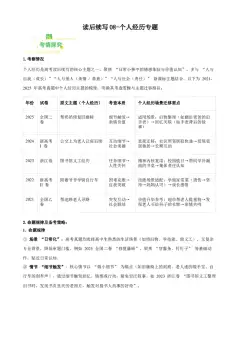
本讲高考考频统计(2020-2026 年) :
计划与意愿:每年必考,平均每套 2-3 题
个人情感与态度:每年必考,平均每套 1-2 题
意图推断:高频考点,平均每套 1-2 题
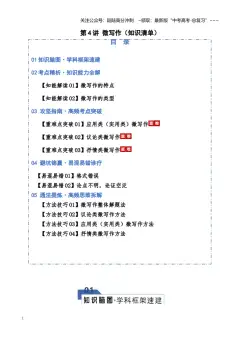
一、本讲核心认知
“计划愿望与个人情感”是所有场景中“信息密度最高”的话题——说话人的每一句话都在表达
“我想做什么”或“我感觉怎么样”。
二、解题两步走
步骤
做什么
目的
听前
扫描题干和选项,预判是“计划题”还是“情感题” 带着目标去听
听中
抓意愿表达句式 + 辨转折信号词(but/actually)
锁定真实意图和最终情感
📌 一、计划愿望与个人情感三大线索
线索一:计划与意图——关键词库
类别
常见表达
听音要点
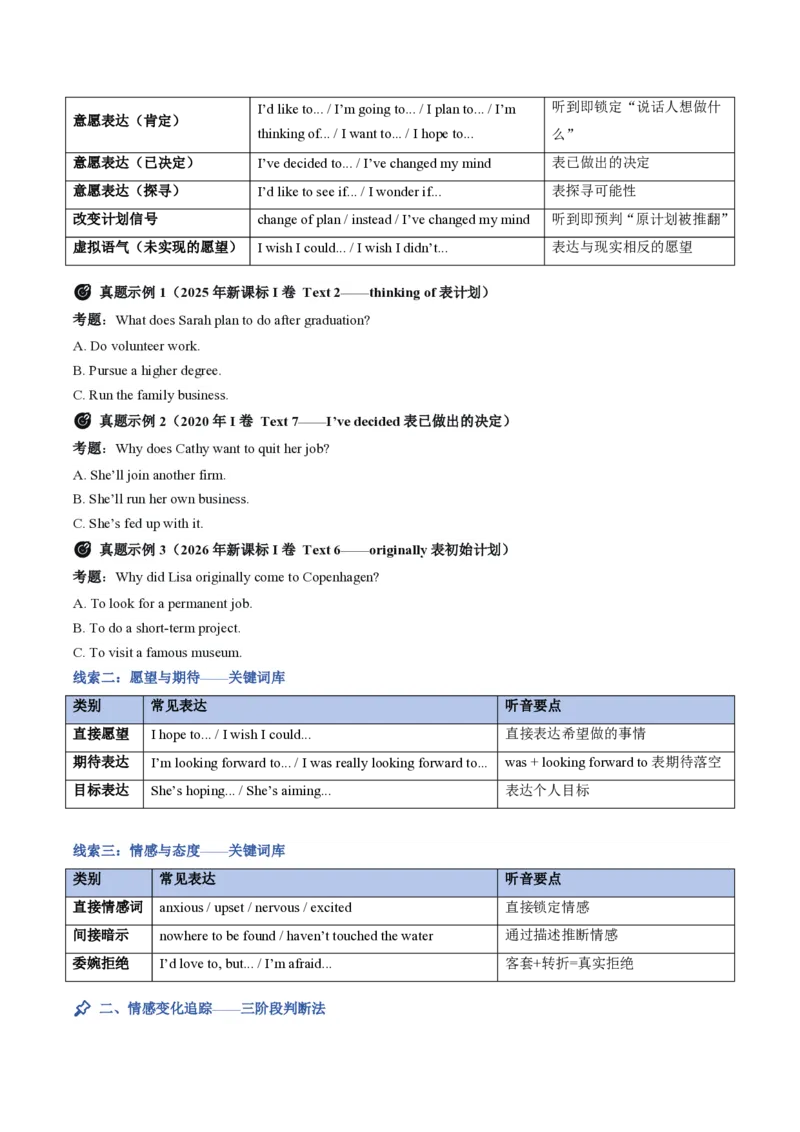
意愿表达(肯定)
I’d like to... / I’m going to... / I plan to... / I’m
thinking of... / I want to... / I hope to...
听到即锁定“说话人想做什
么”
意愿表达(已决定)
I’ve decided to... / I’ve changed my mind
表已做出的决定
意愿表达(探寻)
I’d like to see if... / I wonder if...
表探寻可能性
改变计划信号
change of plan / instead / I’ve changed my mind
听到即预判“原计划被推翻”
虚拟语气(未实现的愿望)
I wish I could... / I wish I didn’t...
表达与现实相反的愿望
🎯 真题示例1(2025 年新课标I 卷 Text 2——thinking of 表计划)
考题:What does Sarah plan to do after graduation?
A. Do volunteer work.
B. Pursue a higher degree.
C. Run the family business.
🎯 真题示例2(2020 年I 卷 Text 7——I’ve decided 表已做出的决定)
考题:Why does Cathy want to quit her job?
A. She’ll join another firm.
B. She’ll run her own business.
C. She’s fed up with it.
🎯 真题示例3(2026 年新课标I 卷 Text 6——originally 表初始计划)
考题:Why did Lisa originally come to Copenhagen?
A. To look for a permanent job.
B. To do a short-term project.
C. To visit a famous museum.
线索二:愿望与期待——关键词库
类别
常见表达
听音要点
直接愿望
I hope to... / I wish I could...
直接表达希望做的事情
期待表达
I’m looking forward to... / I was really looking forward to...
was + looking forward to 表期待落空
目标表达
She’s hoping... / She’s aiming...
表达个人目标
线索三:情感与态度——关键词库
类别
常见表达
听音要点
直接情感词
anxious / upset / nervous / excited
直接锁定情感
间接暗示
nowhere to be found / haven’t touched the water
通过描述推断情感
委婉拒绝
I’d love to, but... / I’m afraid...
客套+转折=真实拒绝
📌 二、情感变化追踪——三阶段判断法
考点分析
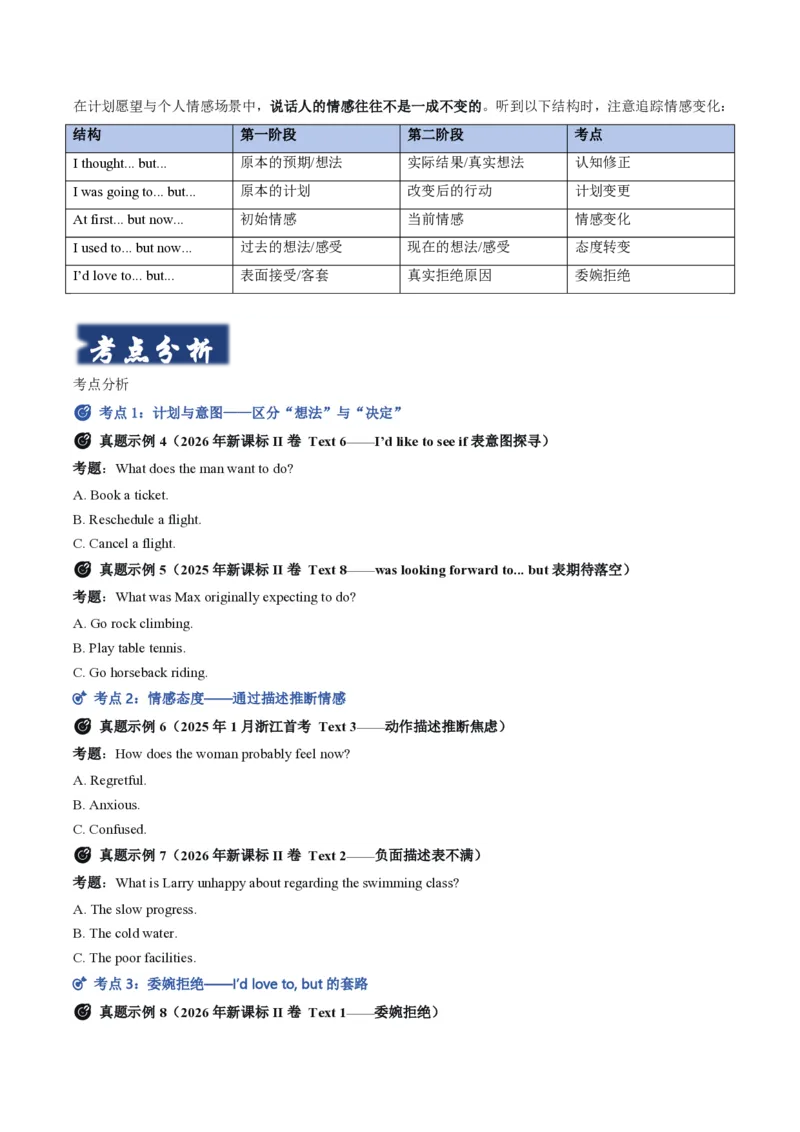
在计划愿望与个人情感场景中,说话人的情感往往不是一成不变的。听到以下结构时,注意追踪情感变化:
结构
第一阶段
第二阶段
考点
I thought... but...
原本的预期/想法
实际结果/真实想法
认知修正
I was going to... but...
原本的计划
改变后的行动
计划变更
At first... but now...
初始情感
当前情感
情感变化
I used to... but now...
过去的想法/感受
现在的想法/感受
态度转变
I’d love to... but...
表面接受/客套
真实拒绝原因
委婉拒绝
考点分析
🎯 考点1:计划与意图——区分“想法”与“决定”
🎯 真题示例4(2026 年新课标II 卷 Text 6——I’d like to see if 表意图探寻)
考题:What does the man want to do?
A. Book a ticket.
B. Reschedule a flight.
C. Cancel a flight.
🎯 真题示例5(2025 年新课标II 卷 Text 8——was looking forward to... but 表期待落空)
考题:What was Max originally expecting to do?
A. Go rock climbing.
B. Play table tennis.
C. Go horseback riding.
🎯 考点2:情感态度——通过描述推断情感
🎯 真题示例6(2025 年1 月浙江首考 Text 3——动作描述推断焦虑)
考题:How does the woman probably feel now?
A. Regretful.
B. Anxious.
C. Confused.
🎯 真题示例7(2026 年新课标II 卷 Text 2——负面描述表不满)
考题:What is Larry unhappy about regarding the swimming class?
A. The slow progress.
B. The cold water.
C. The poor facilities.
🎯 考点3:委婉拒绝——I’d love to, but 的套路
🎯 真题示例8(2026 年新课标II 卷 Text 1——委婉拒绝)
解题技巧
强化训练
考题:Why is Rose going downtown?
A. To host a party.
B. To pick up Kevin.
C. To buy a gift.
🎯 考点4:评价他人品格——通过具体描述推断
🎯 真题示例9(2026 年1 月浙江/贵州卷 Text 7——通过行为描述评价品格)
考题:What does the man think of Katie?
A. She’s ambitious.
B. She’s open-minded.
C. She’s energetic.
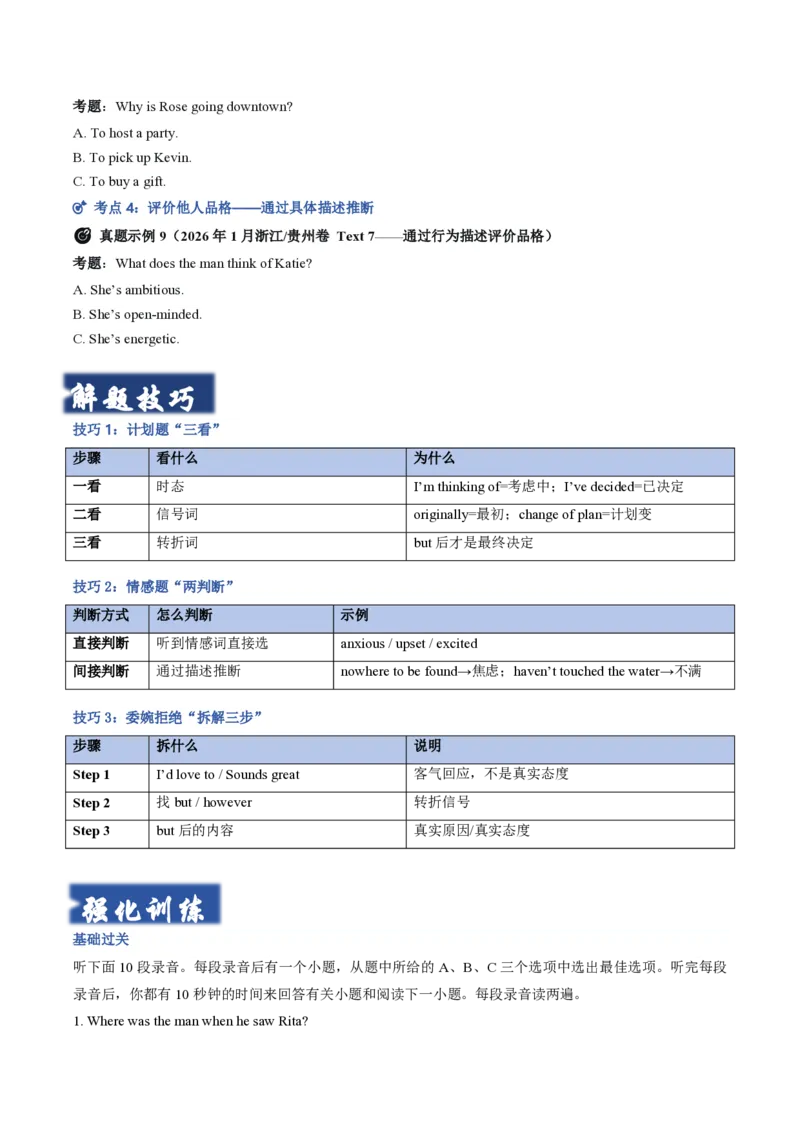
技巧1:计划题“三看”
步骤
看什么
为什么
一看
时态
I’m thinking of=考虑中;I’ve decided=已决定
二看
信号词
originally=最初;change of plan=计划变
三看
转折词
but 后才是最终决定
技巧2:情感题“两判断”
判断方式
怎么判断
示例
直接判断
听到情感词直接选
anxious / upset / excited
间接判断
通过描述推断
nowhere to be found→焦虑;haven’t touched the water→不满
技巧3:委婉拒绝“拆解三步”
步骤
拆什么
说明
Step 1
I’d love to / Sounds great
客气回应,不是真实态度
Step 2
找but / however
转折信号
Step 3
but 后的内容
真实原因/真实态度
基础过关
听下面10 段录音。每段录音后有一个小题,从题中所给的A、B、C 三个选项中选出最佳选项。听完每段
录音后,你都有10 秒钟的时间来回答有关小题和阅读下一小题。每段录音读两遍。
1. Where was the man when he saw Rita?
A. At a clinic.
B. At a pet store.
C. At a gas station.
2. What does the man prefer for his holiday?
A. Lively scenes.
   B. Peaceful moments.
C. Social interactions.
3. What is the man going to do tomorrow?
A. Attend a book fair.
B. Finish his project.
C. Recommend a book.
4. What will the family do this year?
A. Ride bikes.
B. Go walking.
C. Do water sports.
5. How does the woman feel now?
A. Relaxed.
B. Confident.
C. Worried.
6. What will the woman do first?
A. Go to the airport.
B. Take an exam.
C. Have a rest.
7. What are the speakers talking about?
A. Their daily activities.
B. Their personal qualities.
C. Their career plans.
8. When does the man suggest having a picnic?
A. On Friday.
B. On Saturday.
C. On Sunday.
9. When will the speakers get together?
A. Next month.
B. This weekend.
C. Next weekend.
10. How does the woman sound?
A. Shocked.
B. Dissatisfied.

C. Embarrassed.
能力提升
听下面5 段录音。每段录音后有几个小题,从题中所给的A、B、C 三个选项中选出最佳选项,并标在试卷
的相应位置。听每段对话前,你将有时间阅读各个小题,每小题5 秒钟;听完后,各小题将给出5 秒钟的
作答时间。每段录音读两遍。
Dialogue 1
听下面的录音,回答第6、7 题。
6. What is the probable relationship between the speakers?
A. Classmates.
B. Neighbours.
C. Teacher and student.
7. What concerns Daniel?
A. His mother was very sick.
B. He may lose the competition.
C. His mother may suffer his practice.

Dialogue 2
听下面的录音, 回答第8 至10 小题。
8. What is the probable relationship between the speakers?
A. Old schoolmates.
B. Business partners.
C. Fellow workers.
9. Where does Peter work?
A. In a school.
B. At a restaurant.
C. At a travel agency.
10. What will the speakers do next?
A. Go to school.
B. Take a trip.
C. Have a coffee.

Dialogue 3
听下面的录音,回答6、7 小题。
6. What seemed to have ruined the man’s holiday mood?
A. The trouble with taking photos.
B. The lack of cell phone signal.
C. The boredom of fishing.
7. What does the woman imply in the end?
A. Life could be fun without social media.
B. Family activities are necessary.
C. Social media destroys life.
Dialogue 4
听下面的录音,回答6、7 小题。
6. Where are the speakers going next?
A. Henry’s home.
B. A farm.
C. A restaurant.
7. Why does the man invite the woman there?
A. To show his appreciation.
B. To help with the farm work.
C. To learn farming skills

Dialogue 5
听下面的录音,回答第8 至10 小题。
8. Who is Nichole probably?
A. The man’s sister.
B. The man’s mother.
C. The man’s teammate.
9. What did the man leave at home?
A. His smartphone.
B. His keys.
C. His sports watch.
10. What will the man probably do next?
A. Eat some food.
B. Give a call.
C. Make some cookies.

培优冲刺
Passage 1
听下面一段录音,回答第17 至20 小题。
17. What kind of place does Party Time Events provide?
A. Restaurants.
B. Boats.
C. Offices.
18. What are listeners advised to discuss with Mr. Johnson?
A. How much to pay for the rent.
B. How to arrange atmosphere for a party.
C. How many courses to prepare for a meal.
19. What do people need to pay extra for?
A. Country music.
B. Dance music.
C. Live entertainment.
20. Where is the office of Party Time Events?
A. Next to a bar.
B. At the back of a bar.
C. In front of the Lochmead Leisure Center.

Passage 2
听下面一段录音,回答第17 至20 小题。
17. Who was going to give a party for Mary?
A. Mr. Green.
B. Mary’s friends.
C. Mrs. Green.
18. How old was Mary going to be?
A. Thirty.
B. Twenty.
C. Thirteen.
19. What did Mrs. Green buy for the party?
A. Some fruit like apples, oranges and bananas.
B. Some food like cakes, bread and meat.
C. Some drinks like tea, coffee and milk.
20. When did the party begin?
A. At three o'clock.
B. Before three o'clock.
C. After three o'clock.
Passage 3
听下面一段录音,回答第17 至20 小题。
17.What did the speaker manage to do each day last year?
A. Run for 40 minutes.
B. Play with her phone for only one hour.
C. Start the day with making plans.
18.What percentage of people make New Year plans in the world?
A. About 25%.
B. About 50%.
C. About 75%.
19.What does John think of making plans on the New Year's Day?
A. It’s difficult.
B. It’s useful.
C. It’s unnecessary.
20.What is the speaker going to discuss next?
A. When to make New Year plans.
B. Why to make New Year plans.
C. How to stick to New Year plans.
Passage 4
听下面一段录音,回答第17 至20 小题。
17. Why did the speaker go to Mexico?
A. To learn its culture.

B. To take a job.

C. To study a language.
18. What was the speaker taught by looking after the dog?
A. Understanding.
B. Patience.

C. Determination.
19. What made the speaker excited?
A. Taking classes.
B. Talking to the locals.
C. Learning about the country.
20. How does the speaker feel about the move now?
A. Positive.

B. Uncomfortable.
C. Worried.