ARTICLE · 1126026
美国AI教育新动向:从工具走向课堂AI in US Education: From to Classroom Practice
✿ 一起发现课堂里的新灵感 ✿
点击上方蓝色公众号名称,关注我们 ↑
AI与教育周报 · 2026年10月4日
本周五条美国教育资讯,给中文课堂的几个启发
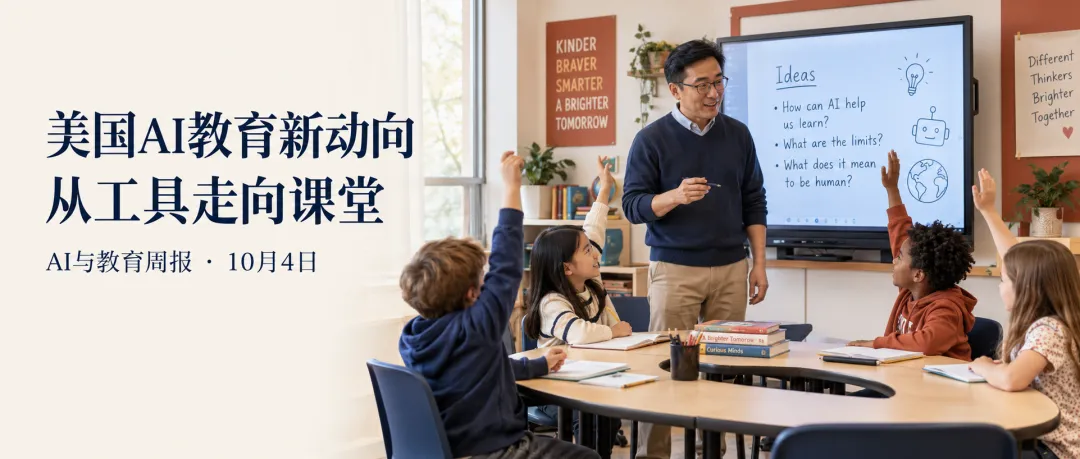
这周,值得关注的不只是新工具
学校引入AI之后,下一步是什么?谁来教学生判断输出,谁来说明作业规则,又由谁确认学生真正学会了?这些问题,正在进入美国学校和大学的日常讨论。
9月28日至10月4日的五条教育资讯,呈现出一个值得关注的方向:AI教育正在涉及更多学校层面的安排,包括资源、教师培训、学生使用规则和学习评价。以下先看新闻,再谈中文课堂可以借鉴的做法。
01|大学扩大AI投入,也需要明确学习目标
NEWS NOTE · 新闻小记
俄亥俄州立大学9月29日宣布与Google Cloud建立合作,涉及研究基础设施、校园AI空间、AI素养与学生研究机会;学校还公布了学生服务虚拟助手的计划。这是一项合作公告,不能据此判断学生学习效果已经提高。
Ohio State · 2026-09-29 · 原始报道 / 公告
✿ 带进中文课堂
对中文老师的启发:一节课可以先写清一个目标,例如“学生能用中文提出建议,并说明理由”。再决定AI用于准备材料、提供对比文本,还是辅助练习。工具的作用要与这个目标对应。
02|让AI使用规则落到每一项作业
NEWS NOTE · 新闻小记
WOSU在9月28日报道了俄亥俄州学区的不同实施方式。Hilliard的框架从幼儿园延伸至高中,但介绍AI并不等于要求幼儿使用AI工具;Columbus的课堂做法包括比较学生作品与AI输出。这是对既有政策实施情况的新报道。
WOSU · 2026-09-28 · 原始报道 / 公告
✿ 带进中文课堂
中文课堂可以把说明写得更具体:“先独立写三句话;老师提供一段AI示例供比较;最后用自己的话修改,并说明选择。”学生应清楚哪一步能获得辅助、哪一步需要独立完成。低龄学生也可以只看教师准备的纸质示例。
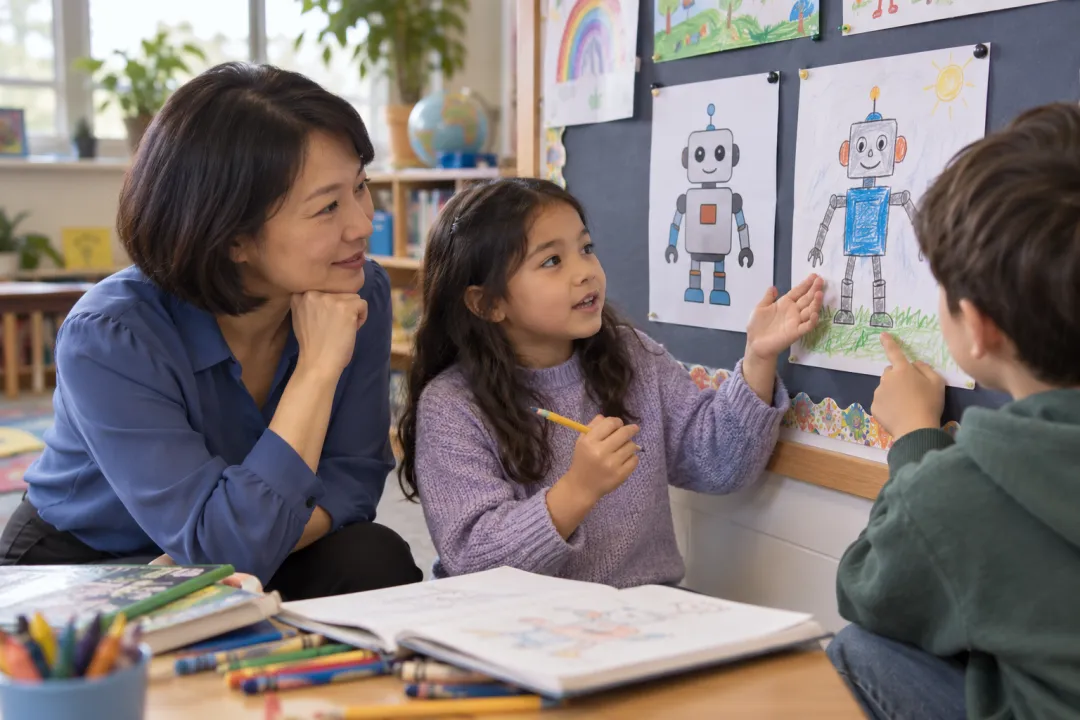
课堂启发:先观察,再解释自己的判断。
03|AI素养,需要持续学习和教师判断
NEWS NOTE · 新闻小记
南达科他州立大学9月30日公布一项为期三年、总额75万美元的美国教育部资助。计划包括面向师生的AI素养学习,以及由AI参与互动、仍由教授负责评分的口头评价。这些是资助与项目安排,不是已经完成的效果研究。
South Dakota State · 2026-09-30 · 原始报道 / 公告
✿ 带进中文课堂
中文教学可以从小范围的教师共备开始:同一个口语任务,比较不同追问是否清楚、是否符合学生水平。评价时听学生如何回应新的问题,比只看一份经过润色的成品更能提供下一步教学线索。
04|“学生喜欢用”,还需要配合学习证据
NEWS NOTE · 新闻小记
NPR于9月28日的报道比较了不同学区的AI试点,并呈现如何衡量成效的难题。Dayton的社交情感聊天机器人试点始于上一学年;Wichita则采取较有限的学生使用安排。报道并未证明某种聊天机器人已能改善学习。
NPR / WWNO · 2026-09-28 · 原始报道 / 公告
✿ 带进中文课堂
对中文课而言,可以记录一个小而清楚的表现:练习后,学生能否不用提示说出一句新表达?能否听懂同伴的问题并回应?这样的观察用于调整教学,不应把一次表现当作长期进步的证明。
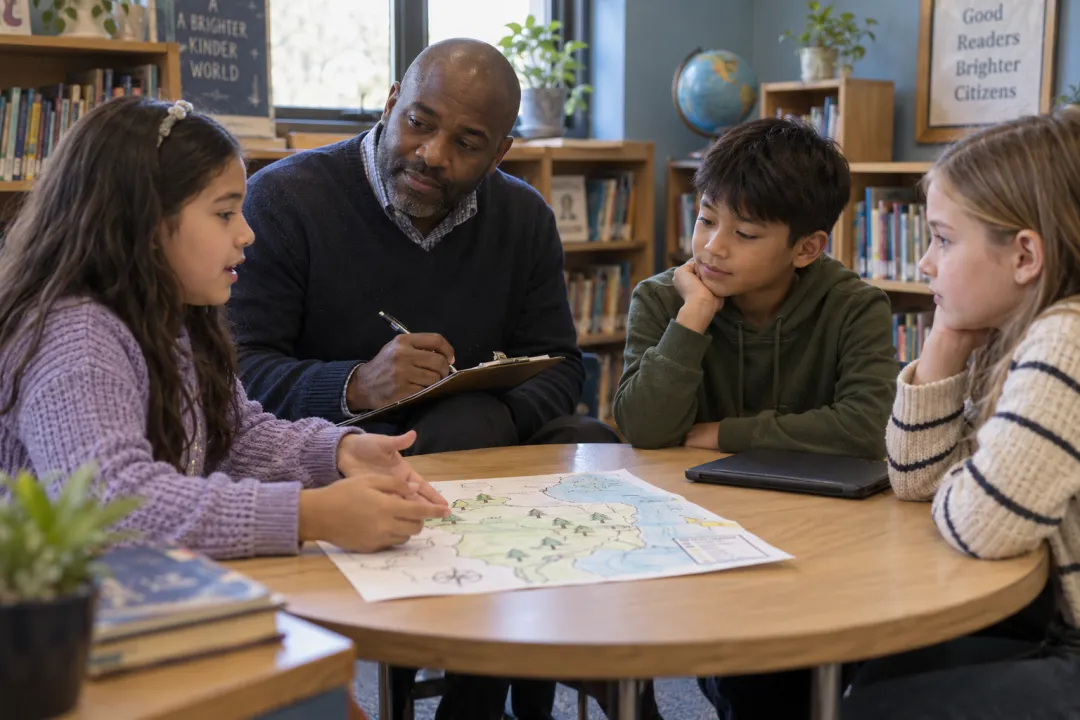
课堂启发:让学生说清自己的想法,让老师看见学习过程。
05|不同学习者,需要不同的支持
NEWS NOTE · 新闻小记
Google.org在9月30日介绍了支持高等教育AI准备工作的项目,涉及成人学习者、职业相关学习与社区学院规划。其中包括在30所大学试行专业学习方法,以及分析10种社区学习模式的安排。公告中的计划仍需后续实施和评价。
Google.org · 2026-09-30 · 原始报道 / 公告
✿ 带进中文课堂
虽然这条新闻面向高等教育,中文老师也可以提出一个自己的备课问题:同一个任务,不同学生需要哪些支持?初学者可能需要图片和句型,进阶学习者可能更需要开放问题。同一款工具、同一份输出,不必成为全班统一的学习路径。
带回中文课堂:一张小小的任务卡
把这些新闻转成课堂行动,不一定要先增加学生的屏幕时间。可以从一张教师准备的任务卡开始。以下是教学设计建议,并非上述学校已实施的中文课案例。
✎ 小小任务卡
学习目标:用“我想……,因为……”表达一个周末安排。独立准备:学生先画图或写关键词。比较材料:教师展示两个简短示例,让学生找出地点与理由。表达任务:学生向同伴说明自己的安排,并回应一次追问。
♡ 老师观察站
教师观察三个方面:意思是否清楚、理由是否与安排有关、学生能否解释所用词语。学生完成后,再用一句话说明:“我参考了______,最后自己决定______。”
如果使用AI准备示例,先由老师核对语言和内容;学生不需要为了完成这项活动自行注册工具。没有AI时,也可以用教师自写的两个示例完成同样的任务。
这个星期,你最想先完善哪一步:学习目标、作业说明,还是观察学生学习的方法?
AI in US Education: From Tools to Classroom Practice
Five education stories and ideas for Mandarin teachers
This week is about more than new tools
What happens after a school introduces AI? Who helps students judge its output, explains assignment rules, and checks what learners can do independently?
Five education stories from September 28–October 4 point toward broader institutional decisions about resources, teacher learning, classroom expectations, and assessment. We first review the news, then offer ideas for Mandarin classrooms.
01 | Greater access still needs clear learning goals
NEWS NOTE
On September 29, Ohio State announced a Google Cloud partnership covering research infrastructure, campus AI space, AI fluency, and student research opportunities, alongside plans for a student-services assistant. This announcement does not establish improved learning outcomes.
Ohio State · 2026-09-29 · Original source
✿ FOR YOUR MANDARIN CLASS
For Mandarin teaching, begin with a concrete goal: learners propose an idea and explain a reason. Then decide whether AI will help prepare materials, provide a comparison text, or support practice.
02 | Make expectations specific to the assignment
NEWS NOTE
WOSU’s September 28 reporting describes different district approaches in Ohio. Hilliard introduces AI literacy across grade levels without requiring kindergarteners to use AI; Columbus examples include comparing student work with AI output. This is reporting on implementation, not a newly adopted policy.
WOSU · 2026-09-28 · Original source
✿ FOR YOUR MANDARIN CLASS
A Mandarin task could specify: write three sentences independently, compare them with a teacher-provided AI example, then revise in your own words and explain one choice. Younger learners can work with printed examples.
03 | AI literacy takes continued learning and teacher judgment
NEWS NOTE
On September 30, South Dakota State announced a three-year, $750,000 US Department of Education grant for AI literacy. Plans include learning programs and AI-supported oral assessments in which professors retain grading responsibility. These are funded plans rather than completed effectiveness studies.
South Dakota State · 2026-09-30 · Original source
✿ FOR YOUR MANDARIN CLASS
Mandarin teachers could collaboratively review follow-up questions for a speaking task, checking clarity and language level. A learner’s response to a new question can inform the next teaching step alongside a polished final product.
04 | Engagement needs to be considered alongside learning evidence
NEWS NOTE
NPR’s September 28 report contrasts district AI pilots and the difficulty of measuring success. Dayton’s social-emotional chatbot pilot began in the previous school year, while Wichita described more limited student use. The report does not establish that a chatbot improves learning.
NPR / WWNO · 2026-09-28 · Original source
✿ FOR YOUR MANDARIN CLASS
In Mandarin, observe a small, specific performance: can learners produce a new sentence without a prompt or respond to a partner’s question? Use this evidence to adjust instruction without treating one response as proof of lasting progress.
05 | Different learners need different support
NEWS NOTE
Google.org’s September 30 announcement describes higher-education initiatives for adult learners, career-connected learning, and community-college planning. Plans include testing professional learning across 30 universities and examining 10 community-based learning models. Implementation and evaluation remain to follow.
Google.org · 2026-09-30 · Original source
✿ FOR YOUR MANDARIN CLASS
Although this news concerns higher education, Mandarin teachers can ask which supports different learners need. Beginners may need pictures and sentence frames; more advanced learners may need open questions. One tool need not create one uniform learning path.
Bring it into Mandarin class: a simple task card
Turning these stories into classroom action does not have to mean more screen time. Start with a teacher-prepared task card. This is a proposed activity, not a Mandarin lesson reported at the institutions above.
✎ TASK CARD
Goal: use “我想……,因为……” to describe a weekend plan. Students first draw or write keywords independently. The teacher then shares two short examples; students identify places and reasons. Each learner explains a plan to a partner and answers one follow-up question.
♡ TEACHER OBSERVATIONS
Observe clarity, whether the reason fits the plan, and whether the learner can explain the vocabulary. Ask learners to finish: “I referred to ___ and decided ___ myself.”
If AI helps create the examples, the teacher checks language and content first. Students need not register for a tool. Two teacher-written examples also work.
Which would you refine first this week: the learning goal, the task instructions, or the evidence you collect?
✿
把一点新灵感,带进下一堂课
我们会持续分享美国 AI+教学文章,关注教育新动态、实用工具与中文课堂灵感。
欢迎关注,和我们一起学习、尝试,让技术更好地服务老师与学生。
如果这篇对你有帮助,欢迎收藏,也分享给一起关心教育的朋友 ♡