ARTICLE · 1214827
小学英语时态题,教孩子先圈时间词,一半的题就做对了
英语往往是家长最不知道怎么帮孩子抓的科目,单词背了忘、语法一考就混、时态标志词永远看不见……其实小学英语的考点非常集中,翻来覆去就那几样。今天把词汇、语法、易错点一次性梳理清楚,篇幅不长,但全是必考内容。
词汇篇:分类记,效率翻倍
小学阶段课标要求的核心词汇在600—900个之间。死记硬背效率低,按场景分类记忆,孩子脑子里才有“检索线索”。
1.必背高频词分类速览
学习用品:pen, pencil, ruler, eraser, schoolbag, book, crayon
颜色:red, blue, yellow, green, black, white, orange, pink
动物:cat, dog, bird, fish, tiger, elephant, monkey, panda
食物:rice, noodles, bread, egg, milk, water, apple, banana
身体部位:head, eye, ear, nose, mouth, hand, foot
家庭人物:father, mother, brother, sister, grandpa, grandma, uncle, aunt
季节天气:spring, summer, autumn, winter, sunny, rainy, windy, cloudy
2. 拼写“杀手”词(考试高频错词)
twelfth(第十二):不是 twelveth
eighth(第八):只有一个 t
ninth(第九):去掉 e 再加 th
their(他们的) vs there(那里):同音不同义
too(也/太) vs two(二) vs to(去往)
3. 固定搭配(选择题、填空题必考)
play football / basketball(球类不加 the)
play the piano / the guitar(乐器要加 the)
go swimming / fishing / shopping(go + 动词ing)
by bus / bike / train(交通方式,中间不加 a/the)
on foot(步行,固定用 on,不用 by)
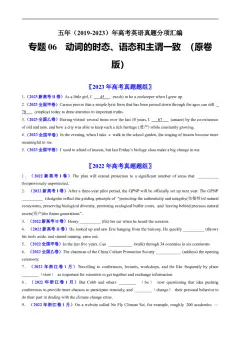
二、语法篇:四大时态 + 三个“送分点”
小学语法看着杂,核心就这几块。掌握下面这些,
语法填空和选择题基本不丢分。
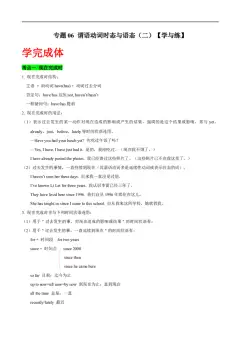
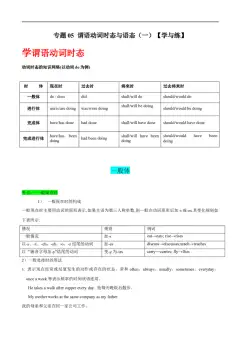
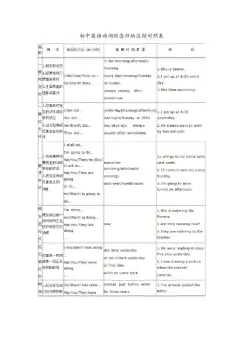
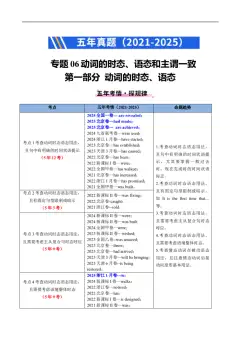
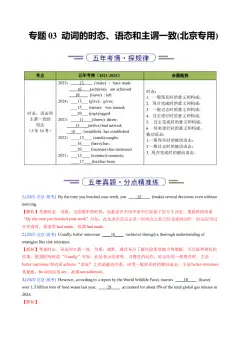
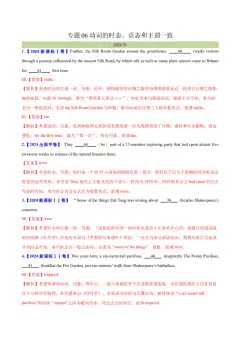
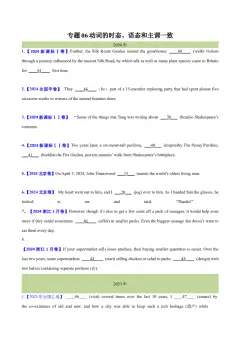
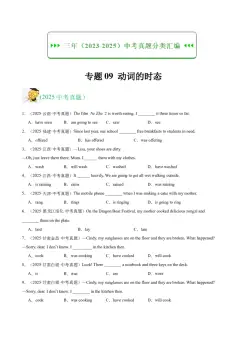
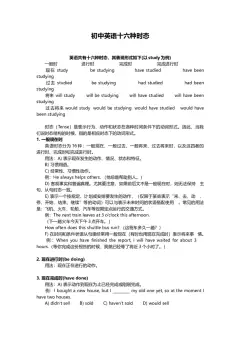
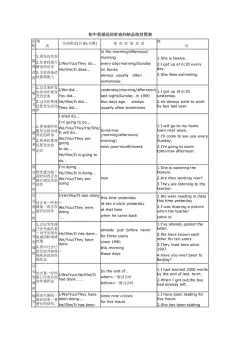
1.四大时态
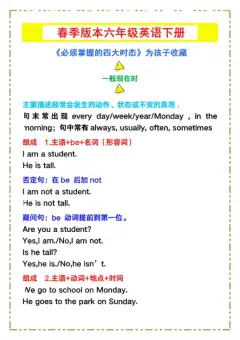
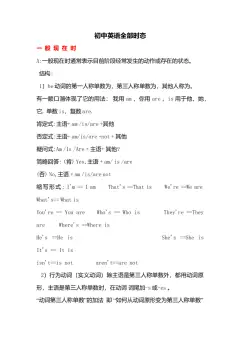
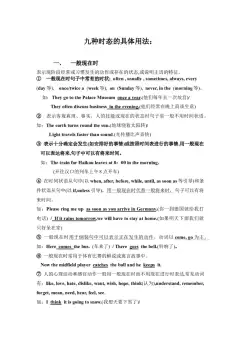
一般现在时:表示“经常发生”或“客观事实”
结构:主语 + 动词原形。如果主语是第三人称单数(he / she / it / 单数人名),动词要加 -s 或 -es。
标志词:often(经常)、usually(通常)、always(总是)、sometimes(有时)、every day(每天)。
例句:
I go to school every day.(我每天去上学。)
He likes apples.(他喜欢苹果。)
She watches TV on Sundays.(她周日看电视。)
易错提醒:这是丢分最多的地方——主语是 he/she/it 时,动词忘了加 s。错误写法 "He like apples.",正确写法 "He likes apples."。做题时先看主语是谁,再决定动词变不变形。
现在进行时:表示“此刻正在做”
结构:主语 + be动词(am / is / are)+ 动词-ing。
标志词:now(现在)、look(看)、listen(听)、at the moment(此刻)。
例句:
She is reading now.(她现在正在读书。)
They are playing football.(他们正在踢足球。)
Look! The bird is flying.(看!鸟正在飞。)
易错提醒:最常见的错误是漏掉 be 动词。错误写法 "She reading.",正确写法 "She is reading."。另外动词加 -ing 也有规则:一般直接加(play→playing);以不发音的 e 结尾要去 e 加 ing(make→making);重读闭音节要双写尾字母(run→running,swim→swimming)。
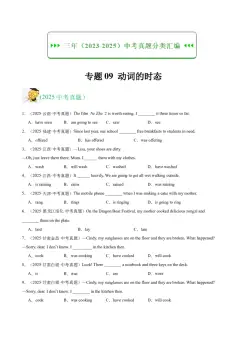
一般过去时:表示“过去发生的事”
结构:主语 + 动词过去式。
标志词:yesterday(昨天)、last week(上周)、ago(以前)、just now(刚才)。
例句:
I went to the park yesterday.(我昨天去了公园。)
He played basketball last Sunday.(他上周日打了篮球。)
We had a good time.(我们玩得很开心。)
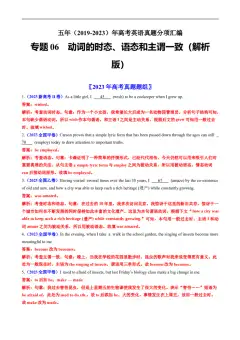
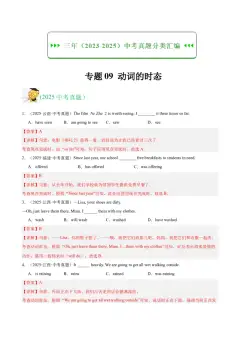
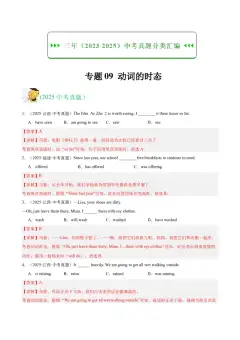
易错提醒:过去式分规则和不规则两类。规则变化一般加 -ed(play→played),以 e 结尾加 -d(like→liked),辅音+y 变 i 加 ed(study→studied),重读闭音节双写加 ed(stop→stopped)。不规则变化必须硬记,高频的如 go→went、see→saw、have→had、eat→ate、do→did。做题时先圈出 yesterday 这类时间词,看到它就用过去式,别和三单形式搞混。
一般将来时:表示“以后要做的事”
结构:两种写法——主语 + will + 动词原形;或者 主语 + be going to + 动词原形。
标志词:tomorrow(明天)、next week(下周)、soon(很快)、in the future(将来)。
例句:
I will go tomorrow.(我明天去。)
She is going to visit her grandma.(她打算去看望奶奶。)
They will play football next week.(他们下周要踢足球。)
易错提醒:will 后面永远跟动词原形,不随人称变化。错误写法 "I will to go." 或 "He wills go.",正确写法 "I will go." "He will go."。用 be going to 时别忘了 be 动词要和主语搭配(I am / he is / they are)。
2.第三人称单数(三单)变化规则
当主语是 he / she / it 或单数人名/单数名词时,一般现在时的动词要变形:
一般加 -s:like → likes,play → plays
以 s, x, sh, ch, o 结尾加 -es:go → goes,watch → watches
辅音字母 + y 结尾,变 y 为 i 加 -es:study → studies
3. be 动词口诀(低年级必背)
我(I)用 am,你(you)用 are,is 连着他(he)她(she)它(it);单数名词用 is,复数名词全用 are。
4. 名词复数规则(必考)
一般加 -s:book → books
以 s, x, sh, ch 结尾加 -es:box → boxes,watch → watches-3
辅音 + y 结尾,变 y 为 i 加 -es:baby → babies
不规则变化(必须硬记):man → men,child → children,foot → feet,tooth → teeth
5. 特殊疑问词速查
考试常给答句让写问句,记住每个词问什么:
What → 问事物(What's this?)
Who → 问人(Who is she?)
Where → 问地点(Where is my book?)
When → 问时间(When do you get up?)
Why → 问原因(Why do you like spring?)
How → 问方式/状况(How are you?)