ARTICLE · 1241521
【小学英语1500核心词】分类速记第 27 期:基础动作与行为动词(一)
【小学英语1500核心词】分类速记第 27 期:基础动作与行为动词(一)💡 学习指南:
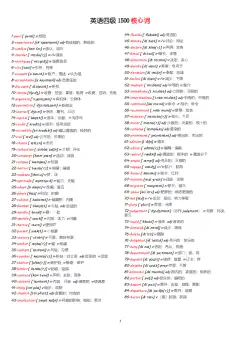
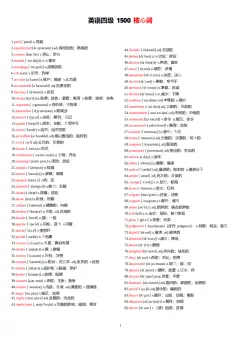
本期涵盖小学阶段最核心的身体动作、感官与日常行为动词(共30词及常用短语)。重点讲解了看/听系感官动词辨析(see vs look vs watch)、现在进行时 -ing 双写末尾字母(run ➔ running, swim ➔ swimming)以及小升初必考固定动介搭配! Part 01肢体与身体运动动作 Body Actions 🏃♂️ 📌 基础肢体活动动词(Body Movements)🔥 留意 -ing 双写 • run [rʌn] v. 跑,奔跑 (⚠️-ing: running / 过去式: ran)
• walk [wɔːk] v. 散步,步行 (walk to school)
• jump [dʒʌmp] v. 跳跃 (jump high)
• hop [hɒp] v. 单脚跳 (⚠️-ing: hopping)
• sit [sɪt] v. 坐 (⚠️sit down; -ing: sitting / 过去式: sat)
• stand [stænd] v. 站立 (stand up 站立,起立)
• swim [swɪm] v. 游泳 (⚠️-ing: swimming / 过去式: swam)
• fly [flaɪ] v. 飞;飞翔 (fly a kite 放风筝)
• climb [klaɪm] v. 攀登,爬 (b 不发音!climb trees)
• dance [dɑːns] v. 跳舞 (⚠️去e加ing: dancing) Part 02感官、视听与表达动作 Sensory & Speech 👁️ 📌 视听感官与言语动作(Sensory Verbs)⚠️ 精准辨析 • look [lʊk] v. 看 (不及物: look at the blackboard)
• see [siː] v. 看见 (强调结果: see a movie / I can see...)
• watch [wɒtʃ] v. 观看,注视 (watch TV / watch a match)
• listen [ˈlɪsn] v. 听 (⚠️t不发音!listen to music)
• hear [hɪə(r)] v. 听到,听见 (强调结果: hear a sound)
• say [seɪ] v. 说,讲 (强调说话内容: Say hello to...)
• speak [spiːk] v. 讲(语言) (speak English / speak to sb.)
• talk [tɔːk] v. 谈话,交谈 (talk with/to sb.)
• tell [tel] v. 告诉,讲述 (tell a story / tell the truth)
• sing [sɪŋ] v. 唱歌 (sing an English song) Part 03日常行为与生理动作 Everyday Verbs 🍽️ 📌 基础生活与生理习惯动作 • eat [iːt] v. 吃 (eat breakfast / eat apples)
• drink [drɪŋk] v. 喝,饮 (drink water / drink milk)
• sleep [sliːp] v. 睡觉 (go to sleep / sleep well)
• wash [wɒʃ] v. 洗,清洗 (wash hands / wash face)
• clean [kliːn] v. 打扫,打理 (clean the room)
• open [ˈəʊpən] v. 打开 ↔ close [kləʊz] v. 关闭
• touch [tʌtʃ] v. 触摸,碰 (touch your nose)
• smile [smaɪl] v. 微笑 (smile at sb.)
• cry [kraɪ] v. 哭,哭泣 (cry loudly)
• laugh [lɑːf] v. 大笑 (laugh at sb. 嘲笑某人) ⚡️ 本期小升初高频考点总结(核心语法): 1. 看(look / see / watch)与 听(listen / hear)辨析口诀:
• look: 强调“看”的动作,不及物,加宾语必须带 at(Look at the map.)。
• see: 强调“看见”的结果(I can see a bird.);看电影用 see a movie。
• watch: 强调“注视、观看动态画面”(watch TV / watch a football game)。
• listen: 强调“听”的动作,加宾语必须带 to(listen to music)。
• hear: 强调“听到”的结果(I hear a strange noise.)。
2. “说”字四兄弟(say / speak / talk / tell):
• say + 内容:say "Hello" / say something
• speak + 语言:speak English / speak Chinese
• talk + 人:talk to/with my friend(交谈)
• tell + 人 + 事:tell me a story(讲故事/告诉)
3. 现在进行时(-ing)三大特殊变形陷阱:
• 双写末尾辅音字母:run ➔ running, swim ➔ swimming, sit ➔ sitting, hop ➔ hopping
• 去不发音的 e 加 -ing:dance ➔ dancing, smile ➔ smiling, close ➔ closing 🎯 考考你 · 随堂小测验 (Quiz Time) 一、单项选择:
1. Don't ______ TV too late. You should go to sleep now.
A. see B. look C. watch
2. Listen! The children are ______ songs in the music room.
A. sing B. singing C. sang
3. Can you ______ Chinese, Mr. Black?
A. speak B. say C. tell
二、写出下列动词的现在分词(-ing形式):
1. swim ➔ ______________
2. dance ➔ ______________
(快在评论区写下你的答案打卡吧!) ✨ 写在最后:如果这篇文章对你或孩子的英语学习有所帮助,欢迎点赞、在看、转发三连!
记得将我们【设为星标 ⭐️】,不错过每日小学语数英核心干货推送!
本期涵盖小学阶段最核心的身体动作、感官与日常行为动词(共30词及常用短语)。重点讲解了看/听系感官动词辨析(see vs look vs watch)、现在进行时 -ing 双写末尾字母(run ➔ running, swim ➔ swimming)以及小升初必考固定动介搭配!
• walk [wɔːk] v. 散步,步行 (walk to school)
• jump [dʒʌmp] v. 跳跃 (jump high)
• hop [hɒp] v. 单脚跳 (⚠️-ing: hopping)
• sit [sɪt] v. 坐 (⚠️sit down; -ing: sitting / 过去式: sat)
• stand [stænd] v. 站立 (stand up 站立,起立)
• swim [swɪm] v. 游泳 (⚠️-ing: swimming / 过去式: swam)
• fly [flaɪ] v. 飞;飞翔 (fly a kite 放风筝)
• climb [klaɪm] v. 攀登,爬 (b 不发音!climb trees)
• dance [dɑːns] v. 跳舞 (⚠️去e加ing: dancing)
• see [siː] v. 看见 (强调结果: see a movie / I can see...)
• watch [wɒtʃ] v. 观看,注视 (watch TV / watch a match)
• listen [ˈlɪsn] v. 听 (⚠️t不发音!listen to music)
• hear [hɪə(r)] v. 听到,听见 (强调结果: hear a sound)
• say [seɪ] v. 说,讲 (强调说话内容: Say hello to...)
• speak [spiːk] v. 讲(语言) (speak English / speak to sb.)
• talk [tɔːk] v. 谈话,交谈 (talk with/to sb.)
• tell [tel] v. 告诉,讲述 (tell a story / tell the truth)
• sing [sɪŋ] v. 唱歌 (sing an English song)
• drink [drɪŋk] v. 喝,饮 (drink water / drink milk)
• sleep [sliːp] v. 睡觉 (go to sleep / sleep well)
• wash [wɒʃ] v. 洗,清洗 (wash hands / wash face)
• clean [kliːn] v. 打扫,打理 (clean the room)
• open [ˈəʊpən] v. 打开 ↔ close [kləʊz] v. 关闭
• touch [tʌtʃ] v. 触摸,碰 (touch your nose)
• smile [smaɪl] v. 微笑 (smile at sb.)
• cry [kraɪ] v. 哭,哭泣 (cry loudly)
• laugh [lɑːf] v. 大笑 (laugh at sb. 嘲笑某人)
• look: 强调“看”的动作,不及物,加宾语必须带 at(Look at the map.)。
• see: 强调“看见”的结果(I can see a bird.);看电影用 see a movie。
• watch: 强调“注视、观看动态画面”(watch TV / watch a football game)。
• listen: 强调“听”的动作,加宾语必须带 to(listen to music)。
• hear: 强调“听到”的结果(I hear a strange noise.)。
2. “说”字四兄弟(say / speak / talk / tell):
• say + 内容:say "Hello" / say something
• speak + 语言:speak English / speak Chinese
• talk + 人:talk to/with my friend(交谈)
• tell + 人 + 事:tell me a story(讲故事/告诉)
3. 现在进行时(-ing)三大特殊变形陷阱:
• 双写末尾辅音字母:run ➔ running, swim ➔ swimming, sit ➔ sitting, hop ➔ hopping
• 去不发音的 e 加 -ing:dance ➔ dancing, smile ➔ smiling, close ➔ closing
1. Don't ______ TV too late. You should go to sleep now.
A. see B. look C. watch
2. Listen! The children are ______ songs in the music room.
A. sing B. singing C. sang
3. Can you ______ Chinese, Mr. Black?
A. speak B. say C. tell
二、写出下列动词的现在分词(-ing形式):
1. swim ➔ ______________
2. dance ➔ ______________
(快在评论区写下你的答案打卡吧!)
记得将我们【设为星标 ⭐️】,不错过每日小学语数英核心干货推送!