ARTICLE · 1279494
初中英语全套语法体系,16大时态+10大词性一次搞定
英语语法零散、记不住。这份完整语法笔记,从缩写词、十大词性、句子结构,到16大时态、语法顺口溜全部整理好了,适合初中孩子系统复盘,随时记背!
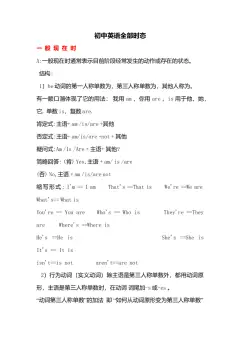
I am = I'm
can not = can't
It is = it's
do not = don't
He is = he's
could not = couldn't
Is not = isn't
does not = doesn't
She is = She's
There is = there's
are not = aren't
did not = didn't
They are = they're
What is = what's
was not = wasn't
I will = I'll
You are = you're
Who is = who's
were not = weren't
we will = we'll
We are = we're
When is = when's
That is = that's
will not = won't
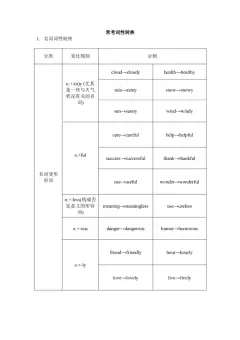
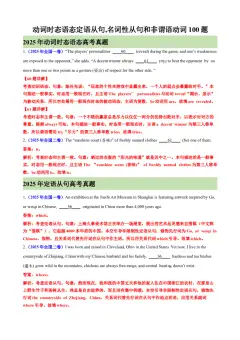
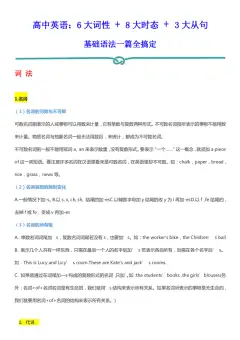
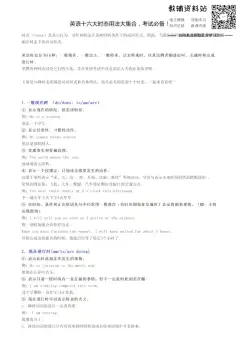
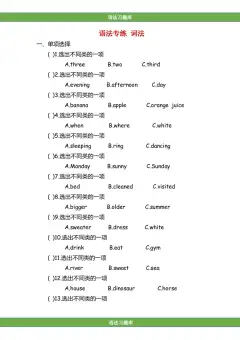
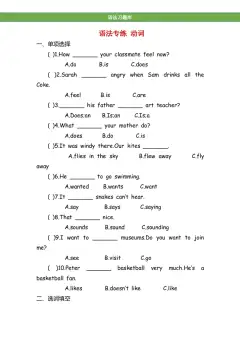
1. 动词(v.):表示人或事物的动作/状态
例:smile, finish, eat, look, run
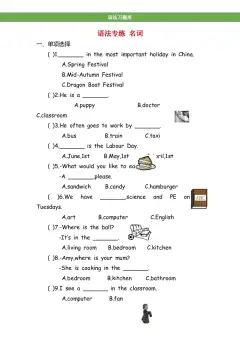
2. 名词(n.):表示人和事物的总称
例:apple, pen, hand, paper, mouse
3. 数词(num.):表示数量或顺序
例:one, first, sixth, twenty-first
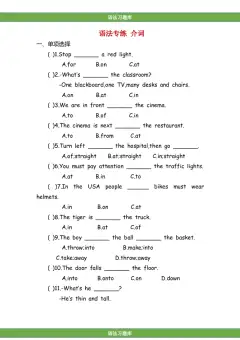
4. 介词(prep.):用在名词/代词前,说明关系
例:in, on, at, by, about, after
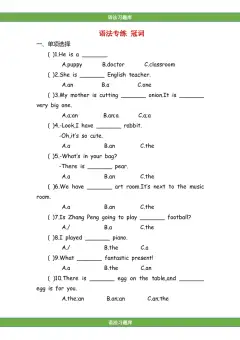
5. 冠词(art.):用于名词前,限定名词,只有3个
例:a, an, the(a/an用在元音音素前,the可表泛指、特指)
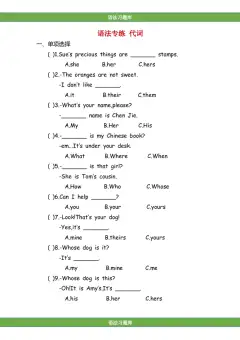
6. 代词(pron.):代替名词/形容词/数词
例:his, them, myself, yourself
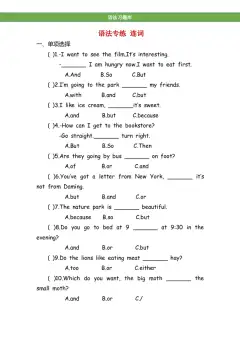
7. 连词(conj.):用来连接短语或句子
例:and, but, besides
8. 副词(adv.):修饰动词、形容词、其他副词
例:now, truly, fortunately
9. 形容词(adj.):修饰名词,表人/事物特质
例:good, short, big, young
10. 感叹词(int.):表达说话情感和语气
例:oh, well, hurrah, ah
补充代词分类
- 不定代词:some一些,many许多,any许多,both两个都
- 疑问代词:who谁,what什么,which哪个
- 相互代词:each other互相,one another互相
- 关系代词:which…的物,who…人,that人或物
- 替代词:one(单数),ones(复数)
1. 主+谓
例:He walks. 他走路。 He walks quickly. 他走得很快。
2. 主+谓+宾
例:I like strawberries.我吃草莓。 I love him.我爱他。
3. 主+系+表
例:The weather is good.天气好。 It is cute.它是可爱的。
4. 主+谓+宾+宾补
例:We call her Miss Li.我们叫她李老师。 I made my brother cry.我把弟弟弄哭了。
5. 主+谓+双宾
例:She shows me a book.她向我展示了一本书。 I gave him all my money.我把我的钱都给他了。
6. 名词性从句(主语从句、宾语从句、表语从句、同位语从句)
例:That the earth is round is real.地球是圆的是真实的。
7. 形容词性从句=定语从句(关系从句)
例:He remember the thing that his father is back.他记得那件事,他的父亲回来了。
8. 副词性从句(时间、条件、结果、目的、原因、让步、地点、方式状语从句)
例:When it rains, I go to school by bus.下雨时,我坐公共汽车上学。
1. 主语 Subject:动作发出者
例句:I eat bananas. 我吃香蕉。
2. 谓语 Predicate:主语的动作、状态
例句:I eat bananas.我吃香蕉。
3. 宾语 Object:动作承受对象
例句:I eat bananas.我吃香蕉。
4. 表语 Predicative:说明主语品质、状态
例句:The banana is yellow.香蕉是黄色的。
5. 同位语 Appositive:进一步解释句子成分
例句:I like eat banana, a kind of tropical fruit.我喜欢吃香蕉。
6. 定语 Attribute:修饰名词,多为形容词
例句:I eat the yellow bananas.我吃黄色的香蕉。
7. 状语 Adverbial:动作的时间/地点/原因/方式
例句:I eat the banana quickly.我快速地吃香蕉。
8. 感叹词 Interjection:表达情绪,打招呼
例:Wow!
9. 插入语 parentheses:句子修饰语
例:of course
10. 称呼词 Address words:直接称呼听话人
例句:Children, Boys and girls, Teacher, madam
11. 补足语 Complement(宾补):对宾语补充说明
例句:I told him to eat the banana.我叫他去吃香蕉。
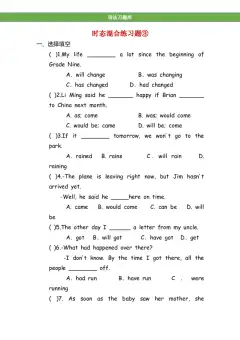
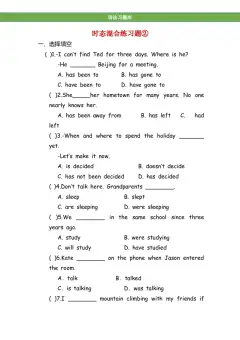
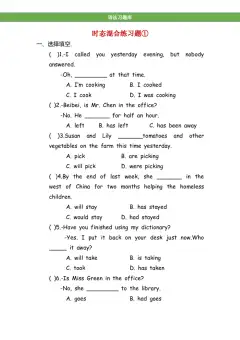
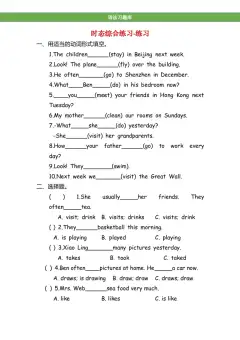
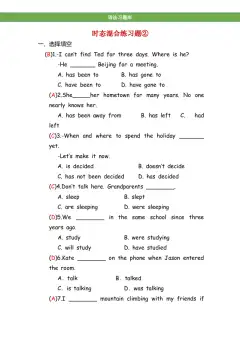
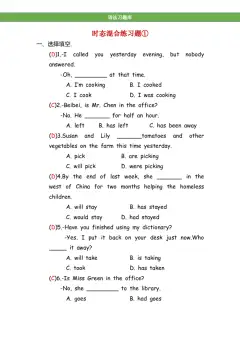
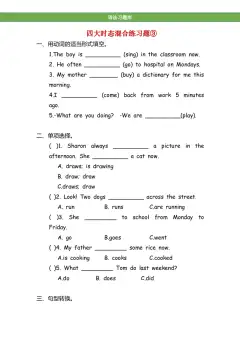
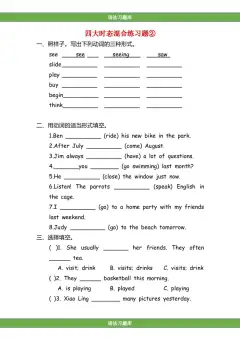
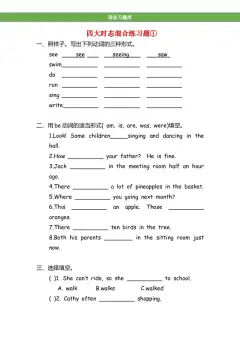
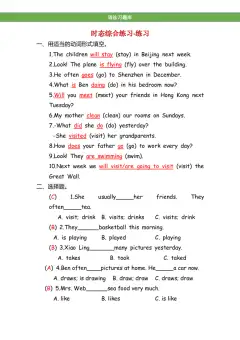
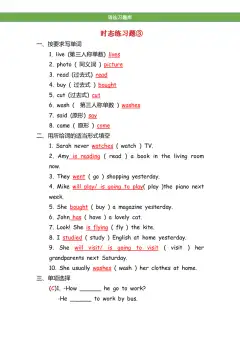
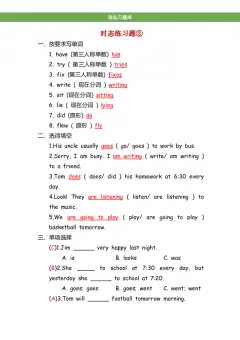
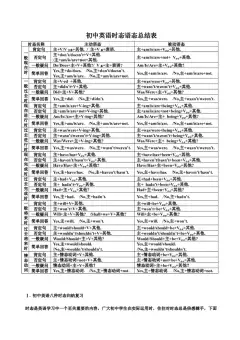
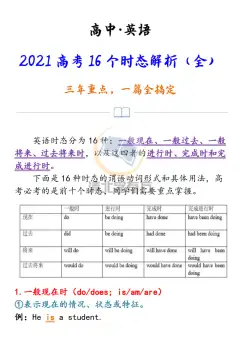
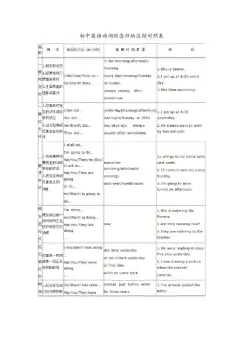
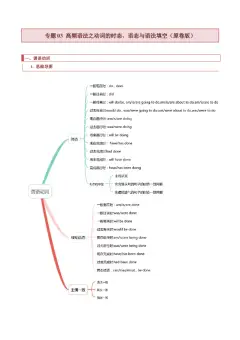
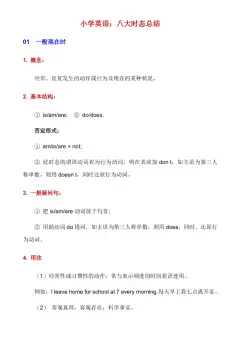
时态核心:时间状语 + 动词形式变化
1. 一般现在时:客观事实、习惯规律
标志词:always, usually, often, every day, sometimes
例句:I do my homework. 我做作业。
2. 一般过去时:过去发生动作
标志词:yesterday, last year, just now
例句:I did my homework yesterday. 我昨天做完作业了。
3. 一般将来时:将要发生动作
标志词:tomorrow, next month, the day after tomorrow
例句:I will do my homework tomorrow. 我会在明天做作业。
4. 现在进行时:此刻正在做
标志词:look, listen, right now, at this time
例句:I am doing my homework now. 我现在正在做作业。
5. 过去进行时:过去某个时间点正在做
标志词:at that time, at that moment
例句:I was doing my homework when you opened door. 当你开门的时候,我正在做作业。
6. 过去将来时:站在过去看未来
例句:I said I would do my homework tomorrow. 我说过明天我会做作业。
7. 将来进行时:将来某个时间点正在进行
标志词:tomorrow, next week
例句:I will be doing my homework at 9:00 tomorrow.明天九点的时候我会正在做作业。
8. 过去将来进行时:在过去说将来某时刻正在进行
例句:I said I would be doing my homework at 9:00 tomorrow.我说过,明天九点钟我正在做作业。
9. 现在完成时:动作已完成,对现在有影响
标志词:already, yet, just, ever, never, so far
例句:I have done my homework. 我做完作业了。
10. 过去完成时:过去的过去就已经完成
标志词:by+过去时间点,by the time
例句:I had done my homework before you opened the door.在你开门前,我已经做完作业了。
11. 将来完成时:将来某时间前完成动作
例句:I will have done my homework tomorrow.明天我会完成作业。
12. 过去将来完成时:站在过去,预判将来会完成
例句:I said I would have done my homework before you open the door.我说过我会在你开门前完成作业。
13. 现在完成进行时:动作持续到现在,仍在继续
例句:I have been doing my homework for 3 hours.我已经做了3个小时作业了。
14. 过去完成进行时:过去持续做,到过去某时间停下
例句:I had been doing my homework for 3 hours before you opened the door.在你开门前,我已经做了3个小时作业了。
15. 将来完成进行时:到将来某个时间,持续做某事
例句:I will have been teaching for 3 years next week.到了下周,我就教学教了3年了。
16. 过去将来完成进行时:站在过去,预测将来持续动作
例句:I said I would have been teaching for 3 years next week.我说过,到了下周,我就教学教了3年了。
✅一、be动词用法
我用am,你用are,is连着他/她/它
单数名词用is,复数名词全用are
变疑问,往前提,句末问号莫丢弃
变否定,更容易,be后not莫忘记
疑问否定任你变,句首大写莫迟疑
例句:
I am /You are /He is a student.
This is a book. / These are books.
Are you a student?
I am not a student.
✅二、介词(时间介词口诀)
年月周前要用in,日子前面却不行
遇到几号要用on,上午下午又是in
要说某日上下午,用on换in才能行
午夜黄昏用at,黎明用它也不错
at用在时分前,说差需要用上to
说过只可用past,多说多练牢牢记
例句:in 2022/in August/in a week;on May 10th/in the morning;on Monday morning;at midnight;at six /ten to nine
✅三、可数名词复数变化
名词复数有规律,一般词尾加s
辅音字母+y型,变y为i,再加es
s,x,sh,ch结尾真有趣,末尾要加es
f,fe真小气,字母v来把它替,es在后别忘记
字母o也神奇,有生命加es,没有生命加s
中日好友来聚会,绵羊鹿鱼带回家(单复同形)
男、女 a变e
牙(齿)、双脚 o变双e
例:apple-apples;baby-babies;box-boxes;knife-knives;zoo-zoos, tomato-tomatoes;man-men, woman-women;foot-feet,tooth-teeth
✅四、省略不定式符号to
一感feel,二听hear, listen to,三让have, let, make,四看 see, look at, observe, watch
例句:
Mr. Wang has his son write a diary every day.王先生让儿子每天写一篇日记。
My mother wouldn’t let me go to the park.我妈妈不会让我去公园。
I watched her get into the car.我看着她上了车。
I saw the woman enter a bank.我看见这个女人进了一家银行。
✅五、句子种类
- 陈述句:叙述一件事
例:He went to the cinema the day before yesterday.
- 疑问句:提出问题
例:Where did you go yesterday?
- 祈使句:表达命令请求
例:Open the door, please.
- 感叹句:抒发强烈情感
例:How beautiful the park is!
✅六、英语分数
英语分数不费事,母序子基四个字
分子若是大于一,分母还须加-s
二分之一不说a second,而要说 a half
四分之一可以说 a fourth,也常用 a quarter;
四分之三可以说 three fourths,常用 three quarters
例:one-tenth 十分之一;two thirds 三分之二
✅七、形容词&副词比较
一音比较用原级。比较级跟二者比。三者三者往上比,最高级的用法起。
若要比较范围窄,比较范围要搞细。比较级二句型记,做出句子没问题。
若甲乙程度相同,as…as结构体。甲某方面不及乙,用not so/as…as表示
例句:Our teacher is taller than we are.我们老师的个子比我们高。
His bedroom is not as neat as his sister’s.他的卧室没有他姐姐的整洁。
She is the best student in her class.她是班上最好的学生。
✅八、一般现在时口诀
表示通常性、规律性、习惯性、真理性的动作或状态
1. I、we、you、they作主语,动词原形后面跟
否定句,更容易,动词前面加 don’t
疑问句,别着急,句首Do,来帮你,后面问号别忘记
肯定回答用 Yes, I、you、we、they 加上 do
否定回答要用 No, I、we、you、they 加 don’t
2. 主语三单他、她、它,动三形式后面加
词尾一般s加;辅音字母+y型,变y为i加es
ch.sh.s.x真有趣,后面要加es
三个特殊那里去?has、goes 和 does
否定句记住它,动词前面doesn’t
疑问句,句首Does来帮你
肯定回答 Yes, he, she, it 加 does
否定回答 No,he, she, it. doesn’t
Does, doesn’t 来帮你,后面动词注意,恢复原形要切记
例句:
I have a book. / I don’t have a book.
Do you have a book? Yes I do. / No I don’t.
He doesn’t have a book. Does he have a book? Yes, he does. / No, he doesn’t.
✅九、一般过去时口诀
一般过去并不难,动词要用过去式,时间状语句末站
句中若有Be动词,变成相应过去式was,were
疑问句be提前,否定be后加Not
句中若有实义动词,变换规则要牢记
否定句也很简单,didn’t站在动原前,其它部分不变
一般疑问句did放主语前,其它分用原型
最后一条请注意,牢记动词过去式(规则和不规则变化)
例句:
He visited a farm yesterday.
Was he a student ten years ago?
He didn’t visit a farm yesterday.
Did he visit a farm yesterday?
✅十、过去进行时口诀
过去进行最好记,was/were 加 doing
特定时间有暗示,过去某段时间,at that time, yesterday
变成疑问很简单,be提至主语前
否定句式更简单,be后仅把not添
例句:
I was sleeping at ten last night.
Were you sleeping at ten last night?
I wasn’t sleeping at ten last night.
✅十一、一般将来时口诀
将来事情未发生,“打算”“将要”做某事
判断时态要仔细,将来时间要看清
tomorrow, next day/week/year, the day after tomorrow
Be going to 和 will,后面都用动词原形
Will不分人/数,所有人称都可用
be going to则不同,be要跟着主语变
我用am,你用are,is连着他/她/它
Will/be 加 not,句子变成否定句
Will/be提句首,句子变成疑问句
例句:
I will arrive tomorrow.
We are going to put up a building.
I will not arrive tomorrow.
Will you arrive tomorrow?
✅十二、现在完成时口诀
现在完成时:have /has +过去分词
过去某时已发生,后果影响记心中;
过去某时已发生,持续现在还发生;
句中常有标志词,找准它们很重要;
already 仅在肯定中,yet句末疑否定;
疑问句很简单,have/has要提前;
变否定也不难,not紧跟have/has后;
since一点for一段,how long提问记心间;
since后一般加时间点,for加时间段;
Have /has gone to,去了某地没回来;
Have/has been to,去过某地已回来。
例句:
We have seen that film before.
I have just cleaned my room.
I have learned English for ten years.
Have you finished your homework yet?
I haven't cleaned my room
语法是英语的骨架。以上内容覆盖初中核心语法,从基础词性、句子成分,到16大时态,还有好背的语法口诀。
适合:初中生、中考备考、英语基础薄弱的孩子
推荐收藏,转发给正在学英语的同学!
Ls.乐思英语
让英语学习更高效、更有趣