ARTICLE · 1357371
Write Up Vol.11: 初中英语写作之好奇的力量












前言

2024外研版八上英语教材 Unit 3 的写作任务是:Write an example about the power of curiosity。教材以一句“Many great inventions in history are the result of people's curiosity”开篇,引出了这篇习作需要包含的内容和写作框架:
人物:Who is the inventor?
好奇点:What was he/she curious about?
行动:What did he/she do out of curiosity?
成就:What did he/she achieve?
影响:How did he/she influence the world?
这次的话题和以往大不一样,生活气息淡了不少。小编得先泼一盆冷水:千万别写你同桌因为好奇拆了计算器或者你爸因为好奇拆了洗衣机——这类素材实在很难回答第5问。这道题最好的写作对象,是那些在历史长河里闪闪发光的发明家们。至于句式和表达,直接“抄作业”就行,课文《The Power of Curiosity》(P44-45)早就给你备好了一切!
01
课文剖析

本单元两篇课文虽然都围绕科学发现或发明展开,但主题侧重截然不同。
课文《A Helping Hand》(P36-37)聚焦于科学发明如何帮助人(尤其是残疾人)。因此,文中几乎看不到对“curiosity”的描写,重心全在“influence”上。想从中找“好奇的力量”?方向不对。
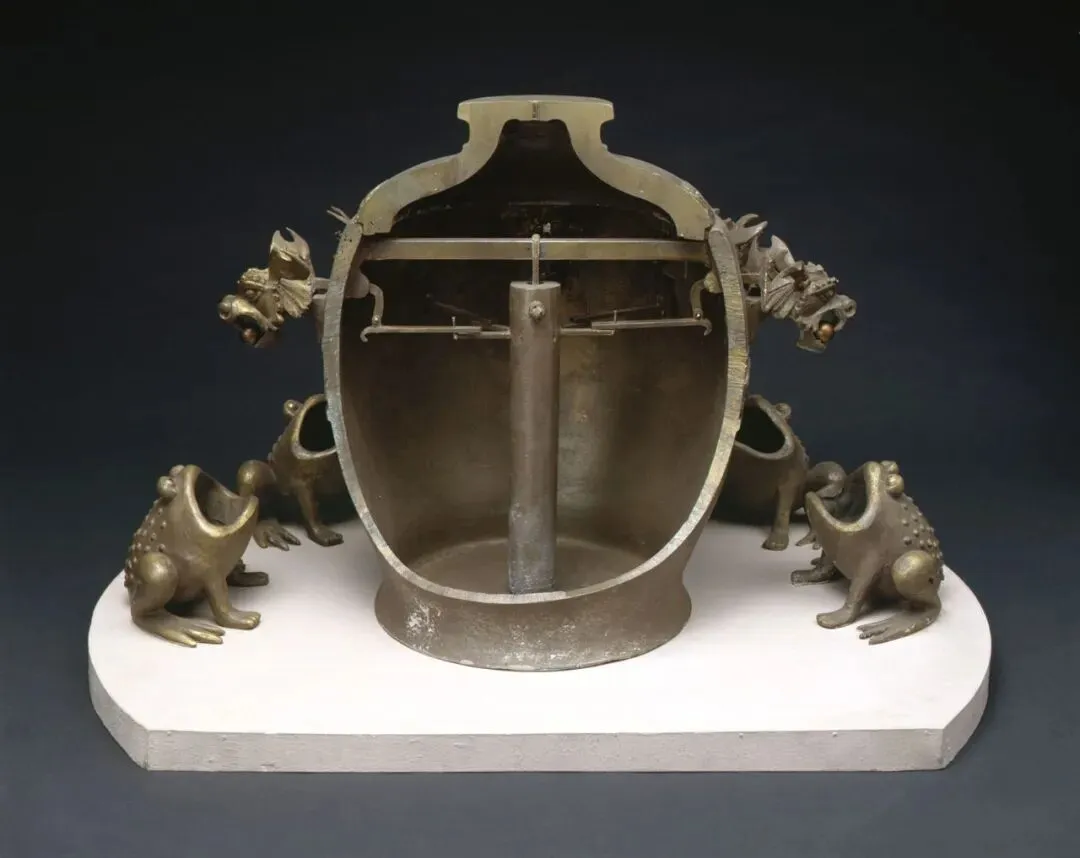
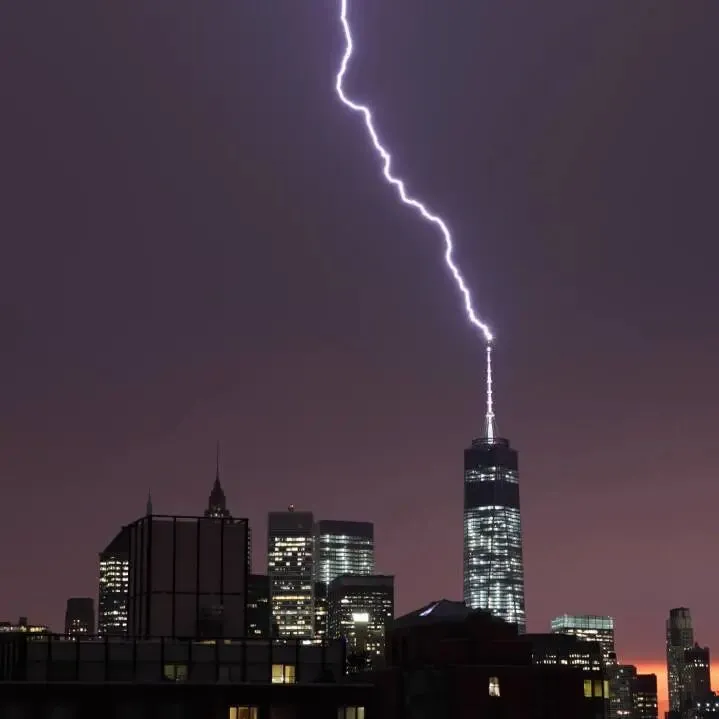
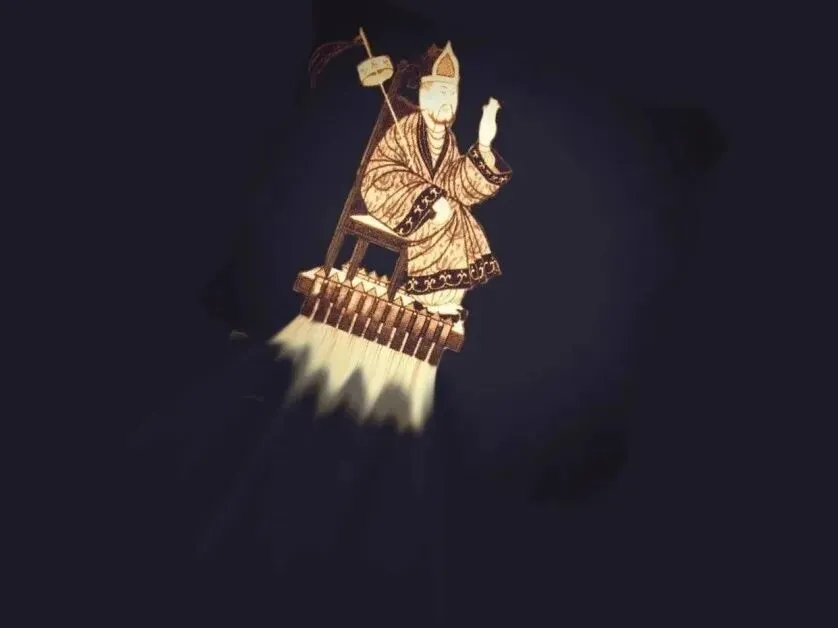
课文《The Power of Curiosity》(P44-45)则一口气列举了三位中外“好奇宝宝”——制作星图、发明地动仪的张衡,发明避雷针的本杰明·富兰克林,以及用火箭推力尝试载人飞行的万户。这篇课文无论结构还是表达,对这次写作任务的借鉴价值都极高,开头和结尾甚至可以直接搬用。
02
参考范文

下面,小编模仿《The Power of Curiosity》中的三段人物介绍,撰写两篇范文供大家参考。加粗部分均模仿自课文。

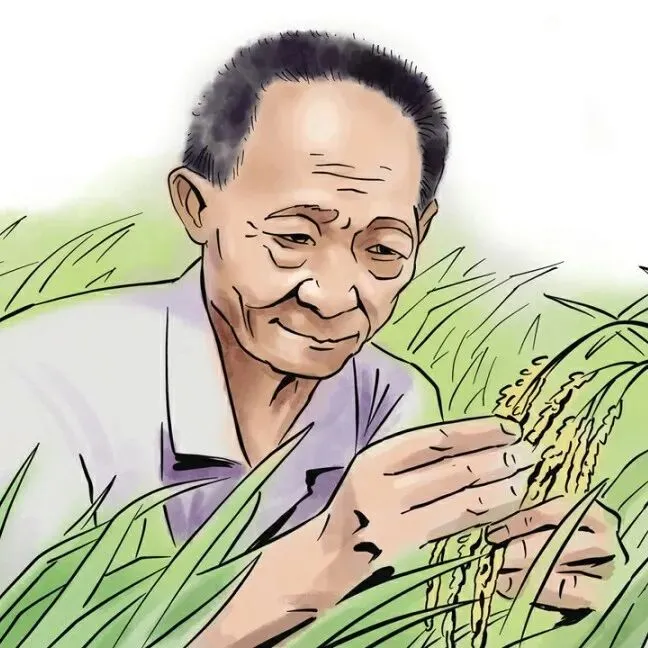
袁隆平
Albert Einstein once said, "I have no special talents. I am only passionately curious." Many great inventions in history are the result of people's curiosity.
Yuan Longping, a Chinese scientist, was curious about rice. He asked a question: "Why do rice plants give so little grain (谷物)?" This strong curiosity drove him to spend years studying rice in the fields. He tried many ways and did lots of experiments (实验). Finally, he developed hybrid rice (杂交水稻). This achievement helped feed millions of people. It changed China and the world.
Curiosity works like a key. It opens new doors for us to learn and discover. When we stay curious and ask questions, we can always explore more and find amazing things in the world.

蔡伦
Curiosity is the mother of invention. Many great things in history came from a simple question.
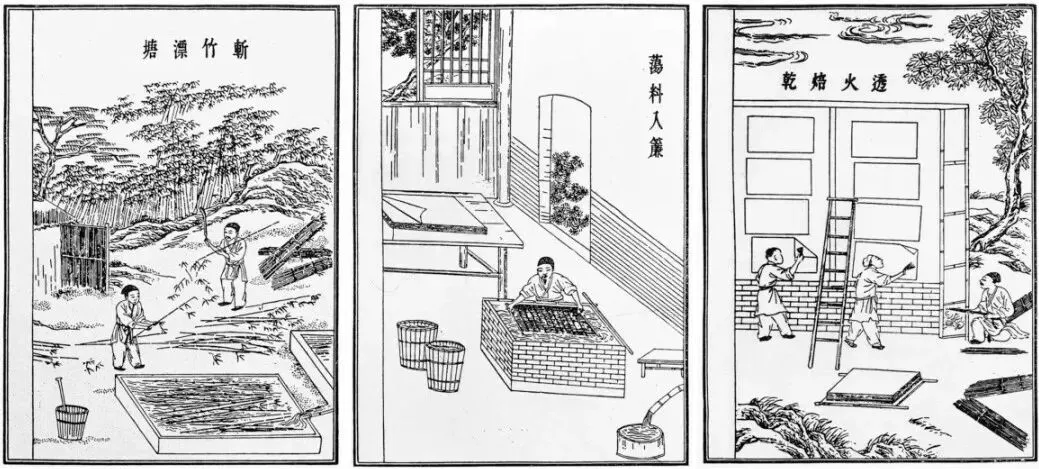
Cai Lun, a Chinese inventor in the Han Dynasty, was curious about writing. In his time, people wrote on bamboo or silk. Bamboo was heavy, and silk was expensive. Cai Lun wondered, "Can we find something light and cheap for writing?" This strong curiosity drove him to try many materials (材料). He used tree bark (树皮), old cloth (旧布), and fishing nets (渔网). He tested one after another. Finally, he made the first real paper. His invention spread across China and then the world. It helped people share knowledge easily and changed human history.
Curiosity is like a small seed. When we water it with action, it can grow into something great. Stay curious, and you may find something amazing.
结语

通过上面两篇范文,你可能会发现,袁隆平和蔡伦,一个研究水稻,一个改良造纸,领域差了十万八千里,可文章的骨架却像一对“孪生兄弟”——都是先抛出一个简单的问题,再用“curiosity drove him to...”把故事推进下去,最后落点到“改变世界”上。没错,这就是模仿的妙处:框架是旧的,人物是新的;表达是模仿的,故事是自己的。
如果这篇推文对你有帮助,欢迎点个❤或转发给正在为英语作文发愁的同学。保持好奇心,咱们下期“Write Up”继续从课本里挖宝藏!
欢迎扫码关注我们哦~
微信号|linguamatic