ARTICLE · 1366480
【优质课21】人教版高中英语必修第一册Unit 1 Teenage Life Period 3 Discovering Useful Structures教学设计
英语学习法精华文章推荐:
双语阅读精华文章推荐:
ARTICLE · 1366480
英语学习法精华文章推荐:
双语阅读精华文章推荐:
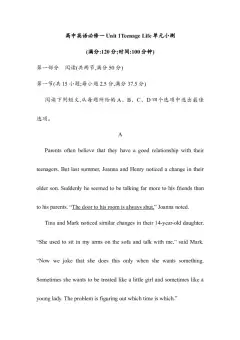 Unit+1+Teenage+Life一轮复习单元小测++2024届高考英语人教版(2019)必修第一册
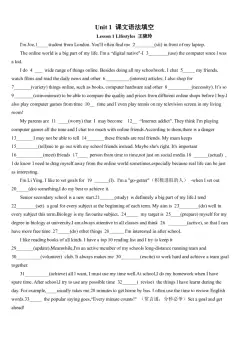 +Unit+1+Life+Choices+一轮复习课文语法填空-2025届高三英语北师大版(2019)必修第一册
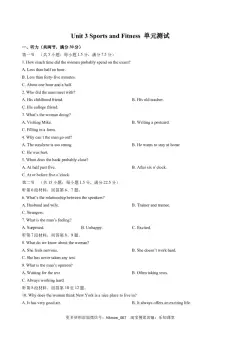 人教版(2019)高中英语必修第一册:Unit3单元测试(含答案与解析)_E015高中全科试卷_英语试题_必修1_1.新版高中英语必修一_1.单元测试_3.单元测试(第三套)
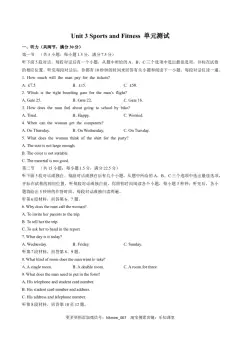 人教版(2019)高中英语必修第一册:Unit3Sportsandfitness单元测试(附答案与解析)_E015高中全科试卷_英语试题_必修1_1.新版高中英语必修一_1.单元测试_3.单元测试(第三套)
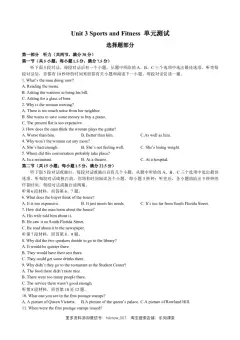 人教版(2019)高中英语必修第一册:Unit3Sportsandfitness单元测试(含答案与解析)_E015高中全科试卷_英语试题_必修1_1.新版高中英语必修一_1.单元测试_3.单元测试(第三套)
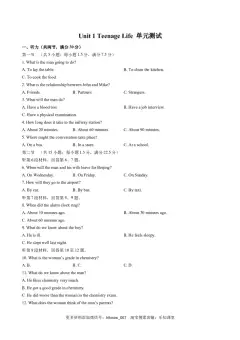 人教版(2019)高中英语必修第一册:Unit1单元测试(含答案与解析)_E015高中全科试卷_英语试题_必修1_1.新版高中英语必修一_1.单元测试_3.单元测试(第三套)
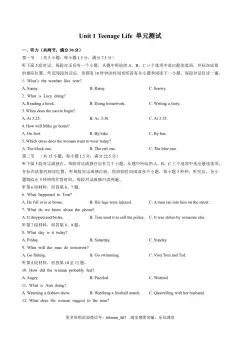 人教版(2019)高中英语必修第一册:Unit1Teenagelife单元测试(附答案与解析)_E015高中全科试卷_英语试题_必修1_1.新版高中英语必修一_1.单元测试_3.单元测试(第三套)
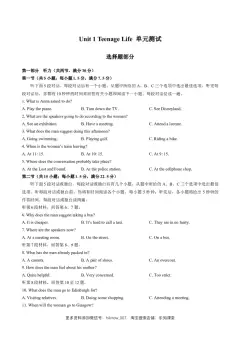 人教版(2019)高中英语必修第一册:Unit1Teenagelife单元测试(含答案与解析)_E015高中全科试卷_英语试题_必修1_1.新版高中英语必修一_1.单元测试_3.单元测试(第三套)
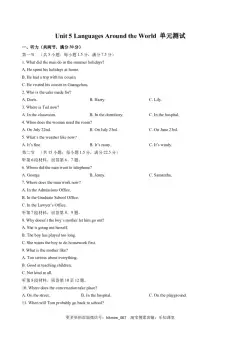 人教版(2019)高中英语必修第一册:Unit5单元测试(含答案与解析)_E015高中全科试卷_英语试题_必修1_1.新版高中英语必修一_1.单元测试_3.单元测试(第三套)
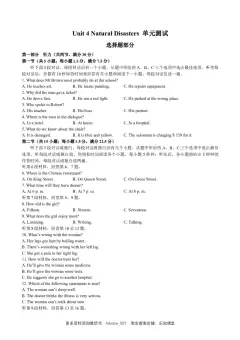 人教版(2019)高中英语必修第一册:Unit4Naturaldisasters单元测试(含答案与解析)_E015高中全科试卷_英语试题_必修1_1.新版高中英语必修一_1.单元测试_3.单元测试(第三套)
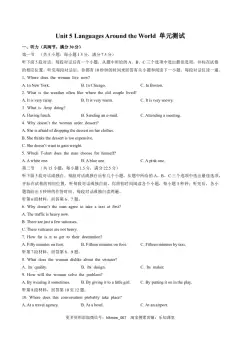 人教版(2019)高中英语必修第一册:Unit5Languagesaroundtheworld单元测试(附答案与解析)_E015高中全科试卷_英语试题_必修1_1.新版高中英语必修一_1.单元测试_3.单元测试(第三套)
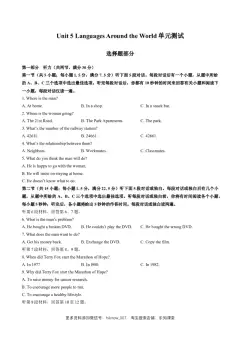 人教版(2019)高中英语必修第一册:Unit5Languagesaroundtheworld单元测试(含答案与解析)_E015高中全科试卷_英语试题_必修1_1.新版高中英语必修一_1.单元测试_3.单元测试(第三套)
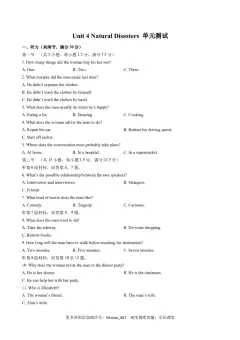 人教版(2019)高中英语必修第一册:Unit4单元测试(含答案与解析)_E015高中全科试卷_英语试题_必修1_1.新版高中英语必修一_1.单元测试_3.单元测试(第三套)
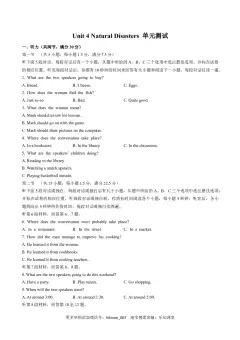 人教版(2019)高中英语必修第一册:Unit4Naturaldisasters单元测试(附答案与解析)_E015高中全科试卷_英语试题_必修1_1.新版高中英语必修一_1.单元测试_3.单元测试(第三套)
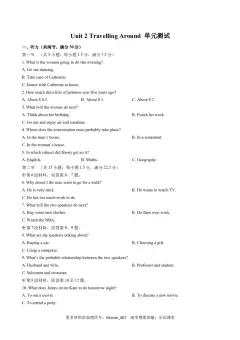 人教版(2019)高中英语必修第一册:Unit2单元测试(含答案与解析)_E015高中全科试卷_英语试题_必修1_1.新版高中英语必修一_1.单元测试_3.单元测试(第三套)
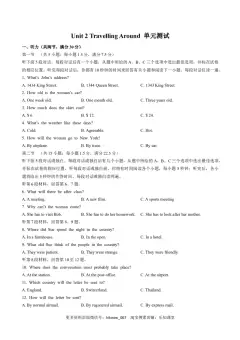 人教版(2019)高中英语必修第一册:Unit2Travellingaround单元测试(附答案与解析)_E015高中全科试卷_英语试题_必修1_1.新版高中英语必修一_1.单元测试_3.单元测试(第三套)
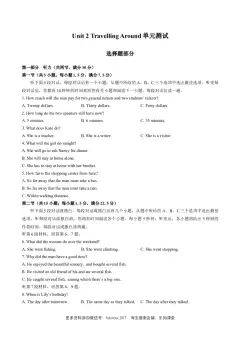 人教版(2019)高中英语必修第一册:Unit2Travellingaround单元测试(含答案与解析)_E015高中全科试卷_英语试题_必修1_1.新版高中英语必修一_1.单元测试_3.单元测试(第三套)
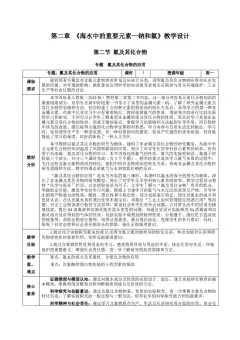 专题3氯及其化合物的应用(教学设计)-(人教版2019必修第一册)_高化_595801221724高中化学新人教版选择性必修一二三电子版教案PPT课件高中试卷_必修一册(人教版)_教学设计
 专题3铝及其化合物的转化及图像(教学设计)-(人教版2019必修第一册)_高化_595801221724高中化学新人教版选择性必修一二三电子版教案PPT课件高中试卷_必修一册(人教版)_教学设计
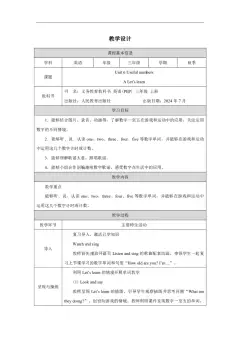 Unit_6_Useful_numbers(第二课时)_教学设计_26春四年级上下册人教版_四上英语合集人教版PEP英语四年级上册新教材(教学视频+课件+动画+音频+练习+教案)_19同步教案课件_人教pep3_3-6上册
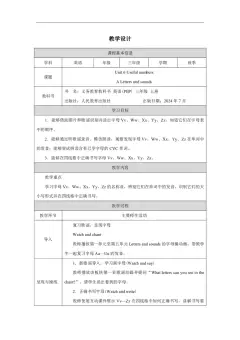 Unit_6_Useful_numbers(第三课时)_教学设计_26春四年级上下册人教版_四上英语合集人教版PEP英语四年级上册新教材(教学视频+课件+动画+音频+练习+教案)_19同步教案课件_人教pep3_3-6上册
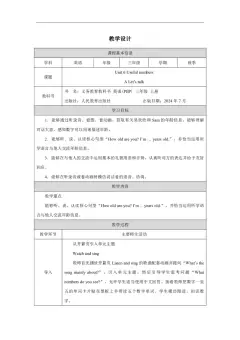 Unit_6_Useful_numbers(第一课时)_教学设计_26春四年级上下册人教版_四上英语合集人教版PEP英语四年级上册新教材(教学视频+课件+动画+音频+练习+教案)_19同步教案课件_人教pep3_3-6上册
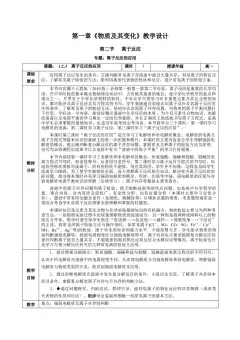 专题1离子反应的应用(教学设计)-(人教版2019必修第一册)_高化_595801221724高中化学新人教版选择性必修一二三电子版教案PPT课件高中试卷_必修一册(人教版)_教学设计
 绪言(教学设计)-(人教版2019必修第一册)_高化_595801221724高中化学新人教版选择性必修一二三电子版教案PPT课件高中试卷_必修一册(人教版)_教学设计
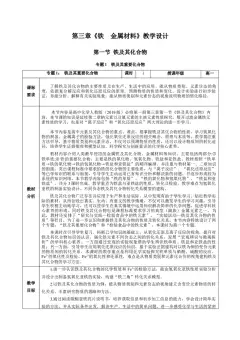 专题1(实验活动)铁及其重要化合物(教学设计)-(人教版2019必修第一册)_高化_595801221724高中化学新人教版选择性必修一二三电子版教案PPT课件高中试卷_必修一册(人教版)_教学设计
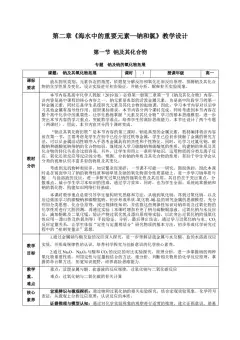 专题1钠及钠的氧化物拓展(教学设计)-(人教版2019必修第一册)_高化_595801221724高中化学新人教版选择性必修一二三电子版教案PPT课件高中试卷_必修一册(人教版)_教学设计
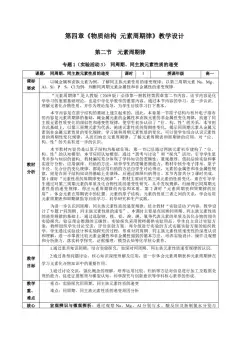 专题1同周期、同主族元素性质的递变(教学设计)-(人教版2019必修第一册)_高化_595801221724高中化学新人教版选择性必修一二三电子版教案PPT课件高中试卷_必修一册(人教版)_教学设计
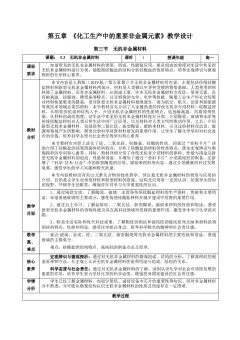 5.3无机非金属材料(教学设计)-(人教版2019必修第一册)_高化_595801221724高中化学新人教版选择性必修一二三电子版教案PPT课件高中试卷_必修二册(人教版)_教学设计
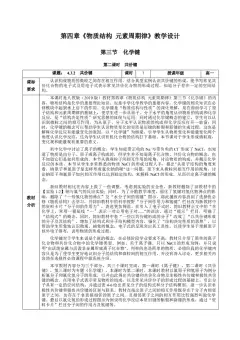 4.3.2共价键(教学设计)-(人教版2019必修第一册)_高化_595801221724高中化学新人教版选择性必修一二三电子版教案PPT课件高中试卷_必修一册(人教版)_教学设计
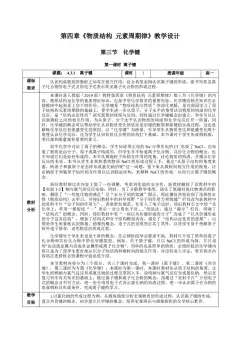 4.3.1离子键(教学设计)-(人教版2019必修第一册)_高化_595801221724高中化学新人教版选择性必修一二三电子版教案PPT课件高中试卷_必修一册(人教版)_教学设计
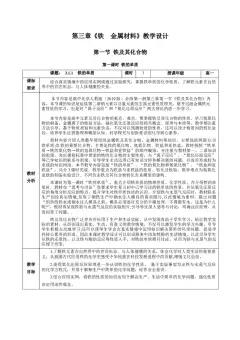 3.1.1铁的单质(教学设计)-(人教版2019必修第一册)_高化_595801221724高中化学新人教版选择性必修一二三电子版教案PPT课件高中试卷_必修一册(人教版)_教学设计
 2.3.3物质的量浓度(教学设计)-(人教版2019必修第一册)_高化_595801221724高中化学新人教版选择性必修一二三电子版教案PPT课件高中试卷_必修一册(人教版)_教学设计
 2.3.2气体摩尔体积(教学设计)-(人教版2019必修第一册)_高化_595801221724高中化学新人教版选择性必修一二三电子版教案PPT课件高中试卷_必修一册(人教版)_教学设计
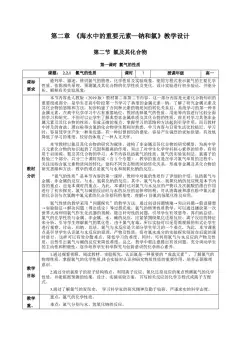 2.2.1氯气的性质(教学设计)-(人教版2019必修第一册)_高化_595801221724高中化学新人教版选择性必修一二三电子版教案PPT课件高中试卷_必修一册(人教版)_教学设计
 1.3.1氧化还原反应(教学设计)-(人教版2019必修第一册)_高化_595801221724高中化学新人教版选择性必修一二三电子版教案PPT课件高中试卷_必修一册(人教版)_教学设计
 1.1.3物质的转化(教学设计)-(人教版2019必修第一册)_高化_595801221724高中化学新人教版选择性必修一二三电子版教案PPT课件高中试卷_必修一册(人教版)_教学设计
 1.1.1物质的分类(教学设计)-(人教版2019必修第一册)_高化_595801221724高中化学新人教版选择性必修一二三电子版教案PPT课件高中试卷_必修一册(人教版)_教学设计
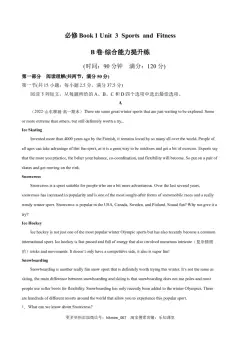 Unit3SportsandFitnessB卷·综合能力提升练(解析版)-单元测试2022-2023学年高一英语分层训练AB卷(人教版2019必修第一册)_E015高中全科试卷_英语试题_必修1_1.新版高中英语必修一
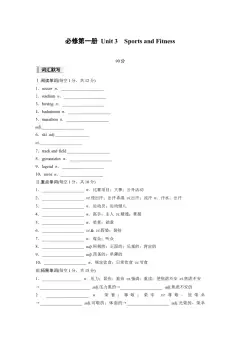 必修第一册Unit3 SportsandFitness_高中三年全科资料_高中_高中英语同步默写本
 专题2氧化还原反应的应用(教学设计)-(人教版2019必修第一册)_高化_595801221724高中化学新人教版选择性必修一二三电子版教案PPT课件高中试卷_必修一册(人教版)_教学设计
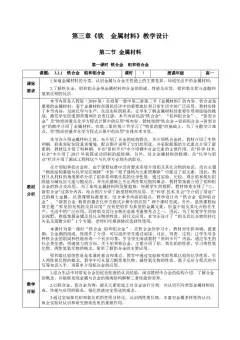 3.2.1铁合金铝和铝合金(教学设计)-(人教版2019必修第一册)_高化_595801221724高中化学新人教版选择性必修一二三电子版教案PPT课件高中试卷_必修一册(人教版)_教学设计
 2.3.1物质的量的单位-摩尔(教学设计)-(人教版2019必修第一册)_高化_595801221724高中化学新人教版选择性必修一二三电子版教案PPT课件高中试卷_必修一册(人教版)_教学设计
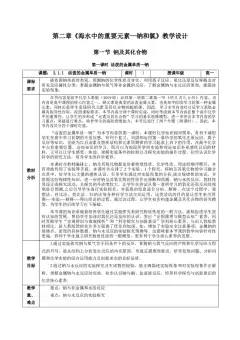 2.1.1活泼的金属单质-钠(教学设计)-(人教版2019必修第一册)_高化_595801221724高中化学新人教版选择性必修一二三电子版教案PPT课件高中试卷_必修一册(人教版)_教学设计
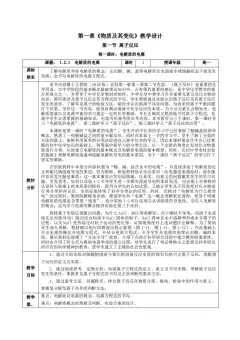 1.2.1电解质的电离(教学设计)-(人教版2019必修第一册)_高化_595801221724高中化学新人教版选择性必修一二三电子版教案PPT课件高中试卷_必修一册(人教版)_教学设计
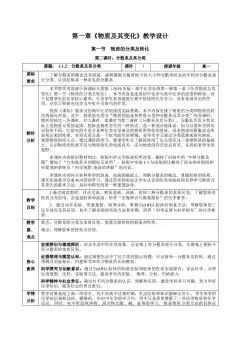 1.1.2分散系和胶体(教学设计)-(人教版2019必修第一册)_高化_595801221724高中化学新人教版选择性必修一二三电子版教案PPT课件高中试卷_必修一册(人教版)_教学设计
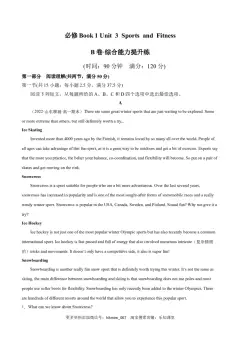 Unit3SportsandFitnessB卷·综合能力提升练(原卷版)-单元测试2022-2023学年高一英语分层训练AB卷(人教版2019必修第一册)_E015高中全科试卷_英语试题_必修1_1.新版高中英语必修一
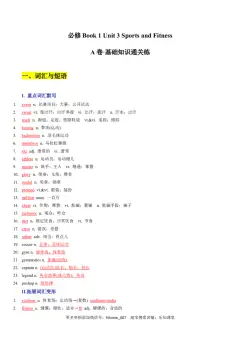 Unit3SportsandFitnessA卷·基础知识通关练(解析版)-单元测试2022-2023学年高一英语分层训练AB卷(人教版2019必修第一册)_E015高中全科试卷_英语试题_必修1_1.新版高中英语必修一
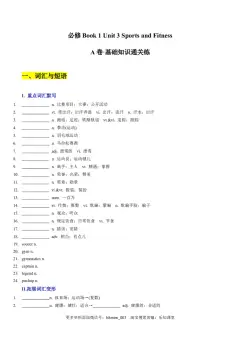 Unit3SportsandFitnessA卷·基础知识通关练(原卷版)-单元测试2022-2023学年高一英语分层训练AB卷(人教版2019必修第一册)_E015高中全科试卷_英语试题_必修1_1.新版高中英语必修一
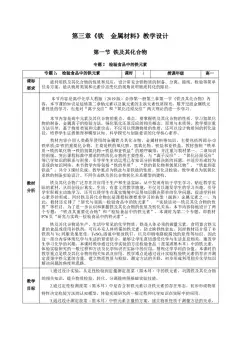 专题2检验食品中的铁元素(教学设计)-(人教版2019必修第一册)_高化_595801221724高中化学新人教版选择性必修一二三电子版教案PPT课件高中试卷_必修一册(人教版)_教学设计
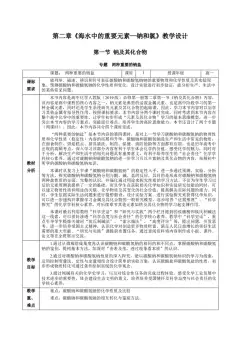 专题2两种重要的钠盐(教学设计)-(人教版2019必修第一册)_高化_595801221724高中化学新人教版选择性必修一二三电子版教案PPT课件高中试卷_必修一册(人教版)_教学设计
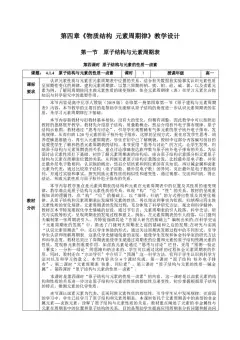 4.1.4原子结构与元素的性质—卤素(教学设计)-(人教版2019必修第一册)_高化_595801221724高中化学新人教版选择性必修一二三电子版教案PPT课件高中试卷_必修一册(人教版)_教学设计
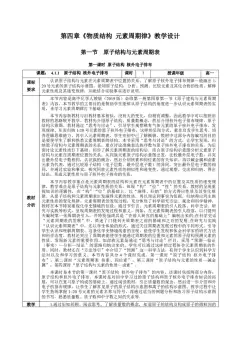 4.1.1原子结构核外电子排布(教学设计)-(人教版2019必修第一册)_高化_595801221724高中化学新人教版选择性必修一二三电子版教案PPT课件高中试卷_必修一册(人教版)_教学设计
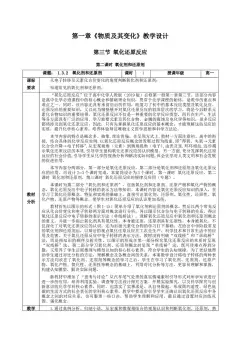 1.3.2氧化剂和还原剂(教学设计)-(人教版2019必修第一册)_高化_595801221724高中化学新人教版选择性必修一二三电子版教案PPT课件高中试卷_必修一册(人教版)_教学设计
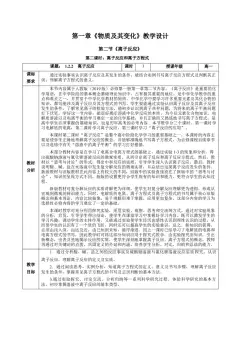 1.2.2离子反应及离子方程式(教学设计)-(人教版2019必修第一册)_高化_595801221724高中化学新人教版选择性必修一二三电子版教案PPT课件高中试卷_必修一册(人教版)_教学设计
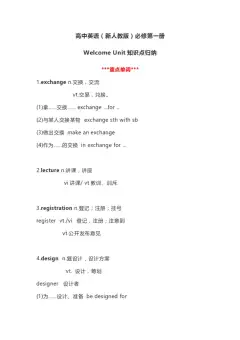 高中英语(新人教版)必修第一册(56页)_E015高中全科试卷_英语试题_必修1_1.新版高中英语必修一_7.知识汇总
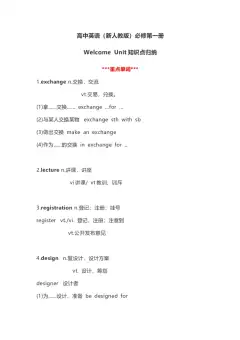 高中英语(新人教版)必修第一册(56页)_E015高中全科试卷_英语试题_必修1_1.新版高中英语必修一_7.知识汇总
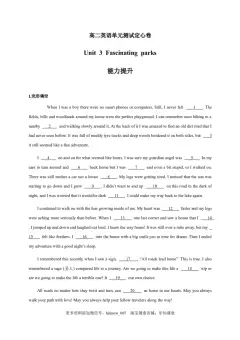 Unit3Fascinatingparks(能力提升)高二英语单元测试定心卷(人教版2019选择性必修第一册)(解析版)_E015高中全科试卷_英语试题_选修1_4.新版高中英语选择性必修1_1.单元测试
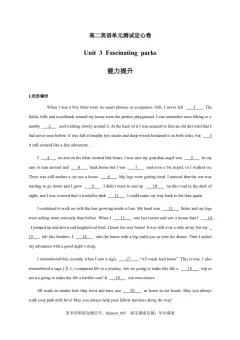 Unit3Fascinatingparks(能力提升)高二英语单元测试定心卷(人教版2019选择性必修第一册)(原卷版)_E015高中全科试卷_英语试题_选修1_4.新版高中英语选择性必修1_1.单元测试
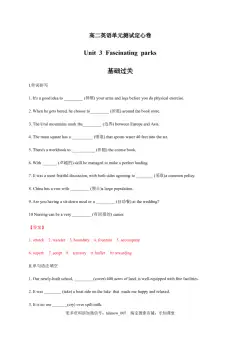 Unit3Fascinatingparks(基础过关)高二英语单元测试定心卷(人教版2019选择性必修第一册)(解析版)_E015高中全科试卷_英语试题_选修1_4.新版高中英语选择性必修1_1.单元测试
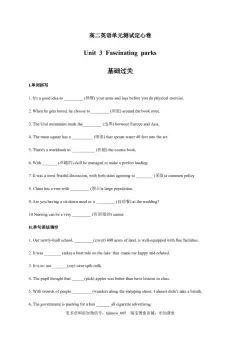 Unit3Fascinatingparks(基础过关)高二英语单元测试定心卷(人教版2019选择性必修第一册)(原卷版)_E015高中全科试卷_英语试题_选修1_4.新版高中英语选择性必修1_1.单元测试
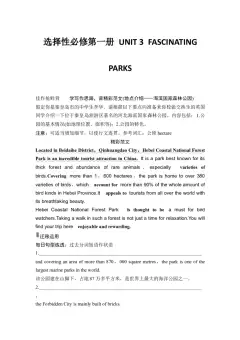 高中英语2025届一轮复习讲义(人教版)选择性必修第一册:UNIT3FASCINATINGPARKS(学生版)_3.2025英语总复习_2025年新高考资料_一轮复习
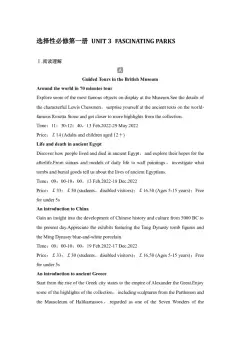 高中英语2025届一轮复习练习(人教版)选择性必修第一册:UNIT3FASCINATINGPARKS(含解析)_3.2025英语总复习_2025年新高考资料_一轮复习
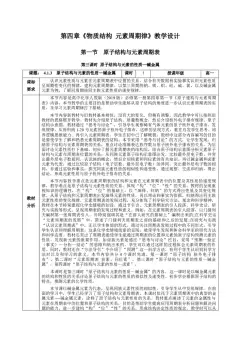 4.1.3原子结构与元素的性质—碱金属(教学设计)-(人教版2019必修第一册)_高化_595801221724高中化学新人教版选择性必修一二三电子版教案PPT课件高中试卷_必修一册(人教版)_教学设计
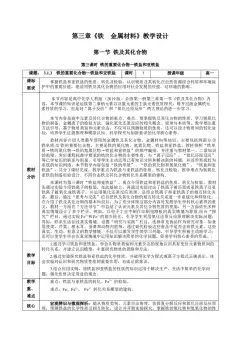 3.1.3铁的重要化合物—铁盐和亚铁盐(教学设计)-(人教版2019必修第一册)_高化_595801221724高中化学新人教版选择性必修一二三电子版教案PPT课件高中试卷_必修一册(人教版)_教学设计
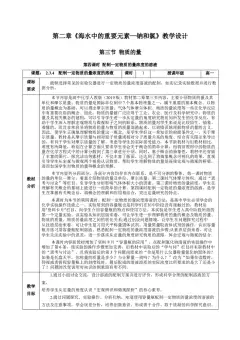 2.3.4配制一定物质的量浓度的溶液(教学设计)-(人教版2019必修第一册)_高化_595801221724高中化学新人教版选择性必修一二三电子版教案PPT课件高中试卷_必修一册(人教版)_教学设计
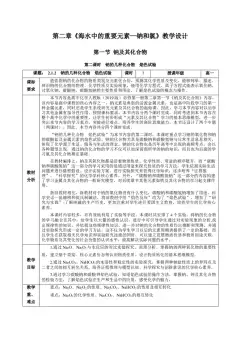 2.1.2钠的几种化合物焰色试验(教学设计)-(人教版2019必修第一册)_高化_595801221724高中化学新人教版选择性必修一二三电子版教案PPT课件高中试卷_必修一册(人教版)_教学设计
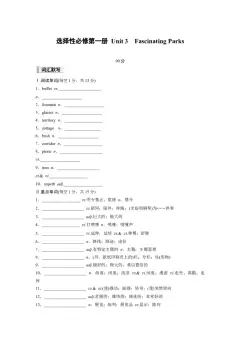 选择性必修第一册Unit3 FascinatingParks_高中三年全科资料_高中_高中英语同步默写本
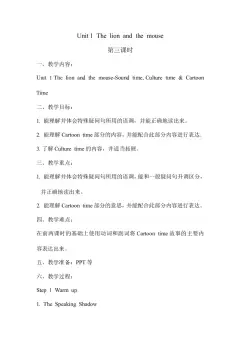 Period3_赠送全套教学资源_译林牛津6下教案_Unit1
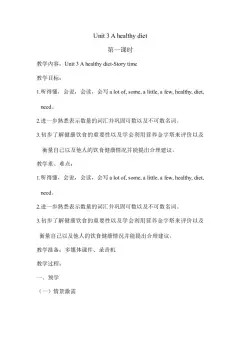 Period1_赠送全套教学资源_译林牛津6下教案_Unit3
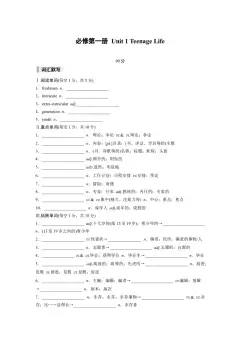 必修第一册Unit1 TeenageLife_高中三年全科资料_高中_高中英语同步默写本
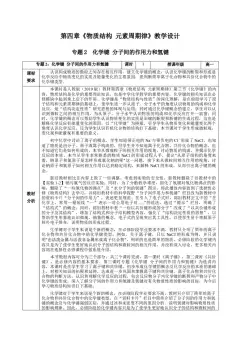 专题2化学键分子间作用力和氢键(教学设计)-(人教版2019必修第一册)_高化_595801221724高中化学新人教版选择性必修一二三电子版教案PPT课件高中试卷_必修一册(人教版)_教学设计
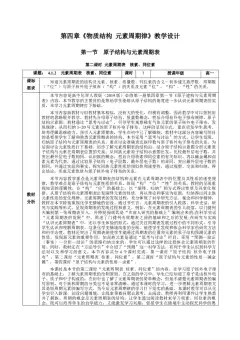 4.1.2元素周期表核素、同位素(教学设计)-(人教版2019必修第一册)_高化_595801221724高中化学新人教版选择性必修一二三电子版教案PPT课件高中试卷_必修一册(人教版)_教学设计
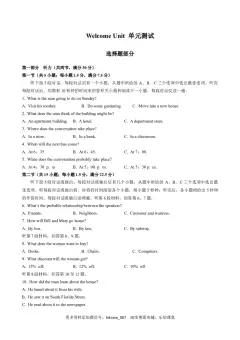 人教版(2019)高中英语必修第一册:WelcomeUnit单元测试(含答案与解析)_E015高中全科试卷_英语试题_必修1_1.新版高中英语必修一_1.单元测试_3.单元测试(第三套)
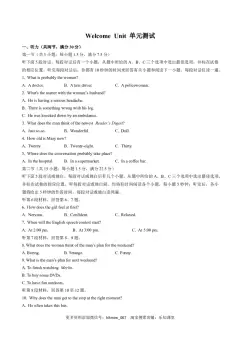 人教版(2019)高中英语必修第一册WelcomeUnit单元测试(附答案与解析)_E015高中全科试卷_英语试题_必修1_1.新版高中英语必修一_1.单元测试_3.单元测试(第三套)
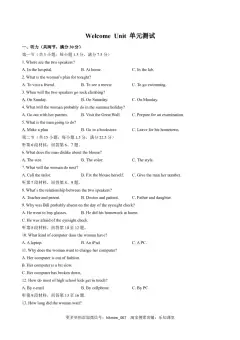 人教版(2019)高中英语必修第一册WelcomeUnit单元测试(含答案与解析)_E015高中全科试卷_英语试题_必修1_1.新版高中英语必修一_1.单元测试_3.单元测试(第三套)
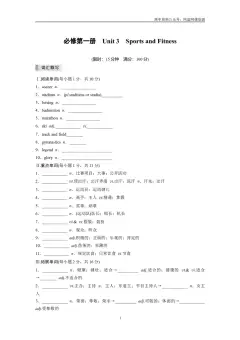 必修第一册 Unit3 SportsandFitness_初高中资料库_高中资料库(转存避免链接过期失效)_高中英语
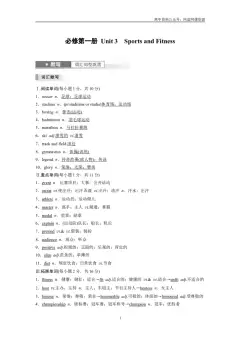 必修第一册Unit3 SportsandFitness_初高中资料库_高中资料库(转存避免链接过期失效)_高中英语
 高中英语2025届一轮复习讲义(人教版)选择性必修第一册:UNIT1 PEOPLEOFACHIEVEMENT(教师版)_03高考英语_2025年新高考资料_一轮复习
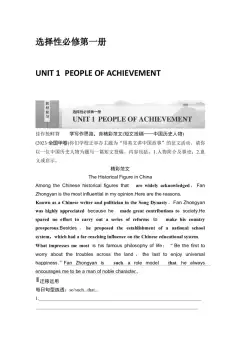 高中英语2025届一轮复习讲义(人教版)选择性必修第一册:UNIT1PEOPLEOFACHIEVEMENT(学生版)_3.2025英语总复习_2025年新高考资料_一轮复习
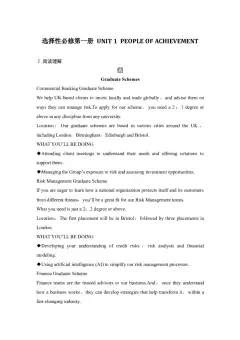 高中英语2025届一轮复习练习(人教版)选择性必修第一册:UNIT1PEOPLEOFACHIEVEMENT(含解析)_3.2025英语总复习_2025年新高考资料_一轮复习